art
2024/08/08
In recent years, the art world has witnessed a profound transformation characterized by two pivotal movements: minimalism and decentralization. Minimalism refers to a style that emphasizes simplicity and the reduction of unnecessary elements, allowing for a greater focus on the essence of the artwork itself.
On the other hand, decentralization involves distributing authority and control away from a central entity, particularly through technologies like blockchain, enabling artists to connect directly with their audiences. Together, these concepts foster an environment where art becomes more accessible, authentic, and reflective of individual experiences.
The significance of this topic is underscored by real-world examples that illustrate its impact. For instance, the rise of Non-Fungible Tokens (NFTs) has revolutionized how artists sell and share their work. The digital artist Beeple made headlines when his NFT artwork "Everydays: The First 5000 Days" sold for an astounding $69 million at Christie's, highlighting the potential of decentralized platforms to democratize art ownership.
Furthermore, Euan Lawson's research on digital minimalism in healthcare suggests that simplifying our interactions with technology can lead to enhanced focus and productivity—an idea that resonates within the art community as artists strive to cut through the noise and connect on a deeper level with their audience.
This blog post will delve into the interconnected themes of minimalism and decentralization in modern art installations. We will explore how these movements challenge traditional notions of art creation and consumption, providing actionable insights for artists and collectors alike. Additionally, we will discuss how emerging technologies are shaping these trends, ultimately leading to a more inclusive and expressive art landscape.
By embracing the principles of "Art in the Age of Less," we can foster a culture that values authenticity, creativity, and community over consumerism and excess.
According to a report from NonFungible.com, the NFT market surged by over 300% in 2021, indicating a growing acceptance of decentralized art forms. This statistic exemplifies the momentum behind the movement towards minimalism and decentralization, setting the stage for a new era in the art world.
Decentralized art represents a shift in how art is created, owned, and shared, leveraging the principles of decentralization that underpin blockchain technology. Unlike traditional art systems governed by galleries and auction houses, decentralized art operates on peer-to-peer networks where artists can directly connect with their audience.
This often occurs through Non-Fungible Tokens (NFTs), which are unique digital assets verified using blockchain technology. Each NFT is stored on a decentralized ledger, ensuring authenticity and ownership are publicly verifiable. The technical backbone of decentralized art typically involves smart contracts, which automate transactions and royalties, allowing artists to earn from secondary sales without relying on intermediaries.
The significance of decentralized art is profound, as it democratizes the art world, allowing for a broader range of voices and perspectives to be heard. For example, platforms like Foundation and OpenSea empower artists from diverse backgrounds to sell their work directly to collectors, bypassing traditional gatekeepers.
One notable instance is the artist Beeple, whose NFT artwork "Everydays: The First 5000 Days" sold for a staggering $69 million at Christie's, marking a pivotal moment where digital art gained mainstream recognition. This event not only highlighted the potential of NFTs but also challenged existing notions of value in the art market.
The technical aspects of decentralized art are intrinsically linked to the principles of Web3, which emphasizes user ownership and control. Smart contracts facilitate automatic royalty payments, ensuring artists receive a percentage of future sales, which is a revolutionary shift compared to traditional art sales.
According to a report from NonFungible.com, the NFT market grew by over 300% in 2021, reflecting an increasing acceptance and integration of decentralized art into mainstream culture.
1. Lawson, Euan. "Digital Minimalism and the Deep End" - This paper discusses how digital minimalism can address information overload in various fields, which is a concept that can be applied to the overwhelming options in decentralized art marketplaces.
2. NonFungible.com. "NFT Market Report" - This report outlines the explosive growth of the NFT market, providing statistical evidence of the shift towards decentralized ownership in the art world.
Art in the Age of Less embodies a philosophy rooted in minimalism and decentralization, where simplicity and authenticity take precedence over excess and complexity. This movement aligns itself with the broader trends in society that seek to reduce noise—visually, digitally, and conceptually.
Technically, this form of art often leverages technology to create immersive experiences that require fewer resources, thereby allowing creators to focus on the core message of the work. For instance, installations may utilize augmented reality (AR) and virtual reality (VR) to strip away distractions, focusing instead on the emotional and conceptual impact of the art itself. This resonates with the principles of digital minimalism, as highlighted in Euan Lawson's study on reducing information overload in healthcare, where simpler digital tools lead to improved outcomes in patient care.
The importance of Art in the Age of Less cannot be overstated. It serves as a counterbalance to an increasingly cluttered world, offering both creators and audiences a space to reconnect with fundamental human experiences. For instance, installations like Olafur Eliasson’s The Weather Project at the Tate Modern showcase how minimalistic approaches can evoke profound reflections on nature and existence. Furthermore, the rise of decentralized platforms in the art world, such as NFTs (non-fungible tokens), exemplifies how artists can reclaim control over their work, reducing the layers of intermediaries often present in traditional art markets.
Here are three actionable tips for embracing Art in the Age of Less: Simplify Your Space: Start by decluttering your environment. Remove unnecessary items and create a dedicated space for art that inspires you. This can enhance your focus and appreciation for the art around you.
Engage with Digital Minimalism: Leverage technology to create art that emphasizes simplicity. Use tools like AR to create interactive pieces that invite viewers to experience art in a less cluttered way. Support Decentralized Platforms: Explore art on platforms like OpenSea or Foundation where artists sell their work directly, bypassing traditional galleries. This not only supports artists but also promotes a more equitable art marketplace.
The intersection of Art in the Age of Less and advanced technologies like Web3 provides a fertile ground for innovation. Web3 technologies enable artists to tokenize their work, ensuring authenticity and ownership without the traditional barriers imposed by galleries or auction houses.
For example, artists can create limited editions of digital works that are verifiable on the blockchain, allowing collectors to purchase art with confidence in its provenance. The decentralized nature of Web3 also fosters community-driven curation, where art lovers can support and promote emerging artists directly.
According to Lawson's research on digital minimalism, reducing information overload can be particularly beneficial in high-stress environments, allowing for more effective interaction with art and creativity. Furthermore, a study on VR applications in pain management highlights the effectiveness of immersive experiences in altering perceptions, paralleling the emotional engagement sought in minimalistic art installations. These examples underscore the efficacy of adopting a minimalist approach not just in art, but in enhancing human experiences across various fields.
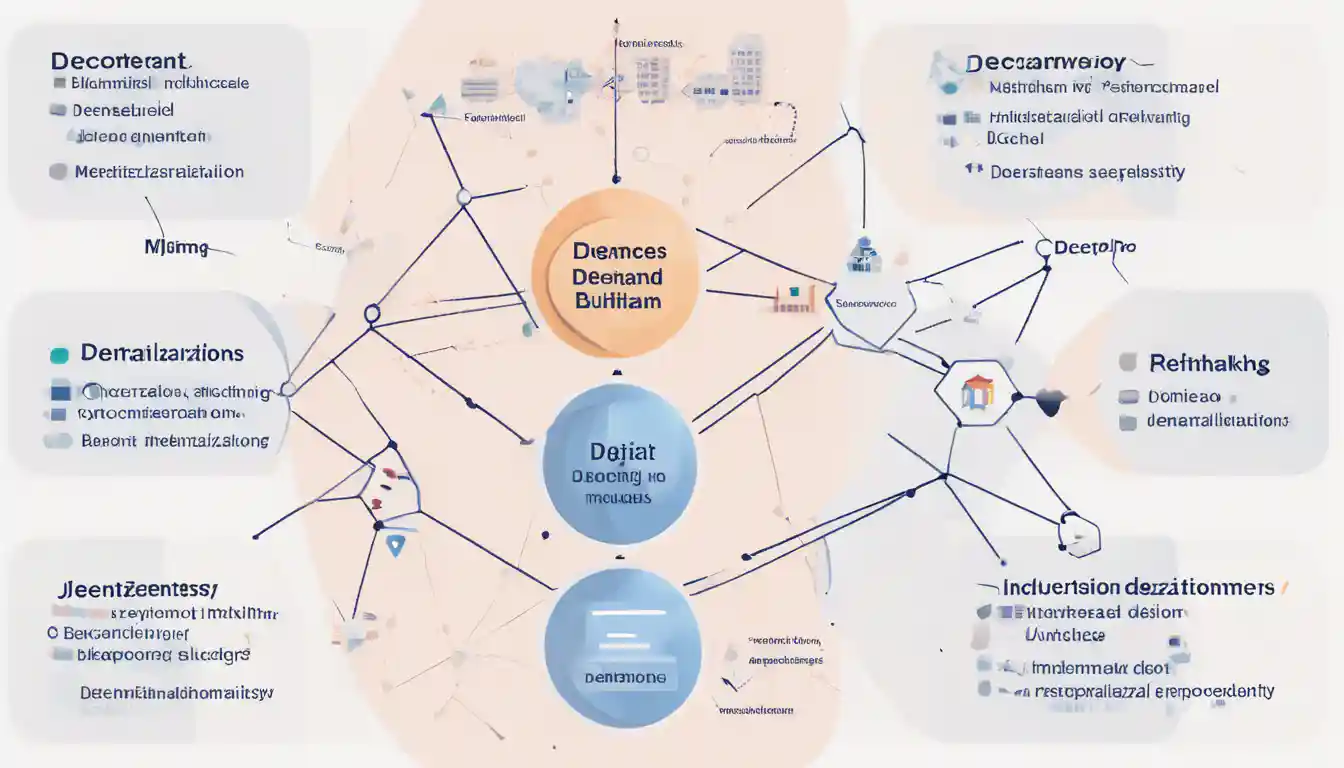
Decentralization refers to the distribution of authority, control, and decision-making away from a central authority. In the context of technology, particularly in blockchain and Web3 technologies, decentralization entails the use of distributed networks where control is shared among participants rather than being concentrated in a single entity. This shift not only empowers individuals but also enhances security and resilience against single points of failure.
Technically, decentralization is achieved through mechanisms such as consensus algorithms (like Proof of Work or Proof of Stake) that allow multiple nodes to validate transactions and maintain the integrity of the network. For instance, in a blockchain, every participant (or node) has access to the entire ledger, which is continuously updated and verified through a transparent and immutable process.
Decentralization plays a crucial role in various sectors, particularly in promoting transparency and reducing reliance on intermediaries. One prominent example is the rise of decentralized finance (DeFi), which enables users to lend, borrow, and trade cryptocurrencies without traditional banks. According to a report by DeFi Pulse, the total value locked in DeFi platforms reached over $80 billion in 2021, illustrating a significant shift toward decentralized financial systems.
Moreover, in the healthcare sector, as highlighted in the paper by Euan Lawson on "Digital Minimalism and the Deep End," decentralizing access to medical information through effective digital tools can alleviate the stress caused by information overload. By simplifying interfaces and processes, healthcare providers can focus more on patient care without the distraction of excessive data.
Here are three actionable steps you can take to embrace decentralization in your personal or professional life:
Decentralization in the realm of Web3 technologies includes innovations such as smart contracts, which automate processes without the need for intermediaries, thus reducing costs and increasing efficiency. For instance, Ethereum's platform allows developers to create decentralized applications that operate autonomously based on predetermined rules.
This technical foundation not only enhances trust among users but also fosters innovation by allowing anyone to contribute to the ecosystem without gatekeeping from centralized authorities.
Evidence supporting the effectiveness and relevance of decentralization can be found in various studies and reports. For example, a survey from Deloitte indicated that 40% of organizations are considering blockchain technology for its ability to enhance transparency and reduce fraud. Furthermore, Lawson's study emphasizes how digital minimalism can streamline information flow in medical environments, showcasing the practical benefits of a decentralized approach in high-stakes sectors.
In this exploration of "Art in the Age of Less," we've delved into the transformative power of minimalism and decentralization within modern installations. We examined how art, stripped of excess, can foster deeper emotional connections and convey profound messages. The rise of decentralized platforms, such as NFTs, has empowered artists to reclaim ownership and authenticity, while also democratizing the art market by enabling direct engagement between creators and audiences. Key takeaways include the importance of simplifying artistic expressions and utilizing technology to enhance the viewer's experience.
Looking ahead, the implications of this movement are vast. As digital minimalism continues to gain traction across various sectors, we can anticipate a greater emphasis on user-centered design and experiential art that prioritizes emotional engagement over material excess. Moreover, the ongoing evolution of blockchain technology and decentralized systems may further disrupt traditional art markets, providing new avenues for artists to share their work and connect with audiences globally.
As we embrace this paradigm shift, consider how you can contribute to the movement. Whether you're an artist, a collector, or simply an admirer of art, challenge yourself to explore the principles of minimalism and decentralization in your interactions with art. Engage with decentralized platforms, support artists directly, and reflect on the value of simplicity in your own creative endeavors. The age of less is not just a trend; it's an invitation to redefine our relationship with art and creativity.
- Digital minimalism and the Deep End
- Unikernel Monitors: Extending Minimalism Outside of the Box
- Virtual reality reduces COVID-19 vaccine hesitancy in the wild: a randomized trial
- Bridging Cultural Differences with Critical Design in a Globalized World
- PEMANFAATAN DIGITAL MINIMALISM PADA ERA TEKNOLOGI DIGITAL
- Digital Minimalism - An Rx for Clinician Burnout.

Brewing Innovation: Specialty Drinks in Web3
Get notified about new articles, coffee tips, and Web3 insights.
This site participates in affiliate programs and may earn a commission when a link is clicked and a purchase is made. The site is not responsible for any issues or troubles related to the products or services purchased through the use of this site.

DO&COFFEE loves coffee and technology, exploring the potential of NFTs and blockchain. Learn more →
DO&COFFEE loves coffee and technology, exploring the potential of NFTs and blockchain. Learn more →