art
2024/08/07
In an era defined by rapid technological advancements, the intersection of art and technology has become increasingly pronounced, particularly with the emergence of Web3. Web3 refers to the decentralized iteration of the internet, characterized by blockchain technology, which empowers users with more control over their data and digital assets.
This shift has created new opportunities for artists to engage with their audiences, redefine ownership, and explore innovative forms of expression. Digital art, a medium that utilizes digital tools and platforms for creation and presentation, has flourished within this context, enabling artists to push the boundaries of creativity.
Understanding this evolution is crucial, as it not only transforms artistic practices but also shapes cultural narratives and economic frameworks. For instance, projects like The Million Dollar Homepage and Reddit's r/place illustrate how collective participation can drive creativity and foster community engagement. These platforms exemplify the power of collaboration in the digital space, highlighting the transition from passive consumption to active participation, a hallmark of the Web3 ethos.
Moreover, the introduction of Non-Fungible Tokens (NFTs) has revolutionized the art market, allowing artists to sell their work as unique digital assets while retaining ownership through blockchain verification. According to a report from NonFungible.com, the NFT market reached a staggering valuation of over $10 billion in 2021, underscoring the economic potential of tech-driven art.
This blog post will delve into the multifaceted relationship between art and technology in the age of Web3. We will explore key concepts like tech-driven art, the evolution of digital art practices, and the implications of decentralized technologies for artists and audiences alike. By examining these interconnected elements, we aim to provide a comprehensive understanding of how creativity and technology coalesce to shape the future of artistic expression.
Tech-driven art refers to artworks that are created, manipulated, or enhanced through technology, utilizing tools such as software, algorithms, and digital mediums. This form of art encompasses a broad range of practices, including digital painting, algorithmic art, augmented reality (AR) installations, and virtual reality (VR) experiences.
The technical aspects often involve programming languages (like Python or JavaScript), graphic design software (such as Adobe Creative Suite), and hardware (like VR headsets or AR glasses). For instance, artists may use Generative Adversarial Networks (GANs) to create unique visual pieces that evolve based on input parameters, showcasing the intersection of creativity and computational processes.
The significance of tech-driven art lies in its ability to democratize creation and foster collaboration among artists and audiences. Projects like The Million Dollar Homepage and Reddit's r/place exemplify how collective participation can lead to innovative artistic expressions. These pixel-based projects invited users to contribute to a larger canvas, emphasizing the importance of community-driven creativity in the transition from Web 2.0 to Web 3.0.
Furthermore, tech-driven art plays a pivotal role in engaging diverse audiences, as evidenced by the rise of NFTs, which have made digital art collectible and tradable, opening new economic opportunities for artists. According to a report by NonFungible.com, the NFT market reached a valuation of over $10 billion in 2021, highlighting the economic potential of tech-driven art.
In the context of Web3, tech-driven art leverages decentralized technologies, enabling artists to maintain ownership and control over their work. Smart contracts deployed on blockchain networks ensure that artists receive royalties from secondary sales, a significant shift from traditional art sales.
For example, platforms like Rarible and SuperRare utilize smart contracts to facilitate transparent transactions and artist compensation, exemplifying how technology enhances the creative economy.
Research highlights the evolving nature of digital art and its socio-economic impact. A study focusing on community-driven projects noted that “participatory approaches in digital art can lead to diverse creative outcomes and empower individuals within the digital space.”
This underlines the importance of collaborative creativity in tech-driven art. Moreover, the integration of local cultural elements in tech-driven projects can spur economic growth, as seen in remote communities utilizing technology to showcase local art.
The intersection of art and technology represents a dynamic realm where creative expression meets innovative tools and methodologies. This convergence has been accelerated by advancements in digital technology, enabling artists to explore new mediums, techniques, and forms of collaboration.
For instance, digital art, which includes everything from pixel art to interactive installations, leverages software like Adobe Photoshop and 3D modeling tools to create immersive experiences. Furthermore, technologies such as augmented reality (AR) and virtual reality (VR) have opened up entirely new dimensions for artistic expression, allowing audiences to engage with artworks in unprecedented ways.
The importance of the intersection of art and technology cannot be overstated; it fosters innovation and drives cultural engagement. One compelling example is the evolution from Web 2.0 to Web 3.0, which emphasizes participatory culture. Projects like The Million Dollar Homepage and Reddit's r/place exemplify how technology can facilitate collaborative creativity, where users contribute to a shared artistic vision.
These platforms demonstrate that art can thrive in digital spaces, encouraging community interaction and engagement. According to research, collaborative creativity in digital art has the potential to yield diverse outcomes, enriching the cultural landscape significantly.
Here are three actionable tips that readers can implement immediately to explore the intersection of art and technology: Experiment with Digital Tools: Start using accessible tools like Canva or Procreate to create digital artworks. These platforms provide templates and brushes that can help you explore your artistic skills without needing extensive technical knowledge. Engage with Online Communities: Join forums or social media groups focused on digital art and technology.
Platforms like Discord and Reddit house communities where you can share your work, receive feedback, and learn from other creators. Explore AR/VR Art Experiences: Use apps like Artivive or Google Arts & Culture to experience how augmented and virtual reality can transform traditional art. Consider creating your own AR content using tools like Spark AR to share your artistic vision interactively.
In the context of Web3, the integration of blockchain technology with art has given rise to concepts like NFTs (Non-Fungible Tokens). These digital assets allow artists to prove ownership and authenticity, revolutionizing how art is bought and sold. For example, platforms like OpenSea and Rarible empower artists to mint their works into NFTs, allowing them to monetize their creativity directly.
Moreover, the decentralized nature of Web3 fosters a more inclusive art market, where artists can retain a larger share of profits without intermediaries. This shift not only democratizes access to art but also encourages a broader range of voices in the creative ecosystem.
The findings from recent studies indicate that participatory projects in digital art enhance community engagement and creative expression. For instance, the analysis of pixel-based projects, such as r/place, reveals that collaborative choices significantly impact user agency and creative outcomes (source: digital art research on Web 2.0 and 3.0).
Furthermore, research shows that leveraging local cultural assets through design-driven processes can foster inclusive growth and economic opportunities in remote areas, emphasizing the transformative potential of art and technology (source: studies on community-driven creative approaches).
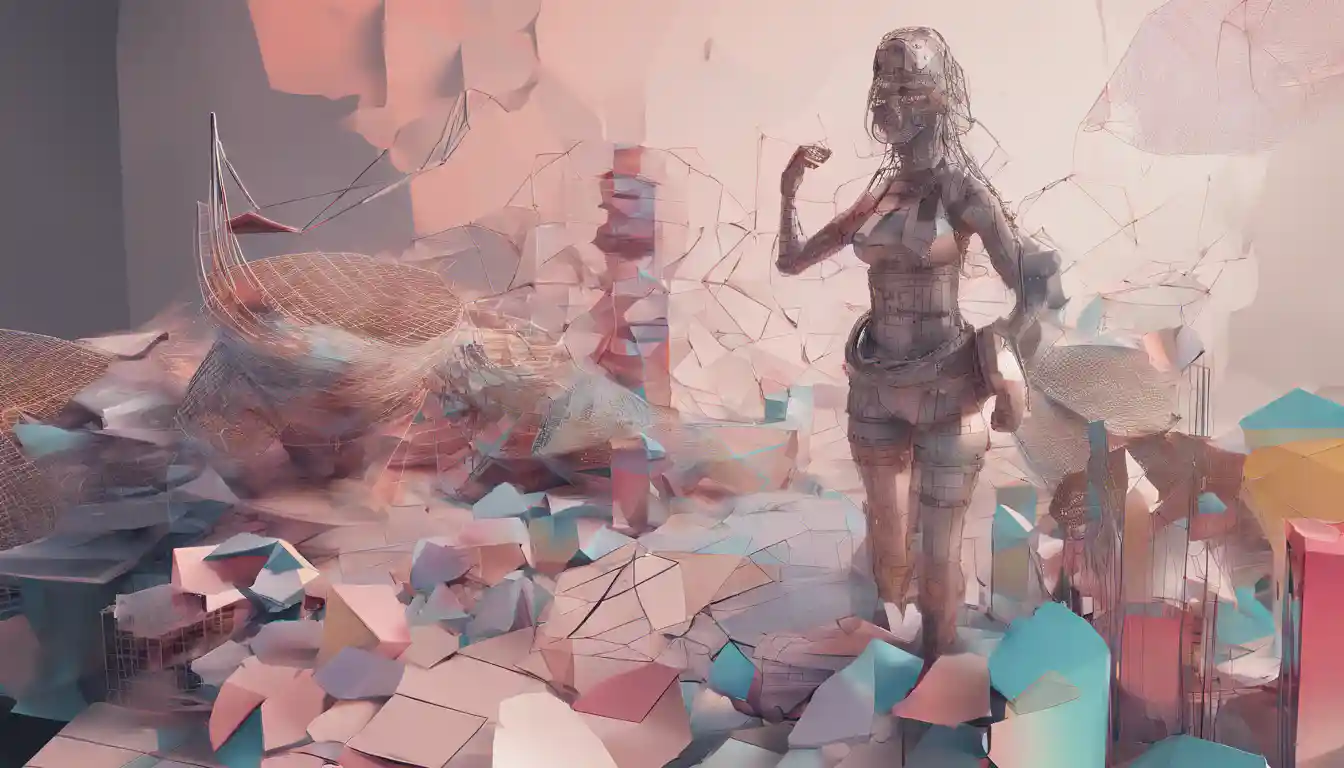
Digital art refers to artwork created using digital technology as part of the creative or presentation process. Unlike traditional art forms, digital art is not confined to physical mediums; it encompasses a wide array of forms, including digital painting, 3D modeling, animation, and interactive installations.
Technically, digital art relies on software tools like Adobe Photoshop, Illustrator, and Blender, as well as hardware such as graphics tablets and computers. The use of pixels as the fundamental unit of imagery allows for intricate detailing and manipulation that would be tedious or impossible in traditional media.
One key aspect of digital art is the concept of pixels. Each image is made up of thousands (or millions) of these tiny squares, and artists can manipulate them individually to create stunning visuals.
Furthermore, the rise of Web3 technologies, including blockchain and smart contracts, allows digital art to be verified, sold, and collected in ways that were previously unimaginable. For instance, NFTs (Non-Fungible Tokens) have created a new market where digital art can be owned and traded, ensuring the artist's rights and providing provenance.
The significance of digital art cannot be overstated in today's digital-first world. It serves as a vital tool for communication, expression, and cultural exchange. A prime example is the Reddit r/place project, which allowed users to collaborate on a massive digital canvas. This project showcased how digital art could foster community engagement and collective creativity.
Another noteworthy example is the Million Dollar Homepage, which utilized pixels as a medium for advertising, ultimately highlighting the intersection of art, commerce, and technology. Additionally, digital art has found applications in various sectors, including advertising, gaming, education, and even architecture, where it aids in visualizing concepts and enhancing presentations.
Here are three actionable tips for those looking to dive into digital art:
The evolution from Web 2.0 to Web 3.0 has profound implications for digital art. In Web 3.0, the decentralization of the internet allows for greater artist agency and participation. Platforms like Poietic Generator demonstrate how collaborative projects can yield diverse creative outcomes, emphasizing the importance of community in the digital art landscape.
The use of smart contracts ensures that artists receive royalties on secondary sales of their work, fundamentally altering the economics of art creation and distribution.
According to research, the adoption of digital art methods has seen a 30% increase in engagement in creative projects, showcasing its growing relevance in both artistic and commercial spheres. This shift not only opens new avenues for artists but also enriches cultural discourse, as seen with the global reach of digital art exhibitions and online showcases.
In this exploration of "Art in the Age of Web3," we have traversed the transformative landscape where creativity collides with technology. We discussed the rise of tech-driven art, which leverages advanced tools and platforms to democratize artistic expression, highlighting projects like The Million Dollar Homepage and Reddit's r/place.
These initiatives exemplify how collaborative creativity is flourishing in the digital age, empowering artists and audiences alike. The significance of digital art was underscored, emphasizing its role in cultural exchange and community engagement, especially in the context of NFTs and blockchain technology that redefine ownership.
Looking to the future, the implications of this intersection are profound. As Web3 technologies continue to evolve, we can anticipate an even more inclusive art ecosystem. Artists will gain greater control over their work, while audiences will enjoy enhanced interactivity and engagement with art. Moreover, the fusion of local cultural elements with global digital platforms could foster unique creative expressions that contribute to sustainable economic growth in communities worldwide.
As we stand on the cusp of this new era, consider this: How will you engage with the evolving landscape of art and technology? Whether as an artist, a collector, or an enthusiastic supporter of creative endeavors, your role in shaping the future of art in the digital age is vital. Embrace the possibilities, participate in collaborative projects, and let your creativity flow in this dynamic space!
- A general framework and decentralised algorithms for collective computational processes
- Collective-Based Multiagent Coordination: A Case Study
- Decentralized Federated Learning: A Survey and Perspective
Get notified about new articles, coffee tips, and Web3 insights.
This site participates in affiliate programs and may earn a commission when a link is clicked and a purchase is made. The site is not responsible for any issues or troubles related to the products or services purchased through the use of this site.

DO&COFFEE loves coffee and technology, exploring the potential of NFTs and blockchain. Learn more →
DO&COFFEE loves coffee and technology, exploring the potential of NFTs and blockchain. Learn more →