art
2024/08/07
In the rapidly evolving digital landscape, the intersection of art and technology has given rise to transformative concepts that challenge traditional notions of creativity and ownership. At the heart of this revolution are two key terms: Decentralized Autonomous Organizations (DAOs) and Non-Fungible Tokens (NFTs). DAOs are blockchain-based entities that allow communities to collaboratively govern artistic projects, sharing decision-making power and resources. NFTs, on the other hand, are unique digital tokens that establish ownership and provenance for digital assets, enabling artists to monetize their work in unprecedented ways.
The significance of this topic cannot be overstated. For instance, the digital artist Beeple made headlines when his artwork "Everydays: The First 5000 Days" sold for a staggering $69 million at a Christie’s auction, illuminating the immense economic potential of digital art. Moreover, platforms like Reddit's r/place have demonstrated how collaborative digital projects can engage vast communities in real-time artistic expression, showcasing the power of collective creativity. These real-world examples underscore the importance of understanding how DAOs and NFTs are reshaping the creative landscape.
This blog post will delve into the interconnected themes of DAOs, digital art, and ownership, exploring how they empower artists and foster community engagement. We will examine the transition from traditional art markets to the decentralized digital realm, highlighting participatory projects like "The Million Dollar Homepage" that exemplify the potential of collective artistic efforts. Furthermore, we will present supporting evidence, such as the staggering growth of the NFT market, which reached over $10 billion in sales in 2021, attesting to the momentum of this revolution.
Digital art refers to artistic work created using digital technology as an essential part of the creative or presentation process. Unlike traditional art, where physical mediums such as paint or clay are used, digital art utilizes computers, graphic tablets, and software like Adobe Photoshop or Procreate.
The technical aspects of digital art encompass a range of formats—raster graphics (made up of pixels) and vector graphics (using mathematical equations to create shapes). Artists can manipulate images at a pixel level, allowing for intricate detail and creativity that can be easily edited and reproduced.
Digital art plays a crucial role in today’s creative landscape. For instance, the advent of NFTs (Non-Fungible Tokens) has transformed the way digital artists monetize their work and engage with audiences. A notable example is the digital artist Beeple, who sold his artwork “Everydays: The First 5000 Days” as an NFT for a staggering $69 million at Christie’s auction house in March 2021. This sale not only highlights the economic potential of digital art but also raises questions about ownership and authenticity in the digital realm.
Additionally, platforms like Reddit's r/place utilize collaborative digital art to engage communities in real-time creative expression. This participatory approach emphasizes the evolving nature of digital art, merging community interaction with artistic expression, and showcasing how collective creativity can lead to innovative outcomes.
Web3, the next evolution of the internet, focuses on decentralization and user ownership, which aligns perfectly with the ethos of digital art. Smart contracts on blockchain platforms enable artists to retain ownership of their work and receive royalties for future sales. For instance, the Dapper Labs platform has pioneered the use of blockchain for digital collectibles, showcasing how technology can ensure authenticity and provenance in the digital art market.
Moreover, participatory projects like "The Million Dollar Homepage" and "Poietic Generator" demonstrate how community-driven digital art initiatives can leverage Web3 technologies to foster collaboration and creativity. These projects highlight the power of decentralized participation in shaping artistic outcomes and engaging audiences in meaningful ways.
According to a report by Art Basel, the global art market reached $65.1 billion in sales in 2021, with digital art gaining significant traction due to the rise of NFTs. Furthermore, a study published in the Journal of Cultural Economics emphasizes the importance of digital art in cultural sustainability, particularly in local communities where creative expression can drive economic growth.
In conclusion, digital art is a dynamic and evolving field that not only challenges traditional notions of art but also provides new opportunities for creators in the digital age. Embracing the technological advancements of Web3 and understanding the importance of community can empower artists to thrive in this unchained era of creativity.
Blockchain art refers to artwork that is created, bought, and sold using blockchain technology, typically in the form of Non-Fungible Tokens (NFTs). At its core, blockchain is a decentralized ledger technology that ensures transparency and security by recording transactions across multiple computers. Each piece of blockchain art is uniquely identified by a digital token, which is stored on a blockchain, making it easy to verify ownership and authenticity.
The technical aspects of blockchain art involve smart contracts—self-executing contracts with the terms of the agreement directly written into code. These contracts ensure that artists receive royalties each time their work is resold, providing them with ongoing revenue streams. Platforms like Ethereum and Tezos are commonly used for creating and trading NFTs, and projects like The Million Dollar Homepage and Reddit's r/place illustrate the collaborative potential of blockchain in digital art creation.
The importance of blockchain art can be seen in its ability to empower artists and creators. Traditionally, artists have faced challenges in proving ownership and selling their work without intermediaries. Blockchain technology eliminates these barriers by providing a secure platform for transactions and ownership verification.
A prime example is the sale of Beeple's digital artwork "Everydays: The First 5000 Days," which sold for a staggering $69 million at Christie’s. This sale not only highlights the financial potential of blockchain art but also underscores its cultural significance as a legitimate form of artistic expression. Additionally, the rise of decentralized autonomous organizations (DAOs) allows communities to collectively fund and own art projects, further democratizing the art world.
Here are three concrete, actionable tips for readers looking to dive into the world of blockchain art:
Blockchain art is closely tied to Web3, the decentralized web that empowers users through privacy and ownership. Web3 technologies use blockchain to foster peer-to-peer interactions without intermediaries, enhancing artists' control over their creations. Smart contracts enable artists to set specific terms for how their work is used, sold, and distributed.
For instance, the Poietic Generator project exemplifies how blockchain can facilitate participatory art creation, where users can collaboratively contribute to a digital artwork. This type of decentralized participation promotes a sense of agency among creators and collectors alike, further blurring the lines between artist and audience.
According to a report by NonFungible.com, the NFT market grew by over 200% in 2021, surpassing $10 billion in sales. Additionally, a study highlighted in a 2022 paper discussed the evolution of participatory approaches in digital art, emphasizing the importance of decentralized participation in enhancing creative potential.
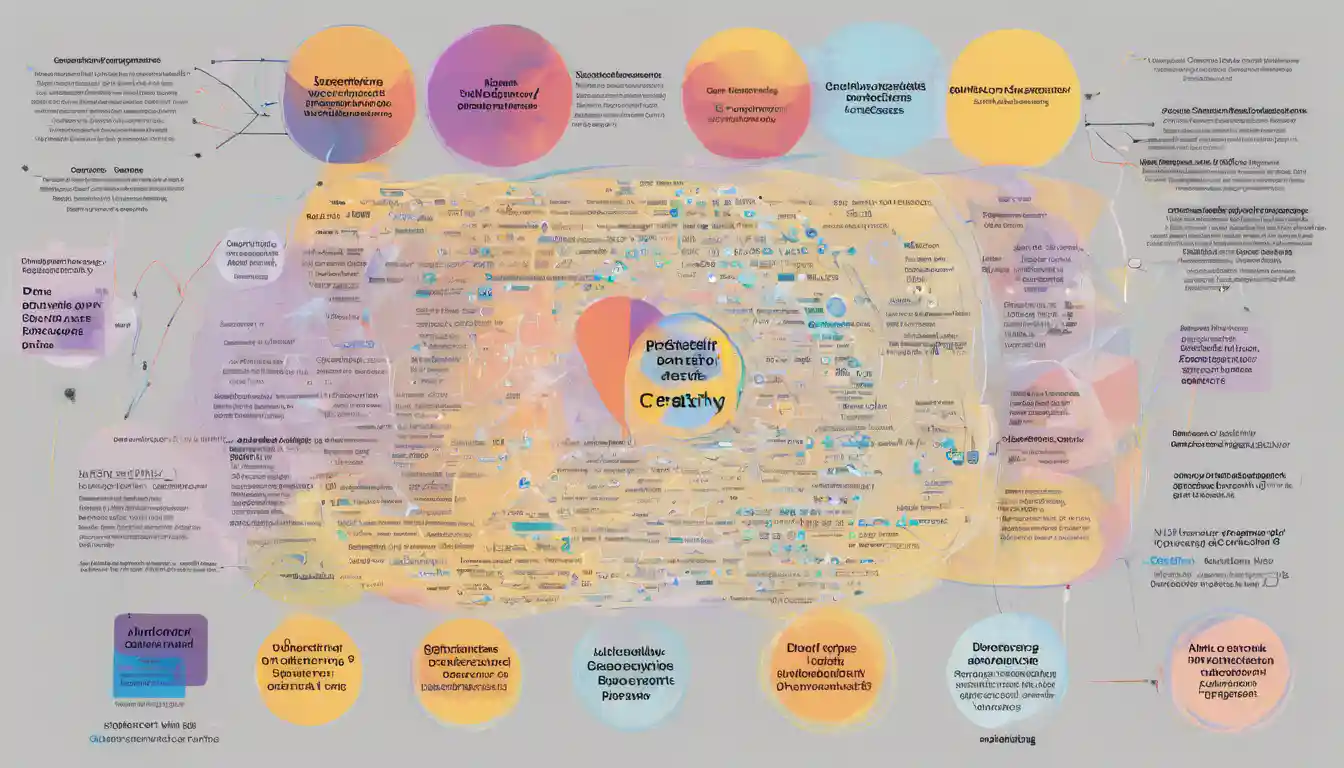
Creativity can be defined as the ability to generate new ideas, concepts, or artistic expressions. In the digital realm, it often involves the use of technology to produce and share innovative works. Ownership, on the other hand, refers to the legal and moral rights associated with creative works.
In traditional settings, ownership is typically held by the creator or the organization that finances the creation. However, with the advent of Web3 technologies, particularly decentralized autonomous organizations (DAOs), the landscape of creativity and ownership is evolving. DAOs enable collective decision-making and resource allocation, allowing creators to share ownership and control over their works.
The importance of creativity and ownership in the digital age cannot be overstated. For example, projects like The Million Dollar Homepage and Reddit's r/place illustrate how collaborative creativity can yield unique digital experiences. In these projects, participants collectively contributed to the creation of a pixelated canvas or a shared digital art piece, fostering a sense of community and shared ownership.
Moreover, the rise of non-fungible tokens (NFTs) has redefined ownership in the art world. Artists like Beeple have sold NFTs for millions of dollars, demonstrating how digital art can be owned, traded, and appreciated in ways that were previously unimaginable. According to a report by Artsy, the NFT market saw a staggering growth in early 2021, reaching over $250 million in sales in just the first quarter.
Web3 technologies, built on blockchain, allow for transparent ownership records and decentralized governance. Smart contracts, a key component of blockchain technology, automate the execution of agreements related to ownership and usage rights.
For instance, when an NFT is sold, the smart contract ensures that the original creator receives a percentage of future sales, thus maintaining their stake in the work. This technical foundation not only enhances trust among creators and consumers but also empowers artists by ensuring they benefit from their work over time.
The importance of decentralized participation in digital creativity is highlighted in a study analyzing collaborative projects like Poietic Generator, which emphasizes the role of diverse conceptual choices in enhancing creative outcomes. As noted in the research, decentralized approaches enhance agency and participation in creative processes, paving the way for innovative expressions.
Furthermore, the integration of cultural values into local growth trajectories showcases how shared ownership fosters community development .
In this exploration of how DAOs are transforming the landscape of creativity and ownership, we have highlighted several key points. Firstly, digital art and blockchain technologies have opened new avenues for artists, enabling them to retain ownership and control over their works through the use of Non-Fungible Tokens (NFTs).
Projects like The Million Dollar Homepage and Reddit's r/place demonstrate the power of collaborative creativity, illustrating how decentralized participation can lead to innovative artistic outcomes. Furthermore, the rise of DAOs represents a paradigm shift in ownership, allowing communities to collectively fund and own creative projects, thereby democratizing the art world.
Looking to the future, we can anticipate further developments in the integration of technology and art. As Web3 continues to evolve, we may see more sophisticated platforms that enhance user agency and foster greater community involvement in the creative process. The potential for artists to harness these tools for collaboration and revenue generation is vast, suggesting a more inclusive and equitable art ecosystem.
As we stand on the brink of this new era, consider how you might engage with these revolutionary changes. Whether you're an artist, a collector, or simply a curious observer, the digital landscape is ripe with opportunities. Dive into this unchained world of creativity and explore how you can contribute to or benefit from the ongoing evolution of art in the digital age.
- The Ruangrupa’s Collective Curatorial Practice at Documenta Fifteen
- Decentralized Federated Learning: Fundamentals, State of the Art, Frameworks, Trends, and Challenges
Get notified about new articles, coffee tips, and Web3 insights.
This site participates in affiliate programs and may earn a commission when a link is clicked and a purchase is made. The site is not responsible for any issues or troubles related to the products or services purchased through the use of this site.
DO&COFFEE loves coffee and technology, exploring the potential of NFTs and blockchain. Learn more →
DO&COFFEE loves coffee and technology, exploring the potential of NFTs and blockchain. Learn more →