coffee
2024/08/22
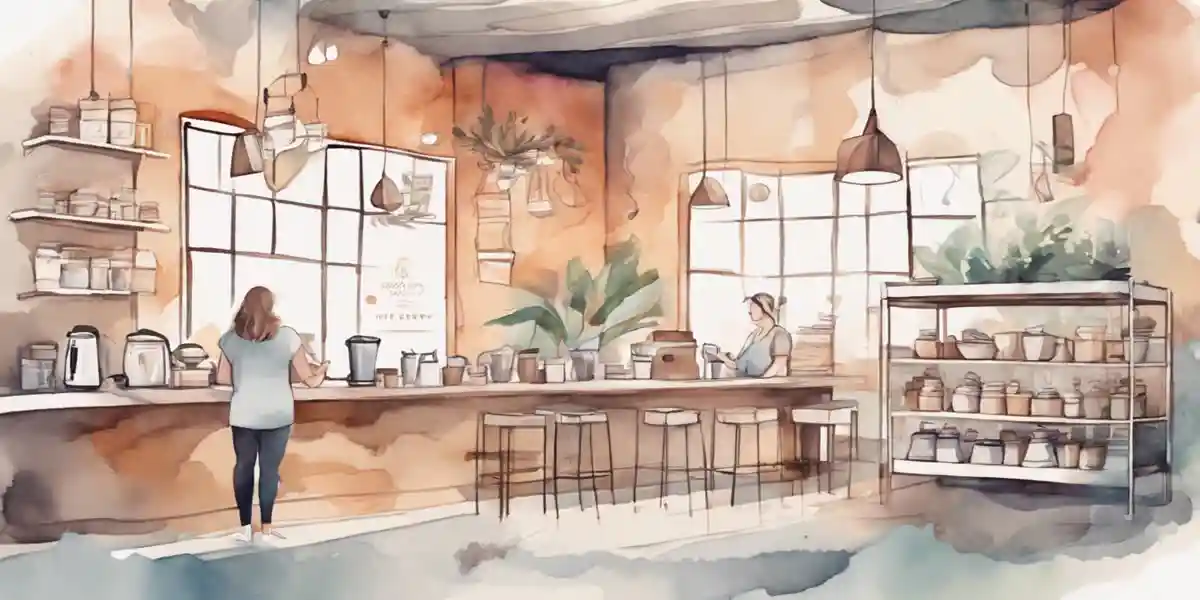
Have you ever imagined stepping into a world where coffee isn't just a beverage, but a powerful narrative of sustainability and artistry? Welcome to "Beyond the Brew," where we explore the fascinating intersection of sustainable coffee and virtual reality art.
Picture this: donning a VR headset and immersing yourself in a lush coffee plantation, where the stories of farmers echo around you, highlighting eco-friendly practices like agroforestry and organic cultivation. This blog post delves into how cutting-edge virtual reality technology not only educates us about the journey of coffee from bean to cup but also brings to life the essential role of sustainable practices in uplifting local communities and protecting our environment.
As we navigate through this digital landscape, we’ll showcase how fair trade practices can enhance farmers' livelihoods while interactive art installations visualize the impact of our coffee choices.
By merging the realms of art and ethical consumption, we can foster a culture of creativity and awareness, transforming every cup of coffee into a catalyst for change. Are you ready to explore how this innovative blend of sustainability and technology can brew a better future for all of us?
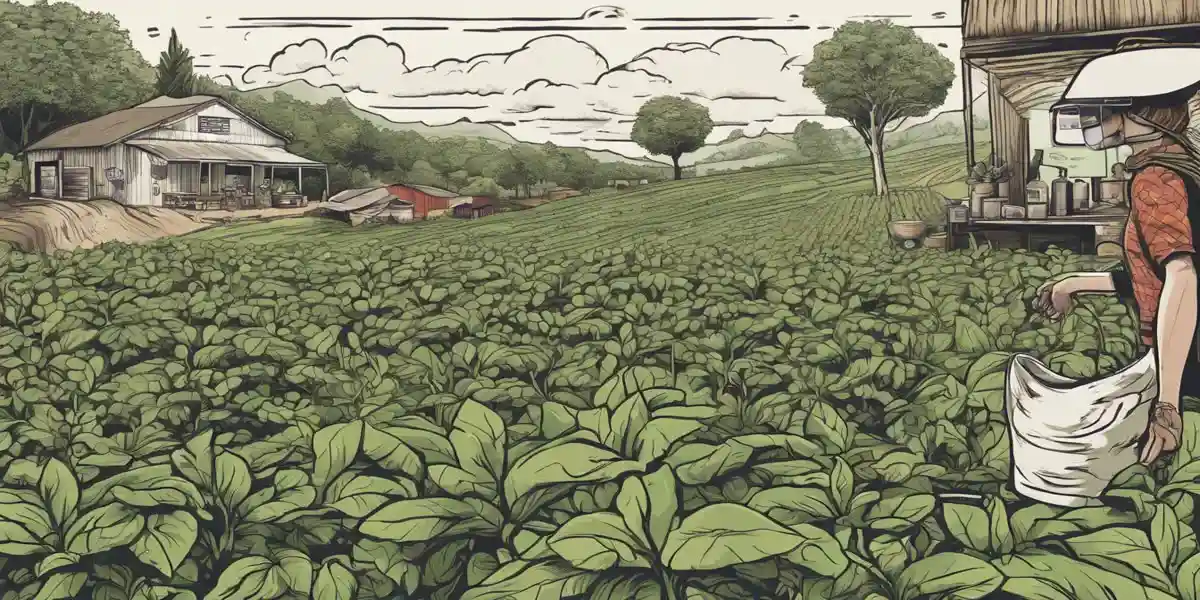
Imagine stepping into a virtual coffee shop where every detail reflects the ethos of sustainability. This immersive experience, powered by cutting-edge virtual reality (VR) technology, invites users to explore the intricate journey of coffee from bean to cup while highlighting sustainable practices. In this digital landscape, we can uncover the profound implications of sustainable coffee, not just for the environment but also for the communities involved in its production.
Sustainable coffee is more than just a buzzword; it represents a commitment to environmentally sound practices, social equity, and economic viability. At its core, sustainable coffee production focuses on methods that not only protect the environment but also empower farmers. This includes practices such as organic farming, which avoids synthetic pesticides and fertilizers, and agroforestry, which integrates coffee cultivation with tree planting to enhance biodiversity and soil health.
One poignant example can be found in the lush coffee plantations of Colombia, where farmers are increasingly adopting organic farming methods. These practices help reduce the carbon footprint associated with coffee production while promoting healthier ecosystems. A study indicated that these organic practices not only yield high-quality coffee beans but also elevate farmers' incomes by attracting consumers willing to pay a premium for ethically produced coffee.
Fair Trade is a pivotal element of the sustainable coffee movement, providing a framework that ensures farmers receive fair compensation for their labor. Research shows that Fair Trade-certified coffee producers in Ethiopia, for instance, experience significantly higher incomes due to their membership in Fair Trade cooperatives. A study highlights that fair-trade membership correlates positively with income, emphasizing that this model can effectively reduce poverty among smallholder farmers.
Moreover, Fair Trade extends beyond just financial benefits. It fosters empowerment and social equity by allowing farmers to voice their needs and concerns. It is not uncommon for Fair Trade-certified cooperatives to reinvest profits into community development projects, such as education and healthcare, which can profoundly enhance the quality of life for farmers and their families.
Now, imagine how virtual reality can enhance our understanding of these practices. By stepping into a VR-enabled coffee shop, users can interact with virtual farmers, witness sustainable farming practices firsthand, and grasp the broader impact of their coffee choices. VR has been shown to elevate consumer engagement, particularly among Generation Z, who are increasingly savvy about the ethical implications of their purchases. A study suggests that VR can enhance consumer understanding of Fair Trade coffee, making it easier for young consumers to connect their personal values with their purchasing decisions.
As you navigate through this digital landscape, engaging installations showcase how fair trade practices uplift farmers' livelihoods, while interactive art pieces visualize the reduction of carbon footprints in the coffee industry. This concept not only educates users about sustainable coffee but also invites them to participate in a community-driven movement.
In this virtual space, artists can create works that reflect their interpretations of sustainability, using VR tools to craft immersive installations that blend artistry with activism. By intertwining the themes of sustainable coffee and VR art, we create a unique platform that fosters creativity, awareness, and collective action. Wouldn't you want to be a part of this brewing change?
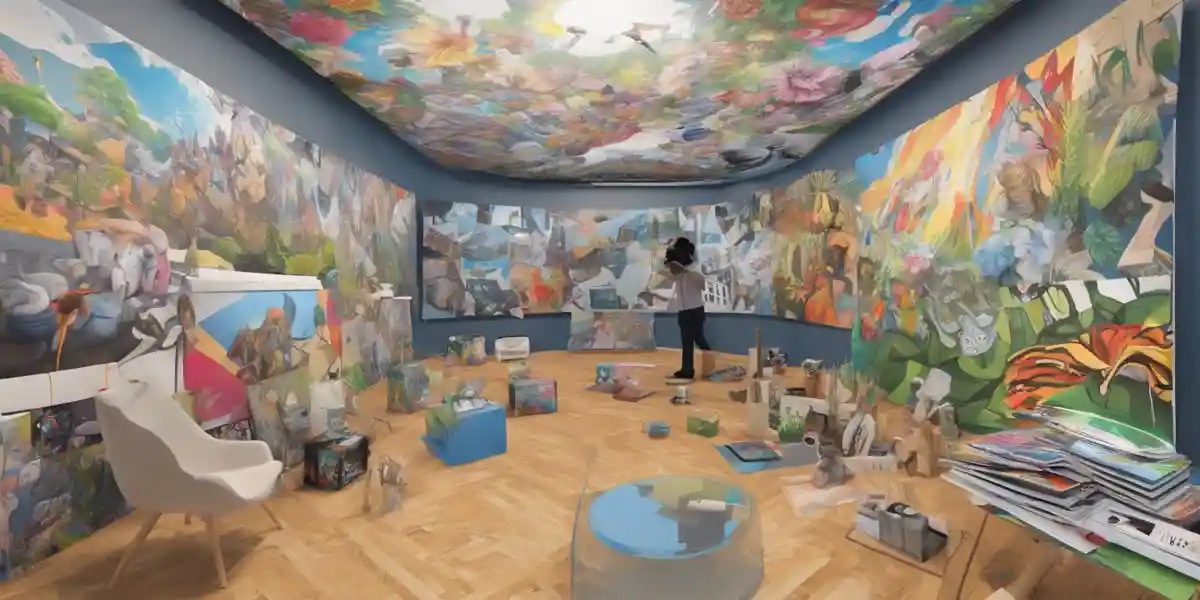
The emergence of virtual reality (VR) art marks a significant evolution in the artistic landscape, providing creators with unprecedented tools to express their visions. This innovative medium transcends traditional art forms by immersing viewers in fully interactive environments that engage multiple senses. Imagine being able to step inside a painting, feeling the textures of the brushstrokes, or walking through a digital installation that reacts to your presence. This is not merely a futuristic dream; it is the reality of VR art today.
Virtual reality art refers to artwork created for and experienced through VR technology, allowing audiences to explore and engage with art in ways that were previously unimaginable. This technology offers artists the ability to construct three-dimensional spaces where their work can be manipulated and experienced from various perspectives. Tools such as Oculus Rift, HTC Vive, and Oculus Quest have democratized access to VR, making it easier for artists to create immersive experiences. Artists like Jon Rafman and Olafur Eliasson have already begun to explore this medium, integrating their unique styles with the capabilities of VR.
As we delve into the intersection of VR art and sustainability, it's essential to recognize how this technology can amplify messages around eco-friendliness and ethical consumption. For instance, VR experiences can vividly illustrate the journey of sustainable coffee, allowing users to witness firsthand the effects of fair-trade practices on local communities. By showcasing the rich tapestry of coffee cultivation, from organic farming methods to the social dynamics within farming cooperatives, VR art can create a powerful narrative that encourages ethical consumerism.
One notable example is "The Night Cafe," a VR recreation of Vincent van Gogh's iconic painting. This immersive experience allows users to navigate through a three-dimensional interpretation of the artwork, bringing it to life in a way that static images cannot. Similarly, projects like "Tree" by the artist and environment advocate, Therese Cator, utilize VR to simulate forest ecosystems that educate viewers about biodiversity and the importance of environmental conservation.
Moreover, a recent study highlighted the impact of VR on Generation Z's purchase intentions regarding fair-trade coffee, emphasizing how immersive experiences can enhance understanding and engagement with ethical products. By leveraging VR technology, artists and brands can create compelling stories that resonate with consumers' personal values and beliefs, ultimately influencing their purchasing decisions.
Interactive installations in virtual reality also encourage community involvement and collective action. In a VR environment focused on sustainable coffee, users can participate in simulations of eco-friendly farming practices, interact with virtual farmers, and experience the tangible benefits of fair-trade initiatives. This blend of artistry and activism fosters a culture of awareness, inviting participants to consider their impact on the world with each cup of coffee they consume.
The potential for VR art to connect individuals to the overarching narrative of sustainability is vast. As artists continue to explore this medium, the opportunity to create experiences that inform and inspire becomes increasingly crucial. Wouldn’t you want to be part of this expanding world where art, technology, and sustainability converge?
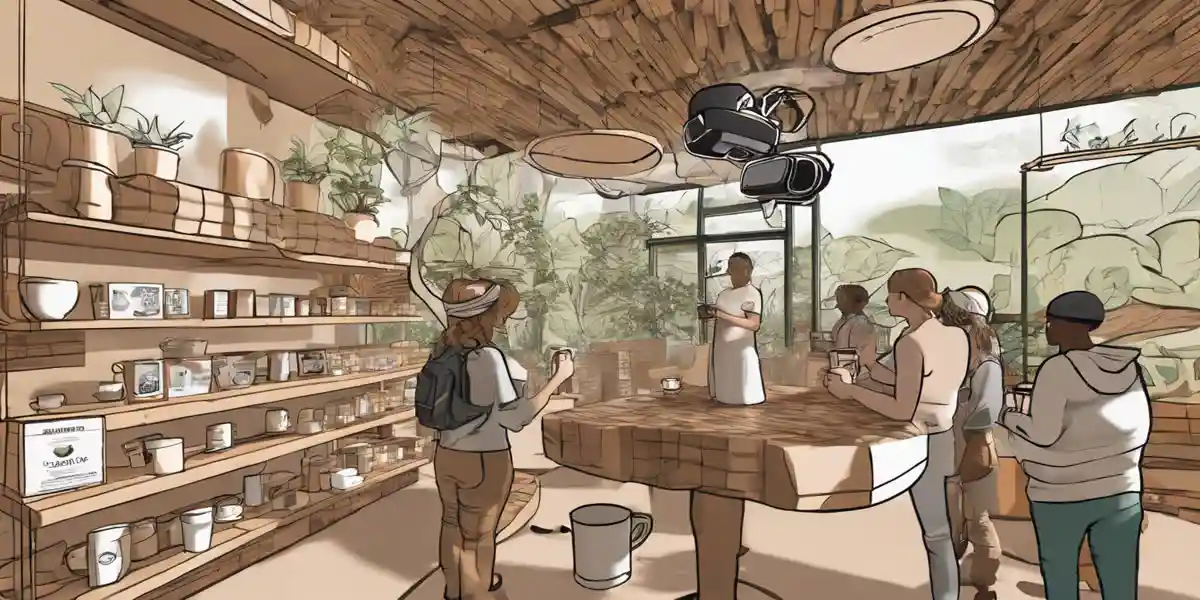
Imagine a world where virtual reality (VR) not only entertains but also educates and inspires change. The intersection of sustainable coffee and VR is a burgeoning frontier that promises to deepen our understanding of ethical consumption while fostering an appreciation for the intricate journey of coffee from bean to cup. This fusion elevates consumer engagement and empowers individuals to make informed choices about the products they consume.
Step into a virtual coffee shop where every detail mirrors the principles of sustainability. As you don your VR headset, the lush landscapes of coffee plantations come to life, enveloping you in the sights and sounds of nature. You are not merely an observer; you interact with virtual farmers who share their experiences and eco-friendly farming techniques, such as agroforestry and organic cultivation. This immersive experience is designed to enhance your understanding of how sustainable practices can positively impact not only the environment but also the livelihoods of farmers.
Research indicates that immersive technologies like VR can significantly influence consumers' intentions to purchase Fair-trade products. A study focusing on Generation Z highlighted the potential of VR to enhance consumer understanding and engagement with ethical products, showing that personal values and Fair-trade knowledge are crucial factors in shaping purchase intentions. By creating a vivid and interactive experience, VR can demystify the complexities of sustainable coffee production, fostering a deeper connection between consumers and the ethical implications of their choices.
As you navigate through this virtual realm, engaging installations reveal the profound effects of sustainable coffee on local communities and the environment. Interactive art pieces vividly illustrate the reduction of carbon footprints within the coffee industry, helping users visualize the real-world impact of their consumption choices. For example, dynamic graphics may depict the life cycle of coffee, from cultivation to consumption, highlighting how fair trade practices uplift farmers' livelihoods and enhance their quality of life.
One study emphasizes the broader dimensions of Fair Trade, moving beyond mere economic benefits to encompass social empowerment, community well-being, and environmental sustainability. By showcasing these diverse impacts in a VR setting, users can gain a holistic understanding of how their coffee consumption can contribute to social justice and ecological balance. The potential of VR to convey these messages is immense; it engages users not just as passive consumers but as active participants in a movement toward sustainability.
In this virtual space, artists are given the opportunity to express their interpretations of sustainability through innovative VR tools. By crafting immersive installations that blend artistry with activism, they can elevate the conversation around sustainable coffee. Imagine a virtual gallery where each piece reflects the nuances of the coffee trade, from the challenges faced by farmers to the beauty of sustainable practices. This artistic expression serves as a catalyst for dialogue, prompting users to reflect on their roles within the global coffee economy.
The symbiosis of sustainable coffee and VR art creates a unique platform that encourages creativity, awareness, and collective action. It invites individuals to not only appreciate coffee as a beverage but also to understand its broader implications on society and the environment. By engaging in this virtual movement, users become part of a brewing change, where every cup of coffee they enjoy is a step toward a more sustainable future. Wouldn’t you want to explore this transformative experience?
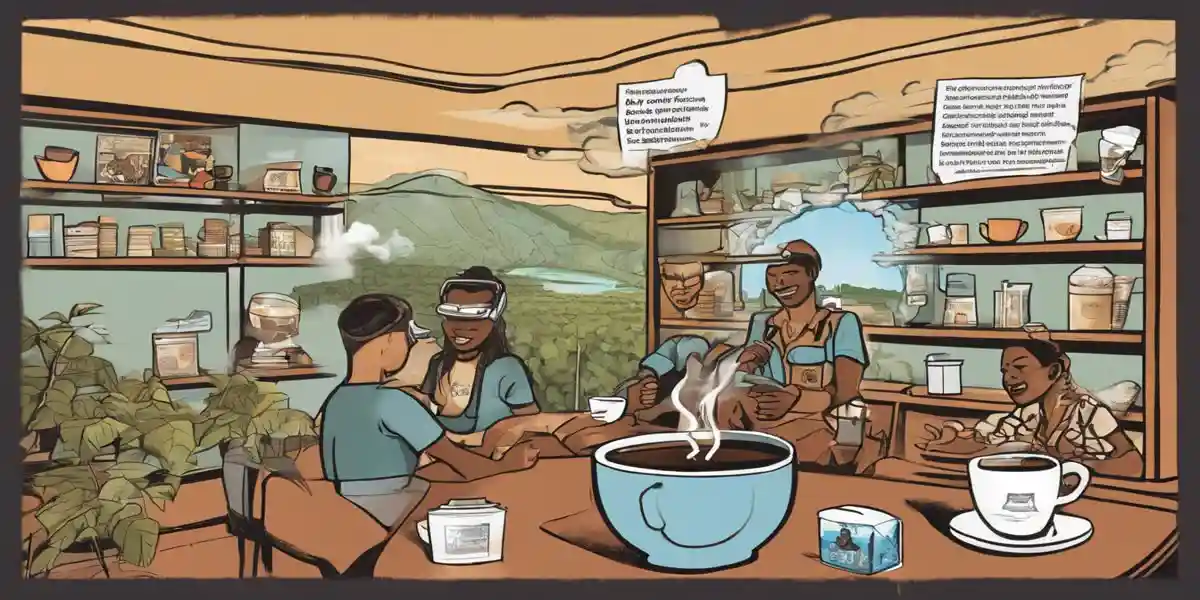
As we envision a world where sustainability and creativity intersect, the integration of virtual reality (VR) technology with sustainable coffee practices offers a new frontier for both education and activism. Imagine a space where consumers don VR headsets to immerse themselves in the journey of coffee, from the lush plantations to their favorite cafés, all while understanding the impact of their choices on the environment and local communities.
In this virtual coffee shop, every detail is intentional. Users can explore the vibrant ecosystems of coffee plantations, interact with virtual farmers, and learn about eco-friendly practices like agroforestry and organic cultivation. This immersive experience provides a sensory connection to sustainability that traditional media cannot match. The sights and sounds of a thriving coffee farm not only educate users but also inspire them to advocate for sustainable practices in their own lives.
Research indicates that immersive experiences can significantly influence consumer behavior. A study focusing on Generation Z revealed that VR can enhance understanding and engagement with ethical products like Fair-trade coffee. This demographic, known for its strong values around sustainability and social responsibility, is likely to respond positively to experiences that deepen their knowledge of Fair-trade practices. The Theory of Reasoned Action, which frames consumer intentions, suggests that these immersive VR experiences can shift personal values and social norms, making ethical consumption more appealing.
Artists play a crucial role in this ecosystem, utilizing VR tools to create installations that reflect their interpretations of sustainability. These interactive art pieces not only serve to educate but also to provoke thought and discussion. For instance, installations that visualize the reduction of carbon footprints in the coffee industry can help users grasp the tangible benefits of sustainable practices. By merging artistry with activism, these works can inspire a collective movement toward sustainability, encouraging each visitor to become an ambassador for change.
The benefits of sustainable coffee extend beyond environmental concerns. Fair-trade practices have shown to uplift local communities by improving quality of life and fostering empowerment among farmers. Studies highlight that Fair-trade certification positively correlates with increased incomes for smallholder farmers, demonstrating that ethical consumption not only benefits the planet but also enhances the livelihoods of individuals. By integrating these narratives into the VR experience, users witness firsthand the positive ripple effects of their purchasing decisions, creating a deeper emotional connection to sustainability.
As we move forward, the combination of VR technology and sustainable coffee practices presents a powerful opportunity to engage consumers in meaningful ways. By fostering a culture where each cup of coffee is not just a beverage but a statement of values, we can collectively brew a sustainable future. This immersive journey is not just about enjoying coffee; it’s about making informed choices that contribute to a healthier planet and thriving communities. Wouldn't you want to be a part of this brewing change?
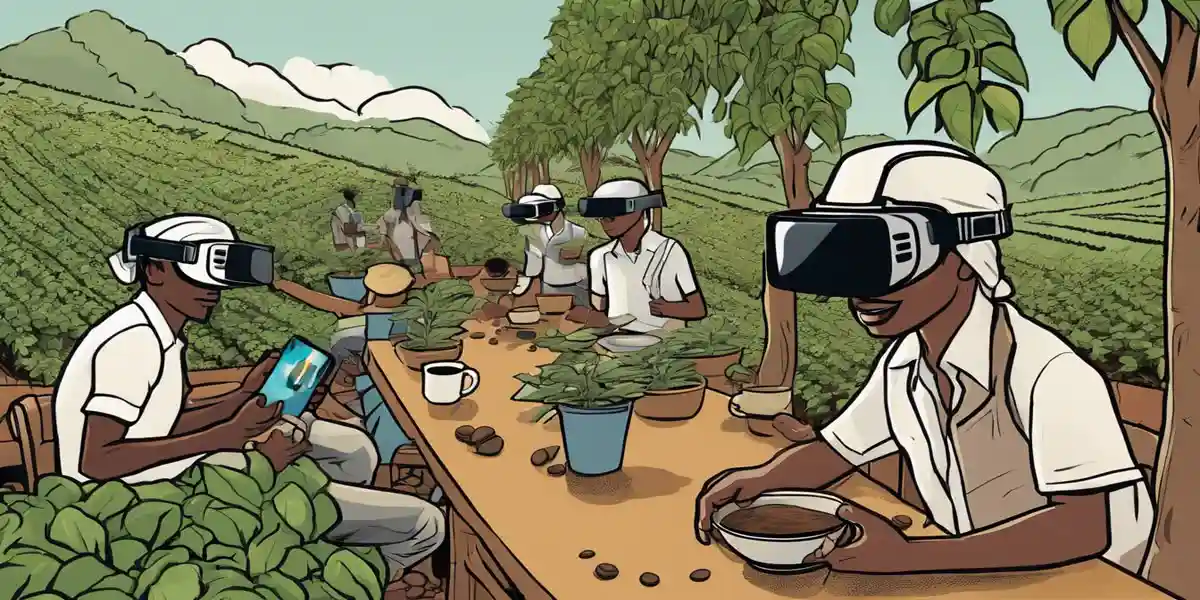
Imagine a digital journey where you are not just a spectator but an active participant in the world of sustainable coffee. This section delves into how virtual reality (VR) can transform our understanding of sustainable coffee practices through immersive experiences.
As you slip into your VR headset, you find yourself in a beautifully rendered virtual coffee shop. Every detail, from the rustic wooden furniture to the gentle flicker of candlelight, reflects a commitment to sustainability. This setting serves as a gateway to deeper exploration—an invitation to understand the intricacies of coffee production and the pivotal role sustainability plays in it.
In this immersive space, users can engage with virtual farmers who share their stories, revealing eco-friendly practices like agroforestry and organic cultivation. For instance, imagine a farmer in Colombia explaining how integrating coffee plants with native trees not only enhances biodiversity but also improves soil health and coffee yield. This narrative showcases the practical applications of sustainable methods while humanizing the coffee supply chain.
As you navigate through the virtual landscape, interactive installations vividly illustrate the impact of fair trade practices on local communities. These installations can include animated graphs showing how fair trade premiums directly benefit farmers, helping them invest in education, healthcare, and improved agricultural techniques. For instance, a visual representation could depict a farmer’s journey from struggling to thrive post-fair trade certification, highlighting a substantial increase in income—like the study from Jimma zone, Ethiopia, which found a significant positive correlation between fair trade membership and income levels.
Artists in this virtual space can craft installations that merge artistic expression with activism. Utilizing VR tools, they can create dynamic pieces that visually represent the reduction of carbon footprints in the coffee industry. Imagine a vibrant mural that changes as you approach it, illustrating the effects of sustainable farming practices on carbon emissions and climate change. This fusion of art and technology not only captivates viewers but also encourages them to reflect on their consumption choices, further aligning with findings from a study that indicated personal values and fair trade knowledge as crucial factors in ethical consumption behaviors among Generation Z.
This VR experience is more than just an educational tool; it’s a catalyst for community-driven movements. By inviting users to participate in discussions and initiatives within the virtual space, it fosters a sense of belonging. For example, users could join virtual forums to discuss sustainable practices or even collaborate on projects aimed at supporting fair trade initiatives. Such engagement can enhance the understanding of how individual choices impact broader social and environmental outcomes, aligning with the comprehensive exploration of the Fair Trade movement’s effects on quality of life and social dynamics.
As we draw our exploration of the intersection between sustainable coffee and virtual reality art to a close, it's clear that this innovative fusion holds the potential to reshape our understanding of ethical consumption and environmental responsibility. Throughout our discussion, we've uncovered how sustainable coffee practices not only empower farmers but also contribute to the health of our planet. We've also seen how virtual reality art can serve as a powerful medium for storytelling, capable of immersing users in the rich, vibrant journey of coffee from farm to cup.
From the immersive experiences offered within virtual coffee shops to the interactive installations that illustrate the impact of fair trade practices, we've highlighted the critical role that technology can play in fostering a deeper connection to the origins of our coffee. Through these experiences, users are not mere spectators; they become active participants in a narrative that emphasizes the importance of sustainable choices. The implications are profound: as consumers engage more meaningfully with the stories behind their products, they are more likely to make informed and ethical decisions.
Moreover, we've explored how artists can leverage the capabilities of VR to advocate for sustainability, creating dynamic installations that blend creativity with activism. This artistic expression serves not only to educate but also to inspire action, challenging users to reflect on their roles within the global coffee ecosystem. Each piece of art becomes a conversation starter, inviting dialogue about the environmental and social implications of coffee production.
As we stand at this crossroads of technology, sustainability, and art, we invite you, dear reader, to reflect on your own coffee journey. The next time you savor a cup of coffee, consider the story behind it—where it comes from, who grew it, and how it was produced. Imagine if every sip could contribute to a more sustainable future. Wouldn't you want to be a part of this brewing change? Dive into the world of sustainable coffee and virtual reality art; explore, learn, and advocate for a future where every choice counts toward a healthier planet and thriving communities.
Get notified about new articles, coffee tips, and Web3 insights.
This site participates in affiliate programs and may earn a commission when a link is clicked and a purchase is made. The site is not responsible for any issues or troubles related to the products or services purchased through the use of this site.

DO&COFFEE loves coffee and technology, exploring the potential of NFTs and blockchain. Learn more →
DO&COFFEE loves coffee and technology, exploring the potential of NFTs and blockchain. Learn more →