coffee
2024/10/01
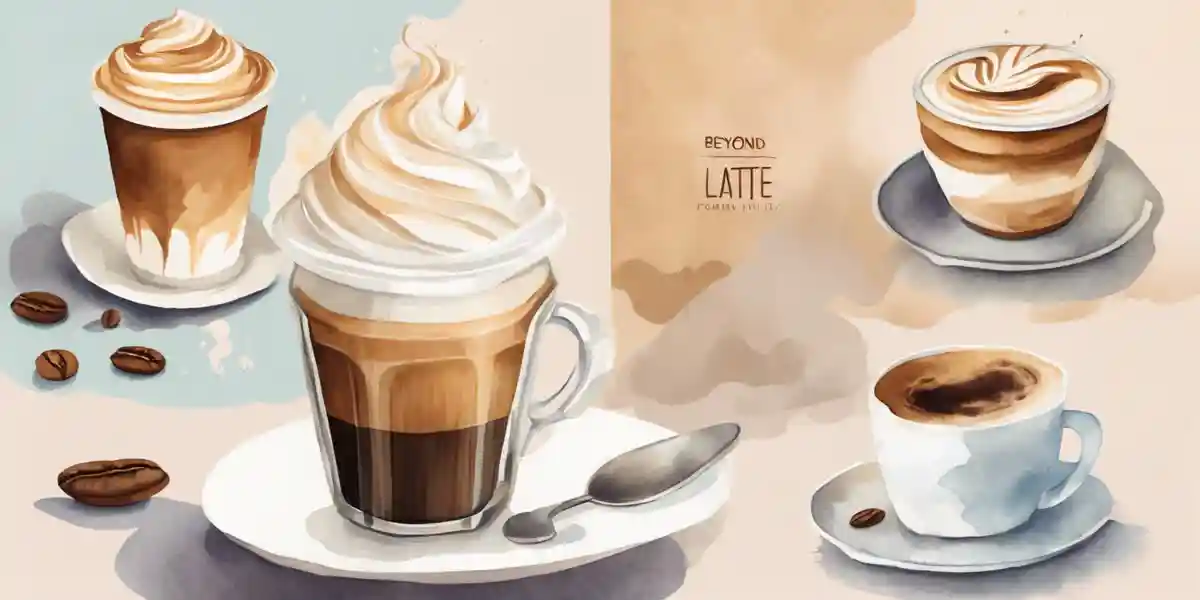
Have you ever taken a moment to appreciate the artistry that goes into your morning latte? Beyond the foam lies a world where coffee transforms into a canvas, where each pour tells a story, and where baristas channel their creativity into stunning designs.
In this blog post, titled "Beyond the Foam: How Latte Artists Are Transforming Coffee Culture with Stunning Latte Artwork," we delve into the evolution of latte art as a cultural phenomenon. From its humble beginnings to its explosion on social media platforms like Instagram, latte art has not only redefined the way we consume coffee but has also created a vibrant community of artists and enthusiasts.
We’ll explore the techniques behind the intricate designs, the tools of the trade, and the impact this artistry has on consumer experiences. As we navigate this rich tapestry of coffee culture, we invite you to reconsider your relationship with that simple cup of coffee—because it might just be more profound than you think.
Join us as we uncover how latte art fosters connections, sparks conversations, and elevates an everyday ritual into an extraordinary experience.
Latte art is more than just a decorative touch on your morning coffee; it's an intricate fusion of culinary skill and artistic expression that transforms a simple beverage into a delightful experience. At its core, latte art involves creating patterns or designs on the surface of espresso mixed with steamed milk. This practice has evolved beyond basic designs—like the classic heart or rosette—into a form of self-expression and creativity for baristas worldwide.
To create latte art, baristas employ two primary techniques: free pouring and etching. Free pouring involves skillfully pouring steamed milk into a cup of espresso to form shapes while the milk’s texture and consistency are manipulated. The art lies in the control of the pour, where the barista tilts the cup and moves the milk pitcher in a rhythmic dance to produce intricate designs.
On the other hand, etching requires the use of tools, such as a toothpick or a latte art pen, to draw designs on the surface of the latte. This method allows for more detailed and complex illustrations, including detailed animals or even portraits, pushing the boundaries of what a cup of coffee can represent.
Latte art serves as a cultural canvas that communicates emotions, stories, and social commentary. Each cup tells a unique story, shaped by the barista's creativity and technique, often reflecting the local culture and community. For instance, in cities like Seattle and Melbourne—both renowned for their coffee culture—latte art has become a symbol of craftsmanship and dedication, where baristas are seen as artists who elevate the coffee experience.
The rise of social media platforms, particularly Instagram, has further amplified the cultural significance of latte art. The hashtag #LatteArt boasts millions of posts, creating a vibrant community of coffee lovers and artists who share their creations and inspire one another. This visibility has not only encouraged amateur artists to hone their skills but has also transformed the act of drinking coffee into a shareable experience that transcends traditional coffee consumption.
As consumers become more discerning, they increasingly seek out cafes that offer not just excellent coffee but a complete experience, one where latte art plays a crucial role. Research has shown that coffee drinkers, especially millennials, often gravitate towards establishments that provide a unique ambiance and artistic flair. This expectation has urged traditional cafes to innovate, blending culinary expertise with visual artistry to cultivate a deeper appreciation for the craft behind each cup.
In this way, latte art transcends its aesthetic appeal; it becomes part of a ritual that helps differentiate connoisseur consumers from the masses. The enjoyment of a beautifully crafted latte is no longer a solitary event but a communal experience that fosters connections among coffee enthusiasts, sparking conversations and inviting interactions in coffee shops.
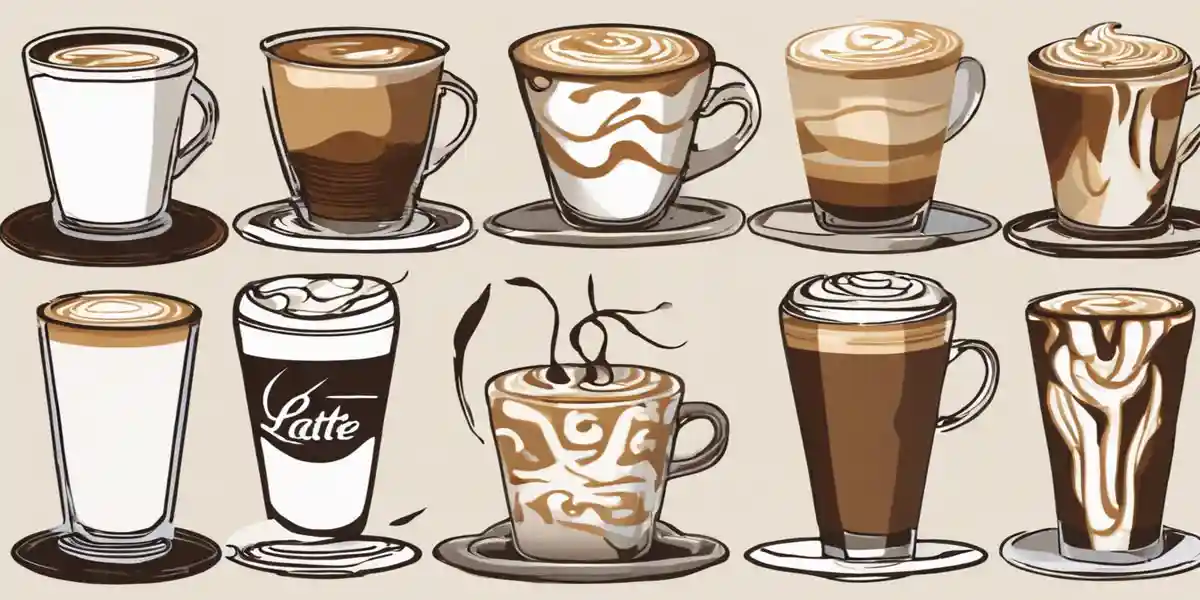
The journey of latte art is a fascinating blend of tradition and innovation, evolving from simple coffee preparation techniques into a vibrant form of artistic expression that has become a hallmark of modern coffee culture. As we peel back the layers of this evolution, we uncover how latte art not only enhances the visual appeal of coffee but also transforms the way we experience and appreciate it.
The roots of latte art can be traced back to the early 20th century, particularly with the advent of espresso machines in Italy. Initially, the focus was on brewing the perfect espresso, with little consideration given to the aesthetics of the drink. However, as coffee culture began to expand beyond Italian borders, particularly in the United States during the 1980s, the notion of enhancing the coffee experience gained traction.
In the early 1980s, the introduction of the steam wand revolutionized how milk was prepared for coffee, allowing baristas to create microfoam—finely textured milk that could be manipulated into beautiful designs. This marked a significant shift, as it became possible to combine espresso and steamed milk in a way that was not only delicious but visually enticing. The technique of pouring steamed milk over espresso to create patterns began to attract attention, with the first documented instances appearing in specialty coffee shops across the U.S.
As the craft of latte art deepened, baristas started experimenting with designs that ranged from the simple heart to more intricate patterns like rosettas and tulips. The late 1990s saw the rise of professional barista competitions, where artists showcased their skills and creativity. Events like the World Barista Championship evolved into platforms for baristas to demonstrate their mastery of both espresso preparation and latte art, elevating the craft to an art form. This competitive spirit fostered innovation, with baristas pushing the boundaries of what was possible, leading to the creation of elaborate designs that captivated audiences.
The explosion of social media in the 2010s played a crucial role in the dissemination and popularization of latte art. Platforms like Instagram became a canvas where baristas could share their creations, inspiring countless others around the globe. The hashtag #LatteArt quickly amassed millions of posts, creating a vibrant community where techniques, tips, and trends could be exchanged. This digital phenomenon not only encouraged amateur artists to hone their skills but also established latte art as a sought-after experience in cafes, where customers began to seek out artistic presentations alongside their beverages.
The evolution of latte art has mirrored broader cultural shifts, particularly among millennials who prioritize experiences over mere consumption. Coffee shops have transformed into social hubs, where the artistry of a well-crafted latte serves as a means of self-expression and identity. Research indicates that consumers increasingly gravitate towards establishments that offer not just quality coffee but also engaging experiences. This trend has compelled cafes to innovate, blending culinary techniques with artistic flair, thus cultivating a deeper appreciation for the craft behind each cup.
Today, latte art is a global phenomenon, with diverse influences emerging from various cultures. The aesthetics of latte art have begun to incorporate elements from different traditions, as seen in the fusion of Japanese and Italian coffee techniques. As baristas continue to experiment with flavors, textures, and designs, the future of latte art holds endless possibilities. With the continued rise of specialty coffee shops and the influence of social media, the artistry of latte making will likely evolve, inviting even more creativity and personal expression into the coffee experience.
This section explores how latte art transcends mere decoration, evolving into a form of cultural expression that reflects individual and collective identities. Each cup of latte, adorned with intricate designs, serves as a medium through which baristas and consumers communicate emotions, stories, and even social commentary.
Imagine walking into your favorite coffee shop. You order a latte, and the barista begins crafting your drink with precision and flair. As they pour the steamed milk into the espresso, a delicate heart or a whimsical rosette emerges, instantly elevating your experience. This moment is not just about caffeine; it's about connection. The artistry involved in creating these designs can evoke feelings of joy, nostalgia, and even surprise. Each pattern becomes a personal touchpoint, transforming a simple drink into a shared experience.
The rise of social media platforms, especially Instagram, has played a pivotal role in the proliferation of latte art. The hashtag #LatteArt has garnered millions of posts, allowing both amateur and professional artists to showcase their skills. This digital gallery fosters a community where creativity is celebrated, inspiring others to experiment with their own designs. The impact of this social media trend goes beyond aesthetics; it creates a new expectation among consumers. They increasingly seek out cafes that offer not just exceptional coffee but also visually stunning presentations. This shift encourages baristas to innovate and refine their craft, ultimately enhancing the overall coffee culture.
As consumers become more discerning, the demand for an immersive coffee experience has skyrocketed. Latte art plays a crucial role in this experience economy, where customers are willing to pay a premium for a visually appealing drink. Cafes are challenged to blend culinary skills with artistic flair, transforming a simple coffee order into a memorable occasion. This trend is evident in specialty coffee shops that prioritize artistry, with some even hosting latte art competitions to showcase their baristas' talents. Such events not only bolster community spirit but also elevate the status of coffee as a craft worthy of admiration.
Delving deeper into consumer behavior, it's essential to consider the concept of "taste transformation rituals." According to ethnographic studies, individuals who frequent specialty coffee shops often engage in rituals that help them distinguish themselves from mainstream coffee drinkers. These rituals can include the way they choose their coffee, the language they use to describe it, and, significantly, their appreciation for latte art. Such practices contribute to a deeper connection with the beverage, transforming casual consumers into connoisseurs who value the artistry and skill involved in crafting their drinks.
Millennials, in particular, have played a significant role in elevating coffee culture, with coffee shops becoming symbols of their social lives. These establishments provide inviting spaces for work, relaxation, and social interaction, allowing individuals to express their identities and aspirations. Latte art fits seamlessly into this narrative, as its visual appeal enhances the ambiance of coffee shops and aligns with millennials' desire for unique, Instagrammable experiences. As they seek social recognition, the artistry of their lattes becomes a form of self-expression, showcasing not only their taste in coffee but also their lifestyle choices.
The phenomenon of "barista cool" reflects the convergence of coffee culture with contemporary fashion and lifestyle trends. Young, stylish baristas embody an artistic image that resonates with consumers, further enhancing the allure of latte art. This trend has roots in youth cultures across the U.S. and Australia but has also influenced coffee practices in countries like Japan and Italy. Historic brands are now embracing unique uniforms that blend personal style with fashion, highlighting the aesthetic dimension of coffee service. This evolution not only redefines the role of the barista but also reinforces the significance of latte art as a cultural statement.
As we wrap up our exploration of how latte artists are transforming coffee culture, it's clear that latte art transcends mere aesthetics—it represents a vibrant interplay of creativity, skill, and community engagement. We began by defining what latte art is and traced its evolution from simple designs to complex artistic expressions, reflecting a broader cultural phenomenon. The history of latte art showcases how advancements in technology and the rise of specialty coffee culture have shaped this art form, allowing baristas to innovate and push the boundaries of their craft.
In examining the techniques behind stunning latte artwork, we highlighted the essential tools and methods that baristas use, such as free pouring and etching. These techniques not only require skill and practice but also serve as a means for baristas to express their individuality and culinary artistry. Moreover, we discussed the profound impact of latte art on consumer behavior, revealing how it has become a crucial component of the overall coffee experience, especially among discerning consumers who seek memorable moments along with their caffeine fix.
Finally, we delved into the communal aspect of latte art, exploring how it fosters connections among coffee enthusiasts and contributes to a sense of belonging within the coffee culture. The rise of latte art competitions and the vibrant community surrounding this craft illustrate a collective appreciation for artistry in everyday experiences.
So, as you sip your next latte adorned with intricate designs, take a moment to appreciate the craftsmanship behind it. Consider how your coffee experience extends beyond the flavor—it's a story, a connection, and a celebration of creativity. Will you share your own latte art experiences or perhaps even try your hand at creating your own masterpiece? The world of coffee culture awaits your contribution, inviting you to be part of this artistic journey.
Get notified about new articles, coffee tips, and Web3 insights.
This site participates in affiliate programs and may earn a commission when a link is clicked and a purchase is made. The site is not responsible for any issues or troubles related to the products or services purchased through the use of this site.
DO&COFFEE loves coffee and technology, exploring the potential of NFTs and blockchain. Learn more →
DO&COFFEE loves coffee and technology, exploring the potential of NFTs and blockchain. Learn more →