wellness
2024/08/30

When we think of hiking, our minds often drift toward sun-drenched trails and gentle breezes. But what if I told you that some of the most rewarding adventures happen when the skies open up and the rain begins to fall? Hiking in the rain isn’t just about braving the elements; it’s about embracing them. In this blog post, we’ll explore the essentials for hiking and camping in wet conditions, focusing on key gear and mindset shifts that transform a potentially uncomfortable experience into an exhilarating one.
Imagine stepping onto a trail where vibrant greens pop against the backdrop of dark clouds, the sound of raindrops creating a symphony as they dance off leaves. With the right preparation—think waterproof clothing, durable footwear, and quality rain gear—you can stay dry and comfortable, allowing you to relish the unique beauty of a rain-soaked landscape. We’ll dive into ten essential items that not only keep you safe and dry but also enhance your overall experience, from waterproof backpacks to emergency gear that ensures you’re well-equipped for whatever nature throws your way.
Moreover, this journey isn’t solely about survival; it’s about fostering resilience and adaptability in the face of challenges, much like what outdoor adventures teach us about life itself. So, are you ready to redefine your hiking experience and discover the joys hidden in the rain? Let’s get started on packing those essentials and setting out on an unforgettable adventure!
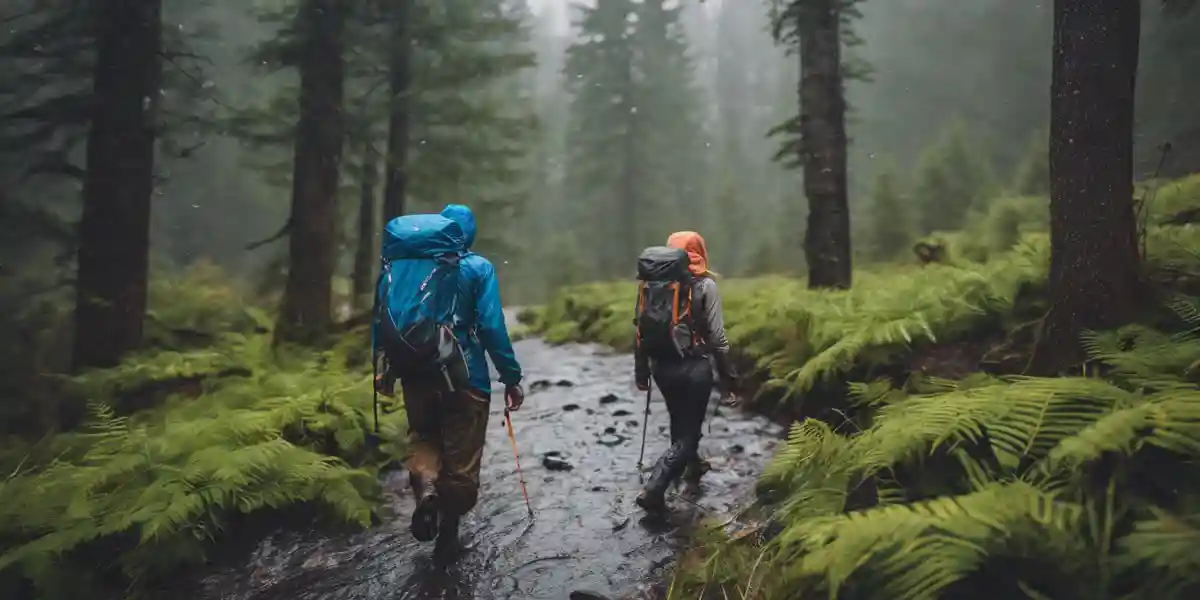
When we think of hiking, it’s often under sunny skies and warm temperatures. However, hiking in the rain can be a transformative experience, offering unique challenges and rewards that deepen our appreciation for nature. Are you ready to flip your perspective and view rainy trails as opportunities for adventure?
Instead of viewing rain as a deterrent, we can embrace it as a vital part of the adventure. Picture this: the vibrant colors of foliage glistening under droplets, the sound of raindrops creating a symphony on leaves, and the invigorating scent of damp earth encapsulating your senses. These treasures are unveiled during a rainy hike, enhancing the beauty of our natural surroundings.
Taking a hike in the rain requires a significant mindset shift. It challenges our usual perceptions of comfort and enjoyment in outdoor activities. To fully enjoy this experience, the right gear is essential. Waterproof jackets, moisture-wicking layers, and sturdy footwear are not just luxurious additions; they are your allies against the elements. For instance, consider a day hike where the weather suddenly shifts. With proper gear, you can remain comfortable and dry, allowing you to appreciate the lush environment that rain creates.
It’s crucial to acknowledge the risks associated with hiking in wet conditions. A study on wet-cold hypothermia revealed that prolonged exposure to cold and wet conditions significantly increases the risk of hypothermia, particularly if hikers are unprepared. In a simulated environment where participants walked for five hours at a temperature of 5°C, many struggled to complete the hike due to intolerable conditions. Eleven out of the eighteen participants could not finish, highlighting the importance of preparedness. This serves as a poignant reminder to equip ourselves properly, ensuring we don’t fall victim to the elements.
Effective planning is critical for a successful rainy hike. Understanding weather patterns and selecting trails that are safe and accessible during wet conditions can make all the difference. For example, opting for established trails known for good drainage can prevent you from navigating muddy, difficult terrains. Additionally, keeping an eye on the weather forecast can help you avoid dangerous storms, ensuring that you can enjoy the refreshing experience rain can bring without putting yourself at risk.
Hiking in the rain teaches us resilience and adaptability. It’s a chance to confront discomfort and learn to navigate challenges. As we push through the elements, we cultivate a stronger connection with the natural world and ourselves. The experience of hiking in rain can reveal unexpected beauty and teach invaluable lessons about perseverance. So, are you ready to brave the elements and discover the joys that await in the rain-soaked wilderness?
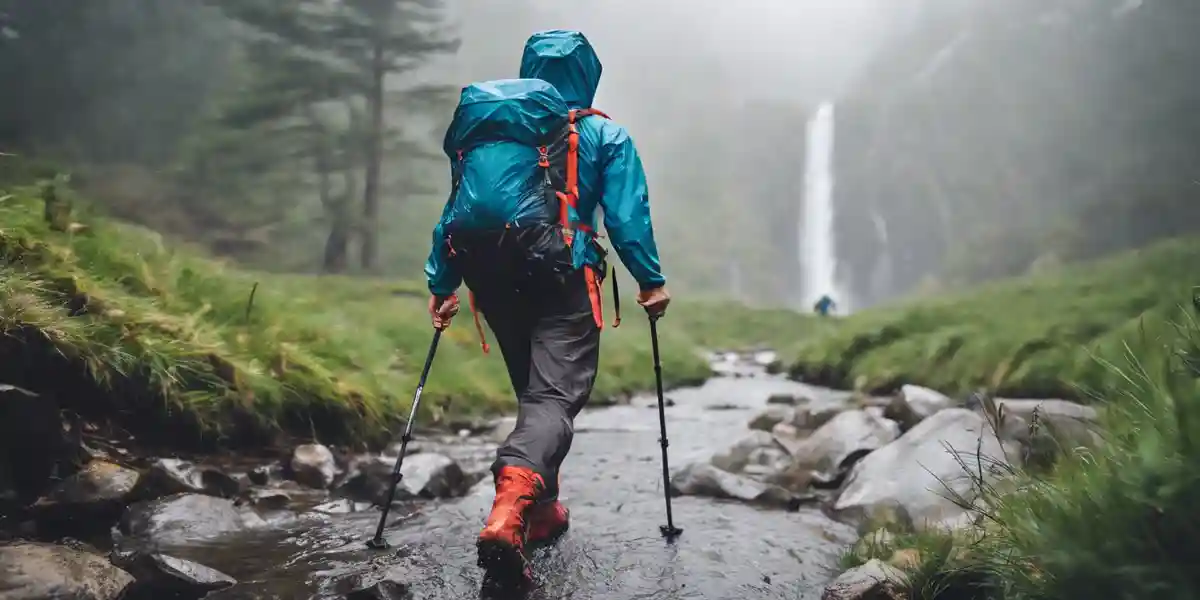
Hiking in the rain requires not only a change in mindset but also a specific set of gear to ensure a safe and enjoyable experience. Here are ten essential items that will help you brave the elements and make the most of your rainy adventures.
A high-quality waterproof jacket is non-negotiable when hiking in wet conditions. Look for a jacket made from breathable materials like Gore-Tex or similar fabric, which will keep you dry while allowing sweat to escape. Consider options with adjustable hoods and cuffs to shield yourself from wind and rain effectively. Real-world example: Outdoor enthusiasts often find that a good jacket can make the difference between a miserable trek and a memorable adventure.
Base layers made from moisture-wicking materials are essential to keep sweat away from your skin, reducing the risk of hypothermia. Fabrics like merino wool or synthetic blends are excellent choices. They dry quickly and maintain warmth, even when damp. Studies show that prolonged exposure to wet clothing can lead to a dangerous drop in body temperature, so choose wisely.
Your feet are your foundation on the trail, and keeping them dry is crucial. Invest in waterproof hiking boots or shoes with good traction to prevent slips and falls. Look for features like sealed seams and breathable linings to keep your feet comfortable throughout your hike. For instance, many hikers swear by brands like Salomon or Merrell for their reliable waterproof options.
Trekking poles provide stability and reduce strain on your knees while navigating slippery terrain. They can be especially helpful when crossing streams or steep inclines in the rain. Many hikers find that using poles can enhance their balance and confidence as they tackle challenging paths.
A waterproof or water-resistant backpack is essential to keep your gear dry. Look for features like sealed zippers and roll-top closures. Incorporate a rain cover for added protection; you can often find backpacks that come with one. Consider the Osprey Atmos or Deuter Futura, both known for their durability in wet conditions.
Dry bags are perfect for storing sensitive items like electronics, clothing, and food. By compartmentalizing your gear in dry bags, you can ensure that even if your backpack gets soaked, your essentials remain safe and dry. Many outdoor retailers offer a range of sizes and colors, allowing you to easily organize your gear.
Should you get caught in downpours or need to dry off after a stream crossing, a quick-dry towel can be invaluable. These towels absorb moisture efficiently and dry quickly, making them a convenient addition to your pack. Look for lightweight, compact options that won’t take up much space.
Accidents can happen, and when trails are slippery, the chances of falls increase. A well-stocked first aid kit is essential. Include items like antiseptic wipes, band-aids, pain relievers, and blister treatments. Familiarize yourself with its contents before you head out on your hike so you know exactly what to do in case of an emergency.
In rainy conditions, visibility can be compromised, making navigation challenging. Carry reliable navigation tools such as a map, compass, and a GPS device. Familiarize yourself with the trail beforehand and consider downloading offline maps on your smartphone in case of poor reception. This preparation can save you from getting lost in the elements.
Staying fueled and hydrated is crucial, especially when hiking in challenging conditions. Pack high-energy snacks like nuts, energy bars, or dried fruit, and ensure you carry enough water. A hydration bladder can make sipping on the go easier, reducing the need to stop and rummage through your bag. Remember, hydration is key to maintaining energy levels and focus during your hike.
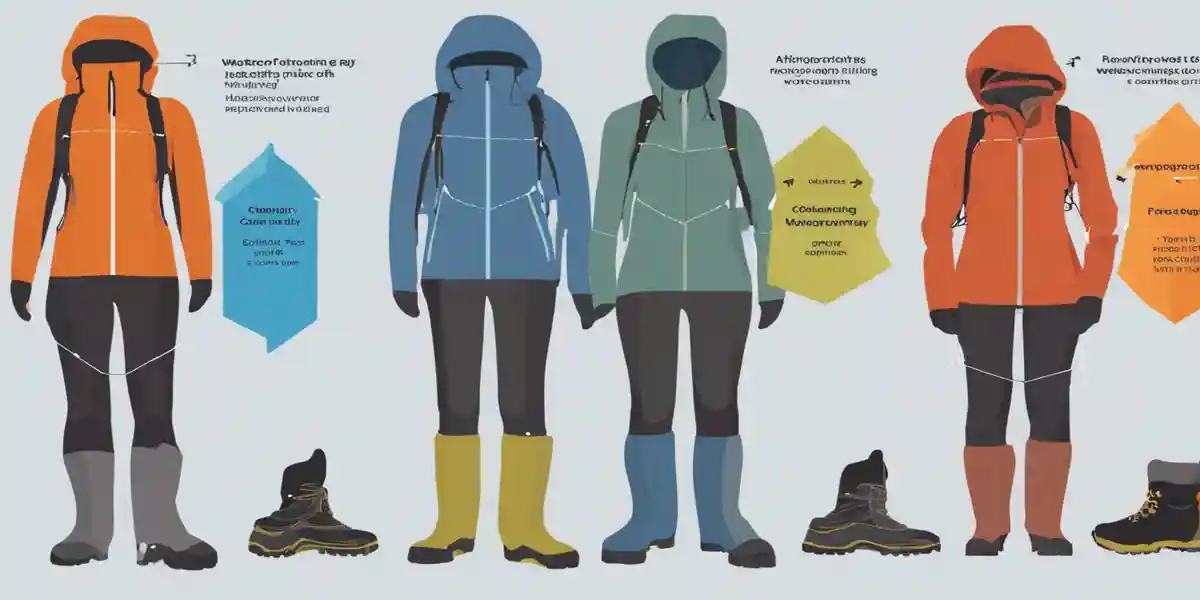
Waterproof clothing is the cornerstone of any successful hiking adventure in the rain. When the skies open up, having the right apparel can make the difference between a joyful experience and a miserable slog through the wet wilderness. Let’s dive into the essentials that will keep you dry and comfortable.
When shopping for waterproof clothing, you may come across terms like "waterproof," "water-resistant," and "breathable." It's essential to understand these distinctions. Waterproof clothing typically has a rating measured in millimeters (mm), indicating how much water pressure the fabric can withstand. For example, a jacket with a rating of 10,000mm can handle heavy rainfall, while 5,000mm is sufficient for light drizzle. A good rule of thumb is to look for gear with at least a 10,000mm rating for hiking in the rain.
When selecting waterproof clothing, consider the following features:
Many outdoor enthusiasts swear by brands like The North Face and Patagonia for their high-quality waterproof jackets. For instance, the The North Face Venture 2 Jacket is celebrated for its lightweight design and packability, making it easy to carry on a hike. Its 2.5-layer DryVent fabric offers excellent waterproof protection without sacrificing breathability.
Similarly, the Patagonia Torrentshell Jacket is another favorite, featuring a durable water-repellent finish and a comfortable fit, ideal for long hikes in pouring rain. Hikers have reported staying dry even in heavy downpours, allowing them to enjoy the sights and sounds of a rain-soaked forest.
Layering is crucial when hiking in the rain. Start with a moisture-wicking base layer that pulls sweat away from the skin; materials like merino wool or synthetic fabrics work well. Over this, a waterproof shell provides protection against the elements. Finally, consider adding an insulating layer if temperatures are particularly low, as wet conditions can significantly lower body heat.
For example, a combination of a merino wool base layer, a breathable waterproof jacket, and a lightweight fleece can keep you warm and dry during a rainy trek.
Don’t forget about your feet! Waterproof hiking boots or shoes are essential to keep your feet dry and prevent blisters. Look for boots made from materials like Gore-Tex or other synthetic waterproof solutions. Brands like Salomon and Merrell offer options that combine comfort with waterproof capabilities. The Salomon X Ultra 3 GTX is a popular choice among hikers for its excellent grip and waterproof protection, allowing trekkers to navigate slippery trails confidently.
It’s important to note that inadequate waterproof clothing can lead to increased risks, such as hypothermia, especially if you're caught in prolonged wet-cold exposure. A study indicated that out of 18 participants hiking in simulated rainy conditions, many experienced significant cold stress and struggled to maintain body heat after a few hours without appropriate gear. Therefore, ensuring you invest in quality waterproof clothing is not just about comfort; it’s about safety too.
By prioritizing waterproof clothing and understanding its features, you’ll be better equipped to embrace the challenges of hiking in the rain. The key lies in choosing gear that balances protection with breathability, allowing you to experience the beauty of rain-soaked landscapes without compromising your comfort or safety.
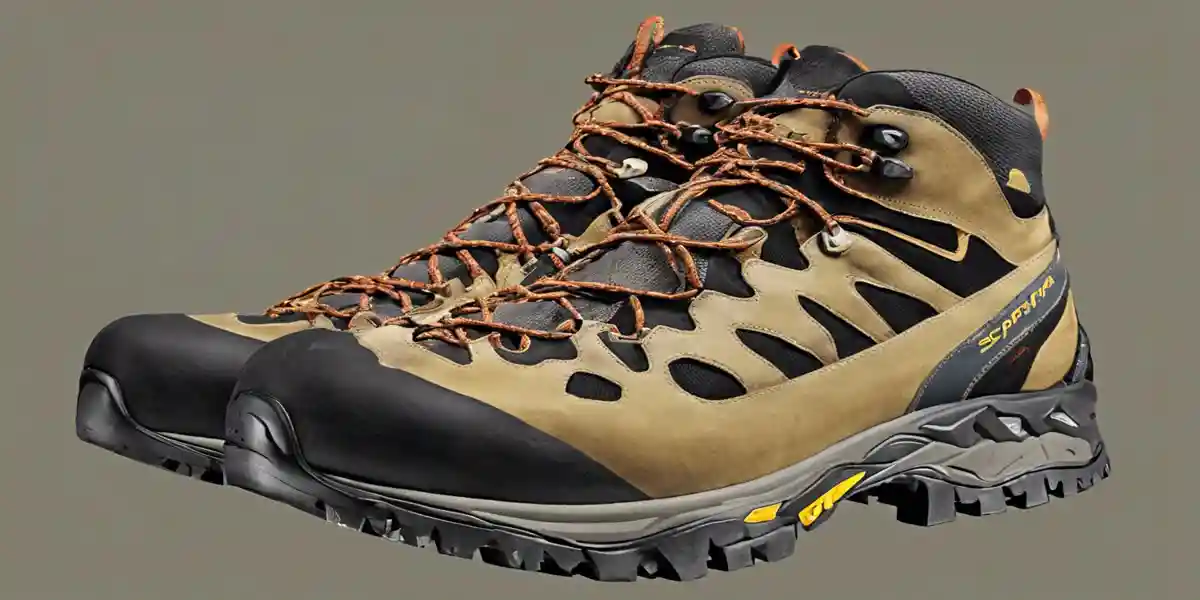
When embarking on a hiking adventure in the rain, one of the most critical pieces of gear you can invest in is a pair of durable, high-quality footwear. Not only does the right footwear protect your feet from the elements, but it also plays a significant role in your overall safety and enjoyment of the hike.
Hiking in wet conditions presents unique challenges, including slippery trails, muddy terrain, and the potential for cold-induced injuries. Studies have shown that prolonged exposure to wet conditions can lead to hypothermia, especially when feet are exposed to cold, damp environments for extended periods. In a simulated hiking study, participants faced significant cold stress and increased shivering after just four hours in the rain, underscoring the importance of keeping feet warm and dry. Durable footwear not only provides insulation but also helps in maintaining stability and grip on treacherous surfaces.
Many seasoned hikers swear by brands like La Sportiva and Scarpa for their exceptional performance in wet conditions. For instance, the La Sportiva Nucleo High GTX boot features a waterproof Gore-Tex lining while being lightweight, making it ideal for rainy hikes. Similarly, the Scarpa R-Evolution GTX is known for its rugged durability and excellent grip, ensuring that you remain stable even on the slickest of trails.
Moreover, don’t overlook the importance of proper fit. A boot that is too tight can cause blisters, while one that is too loose may not provide the necessary support. Always try on boots with the same socks you plan to wear on your hike, and consider breaking them in on shorter walks before taking them on a multi-day trek.
To ensure your durable footwear lasts through many rainy adventures, it’s essential to maintain them properly. Regularly clean your boots to remove dirt and debris, and reapply waterproofing treatments as needed. This will help preserve the integrity of the materials and ensure continued performance in wet conditions.
In conclusion, selecting the right durable footwear is not just about comfort; it’s a vital decision that directly impacts your safety and enjoyment while hiking in the rain. With the right pair of boots, you can confidently embrace the elements and fully immerse yourself in the beauty of a rain-soaked landscape.

When embarking on a hiking adventure in the rain, quality rain gear is not just an accessory; it's a fundamental necessity that can dramatically influence your experience. The right rain gear will keep you dry, comfortable, and safe, allowing you to enjoy the stunning scenery that a rain-soaked hike can offer.
Rain gear comes in various forms, but not all are created equal. Investing in high-quality rain gear can mean the difference between an enjoyable excursion and a miserable slog through the elements. For instance, during a simulated hiking study, participants faced wet-cold conditions that led to significant discomfort and even hypothermia without proper protective gear. Those who persevered often experienced shivering fatigue and decreased strength, underscoring the importance of keeping dry and warm.
When selecting rain gear, consider the following essential components:
Many outdoor enthusiasts swear by brands like Arc'teryx and Patagonia for their durable and effective rain gear. For instance, the Arc'teryx Beta AR Jacket is frequently lauded for its exceptional waterproofing and breathability, making it a favorite among hikers braving wet conditions. Similarly, the Patagonia Torrentshell Jacket offers a budget-friendly yet reliable option for those who need protection without breaking the bank.
While a quality rain jacket is crucial, layering is also important. A moisture-wicking base layer can help manage sweat and keep you dry from the inside out. Combine this with an insulating mid-layer, and you create a comprehensive system that helps regulate your body temperature even in the wettest conditions. For example, a lightweight fleece can provide warmth while still allowing moisture to escape, which is critical during a strenuous hike.
Your feet deserve just as much attention as your upper body when it comes to rain gear. Waterproof hiking boots or shoes are essential for keeping your feet dry and comfortable. Look for options with a good grip to navigate slippery trails, and consider models like the Salomon X Ultra 3 GTX, which integrates waterproofing with stability and traction.
In summary, quality rain gear is your best ally in transforming a potentially uncomfortable rainy hike into a memorable adventure. By investing in high-quality materials and understanding the importance of layering, you can embrace the elements and discover the unique beauty of nature, even when the skies are gray.

When hiking in the rain, having reliable navigation tools is essential for ensuring your safety and enjoyment. The unpredictable nature of stormy weather can obscure your usual landmarks and make trails less visible. Thus, it's crucial to equip yourself with tools that not only guide your path but also enhance your experience in the elements.
While technology has given us GPS devices and smartphone apps, the classic combination of a physical map and a compass remains unbeatable in certain situations. Maps provide a broader view of the terrain, including elevation changes and potential hazards, which can be crucial in rainy conditions where visibility may be compromised. A compass, on the other hand, doesn’t rely on batteries or cell service, making it a reliable backup. Knowing how to read a map and use a compass can empower you to navigate confidently, even in adverse weather.
For those who prefer digital aids, a GPS device designed for outdoor use is invaluable. These devices can pinpoint your location, track your route, and help you navigate back to safety if necessary. Many models are waterproof and rugged, specifically designed for harsh weather. For instance, the Garmin GPSMAP 66i is built for adventure, offering satellite communication and topographical maps even when you're out of cell range. However, always remember that a GPS can fail—battery life can dwindle, or it may not work properly in dense forests or canyons.
Your smartphone can serve as a multi-functional navigation tool when equipped with the right apps. Applications like AllTrails or Gaia GPS allow you to download offline maps, which is crucial when rain might disrupt signal strength. However, it’s worth remembering that heavy rain can affect the touchscreen functionality of your device, so consider a waterproof case or pouch. Additionally, familiarize yourself with your app before heading out; a quick review of its features can save you time and confusion on the trail.
In extreme weather conditions, safety is paramount. A Personal Locator Beacon can be a lifesaver in emergencies. These devices send out a distress signal via satellite, allowing rescuers to pinpoint your location quickly. For example, the ACR ResQLink is a compact PLB that is easy to carry and can transmit your location even in heavy rain or fog. While it won’t help you navigate day-to-day, having one can provide peace of mind when braving the elements.
Beyond the tools themselves, it’s essential to develop your navigation skills. Understanding how to interpret the terrain, recognize natural landmarks, and even use the sun’s position can be beneficial, especially when visibility is limited. For instance, in a rain-soaked forest, knowing how to identify moss growth on trees (which often grows on the north side in the Northern Hemisphere) can help you maintain your sense of direction. Engaging in navigation exercises during dry hikes can hone your skills, preparing you for the unpredictable environment of a rainy hike.
Finally, being aware of weather patterns and conditions can significantly enhance your navigation experience. Before you embark on a hike, check local forecasts and consider how the rain might affect the trails you plan to take. For example, some trails can become treacherous with water runoff, making them less safe. Additionally, understanding how weather can obscure visibility can help you choose your route wisely, opting for more familiar paths if conditions deteriorate.
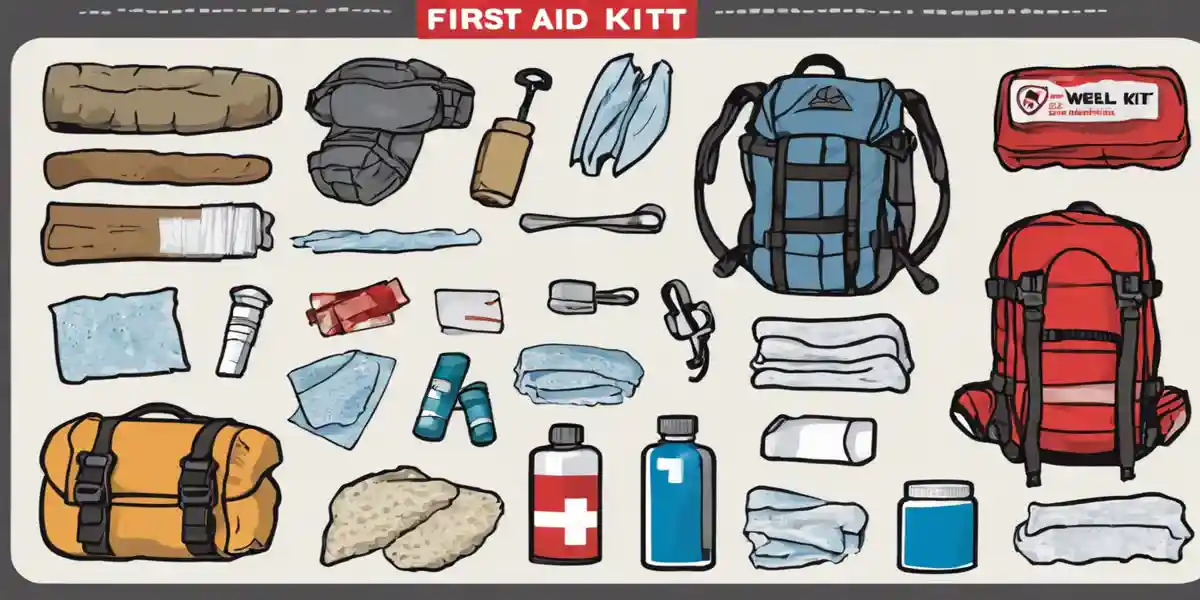
When venturing into the great outdoors, especially when braving the elements of rain and cold, carrying a well-stocked first aid kit is not just a precaution—it's an essential component of your hiking gear. The unpredictability of nature can pose various risks, from minor scrapes and cuts to more severe injuries that require immediate attention. Thus, being prepared with a first aid kit can make all the difference in how you respond to these challenges.
Your first aid kit should be tailored to the specific conditions you might face while hiking in the rain. Here are some key items to include:
Imagine you're hiking on a trail where the skies suddenly open up, and the rain pours down relentlessly. You slip on a wet rock and scrape your knee. Without a first aid kit, you might find yourself in a precarious situation. Having that kit not only allows you to clean and cover the wound but also keeps you focused on enjoying your hike rather than worrying about the injury festering.
Moreover, consider the study on wet-cold hypothermia, which found that prolonged exposure to wet conditions significantly increases the risk of hypothermia. This highlights the importance of being prepared for more than just minor injuries. An emergency blanket and the knowledge of how to use it can be vital if someone in your group starts to exhibit signs of hypothermia, such as shivering or confusion.
It’s essential to periodically check your first aid kit to ensure that everything is in working order. Medications can expire, and supplies may run low. Before each hiking trip, review your kit and replenish any items as needed. This practice not only ensures that you’re prepared for any situation but also reinforces the habit of safety as an integral part of your outdoor adventures.
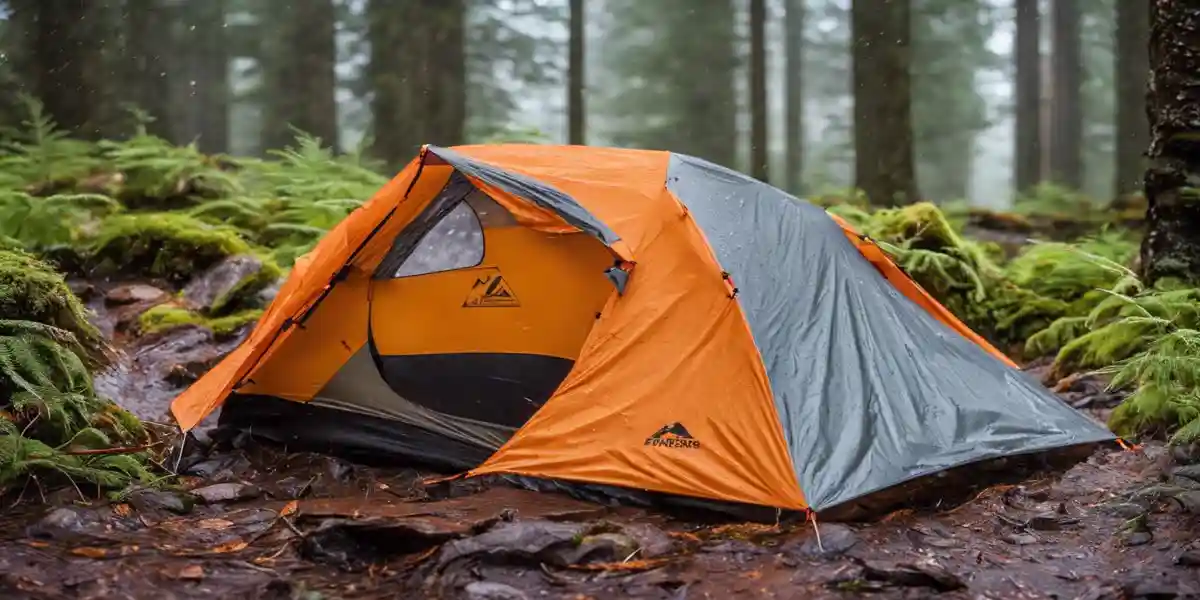
When it comes to braving the elements during a rainy hike or camping adventure, having a reliable lightweight tent or shelter can make all the difference. This essential gear not only provides protection from rain but also offers a cozy refuge where you can recharge, both physically and mentally, after a challenging day outdoors.
Choosing a lightweight tent is crucial for several reasons. First and foremost, when you're hiking in the rain, every ounce counts. A heavy tent can weigh you down, making your journey more arduous, especially when the ground is slippery and conditions are less than ideal. Lightweight tents, often made from advanced materials like ripstop nylon or silicone-coated fabrics, provide excellent waterproofing while minimizing your pack weight. For instance, tents like the Big Agnes Copper Spur HV UL2 weigh in at just around 3 lbs and provide ample space for two people while offering robust weather resistance.
When selecting a tent for rainy conditions, consider the following features:
One memorable example comes from my own experience hiking in the Pacific Northwest, where I encountered a sudden downpour. My lightweight REI Flash Air 2 tent proved invaluable. Within minutes, I had it set up, creating a dry sanctuary amidst the rain-soaked landscape. I could hear the soothing sounds of the rain on the tent while being shielded from the elements. Comparatively, I observed fellow hikers struggling with heavier, bulkier tents that took longer to set up and were less manageable in high winds.
Moreover, in a study regarding wet-cold hypothermia, researchers noted that prolonged exposure to cold and wet conditions significantly increased the risk of hypothermia. This highlights the importance of a reliable shelter that can be set up quickly to mitigate such risks. The ability to retreat into a warm, dry space can be a game changer, allowing for recovery and reflection as you embrace the beauty of the rain-soaked environment.
Setting up a tent in the rain can be a daunting task, but with a few tips, you can make the process smoother:
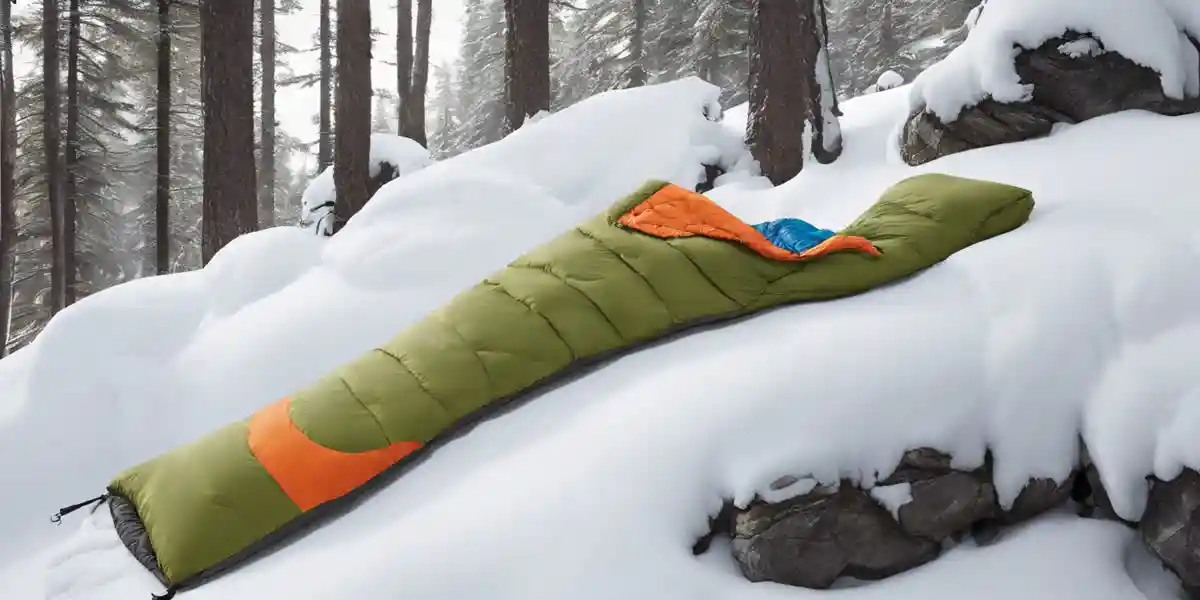
An insulated sleeping bag is not just a luxury; it is a vital piece of equipment for anyone embarking on a hiking or camping adventure in the rain. Imagine wrapping yourself in a cocoon of warmth after a long, wet day on the trail. The right sleeping bag can make the difference between a restful night under the stars and a shivering, sleepless ordeal.
When hiking in wet conditions, maintaining body heat is crucial, as prolonged exposure to cold and damp can lead to hypothermia. A study investigating wet-cold hypothermia illustrated that individuals exposed to rain and wind without adequate gear struggled to maintain core temperatures, with many unable to complete the hike due to the harsh conditions. This highlights the need for a sleeping bag that not only traps heat but also provides insulation against moisture.
There are two primary types of insulation used in sleeping bags: down and synthetic. Each has its benefits:
When selecting an insulated sleeping bag, it’s essential to consider the temperature rating. This rating indicates the lowest temperature at which the bag will keep a sleeper warm. For rainy camping adventures, a bag with a lower limit of at least 10°F below the expected nighttime temperatures is advisable, ensuring comfort even in unexpected weather changes.
Consider the experience of a hiker who camped on a rainy weekend in the Pacific Northwest. Equipped with a high-quality synthetic sleeping bag rated for 20°F, he found that even after a day spent hiking through steady rain, he was able to curl up dry and warm inside his bag. In contrast, a companion who opted for a down bag found himself cold and damp, as the bag failed to perform in the wet conditions.
When shopping for an insulated sleeping bag, consider features that enhance its waterproof capabilities:
Ultimately, investing in a quality insulated sleeping bag can enhance your overall comfort during your rainy hiking and camping expeditions, allowing you to embrace the elements with confidence.
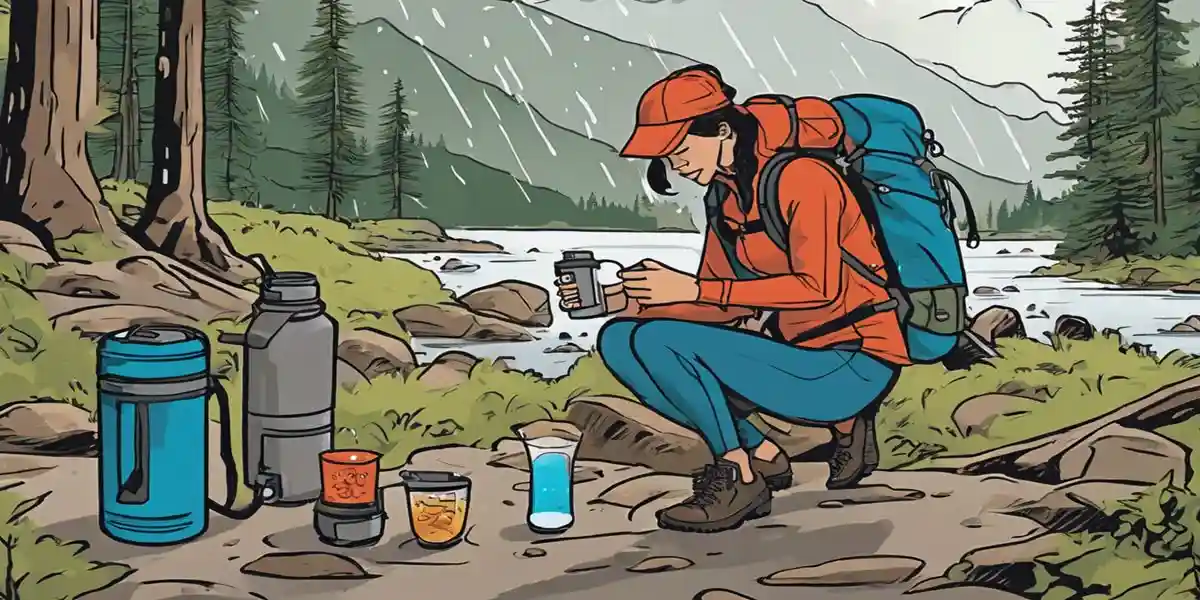
When hiking in the rain, having the right food and cooking supplies is crucial not only for nourishment but also for maintaining morale during dreary conditions. Rainy hikes can be invigorating yet taxing, demanding extra energy and warmth to keep spirits high.
Opt for meals that require minimal preparation and can be cooked quickly, as conditions may not allow for lengthy cooking sessions. Freeze-dried meals or dehydrated meal pouches are fantastic options—just add water and wait a few minutes. Brands like Mountain House or Backpacker's Pantry offer a variety of flavors, ensuring that you can enjoy a warm meal even in the wettest of conditions.
Your cooking equipment should be as lightweight and compact as possible. A portable camp stove, such as a canister stove like the MSR PocketRocket, can provide quick heat without the bulk. Pair it with a lightweight, pot that doubles as a bowl, like the GSI Outdoors Halulite Tea Kettle, which can also function as a water boiler. This way, you can prepare meals and enjoy hot drinks, both of which are essential for staying warm and energized.
When the rain is pouring, the last thing you want is for your hard-earned hot meal to cool down too quickly. An insulated food container, like the Thermos Stainless King, can keep your food warm for several hours. Fill it with soup or stew before setting out on your hike for a cozy lunch that will lift your spirits, even when the weather outside is less than inviting.
Snacking is a vital part of any hiking adventure, especially in rainy weather where you may need a quick energy boost. Opt for high-calorie, nutrient-dense snacks that are easy to pack and consume on the go. Trail mix, energy bars, and jerky are excellent choices. Consider creating your own trail mix with nuts, seeds, dried fruit, and dark chocolate—providing both energy and a touch of comfort on a dreary day.
Staying hydrated is critical, especially during physical exertion in cooler, wet conditions. A portable water filtration system, like the Sawyer Mini Water Filter, allows you to safely drink from natural sources. This is particularly useful in the rain, where you may come across streams or puddles. Just remember to check the water source for debris and avoid murky waters to minimize health risks.
Don’t forget the utensils! A simple spork can save space and weight while allowing you to enjoy your meals. Additionally, a compact, foldable cutting board and a small knife can be handy for preparing fresh fruits or vegetables that may accompany your meals. They can also serve a dual purpose for other tasks around the campsite.
While rain can make it challenging to start a fire, having the right firestarter supplies can make a world of difference. Waterproof matches, lighter, and tinder can aid in creating a warm fire to heat your food or provide warmth. Consider packing items like cotton balls soaked in petroleum jelly or commercial fire starters that will ignite even in wet conditions.
There's nothing quite like a warm drink to lift your spirits on a rainy hike. Bring along tea bags, coffee grounds, or hot chocolate packets to enjoy after a long trek. An insulated mug, like the YETI Rambler, can keep your beverages hot for hours, offering comfort and warmth when you need it most.
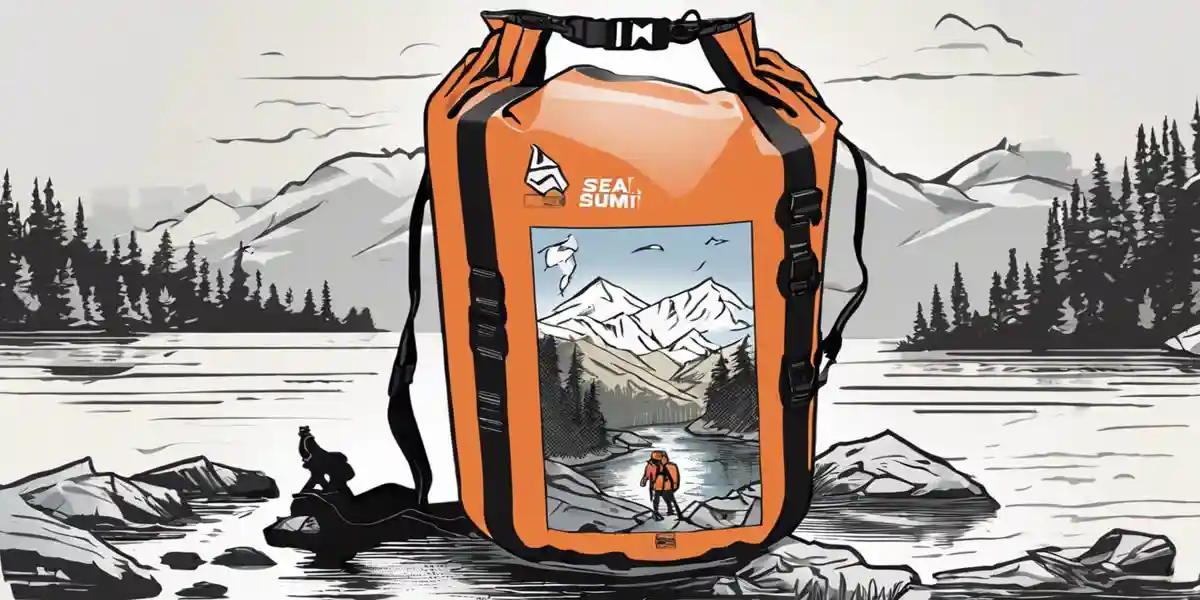
When it comes to hiking in the rain, keeping your gear dry is paramount. Enter the portable dry bag—a simple yet essential tool designed to protect your belongings from water damage. These lightweight, waterproof bags are particularly useful in the unpredictable conditions of a rainy hike, where the risk of wet gear can lead to discomfort and even safety hazards.
Imagine you’re on a trail, and the sky suddenly opens up. Without a reliable storage solution, your extra clothing, food, and electronic devices could quickly become soaked, turning your adventure into a miserable experience. Dry bags serve as the first line of defense against moisture. Made from durable materials like nylon or polyethylene, these bags are designed to withstand harsh weather conditions while keeping your essentials safe and secure.
Most portable dry bags feature a roll-top closure system that not only prevents water from entering but also allows you to compress the bag for easier packing. Look for bags with a waterproof rating, typically measured in millimeters (mm), with 5000 mm or higher being ideal for heavy rain. Additionally, many dry bags come with welded seams, which further enhance their waterproof capabilities.
For those planning a multi-day hike in a rainy region, brands like Sea to Summit and Osprey offer dry bags ranging from small to large sizes. For instance, the Sea to Summit Ultra-Sil Dry Sack is not only lightweight but also features a 30D nylon fabric with a waterproof rating of 3000 mm. This means you can rest assured your belongings are protected against downpours.
Moreover, if you’re considering a kayaking or canoeing adventure, a dry bag can double as a flotation device for your gear. The Outdoor Research 100% Waterproof Dry Stuff Sack is a popular choice for water sports enthusiasts, as it not only keeps your gear dry but also floats if dropped in water.
To maximize the effectiveness of your dry bag, follow some simple guidelines. Always pack your items in a way that minimizes bulk, as awkward shapes can compromise the seal. Additionally, consider using smaller bags within your larger dry bag to organize your gear—this not only keeps things tidy but also ensures easier access when you need something quickly.
Finally, remember to test your dry bag before heading out. Fill it with a few towels, seal it up, and submerge it in water for a few minutes to check for leaks. This simple precaution can save you from unnecessary grief on the trail.
Incorporating portable dry bags into your hiking gear not only protects your belongings from the elements but also enhances your overall experience by allowing you to embrace the adventure of hiking in the rain with confidence. Whether you’re facing a light drizzle or a torrential downpour, a reliable dry bag is a must-have for any outdoor enthusiast.
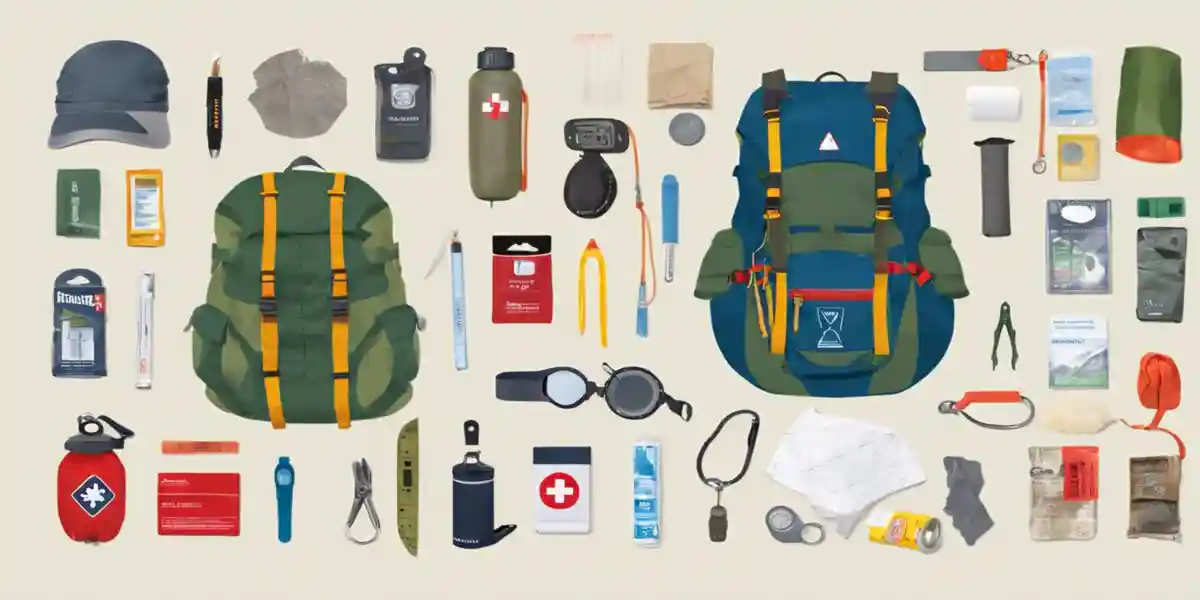
When venturing into the wilderness, especially during rainy conditions, it’s crucial to be prepared for emergencies. The right emergency gear can be the difference between a challenging experience and a life-threatening situation. Here, we’ll explore the essential items that should be included in your emergency kit to ensure safety and preparedness on your hiking or camping adventure.
Your first aid kit is a must-have for any outdoor excursion. It should include band-aids, antiseptic wipes, gauze, adhesive tape, pain relievers, and any personal medications you might need. In wet conditions, the likelihood of slips and falls increases, making a well-stocked first aid kit invaluable. Consider including items specifically for treating blisters, as wet feet can quickly lead to discomfort and injury.
An emergency thermal blanket, also known as a space blanket, is lightweight and compact. It can provide crucial warmth if you find yourself in an unexpected situation. The risk of hypothermia increases significantly when hiking in cold, wet conditions, as highlighted by a study showing that prolonged wet-cold exposure can lead to hypothermia within four hours. Keeping an emergency blanket in your pack can be a lifesaver, providing insulation and retaining body heat until help arrives or conditions improve.
A multi-tool or a reliable survival knife can serve numerous purposes in the wild. From opening packages to making fire kindling or cutting rope, having a versatile tool on hand can help you adapt to unforeseen circumstances. In a survival scenario, the ability to quickly address various needs can be crucial for safety and comfort.
A whistle is an essential tool for signaling for help. It requires minimal effort to use and can be heard over great distances, making it more effective than shouting. In a situation where you get lost or injured, a whistle can attract attention and significantly increase your chances of being found.
Starting a fire in the rain can be challenging, but having waterproof matches or a reliable fire starter can make the process easier. Fire not only provides warmth but can also be essential for cooking food or purifying water. In the event of a wet-weather emergency, a fire can boost morale and signal for help.
While often overlooked, a signal mirror can be a powerful tool for attracting attention. It can reflect sunlight over long distances, making it visible to searchers. In a rain-soaked forest where visibility may be limited, a signal mirror can help you stand out and guide rescuers to your location.
As the daylight fades, having a reliable light source becomes essential. A flashlight or headlamp not only illuminates your path but can also serve as a signaling device in emergencies. Look for models that are waterproof and have a long battery life to ensure they function when you need them most.
In case of unforeseen delays, packing extra non-perishable food and a means to purify water is vital. Consider high-energy snacks like energy bars or dried fruit, which are lightweight and provide quick energy. Water purification tablets or a portable filter can ensure you have access to safe drinking water, even in the wilderness.
Technology can fail, especially in adverse weather conditions, so having a physical map and a compass is essential. Familiarize yourself with navigation techniques before heading out, as these tools can guide you back to safety if you become disoriented.
A PLB is an advanced piece of emergency gear that can send a distress signal to search and rescue teams. These devices utilize satellite technology to pinpoint your location, making them an invaluable asset for hikers in remote areas. While they require a financial investment, the peace of mind they offer in case of a serious emergency can be worth every penny.
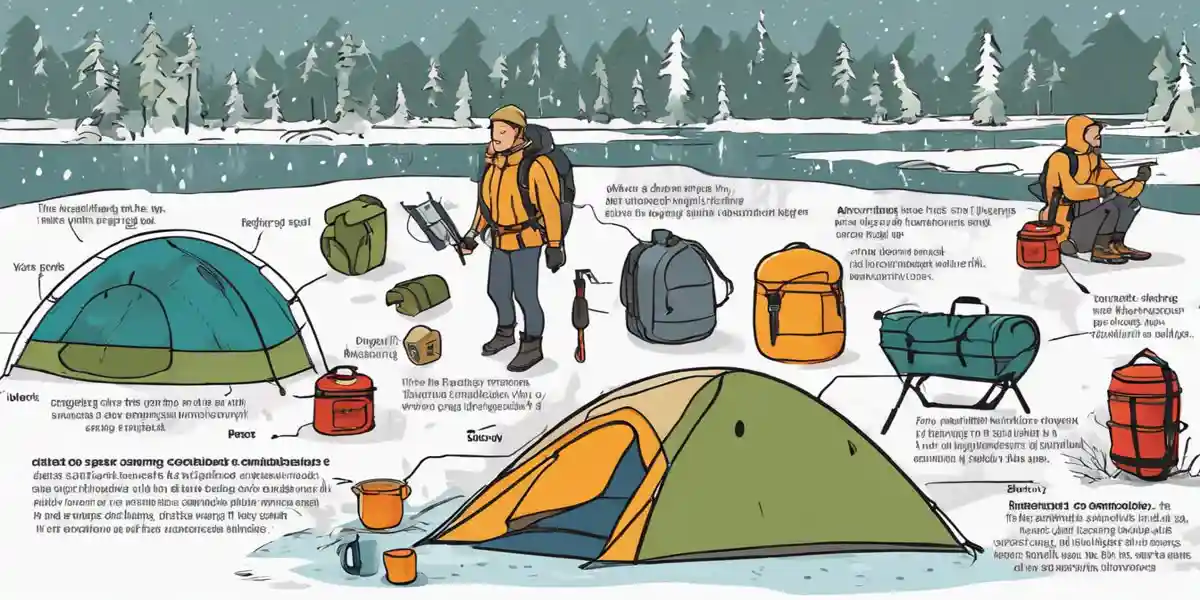
Camping in wet conditions poses unique challenges that can test your resilience and adaptability. However, with the right strategies, you can create a comfortable and enjoyable outdoor experience even when the skies open up. Here are some essential tips to ensure your camping trip remains pleasant despite the rain.
When planning your campsite, consider the terrain carefully. Look for elevated areas that are less prone to flooding, avoiding low-lying spots where water may accumulate. Additionally, setting up camp under the cover of trees can provide some natural protection from rain. However, be cautious of dead branches, known as "widow makers," which can fall in windy conditions.
Your tent is your first line of defense against the elements. Opt for a tent designed for wet weather, featuring a rainfly and sealed seams to prevent leaks. A tent with a vestibule can provide extra space for wet gear, keeping the interior dry. It’s also wise to practice setting up your tent beforehand, so you’re not fumbling in the rain.
Placing a tarp under your tent can add an extra layer of protection against moisture from the ground. However, ensure that the tarp is slightly smaller than your tent footprint to prevent water pooling underneath. This simple step can keep you dry and comfortable during your stay.
Moisture can ruin your camping experience if it seeps into your gear. Use waterproof dry bags to store clothing, sleeping bags, and electronics. Additionally, pack items in zip-lock bags within your backpack to provide an extra layer of protection. When setting up camp, designate a dry area for gear and keep it elevated off the ground to prevent water exposure.
A warm meal can be a highlight during a rainy camping trip, so establish a cooking zone away from your tent. Use a portable stove or a covered fire pit to prepare meals. Collect dry firewood before the rain starts, and store it in a dry place. Even in wet conditions, you can often find dry wood under dense foliage or by peeling the bark off wet logs.
Staying warm and dry is crucial for your comfort. Wear moisture-wicking base layers that pull sweat away from your skin, followed by insulating layers like fleece or down. Finally, finish with a waterproof and breathable outer layer. This layering system allows for flexibility as temperatures change throughout the day.
In wet conditions, it’s easy to forget to hydrate and fuel your body. Bring along lightweight, high-energy snacks that can be consumed without cooking, such as trail mix or energy bars. Regular hydration will help maintain your energy and keep your spirits high despite the dreary weather.
Pay attention to changing weather patterns. Use a reliable weather app or portable weather radio to stay informed about potential storms. Understanding the forecast can help you make informed decisions about your activities, allowing you to seize the moments when the rain lets up to explore or set up your campsite.
Instead of viewing rain as a setback, embrace it as part of the adventure. Engage with the environment by enjoying the sights and sounds of nature during rainfall. The vibrant colors and fresh smells can create an experience unlike any other. Consider taking a short hike or simply sitting in your tent and listening to the rain—it can be surprisingly calming.
Understanding the risk of wet-cold hypothermia is essential for safety. Research indicates that prolonged exposure to wet and cold conditions can lead to serious health risks. Be aware of symptoms such as shivering, fatigue, or confusion, and take immediate action if you or someone in your group begins to exhibit these signs. Always have extra layers and a way to warm up, whether through a fire or by sharing body heat in your sleeping bags.
This section provides practical, actionable advice for camping in wet conditions, ensuring that you're not just surviving but thriving despite the rain. Whether you’re a seasoned camper or a novice, these tips can help make your next adventure in the elements a memorable one.
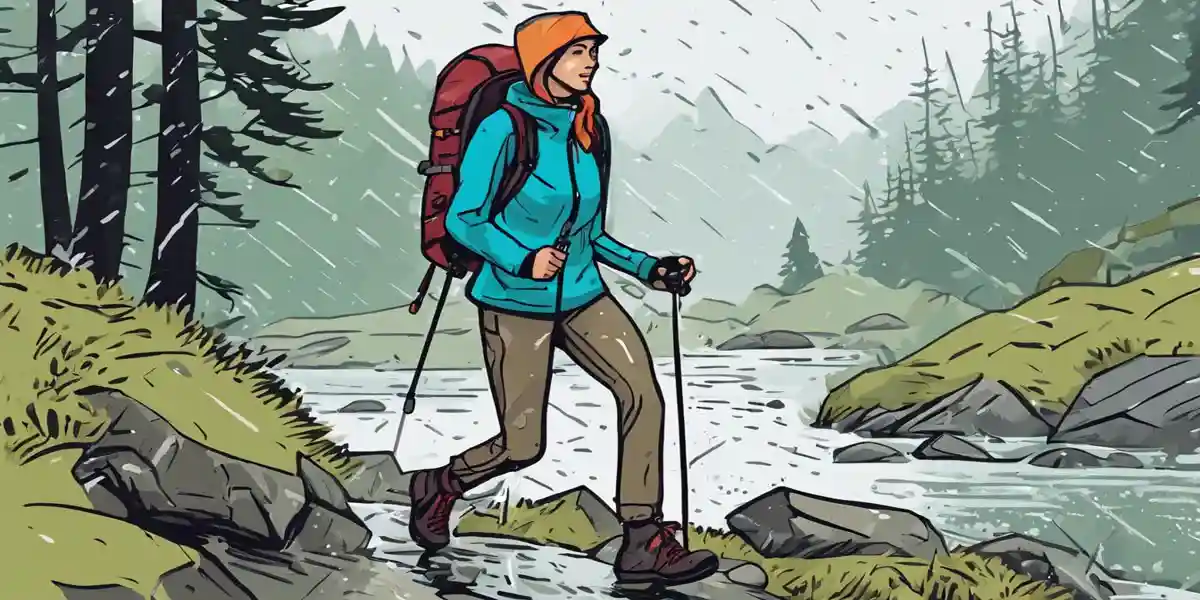
Hiking in the rain can be a transformative experience, offering unique challenges and rewards that deepen our appreciation for nature. This section will explore the essentials for hiking and camping in wet conditions, focusing on the right gear and mindset to enhance your adventure.
When we think of hiking, it’s often under sunny skies and warm temperatures. However, embracing rain as part of the journey can shift our perspective entirely. Instead of viewing rain as a deterrent, consider it an opportunity to experience the world from a different angle. The vibrant colors of foliage, the sound of raindrops on leaves, and the refreshing scent of damp earth can create an atmosphere that is both invigorating and serene.
To fully enjoy a rainy hike, having the right gear is crucial. Here are some must-haves to ensure you stay comfortable and safe:
Planning is key when hiking in the rain. Understanding weather patterns and trail conditions can make a significant difference in your experience. Always check the forecast and be aware of potential hazards like flash floods or slippery paths. Choose trails that are known to be safe in wet conditions and have good drainage to avoid muddy terrain.
Moreover, it's essential to be aware of the risks posed by prolonged exposure to wet and cold conditions. A study on hypothermia highlighted that prolonged wet-cold exposure increases the risk of hypothermia significantly after four hours. Thus, it's vital to monitor your body temperature and have a plan in place to warm up if necessary.
By preparing adequately and adjusting your mindset, you can transform a rainy hike into an exhilarating adventure that connects you more profoundly with nature.
As we wrap up our exploration of the essentials for hiking in the rain and camping adventures, it’s clear that the right preparation can turn a potentially daunting experience into an exhilarating journey. From understanding the importance of waterproof clothing and durable footwear to recognizing the value of quality rain gear and reliable navigation tools, each element plays a crucial role in ensuring your safety and enjoyment in wet conditions.
We’ve discussed how embracing a mindset shift can transform your perception of rain from a hindrance to an opportunity, allowing you to appreciate the beauty of a rain-soaked landscape. Preparation is key; having a well-stocked first aid kit, a lightweight tent or shelter, insulated sleeping bags, and portable dry bags ensures you are ready for whatever nature throws at you. Moreover, proper food and cooking supplies can keep your spirits high, making your adventure not just survivable, but memorable.
As you set out on your next hiking or camping trip, remember that the elements are part of the adventure. So, are you ready to pack your gear and step into the rain with confidence? Embrace the challenges and joys that come with hiking in wet conditions, and let every droplet remind you of the beauty of nature's diversity. After all, true adventurers don’t shy away from the rain; they dance in it!
So go forth, brave the elements, and create your own unforgettable stories in the great outdoors!

Get notified about new articles, coffee tips, and Web3 insights.
This site participates in affiliate programs and may earn a commission when a link is clicked and a purchase is made. The site is not responsible for any issues or troubles related to the products or services purchased through the use of this site.

DO&COFFEE loves coffee and technology, exploring the potential of NFTs and blockchain. Learn more →
DO&COFFEE loves coffee and technology, exploring the potential of NFTs and blockchain. Learn more →