coffee
2025/03/20

In an age where environmental consciousness is no longer optional but essential, the coffee industry is undergoing a transformative shift. "Brewing a Greener Future: How Pour-Over Techniques are Shaping Sustainable Coffee Shop Design" delves into how the artisanal method of pour-over brewing not only enhances the coffee experience but also serves as a catalyst for sustainable practices within coffee shops. This blog post explores the integration of eco-friendly sourcing, waste reduction, and community engagement into the fabric of coffee shop operations, highlighting the importance of direct trade relationships with farmers and the use of environmentally responsible materials.
As we unpack the nuances of pour-over techniques, we will also examine the rising trend of sustainable coffee consumption and its implications for both consumers and coffee shop owners. By adopting practices such as using biodegradable filters and encouraging patrons to bring their own cups, coffee shops can lead the charge in reducing waste and fostering a community of eco-conscious coffee lovers. This exploration not only addresses the growing consumer demand for sustainability but also positions these establishments as pioneers in an industry poised for a greener future. Join us as we brew a blend of quality and sustainability, reshaping the coffee experience for generations to come.

In recent years, the coffee industry has been increasingly scrutinized for its environmental impact, prompting a shift towards more sustainable practices. One notable method that embodies this shift is the pour-over technique. This manual brewing method not only emphasizes quality but also aligns with sustainability goals by minimizing waste and promoting conscious consumption.
One of the defining characteristics of pour-over brewing is the level of precision and control it offers. Unlike automated machines, which often produce coffee in bulk, pour-over techniques require the barista to manually control variables such as water temperature, pour speed, and coffee-to-water ratio. This control allows for optimal extraction of flavors, resulting in a superior cup of coffee. Studies have shown that when coffee is brewed with care and attention, it can reduce the need for excessive additives or flavorings, thereby decreasing overall waste. For instance, the Blue Bottle Coffee Company has implemented pour-over methods in their shops to enhance flavor profiles while reducing the reliance on pre-packaged coffee blends.
Pour-over techniques also contribute to sustainability by minimizing waste. Traditional brewing methods often involve single-use coffee pods or excessive brewing quantities, leading to increased waste in both packaging and coffee grounds. In contrast, pour-over brewing allows baristas to brew just the right amount for each customer, ensuring that every cup is fresh and minimizing leftover coffee. An example of this can be seen in the practices of Stumptown Coffee Roasters, which encourages customers to order only what they will consume, thereby reducing the environmental footprint associated with excess coffee production.
Furthermore, pour-over brewing often goes hand-in-hand with a focus on ethically sourced coffee beans. Many coffee shops that prioritize pour-over techniques also emphasize direct trade and sustainability in their sourcing practices. For example, Intelligentsia Coffee has made significant strides in building relationships with coffee farmers, ensuring fair wages and sustainable farming methods. By highlighting these partnerships through their pour-over offerings, they engage customers in the story behind their coffee, fostering a deeper appreciation for sustainable practices.
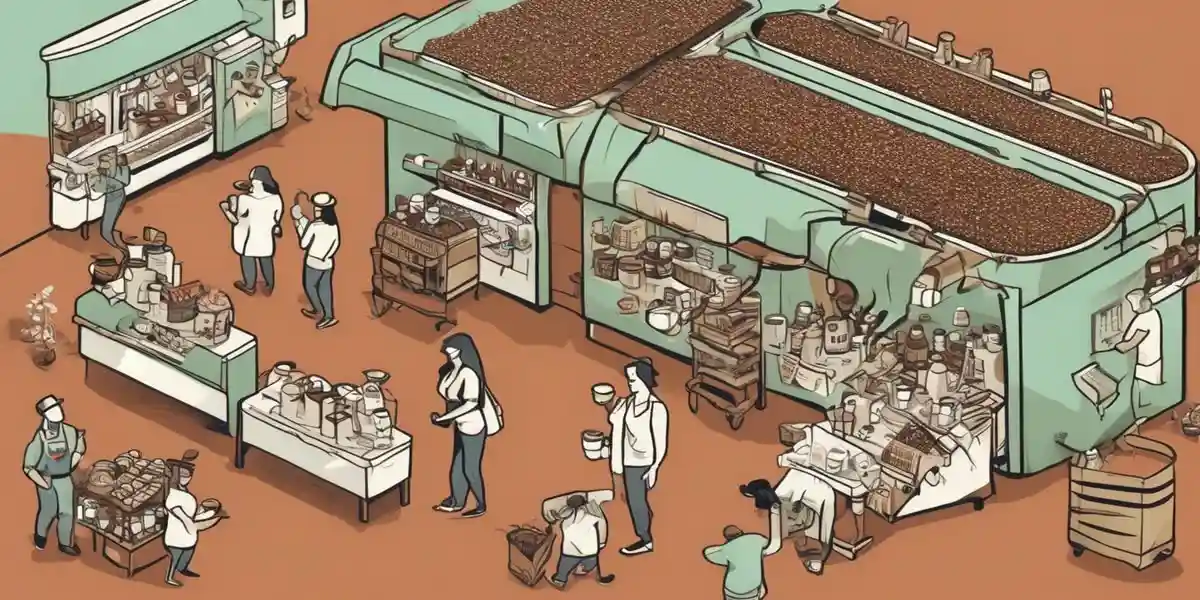
In recent years, the landscape of coffee consumption has seen a significant shift towards sustainability, driven by increasing consumer awareness of environmental issues and a desire for ethically sourced products. This rise of sustainable coffee consumption is not just a passing trend; it reflects a deepening understanding of the impact coffee production has on both the environment and the communities that cultivate it. Below, we explore three key aspects of this phenomenon.
One of the most compelling drivers behind the rise of sustainable coffee consumption is the growing consumer demand for ethically sourced products. According to the 2021 National Coffee Drinking Trends report, 60% of coffee drinkers expressed a preference for purchasing coffee that is certified organic or fair trade. These certifications often ensure that farmers receive fair wages and that environmentally friendly farming practices are employed.
Take, for example, the case of Stumptown Coffee Roasters, which prides itself on direct trade practices that foster transparency and sustainability. By building relationships directly with coffee producers, Stumptown ensures that farmers receive a premium for their high-quality beans, which in turn supports sustainable farming practices. This model not only appeals to environmentally conscious consumers but also provides an economic incentive for farmers to maintain sustainable practices.
Another aspect contributing to sustainable coffee consumption is the adoption of brewing techniques that minimize waste and enhance flavor extraction. Pour-over brewing, in particular, has gained popularity due to its ability to produce a superior cup of coffee while using minimal equipment and resources. This method allows for precise control over the brewing variables, resulting in less coffee waste compared to traditional brewing methods.
Moreover, companies like Hario, known for their pour-over equipment, emphasize sustainability by encouraging users to utilize reusable filters and reduce single-use plastic waste. The pour-over method not only engages consumers in the brewing process but also aligns with the ethos of sustainability that many modern coffee drinkers are seeking.
The rise of sustainable coffee consumption is also fueled by increased education and awareness around coffee production's environmental impact. Initiatives such as the Coffee Sustainability Program by the Specialty Coffee Association aim to educate both consumers and industry professionals about sustainable practices and their importance. By providing resources and training on sustainable farming, the program empowers farmers to implement environmentally friendly practices and helps consumers make informed choices.
For instance, Starbucks has committed to sourcing 100% ethically sourced coffee through its Coffee and Farmer Equity (C.A.F.E.) Practices, which include guidelines that promote environmental stewardship and social responsibility. Their ongoing efforts serve as a model for how education and corporate responsibility can intersect to promote sustainable consumption.
In summary, the rise of sustainable coffee consumption is fueled by a combination of consumer demand for ethical sourcing, innovative brewing techniques that promote sustainability, and a commitment to education and awareness. These components not only shape the way coffee is consumed but also influence the design and operations of coffee shops worldwide, paving the way for a greener future.

Pour-over coffee brewing is not just a method of preparation; it is a movement towards sustainable coffee practices that significantly influences coffee shop design and operational strategies. This section delves into the environmental benefits of pour-over techniques, examining how they contribute to minimizing waste, enhancing resource efficiency, and promoting ethical sourcing.
One of the most notable advantages of pour-over coffee is its capacity for precision brewing. Unlike traditional brewing methods that often result in over-extraction and wasted coffee, pour-over techniques allow baristas to measure and control the amount of coffee and water used meticulously. According to a study by the Specialty Coffee Association, pour-over brewing can reduce coffee waste by up to 30% compared to batch brewing systems. This reduction is significant for coffee shops aiming to lower their environmental footprint, as it directly correlates with decreased coffee waste and more efficient use of resources.
Pour-over methods generally require less energy than traditional brewing machines, which often consume electricity throughout their brewing cycles. By relying on manual techniques, coffee shops can drastically reduce their energy consumption. For example, Blue Bottle Coffee, a pioneer in the pour-over movement, has integrated solar panels in their cafes to power minimal electric equipment, aligning their operations with sustainability goals. This approach not only conserves energy but also showcases a commitment to renewable resources, setting an industry standard for eco-friendly practices.
As pour-over techniques emphasize the quality and origin of the coffee beans, they inherently promote a culture of ethical sourcing. Coffee shops that specialize in pour-over brewing often prioritize sourcing from sustainable farms that practice fair trade and environmental stewardship. For instance, Stumptown Coffee Roasters has established direct relationships with coffee growers, ensuring that their beans are not only high quality but also produced sustainably. This model fosters a greater appreciation for coffee origins among consumers, encouraging them to make more informed purchasing decisions that support ethical practices.
Through these facets—waste reduction, resource efficiency, and ethical sourcing—pour-over techniques are reshaping the landscape of sustainable coffee shop design. They demonstrate how thoughtful brewing practices can align with broader environmental goals, paving the way for a greener future in the coffee industry.
In exploring how pour-over techniques are influencing sustainable coffee shop design, we've highlighted several key aspects: the meticulous nature of pour-over coffee preparation promotes a deeper connection between the barista and the beverage, encouraging a culture of mindfulness that extends to sustainability practices. We examined how the choice of materials—such as ethically sourced wood and recyclable components—reflects an overall commitment to environmental responsibility. The integration of energy-efficient brewing equipment not only enhances the quality of the coffee but also aligns with a growing consumer demand for eco-conscious choices. Furthermore, the layout and design of coffee shops that prioritize natural light and indoor plants create spaces that foster community while reducing energy consumption.
These points matter significantly in the context of the ongoing sustainability movement within the food and beverage sector. As consumers become increasingly aware of their environmental impact, coffee shops that embrace sustainable practices not only differentiate themselves in a competitive market but also contribute to a cultural shift towards greener consumption. The rise of pour-over techniques serves as a microcosm of this trend, highlighting how traditional methods can coexist with modern sensibilities to create a more sustainable future.
As we look ahead, the continued evolution of sustainable coffee shop design will likely be shaped by innovations in technology and consumer preferences. Coffee enthusiasts are encouraged to support establishments that prioritize these practices, while coffee shop owners should consider adopting pour-over methods as a cornerstone of their sustainability strategy. Ultimately, the future of coffee is not just in how it is brewed, but in how it is served—mindfully, ethically, and sustainably. Join the movement toward a greener coffee culture, one pour-over at a time.

Get notified about new articles, coffee tips, and Web3 insights.
This site participates in affiliate programs and may earn a commission when a link is clicked and a purchase is made. The site is not responsible for any issues or troubles related to the products or services purchased through the use of this site.

DO&COFFEE loves coffee and technology, exploring the potential of NFTs and blockchain. Learn more →
DO&COFFEE loves coffee and technology, exploring the potential of NFTs and blockchain. Learn more →