coffee
2025/03/17
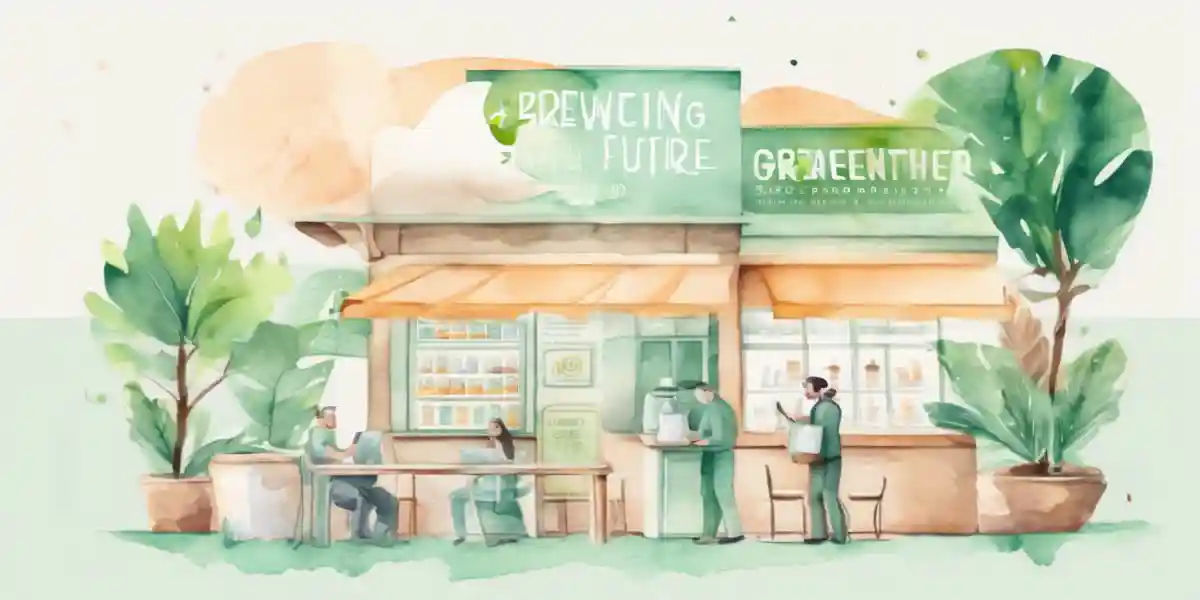
As the global demand for coffee continues to rise, the industry faces pressing challenges related to sustainability, transparency, and equitable practices. Enter Web3 technologies, particularly smart contracts and tokenization, which promise to revolutionize how coffee is produced, traded, and consumed. This blog post delves into the transformative potential of these innovations, exploring how they can create a decentralized platform that champions sustainable practices throughout the coffee supply chain.
Smart contracts enable automated and secure agreements between stakeholders, ensuring farmers receive fair compensation for their efforts while minimizing the risk of fraud. Meanwhile, tokenization allows for the digital representation of coffee beans, embedding vital information about their origin, quality, and sustainability practices. By linking these technologies, we can foster a transparent marketplace that empowers consumers to make informed choices, ultimately driving demand for eco-friendly coffee.
As we navigate this intersection of technology and sustainability, the importance of these developments cannot be overstated. They not only enhance traceability and accountability within the coffee industry but also cultivate a community of conscious consumers and producers. Together, we can brew a greener future for coffee, ensuring that every cup reflects our shared commitment to environmental stewardship and social responsibility.
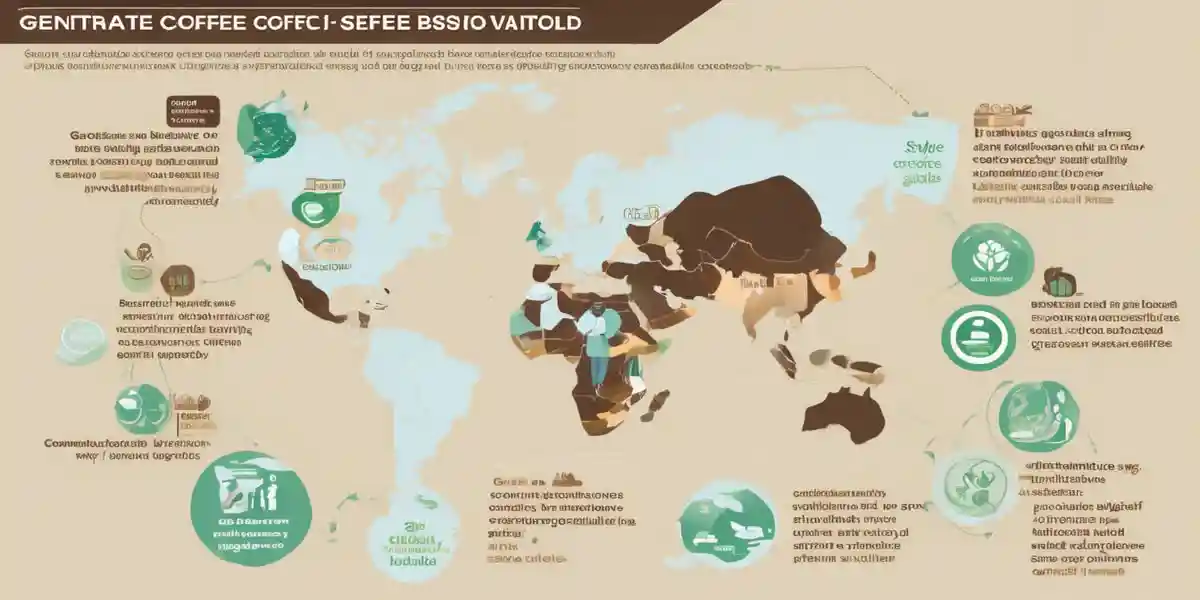
The global coffee industry, valued at over $100 billion, faces mounting pressures from climate change, market volatility, and ethical sourcing demands. Sustainable coffee production has emerged as a vital response to these challenges, encompassing practices that not only preserve the environment but also ensure social equity and economic viability for farmers. As consumers increasingly prioritize sustainability, the imperative for coffee producers to adopt responsible practices has never been clearer.
Sustainable coffee refers to coffee grown in a manner that is environmentally sound, economically viable, and socially responsible. This concept encompasses various practices, including organic farming, fair trade certification, and agroforestry systems that promote biodiversity. According to the Rainforest Alliance, coffee farms that adhere to sustainability standards can reduce their carbon footprint significantly while enhancing soil health and water conservation.
One notable example of sustainable coffee initiatives is the Fair Trade certification, which ensures that farmers receive a fair price for their beans while promoting community development. A study by the University of Southern California found that Fair Trade coffee farmers experienced a 20% increase in income compared to non-certified farmers, enabling them to invest in education and healthcare for their families. This model not only improves the livelihoods of farmers but also fosters a sense of community and resilience against market fluctuations.
Another compelling example is the adoption of agroforestry practices, where coffee is grown under a canopy of trees. This method enhances biodiversity, mitigates soil erosion, and sequesters carbon, thus contributing to climate change mitigation. The World Bank reports that agroforestry systems can increase coffee yields by up to 30% while providing additional income streams through the sale of timber and fruits. Such practices illustrate the dual benefits of sustainability: environmental preservation and enhanced farmer profitability.
As we further explore the intersection of technology and sustainable coffee in subsequent sections, it becomes increasingly clear that the integration of smart contracts and tokenization can play a pivotal role in amplifying these sustainable practices, ensuring traceability, and enhancing transparency in the coffee supply chain.
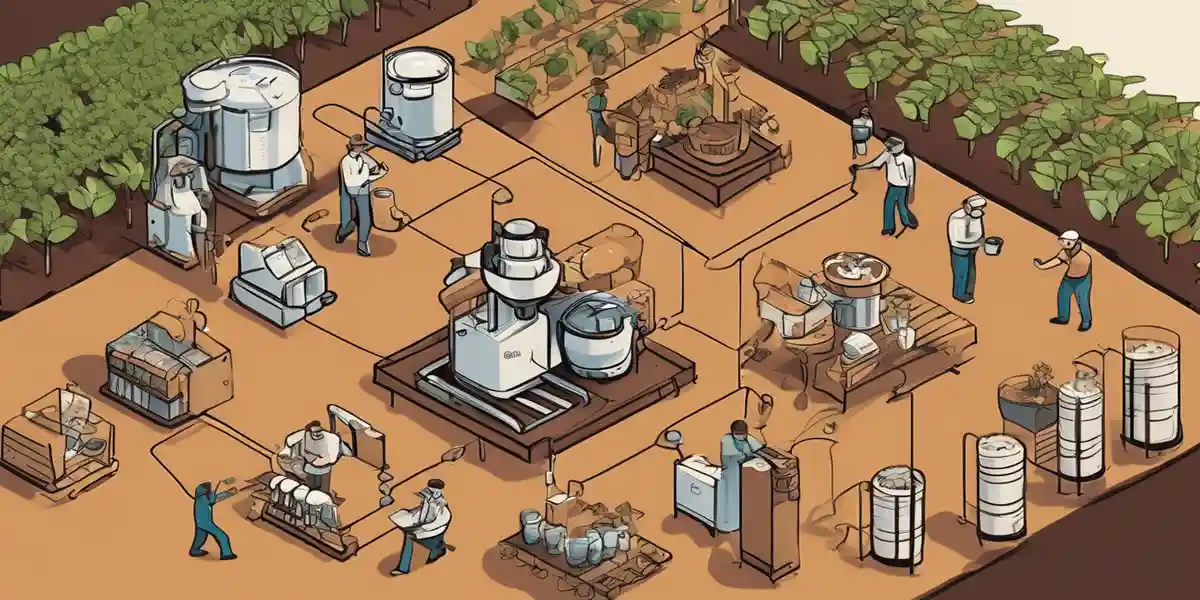
Smart contracts, a pivotal innovation in blockchain technology, are self-executing agreements with the terms directly written into code. They automatically enforce and execute contractual obligations when predefined conditions are met. This technology is transforming sustainable coffee production by enhancing transparency, efficiency, and trust among stakeholders. Below, we explore three key roles that smart contracts play in this burgeoning field.
One of the most significant benefits of smart contracts in sustainable coffee production is their ability to enhance transparency throughout the supply chain. Traditional coffee supply chains are often fraught with opacity, leading to issues like unfair pricing and unethical sourcing practices. By deploying smart contracts, each transaction—from farmer to roaster to retailer—can be recorded on a blockchain, providing a tamper-proof ledger that is accessible to all parties. For instance, the blockchain-based platform, Provenance, allows consumers to trace the origin of their coffee back to the farm, ensuring that sustainability claims are verifiable.
Smart contracts significantly streamline payment processes by automating transactions between buyers and sellers. In traditional systems, payments can be delayed due to intermediaries, which can negatively impact smallholder farmers. With smart contracts, payments are released automatically upon delivery confirmation, reducing the time and cost associated with manual processing. A notable example is the collaboration between the coffee cooperative, CoopeTarrazu, and the blockchain platform, AgUnity. This system not only facilitates timely payments but also allows farmers to receive a fair price for their sustainably grown coffee, thus incentivizing eco-friendly practices.
Compliance with sustainability standards is crucial for coffee producers seeking to enter premium markets. Smart contracts can enforce compliance by integrating industry standards directly into their code. This means that payments can be conditioned on adherence to specific practices, such as organic farming or fair trade principles. For example, the Rainforest Alliance is exploring the use of smart contracts to ensure that coffee producers meet sustainability certifications before receiving payments. This approach not only reinforces ethical practices but also builds consumer confidence in the products they purchase.
In summary, the integration of smart contracts in sustainable coffee production presents a transformative opportunity for the industry. By enhancing transparency, streamlining payments, and ensuring compliance with sustainability standards, these contracts are paving the way for a more ethical and efficient coffee supply chain.
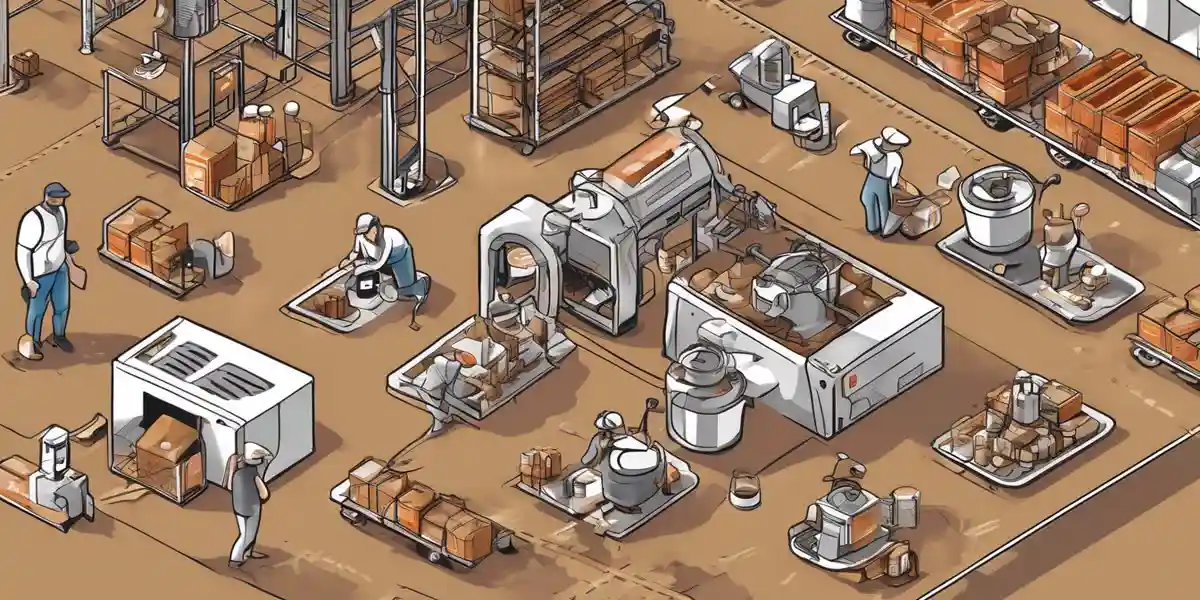
Smart contracts represent a revolutionary shift in the coffee supply chain, particularly in enhancing transparency, efficiency, and trust between farmers and consumers. These self-executing contracts, which leverage blockchain technology, ensure that agreements are automatically enforced without the need for intermediaries. The resulting benefits can be categorized into three main areas: increased transparency, improved financial security, and enhanced traceability.
One of the most significant advantages of smart contracts is their ability to enhance transparency throughout the supply chain. For instance, a case study involving the coffee cooperative "Café de Colombia" showcases how smart contracts provide real-time data regarding coffee sourcing and pricing. By utilizing blockchain, consumers can access verified information about where their coffee comes from, including details on the farming practices and environmental sustainability measures employed. This level of transparency fosters consumer trust and encourages ethical consumption, particularly among environmentally conscious buyers.
Smart contracts also bolster financial security for farmers by ensuring timely payments linked to contract fulfillment. A notable example is the collaboration between the tech company "AgriDigital" and coffee producers in Brazil. This partnership utilizes smart contracts to automate payment processes, ensuring that farmers receive funds immediately upon delivery of their coffee. This eliminates the traditional delays often faced in agricultural transactions, providing farmers with crucial liquidity for reinvestment in their operations and enhancing their financial stability.
Traceability is vital in the coffee industry, especially as consumers demand more information about the origins of their products. Smart contracts facilitate this by recording every transaction on an immutable ledger. For example, the "OriginTrail" project has implemented a solution that allows consumers to trace their coffee from farm to cup, using QR codes that connect to the blockchain. This not only empowers consumers with knowledge but also allows farmers to showcase their commitment to sustainable practices, potentially leading to premium pricing for their products.
In summary, the integration of smart contracts into the coffee supply chain offers significant benefits for both farmers and consumers. By fostering transparency, improving financial security, and enhancing traceability, these innovative tools are paving the way for a more sustainable and equitable coffee industry.
In this exploration of how smart contracts and tokenization are revolutionizing the sustainable coffee industry, we have unpacked several key elements that illuminate the path towards a more responsible and transparent coffee supply chain. Initially, we discussed the traditional challenges faced by coffee farmers, including lack of fair compensation and transparency in transactions. Through the integration of smart contracts, these issues are being addressed, allowing for automated, trustless agreements that can ensure farmers receive fair payment promptly.
Furthermore, the introduction of tokenization is enabling the creation of digital assets that represent coffee beans, enhancing traceability from farm to cup. This ensures that consumers can verify the origins of their coffee, fostering a more ethical consumption model. We explored real-world implementations, such as partnerships between tech companies and coffee cooperatives, illustrating how these innovations are not just theoretical but are actively reshaping the industry.
These developments matter significantly as they align with broader trends towards sustainability and ethical sourcing in consumer behavior. As more individuals prioritize environmentally friendly and socially responsible products, the coffee industry must adapt or risk losing relevance. The future outlook is promising, with potential scalability of these technologies to not only coffee but other agricultural sectors as well.
In conclusion, the fusion of smart contracts and tokenization stands to not only transform how coffee is produced and marketed but also empowers consumers to make informed choices. We invite readers to engage with this movement—whether by supporting brands that utilize these technologies, advocating for transparency in supply chains, or simply educating themselves and others about the importance of sustainable practices in their everyday consumption. Together, we can brew a greener future for coffee and beyond.

Get notified about new articles, coffee tips, and Web3 insights.
This site participates in affiliate programs and may earn a commission when a link is clicked and a purchase is made. The site is not responsible for any issues or troubles related to the products or services purchased through the use of this site.
DO&COFFEE loves coffee and technology, exploring the potential of NFTs and blockchain. Learn more →
DO&COFFEE loves coffee and technology, exploring the potential of NFTs and blockchain. Learn more →