coffee
2025/03/17

In an era where sustainability and innovation intersect, the coffee industry stands on the cusp of a transformative revolution, driven by decentralized finance (DeFi) and cryptocurrency. This blog post, titled "Brewing a Revolution: How DeFi is Transforming Sustainable Coffee with Crypto Payments," explores the groundbreaking concept of BrewCoin—a digital currency designed specifically for the sustainable coffee market. BrewCoin not only aims to provide consumers with an avenue to purchase ethically sourced coffee but also empowers smallholder farmers through instantaneous payments facilitated by blockchain technology.
The significance of this transformation lies in its potential to enhance transparency and traceability within the coffee supply chain, addressing longstanding issues such as price volatility and delayed payments that have historically plagued farmers. By leveraging smart contracts, BrewCoin fosters a more direct relationship between consumers and producers, encouraging sustainable practices while ensuring that farmers are fairly compensated for their efforts. Additionally, the introduction of a rewards system encourages community engagement and further strengthens the bond between consumers and their coffee sources.
As we delve into the mechanics of crypto-based coffee payments and highlight successful case studies within the DeFi coffee ecosystem, this post will illuminate how these innovations not only promote ethical consumption but also pave the way for a more sustainable future in the coffee industry. Join us on this journey to discover how technology can redefine our daily rituals and foster a sustainable world for generations to come.
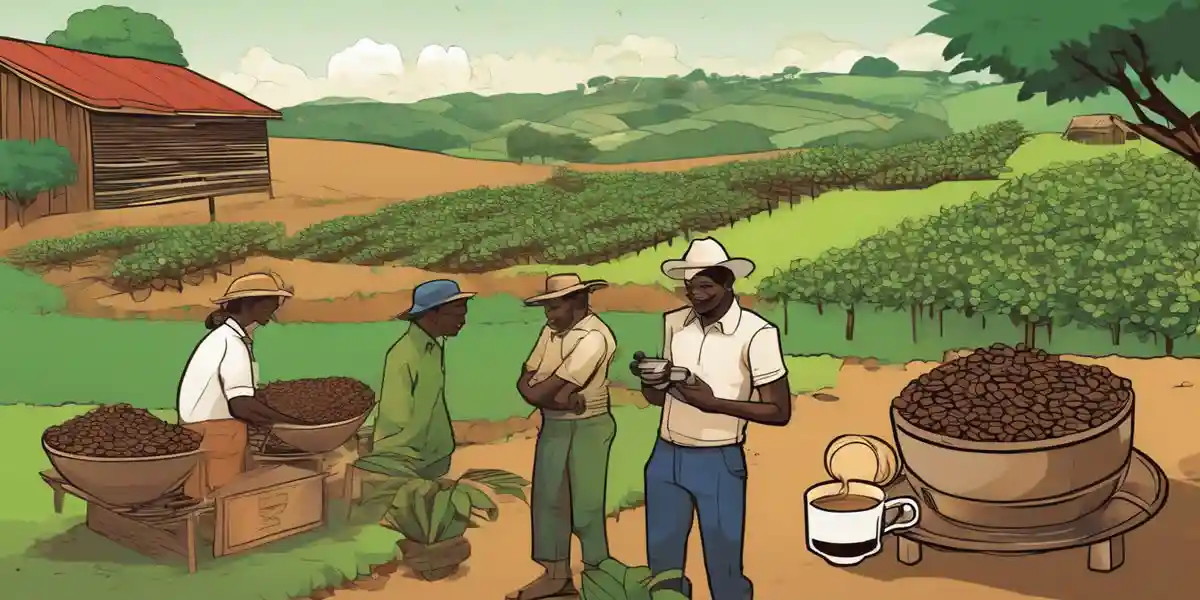
Decentralized Finance (DeFi) represents a transformative wave in finance that leverages blockchain technology to create financial systems without intermediaries. This innovation holds significant potential for various industries, including sustainable coffee production. The marriage of DeFi and sustainable coffee can be understood through three critical points: enhancing transparency in supply chains, facilitating direct payments to producers, and enabling access to financing for smallholder farmers.
One of the core advantages of DeFi is its inherent transparency. Blockchain technology allows all transactions to be recorded on an immutable ledger, making it easier for consumers to trace their coffee from the farm to their cup. For instance, platforms like Provenance have employed blockchain to showcase the journey of coffee, ensuring that consumers can verify ethical sourcing practices. This transparency can bolster consumer trust and lead to more informed purchasing decisions, as evidenced by a survey conducted by the Specialty Coffee Association, which found that 66% of consumers prefer brands that transparently share their sourcing practices.
Traditional coffee supply chains are often fraught with inefficiencies and intermediaries that take a significant cut of the profits. DeFi introduces smart contracts, which can automate and streamline transactions directly between consumers and coffee producers. By utilizing crypto payments, producers can receive payments in real-time, significantly reducing transaction costs and delays. An example can be seen in the partnership between the blockchain startup Coffee Coin and smallholder farmers in Colombia, where farmers are paid instantly for their beans through cryptocurrency, bypassing traditional banking systems that often charge high fees and create delays.
Access to capital is a persistent barrier for many smallholder coffee farmers, who often lack credit history or collateral. DeFi platforms can provide alternative financing solutions through decentralized lending protocols that require minimal documentation. For example, the platform Aave allows farmers to collateralize their future coffee yields in exchange for immediate financing. This approach not only empowers farmers but also encourages sustainable farming practices, as they can afford to invest in organic methods or certifications that enhance the quality and marketability of their coffee.
Through these mechanisms, DeFi is not just revolutionizing finance but is also creating a more sustainable and equitable coffee industry. By leveraging blockchain technology, stakeholders in the coffee supply chain can foster a system that benefits not just the consumers, but also the producers who are the backbone of this industry.
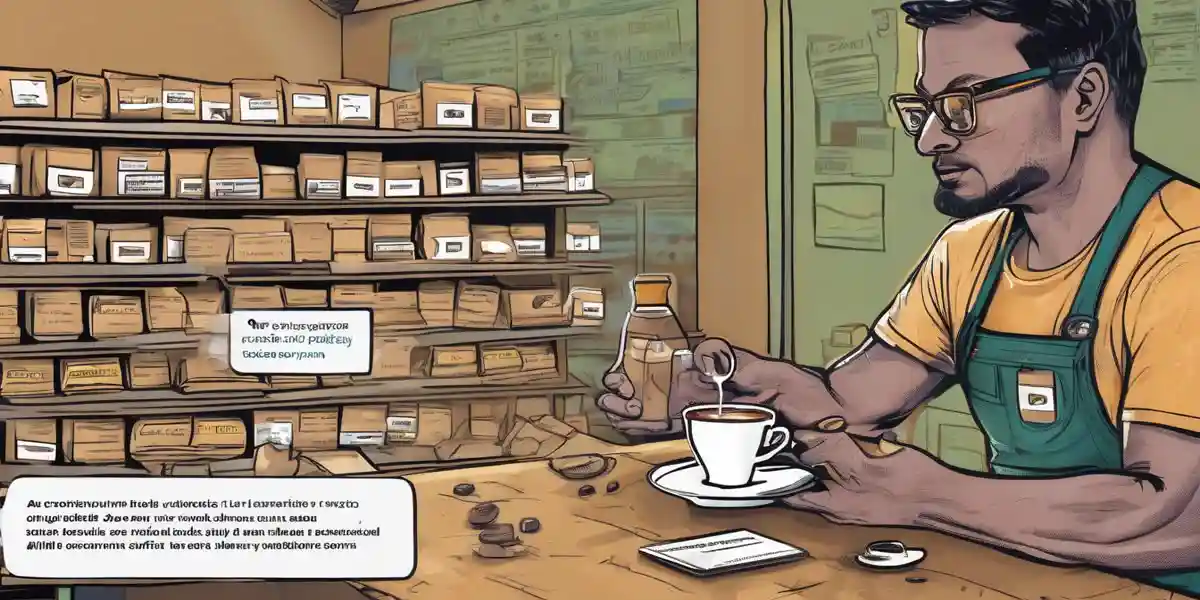
Crypto-based coffee payments represent a significant shift in how consumers purchase coffee, leveraging the advantages of blockchain technology and decentralized finance (DeFi). This section delves into the mechanics of these systems, highlighting their operational framework, benefits, and real-world implementations.
At the core of crypto payments is the decentralized nature of blockchain technology. Traditional banking systems often involve intermediaries that can slow down transactions and incur fees. In contrast, cryptocurrencies enable peer-to-peer transactions that are recorded on a public ledger, ensuring transparency and reducing costs. For instance, BitPay allows coffee shops to accept Bitcoin payments directly, eliminating the need for third-party processors. This not only expedites transactions but also enhances the profitability for small-scale coffee producers who can retain a larger share of their sales.
Smart contracts are self-executing contracts with the terms of the agreement directly written into code. In the coffee supply chain, these contracts can automate payments once certain conditions are met, such as confirming the delivery of coffee beans. For example, the blockchain platform OriginTrail uses smart contracts to facilitate direct payments between farmers and distributors, ensuring that funds are released only when agreed-upon quality standards are met. This mechanism reduces disputes and builds trust between stakeholders, making the supply chain more efficient and sustainable.
Tokenization involves converting physical assets into digital tokens on a blockchain. In the coffee industry, this can mean creating tokens that represent ownership of a coffee farm or a specific batch of beans. By tokenizing these assets, farmers can raise funds through Initial Coin Offerings (ICOs) or token sales, democratizing access to capital. A notable example is the collaboration between the coffee company Café Direct and the blockchain start-up, AgriLedger, which allows farmers to tokenize their produce. This not only provides liquidity but also enables consumers to trace the origin and quality of their coffee, thereby enhancing the ethical sourcing narrative.
These mechanisms collectively illustrate how crypto-based payments are revolutionizing the coffee industry, providing not just a payment method but an entire ecosystem aimed at sustainability and efficiency.
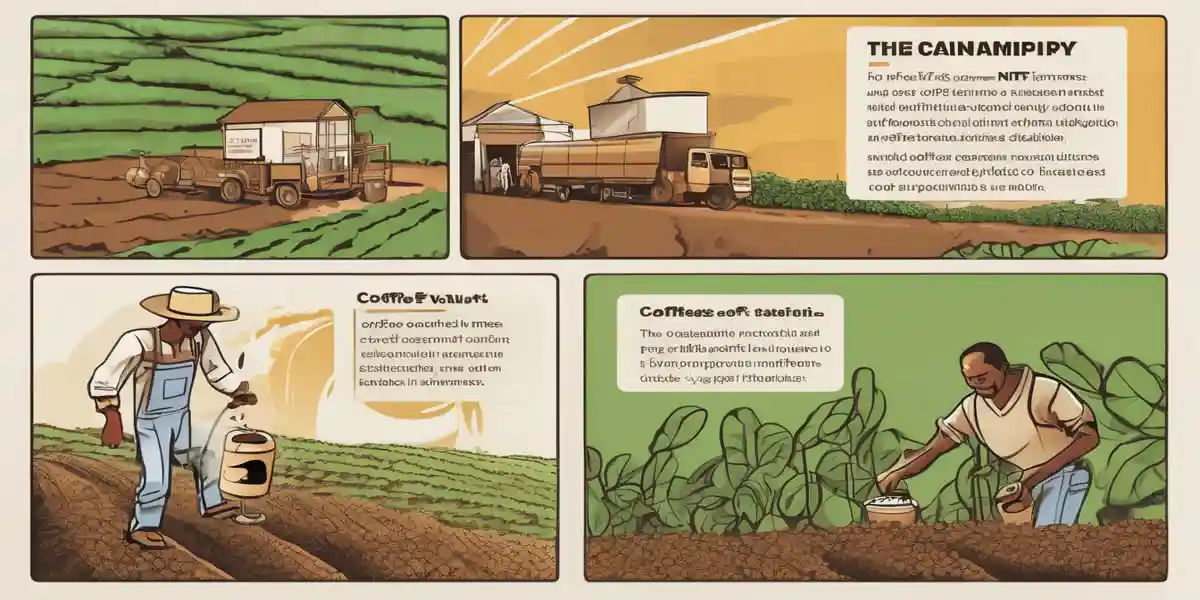
The intersection of decentralized finance (DeFi) and sustainable coffee production has given rise to innovative solutions that empower farmers and consumers alike. Through various case studies, we can observe the transformative potential of crypto payments in this niche market, showcasing how DeFi can facilitate better financial ecosystems for coffee growers and improve sustainability practices.
One notable example is Coffee Vault, a project that uses blockchain technology to create a transparent supply chain for coffee. By leveraging smart contracts, Coffee Vault ensures that every transaction—from the farmer to the consumer—is recorded immutably and transparently. This traceability not only enhances the trust between consumers and producers but also allows farmers to receive fair compensation directly in cryptocurrency.
Research indicates that when farmers are paid fairly, they can invest in sustainable farming practices that improve yield quality and environmental outcomes. According to a study by the International Coffee Organization, transparent pricing models can lead to a 20% increase in farmer income, which is crucial for fostering sustainability in coffee cultivation. In this case, DeFi serves as a powerful tool to bridge the gap between producers and consumers, ensuring that the benefits of fair trade are realized.
Another compelling case is Coffee for Change, a decentralized platform that connects small coffee farmers directly with consumers via crypto payments. This initiative not only eliminates intermediaries but also allows farmers to maintain a higher percentage of the profits from their sales. By utilizing stablecoins for transactions, farmers can avoid the volatility associated with traditional cryptocurrencies, providing them with a more stable income.
According to data from the World Bank, smallholder farmers often receive less than 10% of the retail price for their products due to a convoluted supply chain. Coffee for Change addresses this issue by enabling direct peer-to-peer transactions, resulting in up to a 50% increase in revenue for farmers. This model not only boosts their income but also encourages sustainable practices, as farmers are more likely to invest in eco-friendly techniques when their financial security is enhanced.
The emergence of non-fungible tokens (NFTs) in the coffee sector also illustrates the innovative spirit of the DeFi ecosystem. Brands like Crypto Barista have begun to use NFTs to create unique digital identities for their coffee blends, allowing consumers to own a piece of the brand while supporting sustainable practices. Each NFT sold contributes a portion of its proceeds to coffee farming cooperatives, promoting sustainable farming initiatives.
This approach not only engages consumers in a novel way, generating excitement and enhancing brand loyalty, but it also creates an additional revenue stream for farmers. As noted in a report by Deloitte, the market for NFTs is projected to reach $10 billion by 2025, indicating a significant opportunity for coffee brands to capitalize on this trend while promoting sustainability.
These case studies highlight the transformative impact of DeFi in the coffee industry, demonstrating how innovative financial solutions can lead to improved economic outcomes for farmers and a more sustainable coffee supply chain overall.
In this exploration of how decentralized finance (DeFi) is reshaping the sustainable coffee industry, we have examined several pivotal aspects. First, we discussed the fundamental principles of DeFi, emphasizing its ability to provide financial services without intermediaries, which is particularly advantageous for small-scale coffee farmers. By leveraging blockchain technology, these farmers can access funding, insurance, and direct market access, ultimately enhancing their financial autonomy.
Next, we delved into the role of crypto payments in fostering transparency and traceability within the coffee supply chain. Through smart contracts, stakeholders can ensure that profits are equitably distributed, and consumers can verify the sustainability claims of their coffee purchases. This transparency not only builds trust but also encourages consumers to support ethical practices, aligning their purchasing decisions with their values.
Furthermore, we highlighted the emerging trends in consumer preferences towards sustainability and the integration of DeFi solutions into this landscape. As more consumers seek out eco-friendly products, the combination of crypto payments and sustainable coffee practices presents a unique opportunity to elevate brand loyalty and drive market growth. This intersection of technology and ethical consumption is indicative of a broader trend towards responsible investing and purchasing.
Reflecting on these points, it is clear that the transformation within the coffee industry is not just a niche phenomenon but part of a larger movement towards sustainability and innovation across sectors. As we look to the future, the continued adoption of DeFi in agriculture could pave the way for similar revolutions in other markets, enhancing financial inclusivity and promoting sustainable practices globally.
As we conclude, consider how your own coffee choices can contribute to this revolution. Engage with brands that prioritize transparency and sustainability, and advocate for the adoption of DeFi solutions that empower farmers. By making informed choices, you can play a role in shaping a more equitable future for the coffee industry and beyond.

Get notified about new articles, coffee tips, and Web3 insights.
This site participates in affiliate programs and may earn a commission when a link is clicked and a purchase is made. The site is not responsible for any issues or troubles related to the products or services purchased through the use of this site.

DO&COFFEE loves coffee and technology, exploring the potential of NFTs and blockchain. Learn more →
DO&COFFEE loves coffee and technology, exploring the potential of NFTs and blockchain. Learn more →