coffee
2025/03/13
Imagine a world where every cup of coffee not only awakens your senses but also embodies a commitment to sustainable farming and fair trade practices. This dream is inching closer to reality through the integration of NFTs (non-fungible tokens) and decentralization in the coffee industry. By harnessing the power of blockchain technology, we can create a transparent and traceable coffee supply chain that connects consumers directly with the farmers who cultivate their favorite brews.
In this blog post, we'll explore how NFTs serve as certificates of authenticity, detailing the origins and cultivation methods of coffee beans. With a simple scan of a QR code, consumers can access a wealth of information about their coffee, fostering a deeper connection to the product and its journey from farm to cup. Furthermore, we'll discuss how decentralization empowers coffee farmers by allowing them to tokenize their harvests, ensuring they receive fair compensation while bypassing traditional intermediaries.
The importance of these developments cannot be overstated. By promoting transparency and accountability, we can cultivate a community of conscious coffee drinkers who prioritize sustainability in their choices. This movement isn't just about coffee—it's about reimagining our consumption habits to reflect our values. So, as you sip your next cup, ask yourself: would you like to be part of this transformative change?
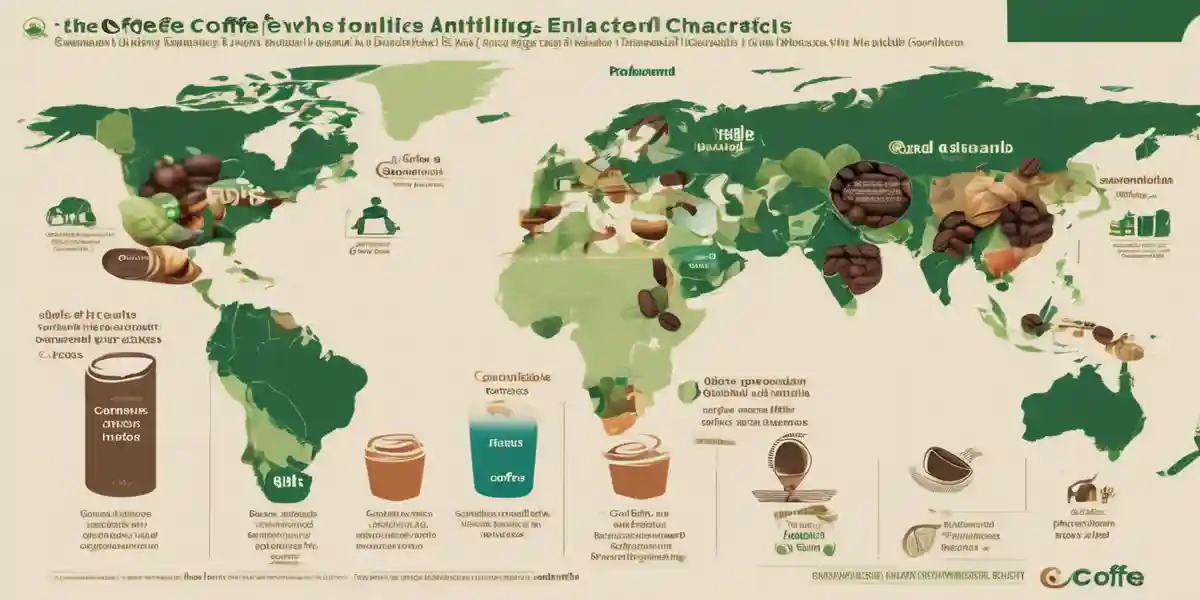
The world of coffee is more than just a morning ritual; it's a complex tapestry woven through the lives of farmers, consumers, and the environment. Yet, despite its cultural significance, the coffee industry faces pressing challenges that demand immediate attention. As consumers become increasingly aware of their purchasing choices, the call for sustainable coffee practices grows louder. But what does sustainable coffee truly mean, and why is there a critical need for change?
Currently, coffee production is riddled with issues ranging from environmental degradation to unethical labor practices. Conventional farming methods often involve the use of harmful pesticides and fertilizers, which not only damage local ecosystems but also compromise the health of the soil and water supplies. In addition, many coffee farmers struggle to receive fair wages, with intermediaries often taking a significant cut of the profits. This inequity creates a cycle of poverty that is difficult to break, leaving farmers vulnerable and often unable to invest in more sustainable practices.
Climate change further exacerbates these challenges. Rising temperatures and unpredictable weather patterns affect coffee yields, threatening an already precarious livelihood for millions. According to a report by the International Coffee Organization, up to 50% of the land suitable for coffee production could be lost by 2050 due to climate-related factors. Such statistics are alarming but not insurmountable. A shift toward sustainable practices can help mitigate these effects, but the process requires systemic change supported by both consumers and producers.
As awareness around these issues grows, today's consumers are increasingly seeking out products that align with their values. They want to know where their coffee comes from, how it is grown, and the impact their purchases have on the environment and the communities that produce it. This shift in consumer behavior creates a unique opportunity for the coffee industry to embrace transparency and sustainability as core principles.
Innovative solutions are emerging in response to this demand. The integration of technology in the coffee supply chain can offer new ways to connect farmers and consumers, fostering a sense of community and shared responsibility. Blockchain technology, for instance, has the potential to provide traceability from farm to cup, ensuring that consumers can verify the ethical and sustainable practices behind their favorite brew.
Moreover, education and advocacy play pivotal roles in driving change within the coffee industry. Organizations dedicated to promoting fair trade and sustainable farming practices are increasingly gaining traction. By raising awareness and providing resources for both consumers and producers, these organizations help pave the way for a more equitable and sustainable coffee market. As consumers become educated about the complexities of coffee production, their choices can influence market trends and encourage businesses to adopt more responsible practices.
In this evolving landscape, the question remains: are you ready to support a sustainable coffee industry that reflects your values? Your choices as a consumer not only impact your daily routine but also contribute to a larger movement toward ethical consumption and sustainable practices. The time for change is now, and it starts with understanding the need for a deeply-rooted transformation in the coffee industry.
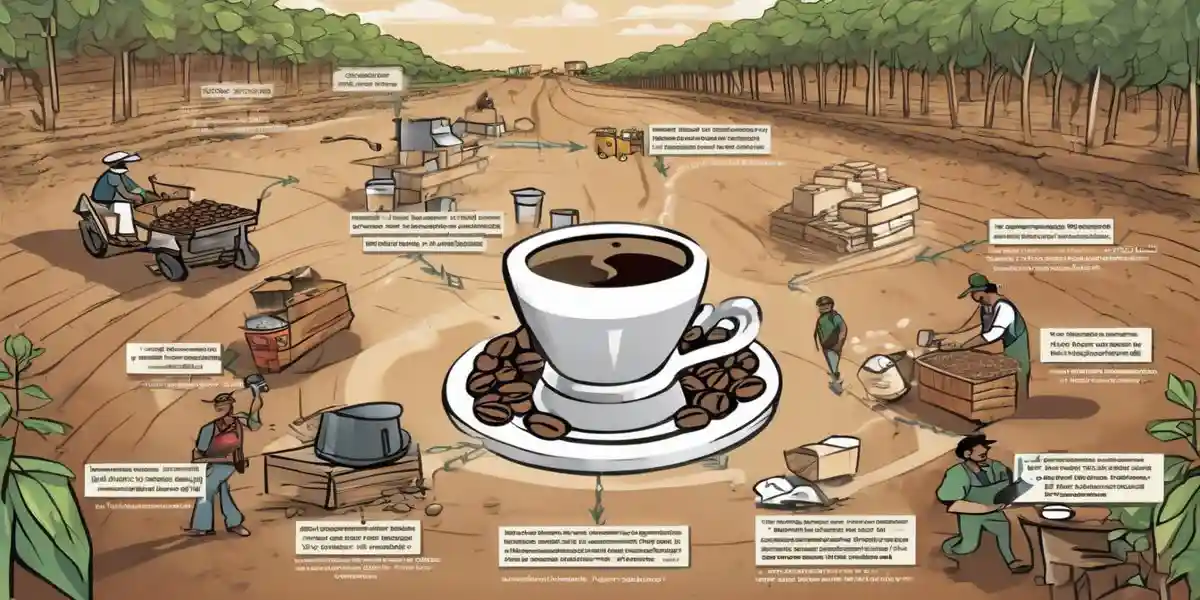
As we navigate the complexities of the modern coffee supply chain, one thing becomes clear: transparency and accountability are not just buzzwords; they are essential components of a sustainable future. The advent of Non-Fungible Tokens (NFTs) offers a unique opportunity to embed these values deeply within the industry, creating a bridge between consumers and producers that fosters trust and ethical practices.
Imagine purchasing a bag of coffee that comes with a digital certificate of authenticity—an NFT that encapsulates the entire journey of that coffee bean. Each NFT can be intricately linked to a specific batch of coffee, detailing its origin, the farming practices employed, and even the environmental impact of its cultivation. This transparency is not merely a marketing gimmick; it is a revolutionary step towards accountability in an industry often criticized for its opaque practices.
In the coffee industry, traceability has long been a challenge. How can consumers be sure that their coffee is truly sustainably sourced? With NFTs, each step of the coffee’s journey can be recorded on a blockchain—a decentralized ledger that is immutable and transparent. For instance, if a farmer in Colombia grows organic coffee, the NFT associated with that coffee could include verifiable data such as the date it was harvested, the certifications it holds, and even customer reviews from previous buyers. This robust data storage not only assures consumers of the product's authenticity but also builds a narrative that connects them to the farmers.
One of the most compelling aspects of using NFTs is their potential to enhance accountability among all players in the coffee supply chain. When farmers, roasters, and retailers are all connected via the same blockchain, it becomes more challenging for any party to misrepresent their practices. For example, if a coffee roaster claims that their beans are ethically sourced, consumers can check the corresponding NFT to confirm this claim. If discrepancies arise—such as a farm claiming organic practices while the NFT shows otherwise—this accountability can lead to immediate consequences, fostering a culture of integrity.
Several pioneering companies are already harnessing the power of NFTs to promote transparency. Take, for instance, the case of a specialty coffee brand that has begun issuing NFTs for each coffee batch sold. These tokens not only detail the origin and processing method but also include stories from the farmers, photos of the harvest, and even videos of the coffee growing process. Consumers who purchase this coffee can follow the journey of their product in a way that traditional labels simply cannot offer. This level of engagement not only enhances the consumer experience but also solidifies the brand's commitment to sustainability.
While the integration of NFTs in the coffee industry presents exciting possibilities, it also raises questions about broader adoption. How do we ensure that all stakeholders, especially small farmers, have access to the technology needed to create and manage NFTs? Education and support for these farmers will be crucial in overcoming barriers to entry. Additionally, as this technology evolves, regulatory frameworks will need to adapt to ensure that the NFT marketplace remains trustworthy and equitable for all participants.
As we stand at the crossroads of tradition and innovation in the coffee industry, the role of NFTs in promoting transparency and accountability cannot be overstated. By embracing this technology, we are not just investing in a cup of coffee; we are investing in a sustainable future where every sip tells a story of ethical practices and genuine connections. Are you ready to be part of this transformative journey?
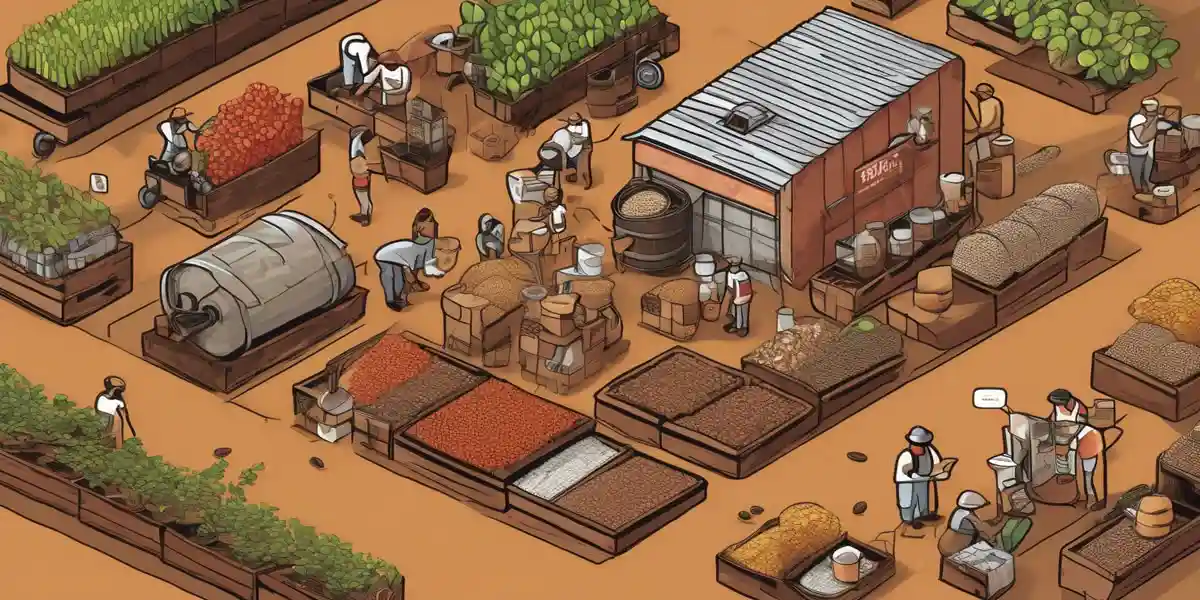
In a world increasingly dominated by centralized systems, the coffee industry stands at a pivotal juncture where decentralization can shift the balance of power back to those who truly matter—the farmers and the consumers. By harnessing blockchain technology and NFTs, we can create a more equitable and transparent ecosystem that empowers both parties.
Imagine waking up to the aroma of your favorite coffee, knowing that the farmer who cultivated those beans received a fair wage. Currently, many coffee farmers are caught in a cycle of poverty, often receiving a minuscule fraction of the retail price due to multiple intermediaries in the supply chain. Decentralization offers a remedy. By allowing farmers to tokenize their harvests as NFTs, they can sell directly to consumers, bypassing the traditional middlemen who siphon off profits.
For example, a farmer in Colombia could create an NFT for their coffee harvest, detailing its origin and organic cultivation methods. When consumers purchase this NFT, they are not just buying coffee; they are directly supporting the farmer's livelihood. This model not only enhances the farmers' earnings but also grants them greater autonomy over their products. They can set fair prices based on their costs and effort, rather than being dictated by fluctuating market prices.
As consumers, we increasingly seek products that align with our values. Decentralization through blockchain technology enables us to make informed choices about the coffee we consume. When we purchase a coffee bag linked to a unique NFT, we gain access to a wealth of information—where the beans were grown, the environmental impact of the farming practices, and the specific efforts made to ensure sustainability.
Consider the case of a coffee subscription service that integrates NFTs into its model. By scanning a QR code on the coffee package, consumers can trace back the entire supply chain journey—from the farm to their doorstep. This transparency fosters trust and an emotional connection with the product, empowering consumers to support ethical practices actively. The opportunity to engage with the story behind the coffee can transform a mundane purchase into a meaningful experience.
Smart contracts, which are self-executing contracts with the terms of the agreement directly written into code, play a crucial role in this decentralized model. By automating transactions based on predetermined conditions, smart contracts reduce the need for intermediaries and enhance trust between farmers and consumers. For instance, a smart contract could be established to release payment to a farmer only after the consumer confirms receipt of the coffee, ensuring that funds are distributed fairly and transparently.
This approach not only mitigates the risk of fraud but also fosters a more collaborative relationship between farmers and consumers. As more people become aware of the direct impact of their purchasing decisions, the community around coffee can grow stronger, encouraging sustainable practices and fair trade.
Several coffee companies are already leveraging blockchain technology to create direct trade relationships. For example, a startup called "Coffee Blockchain" connects farmers in Ethiopia directly with roasters and consumers worldwide. By utilizing blockchain for traceability, they ensure that farmers receive a substantial portion of the sales, while consumers benefit from fresher and ethically sourced coffee.
This model exemplifies how decentralization can revitalize the coffee industry. It highlights the potential for a new kind of relationship that transcends mere transactions. Farmers are treated as partners in the process, rather than just suppliers. As consumers become more educated about their choices, they can build a community around sustainable practices and advocate for systemic change within the industry.
As we wrap up our exploration of how NFTs and decentralization are poised to transform the sustainable coffee industry, it's essential to reflect on the critical insights we've gathered. We've seen how the coffee industry is at a crossroads, grappling with the pressing need for change amid environmental degradation and inequitable labor practices. The shift towards sustainable coffee production is not just beneficial; it is vital for ensuring the long-term viability of coffee cultivation in the face of climate change.
The introduction of NFTs into the coffee supply chain emerges as a groundbreaking solution, fostering transparency and accountability. By enabling consumers to trace the origin of their coffee through immutable digital records, NFTs not only enhance consumer trust but also empower farmers by validating their sustainable practices. This level of transparency can create a more ethical marketplace, where consumers feel a genuine connection to the source of their coffee, ultimately driving demand for sustainable practices.
Moreover, decentralization stands to revolutionize the relationships between coffee farmers and consumers. By removing intermediaries from the supply chain, farmers can gain fair compensation for their efforts, ensuring that they can invest in sustainable practices and improve their livelihoods. For consumers, this means the power to make informed choices about the coffee they consume, aligning their purchasing decisions with their values.
As we envision the future of coffee in a decentralized world, it becomes clear that each of us has a role to play. Are you ready to join the movement towards a more sustainable coffee industry? The next time you reach for that cup of coffee, consider the journey it took to get there and the impact your choice has on the lives of farmers and the environment. Embrace the power of your purchasing decisions and advocate for transparency and sustainability in your favorite coffee brands. After all, every sip can contribute to a more equitable future.
Get notified about new articles, coffee tips, and Web3 insights.
This site participates in affiliate programs and may earn a commission when a link is clicked and a purchase is made. The site is not responsible for any issues or troubles related to the products or services purchased through the use of this site.
DO&COFFEE loves coffee and technology, exploring the potential of NFTs and blockchain. Learn more →
DO&COFFEE loves coffee and technology, exploring the potential of NFTs and blockchain. Learn more →