coffee
2024/08/09

In recent years, the intersection of sustainability and technology has taken center stage, particularly in the realm of coffee production. This blog post explores the concept of sustainable coffee, which refers to coffee grown in an environmentally friendly manner that promotes social equity and economic viability for farmers. Key practices include organic farming, agroforestry, and fair trade initiatives, all aimed at enhancing biodiversity and soil health while ensuring fair compensation for producers.
The significance of sustainable coffee extends beyond consumer preferences; it plays a critical role in addressing global challenges like climate change and food security. For instance, a study on coffee cooperatives in Nicaragua revealed that diversified agricultural practices improved both food security and dietary diversity among local farmers, ultimately enhancing their quality of life. Similarly, in Kenya, innovations in coffee product development led to a remarkable 25% increase in market share for cooperatives, underscoring how sustainability can drive economic empowerment.
This blog will delve into how Web3 technologies, particularly blockchain and smart contracts, are revolutionizing the coffee supply chain. The REALISTIC model, which utilizes distributed ledger technology, ensures transparency and traceability in sourcing sustainable coffee, thereby building consumer trust. Furthermore, we'll examine how integrating mindful practices, like mindful walking, can reconnect farmers with their land, fostering a more sustainable approach to coffee cultivation.
As we explore these interconnected themes, it becomes clear that embracing sustainable coffee practices—powered by innovative technologies and mindful engagement—can create a significant ripple effect, benefiting not only the environment but also the livelihoods of those who depend on coffee production. According to research, implementing sustainable practices in coffee cooperatives has led to improved food security and enhanced dietary diversity, providing compelling evidence of the positive impact of sustainability in agriculture.
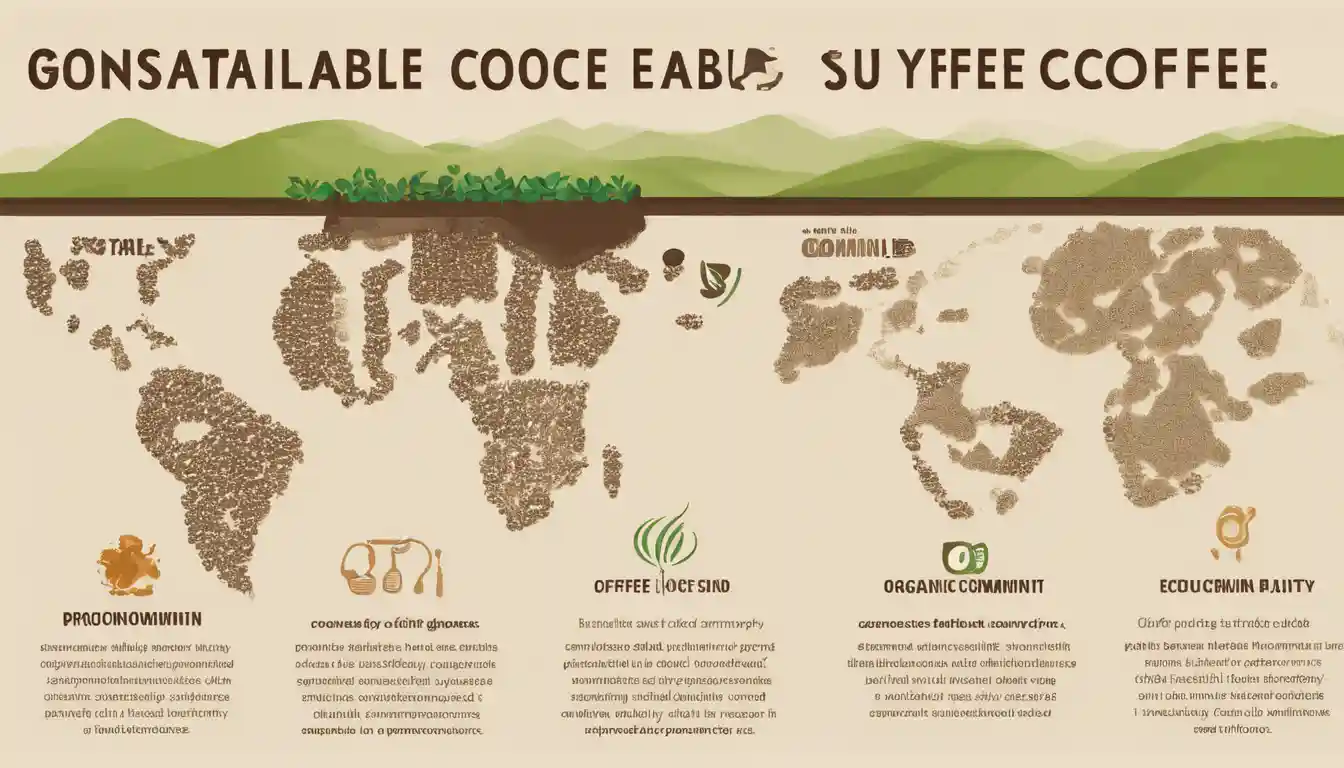
Sustainable coffee refers to coffee that is grown and harvested in a manner that protects the environment, promotes social equity, and supports economic viability for coffee producers. This involves various practices, such as organic farming, agroforestry, and fair trade initiatives. Technically, sustainable coffee production often incorporates biodiversity, soil health, and water conservation techniques. For example, shade-grown coffee is a method where coffee plants are cultivated under a canopy of trees, which helps maintain biodiversity while improving soil quality and reducing the need for chemical fertilizers.
The significance of sustainable coffee extends far beyond mere consumer preference; it impacts communities and ecosystems globally. For instance, a study on coffee cooperatives in Nicaragua highlights how diversified agriculture not only improves food security but also enhances dietary diversity, ultimately benefiting the farmers' quality of life. Furthermore, in Kenya, innovative product development within coffee cooperatives has shown increased productivity and market share, demonstrating that a sustainable approach can lead to both economic empowerment and environmental stewardship.
These examples underscore the necessity of sustainable coffee practices in addressing global challenges such as climate change, food security, and gender equality in agricultural sectors.
The advent of Web3 technologies, particularly blockchain, has introduced innovative ways to promote and verify sustainable coffee practices. A notable framework is the REALISTIC model, which utilizes blockchain and distributed ledger technology (BCDLT) to create transparent supply chains. By ensuring that each step from the farm to the consumer is recorded, this technology can verify claims of sustainability and ethical sourcing, thereby increasing consumer trust.
For example, IoT devices can track coffee's journey through the supply chain, providing real-time data on its quality and sustainability practices. This level of transparency not only enhances the credibility of sustainable coffee brands but also empowers consumers to make informed choices.
According to the research conducted on coffee cooperatives in Nicaragua, the implementation of sustainable practices significantly improved both food security and dietary diversity among local farmers. Similarly, the study on Kenyan cooperatives found that innovative product development led to a 25% increase in market share, highlighting the economic benefits of sustainability in coffee production.
By embracing sustainable coffee practices, we can brew a positive change that ripples through communities and ecosystems. The transition not only benefits the environment but also enhances the livelihoods of those who depend on coffee production.
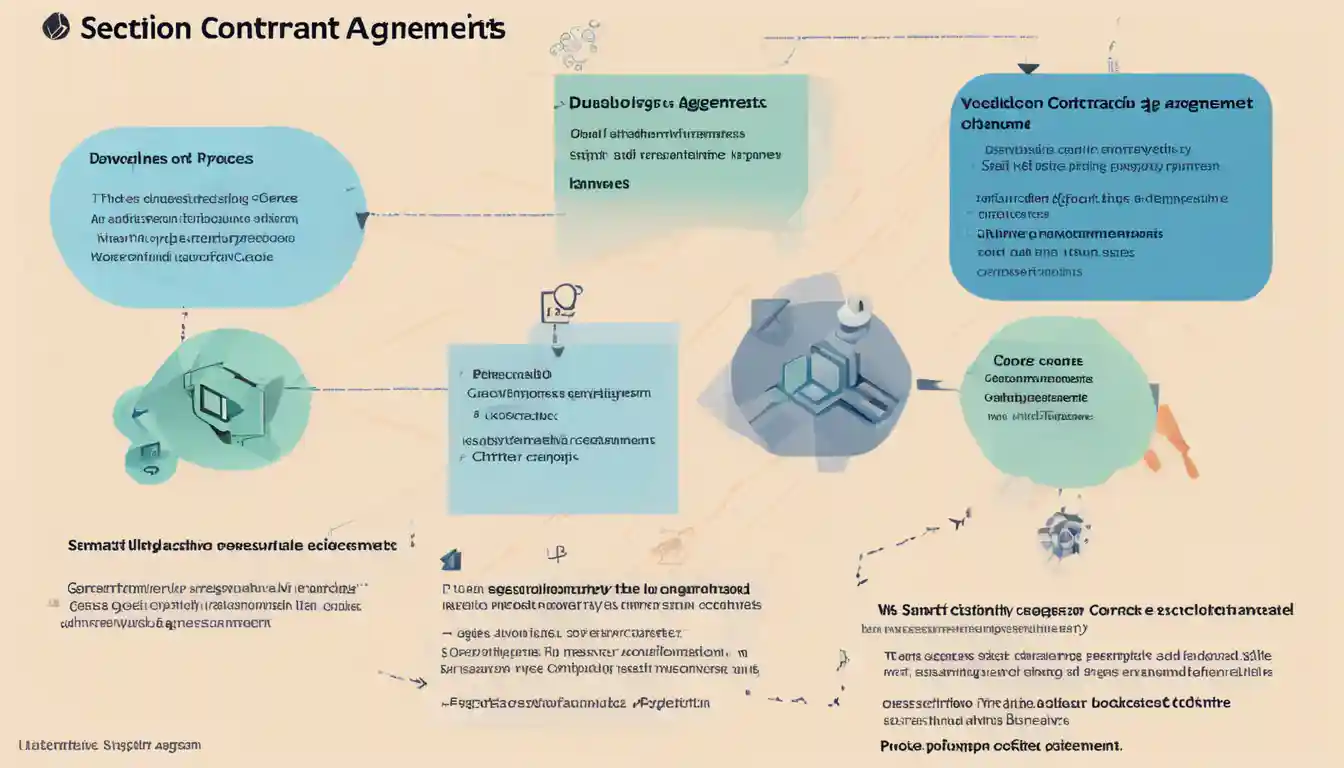
Smart contracts are self-executing contracts with the terms of the agreement directly written into code, residing on a blockchain. They automatically enforce and execute the terms of a contract when predefined conditions are met. The development of smart contracts typically involves using programming languages such as Solidity (for Ethereum), Vyper, or Rust (for Solana). These languages allow developers to create decentralized applications (dApps) that can interact with the blockchain.
From a technical perspective, smart contracts operate on a decentralized network, ensuring that once they are deployed, they cannot be altered without consensus from the network. This immutability is crucial for maintaining trust among parties. For instance, a simple smart contract might include an escrow feature where funds are held until both parties fulfill their obligations, reducing the chances of fraud.
The significance of smart contracts extends into various industries, including finance, real estate, and supply chain management. For example, in the coffee industry, smart contracts can enhance transparency and traceability in the supply chain. A coffee cooperative can use smart contracts to automatically release payments to farmers once their coffee is delivered and verified, ensuring that the entire process is transparent and secure.
According to a study on the impact of blockchain technology, the implementation of smart contracts in supply chains can reduce transaction costs by up to 20% and increase speed by 50% (source: Blockchain Supply Chain Research). This has profound implications for sustainable coffee practices, as it not only ensures fair compensation for farmers but also promotes sustainable practices by tracking the origin and processing methods of the coffee beans.
Smart contracts are often integrated with other advanced technologies such as IoT and AI to enhance their functionality. For instance, IoT devices can feed real-time data into a smart contract, triggering actions based on environmental conditions or delivery status. In the context of sustainable coffee, a smart contract could be programmed to automatically verify data from IoT sensors that monitor soil health or crop conditions, ensuring that only sustainably produced coffee is certified and sold.
Furthermore, using the REALISTIC model, which incorporates blockchain and distributed ledger technology, smart contracts can be designed to ensure a secure and transparent supply chain. This model emphasizes that certified output resources must come from certified input resources, thereby preventing fraud and ensuring that the integrity of sustainable practices is maintained.
A paper analyzing the performance of coffee cooperatives in Nicaragua notes that implementing technology-driven solutions, including smart contracts, has significantly improved farmers' livelihoods and food security. Additionally, the study on Kenyan cooperatives found that the integration of innovative technologies, including smart contracts, contributed to a 25% increase in market share and productivity.
As sustainable coffee practices continue to evolve, the role of smart contracts will become increasingly vital in ensuring transparency, efficiency, and trust across the supply chain, ultimately benefiting both producers and consumers.

Mindful walking is a meditative practice that emphasizes awareness and presence while walking. It involves focusing attention on the physical sensations of walking, such as the movement of the legs, the feeling of the ground beneath your feet, and the rhythm of your breath. This practice can be enhanced through various technical aspects, including breath control and body awareness.
From a technical standpoint, mindful walking can be broken down into several components: Breath Awareness: Synchronizing your breath with your steps can deepen your sense of presence. Inhale for a certain number of steps and exhale for the same count. Body Scan: As you walk, periodically check in with different parts of your body—from your feet to your head—to foster a holistic awareness of your physical self. Environment Engagement: Engage your senses fully by noticing the colors, sounds, and scents around you. This can be particularly relevant in a coffee-growing region, where the aroma of coffee trees might be prominent.
Mindful walking holds significant importance not only for personal well-being but also for fostering a deeper connection with our environment. For instance, studies have shown that engaging in mindful walking can reduce stress levels and enhance overall mental health. A 2017 study published in the journal Health Psychology found that participants who practiced mindfulness experienced a 30% reduction in perceived stress levels.
Real-world applications of mindful walking are particularly relevant in the context of sustainable coffee practices. For example, coffee farmers who practice mindful walking while tending to their crops report a greater appreciation for their work and the environment, leading to more sustainable farming practices. In Colombia, coffee growers have adopted mindful walking techniques to enhance their connection with the land, which has been linked to improved crop quality and biodiversity preservation.
Incorporating technology into mindful walking can enhance the experience by providing real-time feedback and community engagement. For example, Web3 applications can create platforms where users record their mindful walks and share their experiences with others, fostering a sense of community and accountability. Additionally, IoT devices can be used to track walking patterns and provide insights into how mindful practices impact physical and mental health.
Furthermore, smart contracts could incentivize mindful walking within Web3 communities. For instance, users could earn tokens for logging their mindful walks, which could then be redeemed for discounts on sustainable coffee products. This creates a direct connection between personal well-being, community engagement, and sustainable practices in the coffee industry.
According to a study on the impact of mindfulness on farmers in Nicaragua, mindful practices have been linked to increased productivity and improved mental health among coffee growers (source: Agricultural Sustainability Research). Furthermore, a report from the World Health Organization indicates that mindfulness practices can reduce symptoms of anxiety and depression, which can significantly benefit individuals working in high-stress agricultural environments.
As the world continues to shift towards sustainable practices, integrating mindful walking into the lives of coffee producers and consumers alike can foster a greater connection to the land and promote mental well-being, ultimately enriching the entire coffee ecosystem.
In this blog post, we explored the transformative impact of sustainable coffee practices within Web3 communities. We highlighted how sustainable coffee production not only promotes environmental stewardship through techniques like agroforestry and shade-grown methods but also enhances social equity and economic viability for farmers. The integration of smart contracts and blockchain technology has revolutionized supply chain transparency, ensuring fair compensation for producers while fostering consumer trust. Additionally, we touched upon the importance of mindful walking as a practice that deepens farmers' connection to their land, further promoting sustainable cultivation.
Looking ahead, the potential for further innovations in sustainable coffee through Web3 technologies is immense. As these technologies evolve, we may witness the emergence of even more sophisticated systems that enhance traceability, efficiency, and community engagement. This could lead to a more equitable coffee industry where farmers are empowered and consumers are more informed about their choices.
As we move forward, consider how you can play a role in this brewing change. By choosing sustainably sourced coffee and supporting local roasters, you can make a tangible difference. Let’s embrace a future where every cup of coffee contributes to a better world—one that values sustainability, community, and innovation.
- INFLUENCE OF PRODUCT INNOVATION ON THE PERFORMANCE OF COFFEE COOPERATIVES IN KENYA
- Event-Based Supply Chain Network Modeling: Blockchain for Good Coffee

Get notified about new articles, coffee tips, and Web3 insights.
This site participates in affiliate programs and may earn a commission when a link is clicked and a purchase is made. The site is not responsible for any issues or troubles related to the products or services purchased through the use of this site.

DO&COFFEE loves coffee and technology, exploring the potential of NFTs and blockchain. Learn more →
DO&COFFEE loves coffee and technology, exploring the potential of NFTs and blockchain. Learn more →