coffee
2024/08/18

Picture this: you’re surrounded by towering trees, the sound of a bubbling brook nearby, and the crisp air invigorates your senses. In your hands is a steaming cup of freshly brewed coffee, its rich aroma mingling perfectly with nature. This is not just a moment of indulgence; it’s a reflection of a growing movement—one that marries the art of brewing with the ethos of sustainability. Welcome to the world of Third Wave Coffee and its transformative impact on eco-tourism adventures.
In this blog post, we’ll explore how the Third Wave Coffee movement elevates your outdoor experiences, emphasizing quality, transparency, and a deep commitment to sustainability. As outdoor enthusiasts, have you ever stopped to consider where your coffee comes from? We’ll take you on a journey from ethical sourcing practices to the stunning farms that prioritize environmental stewardship through methods like agroforestry. We’ll also delve into how you can enhance your eco-tourism experience with sustainable brewing practices—think portable pour-overs and biodegradable filters that let you savor your coffee without leaving a trace.
Moreover, we’ll highlight the broader implications of your coffee choices on local communities and ecosystems. By choosing sustainable coffee, you’re not just enjoying a quality brew; you’re contributing to a more sustainable future for coffee farming and the environment. So, are you ready to brew change in your next adventure? Let’s dive in!
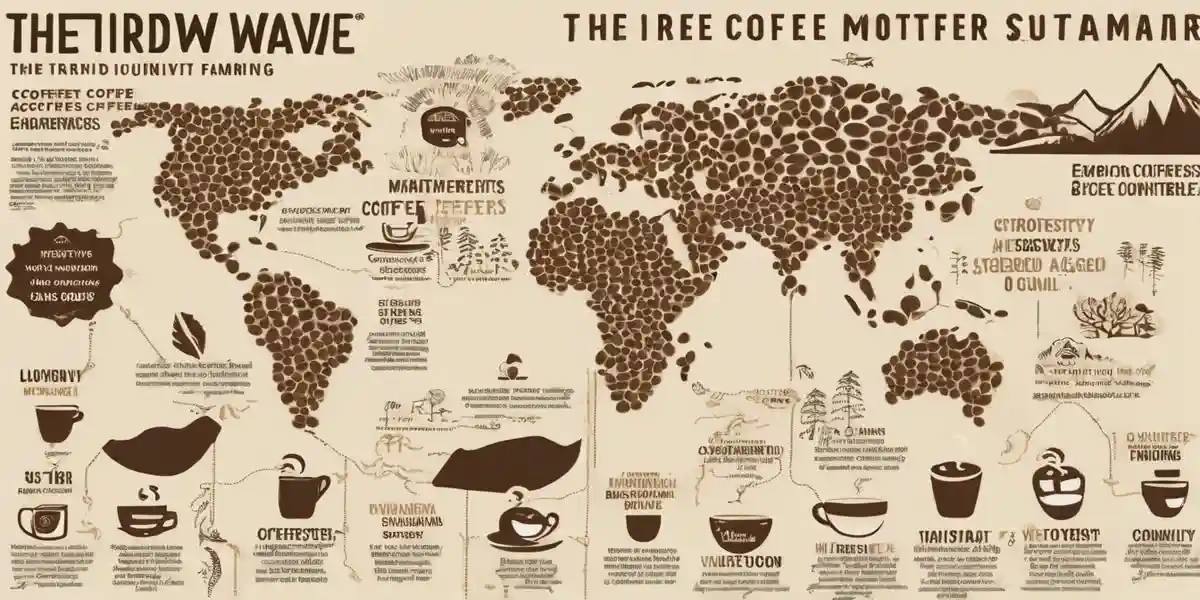
The third wave coffee movement is not just about brewing a better cup of coffee; it’s a philosophy that intertwines quality, sustainability, and ethical sourcing in a way that resonates deeply with eco-tourism enthusiasts. Imagine sipping a meticulously crafted cup of coffee in the heart of nature, knowing that every sip contributes to environmental sustainability. This section will explore how third wave coffee elevates eco-tourism adventures by promoting eco-friendly practices and a deeper connection with the land.
At its core, third wave coffee emphasizes transparency in sourcing, quality in brewing, and sustainability in production. Unlike previous waves that focused primarily on convenience and uniformity, third wave coffee cultivators highlight the unique characteristics of coffee beans, often referred to as "specialty coffee." This movement encourages coffee lovers to explore the origin of their brews and appreciate the intricate journey from bean to cup.
For example, consider the transition of coffee farming in Yunnan Province, China. Local governments initiated a shift from monoculture practices to coffee-agroforestry systems, which not only enhance coffee quality but also bolster biodiversity and soil health. Farms that integrate shade trees have shown improved soil fertility and resilience against climate variability, illustrating how sustainable practices can elevate both the quality of the coffee and the environmental integrity of the farming ecosystem.
As outdoor enthusiasts increasingly seek meaningful experiences, the connection between coffee sourcing and eco-tourism becomes evident. Eco-tourists are drawn to destinations that prioritize environmental stewardship, and third wave coffee fits beautifully into this narrative. By choosing coffee that is ethically sourced, travelers support farmers who practice organic methods and adhere to fair trade principles.
Take, for instance, the coffee farms in Puerto Rico, where shade tree management enhances not only coffee production but also food security and ecosystem services. These farms promote biodiversity, supporting not just coffee plants but also a range of wildlife, notably various bird species. By enjoying coffee from such farms, eco-tourists contribute to the preservation of these diverse ecosystems while enjoying a high-quality product.
Outdoor enthusiasts can easily incorporate sustainable coffee into their adventures. Imagine a camping trip where you brew coffee using portable pour-over setups and biodegradable filters, practicing Leave No Trace principles while savoring the great outdoors. This not only enhances the coffee experience but also respects the natural environment.
Moreover, initiatives like the Coffee Agroforestry Business-Driven Cluster (CaFC) in Nicaragua showcase how sustainable practices can ensure profitability for smallholder farmers while maintaining environmental integrity. This model promotes high-quality coffee production within agroforestry systems, creating a direct link between eco-tourism and sustainable farming practices. By supporting such initiatives, eco-tourists can enjoy their coffee knowing they are part of a broader movement towards sustainability.
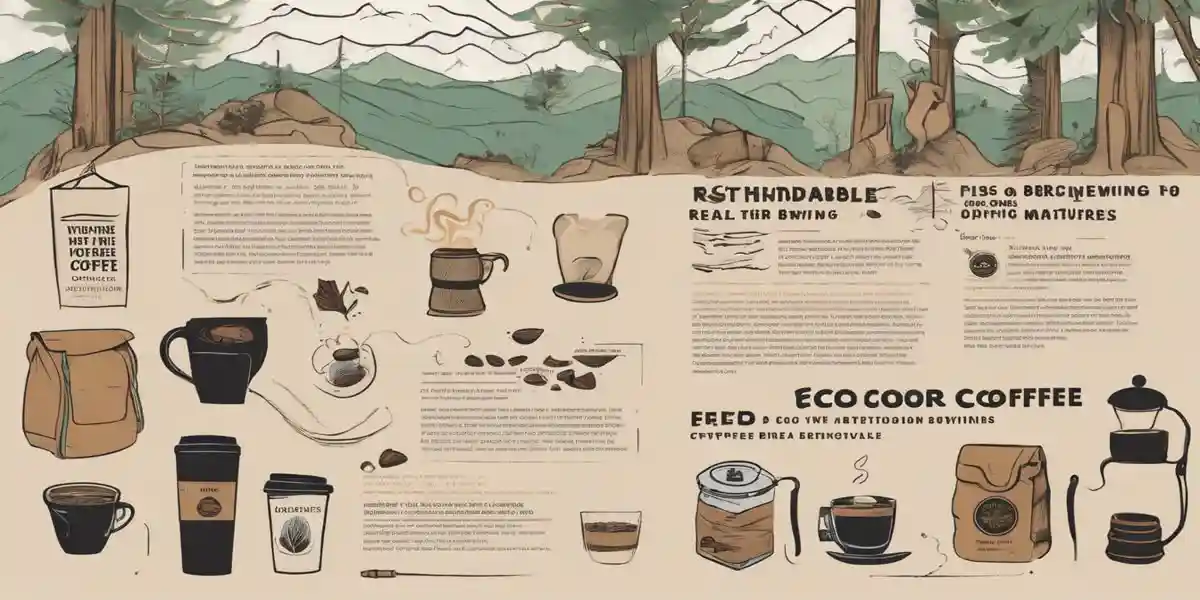
Understanding the essence of third wave coffee is essential for eco-conscious outdoor enthusiasts who wish to elevate their adventures with a sustainable twist. This section delves into the key elements of third wave coffee, exploring how its principles align beautifully with the ethos of eco-tourism.
Third wave coffee represents a paradigm shift in how we perceive coffee — moving beyond mere commodity to a celebration of craft and sustainability. This movement emphasizes transparency in sourcing, quality in brewing, and a commitment to environmental stewardship. At its core, third wave coffee invites consumers to explore the rich narratives behind their favorite brews, focusing on the journey from bean to cup.
Central to third wave coffee is the concept of ethical sourcing. This involves seeking out beans from farms that adhere to organic practices and fair trade principles. For instance, farms in Yunnan Province, China, have transitioned from monoculture coffee farming to coffee-agroforestry systems. This shift, encouraged by local governments, not only enhances financial resilience but also promotes biodiversity on these farms. By integrating shade trees, farmers improve soil health and microclimates, thus maintaining coffee yields while fostering an ecosystem that supports various species.
Similarly, in Puerto Rico, studies have shown that shade management in coffee cultivation can enhance food security and biodiversity. Farms that implement agroforestry practices not only boost coffee production but also enrich the local environment, promoting carbon storage and supporting bird species. These examples illustrate the profound impact of sustainable practices within the third wave coffee movement.
For outdoor enthusiasts, integrating sustainable coffee practices into their adventures is not just about what they brew but how they brew it. Imagine setting up a portable pour-over coffee maker by a serene mountain lake, using biodegradable filters that leave no trace on the landscape. Choosing eco-friendly brewing gear not only minimizes environmental impact but also enhances the overall experience, allowing adventurers to savor their coffee in harmony with nature.
The Coffee Agroforestry Business-Driven Cluster (CaFC) model in Nicaragua exemplifies how smallholder farmers can benefit from sustainable practices. By focusing on high-quality Arabica coffee production under agroforestry systems, this initiative ensures profitability through capacity building and premium access to productive varieties. The success of similar models in Vietnam and Cameroon showcases the adaptability of these practices, which have proven to have significant environmental and economic benefits.
Moreover, projects like UB Forest in Indonesia emphasize the importance of education and community involvement in sustainable coffee cultivation. By working directly with farmers to improve light management and soil fertility, researchers have demonstrated that knowledge-sharing can lead to better practices and enhanced yields, further solidifying the connection between sustainable coffee culture and outdoor adventures.
As coffee lovers embark on their outdoor adventures, understanding the principles of third wave coffee can transform their experience. By choosing ethically sourced beans and sustainable brewing methods, they can enjoy their coffee while actively contributing to the preservation of the very landscapes they cherish. This is more than just drinking coffee; it's about fostering a deeper connection with nature and making every sip count.
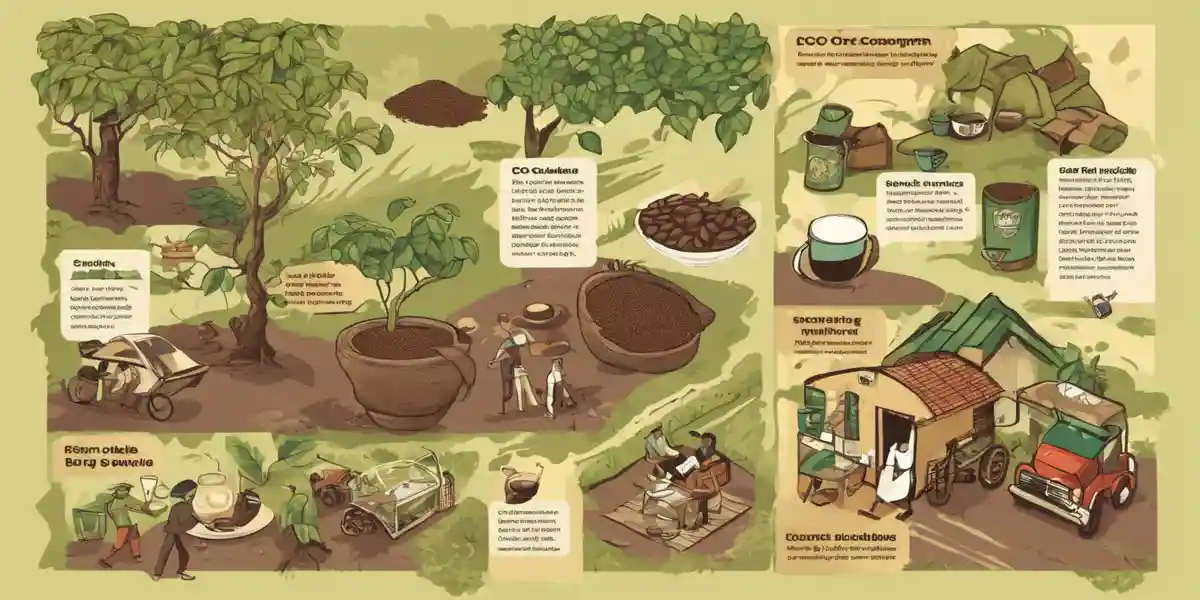
When you think about eco-tourism, what images come to mind? Perhaps it's the rustling leaves of a forest, the majestic sight of a mountain range, or the inviting aroma of freshly brewed coffee mingling with the fresh air. The third wave coffee movement not only elevates the taste of your morning brew but also deepens your connection to the environment, making your outdoor adventures more meaningful.
The narrative of third wave coffee begins with a commitment to quality and sustainability, urging coffee lovers to consider the origins of their beans. This journey often leads to smallholder farmers who practice ethical sourcing, embracing organic methods and fair trade principles. For example, take a look at coffee farms in Yunnan Province, China. Local governments have successfully transitioned from monoculture coffee farming to diversified coffee-agroforestry systems. This shift promotes biodiversity and enhances soil health while maintaining coffee yields. As a traveler, when you choose coffee from such farms, you're supporting practices that bolster both the environment and local communities.
How can outdoor enthusiasts integrate quality brews into their adventures without compromising their eco-friendly values? One approach is by investing in sustainable brewing gear. Imagine setting up a portable pour-over coffee maker made from biodegradable materials in the midst of a forest. You could savor a cup of coffee brewed from beans sourced from a farm that prioritizes agroforestry practices, which not only provide high-quality beans but also contribute to soil fertility and ecosystem stability.
Research from Puerto Rico highlights the benefits of shade tree cover in coffee production, which promotes food crop richness and enhances ecosystem services such as carbon storage and biodiversity. By choosing coffee that is grown under these practices, you’re enjoying a quality brew while actively contributing to environmental conservation. Consider packing eco-friendly coffee filters made from biodegradable materials, ensuring that your coffee experience leaves no trace.
As you explore the great outdoors, how about creating unforgettable coffee moments? Picture yourself brewing a perfect cup of coffee by a serene mountain lake, the steam rising against the backdrop of nature's beauty. You might even want to share a thermos of this rich brew with friends after a long hike, fostering connections not just with each other but also with the land you’re exploring. When you source your coffee responsibly, you not only enjoy a flavorful experience but also contribute to sustainable practices that protect these natural settings.
Take for instance the "Coffee agroforestry business-driven cluster" (CaFC) model introduced in Nicaragua. This innovative approach focuses on high-quality coffee production while supporting smallholder farmers. By ensuring profitability through premiums and capacity building, this model enhances the sustainability of coffee farming amidst climate challenges. The successful implementation of similar models in Vietnam and Cameroon further illustrates the potential for positive environmental impacts. When you opt for coffee from these systems, you’re engaging with a larger movement that empowers farmers and sustains ecosystems.
Additionally, initiatives like the UB Forest project in Indonesia demonstrate how academic institutions can collaborate with farmers to improve coffee cultivation practices. By teaching farmers about shade management and organic fertilizers, they boost soil fertility and coffee yields, demonstrating that sustainable practices can lead to better quality brews. As an eco-tourist, supporting these projects can lead to a more enriching travel experience.
This section invites readers to reflect on their coffee choices while exploring the world, emphasizing the connection between quality brews and eco-tourism. From sustainable sourcing to innovative farming practices, every cup of coffee can contribute to a more sustainable future.

This section explores the sustainable journey of third wave coffee and its significance for eco-conscious adventurers.
At the heart of third wave coffee lies a commitment to ethical sourcing. This means not just any coffee, but coffee that tells a story—one of transparency, quality, and sustainability. For outdoor enthusiasts, this journey begins with knowing where their beans come from. Imagine sipping a cup of coffee made from beans sourced from small farms in Yunnan Province, China, where local governments have initiated a shift from monoculture farming to diverse coffee-agroforestry systems. These systems not only enhance sustainability but also provide resilience against financial and climatic risks.
The transition to agroforestry has shown promising results. Research indicates that shade trees not only improve soil fertility but also maintain coffee yields comparable to those grown in more open conditions. By supporting biodiversity on farms, these practices create a richer ecosystem, ensuring that each cup of coffee is not just a beverage but a connection to the land and its caretakers.
Take, for example, the "Coffee agroforestry business-driven cluster" (CaFC) initiative in Nicaragua. This pilot project exemplifies how a micro value-chain can enhance high-quality coffee production while addressing the challenges faced by smallholder farmers. The model promotes profitability through the provision of premiums for sustainably produced coffee, capacity building, and the introduction of productive coffee varieties. Its successful implementation in countries like Vietnam and Cameroon demonstrates the adaptability and effectiveness of the agroforestry model, providing both environmental and economic benefits.
For outdoor enthusiasts, the integration of sustainable coffee practices into their adventures can be seamless and enriching. Imagine setting up a portable pour-over coffee station at a campsite, using biodegradable coffee filters while surrounded by nature. This practice not only enhances your coffee experience but aligns perfectly with Leave No Trace principles. The simple act of brewing a cup of coffee can become a moment of mindfulness—an opportunity to appreciate the environment you are in while ensuring it remains unspoiled for future generations.
Exploring further, the relationship between coffee management practices and biodiversity is crucial. A study conducted in Puerto Rico revealed that shade tree cover not only boosts coffee production but also promotes food crop richness and enhances ecosystem services, such as carbon storage and supporting diverse bird species. While some challenges, like invasive species, remain, the overall benefits of agroforestry practices underscore their potential to support both food security and biodiversity conservation.
Despite the benefits, challenges persist in the coffee farming landscape, particularly due to climate change. The Universitas Brawijaya's initiative in managing UB Forest provides an inspiring example. By focusing on educating farmers about shade management and enhancing soil fertility, this project has led to better coffee cultivation practices and improved yields. Farmers are now actively engaged in shade tree management and organic fertilizer production, creating a community that values sustainable practices and the long-term health of their land.
As outdoor enthusiasts consciously choose sustainable coffee options, they not only enjoy a better cup but contribute to the preservation of the environments they cherish. With every sip, they are participating in a larger movement towards a more sustainable future for coffee production, one that respects both people and the planet. The journey from bean to brew is not just about the taste; it's about making choices that reflect our values and the world we want to live in.
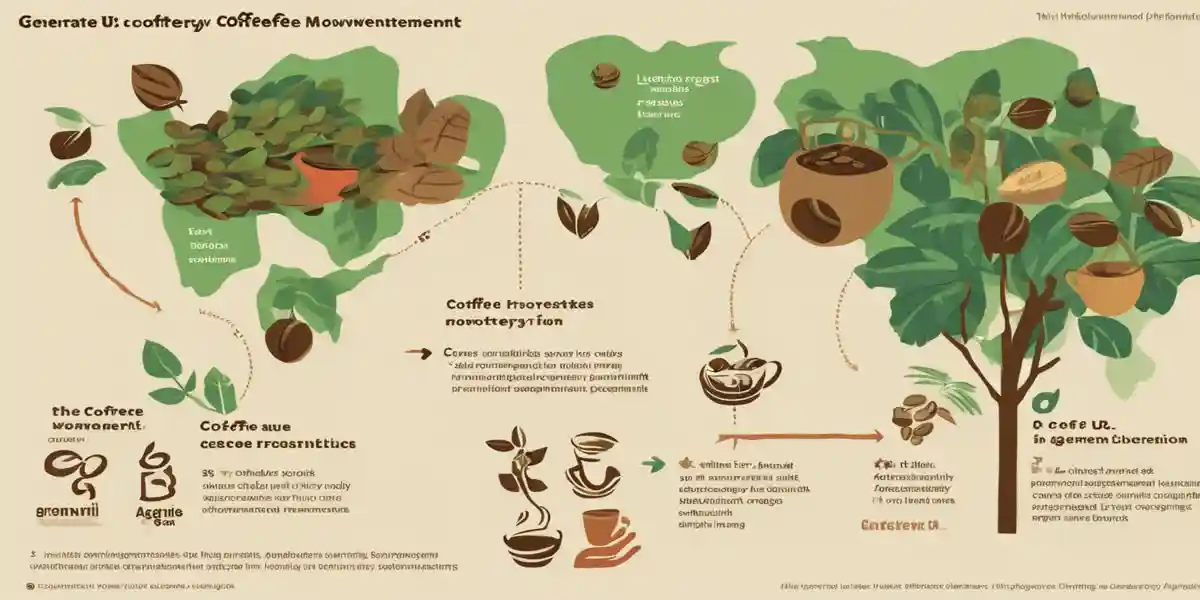
As we delve into the world of third wave coffee, it’s essential to recognize how this movement not only elevates our outdoor adventures but also profoundly impacts local communities. The transition to sustainable coffee practices, particularly through agroforestry, brings about significant changes in the livelihoods of farmers, biodiversity, and ecological resilience.
In regions like Yunnan Province, China, local governments have initiated a remarkable transition from monoculture coffee farming to diversified coffee-agroforestry systems. This shift addresses the pressing need for sustainability and resilience against financial and climatic risks. Research indicates that integrating shade trees into coffee plantations enhances soil fertility and biodiversity. For example, farmers who adopt these practices have reported coffee yields that are comparable to those grown in open conditions, but with the added benefits of improved soil health and microclimates. This not only secures farmers' income but also nurtures the environment they depend on.
In Puerto Rico, studies reveal a positive correlation between shade tree cover and food security. Coffee management practices that promote shade not only bolster coffee production but also enhance the ecosystem services that farmers rely on. By allowing for a richer variety of food crops alongside coffee, these practices improve food security and foster biodiversity, particularly benefiting bird species and contributing to carbon storage. This multifaceted approach enables farmers to cultivate a more resilient agricultural landscape while diversifying their income sources.
The "Coffee agroforestry business-driven cluster" (CaFC) model, introduced in Nicaragua, showcases an innovative approach to enhance sustainable coffee production amidst climate challenges. This model emphasizes the importance of creating micro value-chains dedicated to high-quality coffee under agroforestry, addressing the needs of smallholder farmers. By providing access to productive varieties, capacity-building opportunities, and premiums for quality, the CaFC model exemplifies how economic viability can coexist with environmental stewardship. Successful implementations in regions like Vietnam and Cameroon further highlight the adaptability and effectiveness of this model, paving the way for its application to other commodities.
Climate change poses significant challenges for coffee farmers worldwide. By adopting agroforestry practices, they can mitigate some of these impacts. For instance, research indicates that shade trees can alter microenvironments, improving coffee quality and yield while aiding in carbon assimilation. This approach not only helps in breeding new resilient coffee varieties but also empowers farmers to adapt to changing climatic conditions. The call for further research into selecting appropriate shade tree species and creating supportive policies underscores the urgency of sustainable practices in the coffee sector.
On the ground, local initiatives like the UB Forest project in Indonesia are making a tangible difference. Since its inception in 2016, this project has focused on coffee-based agroforestry, addressing issues like declining soil fertility and low yields. By collaborating with farmers to improve light management and nutrient availability, the initiative has cultivated an environment of knowledge sharing and community engagement. The results speak volumes: farmers have not only improved their cultivation practices but have also become active participants in sustainable coffee production. This kind of community-driven effort is crucial for fostering resilience in local economies and the environment.
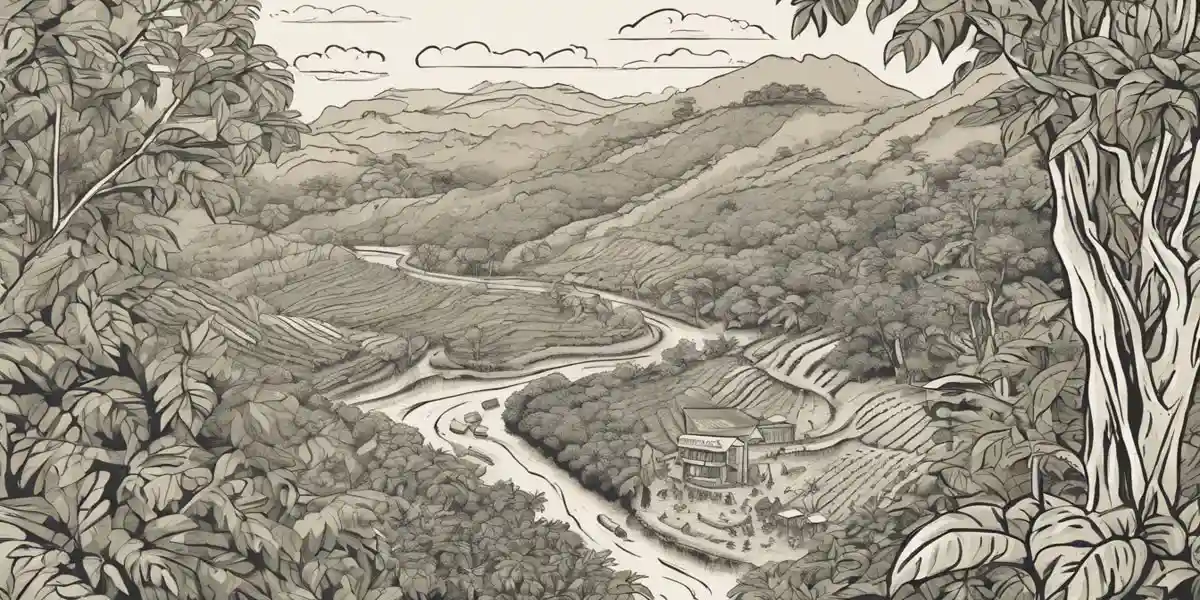
Imagine sipping a rich, aromatic cup of coffee while surrounded by the natural beauty of the great outdoors. This experience is not just about enjoying a beverage; it's about understanding the journey that each bean undertakes and the sustainability practices that make it special. The third wave coffee movement invites outdoor enthusiasts to consider the broader impacts of their coffee choices, from ethical sourcing to eco-friendly brewing methods.
The journey of third wave coffee begins with ethical sourcing, emphasizing quality and transparency from farm to cup. Coffee lovers are increasingly drawn to beans that come from farms practicing organic and fair trade principles. Take, for example, the shift from monoculture coffee farming to coffee-agroforestry systems, as seen in Yunnan Province, China. This transition, initiated by local governments, enhances sustainability and resilience against financial and climatic risks. The introduction of shade trees not only provides a habitat for biodiversity but also improves soil health and microclimates, ultimately supporting the production of high-quality coffee.
In Puerto Rico, research has shown that increased shade tree cover correlates with enhanced ecosystem services, such as carbon storage and increased food crop richness. These agroforestry practices not only support the coffee yield but also foster a diverse environment, crucial for maintaining a balanced ecosystem. As you sip your coffee, knowing that your choice supports farmers who prioritize the environment can deepen your appreciation of your brew.
For outdoor enthusiasts, the question arises: how can we incorporate sustainable coffee practices into our adventures? One approach is selecting eco-friendly brewing gear. Imagine a group of campers, all equipped with portable pour-over setups and biodegradable coffee filters, enjoying a freshly brewed cup while respecting the pristine environment around them. This aligns perfectly with the Leave No Trace principles, ensuring that nature remains untouched while we indulge in our coffee rituals.
Consider the success of the Coffee Agroforestry Business-driven Cluster (CaFC) model introduced in Nicaragua. This initiative not only promotes high-quality coffee production under agroforestry but also provides smallholder farmers with the training and resources they need to thrive. By choosing coffee that supports such models, you’re directly contributing to the sustainability of coffee agriculture while enjoying your outdoor experience.
How can outdoor enthusiasts elevate their coffee moments while embracing sustainability? Picture this: after a long hike, you gather with friends by a mountain lake, sharing a thermos of freshly brewed coffee. Not only does this create a sense of community, but it also allows you to reflect on the journey of your coffee beans and the environmental practices behind them. Brewing the perfect cup of coffee in nature becomes not just a ritual, but a celebration of the connection between quality coffee and the great outdoors.
Furthermore, projects like UB Forest in Indonesia demonstrate the importance of educating farmers on sustainable practices. Initiatives aimed at enhancing soil fertility and shade management have led to improved coffee yields and environmental stewardship. By supporting coffee sourced from such projects, you are investing in a future where both coffee quality and ecological health go hand in hand.
In exploring the vibrant intersection of third wave coffee and eco-tourism, we've unearthed the profound impact of sustainable coffee practices on our outdoor adventures and the communities that cultivate these cherished beans. From the meticulous processes of ethical sourcing to the rich narratives woven into every cup, third wave coffee elevates not just the taste of our brews but also our connection to the environment. By choosing coffee from farms that embrace sustainable agroforestry, like those in Yunnan Province and Puerto Rico, eco-tourists are not merely enjoying a drink; they are actively participating in a movement that supports biodiversity, enhances food security, and uplifts local communities.
Moreover, integrating sustainable coffee into our outdoor experiences—whether through biodegradable brewing gear or simply by savoring a cup amidst nature—allows us to foster a deeper appreciation for both the land and the labor that brings our coffee to life. The real-world initiatives, such as the Coffee Agroforestry Business-Driven Cluster in Nicaragua and educational projects like UB Forest in Indonesia, are shining examples of how knowledge-sharing and sustainable practices create a resilient coffee culture that benefits us all.
As you embark on your next eco-tourism adventure, consider how your coffee choices can reflect your values. Choose to support sustainable practices, educate yourself on the origins of your brew, and savor each sip as a step toward a more sustainable future. What will your next cup of coffee say about your commitment to the planet?

Get notified about new articles, coffee tips, and Web3 insights.
This site participates in affiliate programs and may earn a commission when a link is clicked and a purchase is made. The site is not responsible for any issues or troubles related to the products or services purchased through the use of this site.

DO&COFFEE loves coffee and technology, exploring the potential of NFTs and blockchain. Learn more →
DO&COFFEE loves coffee and technology, exploring the potential of NFTs and blockchain. Learn more →