art
2024/08/17
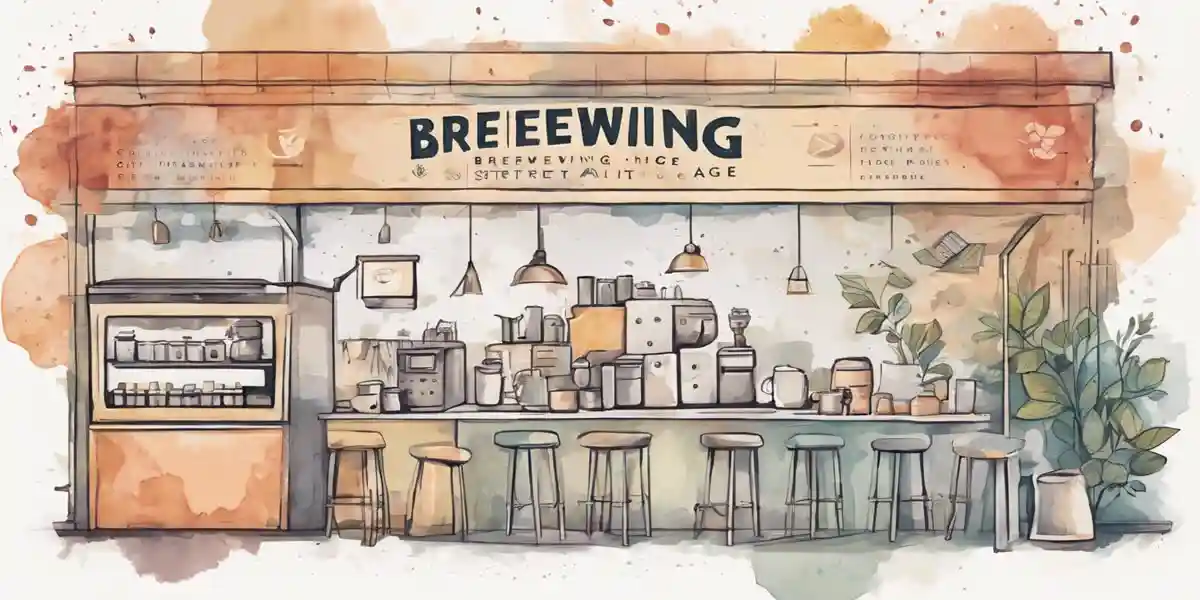
In a world buzzing with digital noise, creativity has emerged as a vibrant thread weaving together culture, sustainability, and community. Have you ever walked past a coffee shop adorned with stunning street art and wondered about the stories behind those murals? This blog post, titled "Brewing Change: The Intersection of Street Art and Sustainable Coffee in the Digital Age," invites you to explore a fascinating synergy where artistic expression meets eco-conscious coffee culture.
Imagine local coffee shops commissioning talented street artists to transform their walls into visual narratives that highlight not just the rich origins of coffee, but also the pressing need for sustainable farming practices in the face of climate change. Each mural could serve as a portal, complete with QR codes that lead passersby on a journey of discovery—connecting them with information about the artists, the significance of their work, and links to sustainable coffee brands. This innovative blend of visual art and technology doesn't just beautify urban spaces; it sparks crucial conversations about sustainability that resonate within our communities.
Moreover, envision coffee shops as vibrant hubs that host art exhibitions and workshops, where artists engage with patrons about the importance of sustainability in their craft. This collaborative environment fosters creativity while championing eco-friendly choices, transforming casual coffee breaks into moments of meaningful engagement.
As we delve deeper into this topic, we will uncover how street art is not merely a form of decoration but a powerful tool for environmental advocacy. In the digital age, artists are not just creators; they are change-makers, inspiring action and awareness around pressing global issues. Join us as we brew a narrative that intertwines art and coffee culture, imagining a future where creativity serves as a bridge to a more sustainable world.
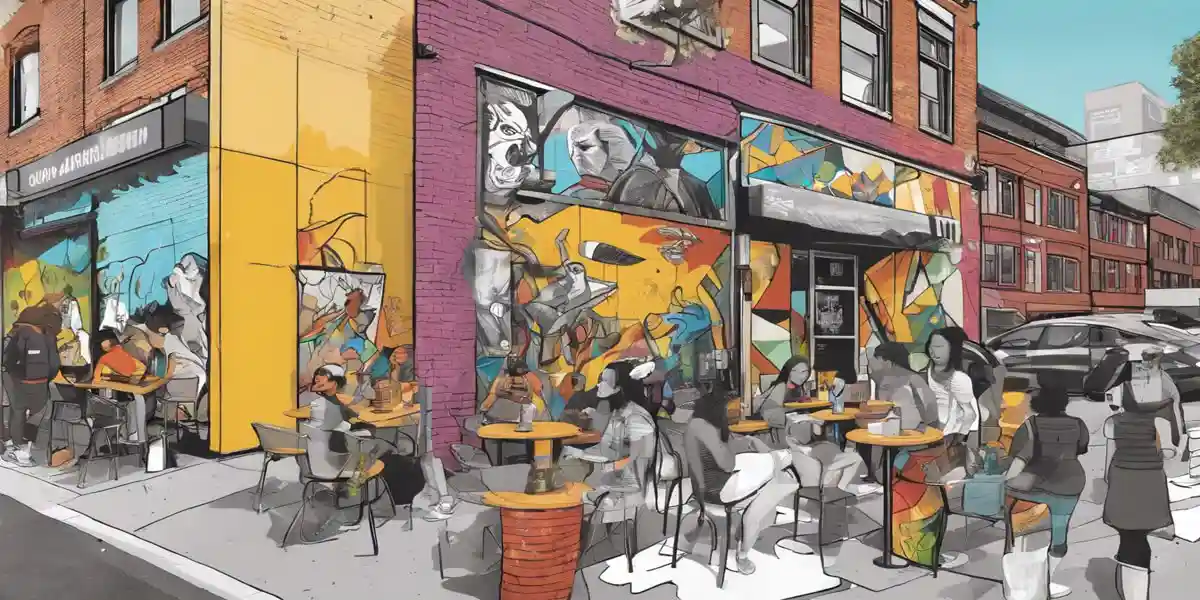
The intersection of street art and sustainable coffee culture presents an exciting narrative within the vibrant tapestry of our digital age. Here, creativity becomes a catalyst for change, transcending traditional boundaries and inspiring community engagement. Imagine local coffee shops teaming up with street artists to craft immersive experiences that not only enhance urban landscapes but also promote sustainability. This convergence invites us to explore how art and coffee can be woven together to create a powerful dialogue around pressing environmental issues.
Street art has long served as a voice for the voiceless, transforming blank walls into canvases that tell stories. From murals depicting the struggles of local farmers to pieces that highlight the environmental impact of coffee production, street art can foster a deeper understanding of sustainability. For instance, consider a coffee shop in Melbourne, Australia, that commissioned a mural illustrating the journey of coffee from farm to cup. This artwork not only beautified the shop but also educated patrons about the importance of sourcing coffee sustainably. Incorporating QR codes into the mural allows visitors to delve deeper into the story behind the art, linking them to resources about sustainable coffee brands and the environmental challenges these brands address.
Research underscores the significance of art in enhancing climate change awareness. Art can evoke emotions, stimulate dialogues, and inspire action. For example, a study conducted in a Milan suburb explored how street art initiatives positively impacted residents' sense of belonging and community image. The murals, inspired by local history and culture, not only preserved traditions but also engaged community members in discussions about their environment. This concept of "place attachment" is crucial; when individuals connect emotionally to their surroundings, they are more likely to advocate for sustainability practices within their communities.
Local coffee shops can amplify the impact of street art by hosting exhibitions and workshops that promote sustainable themes. These spaces can become hubs of creativity where artists share their processes and engage with the public. Take, for example, the StreetARToronto program, which not only mitigates graffiti but actively encourages community engagement through artistic interventions. By collaborating with local artists, coffee shops can create workshops that educate patrons on sustainable practices, such as eco-friendly brewing methods or the importance of fair trade. This collaboration fosters a sense of ownership and responsibility among community members, aligning with the findings from studies that emphasize the socio-economic benefits of street art in urban settings.
In the digital age, technology can amplify the reach and engagement of street art. By integrating augmented reality (AR) features, coffee shops can transform murals into interactive experiences. Patrons could use their smartphones to unlock additional content about the artists, the sustainability message behind the artwork, or even participate in virtual tours of coffee farms. This blend of visual art and technology creates a narrative that captivates the community, sparking conversations around sustainability while educating the public in an accessible manner.
Ultimately, the combination of street art and sustainable coffee culture reflects a burgeoning movement where creatives are not merely artists, but also change-makers. By intertwining their talents with pressing environmental issues, they inspire awareness and action, paving the way for a more sustainable future.
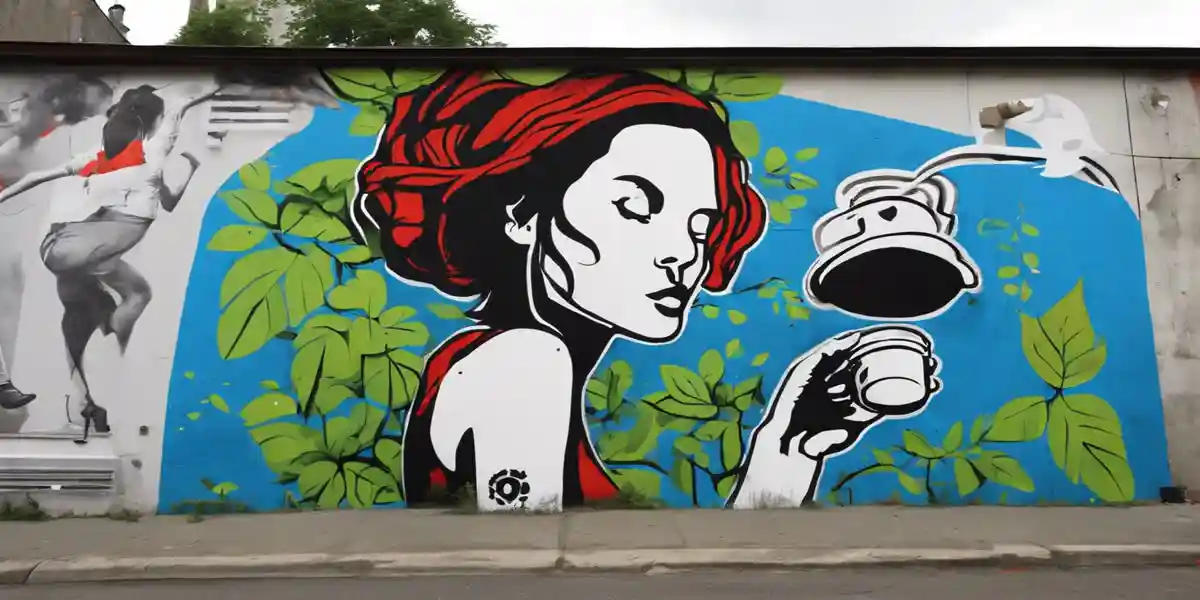
Street art has emerged as a powerful medium for promoting environmental awareness, especially in the context of the sustainable coffee movement. By creatively engaging the public, street artists can convey messages that resonate deeply within communities, sparking both reflection and action around sustainability.
In the digital age, where information overload can often dull our senses, street artists have the unique ability to cut through the noise. They do this by transforming mundane urban environments into vibrant canvases that tell compelling stories. Consider the mural projects where local coffee shops commission artists to create visuals that depict the journey of coffee from bean to cup. These murals not only beautify the space but also serve as educational tools, informing customers about the importance of sustainable farming practices and the challenges posed by climate change on coffee production.
For instance, in a recent initiative in São Paulo, Brazil, street artists collaborated with coffee brands to create large-scale murals that highlighted the environmental impact of deforestation on coffee farming. By incorporating QR codes into the artwork, viewers could access information about sustainable brands and learn about ethical sourcing practices. This inventive approach not only attracts foot traffic but also educates the public on vital environmental issues, effectively merging art with activism.
Moreover, the emotional resonance of art cannot be understated. Research indicates that art can evoke feelings and stimulate dialogues around pressing issues like climate change. The murals created by street artists engage audiences on an emotional level, fostering a deeper connection to the themes of sustainability. For example, in Toronto’s StreetARToronto (StART) program, artists have used their work to address local environmental concerns, such as urban pollution and waste management, thereby transforming public perception and encouraging community involvement.
Additionally, the role of street art in urban renewal projects showcases its potential for community identity and engagement. In Milan, a street art initiative revitalized a neighborhood by integrating local history and culture into the artwork. This not only enhanced the community's sense of belonging but also aligned closely with sustainable practices by promoting local traditions and values. Such projects illustrate that when street art is rooted in community engagement, it can effectively promote sustainability while strengthening local identity.
Street art also serves as a medium for science communication, effectively delivering complex environmental messages in accessible formats. Take, for example, a project in Berlin where artists painted murals depicting the ecological impact of coffee farming, using vivid imagery to communicate the consequences of unsustainable practices. This grassroots approach fosters pro-environmental agency among urban audiences, as the art invites viewers to reflect on their choices and encourages them to support sustainable coffee brands.
As we navigate the complexities of the digital age, the intersection of street art and sustainable coffee culture highlights the transformative power of creativity. Street artists are not merely creators; they are change-makers who utilize their talents to inspire awareness and action around sustainability issues. Through this lens, we can appreciate how street art can be a potent catalyst for fostering a culture of sustainability within our communities.
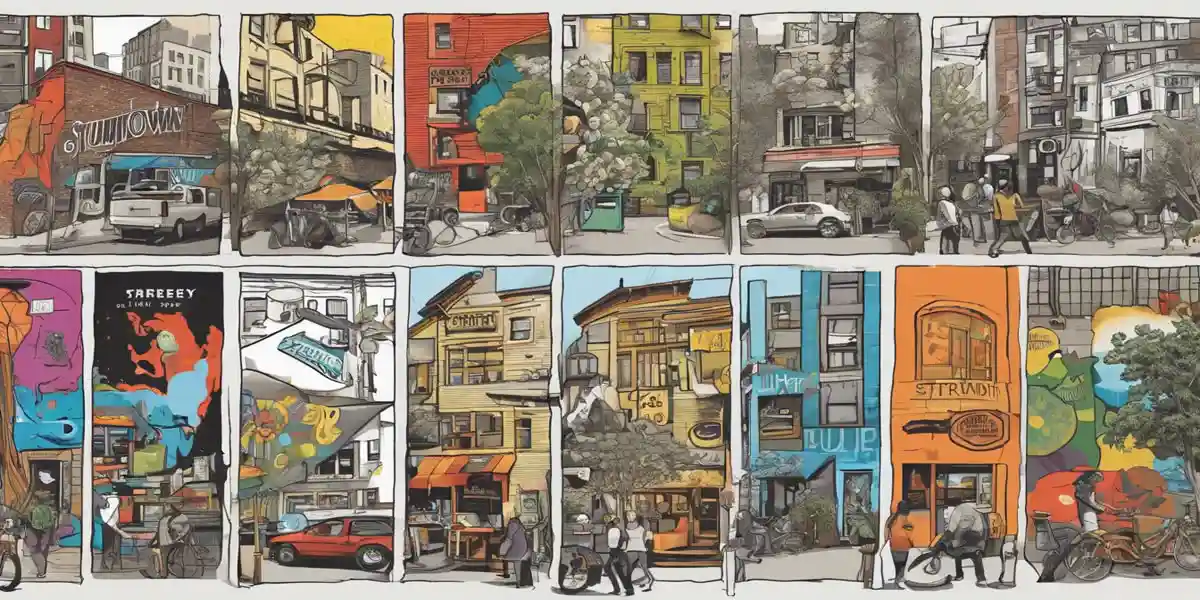
Throughout the digital age, numerous coffee brands have embraced the potential of street art to communicate their values and foster community engagement. These collaborations serve as vibrant examples of how art can not only beautify urban spaces but also promote sustainability and cultural heritage.
The Coffee Collective, a specialty coffee roaster based in Copenhagen, has partnered with street artists to create large-scale murals that celebrate the journey of coffee from farm to cup. These murals, painted on the exterior of their flagship store, depict the sustainable farming practices that the brand champions. Each mural incorporates QR codes that allow viewers to learn more about the artists, the specific coffee beans depicted, and the sustainable methods used in their cultivation.
This initiative aligns with findings from research on art as a medium for climate change communication. The visual storytelling element effectively engages the community, fostering a deeper connection to the themes of sustainability. By evoking emotions through impactful visuals, The Coffee Collective successfully motivates customers to consider their consumption choices.
Starbucks has launched initiatives to incorporate local street art into their branding, recognizing the significance of place identity in their stores. For instance, in a collaborative project in Milan, the company commissioned local artists to create murals that reflect the cultural heritage of the neighborhood. This project not only enhances the aesthetic of the coffee shop but also strengthens the community's sense of belonging.
Research indicates that street art can positively influence neighborhood attachment and image, as seen in studies analyzing urban renewal through art initiatives. Starbucks' approach serves as a case study in how integrating local culture can enhance customer loyalty and community engagement, reinforcing the idea that coffee shops can act as cultural hubs.
Stumptown Coffee Roasters has taken a unique approach by collaborating with environmental street artists to create murals that address pressing ecological issues related to coffee production. Their partnership with artists like El Mac and David Choe has resulted in vibrant pieces that not only beautify their stores but also convey critical messages about sustainable farming and the impacts of climate change on coffee crops.
By integrating these messages into their branding, Stumptown effectively engages their customers in dialogue about sustainability. This mirrors the findings from studies that highlight street art's role as grassroots communication, capable of conveying complex themes in an accessible manner. Such initiatives drive awareness and encourage patrons to support sustainable practices in their daily lives.
Small, local coffee shops are also embracing the intersection of street art and sustainability. For example, a coffee shop in Toronto collaborated with local artists to host an art exhibition featuring works focused on environmental themes. This initiative not only transformed the shop's interior but also fostered community dialogue around sustainability practices.
In line with research examining the socio-economic impacts of street art, this collaboration has proven beneficial for both the artists and the coffee shop. The event attracted a diverse audience, promoting community engagement while also providing a platform for artists to discuss their creative processes and the importance of sustainability in their work.
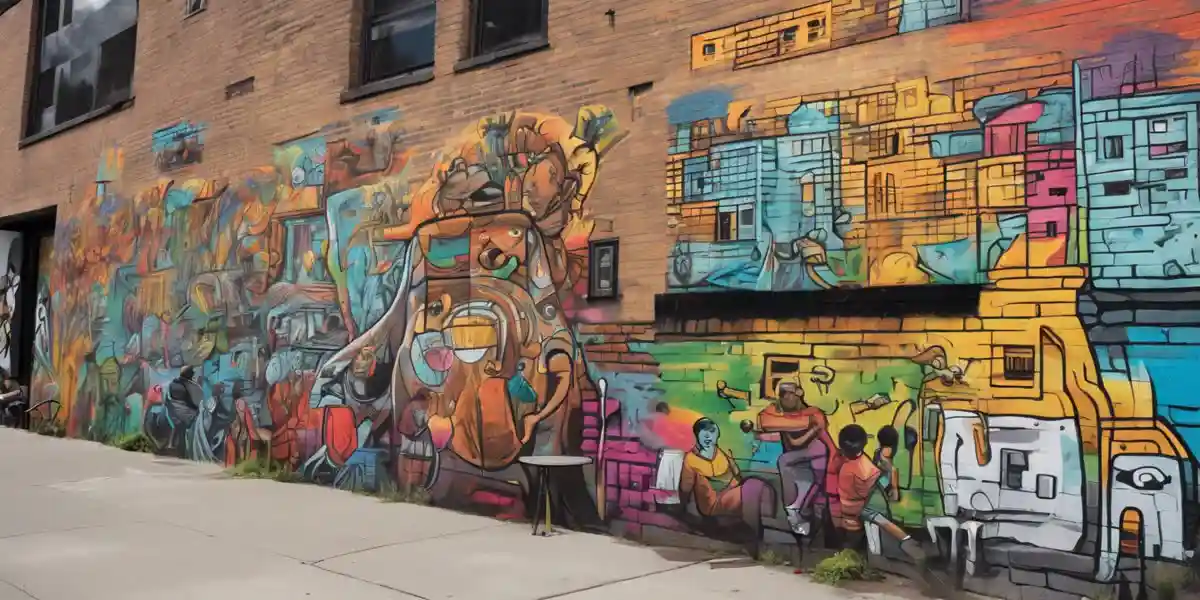
At the intersection of street art and sustainable coffee culture lies a fertile ground for creativity, community engagement, and environmental awareness. In today’s digital age, this convergence can mobilize public sentiment towards sustainability while revitalizing urban spaces. By harnessing the storytelling potential of street art, coffee shops can become catalysts for change, sparking conversations that matter.
Imagine walking down a city street and being greeted by a vibrant mural depicting the journey of coffee from bean to cup. These murals can serve as narrative devices that not only beautify surroundings but also educate the public. For instance, a local coffee shop could commission a mural illustrating the impact of climate change on coffee production. This artwork could detail the challenges faced by farmers, such as droughts or pests, while emphasizing the importance of sustainable farming practices.
Incorporating modern technology, such as QR codes embedded within the mural, can further deepen engagement. A passerby could scan the code and instantly access videos of farmers discussing their experiences, links to fair trade coffee brands, or insights into how consumers can reduce their carbon footprint. This blend of art and technology not only enhances the aesthetic appeal of urban spaces but also provides a platform for learning and dialogue around sustainability.
Beyond murals, local coffee shops can host workshops and exhibitions featuring street artists. These events can delve into the creative processes behind the artwork while addressing critical sustainability themes. By inviting artists to discuss their inspirations and the significance of their work, coffee shops become hubs of creativity, education, and community involvement.
For example, workshops led by artists who focus on environmental themes can empower patrons to create their own art pieces that reflect their views on sustainability. This participatory approach not only fosters a sense of belonging but also encourages individuals to think critically about their environmental impact. As highlighted in studies, community-focused initiatives can enhance place identity and attachment, further solidifying the bond between residents and their neighborhood.
The economic implications of intertwining street art with coffee culture are notable. Street art has been shown to contribute to urban renewal and can increase foot traffic, thereby benefiting local businesses. In neighborhoods where street art initiatives are prevalent, there’s often a rise in property values and a sense of community pride. A case study from Naples illustrates how street art has transformed socio-economic landscapes, leading to improved community identity and engagement.
Moreover, programs like StreetARToronto showcase how public institutions can support artistic initiatives while promoting sustainability. By facilitating collaborations between artists and local businesses, these programs not only mitigate issues associated with graffiti but also create vibrant, sustainable urban environments. The economic benefits derived from increased tourism and local patronage of coffee shops can be substantial, creating a win-win situation for both artists and business owners.
Street art serves as a compelling medium for science communication, particularly in addressing environmental issues. Through large-scale murals, artists can convey important messages about sustainability in a language that resonates with the public. For instance, artists might depict the impacts of plastic pollution on coffee-growing regions, creating poignant visual reminders of the interconnectedness of our choices.
Research has shown that art can evoke emotions and stimulate dialogues around climate change, making it an effective tool for inspiring action. By engaging audiences on an emotional level, street art can foster a deeper connection to sustainability themes, ultimately motivating individuals and communities to take action. This grassroots communication strategy is particularly vital in an era where the urgency of climate action is increasingly pressing.

As we navigate the vibrant tapestry of the digital age, latte art has emerged not just as a culinary delight but as a canvas for creativity and expression. The marriage of craftsmanship and digital technology has given rise to a culture that transcends the traditional coffee experience, making it an exciting subject to explore.
Social media platforms have become the lifeblood of latte art culture, transforming how baristas and coffee enthusiasts share their creations. Instagram, in particular, has played a pivotal role in popularizing intricate designs, allowing artists to showcase their skills to a global audience. This phenomenon is not just about aesthetics; it has significantly influenced consumer behavior, driving people to seek out coffee shops that offer visually stunning beverages.
Take, for instance, the case of James Hoffmann, a renowned coffee expert whose Instagram account features mesmerizing latte art that garners thousands of likes and comments. His posts demonstrate how a cup of coffee can become a piece of art, inspiring others to experiment with their own designs. The viral nature of such posts encourages a competitive spirit among baristas and fosters a community where artistry is both celebrated and encouraged.
Moreover, the digital age has enabled the sharing of techniques and tutorials, allowing aspiring baristas to learn from seasoned professionals. Platforms like YouTube host countless videos that break down the process of creating intricate designs, making the craft more accessible to enthusiasts worldwide. For example, the Latte Art World Championship has also leveraged social media to reach wider audiences, showcasing not only the competition but also the artistry behind each pour.
The rise of latte art in the digital age also intersects with the growing emphasis on sustainability. Many coffee shops are now using sustainably sourced beans and eco-friendly practices, and they promote this commitment through their social media channels. By sharing images of beautifully crafted lattes made from ethically harvested coffee, these shops create a narrative that not only highlights their artistry but also their dedication to the environment.
For example, the Blue Bottle Coffee chain frequently posts about their partnerships with local farmers and their sustainable practices, often accompanied by eye-catching latte art. This approach not only engages their audience but also educates them on the importance of supporting sustainable coffee production. Combining artistry with a strong ethical stance helps to cultivate a loyal customer base that values both the aesthetic and the story behind their coffee.
The integration of QR codes in coffee shop murals, as previously mentioned, can further enhance this experience by linking to digital content that explains the sustainability practices behind the coffee being served. Imagine sipping a beautifully crafted latte while learning about the farmers who grew the beans, all through an interactive experience that blends art, technology, and sustainability.
In this way, latte art serves as a bridge between craftsmanship and digital expression, transforming an everyday ritual into a powerful medium for storytelling and advocacy. As the art of coffee-making evolves, the potential for positive change through community engagement and environmental awareness becomes even more pronounced.
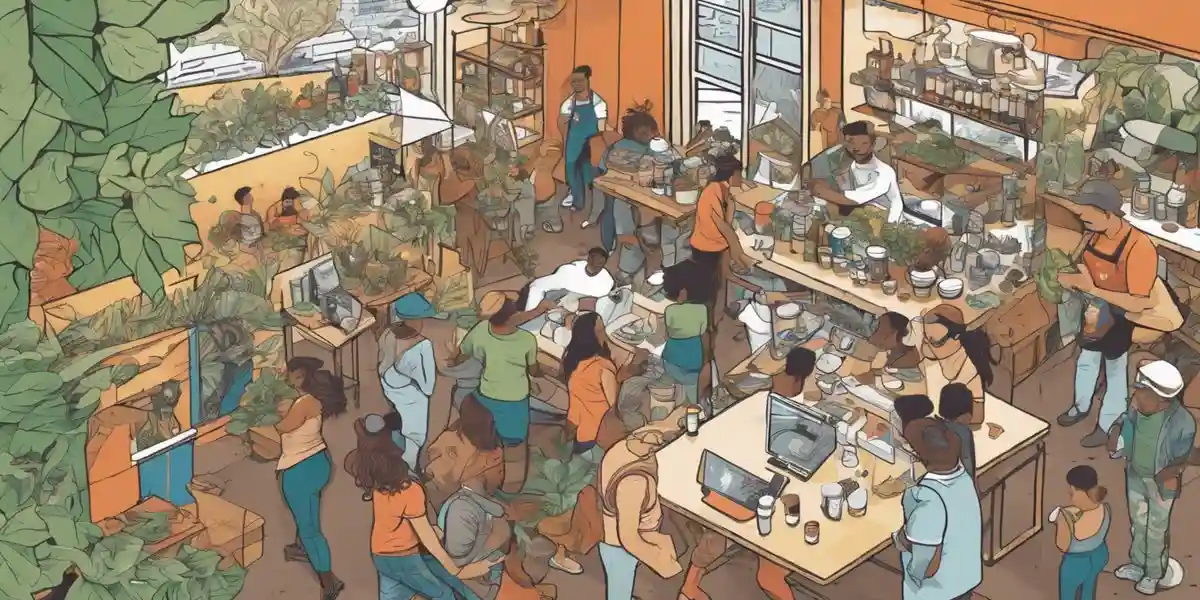
Baristas are not just skilled professionals crafting the perfect cup of coffee; they are also passionate advocates for sustainability, often leveraging art as a powerful tool to communicate their message. In the age of digital engagement, these coffee artisans are transforming their cafes into vibrant platforms for change, using art to educate their communities about the importance of sustainable practices.
Imagine stepping into a local coffee shop where the walls are adorned with large-scale murals that tell the story of coffee—from its origins in the lush fields of Colombia to the impact of climate change on its production. Baristas can collaborate with local street artists to create these murals, thus turning their cafes into canvases that engage customers on a deeper level. Each piece can be designed to include QR codes, inviting patrons to scan and discover more about the artists, the sustainability themes depicted, and links to eco-friendly coffee brands.
This approach not only beautifies urban spaces but also serves as an educational tool. As noted in various studies, art is a powerful medium for communicating complex issues like climate change. By evoking emotions and fostering connections, it can stimulate important dialogues around sustainability. For instance, a mural that depicts the devastating effects of deforestation on coffee habitats can compel customers to rethink their consumption choices and support brands committed to sustainable farming practices.
Beyond murals, coffee shops can host workshops where artists and baristas collaborate to engage the community. These sessions could focus on creating art that reflects local environmental issues while promoting sustainable practices in daily life. For example, a workshop might involve participants creating artwork from recycled materials, emphasizing the importance of waste reduction.
Such initiatives resonate well with both locals and visitors, as highlighted in a study examining the relationship between street art and urban renewal. Engaging with local history and culture through art strengthens community identity and place attachment, making patrons feel more connected to their neighborhoods. The interaction fosters a sense of belonging and encourages individuals to take ownership of their local environment.
Baristas can also utilize art to convey scientific messages about sustainability. For example, a coffee shop could commission artists to create pieces that visualize the carbon footprint of coffee production or illustrate the water usage in different farming practices. This approach aligns with research suggesting that street art can effectively communicate scientific concepts to diverse urban audiences, bridging the gap between complex environmental data and public understanding.
By making sustainability visible and relatable through artistic expression, baristas can inspire patrons to make informed choices. Such grassroots communication not only raises awareness but also cultivates a culture of sustainability within the community.
Real-life examples abound, illustrating how baristas use art to advocate for sustainability. In Toronto, the StreetARToronto (StART) program promotes public art as a way to engage communities in environmental issues while enhancing the beauty of urban spaces. Coffee shops can participate in similar initiatives, collaborating with local artists to create pieces that resonate with their customers and tell the story of sustainable coffee culture.
In Belo Horizonte, Brazil, the Gentileza movement has transformed urban spaces through art that emphasizes social and environmental consciousness. Coffee shops involved in such movements foster community dialogue and encourage patrons to consider their roles in sustainability, making art a bridge to deeper understanding and action.
The fusion of street art and sustainable coffee culture serves not only as a visual delight but also as a powerful medium for raising climate change awareness and inspiring action. By leveraging the emotional resonance of art, these initiatives can forge deeper connections with audiences, prompting them to engage with sustainability issues meaningfully.
Art has the unique ability to evoke emotions and tell impactful stories that resonate with viewers. For instance, murals depicting the journey of coffee from bean to cup can illustrate the challenges of climate change and unsustainable farming practices. By presenting these themes visually, artists can stimulate important dialogues within communities. In a study highlighting the significance of art in enhancing climate change awareness, it was found that when art engages audiences on an emotional level, it fosters a sense of urgency and encourages pro-environmental behavior.
Incorporating technology into public art installations can further enhance engagement. Artists can use QR codes within their murals that, when scanned, link viewers to information about the sustainability themes depicted, along with resources on how to make eco-friendly decisions in their coffee consumption. This blend of art and technology not only informs but also empowers the community, offering them tools to take actionable steps toward sustainability. By creating a narrative that intertwines the beauty of street art with informative content, we can enrich the public's understanding of complex environmental issues.
Street art initiatives often serve as a vehicle for urban renewal, enhancing community identity and place attachment. For example, a street-art project in a Milan suburb led to significant changes in residents’ sense of belonging and neighborhood image. By commissioning local artists to create murals that reflect the cultural heritage of the area, coffee shops can not only beautify their surroundings but also help preserve and celebrate local traditions.
These artistic transformations can lead to improved community well-being, as residents feel a stronger connection to their environment. The murals can become landmarks, fostering pride in local identity, and encouraging community members to engage with their surroundings more actively. Such initiatives highlight the importance of integrating cultural heritage into urban renewal processes, ultimately leading to enhanced creativity and vibrancy within neighborhoods.
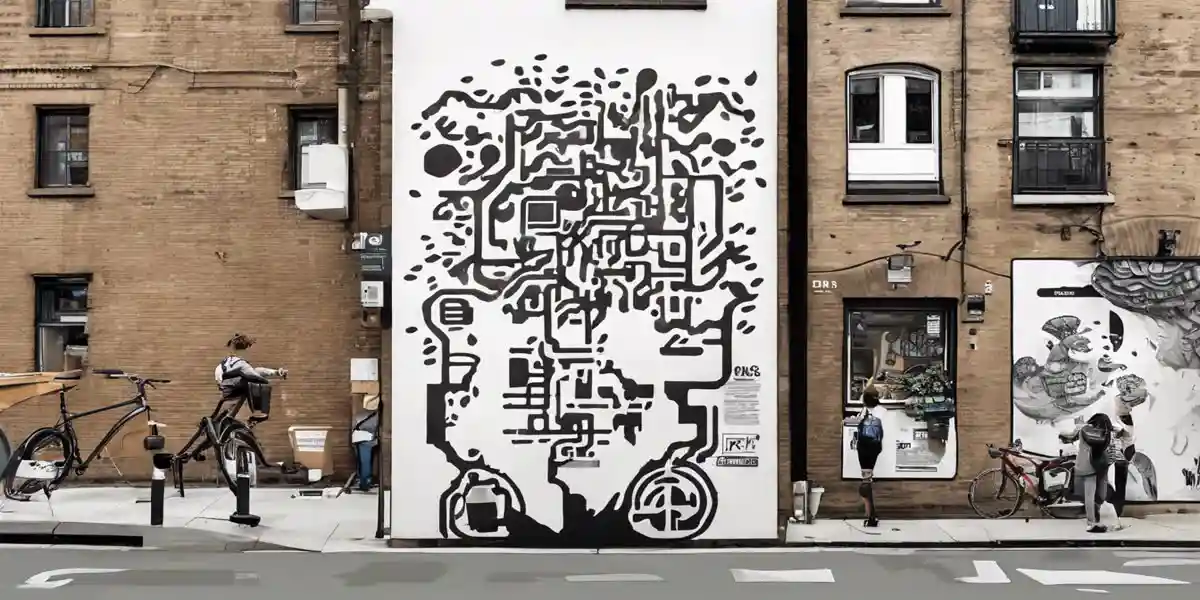
Street art has emerged as an effective form of grassroots communication, particularly in environmental contexts. Through large-scale murals, artists can convey crucial messages about sustainability that resonate with diverse urban audiences. For instance, projects in cities like Belo Horizonte and Toronto showcase how street art can promote community engagement while addressing local sustainability issues.
The Gentileza movement in Brazil and the StreetARToronto (StART) program in Canada exemplify how public institutions can support artistic interventions that not only enrich urban landscapes but also foster community engagement. These programs aim to mitigate graffiti while emphasizing the economic and social benefits of street art, demonstrating how art can play a pivotal role in urban management strategies. By creating spaces for artistic expression, coffee shops can collaborate with local artists to become central to these movements, driving the conversation around sustainability within their communities.
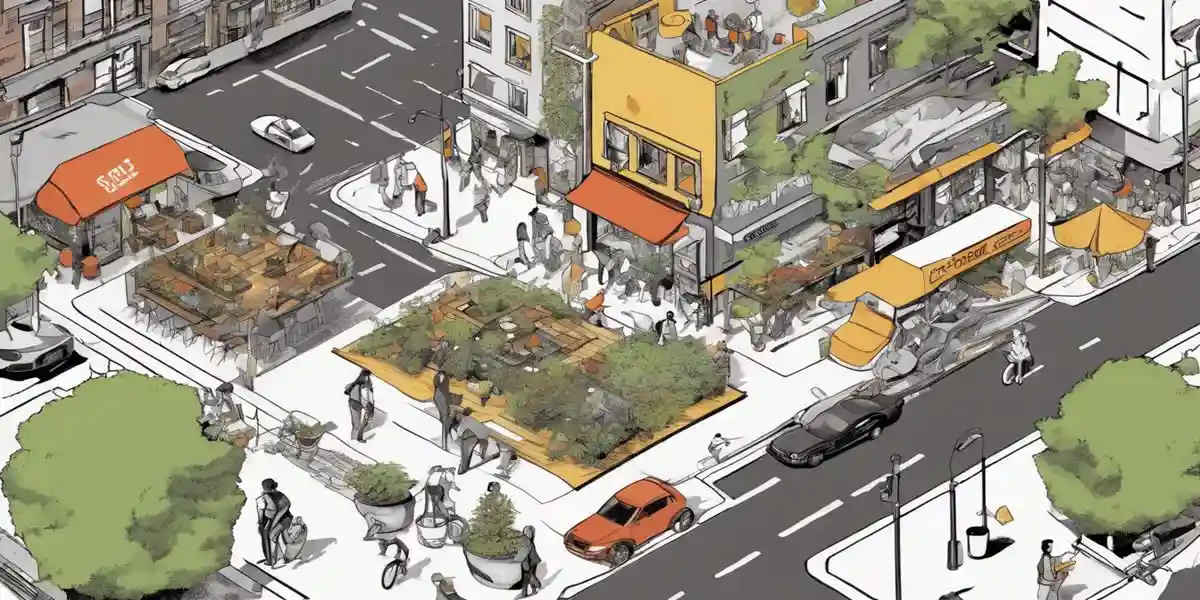
As we navigate the digital age, the confluence of street art and sustainable coffee culture presents an exciting opportunity for transformative change. By harnessing creativity, we can cultivate not only aesthetically pleasing urban environments but also foster a collective consciousness around sustainability and community engagement.
Street art, often seen as mere decoration, has evolved into a potent vehicle for communicating significant environmental messages. For instance, large-scale murals can be designed to depict the journey of coffee from farm to cup, highlighting sustainable farming practices and the effects of climate change on coffee production. This artistic representation not only beautifies the space but also serves as an educational tool, engaging viewers on an emotional level. A notable example is the “Gentileza” movement in Belo Horizonte, Brazil, where large murals have successfully transformed public perception of urban spaces while promoting environmental awareness.
Integrating QR codes into these murals can elevate the experience further, allowing passersby to interact with the artwork digitally. When scanned, these codes could lead to information about the artists, in-depth stories about sustainable coffee practices, and links to local sustainable brands. This fusion of art and technology creates an immersive narrative that captivates the community's interest and encourages dialogue around sustainability.
Local coffee shops can transform into hubs of creativity and education by hosting art exhibitions and workshops. These venues not only serve high-quality, sustainably sourced coffee but also become spaces where artists can share their processes and discuss the sustainability themes embedded in their work. As highlighted in a study on urban renewal projects in Milan, engaging local cultural heritage through art can enhance community well-being and foster a sense of belonging among residents.
Moreover, by encouraging patrons to participate in eco-friendly practices—such as using reusable cups or supporting fair-trade coffee—these coffee shops can play a pivotal role in championing sustainable choices. The impact of these initiatives extends beyond the immediate community; they inspire a broader audience to consider their consumption habits and the environmental implications of their choices.
Art has consistently shown its power to evoke emotions and inspire action, particularly in the context of climate change awareness. The emotional resonance of street art can motivate individuals and communities to engage in meaningful conversations surrounding sustainability. As evidenced in various studies, including those examining street art as a medium for science communication, art can effectively convey complex environmental themes to diverse urban audiences. By utilizing accessible public spaces, street artists can foster pro-environmental agency and enhance public awareness of sustainability issues.
Moreover, street art has demonstrated its economic potential in urban settings, serving as a driver for regeneration. In neighborhoods like Naples, the presence of street art has positively impacted property markets and community identity, proving that art can be a powerful intervention in reshaping socio-economic landscapes.
As we look forward, the collaboration between street art and sustainable coffee culture presents a promising avenue for creating more sustainable urban environments. By weaving together creativity and community engagement, we can foster a culture that values not only the aesthetics of our surroundings but also the health of our planet. The stories told through murals and the conversations sparked in coffee shops can serve as catalysts for broader societal change, prompting individuals to reflect on their impact and inspiring collective action towards a more sustainable future.
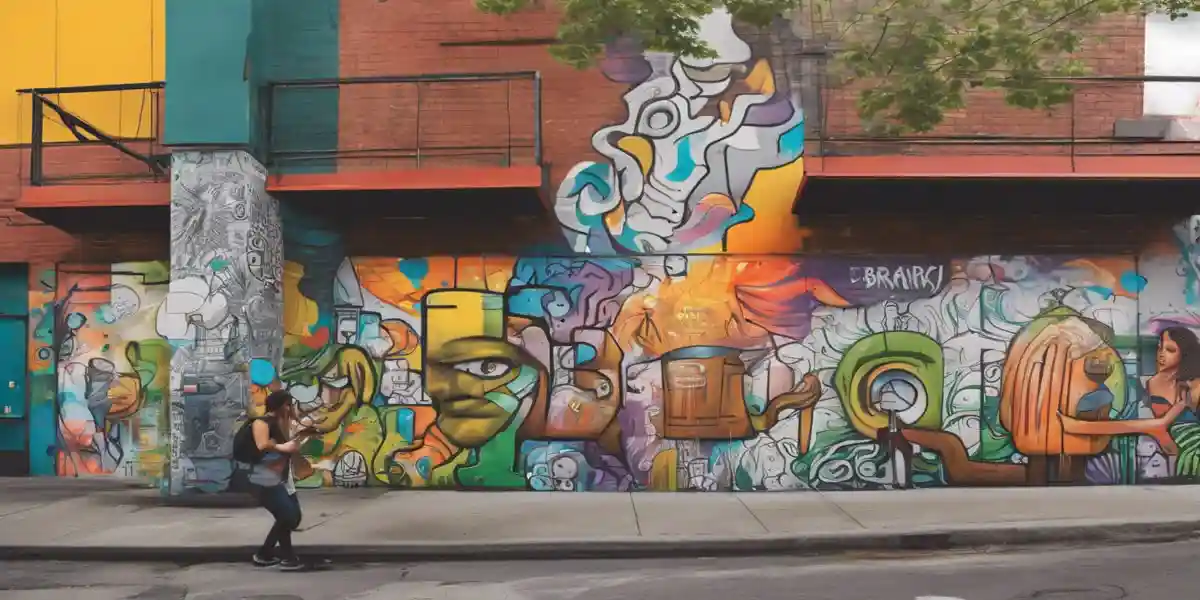
The intersection of street art and sustainable coffee culture offers a unique lens through which we can explore community engagement and environmental awareness. This section delves into how artistic expression can not only beautify urban spaces but also ignite conversations about sustainability in the coffee industry.
Art has always played a crucial role in human expression, but its potential as a catalyst for change is often underestimated. According to research, art has the power to evoke emotions and stimulate important dialogues around environmental issues, particularly climate change. Imagine a mural depicting the journey of coffee from the farm to the cup, highlighting the struggles of farmers facing the repercussions of climate change. This not only beautifies a coffee shop's exterior but also serves as an educational tool, fostering a deeper understanding of sustainable practices among patrons.
Consider the idea of incorporating technology into street art through the use of QR codes. Each mural could be enhanced with interactive elements that allow viewers to scan and learn more about sustainable coffee practices, the artists' inspirations, and even links to local sustainable brands. This approach creates a dynamic storytelling experience that bridges the gap between visual art and digital engagement. For example, a mural in a Seattle coffee shop could lead viewers to a documentary about fair trade coffee or local initiatives aimed at reducing carbon footprints in coffee production.
Beyond mere aesthetics, coffee shops can transform into cultural hubs by hosting art exhibitions and workshops that focus on sustainability. These events provide a platform for local artists to share their stories and processes, enriching the community’s appreciation for both art and the environment. Workshops might include topics like eco-friendly art supplies or sustainable coffee brewing techniques, inviting patrons to engage with sustainable practices actively. This aligns with findings from urban renewal studies which show that art initiatives can enhance community well-being by fostering a sense of belonging and pride in local heritage.
Street art serves as a powerful medium for grassroots communication, particularly in urban environments where traditional forms of media may not reach. The integration of sustainability themes into street art can effectively engage diverse audiences and convey crucial environmental messages. For instance, large-scale murals created in collaboration with local coffee shops could depict the impact of plastic waste from coffee cups, urging customers to bring their reusable mugs. Such visual narratives not only raise awareness but also inspire pro-environmental agency among community members, motivating them to adopt more sustainable practices in their daily lives.
Real-world examples illustrate the potential of this intersection. In Belo Horizonte, Brazil, the Gentileza movement showcased how street art could revitalize neighborhoods while promoting local culture and sustainability. Similarly, Toronto's StreetARToronto (StART) program emphasizes the role of public art in urban regeneration. Both initiatives demonstrate how artistic expressions can foster community engagement and economic benefits while addressing environmental concerns.
As we draw to a close, it's evident that the vibrant intersection of street art and sustainable coffee culture is not merely a trend; it is a movement poised to spark transformative change in our communities. Through the imaginative lens of artists and the rich narratives of coffee producers, we are presented with a unique opportunity to engage meaningfully with the pressing issues of sustainability and environmental awareness.
We explored how street art serves as a powerful medium for communication, capable of turning urban spaces into canvases that educate and inspire. Large-scale murals tell stories about the journey of coffee, inviting viewers to reflect on sustainable practices and the impacts of climate change. Initiatives like the Gentileza movement in Brazil exemplify how artistic expression can reshape public perception and foster a culture of sustainability.
As we examined, local coffee shops have the potential to become hubs of creativity and community engagement. By hosting workshops, art exhibitions, and interactive experiences, these establishments can encourage patrons to not only enjoy their coffee but also to actively participate in sustainability efforts. This collaborative spirit nurtures a sense of belonging and empowers individuals to advocate for environmental stewardship.
Moreover, the emotional resonance of art acts as a catalyst for dialogue and action. Street art is more than decoration; it's a call to awareness that can inspire individuals and communities to rethink their consumption practices. As we have seen, successful collaborations between artists and coffee brands can lead to economic revitalization, proving that art can significantly contribute to urban renewal while promoting sustainability.
So, what can you do? As a reader and a member of your community, consider supporting local coffee shops that embrace sustainable practices and promote local artists. Engage with the art around you; let it inspire conversations about sustainability. Whether it's a mural that catches your eye or a latte art creation shared on social media, remember that every cup of coffee and every piece of art has the potential to tell a story—a story that invites us to reflect on our impact and take action for a more sustainable future.
In this digital age, let us brew change together, one cup and one mural at a time.

Get notified about new articles, coffee tips, and Web3 insights.
This site participates in affiliate programs and may earn a commission when a link is clicked and a purchase is made. The site is not responsible for any issues or troubles related to the products or services purchased through the use of this site.

DO&COFFEE loves coffee and technology, exploring the potential of NFTs and blockchain. Learn more →
DO&COFFEE loves coffee and technology, exploring the potential of NFTs and blockchain. Learn more →