coffee
2024/08/22
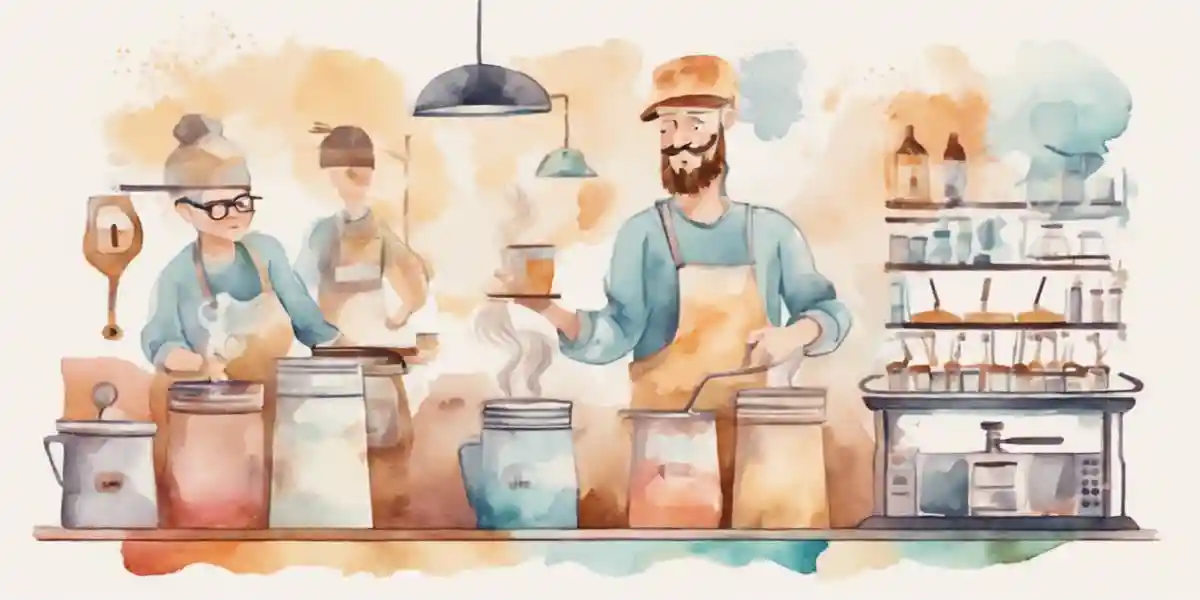
Imagine stepping into a bustling space where the air is infused with the rich aroma of freshly brewed coffee, blending seamlessly with the vibrant sounds of live music and the striking visuals of local art. In this world, art festivals and barista skills converge, creating a unique tapestry that fosters community connections. Our exploration of "Espresso Yourself" will delve into the transformative power of community-driven festivals that celebrate the interplay between coffee culture and the arts. Here, local artists showcase their creativity alongside skilled baristas who bring their craft to life, inviting attendees to engage in meaningful conversations about creativity, sustainability, and community. By highlighting initiatives like the "Centro Cultural del Cafe" in Pereira, Colombia, and the revitalization of the "Taiwan Coffee Festival," we will discover how these gatherings not only uplift local talent but also strengthen social ties and advocate for fair trade practices. Join us as we brew a narrative that encourages individuals to savor not just their drinks, but the rich stories and connections that permeate their surroundings.
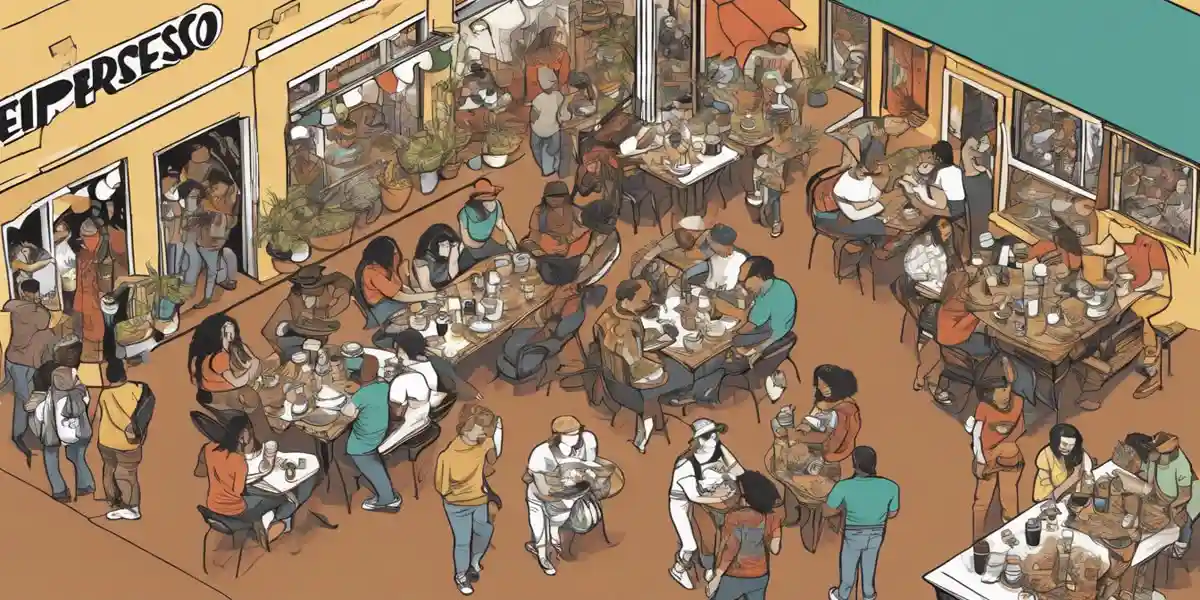
Imagine a vibrant scene where the rich aroma of freshly brewed coffee mingles with the eclectic sounds of live music and the captivating visuals of local art. This is not just a fanciful thought but a burgeoning reality in community-driven festivals that celebrate the confluence of coffee culture and the arts. Such gatherings, like the proposed "Espresso Yourself" festival, emphasize their role in fostering connections among diverse groups of people, creating an environment where creativity flourishes and community bonds strengthen.
Art festivals serve as platforms for local artists to showcase their work, while artisanal coffee vendors elevate the sensory experience. Each booth at a festival can be a story waiting to be told, with baristas passionately explaining their brewing techniques and farmers sharing the journey of their beans from farm to cup. The "Taiwan Coffee Festival," launched in Gukeng, Yunlin County in 2003, exemplifies this dynamic. At its peak, it attracted 1.2 million visitors, showcasing how coffee culture can draw people together, spark conversations, and promote local tourism. However, as competition increased, local officials collaborated with coffee growers and shop owners to revitalize the festival, emphasizing Gukeng’s unique coffee production, demonstrating the necessity of community effort in sustaining such initiatives.
Imagine attending a workshop where you can create coffee-inspired art—whether through painting, sculpture, or even competing in latte art contests. These interactive sessions foster a deeper connection between participants and the craft of coffee. In Victoria, BC, a study highlighted how cultural practices at local arts festivals promote civic and political engagement among attendees. Here, the act of creating becomes a communal experience, enhancing participants' understanding of their roles within the community and encouraging active participation.
Festivals such as "Espresso Yourself" would provide a vital forum for discussions around sustainability, fair trade coffee, and the importance of supporting local artisans. By highlighting the interconnectedness of culture, economics, and the environment, these events can enrich the community’s understanding of its role in a global context. The establishment of the "Centro Cultural del Cafe" in Pereira, Colombia, aims to serve as a hub for such cultural exchanges, promoting knowledge sharing and enhancing environmental and cultural development in the region, thereby positioning the city as a national benchmark for cultural initiatives.
Incorporating cultural production into community festivals can significantly enhance civic engagement. The interactions and relationships formed at these events cultivate a sense of belonging and responsibility among attendees. A study from Vancouver's Downtown Eastside emphasizes that involvement in cultural practices fosters 'connected civic learning,' empowering individuals to emerge as critical designers and citizens. This highlights how art and coffee, when brought together in a communal setting, can serve as catalysts for broader societal engagement.
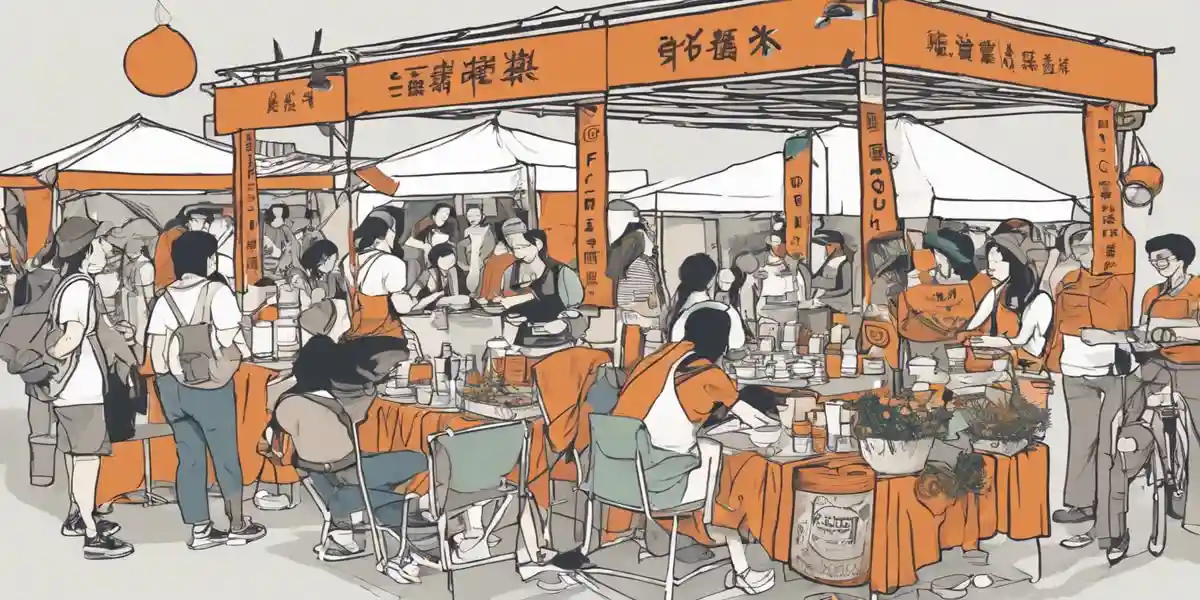
Art festivals serve as vibrant canvases where creativity flourishes, fostering community engagement through shared experiences and connections. These events celebrate local culture, not only showcasing artistic talents but also integrating culinary delights, such as artisanal coffee. Consider a festival like "Espresso Yourself," where the interplay of art and coffee creates a dynamic environment for interaction and learning.
Imagine walking through a park filled with colorful tents and the enticing aroma of freshly brewed coffee. Each booth at the festival tells a unique story. Local artists display their masterpieces, while baristas share their expertise on brewing techniques and the nuances of various coffee beans. Farmers, passionate about their craft, enlighten festival-goers on the journey of their beans from farm to cup, providing a deeper understanding of the agricultural processes that contribute to the rich flavors found in each cup. This storytelling aspect not only engages attendees but also cultivates a sense of appreciation for the artistry involved in both coffee and visual arts.
Art festivals often incorporate workshops that invite attendees to unleash their creativity. Imagine participating in a latte art competition or a painting class inspired by the various coffee hues. Such activities not only make the festival interactive but also encourage people to explore their artistic side. Workshops can serve as a platform for collaboration, where participants from diverse backgrounds engage with each other, fostering relationships through shared creativity. This hands-on approach reflects the ethos of community connection, inviting everyone to contribute to the cultural tapestry of the event.
Beyond mere aesthetics, art festivals often advocate for important social initiatives. For instance, the celebration of fair trade coffee highlights the ethical sourcing of beans, promoting sustainability and supporting local farmers. By integrating these themes into the festival's narrative, attendees gain insight into the interconnectedness of culture, economics, and the environment. Events like the "Centro Cultural del Cafe" in Pereira, Colombia, aim to promote knowledge exchange related to the coffee industry while addressing the need for cultural venues. By positioning such initiatives at the forefront, festivals can enrich community understanding and engagement.
Take, for example, the "Taiwan Coffee Festival" launched in Gukeng, Yunlin County. This event not only revitalized interest in local coffee culture but also established Gukeng as Taiwan's first coffee town. At its peak, the festival attracted over 1.2 million visitors, showcasing the potential for art festivals to drive local tourism and stimulate economic growth. In response to increasing competition, local officials collaborated with coffee growers and shop owners to emphasize Gukeng’s unique offerings, demonstrating how festivals can adapt to community needs while fostering pride in local heritage.
Similarly, the Budapest100 festival highlights the importance of cultural placemaking, encouraging local participation while showcasing the city's architectural heritage. Data analysis from social media posts linked to the festival reveals how community-driven events can bolster engagement and promote lesser-known cultural narratives, addressing issues of overtourism and fostering resilience in urban settings.
These examples illustrate how art festivals are not just a gathering of creative expressions; they are powerful catalysts for community connection, education, and cultural exchange. By weaving together the elements of art, coffee culture, and sustainability, festivals like "Espresso Yourself" create a rich tapestry that celebrates and strengthens community bonds.
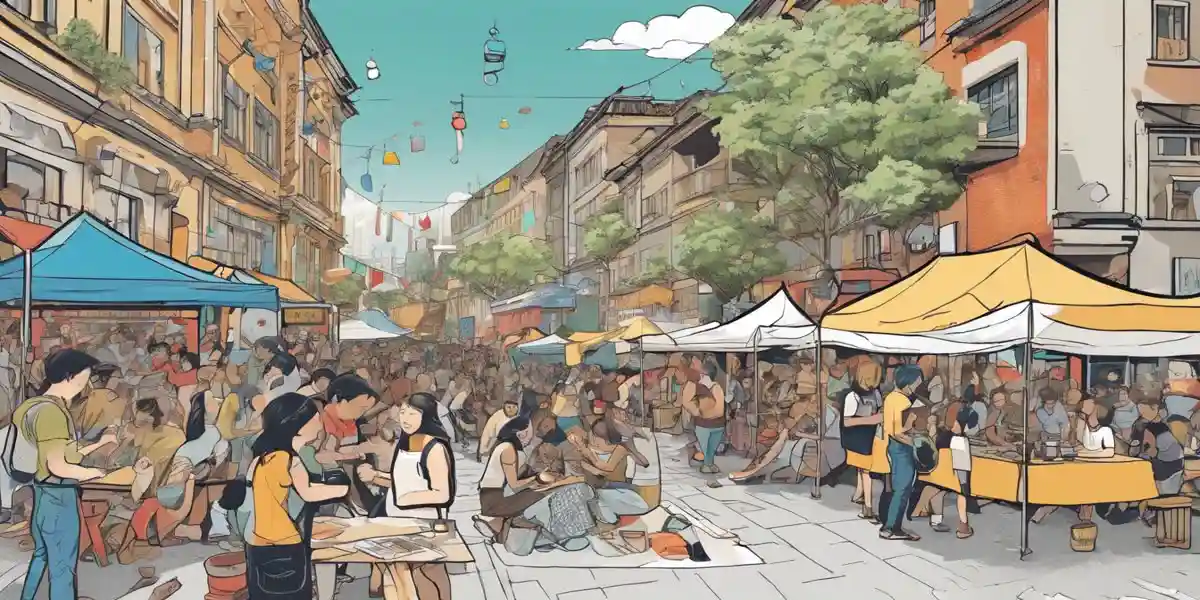
Art serves as a vital conduit for creating connections within communities, transforming public spaces into vibrant centers of interaction. Festivals that blend art with other cultural elements, such as coffee, underscore this capacity by drawing diverse groups together to celebrate creativity and craftsmanship.
Imagine walking through a local park where the rich aroma of coffee intertwines with the captivating visuals of art installations. Festivals like "Espresso Yourself" create an immersive experience that invites attendees to engage with their community on multiple levels. Local artists showcase their work, while baristas share the intricacies of their brewing techniques, creating a tapestry of storytelling and shared knowledge.
For instance, the Centro Cultural del Cafe in Pereira, Colombia, aims to serve as a vital hub for the coffee region. While the city possesses a rich cultural landscape, it previously lacked adequate venues for cultural and recreational activities. The establishment of this center is pivotal in promoting knowledge exchange related to coffee culture, integrating educational and cultural institutions, and enhancing community engagement.
Art festivals often feature workshops and interactive sessions, which enable attendees to express their creativity. Picture a booth where participants can try their hand at creating coffee-inspired art—be it painting, sculpture, or even latte art competitions. Such activities foster a spirit of collaboration, allowing individuals to share experiences and learn from each other. This interaction not only enriches the festival experience but also strengthens community bonds.
An excellent example of this is the Taiwan Coffee Festival, launched in 2003 in Gukeng, Yunlin County. This festival sparked a renewed interest in coffee culture and established Gukeng as "Taiwan's first coffee town." The event attracted a staggering 1.2 million visitors in one year, showcasing how art and culture can stimulate community engagement and tourism. However, as competition from other regions increased, local officials collaborated with coffee growers and shop owners to emphasize Gukeng's unique coffee production, highlighting the importance of community-driven initiatives.
In addition to fostering artistic expression, art festivals play a critical role in promoting civic engagement. A study from Vancouver's Downtown Eastside illustrates how participation in cultural practices at community festivals enhances civic and political involvement among attendees. These activities cultivate a sense of connectedness and encourage individuals to become active participants in their community's narrative.
Moreover, the concept of "connected civic learning" arises from these interactions, empowering individuals to emerge as informed citizens who understand the significance of their contributions to the community. By engaging with local art and culture, individuals develop a greater appreciation for the diversity and richness that surrounds them, ultimately fostering a sense of belonging.
Art festivals also advocate for social initiatives, such as fair trade coffee and support for local artisans. This approach enriches the community's understanding of the interconnectedness of culture, economics, and the environment. For example, festivals can serve as platforms for conversations around sustainability, encouraging attendees to consider the impact of their choices on both local and global scales.
The Budapest100 festival highlights this notion of sustainability and community involvement. By encouraging local participation in cultural placemaking, the festival showcases underused architectural heritage, promoting resilience in tourism while addressing the challenges of overtourism. This event exemplifies how community-driven initiatives can create a sense of pride and ownership among residents, reinforcing connections through shared cultural experiences.
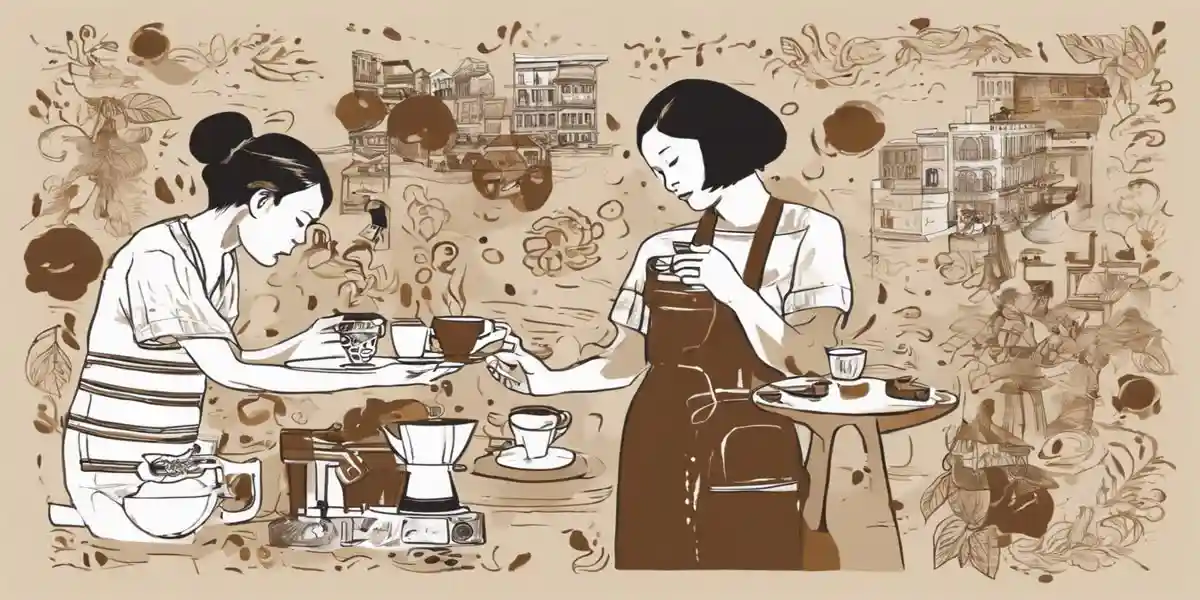
At the heart of the “Espresso Yourself” festival lies a commitment to showcasing local talent and culture, a theme that resonates deeply with the community. Imagine strolling through a vibrant park, where the rich aroma of freshly brewed coffee mingles with the eclectic sounds of live music and the captivating visuals of local art. This festival not only highlights the craftsmanship of local baristas and artists, but it also serves as a platform for fostering connections among diverse groups of people.
Each booth at the festival tells a story, with baristas sharing their expertise in brewing techniques and farmers discussing the journey of their beans from farm to cup. For instance, attendees can learn about the unique flavor profiles of different coffee beans sourced from local farms, enhancing their appreciation for the beverage beyond mere consumption. Workshops can be designed to invite participants to create coffee-inspired art—whether through painting, sculpture, or even competitions in latte art. This hands-on experience engages the community, allowing individuals to express their creativity while deepening their understanding of coffee culture.
Real-world examples like the "Taiwan Coffee Festival" in Gukeng showcase the profound impact of local festivals on cultural identity and community engagement. Since its inception in 2003, the festival has revitalized interest in coffee culture, drawing in up to 1.2 million visitors in one year. Local officials have collaborated with coffee growers and shop owners to emphasize Gukeng’s unique coffee production, turning the festival into a celebration of local heritage that attracts tourists and supports the rural economy. This model can inspire similar initiatives within our own community, illustrating how local talent can be showcased effectively to create lasting cultural connections.
The proposed "Centro Cultural del Cafe" in Pereira, Colombia, represents another significant example of how cultural institutions can promote local talent and foster community connections. This center aims to enhance the cultural landscape by providing spaces for artistic expression, education, and cultural exchange. By integrating educational and cultural institutions, Pereira is positioned to become a benchmark for cultural initiatives in the region, emphasizing the importance of community-driven spaces in celebrating and preserving local culture.
Incorporating cultural practices into festivals can also promote civic engagement among attendees. Research from a community festival in Vancouver’s Downtown Eastside highlights how participation in cultural activities fosters “connected civic learning.” By engaging in artistic endeavors, individuals not only appreciate the beauty of local art but also develop a deeper sense of belonging and responsibility towards their community. This interconnectedness encourages people to become active participants in civic life, empowering them as critical designers and citizens.
Furthermore, the festival can advocate for social initiatives such as fair trade coffee and supporting local artisans. By emphasizing the importance of sustainable practices, attendees gain a richer understanding of the interconnectedness of culture, economics, and the environment. The festival becomes a narrative of community connection, weaving together the stories of coffee producers and artists, and encouraging individuals to savor not just their drinks but the vibrant tapestry of relationships that surround them.
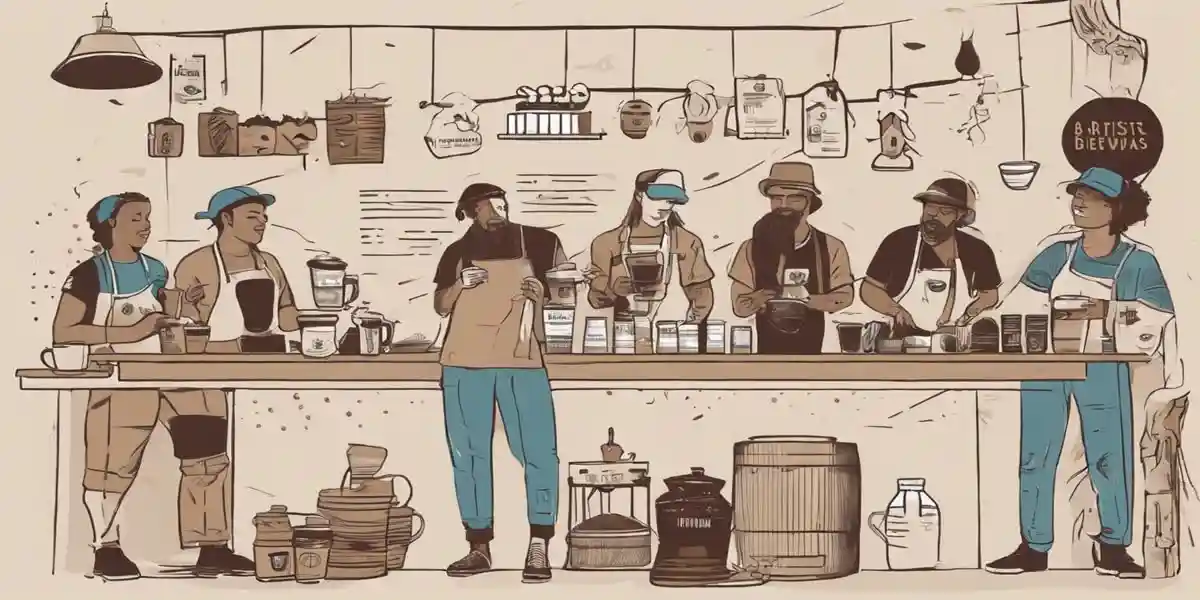
At the intersection of coffee culture and community lies the art of the barista—a craft that extends far beyond the mere act of brewing. This section explores how barista skills serve as a bridge, fostering connections among individuals while celebrating local artistry and sustainability.
Imagine stepping into a vibrant festival, the air thick with the aroma of freshly brewed coffee. Baristas, with their skillful hands and engaging stories, become ambassadors of the coffee culture, inviting attendees to delve deeper into the world of coffee. Each cup they pour is not just a beverage; it represents a journey—from the farmer's hands to the roaster's care, and finally to the barista’s artistry.
Take the "Espresso Yourself" festival as a prime example. Here, baristas engage with festival-goers, offering hands-on workshops that teach brewing techniques, such as pour-over and espresso extraction. These sessions emphasize not only the technical aspects, like grind size and water temperature but also the importance of sourcing high-quality beans. By sharing their knowledge, baristas help attendees forge a connection not only to their drink but also to the broader community of producers. This approach mirrors the initiative of the "Centro Cultural del Cafe" in Pereira, Colombia, which aims to promote cultural exchange and education about coffee production within the region.
Baristas often play a crucial role in advocating for sustainable practices within the coffee industry. For instance, by prioritizing fair trade coffee, they raise awareness about the importance of ethical sourcing. Festivals that feature local coffee vendors can provide a platform for discussions about the impact of purchasing decisions on local economies and the environment. This is illustrated by the success of the "Taiwan Coffee Festival," which revitalized Gukeng as a coffee-centric destination. Local officials collaborated with coffee growers to highlight sustainable practices, ultimately enhancing both community engagement and tourism.
Moreover, workshops at these festivals can extend into the realm of art, where attendees create coffee-inspired pieces, be it through painting or latte art competitions. This interplay between coffee and creativity encourages attendees to express their individuality while connecting with others who share similar passions. The community dynamics observed in arts festivals, as studied in places like Victoria, BC, reveal how cultural practices can enhance civic engagement and empowerment—an essential aspect of fostering a vibrant community.
Baristas are storytellers at heart, weaving narratives that connect people to their drinks and the larger community. By sharing the origins of their beans and the intricacies of their brewing methods, baristas invite conversations that transcend the beverage. Just as the Budapest100 festival highlights local architectural heritage, coffee festivals can spotlight the rich stories behind each cup, encouraging attendees to appreciate the craftsmanship involved in both coffee and art.
This narrative-building goes hand-in-hand with the concept of proximity tourism, where local participation and cultural placemaking become central themes. As attendees engage with baristas and artists alike, they not only savor their drinks but also immerse themselves in the stories that shape their community. This creates a shared experience that fosters a deeper understanding of the interconnectedness of culture, economics, and the environment.
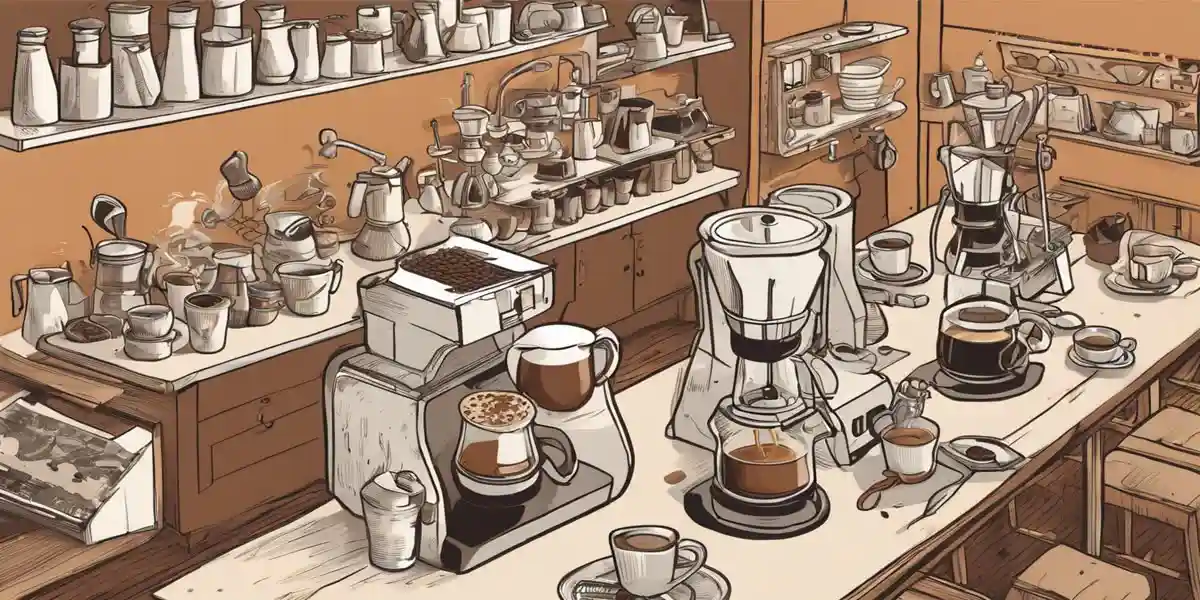
The art of coffee making transcends mere preparation; it is a craft that intertwines skill, creativity, and passion. Just as a painter chooses their colors and a sculptor molds their medium, a barista approaches coffee with an artist’s sensibility. Through the process of brewing, they transform simple ingredients into a sensory experience that delights the palate and warms the soul.
At the heart of a barista's artistry lies an understanding of the many elements that contribute to a perfect cup of coffee. From selecting high-quality beans to mastering various brewing techniques, every step is crucial. For instance, consider the differences between espresso and pour-over coffee. An espresso shot requires finely ground coffee and high pressure, yielding a concentrated and robust drink. In contrast, pour-over demands careful control over water temperature and flow rate, allowing for nuanced flavors to emerge. This mastery of methods is comparable to an artist choosing their tools; each decision impacts the final result.
Latte art is perhaps the most visible manifestation of a barista's creativity. With a simple cup of steamed milk and espresso, baristas can create intricate designs that resemble flowers, hearts, or even complex patterns. This craftsmanship is not merely for aesthetic pleasure; it is a form of expression that engages customers and invites them to participate in the experience. Events like "Espresso Yourself" could host latte art competitions, where baristas showcase their skills while educating attendees about the techniques involved. This not only entertains but also fosters appreciation for the artistry behind each cup.
The journey of coffee, from farm to cup, is rich with stories that connect consumers to their communities. At festivals, local farmers can share insights about their cultivation methods, emphasizing sustainable practices and fair trade initiatives. Take, for example, the establishment of the "Centro Cultural del Cafe" in Pereira, Colombia. This hub aims to promote cultural exchange related to coffee, showcasing the interconnectedness of the coffee industry and local artisans. By understanding the source of their coffee, consumers become more engaged, transforming their coffee-drinking experience into a shared narrative of community and sustainability.
Art festivals offer a unique platform for baristas to not only display their skills but also to engage with the public on deeper levels. The "Taiwan Coffee Festival" is a prime example, having attracted over 1.2 million visitors at its peak. This festival brought together coffee growers, shop owners, and tourists, fostering a sense of community and shared passion for coffee culture. As baristas interact with attendees, they become ambassadors of their craft, sharing knowledge and inspiring others to explore the artistry involved in coffee making.
Incorporating elements of sustainability into coffee culture is vital for fostering a responsible community ethos. Events can highlight fair trade practices and the importance of supporting local artisans, creating a holistic appreciation for both coffee and art. By doing so, festivals like "Espresso Yourself" can advocate for social initiatives that resonate with attendees, encouraging them to think critically about their consumption choices and their impact on the environment. This alignment of values not only enriches the community's cultural fabric but also enhances the overall experience of the festival.
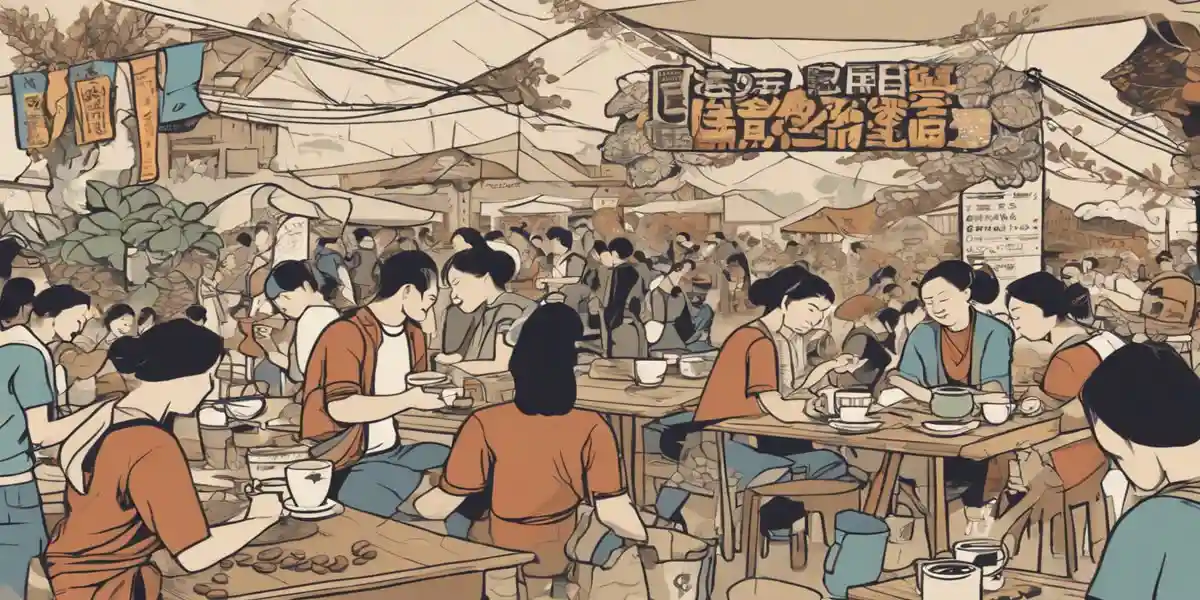
In the heart of every bustling community lies the potential for connection, and coffee serves as a powerful catalyst for this bonding. Imagine a vibrant scene where the rich aroma of freshly brewed coffee mingles with the eclectic sounds of live music and captivating visuals of local art. Events like the proposed "Espresso Yourself" festival exemplify how coffee culture can foster a sense of belonging and engagement among diverse groups. This section delves into how coffee experiences can cultivate community ties, drawing on real-world examples and the cultural significance of coffee.
Art and coffee festivals provide a unique platform for community interaction, allowing individuals to come together and share experiences. Consider the "Taiwan Coffee Festival," launched in Gukeng, Yunlin County. This festival transformed the town into "Taiwan's first coffee town," attracting over 1.2 million visitors in its peak year. The event not only showcased local coffee producers but also served as a gathering space for artists, musicians, and tourists, creating a vibrant atmosphere where creativity flourished. Such festivals highlight the potential of coffee as a medium for storytelling and cultural exchange.
Imagine attending a festival where baristas demonstrate their brewing techniques, sharing the intricate processes that turn humble beans into a delightful cup of coffee. Workshops can invite attendees to engage in hands-on experiences, whether through creating coffee-inspired art or participating in latte art competitions. These interactive sessions not only educate participants about the art of coffee making but also encourage collaboration and dialogue among community members. The authentic interactions fostered during these activities deepen participants' appreciation for the craft and the shared culture surrounding coffee.
Community festivals like "Espresso Yourself" can serve as vital platforms for advocating social initiatives. By promoting fair trade coffee and highlighting local artisans, these gatherings enrich the community's understanding of the interconnectedness of culture, economics, and the environment. For instance, the proposed "Centro Cultural del Cafe" in Pereira, Colombia, aims to create professional spaces for cultural exchange related to the coffee industry. Such initiatives not only boost local economies but also position communities as leaders in sustainable practices, emphasizing the importance of supporting local talent and ethical sourcing.
Engaging in cultural practices through coffee experiences can enhance civic participation and foster a sense of belonging. In Vancouver's Downtown Eastside, community festivals have been shown to promote civic and political engagement among attendees. By participating in coffee-related activities, individuals are empowered to emerge as critical designers and citizens, taking ownership of their community narratives. These experiences create a foundation for connected civic learning, weaving a rich tapestry of shared stories and collaborative efforts that strengthen community bonds.
As communities continue to explore the potential of coffee as a unifying force, the emphasis on sustainability and local engagement will only grow. Festivals like Budapest100 exemplify how community-driven urban events can contribute to resilience in tourism, showcasing local heritage while promoting sustainable practices. By leveraging the power of coffee culture, communities can cultivate connections that transcend individual differences, fostering a welcoming environment where everyone feels valued and included.
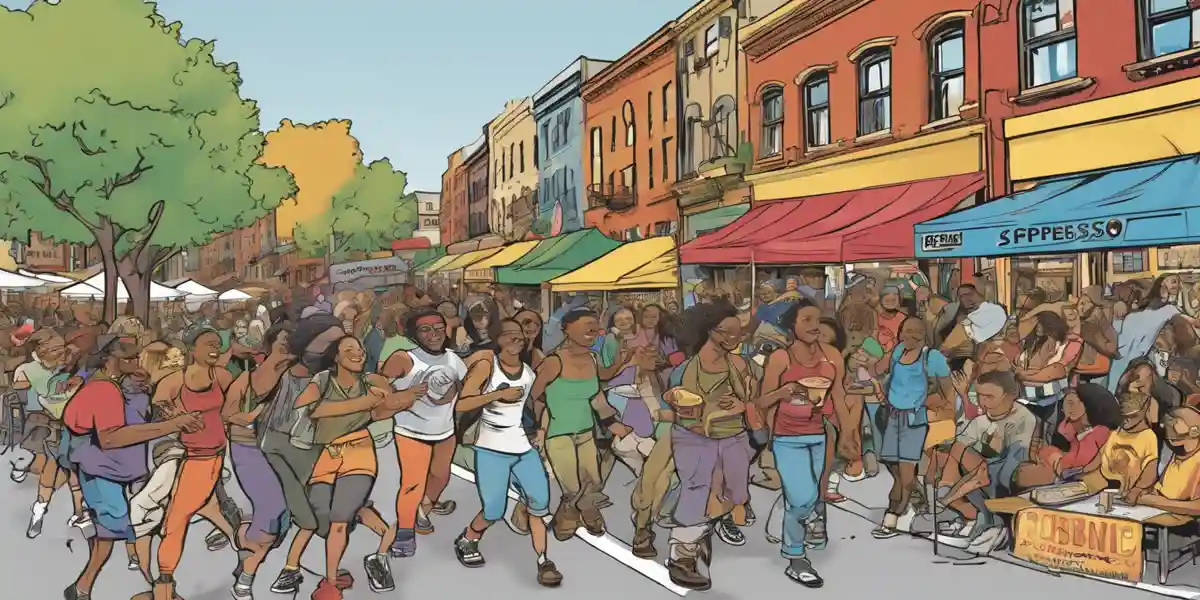
In a world increasingly defined by individualism and digital interactions, community-driven festivals like "Espresso Yourself" serve as vital touchpoints for fostering connections among diverse groups. These gatherings not only celebrate the rich tapestry of local art and coffee culture but also cultivate relationships that strengthen the fabric of our communities.
Art festivals provide a unique opportunity for local artists and coffee producers to showcase their work, bridging the gap between creators and the community. In Pereira, Colombia, the establishment of the "Centro Cultural del Cafe" aims to reinforce this concept by offering a dedicated space for cultural exchange and social activities. Such venues are essential for promoting local talent and facilitating gatherings that encourage community bonding.
Imagine walking through a park filled with artisan booths, where baristas passionately explain their brewing techniques, and farmers discuss the journey of their coffee beans. Workshops at the festival could invite attendees to create coffee-inspired art, from painting to latte art competitions, making the experience immersive and interactive. This hands-on engagement not only fosters creativity but also strengthens social ties, as people collaborate and share their passions.
Moreover, festivals can serve as platforms for advocating social initiatives such as fair trade coffee and support for local artisans. By emphasizing these values, "Espresso Yourself" could enhance the community’s understanding of the interconnectedness of culture, economics, and the environment. For instance, the Taiwan Coffee Festival revitalized local interest in coffee culture while emphasizing sustainable practices and supporting local growers, proving that such events can lead to both cultural enrichment and economic benefits.
Research also highlights the role of cultural practices in fostering civic engagement. A study on community festivals in Vancouver's Downtown Eastside found that participation in cultural activities promotes civic and political engagement, encouraging individuals to become active citizens. This aligns with the mission of the "Espresso Yourself" festival, which aims not just to entertain but to empower attendees to become advocates for their community.
The importance of community connections has become increasingly clear in the wake of challenges like the COVID-19 pandemic. Festivals that emphasize local participation and cultural placemaking, such as Budapest100, have shown resilience by adapting to changing circumstances while still engaging the community. Such models can inspire similar initiatives, reinforcing the idea that a strong community can weather storms together.
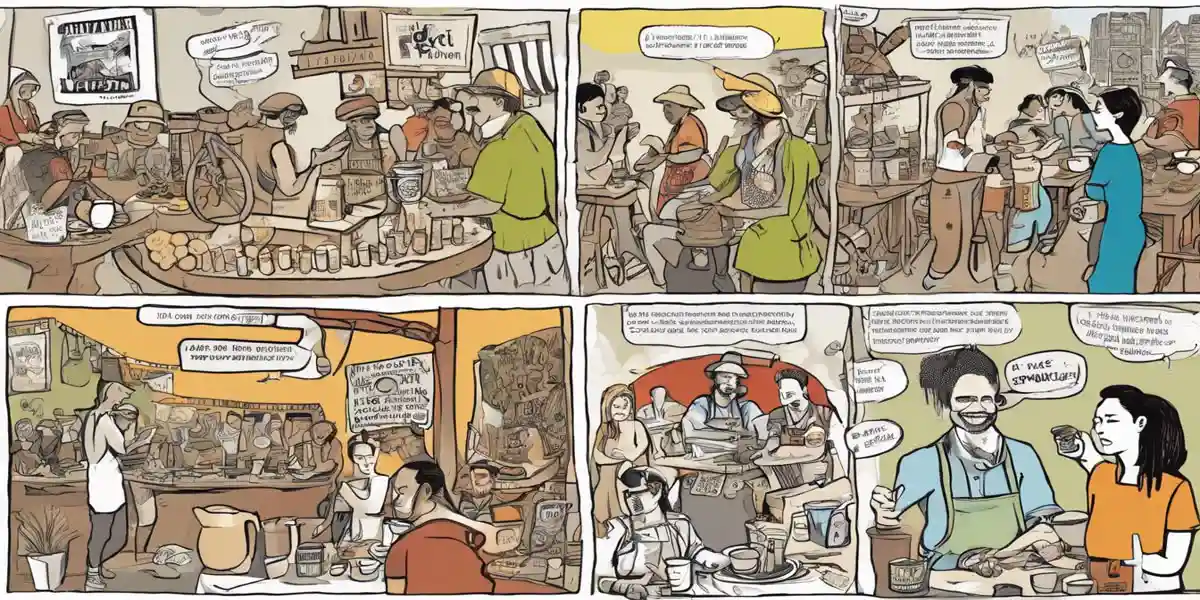
The blending of art and coffee culture is not merely a backdrop to an event; it serves as a vibrant tapestry that weaves together stories, experiences, and individuals. Festivals like "Espresso Yourself" epitomize this synergy, creating a space where local artists and baristas come together to cultivate a strong sense of community. Imagine walking through a park where every booth tells a unique story—baristas explaining their meticulous brewing methods while farmers narrate the journey of their beans from farm to cup. This exchange not only elevates the appreciation for coffee but also highlights the craftsmanship inherent in both art and brewing.
Incorporating hands-on workshops into the festival can ignite the creative spirit within attendees. Picture a latte art competition where participants are guided by skilled baristas, learning the intricacies of pouring the perfect heart or rosette. These workshops could also expand into visual arts, inviting attendees to craft coffee-inspired paintings or sculptures, thereby merging different forms of artistic expression. Such activities foster not just skill development but also a communal sense of achievement and bonding, as people share laughter and friendly competition.
A festival like "Espresso Yourself" can transcend mere celebration by advocating for important social initiatives. By promoting fair trade coffee and supporting local artisans, the festival enriches the community’s understanding of the intricate relationships between culture, economics, and the environment. For instance, the establishment of the Centro Cultural del Cafe in Pereira, Colombia, aims to create a vital hub for cultural and recreational activities while promoting knowledge about the coffee industry. By integrating educational and cultural institutions, this center not only highlights the rich heritage of coffee but also serves as a model for communities to engage in similar initiatives.
Examining successful festivals can provide insights into effective community engagement strategies. The Taiwan Coffee Festival, first launched in Gukeng in 2003, attracted over 1.2 million visitors at its peak. Initially, the festival sparked renewed interest in coffee culture and positioned Gukeng as "Taiwan's first coffee town." However, as competition grew, local officials collaborated with coffee growers and shop owners to revitalize the festival. This collaboration emphasized Gukeng's unique coffee production, creating a narrative that attracted tourists eager to experience the local culture. By fostering partnerships within the community, they not only sustained tourism but also significantly boosted local revenue.
Moreover, community festivals can enhance civic engagement. Research from a community festival in Vancouver's Downtown Eastside reveals that participation in cultural practices promotes civic and political engagement. Attendees not only enjoy the art and coffee but also engage in conversations about community issues, fostering a sense of responsibility and activism. Such involvement encourages individuals to emerge as critical designers and citizens, demonstrating the profound impact of cultural production on civic participation and education.
Similarly, the concept of proximity tourism highlights the importance of local involvement and sustainability. Festivals like Budapest100 encourage community participation in cultural placemaking, showcasing often-overlooked architectural heritage. Analyzing social media engagement during such events reveals how visitor interactions contribute to event branding and highlight the richness of local culture. This community-driven approach not only promotes resilience in tourism but also addresses challenges like overtourism, particularly vital in the post-pandemic landscape.
In today's fast-paced world, where individualism often reigns and digital interactions frequently replace face-to-face connections, community-driven festivals like "Espresso Yourself" emerge as essential gatherings that foster relationships among diverse groups. These events celebrate and intertwine the rich tapestries of local art and coffee culture, creating spaces where people can connect, share stories, and build lasting relationships.
Art festivals serve as dynamic platforms for local artists and coffee producers to showcase their talents, bridging the gap between creators and the community. Initiatives like the "Centro Cultural del Cafe" in Pereira, Colombia, exemplify how dedicated spaces for cultural exchange can enhance community engagement, promoting a sense of belonging and pride among locals.
Imagine walking through a festival filled with artisan booths, where passionate baristas share their brewing techniques and farmers discuss their coffee beans' journey from farm to cup. Interactive workshops could invite attendees to create coffee-inspired art, from painting to latte art competitions, enriching the festival experience. This hands-on engagement not only nurtures creativity but also strengthens social bonds as participants collaborate and share their passions.
Furthermore, festivals can amplify social initiatives such as advocating for fair trade coffee and supporting local artisans. By prioritizing these values, "Espresso Yourself" can enhance community awareness about the interconnectedness of culture, economics, and the environment. Festivals like the Taiwan Coffee Festival have shown how such initiatives can lead to both cultural enrichment and economic revitalization.
Research underscores cultural festivals' role in promoting civic engagement, revealing that participation in artistic activities encourages attendees to become more active citizens. This aligns with the mission of the "Espresso Yourself" festival to empower attendees to advocate for their community while enjoying the arts and coffee culture.
The COVID-19 pandemic has underscored the importance of community connections, highlighting how festivals focused on local engagement and cultural placemaking can adapt and thrive in challenging times. Events like Budapest100 have demonstrated resilience, showcasing how strong community ties can weather storms together.
As we look to the future, let us embrace the potential of coffee culture and art festivals to connect us. Attend, participate, and support your local festivals, as they are not merely events but vital threads that weave the fabric of our communities. Together, we can brew a stronger, more connected community for all.

Get notified about new articles, coffee tips, and Web3 insights.
This site participates in affiliate programs and may earn a commission when a link is clicked and a purchase is made. The site is not responsible for any issues or troubles related to the products or services purchased through the use of this site.
DO&COFFEE loves coffee and technology, exploring the potential of NFTs and blockchain. Learn more →
DO&COFFEE loves coffee and technology, exploring the potential of NFTs and blockchain. Learn more →