crypto
2025/03/15
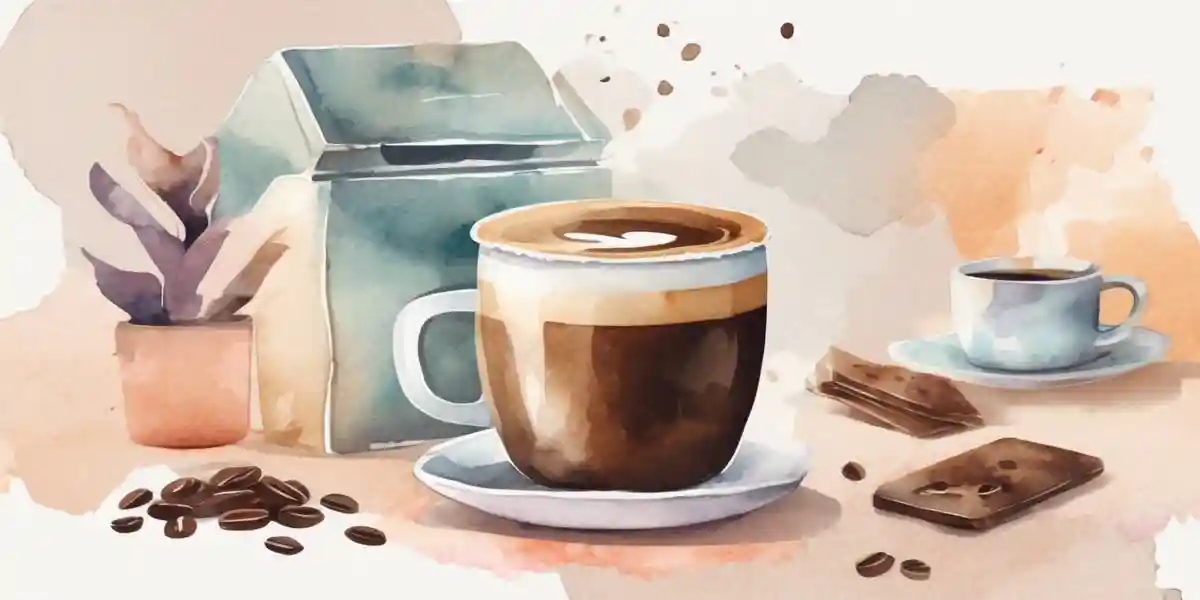
As the world of coffee continues to evolve, the fusion of traditional brewing with cutting-edge technology is reshaping our understanding of coffee culture. In this blog post titled "Brewing Innovation: Exploring Coffee Culture Trends Through Tokenization and Virtual Galleries," we delve into the exciting intersection of coffee, tokenization, and virtual art spaces. By examining the Coffee Art Marketplace—a concept that marries artisanal coffee with non-fungible tokens (NFTs) and virtual exhibitions—we explore how this innovative platform can enhance the coffee-drinking experience while promoting local artists and farmers.
This exploration is not only about coffee; it reflects broader trends in how we consume culture and engage with artistry in the digital age. From the evolution of coffee culture itself to the rise of tokenization as a new frontier, this post will analyze current trends shaping the coffee experience and how they create opportunities for deeper customer engagement. By harnessing technology such as augmented reality and blockchain, the Coffee Art Marketplace stands at the forefront of a cultural revolution, inviting coffee enthusiasts to experience their favorite brews through a lens of creativity and sustainability. Join us as we uncover the future of coffee culture and technology, and envision a world where every sip tells a story.
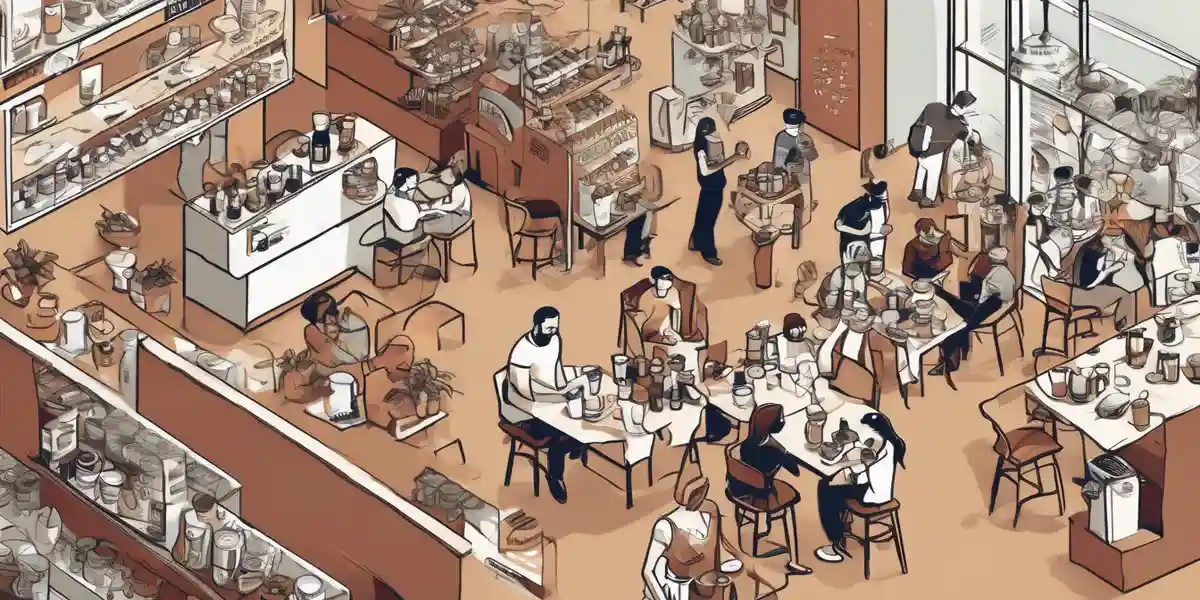
The evolution of coffee culture reflects broader societal changes, technological advancements, and shifting consumer preferences. From its humble origins as a simple beverage enjoyed in Middle Eastern coffeehouses to a global phenomenon that now embraces sustainability, artisanal craftsmanship, and digital innovation, coffee culture has undergone significant transformations. This section explores three key facets that characterize the evolution of coffee culture in contemporary society.
One of the most notable trends in coffee culture is the emergence of specialty coffee. This movement prioritizes quality over quantity, emphasizing the origin, farming practices, and brewing techniques that contribute to a superior cup of coffee. According to the Specialty Coffee Association, the specialty coffee market has grown by approximately 30% over the last decade, driven by consumers’ increasing demand for ethically sourced, high-quality beans. For example, companies like Blue Bottle Coffee have capitalized on this trend by offering meticulously sourced coffees and engaging customers with educational initiatives about brewing methods.
Another critical aspect of the evolving coffee culture is the emphasis on sustainability and ethical sourcing. Consumers are now more conscious of the environmental impact of their purchases and seek brands that prioritize eco-friendly practices. A case study on Starbucks illustrates this shift; the company has committed to sourcing 100% of its coffee ethically by partnering with organizations like Fair Trade and Rainforest Alliance. This approach not only enhances the brand’s reputation but also helps improve the livelihoods of coffee farmers, creating a more equitable supply chain.
Finally, technological advancements have played a pivotal role in reshaping coffee culture. The rise of mobile apps, online subscriptions, and digital marketplaces has made specialty coffee more accessible to consumers. For instance, platforms like Trade Coffee connect coffee lovers with roasters across the country, allowing users to discover unique blends tailored to their taste preferences. Furthermore, virtual galleries and tokenization are emerging as innovative tools for coffee brands to engage consumers, offering immersive experiences that deepen their connection to the product and its origins.
As we explore these facets of coffee culture further, it becomes evident that the industry is not merely about the beverage itself but encompasses a rich interplay of social, economic, and technological influences that shape consumer experiences and expectations.
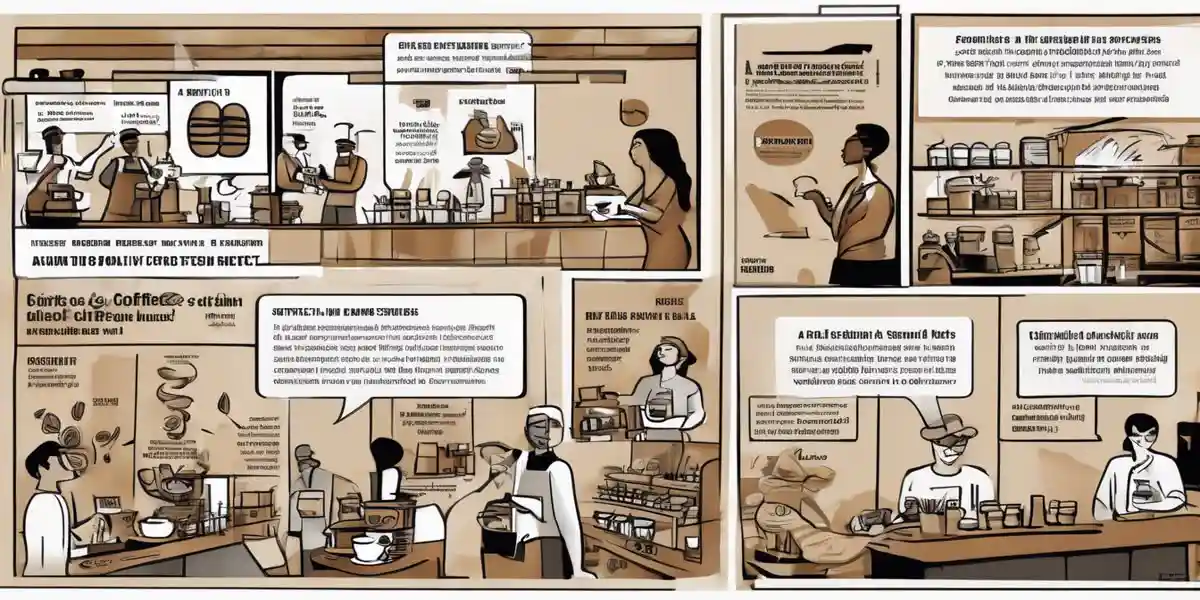
The coffee industry is witnessing a remarkable transformation, driven by evolving consumer preferences, technological advancements, and an increased emphasis on sustainability. This section explores three significant trends that are currently reshaping the coffee experience: the rise of specialty coffee, the integration of technology in the coffee supply chain, and the growing movement towards sustainable practices.
Specialty coffee has gained substantial traction over the past decade, characterized by a focus on quality, flavor, and unique sourcing practices. According to the Specialty Coffee Association, the specialty coffee market is projected to grow at a compound annual growth rate of 12% between 2020 and 2025. This trend is evident in the booming number of micro-roasters and artisanal coffee shops that emphasize direct trade relationships with farmers, ensuring fair compensation and better quality beans. A notable example is Blue Bottle Coffee, which has successfully cultivated a loyal customer base by prioritizing freshness and sourcing exceptional beans directly from growers.
As the global coffee market expands, technology is playing a pivotal role in enhancing transparency and efficiency within the supply chain. Blockchain technology, for instance, is being utilized to create immutable records of coffee's journey from farm to cup. This not only ensures quality but also builds trust among consumers who are increasingly interested in the provenance of their coffee. Companies like Farmer Connect are pioneering this approach, allowing consumers to trace their coffee back to its origin, fostering a deeper connection between coffee drinkers and producers.
With climate change posing significant threats to coffee production, there is a growing emphasis on sustainability within the coffee industry. Brands are adopting eco-friendly practices, such as using biodegradable packaging and participating in carbon offset programs. For instance, brands like Grounds for Change are committed to offering only certified organic and fair trade coffees, aligning their mission with the values of environmentally conscious consumers. This trend reflects a broader societal shift towards sustainable consumption, where customers prefer products that not only taste good but also contribute positively to the planet.
As these trends continue to evolve, they not only enhance the coffee experience but also reshape consumer expectations and industry standards, leading to a more innovative and responsible coffee culture.
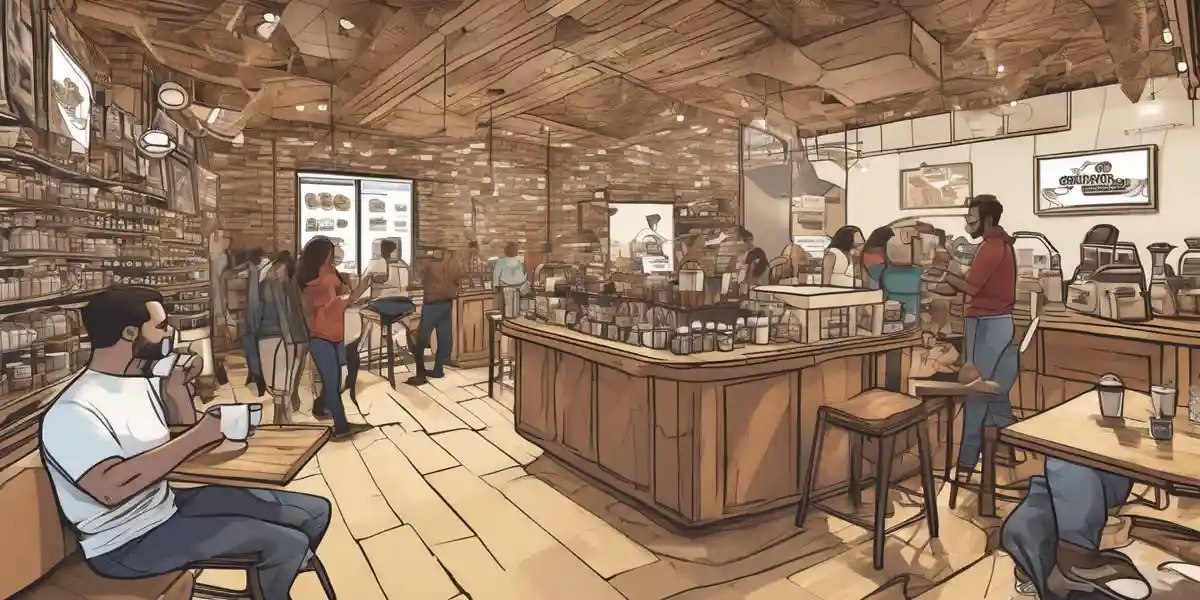
Tokenization and virtual galleries are reshaping the coffee culture landscape by enhancing consumer engagement and fostering community connections. This innovative approach merges traditional coffee experiences with cutting-edge technology, allowing coffee enthusiasts to interact with their favorite brews in novel ways.
Tokenization refers to the process of converting ownership rights into a digital token on a blockchain. In the context of coffee culture, this can manifest in the form of tokenized ownership of unique coffee beans or blends. For instance, a company like Mycoffeeco has pioneered tokenization by allowing customers to purchase tokens representing a share in specific coffee harvests. This model not only provides consumers with a sense of ownership but also directly connects them to the farmers who produce their coffee. Research indicates that consumers are increasingly seeking authenticity and transparency in their purchases, and tokenization satisfies this demand by creating a direct link between the consumer and the source of their coffee.
Virtual galleries serve as immersive platforms where coffee lovers can explore the artistry and culture behind their favorite brews. For example, the Coffee Art Project utilizes a virtual gallery to showcase artwork inspired by coffee, creating a unique space for artists and consumers to interact. Visitors can navigate through digital exhibits, learning about coffee's history and the artisans behind the craft. This engagement fosters a deeper appreciation for coffee culture while providing artists a platform to monetize their work through virtual sales. The integration of virtual galleries into coffee culture not only enhances consumer experience but also creates new revenue streams for artists and coffee producers alike.
The rise of tokenization and virtual galleries has also facilitated the development of online communities centered around coffee appreciation. Platforms such as Coffee Circle allow enthusiasts to connect, share brewing techniques, and discuss the nuances of different coffee varieties. By integrating tokenization, users can earn rewards for participation, such as exclusive access to virtual tastings or limited-edition blends. This community-building aspect is vital in an era where consumers crave social interactions, especially in a post-pandemic world. Furthermore, data from social media analytics indicate that coffee-related content generates high engagement rates, signifying a robust interest in collaborative experiences among coffee lovers.
Through the lens of tokenization and virtual galleries, the coffee culture landscape is evolving into a more inclusive, interactive, and engaging experience. As these trends continue to mature, they promise to redefine how consumers connect with their favorite beverages and the communities that surround them.
In this exploration of coffee culture trends through the lenses of tokenization and virtual galleries, we have delved into several pivotal themes. We began by examining how tokenization is revolutionizing the way coffee lovers engage with their favorite brews, enabling a new level of ownership and investment in coffee brands and experiences. This shift is not just about financial transactions; it represents a cultural evolution where consumers seek deeper connections to the products they cherish.
Next, we considered the role of virtual galleries in fostering community and creativity within the coffee space. By utilizing digital platforms, coffee enthusiasts and artists alike can showcase their work, share stories, and celebrate the rich tapestry of coffee culture. These galleries serve as a digital canvas where innovation meets tradition, allowing for an inclusive space that invites diverse voices to participate in the dialogue surrounding coffee.
Furthermore, we touched upon the broader implications of these trends for the coffee industry as a whole. The intersection of technology and coffee culture signifies a shift toward sustainability, traceability, and enhanced consumer experiences. As the market increasingly embraces these innovations, businesses that adapt and leverage these trends will likely thrive in a competitive landscape.
Ultimately, the integration of tokenization and virtual galleries represents more than just a trend; it signals a transformative moment in the coffee industry. As we move forward, coffee enthusiasts, brands, and investors alike should embrace these developments as opportunities to redefine their relationships with coffee. We encourage readers to engage with these innovations, whether by exploring local virtual galleries or investing in tokenized coffee experiences. The future of coffee culture is not just to be consumed; it is to be experienced, celebrated, and innovated upon. Let us brew the future together.
Get notified about new articles, coffee tips, and Web3 insights.
This site participates in affiliate programs and may earn a commission when a link is clicked and a purchase is made. The site is not responsible for any issues or troubles related to the products or services purchased through the use of this site.

DO&COFFEE loves coffee and technology, exploring the potential of NFTs and blockchain. Learn more →
DO&COFFEE loves coffee and technology, exploring the potential of NFTs and blockchain. Learn more →