crypto
2025/12/29

Have you ever wondered where your cup of coffee truly comes from? In a world where consumers demand not just great taste but also transparency and sustainability, coffee lovers are becoming more conscious of the story behind their daily brew. As we sip on our favorite blends, the journey from bean to cup often remains a mystery. But what if we told you that blockchain technology is reshaping this journey, bringing unparalleled transparency and innovation to the coffee industry?
In this post, we’ll explore how blockchain is revolutionizing coffee roasters and elevating your cup. We'll take a deep dive into the transformative role of blockchain in enhancing supply chain transparency and traceability, allowing consumers to connect with the origins of their coffee like never before. We’ll also discuss the innovative concept of token recipes, which are streamlining manufacturing processes for roasters and ensuring consistency in quality. Finally, we’ll paint a picture of how blockchain-driven traceability allows you to trace your coffee’s journey from Colombia to your cup, adding value and authenticity to every sip. Join us as we uncover how this powerful technology is brewing a new era for coffee enthusiasts worldwide!
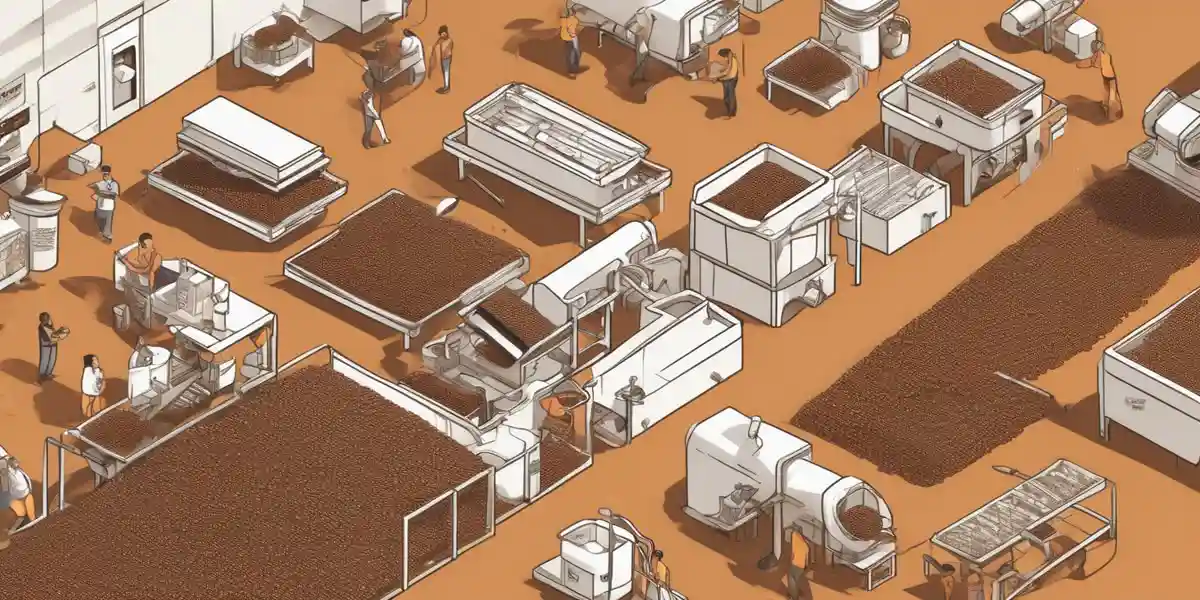
In today's world, consumers are increasingly interested in where their food comes from, and coffee is no exception. Many people want to know the story behind their cup of joe—how the beans were grown, harvested, and processed. Unfortunately, traditional coffee supply chains often lack the transparency needed to satisfy these consumer demands. This is where blockchain technology comes in, providing a solution that enhances traceability and transparency throughout the coffee supply chain.
Blockchain is a digital ledger system that securely stores data across a network of computers. Each transaction or piece of information added to blockchain is recorded as a "block" and linked to previous entries, creating a permanent and unchangeable chain of all activities associated with a product—in this case, coffee. By utilizing blockchain, coffee roasters can track every step of the coffee journey, from the farm to the consumer’s cup. This technology collects and verifies data about coffee beans, such as their origin, growth conditions, and processing methods, ensuring that each detail is transparent and accessible.
One innovative approach to integrating blockchain into the coffee supply chain is through mobile applications. According to the study 'Optimizing Coffee Supply Chain Transparency and Traceability through Mobile Application,' such applications incorporate not only blockchain but also technologies like RFID (Radio Frequency Identification) and barcodes. This combination enhances operational efficiency and enables better traceability from farm inspections to exportation. Imagine a consumer scanning a code on a coffee package and instantly receiving details about the farm where the beans were grown or how they were processed. This capability fosters a deeper connection between consumers and their coffee, as people can choose products that align with their values regarding sustainability and ethical sourcing.
For many coffee drinkers, the authenticity of what they consume hinges on trust. The research presented in 'Blockchain-based Supply Chain Traceability: Token Recipes model Manufacturing Processes' highlights the growing concern over centralized systems that can lead to data manipulation or disputes between parties involved in the supply chain. By leveraging decentralized blockchain technology, coffee producers enhance trust among stakeholders by enabling all parties—from farmers to consumers—to access the same verified information in real time. This transparency not only increases consumer confidence but also encourages coffee roasters to adhere to higher quality and sustainability standards.
The integration of blockchain into coffee supply chains serves more than just transparency; it also supports sustainability initiatives. As outlined in the study 'Towards a Sustainable Digital Manufacturing: A State of Art,' a mobile application designed for the coffee supply chain utilizes blockchain technology to foster more sustainable practices within food production. By tracking the journey of coffee beans, the application helps to identify areas where waste can be reduced and efficiencies can be introduced. Consequently, this not only supports ethical sourcing but also contributes to the preservation of the environment.
Overall, the role of blockchain in revolutionizing coffee supply chains is transformative. By improving transparency and traceability, this technology empowers coffee roasters, enhances consumer trust, and fosters sustainable practices, ultimately elevating the quality of the coffee we enjoy in our daily lives.
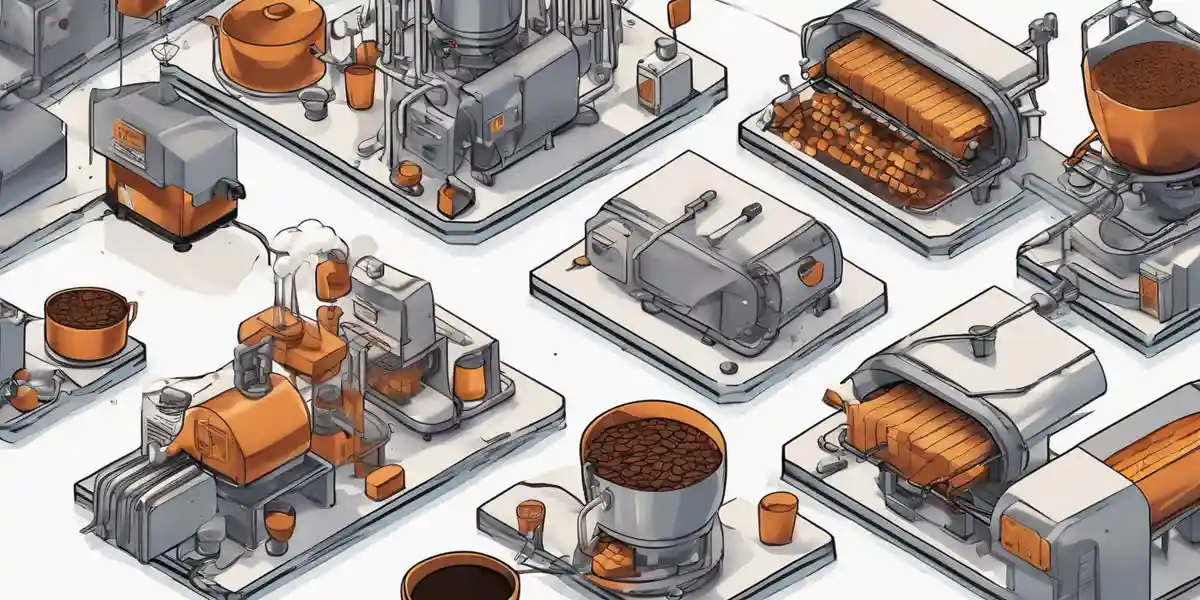
In the world of coffee roasting, a fundamental challenge lies in maintaining consistent quality and efficiency throughout the manufacturing process. Here, blockchain technology emerges as a game-changer through a concept known as "token recipes." This innovative approach leverages blockchain—a digital ledger system that records transactions across many computers— to create a more transparent and verifiable method of managing recipes and processes in coffee production.
One significant advantage of utilizing blockchain in coffee roasting is the ability to enhance traceability and operational efficiency. According to the research paper "Blockchain-based Supply Chain Traceability: Token Recipes model Manufacturing Processes," the authors highlight how decentralized systems using blockchain can significantly improve supply chain traceability. By storing data on a blockchain, each step of the coffee production process—from farm inspections to roasting—can be accurately tracked and documented, ensuring that all stakeholders have access to reliable information. This transparency is invaluable for roasters who need to assure consumers of the quality and sustainability of their coffee.
For instance, by employing a mobile application designed for the coffee supply chain, as presented in the study "Optimizing Coffee Supply Chain Transparency and Traceability through Mobile Application," roasters can easily monitor various production aspects. This app integrates technologies such as RFID (Radio-Frequency Identification) and barcodes alongside blockchain, allowing for real-time tracking and updates. This means if a batch of coffee raises concerns during production, producers can quickly identify which farms or operations were involved. Such agility can lead to quicker resolution of issues and improved product quality.
Token recipes also enable coffee roasters to implement standardized quality control measures. With tokenization, each batch of coffee can be assigned a unique digital token containing detailed information about its composition, origin, and processing methods. This information is immutable—built into the very fabric of the blockchain—thereby allowing roasters to maintain superior quality standards.
Consider a scenario where a coffee roaster wants to scale production while maintaining the artisanal quality of their brews. By using token recipes, they can replicate successful outcomes from previous batches precisely. Data related to the roasting temperature, duration, and bean variety can be documented and tokenized, serving as a reference for future production. This approach not only fosters consistency but also empowers roasters to experiment and innovate with confidence, backed by data from past successes.
There are already examples of coffee roasters successfully implementing these blockchain solutions. Some organizations are employing blockchain-enabled systems to trace direct relationships with farmers, thereby ensuring ethical sourcing. This traceability reassures consumers that their coffee is not only of premium quality but also sourced responsibly—effectively aligning with growing consumer expectations around sustainability.
Additionally, the insights gained from blockchain data can assist roasters in making more informed purchasing decisions. By understanding the nuances of how different farms or processing methods impact flavor profiles, roasters can tailor their offerings to meet specific consumer preferences, further elevated by the data-driven strategies that blockchain provides.
In summary, through the use of token recipes and the transparency afforded by blockchain technology, coffee roasters can vastly improve their manufacturing processes. Not only does this lead to enhanced operational efficiency and higher quality products, but it also strengthens the connection between roasters and consumers, fundamentally revolutionizing how coffee is crafted and appreciated.
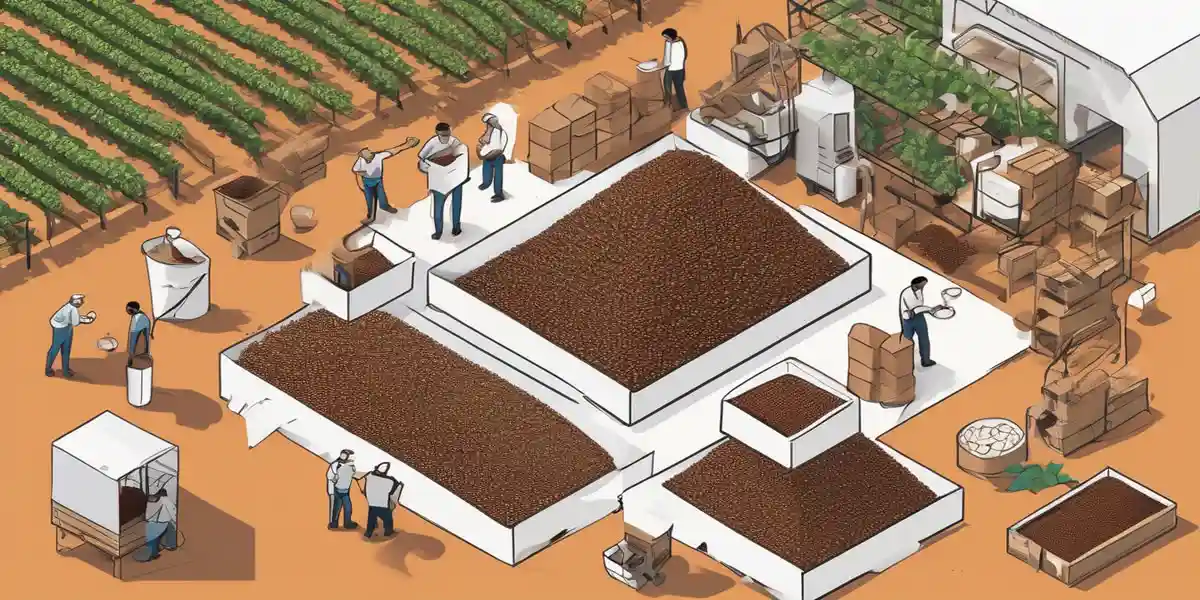
Imagine sipping a warm cup of Colombian coffee, knowing exactly where those beans originated and how they were cultivated. Blockchain technology is making this possible by providing a digital ledger that tracks the journey of coffee beans from farm to cup. This innovation enhances transparency in the coffee supply chain, allowing consumers to understand not just the quality of their coffee but also the ethical practices involved in its production.
Blockchain operates like a secure, digital record book where each transaction is logged and verified by multiple parties. This means that every step of the coffee's journey—from the moment the beans are harvested in Colombia, to the processing facilities, and finally to the coffee roaster—is recorded in an immutable form. This creates a reliable source of information that consumers can trust.
Studies have shown that integrating blockchain into the coffee supply chain can significantly enhance transparency. For instance, a mobile application developed to improve traceability shows how combining blockchain with technologies like RFID (Radio Frequency Identification) and barcodes can streamline the flow of information. This allows different parties in the supply chain—from farmers to exporters—to efficiently share data, ensuring that each coffee bean is fully documented in its journey from the Colombian farms to coffee shops worldwide.
One major benefit of blockchain-driven traceability is the ability it provides to ensure quality control. By tracking the origin of each coffee batch, roasters can verify the quality and sustainability of their suppliers, leading to better product offerings. The research highlights that these capabilities not only meet rising consumer demands for transparency and ethically sourced products but also help maintain high standards across the industry. As consumers become more aware of where their food comes from, the desire for traceable coffee that supports fair trade practices continues to grow.
Consider a Colombian coffee co-op that utilizes a blockchain platform to connect with roasters in Europe. Each member of the co-op registers their coffee on the blockchain, providing details such as the specific farm, processing methods, and even the labor practices employed. When roasters in Europe access this information, they can make informed decisions about their purchases, assuring their customers of the coffee's quality and ethical sourcing. Ultimately, this fosters a deeper connection between the consumer and the product, transforming each cup into a story of people and places.
Another example is the integration of a mobile app designed for the coffee supply chain that significantly enhances operational efficiency by ensuring that each step—from farm inspection to export—is recorded in real-time. This level of detailed traceability not only supports sustainability initiatives but also allows businesses to respond quickly to any issues that could affect product quality.
In summary, blockchain technology is not only reshaping the way coffee roasters operate but is also elevating the consumer experience by making the origins of their coffee accessible and trustworthy. From the vibrant jungles of Colombia to your morning cup, the journey of coffee is becoming clearer and more impactful with each transaction recorded on the blockchain.
As we’ve explored throughout this blog post, blockchain technology is not just a buzzword; it’s a transformative force in the coffee industry. By revolutionizing supply chains with enhanced transparency and traceability, coffee roasters can guarantee the quality and origin of their beans, ultimately elevating the experience for consumers. The integration of blockchain into manufacturing processes also ensures efficiency and consistency, with innovations like tokenized recipes helping roasters optimize their production and reduce waste. Finally, blockchain-driven initiatives make it possible for each cup of coffee we enjoy to tell a rich story—from the farms in Colombia to our local cafés.
Key takeaways include the significant improvements in traceability that blockchain offers, allowing consumers to connect with the journey of their coffee, and the optimization of roaster operations that leads to better quality and reduced environmental impact.
As you sip your next cup, consider how blockchain is quietly working behind the scenes, enhancing the very quality and integrity of the coffee you love. Stay informed, engage with your favorite coffee brands, and advocate for transparency in the coffee supply chain. Together, let’s embrace these innovations in brewing that are revolutionizing coffee roasters and elevating our cups, one sip at a time.
Get notified about new articles, coffee tips, and Web3 insights.
This site participates in affiliate programs and may earn a commission when a link is clicked and a purchase is made. The site is not responsible for any issues or troubles related to the products or services purchased through the use of this site.
DO&COFFEE loves coffee and technology, exploring the potential of NFTs and blockchain. Learn more →
DO&COFFEE loves coffee and technology, exploring the potential of NFTs and blockchain. Learn more →