coffee
2025/10/25

Have you ever pondered the journey of your morning espresso? From the sun-drenched farms where coffee beans are grown to your local café's inviting atmosphere, the path to that perfect cup is often filled with unseen complexities. But what if technology could enhance this journey, ensuring the quality and ethical sourcing of your specialty coffee? As the digital world evolves, blending innovation with tradition, we see the rise of smart contracts and blockchain technology. This new frontier is reshaping not just how we trade commodities but also how we appreciate the intricate craft behind specialty espresso.
In this blog post, we'll explore the exciting intersection of specialty espresso and decentralized finance (DeFi) through innovative solutions like smart contracts. You'll discover how these digital agreements enhance transparency and traceability in the coffee supply chain, creating a more trustworthy experience from bean to brew. We'll delve into the pivotal role of blockchain in supporting the production of specialty coffees, and how it bridges the gap between farmers and consumers, ultimately crafting a more sustainable and equitable coffee market. Join us as we journey through this brewing revolution, where technology meets tradition to deliver a richer coffee culture.

Smart contracts are self-executing contracts with the terms of the agreement directly written into lines of code. These contracts automate the process of executing transactions and agreements on a blockchain—a digital ledger system that records all transactions in a secure and transparent manner. In the coffee supply chain, smart contracts can play a crucial role by ensuring that each step—from the harvesting of coffee beans to their final sale—remains transparent and verifiable.
A significant challenge in the global coffee industry is the lack of transparency in the supply chain. Traditionally, farmers, traders, and consumers often operate in silos, making it difficult to trace the origin of coffee beans and ensuring that producers receive fair compensation. By integrating smart contracts within the supply chain, stakeholders can monitor and verify every stage of coffee production. This includes tracking the journey of coffee beans from the farm to the consumer’s cup, ensuring that all parties involved adhere to agreed standards and practices.
According to the research paper 'Empowering Global Supply Chains Through Blockchain-Based Platforms: New Evidence from the Coffee Industry,' a blockchain-based platform specifically designed for the coffee sector addresses these inefficiencies by providing visibility and transparency. With blockchain technology, everyone from farmers to consumers can access information about the coffee’s origin, processing methods, and pricing, thus building trust within the industry.
Traceability is vital not only for quality assurance but also for meeting consumer demands for ethically sourced products. By using smart contracts, coffee brands can ensure that every batch of coffee meets the specified standards and is sourced from designated farms. This not only facilitates higher quality control but also enables consumers to make informed choices about the products they purchase.
The integration of Self-Sovereign Identity (SSI) and Verifiable Credentials (VCs) into smart contracts derived from the aforementioned study enhances traceability. With SSI, each participant in the supply chain can manage their own identities and verify relevant information without relying on third-party intermediaries. This shift empowers farmers to represent their products accurately and gain recognition for their quality and ethical practices. It also allows consumers to verify claims about the coffee they buy, further enhancing trust. By establishing a reliable chain of information, the industry can better address issues related to fraud, misrepresentation, and unethical practices.
One real-world example of this technology in action is the use of blockchain platforms by specialty coffee companies that source beans directly from growers. For instance, brands utilizing smart contracts can automate payment to farmers once coffee beans are delivered and verified according to pre-set standards. This ensures that farmers are paid fairly and promptly, fostering a more equitable trading environment.
Another case is the implementation of traceability systems that allow consumers to scan QR codes on coffee packages. By doing so, they can access detailed information about the coffee’s journey, including the farm it came from, its processing methods, and the people involved in its production. This level of transparency not only boosts consumer confidence but also helps drive sales for brands committed to sustainable and fair practices.
In essence, smart contracts in the coffee supply chain bring about a revolutionary shift towards enhanced transparency and traceability, paving the way for a more ethical and efficient industry. These innovations align closely with the principles of decentralized finance (DeFi), where openness, trust, and direct exchanges take precedence, fostering a more interconnected ecosystem among coffee producers, buyers, and consumers.
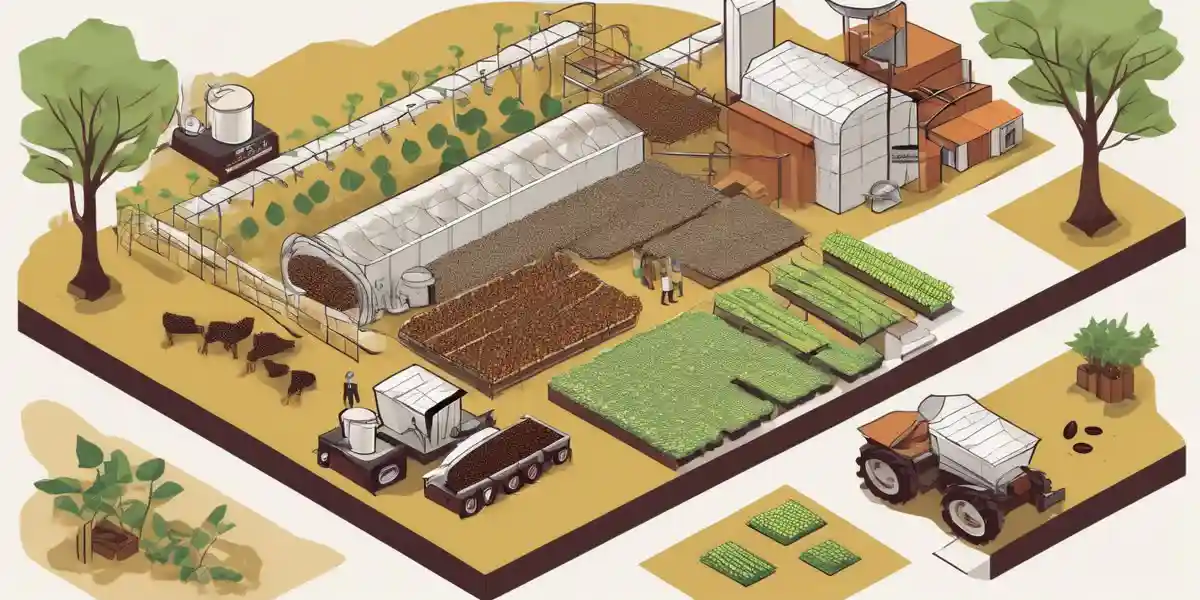
The journey of coffee from bean to brew is complex and often opaque, with numerous stakeholders involved in each step, from farmers to roasters. Blockchain technology has emerged as a powerful tool to bring transparency to this process. By acting as a digital ledger, blockchain enables each participant to have access to accurate, real-time data about the coffee's origins, processing methods, and even certifications. For instance, a blockchain-based platform can track a coffee bean's journey from a specific farm in Colombia to a local café in New York. Such transparency helps consumers make informed choices, ensuring they are purchasing high-quality specialty espresso while also supporting ethical farming practices.
Blockchain not only supports transparency but also empowers coffee farmers by enhancing trust between them and other stakeholders. According to the research paper 'Empowering Global Supply Chains Through Blockchain-Based Platforms: New Evidence from the Coffee Industry', the implementation of Self-Sovereign Identity (SSI) and Verifiable Credentials (VCs) allows farmers to showcase their unique production methods and certifications directly to consumers and buyers. With blockchain, every transaction can be verified without the need for intermediaries, ensuring farmers receive fair compensation for their quality products. This is especially significant for specialty coffee, where the value is often tied to specific qualities and unique growing conditions.
Another crucial aspect of blockchain in specialty espresso production is its potential to enhance sustainability. The research paper titled 'Blockchain is not a silver bullet for agro-food supply chain sustainability: Insights from a coffee case study' discusses how incorporating blockchain can improve traceability within the supply chain. By providing data on the methods used in coffee cultivation and processing, stakeholders can make more informed decisions about sourcing sustainably produced coffee. This increased traceability encourages best practices and helps reduce waste, ultimately contributing to a more sustainable coffee industry.
For specialty espresso, quality assurance is paramount. Consumers are willing to pay a premium for beans that are not only ethically sourced but also consistently high in flavor and quality. Blockchain technology allows for detailed tracking of each batch of coffee, including its processing conditions and handling. As a result, roasters can verify the integrity of the beans they purchase, ensuring that their espresso meets the expected standards. This level of detail supports an entire ecosystem where quality is not just a promise but an assured reality, enhancing the overall experience for consumers who demand authenticity.
In conclusion, the use of blockchain technology in supporting specialty espresso production plays a significant role in addressing the challenges of transparency, trust, sustainability, and quality assurance. As the coffee industry continues to evolve, these advancements not only benefit producers and consumers but also align closely with the innovative principles of decentralized finance (DeFi), paving the way for a revolution in how specialty brews are produced and enjoyed.
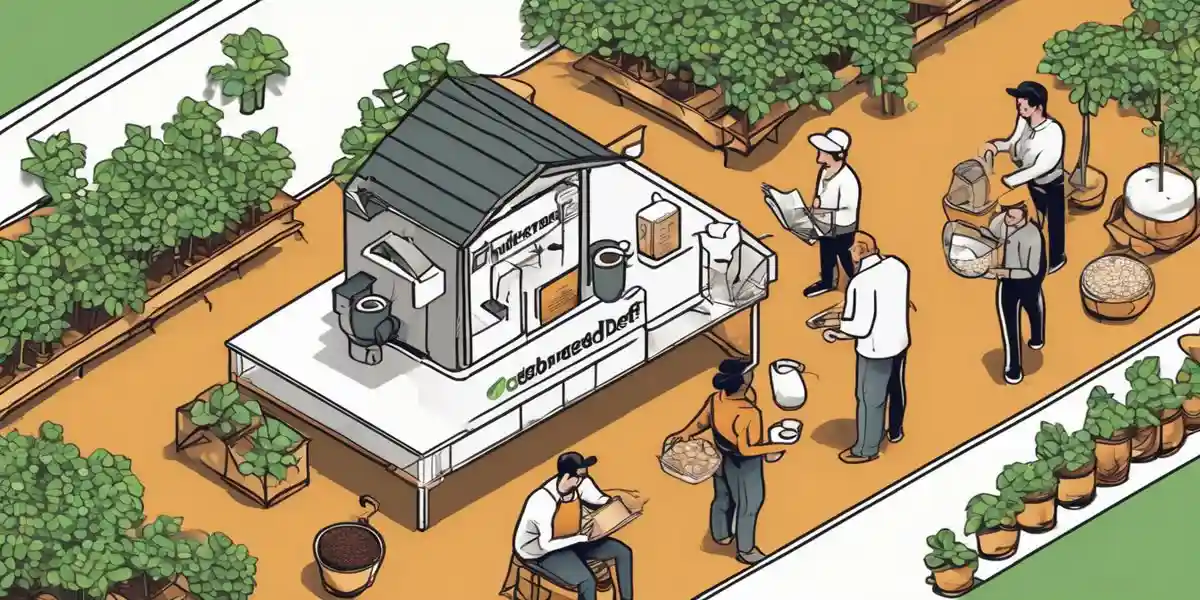
Decentralized Finance (DeFi) is revolutionizing many industries, and the coffee sector is no exception. By leveraging blockchain technology—a digital ledger system that ensures transparency and security—DeFi creates opportunities for direct transactions between coffee farmers and consumers. This approach allows small-scale farmers to receive fair compensation for their high-quality specialty brews, bypassing traditional supply chain intermediaries. With farmers gaining access to more significant profits and consumers benefitting from fresher and more transparently sourced coffee, a new economic model is emerging.
The paper titled 'Empowering Global Supply Chains Through Blockchain-Based Platforms: New Evidence from the Coffee Industry' highlights how blockchain can enhance trust and transparency within the coffee supply chain. For instance, through the use of Self-Sovereign Identity (SSI) and Verifiable Credentials (VCs), this technology allows farmers to showcase their production methods and the quality of their beans. Consumers can verify this information directly, fostering a direct connection between the producer and the consumer. This transparency not only builds trust but also encourages responsible purchasing decisions.
One practical application of DeFi in the coffee industry is the creation of blockchain-based platforms that facilitate peer-to-peer transactions. For example, a community-oriented platform might enable consumers to buy beans directly from farmers, eliminating the middlemen. This not only ensures that more money goes toward the farmers but also allows consumers to understand the journey of their coffee from farm to cup. Additionally, these platforms can integrate smart contracts—automated agreements that execute when terms are met—ensuring farmers are paid promptly when they deliver quality products.
Furthermore, a research paper titled 'Blockchain is not a silver bullet for agro-food supply chain sustainability: Insights from a coffee case study' emphasizes that while blockchain can significantly improve traceability, it is essential to approach it as one tool among many in creating sustainable supply chains. It sheds light on the advantages of integrating these technologies with sustainable practices to drive a positive impact across the industry.
In our exploration of how specialty espresso intersects with the transformative potential of smart contracts in the DeFi revolution, we've uncovered a pathway that emphasizes transparency, ethics, and accessibility in the coffee industry. From enhancing traceability in the coffee supply chain to empowering small farmers through decentralized finance, each insight underscores the important role that innovative technologies are playing in reshaping the coffee landscape. Smart contracts are not just theoretical tools; they are practical solutions that can streamline processes, reduce inefficiencies, and create fairer market conditions for producers and consumers alike.
Key takeaways from our discussion include the ability of smart contracts to ensure accountability at every stage of production, the significant role of blockchain in adding value to specialty espresso by securing the authenticity of farmers' claims, and how DeFi initiatives can facilitate direct connections between coffee growers and consumers, ultimately benefiting all participants involved. These elements highlight an exciting synergy at the heart of the DeFi movement—one that can redefine our appreciation for the coffee we enjoy.
As you reflect on the innovations brewing between specialty espresso and smart contracts, consider how you can support this revolution. Whether it's sourcing your coffee from brands that prioritize transparency or advocating for technologies that empower farmers, every action counts. Let’s embrace this change together, fostering a future where our morning cup of coffee tells a story of equity, sustainability, and innovation. Join the DeFi revolution and help brew a better tomorrow!

Get notified about new articles, coffee tips, and Web3 insights.
This site participates in affiliate programs and may earn a commission when a link is clicked and a purchase is made. The site is not responsible for any issues or troubles related to the products or services purchased through the use of this site.
DO&COFFEE loves coffee and technology, exploring the potential of NFTs and blockchain. Learn more →
DO&COFFEE loves coffee and technology, exploring the potential of NFTs and blockchain. Learn more →