coffee
2024/09/16
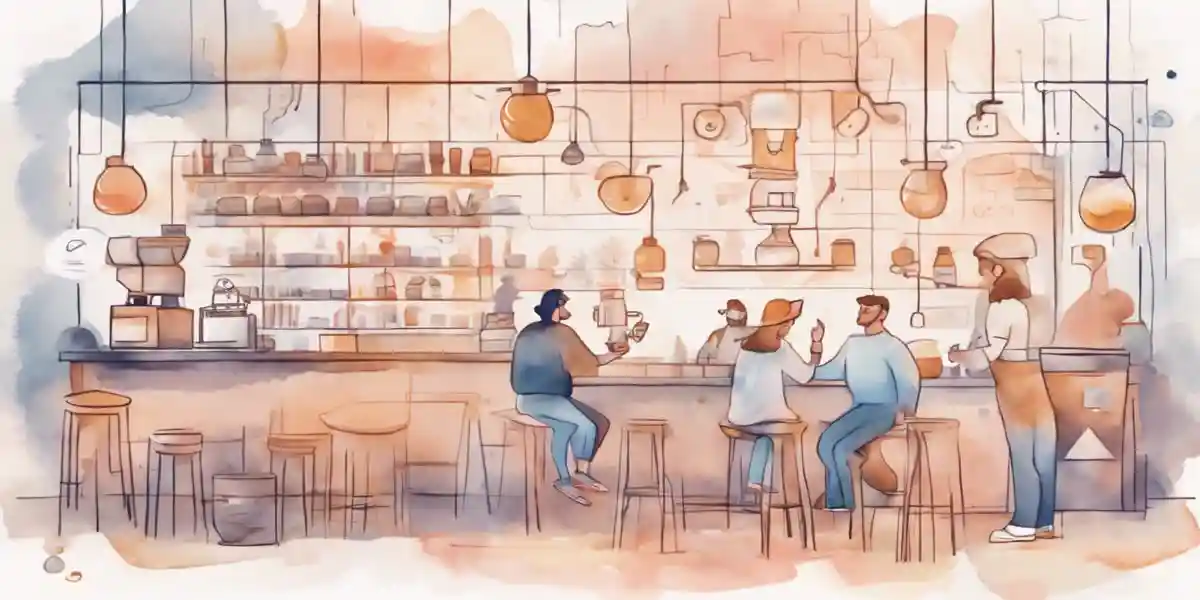
Imagine walking into your favorite third-wave coffee shop, where the rich aroma of freshly brewed coffee mingles with the hum of technology. This isn't just any ordinary café; it's a pioneering hub where the artistry of coffee-making intersects with cutting-edge innovations like smart contracts and augmented reality (AR). In this blog post, we’ll explore how these elements not only redefine the coffee experience but also empower consumers by fostering deeper connections with the products they enjoy.
At the center of this transformation is a mobile app that invites customers to engage with their coffee shop in a uniquely immersive way. As you sip your artisanal brew, you can point your smartphone at your coffee cup to unveil an AR interface revealing the origins of the coffee beans, the farmers who cultivated them, and the sustainable practices employed. This transparency enhances your appreciation of the beverage while nurturing a connection to its source.
Moreover, integrating smart contracts into the coffee industry streamlines transactions and rewards loyalty, ensuring a secure and efficient purchasing experience. Picture earning tokens with every coffee purchase, redeemable for exclusive offers or even equity in the shop itself. This innovative approach allows customers to feel like stakeholders in their favorite coffee culture, fostering loyalty and community ties.
Join us as we delve deeper into the essence of third-wave coffee culture, the integration of smart contracts, and the exciting role of augmented reality. Together, these concepts not only enhance customer satisfaction but also build a more sustainable, community-focused approach to coffee consumption. Welcome to a new era of engagement where sipping coffee becomes an interactive journey of discovery.
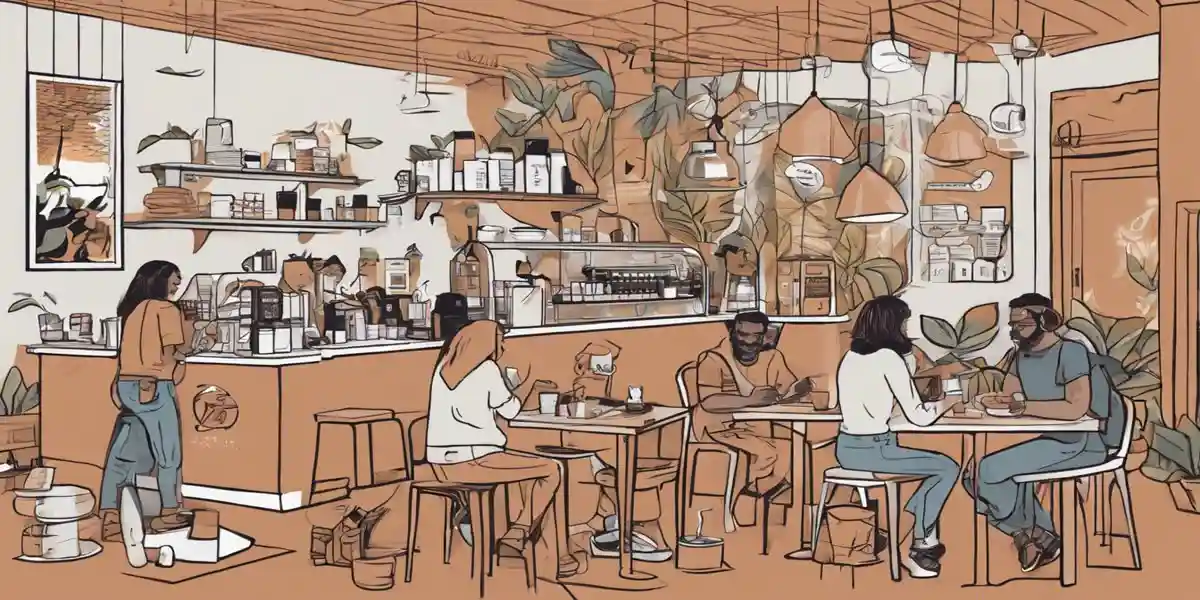
Third Wave Coffee is more than just a trend; it represents a cultural shift in how we perceive and consume coffee. This movement emerged in the early 2000s, evolving from the earlier waves that prioritized mass production and convenience. The first wave made coffee readily available and affordable, while the second wave introduced specialty coffee shops that focused on the quality of the brew and the café experience. Third Wave Coffee takes this a step further, emphasizing sustainability, transparency, and the artisanal craft of coffee making. It’s about appreciating coffee as an intricate beverage with origins, stories, and a meticulous brewing process.
Imagine walking into your favorite third-wave coffee shop, where the aroma of freshly brewed coffee mingles with the hum of technology. This isn’t just any coffee shop; it’s a pioneering space where coffee culture, smart contracts, and augmented reality (AR) converge to create a unique customer experience. At the heart of this concept is a mobile app that allows customers to engage with the coffee shop in a new, immersive way.
As you sip your artisanal brew, you can point your smartphone at the coffee cup, activating an AR interface. This interface reveals the origins of the coffee beans, the farmers who cultivated them, and the sustainable practices employed. This transparency not only enhances your appreciation for the beverage but also fosters a connection between you and the source of your drink. Research highlights that AR can create both utilitarian and hedonic value, enhancing decision-making and personalization for consumers, thus making the coffee-drinking experience more enriching.
But it doesn’t stop there. The app could also integrate smart contracts, allowing for seamless transactions and loyalty rewards. When you purchase a coffee, the transaction is recorded on the blockchain, ensuring security and efficiency. This technological layer transforms the customer experience, as it guarantees that every transaction is transparent and tamper-proof. Moreover, you could earn tokens for every purchase, which can be redeemed for exclusive offers or even equity in the coffee shop itself. This innovative approach empowers customers to feel like stakeholders in their favorite coffee culture, fostering loyalty and community.
In essence, "Sip, Sign, and See" is more than just enjoying a cup of coffee; it’s about creating an engaging, interactive experience that merges taste with technology. This new era of engagement not only enhances customer satisfaction but also drives a more sustainable, community-oriented approach to coffee consumption. As AR technology continues to evolve, its implementation in third-wave coffee shops could lead to a renaissance in how consumers interact with brands, fostering deeper connections and loyalty.
Third Wave Coffee is not just a movement; it's a philosophy that emphasizes the appreciation of coffee as an artisanal product, akin to wine or craft beer. This section delves into the core characteristics that define Third Wave Coffee, highlighting its commitment to quality, transparency, and sustainability.
At the heart of Third Wave Coffee lies an unwavering commitment to quality. This movement champions the use of high-grade, specialty coffee beans, often sourced from specific regions known for their unique flavor profiles. For instance, a Third Wave Coffee shop might serve a single-origin Ethiopian Yirgacheffe, celebrated for its bright acidity and floral notes, as opposed to a generic blend.
Brewers in this space often employ meticulous brewing techniques, such as pour-over or siphon brewing, which can significantly enhance the tasting experience. These methods allow baristas to control various brewing parameters, ensuring that each cup is crafted to perfection. This attention to detail not only showcases the skill of the barista but also elevates the coffee-drinking experience, inviting customers to savor each sip.
In a world where consumers are increasingly concerned about the origins of their food and drink, Third Wave Coffee shops prioritize transparency. Customers are encouraged to engage with the story behind their coffee — from bean to cup. This can be facilitated through technology, such as augmented reality, which can provide instant access to information about the coffee's origin, the farmers who grew it, and the sustainable practices used in its production.
For example, imagine scanning a QR code on your coffee cup with your smartphone, triggering an AR interface that displays a map of the coffee's journey from a small farm in Colombia to your local café. This level of transparency fosters a deeper connection between consumers and producers, enhancing the overall appreciation for the beverage.
Third Wave Coffee is also characterized by a strong commitment to sustainability and ethical sourcing practices. Many shops source their beans from direct trade relationships with farmers, ensuring that the growers receive fair compensation for their hard work. This ethical approach not only supports local communities but also promotes environmentally friendly farming practices.
For instance, a Third Wave Coffee shop might partner with a cooperative of farmers who employ organic farming methods and engage in reforestation efforts. By highlighting these partnerships, coffee shops can strengthen their brand identity while contributing positively to the environment and the lives of farmers.
The integration of technology is a hallmark of Third Wave Coffee culture. Coffee shops are increasingly adopting smart technologies to enhance the customer experience. Imagine a café where you can use a mobile app not just for ordering but also for learning about various brewing methods or even participating in interactive coffee tastings.
Moreover, as discussed in recent research, augmented reality (AR) can transform the way consumers engage with products. By superimposing information about coffee origins, flavor profiles, and brewing techniques onto the real world, AR can enhance both the utilitarian and hedonic value of the coffee experience. This technology not only captivates customers but also serves as a powerful marketing tool, creating memorable brand interactions.
Finally, Third Wave Coffee fosters a sense of community and collaboration among coffee enthusiasts. Many shops host events like cupping sessions, workshops, or barista competitions, encouraging customers to immerse themselves in the world of coffee. These events not only build loyalty but also create a vibrant community of coffee lovers who share a passion for quality and craftsmanship.
As technology continues to evolve, the potential for community engagement through digital platforms also expands. Imagine a loyalty program integrated with blockchain technology, where customers can earn tokens for their purchases, redeemable for exclusive experiences or products. This not only incentivizes repeat business but also makes customers feel like integral parts of the coffee shop's narrative.
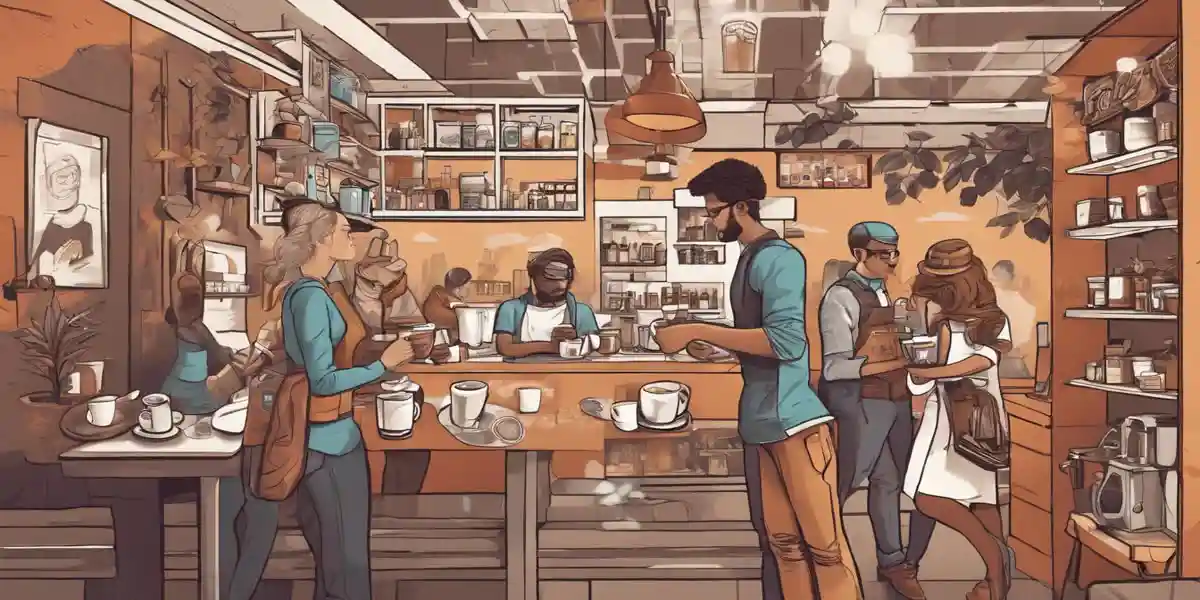
Imagine stepping into your favorite third-wave coffee shop and not just enjoying your drink, but also diving deep into its story through augmented reality (AR). This section explores how AR can transform the coffee experience, providing customers with a richer understanding of their beverage and fostering a closer connection to the coffee culture.
Augmented reality technology offers an immersive experience that can redefine customer interactions in coffee shops. When you point your smartphone at your coffee cup, an AR interface could spring to life, illustrating the journey of your beans—from the lush hills of Colombia to the careful hands of farmers, all the way to the barista crafting your drink. This transparency not only enhances appreciation but also creates an emotional bond between the consumer and the product.
According to recent research, AR can create both utilitarian and hedonic value for consumers. This means that not only can it assist customers in making better purchasing decisions (utilitarian), but it can also enhance enjoyment and pleasure (hedonic) during the coffee-drinking experience. The potential for AR to deliver such value is particularly significant in retail environments, where engaging storytelling can lead to increased customer satisfaction and loyalty.
Several forward-thinking coffee shops are already experimenting with AR. For example, a café in San Francisco has integrated AR into its menu. Customers can scan their drinks with a mobile app, revealing detailed information about the origins of the coffee beans, the brewing process, and even pairing suggestions with food. This not only captivates customers but also encourages them to explore new flavors and learn more about their favorite beverages.
But the innovation doesn't stop at AR; integrating smart contracts into this experience can revolutionize how transactions are conducted in coffee shops. Smart contracts, powered by blockchain technology, allow for secure and efficient transactions. When you purchase a coffee, the transaction is automatically recorded on the blockchain, ensuring that your data is secure and that the process is transparent.
Furthermore, customers could earn tokens for every purchase, which can be redeemed for rewards or even equity in the coffee shop. This feature not only incentivizes repeat business but also creates a sense of ownership among customers, turning them into stakeholders in the coffee culture they cherish. This idea resonates with findings from recent literature, which highlight the importance of consumer engagement in enhancing brand loyalty.
As you sip your coffee, you might find yourself in a community of like-minded individuals, all engaging with the same technology. The mobile app could feature a social platform where customers share their AR experiences, post reviews, and connect with local farmers or other coffee enthusiasts. This emerging area of social augmented reality is crucial, as it fosters a sense of belonging and community among patrons, reinforcing their loyalty to the brand.
Moreover, as coffee shops continue to explore AR and smart contracts, they will need to keep in mind the findings from various studies that underline the importance of user experience. Implementing AR effectively requires understanding consumer behaviors and preferences, ensuring that the technology enhances—not detracts from—the coffee experience.
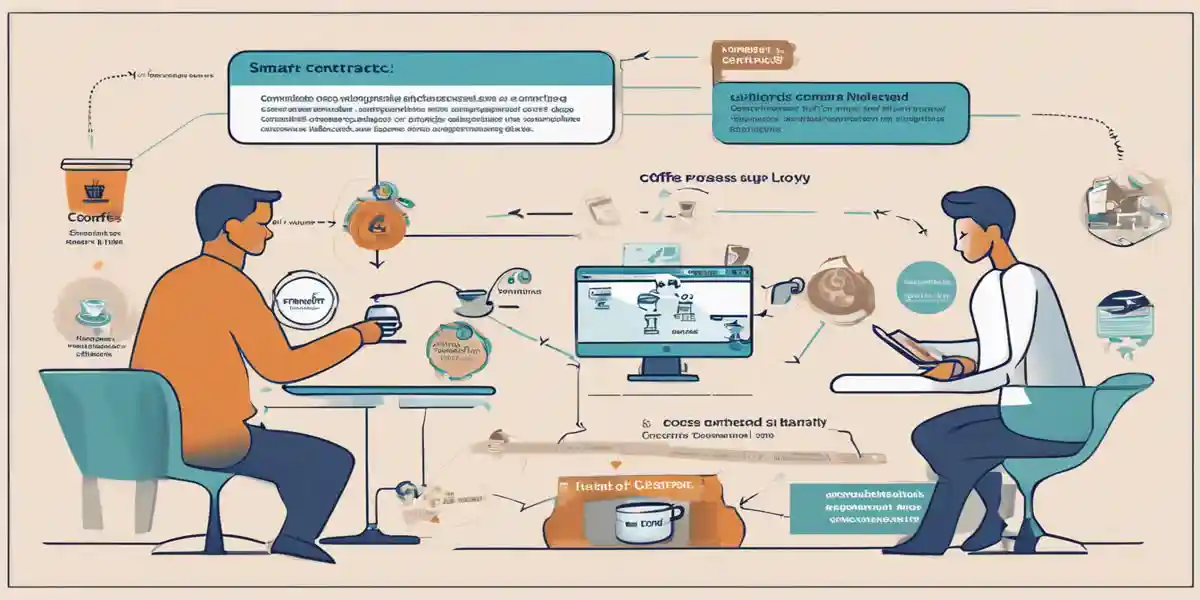
Smart contracts represent a transformative technology that can redefine the operational landscape of the coffee industry. But what exactly are smart contracts?
At their core, smart contracts are self-executing contracts with the terms of the agreement directly written into lines of code. These digital contracts live on a blockchain, which is a distributed ledger technology that ensures transparency, security, and immutability. Unlike traditional contracts that require intermediaries (like lawyers or notaries) to enforce and validate agreements, smart contracts automate the entire process, significantly reducing the time and cost involved.
In practical terms, when certain pre-defined conditions are met, a smart contract can automatically execute transactions or enforce agreements. For instance, if a customer orders a coffee through a mobile app, the smart contract could facilitate the payment process, instantly transferring the agreed amount to the coffee shop's digital wallet upon delivery of the product.
Smart contracts are written in programming languages specific to blockchain platforms, such as Solidity for Ethereum or Vyper for Hyperledger. These contracts can include various parameters and conditions, allowing for complex agreements to be created. For example, a smart contract in the coffee industry could stipulate that a certain percentage of sales be allocated to sustainability initiatives once a specific revenue threshold is reached. This not only ensures compliance with the agreement but also promotes ethical practices within the business.
Several companies are already leveraging smart contracts to streamline their operations. Consider OriginTrail, a project that uses blockchain technology to enhance supply chain transparency in the food and beverage industry. Through smart contracts, consumers can trace the journey of their coffee beans from farm to cup, ensuring that sustainable practices are upheld and verifying the authenticity of the product.
Another example is Mycoffeeco, which has integrated smart contracts into their business model to reward loyal customers. When customers purchase coffee, the transaction is recorded on the blockchain, and they automatically earn tokens that can be redeemed for discounts or special offers. This not only enhances customer loyalty but also creates a community of engaged coffee enthusiasts who feel invested in the brand.
The potential of smart contracts extends beyond transactions; they can also assist with inventory management, quality control, and compliance monitoring. For instance, a smart contract could automatically reorder coffee supplies when inventory levels drop below a certain threshold, ensuring that coffee shops never run out of stock.
In summary, smart contracts offer a robust framework for enhancing the operational efficiency of coffee businesses while fostering transparency and community engagement. As the third wave coffee culture continues to evolve, integrating these innovative technologies can position coffee shops at the forefront of a new era of customer experience and ethical consumption.
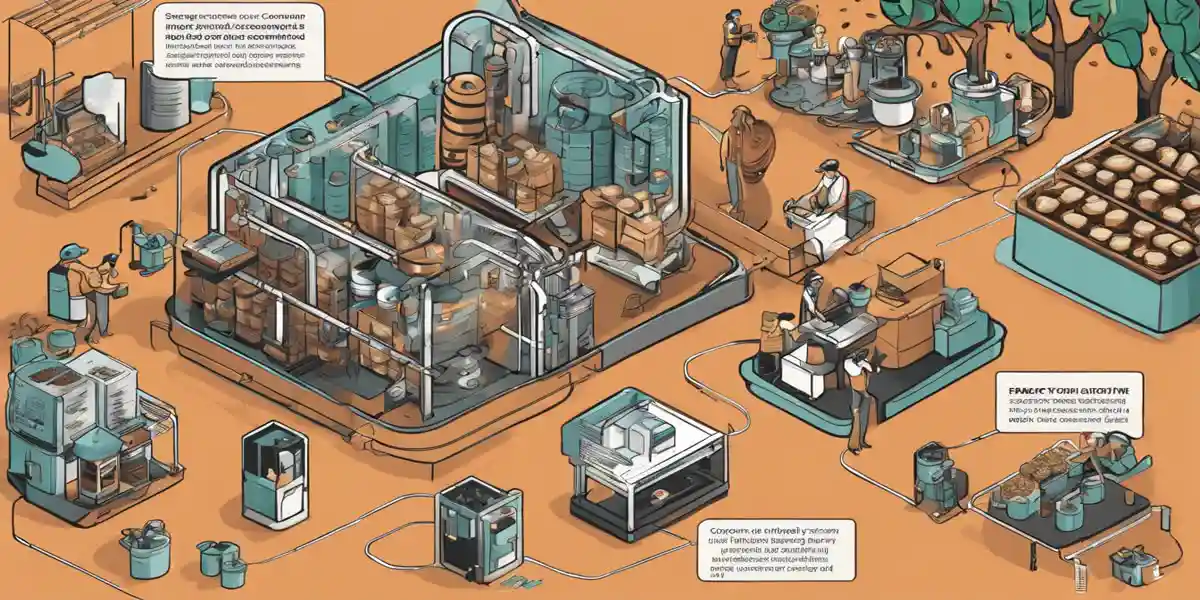
In the evolving landscape of coffee culture, smart contracts represent a transformative technology that can streamline processes for both producers and consumers. With the integration of blockchain technology, these contracts offer unparalleled advantages, including enhanced transparency, improved efficiency, and increased customer engagement.
Smart contracts operate on a decentralized blockchain, which means that every transaction is recorded and immutable. For coffee producers, this transparency can be a game-changer. Imagine a coffee farmer in Colombia who uses smart contracts to ensure that every bean harvested and sold is tracked. Buyers can see the journey of their coffee from farm to cup, including details about the cultivation practices and certifications. This level of transparency fosters trust between consumers and producers, as customers can verify claims about sustainability and ethical sourcing.
One of the most significant benefits of smart contracts is their ability to automate transactions. When a consumer purchases coffee through a mobile app integrated with smart contracts, the transaction is executed instantly and securely. This eliminates the need for intermediaries, reducing costs and time delays. For instance, a customer at a third-wave coffee shop could scan a QR code at the counter, triggering a smart contract that processes the payment and sends a receipt to both the customer and the producer in real-time. This not only enhances the customer experience but also simplifies accounting for coffee producers.
Smart contracts can also facilitate innovative loyalty programs. Imagine earning tokens every time you purchase a coffee. These tokens could be stored in a digital wallet and redeemed for discounts, exclusive blends, or even equity in the coffee shop. This gamification of coffee consumption encourages repeat business and deepens customer loyalty. For example, a coffee shop could issue tokens that serve as shares in a community-funded expansion project, allowing customers to feel like stakeholders in the business. This approach aligns with findings in retail studies that emphasize the importance of creating both utilitarian and hedonic value for consumers through innovative engagement strategies.
Several companies are already tapping into the potential of smart contracts in the coffee industry. For instance, the blockchain-based platform AgriDigital allows farmers to create smart contracts for their produce. This ensures that they are paid promptly when their coffee is delivered, reducing the financial risks associated with traditional payment methods. Similarly, Vallombrosa Coffee has implemented smart contracts to manage its supply chain, ensuring traceability and fair payment for farmers based on quality assurance metrics.
As consumers engage with smart contracts, they gain access to a wealth of data about their purchasing habits. This data can be used to personalize their coffee experience, offering tailored recommendations based on previous purchases and preferences. The intersection of smart contracts and augmented reality (AR) can further enhance this experience; for example, customers might scan their coffee cup to see a detailed history of their coffee purchases, upcoming offers, and how their loyalty tokens can be utilized. Such integration aligns with recent research advocating for AR as a means to enhance consumer engagement and satisfaction.
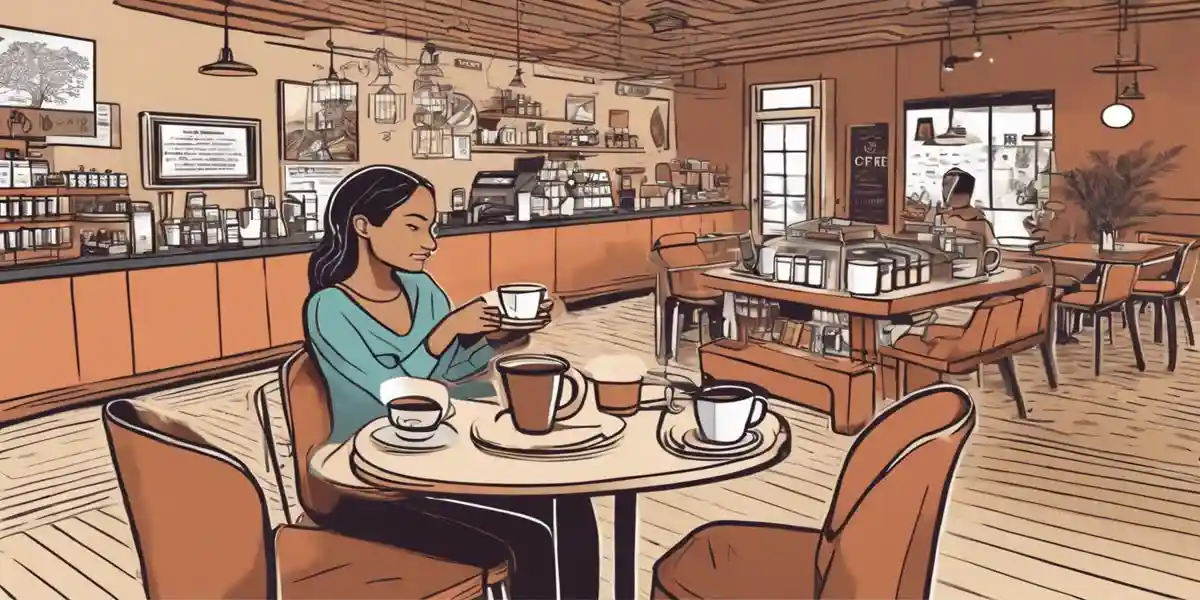
Imagine walking into your favorite third-wave coffee shop, where technology and tradition blend seamlessly. At the core of this transformation lies augmented reality (AR), an innovative approach that not only enhances the customer experience but also fosters a deeper connection between consumers and their coffee. As you sip your artisanal brew, the potential of AR unfolds before you.
The integration of AR within the coffee shop environment allows customers to engage in an interactive narrative about their beverages. Through a mobile app, patrons can point their smartphones at their coffee cups, triggering an AR interface that reveals a wealth of information about the coffee beans. For instance, you might see a visual representation of the coffee farm in Colombia where the beans were grown, learn about the farmers’ sustainable practices, or even view the journey of the beans from farm to cup.
This aligns with findings from recent research that emphasizes AR’s capacity to create immersive customer experiences and enhance brand interactions. As highlighted in one study, AR can deliver both utilitarian and hedonic value, which means it not only informs but also entertains. By transforming the simple act of drinking coffee into a rich, educational experience, coffee shops can deepen customer appreciation and loyalty.
But AR isn’t the only technological component at play. Imagine this: as you purchase your coffee, a smart contract is executed behind the scenes. Utilizing blockchain technology, this smart contract ensures that your transaction is secure, transparent, and efficient. For example, when you order your coffee through the app, the payment is automatically processed, and the transaction is recorded on the blockchain, eliminating the need for traditional payment systems.
This innovative approach not only enhances security but also allows for the implementation of loyalty rewards. Customers can earn tokens for each purchase, which can be redeemed for exclusive offers or even equity in the coffee shop. This concept of consumer participation in the business model is a game-changer, making customers feel like stakeholders rather than mere buyers. It reflects a shift in consumer behavior, where individuals increasingly seek to engage with brands in meaningful ways.
The combination of AR and smart contracts can foster a sense of community among coffee lovers. By encouraging customers to share their AR experiences on social media or within the app, coffee shops can create a platform for engagement and connection. Research indicates that AR can enhance social interactions and consumer satisfaction, particularly when it aligns with users' value orientations, such as self-enhancement or conservation.
Take, for instance, a coffee shop that hosts a monthly event where customers can share their AR experiences or showcase unique coffee recipes. This not only promotes the coffee brand but also deepens community ties, enhancing the overall customer experience. The potential for social augmented reality, as highlighted in various studies, could lead to innovative marketing strategies that further drive customer engagement and loyalty in the coffee space.
Despite the promising fusion of AR and smart contracts in the coffee culture, challenges remain. As several papers point out, there is a need for retailers to understand the best practices for implementing AR effectively. Not all consumers may respond positively to AR applications, and the potential negative effects of overuse must be considered. Additionally, retailers must remain aware of the technological acceptance factors that influence consumer adoption of AR experiences.
For coffee shops, this means testing and iterating on AR features to ensure they provide genuine value without overwhelming customers. Striking the right balance between utility and enjoyment is essential to creating a successful AR experience that resonates with a diverse clientele.
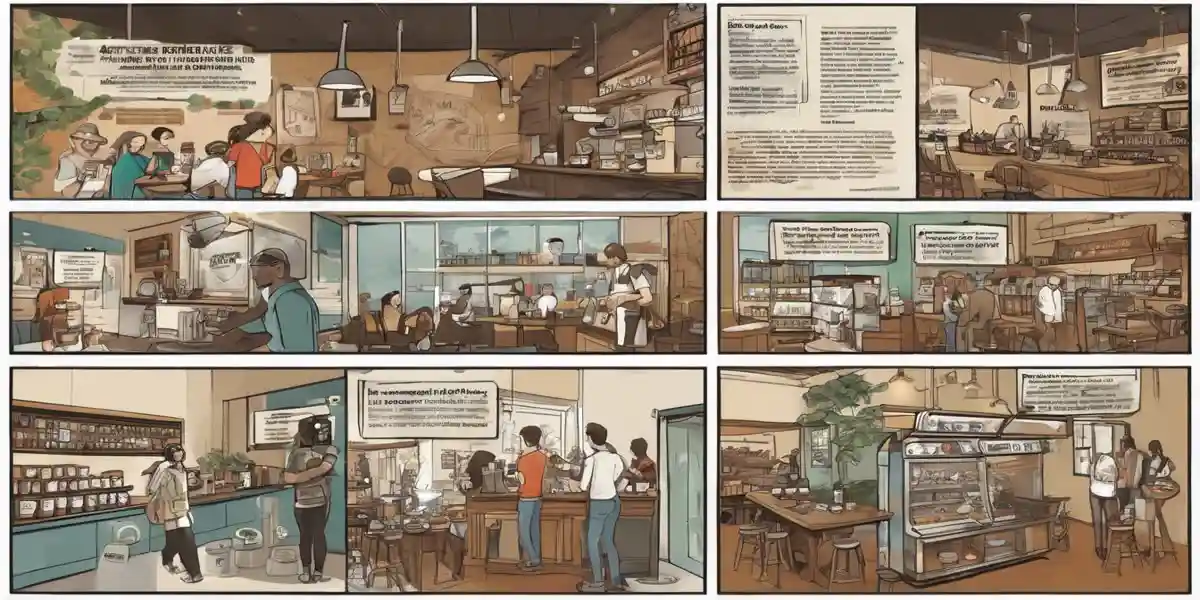
In the world of third-wave coffee, the integration of augmented reality (AR) applications is redefining how consumers interact with their favorite brews. Through immersive experiences, AR not only enriches the coffee-drinking ritual but also connects customers with the intricate journey of their beverage from bean to cup.
Imagine entering a coffee shop where the aroma of freshly ground beans is complemented by a digital layer of information at your fingertips. This is the promise of AR in coffee shops, where mobile apps can transform a simple coffee order into a multi-sensory experience. By pointing your smartphone at a coffee cup, you can unlock an array of interactive content that reveals the origins of the coffee beans, the farmers who cultivated them, and the sustainable practices they employed. This capability is not just about sharing information; it fosters a sense of connection and transparency between consumers and the supply chain.
One striking example of this is the Starbucks app, which has begun incorporating AR elements that allow customers to learn about the flavors and origins of different coffee types. As customers scan their coffee cups, they can view engaging animations and informative content about the specific coffee blend they're enjoying. This not only enhances the drinking experience but also educates consumers, making them more informed about their choices.
According to research, AR can create both utilitarian and hedonic value, enhancing decision-making and personalization for consumers in retail settings. This is particularly relevant in coffee shops, where the experience is as important as the product itself. For instance, a local coffee shop might implement an AR feature that allows customers to visualize how their chosen beans are sourced, or even a virtual tour of the farm where the coffee is grown. Such experiences can lead to greater customer satisfaction and loyalty, as patrons feel more connected to the coffee they consume.
Moreover, AR applications can also be designed to gamify the coffee experience. Imagine a loyalty program where customers earn rewards by scanning different coffee types, with each scan unlocking fun facts or challenges related to the coffee culture. This aligns with findings from a systematic literature review on AR in retail, which emphasizes the importance of creating engaging consumer interactions to enhance brand loyalty and financial viability.
However, while the potential for AR in coffee shops is vast, it is essential to implement these technologies thoughtfully. Consumer responses to AR applications can vary widely, and research suggests that understanding the effectiveness of these interactions is crucial for maximizing engagement. For example, while some customers may appreciate the novelty of AR features, others may find them distracting or unnecessary. Therefore, coffee shops must balance the innovative use of technology with the core experience of enjoying a great cup of coffee.
Incorporating AR into coffee shops is not merely about keeping up with trends; it’s about enriching the customer experience and deepening the relationship between consumers and their coffee. As we step further into this digital age, the convergence of coffee culture with AR technologies promises to create a more informed and engaged community of coffee lovers.
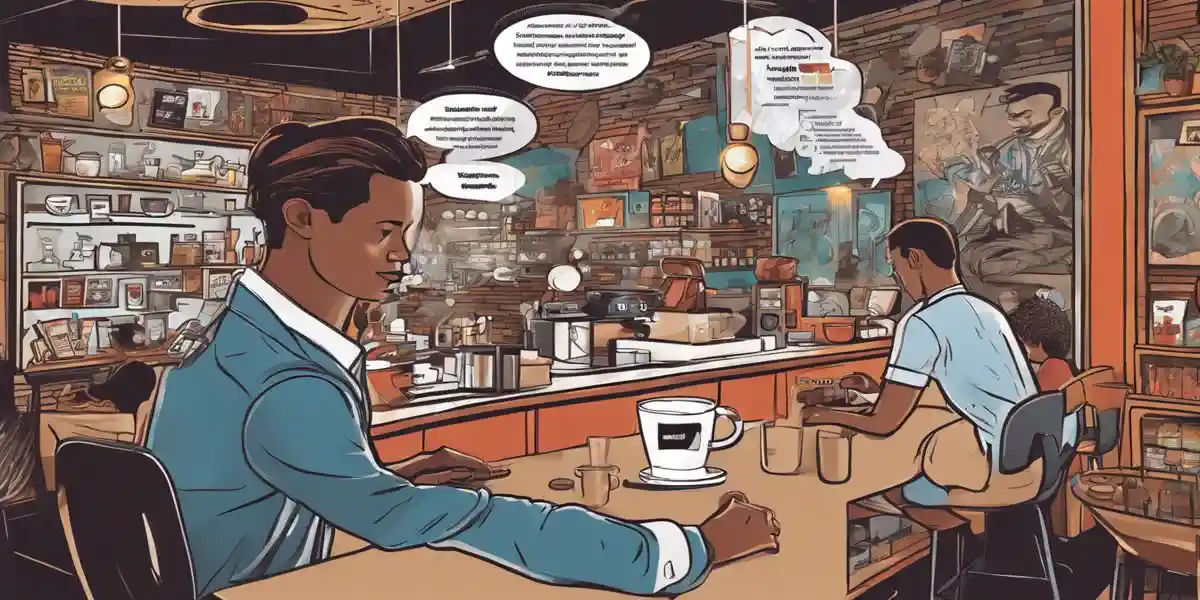
As we look toward the future, augmented reality (AR) has the potential to redefine the coffee experience in ways we’re only beginning to imagine. By integrating AR technology into the coffee culture, we can create an immersive, educational, and engaging environment that not only enhances customer satisfaction but also fosters a deeper connection to the product and its origins.
Imagine walking into a third-wave coffee shop where the walls are adorned with interactive screens that showcase the journey of coffee from bean to cup. As you approach the counter, an AR interface on your smartphone or smart glasses springs to life, overlaying information about the coffee you’re about to order. This could include details like the altitude at which the beans were grown, the specific microclimate of the region, and even videos of the farmers who nurtured the crops.
According to recent studies on AR in retail, this level of immersion not only provides utilitarian value—helping customers make informed decisions—but also enhances the hedonic experience, making the process of choosing coffee more enjoyable and meaningful. Customers can learn about sustainable practices and ethical sourcing, reinforcing their sense of responsibility as consumers.
AR technology transforms the way consumers interact with brands, providing innovative avenues for engagement. For instance, a coffee shop could implement a feature where customers can scan their cups to unlock exclusive content, such as brewing tutorials or tasting notes tailored to their specific drink. Such features can create a unique brand experience that resonates deeply with consumers.
The research highlights the growing interest in AR applications for marketing strategies, emphasizing the need for businesses to understand consumer responses to these technologies. For coffee shops, this means not just adopting AR, but doing so in a way that genuinely enhances the customer's journey. This could lead to the creation of community-driven events where customers share their AR experiences and learnings, further embedding the coffee shop into local culture.
Incorporating smart contracts alongside AR can streamline the entire customer experience. Imagine purchasing a coffee through an app that utilizes blockchain technology to ensure secure transactions. Each purchase could automatically add points to a loyalty program, which customers can track through AR. When they scan their cup, they could see their current points balance, upcoming rewards, or even personalized offers based on their purchase history.
This integration not only enhances transparency but also empowers customers, making them feel like active participants in the coffee shop's ecosystem. They might even earn tokens that can be exchanged for exclusive experiences, such as behind-the-scenes tours of the coffee roasting process or invitations to cupping sessions. Such initiatives can significantly boost customer loyalty and community engagement.
Understanding consumer behavior is crucial for successfully implementing AR strategies in coffee culture. Research indicates that various human value orientations influence how consumers perceive AR experiences. For instance, those with a strong openness to change may embrace new technologies more readily, making them prime candidates for AR-driven engagement.
By tailoring AR experiences to align with these value orientations, coffee shops can optimize their offerings. For example, a shop could create AR content that appeals to self-transcendence-focused customers, emphasizing the environmental impact of their coffee sourcing practices. This personalized approach not only enhances customer satisfaction but also drives deeper emotional connections to the brand.
While the potential for AR in coffee culture is vast, challenges remain. Businesses must navigate the balance between technological innovation and practical implementation. There is a pressing need for further research into the effectiveness of AR applications, particularly in understanding consumer responses and preferences. Coffee shops that invest in these insights will be better positioned to leverage AR as a tool for engagement and education.
Moreover, as the coffee market becomes increasingly competitive, those who successfully integrate AR and smart contracts will not only attract tech-savvy patrons but also create a loyal community around their brand. This synergy of technology and tradition may very well define the next wave of coffee culture.
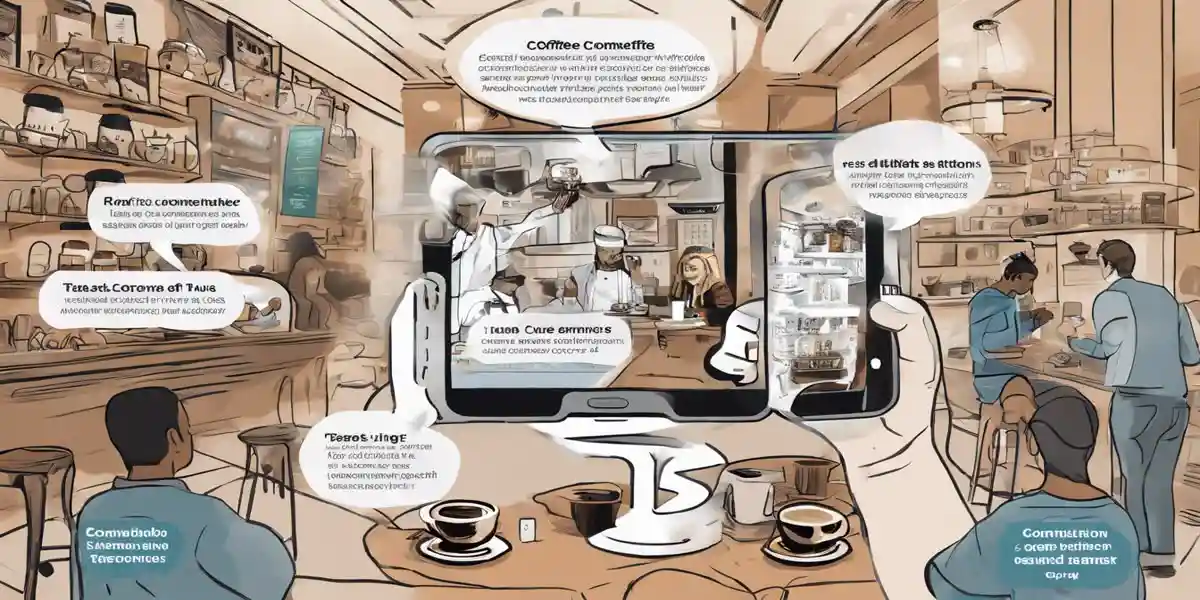
Imagine a coffee experience that transcends the ordinary. Within the realms of third-wave coffee culture, augmented reality (AR) is not merely a gimmick; it’s a vital tool that enhances customer engagement and enriches the coffee-drinking experience. By integrating AR technology, coffee shops can transform everyday interactions into immersive storytelling sessions that connect consumers with the origins of their beverage.
When you walk into a third-wave coffee shop equipped with AR capabilities, the experience begins as soon as you place your order. Using a mobile app, customers can scan their coffee cups and activate an AR interface that provides detailed narratives about the coffee they’re about to enjoy. This might include information about the specific region where the beans were sourced, the farmers who grew them, and the sustainable practices they employed.
This immersive experience aligns with findings from recent studies highlighting how AR can create both utilitarian and hedonic value in retail environments. By enhancing decision-making and personalization, AR not only informs but also enriches the emotional connection between consumers and their products. For instance, a customer sipping a brew from Ethiopia may find themselves exploring the lush landscapes of Yirgacheffe, understanding the unique flavor profiles that come from its rich volcanic soil.
But the AR experience isn’t just about storytelling; it also paves the way for integrating smart contracts into the coffee shop ecosystem. Smart contracts, powered by blockchain technology, allow for seamless, secure transactions that are recorded transparently. When a customer makes a purchase, the transaction is automatically executed and logged, ensuring that every cup of coffee is tied to a specific, verifiable source.
Consider the implications: customers can earn tokens for each coffee purchased, which can be stored in a digital wallet. These tokens could be redeemed for exclusive offers, discounts, or even shares in the coffee shop itself. This innovative approach fosters a sense of ownership and community among patrons, turning coffee lovers into stakeholders in their favorite establishments. It aligns with the research indicating that AR can significantly enhance brand interactions, transforming customers into active participants in the narrative of their beverage.
While the enthusiasm for AR in coffee culture is palpable, it’s important to acknowledge potential challenges. Previous literature has pointed out that while AR can enhance customer experiences, it can also lead to negative consequences if not implemented thoughtfully. Retailers must navigate the balance between providing engaging content and overwhelming consumers with information. As the landscape evolves, it becomes crucial for coffee shops to conduct thorough assessments of consumer responses to AR applications.
In this regard, understanding human value orientation can play a significant role. Research has shown that different individuals respond uniquely to AR experiences based on their value systems—be it openness to change or self-enhancement. Thus, coffee shops must tailor their AR content to resonate with the diverse motivations of their clientele, ensuring that each interaction is meaningful and enhances customer satisfaction.
Several coffee shops around the globe are already beginning to embrace AR technology. For instance, a cafe in Tokyo has integrated AR into their menu, allowing patrons to see a 3D model of their drink before ordering. Similarly, in Melbourne, a third-wave coffee shop uses AR to tell the story of their farmers during the coffee-tasting experience, enhancing the overall appreciation of the beverage.
These innovative approaches not only captivate customers but also set a precedent for the future of the coffee industry. As AR continues to evolve and integrate with other technologies like smart contracts, the potential for creating a memorable and engaging coffee experience is limitless.
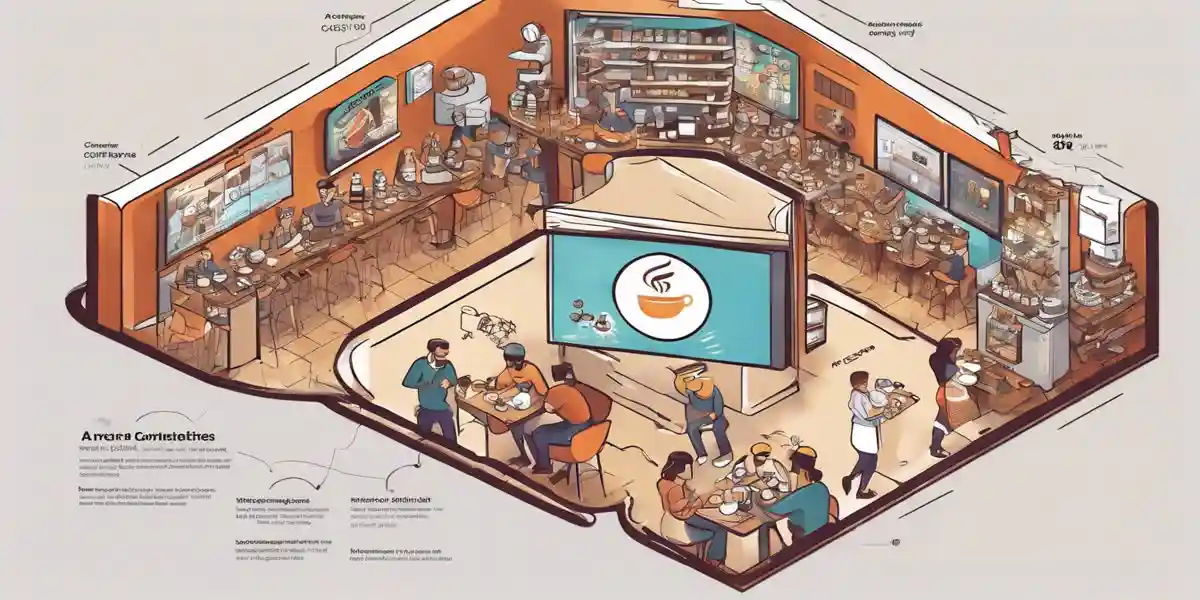
Imagine the moment when you enter your favorite third-wave coffee shop, greeted not just by the rich aroma of coffee but also by an interactive technological experience. This innovative approach leverages Augmented Reality (AR) to transform how you connect with coffee. By using a mobile app, customers can point their smartphones at their coffee cups, activating an AR interface that reveals a wealth of information about their drink. This includes details on the origins of the coffee beans, the farmers who cultivated them, and the sustainable practices they employ. Such transparency not only enhances appreciation for the brew but also builds a deeper connection between consumers and the source of their beverages.
The use of AR in coffee shops goes beyond mere information delivery; it creates a unique sensory journey. Research indicates that AR technology can significantly enhance marketing strategies by providing immersive customer experiences (source). For instance, a customer might see a visual overlay of a coffee farm when they scan their cup, complete with stories of the farmers and the journey of the beans. This interactive storytelling approach taps into both the utilitarian and hedonic values of consumers, enhancing decision-making and personalizing their experience (source).
In addition to AR, integrating smart contracts within the coffee shop's mobile app can revolutionize the purchasing process. Each transaction could be recorded on a blockchain, ensuring both security and efficiency. When you buy a coffee, a smart contract automatically processes the payment, updating your loyalty balance in real-time. This method not only streamlines the transaction process but also allows customers to earn tokens for each purchase. These tokens could be redeemed for exclusive offers or even a stake in the coffee shop itself, fostering a sense of ownership and community among patrons.
The convergence of AR and smart contracts creates a platform for a community-driven coffee culture. As customers interact with the AR features of their coffee app, they can gain insights into the sustainability efforts of the coffee shop and its suppliers. This level of transparency is not just about marketing; it fosters a relationship between the consumer and the coffee ecosystem. By knowing the origins of their coffee and the practices behind it, consumers are likely to feel more connected and loyal to the brand.
While the integration of AR and smart contracts offers numerous benefits, it is essential to acknowledge potential challenges. As highlighted in several studies, the implementation of AR technologies must be carefully considered to avoid overwhelming users or detracting from the coffee experience (source). Retailers need to understand consumer responses to AR applications in order to optimize their use for effective brand engagement. Furthermore, a systematic approach to AR design can help ensure that the consumer experience remains enjoyable and intuitive, balancing both functionality and engagement (source).
As we’ve explored throughout this blog post, the intersection of Third Wave Coffee culture with innovative technologies like smart contracts and augmented reality (AR) is setting the stage for a transformative experience in the coffee industry. Third Wave Coffee is not just about brewing high-quality coffee; it embodies a cultural shift that prioritizes sustainability, transparency, and customer engagement. By appreciating coffee as an artisanal product, consumers are encouraged to connect with the origins and stories behind their favorite brews.
Integrating smart contracts into the coffee purchasing process revolutionizes transactions, ensuring security and efficiency while fostering transparency and trust between producers and consumers. This technology not only enhances operational efficiency but also empowers customers, allowing them to earn tokens and rewards that deepen their connection to the brands they love.
Furthermore, AR enhances the coffee-drinking experience by providing immersive narratives about the coffee’s journey, thus enriching consumer knowledge and engagement. Through AR, customers gain a deeper appreciation for their beverages and can connect with the ethical practices that underpin their production. This fusion of technology and culture cultivates a community of informed coffee enthusiasts, transforming the simple act of drinking coffee into a shared experience filled with meaning.
As we look to the future, the potential for AR and smart contracts to redefine customer experiences and brand interactions is immense. This evolution presents coffee shops with an opportunity to innovate and grow within an increasingly competitive landscape. So, the next time you enjoy a cup of coffee, consider how technology and culture intertwine to create a richer experience. Are you ready to embrace the future of coffee culture and become a part of this exciting journey? The choice is yours—sip, sign, and see!
Get notified about new articles, coffee tips, and Web3 insights.
This site participates in affiliate programs and may earn a commission when a link is clicked and a purchase is made. The site is not responsible for any issues or troubles related to the products or services purchased through the use of this site.

DO&COFFEE loves coffee and technology, exploring the potential of NFTs and blockchain. Learn more →
DO&COFFEE loves coffee and technology, exploring the potential of NFTs and blockchain. Learn more →