coffee
2025/03/12

Have you ever paused to consider what truly goes into your daily cup of coffee? Beyond the rich aroma and comforting warmth, there lies a complex interplay of factors shaping the price of coffee beans and, by extension, the allure of premium brands like Starbucks Reserve. In this exploration titled "Brewing Insights: How Coffee Beans Price Fluctuations Affect the Allure of Starbucks Reserve," we will delve into the multifaceted world of coffee pricing—where climate change, geopolitical tensions, and market demands all hold sway over what you pay for that perfect brew. We’ll examine how these fluctuations not only impact farmers’ livelihoods but also enhance or diminish the appeal of exclusive coffee experiences. Starbucks Reserve is not just another coffee line; it embodies the pinnacle of artisanal craftsmanship, offering unique flavors sourced from sustainable farms. Understanding the nuances of coffee pricing allows consumers to appreciate the stories behind their favorite beans and recognize the ethical implications of their choices. As we journey through the dynamics of global coffee markets and the challenges faced in coffee cultivation, we invite you to reflect on how your coffee ritual is intricately connected to broader economic currents. Together, let's uncover the rich tapestry that brews behind every cup of Starbucks Reserve.
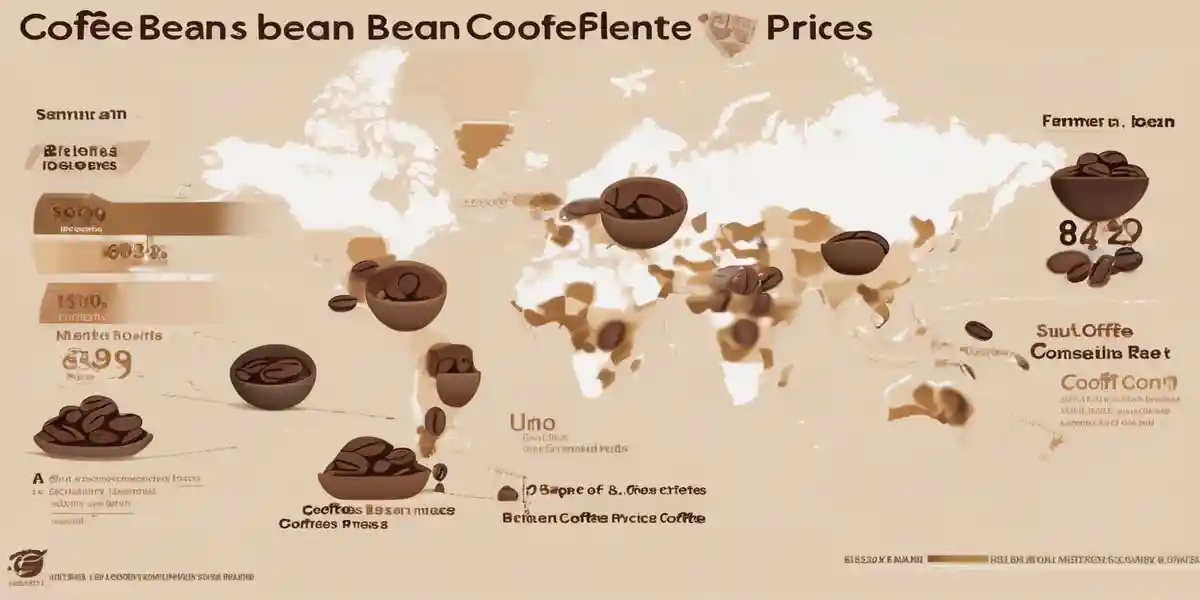
To truly grasp the allure of Starbucks Reserve coffee, we must first understand the intricate dance of factors that influence coffee bean prices. These fluctuations are not merely numbers on a chart; they represent the livelihood of countless farmers and the choices we make as consumers. Let’s delve into the key factors that shape these price changes.
The price of coffee beans is affected by a multifaceted array of elements, each interwoven in a complex tapestry of agriculture and economics. Here are some of the most significant factors:
One of the most immediate and impactful factors is the weather. Coffee is a delicate crop, requiring specific conditions for optimal growth. Adverse weather conditions, such as droughts or excessive rainfall, can devastate yields. For example, Brazil, which accounts for approximately 29% of global coffee exports, has experienced significant fluctuations due to climate variability. In 2021, unseasonably dry weather led to a reduction in output, contributing to soaring prices on the global market. Such fluctuations not only affect prices but also place pressure on farmers who rely on stable income from their crops.
Geopolitical tensions can also disrupt coffee supply chains. For instance, political instability in coffee-growing regions can lead to production halts, transportation issues, and labor shortages, all of which drive up prices. The ongoing conflict in regions like Ethiopia, one of the top coffee producers, has created uncertainty in the market, leading to increased prices for both high-quality specialty and commodity coffee. Consumers may find themselves paying more for their favorite brews as the repercussions of such instability ripple through the supply chain.
As consumer preferences evolve, so too does the market for coffee. The rise of specialty coffee—where quality is paramount—has shifted the focus from commoditized green beans to premium, artisanal offerings. This change has led to a new value creation paradigm, emphasizing superior beans that tell a story of their origin. The Starbucks Reserve line exemplifies this trend, catering to consumers who are willing to pay a premium for unique coffee experiences. As demand for specialty coffee grows, prices tend to rise, reflecting the increased value placed on quality over quantity.
Exchange rates play a crucial role in determining coffee prices, especially in countries that rely heavily on coffee exports. For instance, a weaker local currency can make exports cheaper for foreign buyers, potentially boosting sales but also altering local market prices. Research has indicated a significant long-term equilibrium between world coffee prices and exchange rates. When the dollar strengthens against coffee-producing countries' currencies, the relative price of imported coffee can decrease, affecting domestic prices and producer income. This complex interaction showcases how global economic dynamics can influence what we pay for coffee at our local café.
The relationship between roast level, quality attributes, and pricing is nuanced yet impactful. Studies have shown that larger bag sizes of specialty coffee tend to be priced lower per unit, while smaller, high-quality offerings can command higher prices. Coffee beans from regions like Asia and Central/South America often have premium prices due to their distinct flavor profiles and higher quality indicators. This interplay between quality and pricing is vital for consumers to understand, as it impacts their choices and the perceived value of their coffee experience.
In summary, the price fluctuations of coffee beans are influenced by a dynamic interplay of factors ranging from climate impacts to consumer preferences. As we explore the nuances of these influences, we gain insights not only into the coffee market but also into our relationships with the products we consume.
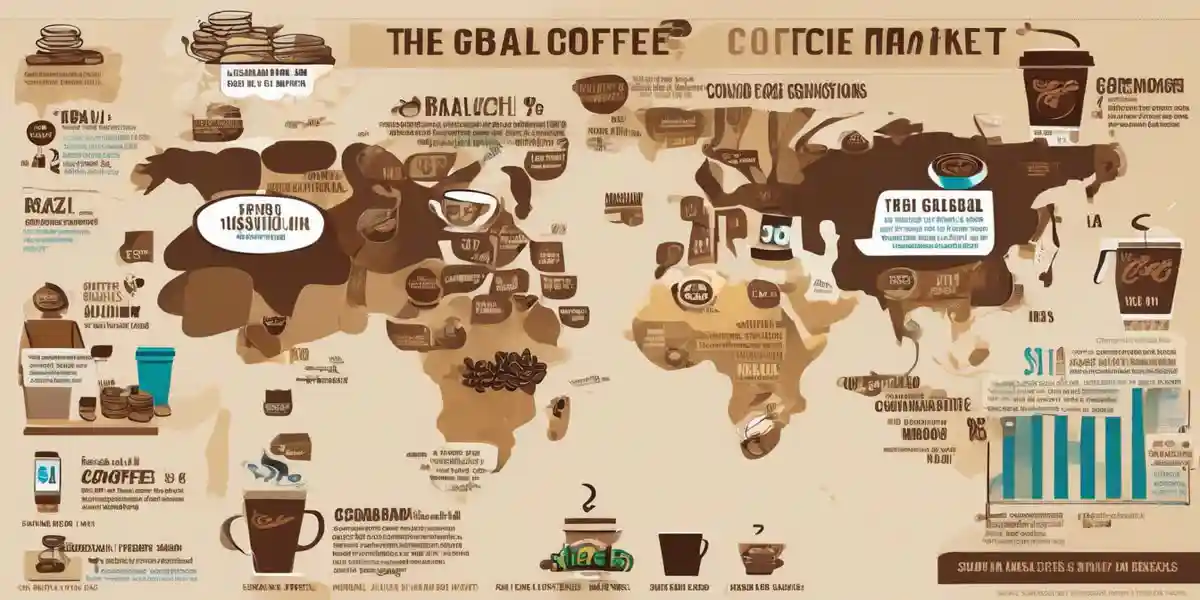
The global coffee market is a complex tapestry woven from various threads of economics, cultural trends, and environmental factors. As we dive into this dynamic sphere, it's crucial to understand how these elements interact, influencing not just the price of coffee beans but the allure of premium offerings like Starbucks Reserve.
At the heart of the coffee market are the major exporting countries, with Brazil leading the charge by accounting for approximately 29% of global coffee exports. Interestingly, 15% of its output is classified as "specialty coffee," a term that has gained traction among consumers who seek more than just a caffeine hit. This shift from commoditized green beans to a focus on quality has been largely driven by the rise of specialty coffee shops and a growing consumer preference for artisanal products, as noted in recent research.
Understanding the dynamics of the coffee market requires a closer look at how various factors can cause price fluctuations. For instance, geopolitical tensions, climate change, and supply chain disruptions can create significant volatility in coffee prices. Take the recent droughts in Brazil as a case in point; such adverse weather conditions can lead to diminished crop yields, pushing prices upwards and impacting both producers and consumers alike. Conversely, when harvests are abundant, prices may decline, which can have a ripple effect on farmers' incomes and ultimately, the quality of coffee sold in the market.
The interconnectedness of the global coffee market is evident when we consider how price fluctuations in one country can affect others. Research focusing on Indonesia, for example, highlighted a significant long-term equilibrium between Indonesian coffee prices and global market prices, exchange rates, and even cocoa prices. This intricate relationship indicates that while local producers may feel insulated, they are actually part of a much larger economic ecosystem. When global prices rise, it not only elevates the income of producers in Indonesia but also raises the stakes for consumers who might see increased prices at their local cafes.
As consumers become more discerning, their purchasing choices reflect a broader trend towards quality over quantity. The preference for specialty coffee has led to changes in pricing strategies. For example, research has shown that larger bag sizes tend to be priced lower, which appeals to consumers looking for value. However, beans from regions known for their quality, such as Central and South America, are generally priced higher. This consumer behavior underscores the importance of quality indicators—roast levels and flavor profiles that can significantly affect retail pricing. The relationship between sensory attributes and pricing strategies reveals a growing market where consumer feedback plays a pivotal role in shaping offerings.
The artisanal coffee movement, as seen through the lens of Starbucks Reserve, reflects a shift towards valuing the story behind the beans—origin, craftsmanship, and sustainability. As the market evolves, consumers are increasingly drawn to brands that convey authenticity and ethical sourcing. This creates an interesting juxtaposition in the marketplace: while price fluctuations can deter some consumers from premium offerings, they also enhance the allure of unique, high-quality experiences. Consumers are encouraged to view their coffee choices as a reflection of their values, potentially fostering a deeper connection with their daily rituals.
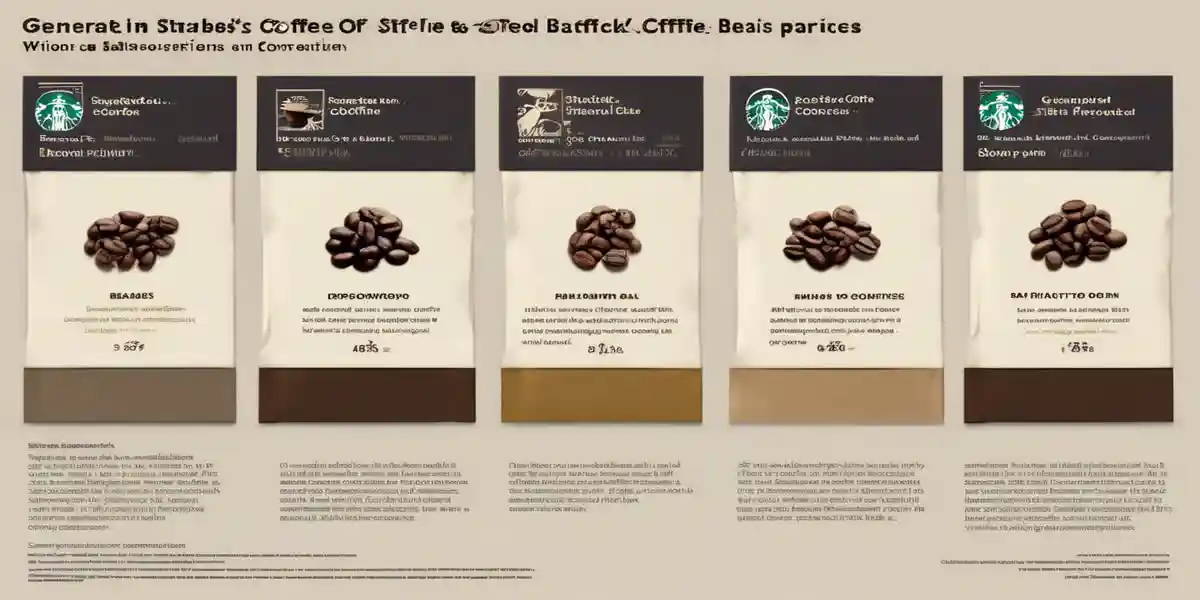
The fluctuations in coffee bean prices not only reflect the complexities of global economics but also shape the experiences offered by premium coffee brands like Starbucks Reserve. This section delves into how these price variances enhance the allure of Starbucks Reserve coffee, making it a compelling choice for consumers seeking quality and uniqueness.
When it comes to specialty coffee, price can often influence perception. The relationship between price and quality is a well-documented phenomenon in consumer behavior. Higher prices typically imply better quality, especially in markets flooded with commoditized options. Starbucks Reserve capitalizes on this notion, presenting its offerings as not just a beverage, but an experience steeped in craftsmanship and exclusivity.
For instance, consider a bag of Starbucks Reserve beans sourced from a renowned small farm in Colombia. The meticulous cultivation process, combined with the unique flavor profile, justifies a premium price. This is not merely about the beans; it's about the story they carry. The narrative of the farmer's dedication, the unique growing conditions, and the artisanal roasting process all contribute to a heightened sense of value. When consumers pay more for these beans, they are not just buying coffee—they are investing in a richer narrative that enhances their daily rituals.
The global coffee market is a complex tapestry influenced by various factors, including climate change, trade policies, and geopolitical tensions. For example, Brazil, which accounts for 29% of global coffee exports, faces challenges such as droughts and adverse weather conditions that can drastically affect crop yields and, consequently, prices. When prices soar due to these factors, consumers may gravitate more towards premium options like Starbucks Reserve, which are perceived as more stable and high-quality alternatives.
Additionally, research indicates that the demand for specialty coffee is on the rise as consumers become increasingly discerning. A study on the factors influencing retail prices found that beans from regions like Asia and Central America command higher prices due to their perceived quality. This aligns with Starbucks Reserve's strategy of sourcing unique beans from such regions, reinforcing the brand's positioning in the minds of consumers as a purveyor of high-quality coffee. As consumers become more educated about their choices, they tend to appreciate the nuances of roasting levels and flavor profiles, further solidifying the allure of Starbucks Reserve offerings.
Moreover, the ethical implications of coffee pricing cannot be overlooked. As consumers become increasingly aware of the socio-economic challenges faced by coffee farmers, there is a growing demand for ethical sourcing practices. Starbucks Reserve embraces this trend by highlighting its commitment to sustainability and ethical sourcing. By purchasing premium beans, consumers not only enjoy a superior product but also support fair trade practices. This ethical dimension adds another layer to the allure of Starbucks Reserve, making it a thoughtful choice for conscious consumers.
As price fluctuations continue to shape the landscape of the coffee market, the allure of Starbucks Reserve lies not just in its premium offerings but in the rich tapestry of narratives that accompany each cup. Consumers are invited to engage with their coffee in a more profound way, transforming a simple caffeine fix into a meaningful connection to the origins and stories of their brew.
In exploring the intricate relationship between coffee bean price fluctuations and the allure of Starbucks Reserve, we have unveiled a tapestry of factors that shape both the market dynamics and consumer perceptions. From the impact of climate change and geopolitical tensions to the rising consumer preference for specialty coffee, each element plays a pivotal role in influencing prices while simultaneously enhancing the perceived value of premium offerings.
Throughout this discussion, we have seen how Starbucks Reserve not only thrives on the quality and exclusivity of its beans but also capitalizes on the narratives that accompany them. The stories of diligent farmers, sustainable practices, and unique flavor profiles create an engaging experience for consumers, inviting them to savor not just a beverage but a connection to the very essence of coffee culture.
Moreover, as consumers become more discerning and ethically aware, their choices reflect a deeper understanding of the socio-economic implications tied to coffee production. This shift towards valuing ethical sourcing and quality over mere consumption fosters a heightened appreciation for brands that prioritize transparency and sustainability, such as Starbucks Reserve.
As we enjoy our next cup of coffee, let us reflect on the journey of those beans from farm to cup and consider how our choices can impact the lives of farmers around the globe. Are we merely consumers, or can we become advocates for a more sustainable and equitable coffee industry? The next time you sip on your favorite Starbucks Reserve brew, ask yourself: what stories are you supporting with your choice? Engage in this dialogue, for every cup holds the power to inspire change.

Get notified about new articles, coffee tips, and Web3 insights.
This site participates in affiliate programs and may earn a commission when a link is clicked and a purchase is made. The site is not responsible for any issues or troubles related to the products or services purchased through the use of this site.

DO&COFFEE loves coffee and technology, exploring the potential of NFTs and blockchain. Learn more →
DO&COFFEE loves coffee and technology, exploring the potential of NFTs and blockchain. Learn more →