crypto
2025/03/19
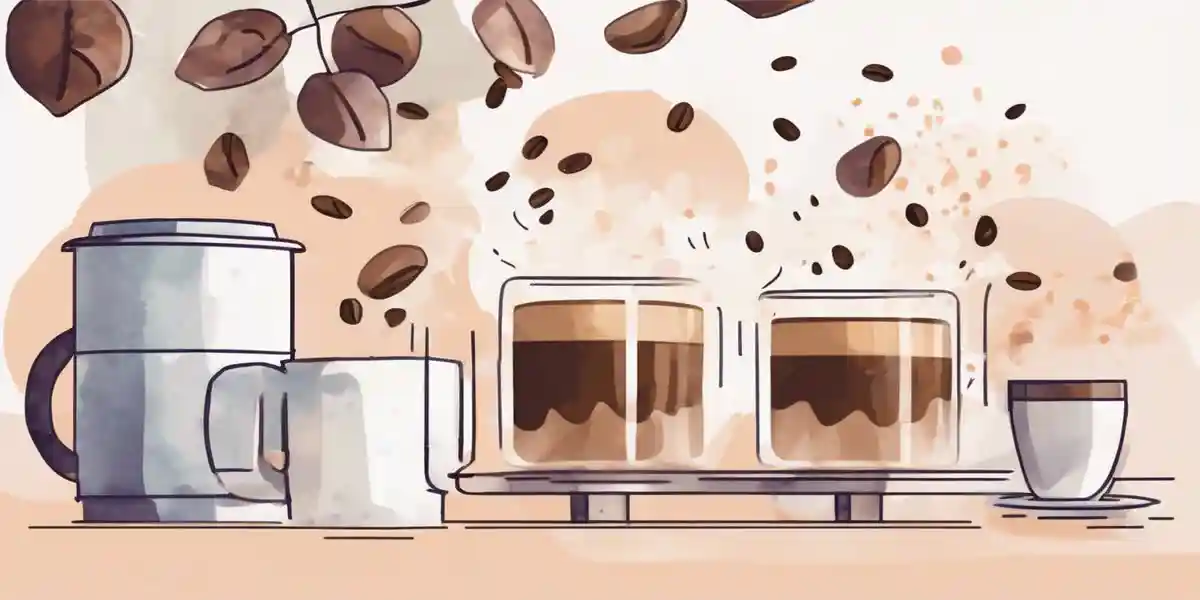
As the aroma of freshly brewed coffee wafts through our cafes and kitchens, a quiet revolution is brewing beneath the surface—one that intertwines the time-honored traditions of coffee culture with cutting-edge technology. In this blog post titled "Brewing the Future: How Blockchain and Coffee NFTs are Shaping Coffee Culture Trends," we explore the transformative impact of blockchain technology and non-fungible tokens (NFTs) on the coffee industry. By harnessing blockchain's capabilities for traceability, we can empower consumers to trace their coffee from farm to cup, enhancing transparency and ethical sourcing practices. This process not only elevates consumer awareness but also builds trust in the product. Additionally, the rise of coffee NFTs opens exciting avenues for collaboration between artists and coffee brands, creating unique digital experiences that enrich the coffee-drinking journey. As we delve into these innovations, we will unveil how they are reshaping the landscape of coffee culture, fostering sustainability, and connecting consumers with the rich stories behind their favorite brews. Join us as we navigate this intersection of tradition and technology, and discover how the coffee industry is positioning itself at the forefront of the digital age.
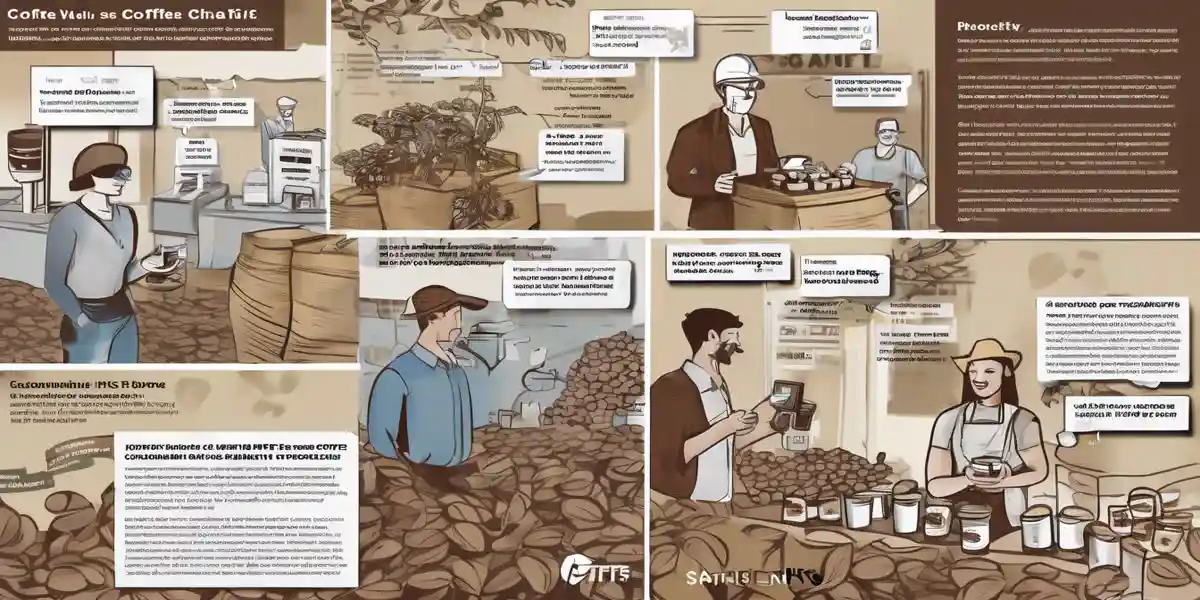
In recent years, the interplay between blockchain technology and the coffee industry has sparked significant interest, particularly through the emergence of Coffee Non-Fungible Tokens (NFTs). These digital assets leverage blockchain to provide unique ownership and traceability, marking a shift in how consumers and producers interact within the coffee ecosystem. This section delves into the foundational concepts of blockchain and NFTs, illustrating their impact on coffee culture.
Blockchain is a decentralized digital ledger that records transactions across multiple computers. This technology ensures that the data is secure, transparent, and immutable, meaning it cannot be altered retroactively. For instance, coffee producers can use blockchain to log every step of their supply chain—from the farm to the consumer. By doing so, they provide verifiable proof of origin, quality, and sustainability, which is increasingly demanded by consumers. According to a 2021 report by the World Economic Forum, blockchain could increase the transparency of the coffee supply chain, potentially reducing fraud and enhancing trust in the market.
Non-Fungible Tokens, or NFTs, represent ownership of unique digital items and are built on blockchain technology. In the context of coffee, NFTs can be used to authenticate high-quality beans or limited-edition products. For example, the specialty coffee brand 'Koppi' has ventured into the NFT space by tokenizing unique coffee batches, allowing consumers to own a digital collectible alongside the physical product. This approach not only adds value to the consumer experience but also fosters a community of coffee enthusiasts who appreciate the artistry behind each batch.
Through these examples, it's evident that blockchain and NFTs are not merely technological trends but transformative tools reshaping the coffee industry and its culture. As these technologies continue to evolve, they promise to elevate consumer engagement and redefine the relationship between producers and consumers.
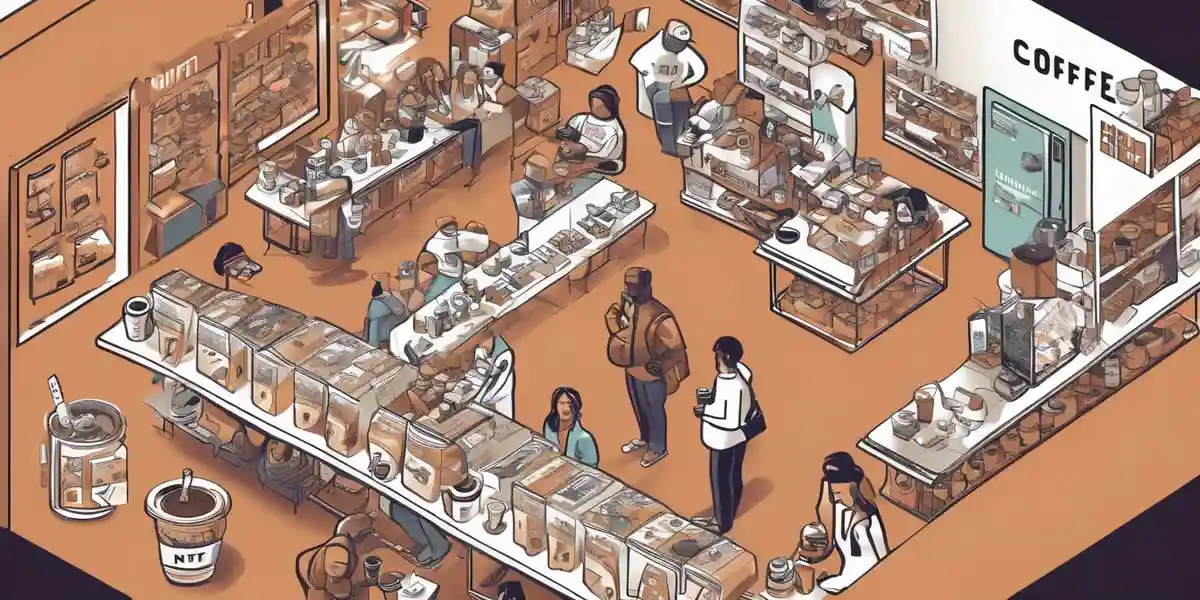
The intersection of coffee culture and technology has recently been invigorated by the emergence of Non-Fungible Tokens (NFTs). As a digital representation of ownership, NFTs are revolutionizing how coffee is marketed, sold, and consumed. This section delves into the rise of coffee NFTs, highlighting three key trends that illustrate their influence on contemporary coffee culture.
One of the most compelling aspects of coffee NFTs is their ability to establish and verify ownership. For instance, renowned coffee producer Blue Bottle Coffee launched a series of NFTs that represent limited-edition coffee blends. Each NFT acts as a digital certificate, ensuring consumers receive authentic and rare products. This not only enhances the exclusivity of their offerings but also fosters a deeper connection between the consumer and the brand. According to a report by the Blockchain Research Institute, nearly 60% of consumers expressed an increased interest in purchasing products linked to NFTs due to the assurance of authenticity.
NFTs are also reshaping customer loyalty programs within the coffee industry. Companies like Starbucks have started to explore blockchain-based loyalty initiatives where customers can earn NFTs as rewards for their purchases. These digital tokens can provide access to exclusive events, limited-edition merchandise, or even special coffee blends. Such engagement not only fosters brand loyalty but also creates a sense of community among coffee enthusiasts. A survey conducted by Market Research Future indicated that over 45% of consumers are more likely to engage with brands that utilize technology in their loyalty programs, highlighting the potential of NFTs to enhance customer relations.
As the conversation around sustainability grows, NFTs are emerging as a tool for promoting environmentally conscious practices in coffee production. By linking NFTs to specific batches of coffee, brands can provide consumers with verifiable information about the sourcing and production processes. For example, a coffee farm in Colombia recently launched NFTs that detail the journey of their beans from farm to cup, showcasing their sustainable farming practices. This transparency not only appeals to eco-conscious consumers but also positions brands as responsible players in the industry. Data from the Specialty Coffee Association shows that 70% of consumers are willing to pay more for products that demonstrate sustainable practices, indicating a significant market for NFT-driven transparency.
As technology continues to evolve, the rise of coffee NFTs represents a significant shift in how consumers interact with coffee brands, fostering deeper connections, enhancing brand loyalty, and promoting sustainable practices.
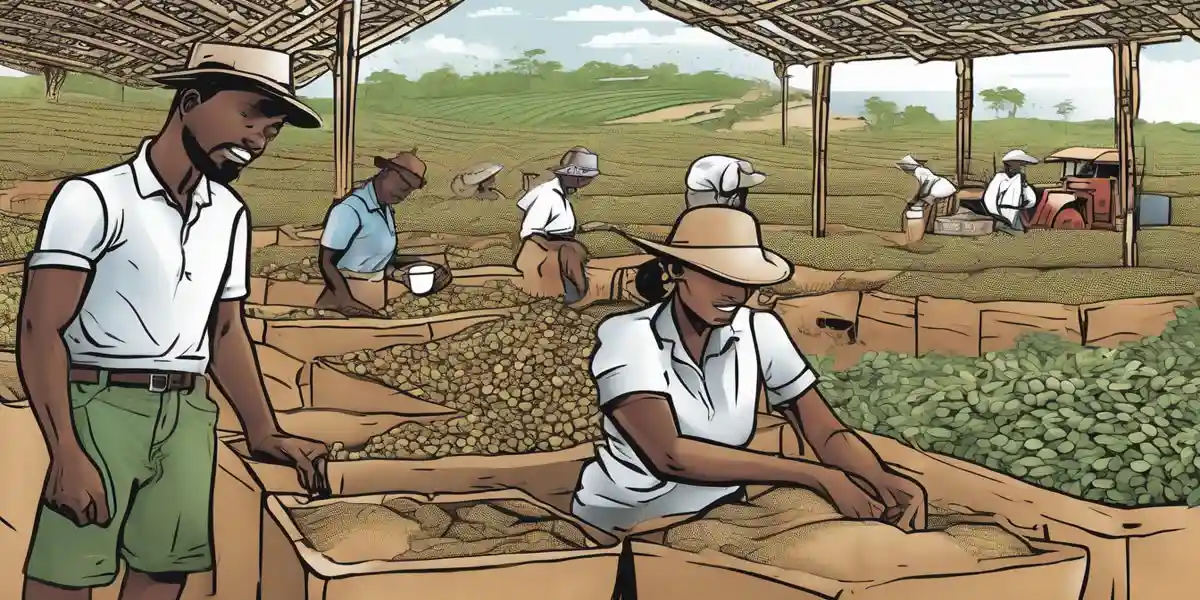
Blockchain technology has emerged as a transformative force in numerous industries, and the coffee supply chain is no exception. By providing an immutable ledger that enhances traceability and accountability, blockchain can significantly improve transparency in coffee sourcing and distribution. This section explores three key aspects of how blockchain is reshaping the coffee supply chain.
One of the primary advantages of blockchain in the coffee supply chain is its ability to enhance traceability. Each transaction in a blockchain is recorded in a decentralized ledger, ensuring that all stakeholders—from farmers to consumers—can track the journey of coffee beans from farm to cup. For instance, the company CoffeeTrace utilizes blockchain to allow consumers to scan QR codes on coffee packaging, revealing detailed information about the origin of the beans, the farmers who produced them, and the conditions under which they were grown. This level of transparency not only fosters trust among consumers but also empowers farmers by ensuring they receive fair compensation for their work.
Blockchain technology also plays a critical role in combating fraud and ensuring quality in the coffee supply chain. The coffee industry is notoriously plagued by issues such as adulteration and mislabeling. By utilizing blockchain, stakeholders can verify the authenticity of coffee products at every stage. For example, the Blockcoffee initiative employs blockchain to certify the quality of coffee beans by tracking their processing and storage conditions. This approach not only helps to maintain high standards but also assists companies in differentiating their premium offerings in a competitive market.
Smallholder farmers often face challenges in accessing markets and receiving equitable prices for their products. Blockchain can empower these farmers by providing them with a direct link to consumers and ensuring transparent pricing mechanisms. Initiatives like Farmers Connect leverage blockchain to create direct trade relationships between farmers and consumers. Through this model, consumers can pay a fair price that reflects the true value of the coffee, while farmers benefit from increased profits and the ability to invest in sustainable practices. By fostering these direct connections, blockchain not only enhances transparency but also supports the livelihoods of those at the heart of the coffee supply chain.
As these examples illustrate, blockchain technology is paving the way for a more transparent and equitable coffee industry, transforming consumer perceptions and encouraging sustainable practices among producers.
In exploring the intersection of blockchain technology and coffee culture through NFTs, we have uncovered several key points that illuminate how these innovations are reshaping the industry. First, the introduction of blockchain has enhanced transparency in the coffee supply chain, allowing consumers to trace their coffee from farm to cup, thereby fostering trust and ethical consumption. This traceability not only benefits consumers but also empowers farmers, ensuring they receive fair compensation for their labor.
Next, the advent of coffee NFTs has opened new avenues for engagement and community building within the coffee culture. By offering unique digital assets tied to specific coffee varieties or experiences, brands can create a more personalized connection with their customers. This trend reflects a broader shift towards experiential consumption, where consumers seek not just products but narratives and connections behind them.
Moreover, the potential for NFTs to facilitate direct transactions between producers and consumers reduces the reliance on traditional distribution channels, potentially lowering costs and increasing profitability for small-scale farmers. Such innovations align with the growing demand for sustainable and ethically sourced products, thus reinforcing a shift towards more conscious consumerism.
As we look to the future, the integration of blockchain and NFTs in the coffee sector presents a promising outlook for enhancing transparency, fostering community, and promoting sustainability. These elements are not merely trends; they represent a fundamental shift in how we interact with food and beverage industries. This evolution encourages us to reflect on our consumption choices and consider the broader implications of technology on cultural practices.
In conclusion, as coffee enthusiasts and industry stakeholders, we must remain engaged with these emerging trends. Let us embrace the potential of blockchain and NFTs to not only enhance our coffee experiences but also to support sustainable practices within the industry. Join the conversation, explore these innovations, and consider how you can be a part of this brewing revolution.

Get notified about new articles, coffee tips, and Web3 insights.
This site participates in affiliate programs and may earn a commission when a link is clicked and a purchase is made. The site is not responsible for any issues or troubles related to the products or services purchased through the use of this site.
DO&COFFEE loves coffee and technology, exploring the potential of NFTs and blockchain. Learn more →
DO&COFFEE loves coffee and technology, exploring the potential of NFTs and blockchain. Learn more →