coffee
2025/12/31
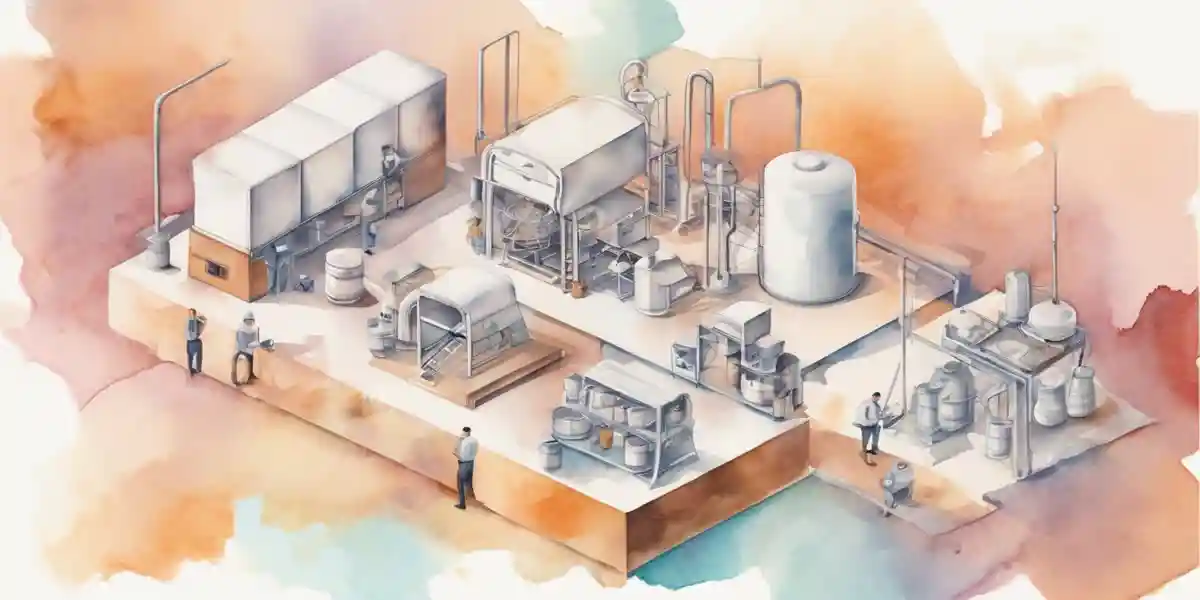
Have you ever wondered where your cup of coffee really comes from? While the aroma may entice you, the journey from bean to brew is often shrouded in mystery. As coffee lovers become increasingly conscious about the ethics behind their favorite beverage, transparency within the coffee supply chain has never been more crucial. Fortunately, the integration of Internet of Things (IoT) technology and Decentralized Finance (DeFi) is paving the way for a revolutionary shift in how we source our coffee, ensuring ethical practices and sustainability.
In this article, we will explore how a blockchain and IoT-enabled framework is transforming the coffee supply chain into a more transparent, secure, and efficient system. We'll look at how technology adoption can enhance supply chain transparency, and delve into the role of blockchain in optimizing coffee logistics and transport. This discussion is not just relevant for industry insiders but also for conscious consumers eager to understand the origins of their favorite brews and advocate for better practices in the coffee industry.
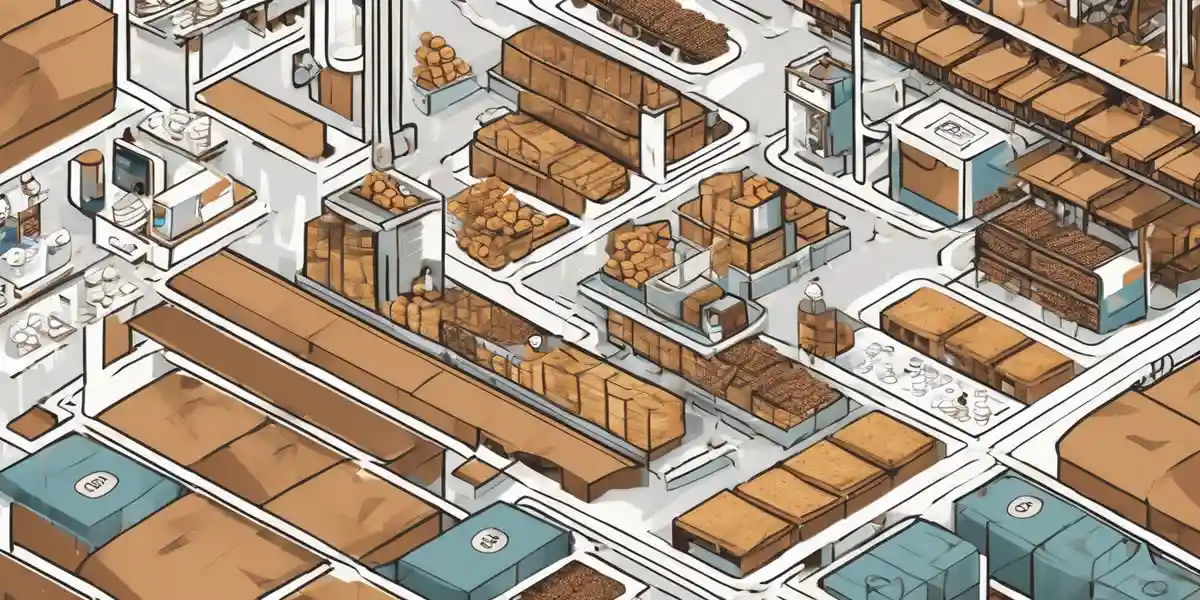
The global coffee supply chain is fraught with challenges, particularly concerning ethical sourcing and transparency. Issues such as fragmented records and unverifiable origin claims not only threaten consumer trust but also jeopardize ethical practices within the industry. In this context, a blockchain and Internet of Things (IoT)-enabled framework emerges as a solution to enhance the integrity and security of the coffee supply chain. Specifically, such a framework provides a decentralized digital ledger system—blockchain—along with real-time data collection through IoT sensors, to create a more coherent and verifiable traceability mechanism.
Blockchain technology significantly improves transparency in supply chains by enabling direct transactions between parties without relying on centralized intermediaries. Each transaction is recorded in an immutable ledger, which means once data is entered, it cannot be altered or deleted. This characteristic is critical for the coffee industry, where proving the origin and authenticity of products is crucial for ethical sourcing practices. For instance, according to the research paper titled "A Blockchain and IoT-Enabled Framework for Ethical and Secure Coffee Supply Chains," implementing these technologies allows stakeholders—including farmers, distributors, and consumers—to access real-time information about the journey of coffee from farm to cup. Such transparency fosters greater trust among consumers who increasingly demand assurance regarding the origins of their coffee.
The integration of IoT technology enhances this framework by enabling continuous monitoring throughout the coffee supply chain. IoT sensors can track critical metrics such as temperature, humidity, and soil conditions in real time, ensuring that coffee beans are stored and transported under optimal conditions. This capability not only helps maintain the quality of the coffee but also alerts stakeholders to any irregularities that could indicate a compromise in ethical standards. For example, if a shipment of coffee beans is found to have been stored in unfavorable conditions, the system can provide immediate data to address the issue, thereby safeguarding both quality and traceability.
A notable example of a blockchain and IoT-enabled framework in action can be found in pilot projects conducted by organizations focused on sustainable coffee sourcing. These projects have not only improved the traceability of coffee but have also demonstrated enhanced trust among consumers who can scan QR codes on packaging to access the entire history of their coffee, from farm practices to transportation. By leveraging smart contracts on the blockchain, payments to farmers can be automated and executed directly upon delivery confirmation, eliminating delays and ensuring fair compensation.
Another inspiring case is the application of IoT devices in measuring the impact of climate conditions on coffee crops. By analyzing data collected from IoT sensors integrated into coffee farms, stakeholders can adjust agricultural practices accordingly. This leads to better crop yields, demonstrating how technology can empower farmers while ensuring that ethical and sustainable practices are adhered to throughout the supply chain.
In conclusion, a blockchain and IoT-enabled framework serves as a catalyst for revolutionizing the coffee supply chains, promoting ethical sourcing, and enhancing transparency. By fostering a greater connection between all stakeholders involved, this modern approach not only addresses long-standing issues in the industry but also aligns consumer preferences with responsible sourcing practices.
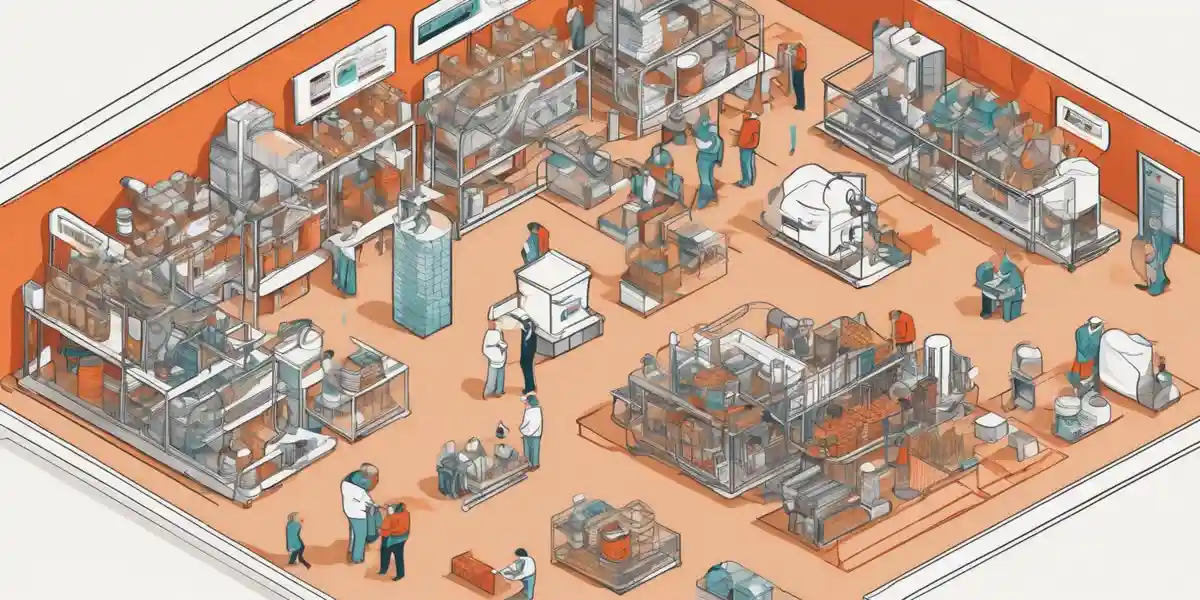
In today's global market, consumers are increasingly concerned about the origins of their products, especially when it comes to ethically sourced goods like coffee. Traditional coffee supply chains often face challenges such as fragmented records and unverifiable claims about sourcing. These issues can undermine consumer trust and contribute to unfair practices in trade. By enhancing transparency, we can create a more reliable system that benefits not just consumers but also farmers, suppliers, and retailers.
One of the most promising solutions to enhancing transparency in the coffee supply chain lies in the adoption of blockchain technology and the Internet of Things (IoT). Blockchain is a digital ledger system that records transactions in a secure and immutable way. This technology allows for a decentralized approach to supply chain management, enabling direct transactions between farmers, distributors, and retailers without relying on centralized intermediaries. As highlighted in the paper The Supply Chain Has No Clothes: Technology Adoption of Blockchain for Supply Chain Transparency, this method fosters greater transparency by making every transaction verifiable and visible to all parties involved.
Several initiatives demonstrate the real-world benefits of integrating IoT and blockchain into the coffee supply chain. For instance, companies are utilizing IoT sensors to monitor environmental conditions during coffee transport, ensuring that beans are stored in optimal conditions. These sensors can transmit data directly to a blockchain, creating a real-time record of the supply chain journey. By adopting this approach, stakeholders can trace the coffee's journey from farm to cup, verifying its quality and source authenticity.
Additionally, the paper A Blockchain and IoT-Enabled Framework for Ethical and Secure Coffee Supply Chains addresses specific challenges in the coffee supply chain and proposes a comprehensive framework. This framework suggests that by integrating IoT technology with blockchain, we can achieve improved traceability and transparency. For example, consumers could scan a QR code on a coffee package to access detailed information about where the coffee was grown, how it was processed, and the journey it took to reach their local café.
As demand for transparent and ethically sourced coffee continues to grow, adopting these technological solutions will be crucial. By embracing blockchain and IoT, stakeholders can cultivate a greater level of trust and accountability in their supply chains. This level of transparency not only reassures consumers about their purchases but also empowers farmers, helping them secure better prices for their products and fostering sustainable practices. The future of coffee consumption looks to be not only aromatic and rich in flavor but also ethical and transparent, thanks to the integration of innovative technologies.
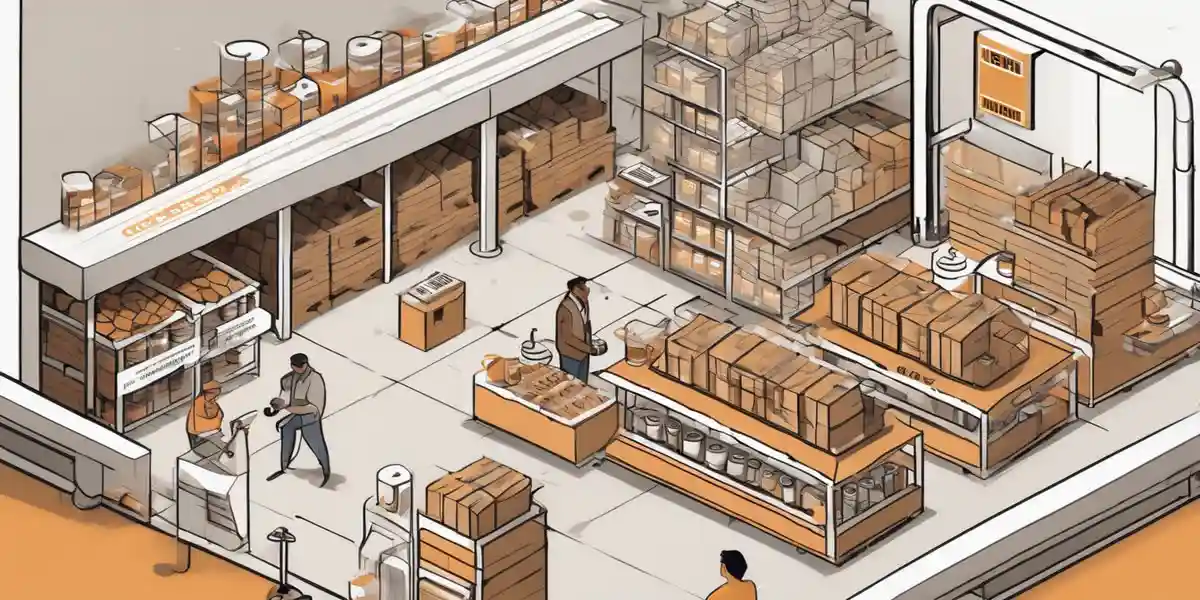
In the coffee industry, transparency and traceability are crucial for ensuring that consumers can trust the origin and quality of their coffee. Blockchain technology, a digital ledger system that allows for secure and transparent record-keeping, plays a vital role in this process. According to the research paper "A Blockchain and IoT-Enabled Framework for Ethical and Secure Coffee Supply Chains," the implementation of a blockchain framework can significantly alleviate challenges such as fragmented records and unverifiable origin claims that plague the global coffee supply chain. By recording every transaction and movement of coffee beans on a tamper-proof ledger, stakeholders can trace the coffee back to its source, ensuring ethical sourcing practices and reinforcing consumer trust.
Optimizing logistics and transport in the coffee supply chain is not only about transparency; it also focuses on reducing waste and increasing efficiency. The paper "Blockchain applications in supply chains, transport and logistics: a systematic review of the literature" highlights the importance of utilizing blockchain for improved tracking and management of resources throughout the supply chain. For example, coffee producers can efficiently manage inventory levels and transportation routes, minimizing spoilage and delays. When coupled with IoT sensors that provide real-time data on the condition of coffee during transit, blockchain technology ensures that all parties involved—from farmers to distributors—can make informed decisions that prioritize sustainability.
Several companies are already reaping the benefits of blockchain integration in their coffee supply chains. One notable example is a coffee cooperative in Colombia that has adopted a blockchain solution to document their coffee production process. By utilizing blockchain to record the journey of their beans from farm to market, they provide consumers with verifiable information about the ethical practices and quality of their coffee. This level of transparency has not only attracted conscious consumers but has also enhanced the cooperative's ability to command premium prices for their products.
Another compelling case comes from a major retailer that has implemented a blockchain system to streamline its coffee sourcing. By eliminating intermediaries and establishing direct transactions between farmers and the retailer, the company has improved profit margins for growers while offering consumers the assurance of fair trade practices. This decentralized approach fosters a more equitable supply chain while significantly enhancing transparency—a dual benefit that aligns with sustainability goals.
In summary, the integration of blockchain technology in coffee logistics and transport holds immense potential for optimizing sustainability. By enhancing transparency, reducing waste, and fostering ethical practices, the coffee industry can move towards a more sustainable future, ensuring that every cup of coffee enjoyed is not just a treat for consumers but a responsible choice for the planet.
As we have explored, the integration of IoT and DeFi technologies is not just a trend; it is a transformative force that is reshaping coffee supply chains for the better. By implementing a blockchain and IoT-enabled framework, we are paving the way towards more ethical and secure coffee sourcing. This enhanced transparency allows consumers to appreciate the journey of their coffee from bean to cup, fostering trust and a deeper connection with the product. Technology adoption has proven essential, as it optimizes the logistics of coffee transport and contributes significantly to sustainability efforts in the industry. Importantly, the utilization of blockchain facilitates real-time tracking and verification, ensuring that every economic participant—from farmers to consumers—can benefit from fair practices and equitable trade.
Key takeaways include the significant improvements in supply chain transparency, the positive impact on sustainability, and the potential for fairer compensation for farmers—all vital aspects that contribute to a healthier coffee ecosystem. With these advancements, we open up new possibilities for innovation that extend beyond the cup.
As you sip your next brew, consider how you can support these revolutionary changes in the coffee supply chain. Whether through advocating for brands that prioritize these technologies, exploring the fascinating world of decentralized finance, or simply spreading the word about the importance of transparency and sustainability in our coffee choices, you can play a part in brewing the future of coffee. Together, let’s embrace how IoT and DeFi are not just changing the way we enjoy coffee but also ensuring a brighter future for all those involved in its production.

Get notified about new articles, coffee tips, and Web3 insights.
This site participates in affiliate programs and may earn a commission when a link is clicked and a purchase is made. The site is not responsible for any issues or troubles related to the products or services purchased through the use of this site.
DO&COFFEE loves coffee and technology, exploring the potential of NFTs and blockchain. Learn more →
DO&COFFEE loves coffee and technology, exploring the potential of NFTs and blockchain. Learn more →