coffee
2025/12/08
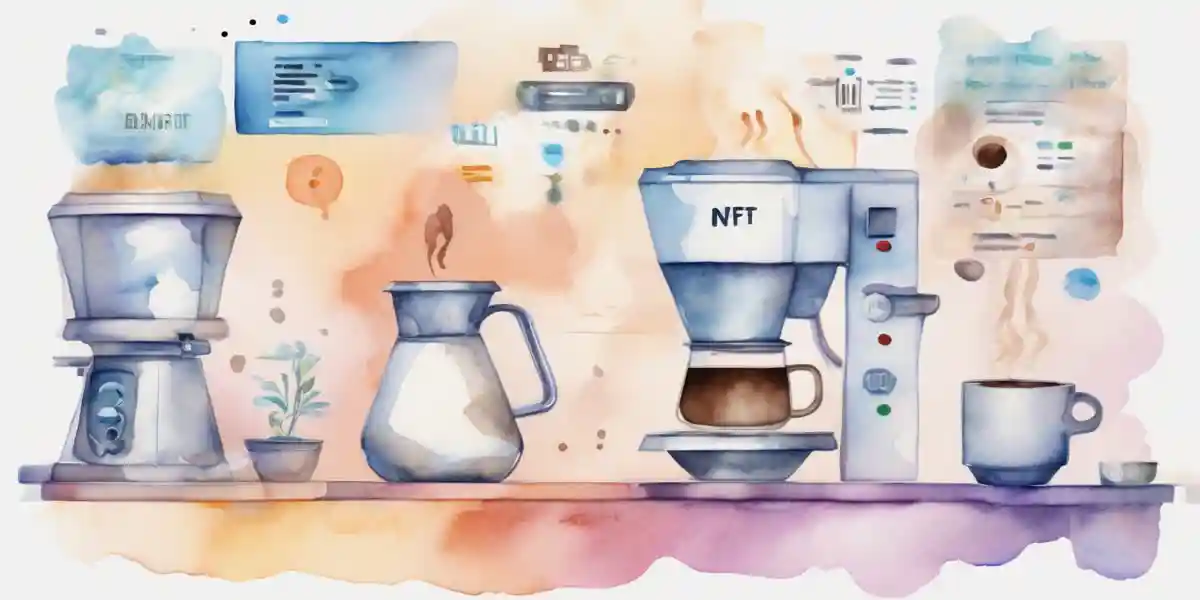
Have you ever wondered what truly goes into your morning cup of coffee? Beyond the rich aroma and comforting warmth lies a complex journey from bean to brew, one that is increasingly influenced by cutting-edge technology. As we step into the realm of Web3, the coffee industry is brewing a revolution that fuses tradition with innovation. Today, technologies like the Internet of Things (IoT) and Non-Fungible Tokens (NFTs) are not just buzzwords—they're reshaping how we perceive, source, and enjoy coffee.
In this blog post, we will explore how these advancements are transforming the coffee landscape. From revolutionizing traceability in the supply chain through blockchain to enhancing transparency and value creation with IoT and NFTs, we will uncover the pivotal ways in which these technologies are elevating the quality and authenticity of our favorite drink. Join us as we delve into the future trends that promise to shape the coffee industry, making each sip not just a moment of pleasure, but an experience enriched by technology.
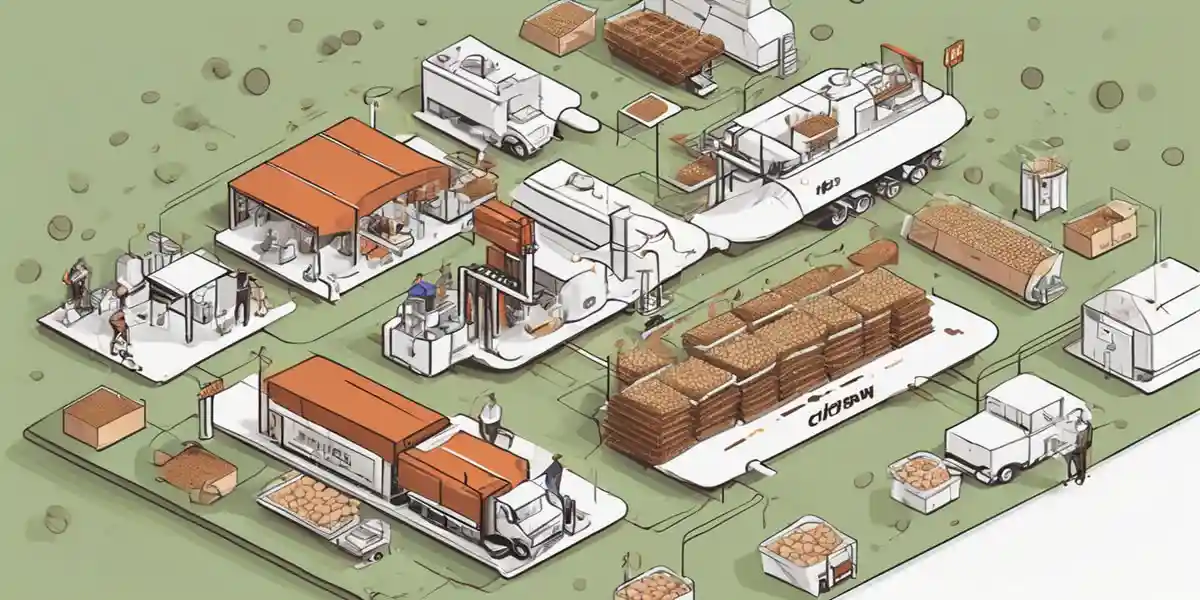
Blockchain, often described as a digital ledger system, is fundamentally changing how coffee is traced from farm to cup. By offering a secure and transparent way to record transactions, blockchain allows every step of the coffee supply chain to be documented and verified. This transparency is crucial in an industry where consumers are increasingly concerned about the origin and quality of their products. With blockchain, each coffee bean can carry its own unique history, from the farm where it was grown, through processing and distribution, all the way to the consumer's cup.
One of the key advantages of using blockchain in coffee traceability is the ability to ensure quality and authenticity. For instance, if a consumer buys a premium coffee labeled as "single-origin," they can verify this claim by accessing the coffee's blockchain record. This record includes information about the specific farm, the cultivation methods used, and even the harvest date, allowing consumers to make informed choices. In markets where counterfeit products are a significant concern, such as specialty coffee, this technology provides an essential layer of trust.
Several initiatives are already utilizing blockchain to enhance traceability in the coffee industry. For example, a collaboration between coffee producers and technology companies has led to the creation of a blockchain platform that allows farmers to record every step of their coffee's journey. This platform is designed to not only improve traceability but also ensure that farmers receive fair prices for their products by eliminating the need for intermediaries.
Another notable case involves a coffee roaster that implemented blockchain to showcase its commitment to sustainability. By using this technology, the roaster can share detailed information about its sourcing practices, including the environmental impact of their production processes. This approach not only builds consumer confidence but also reinforces the brand's reputation as a responsible player in the coffee industry.
As more stakeholders in the coffee supply chain adopt blockchain technology, the potential for improved traceability and quality assurance will only grow. With IoT devices providing real-time data on crop conditions and processing parameters, this information can immediately be reflected on the blockchain, creating a dynamic repository of coffee quality. For consumers, this means a richer understanding of their coffee's journey, and for producers and distributors, it leads to opportunities for differentiation in a competitive market.
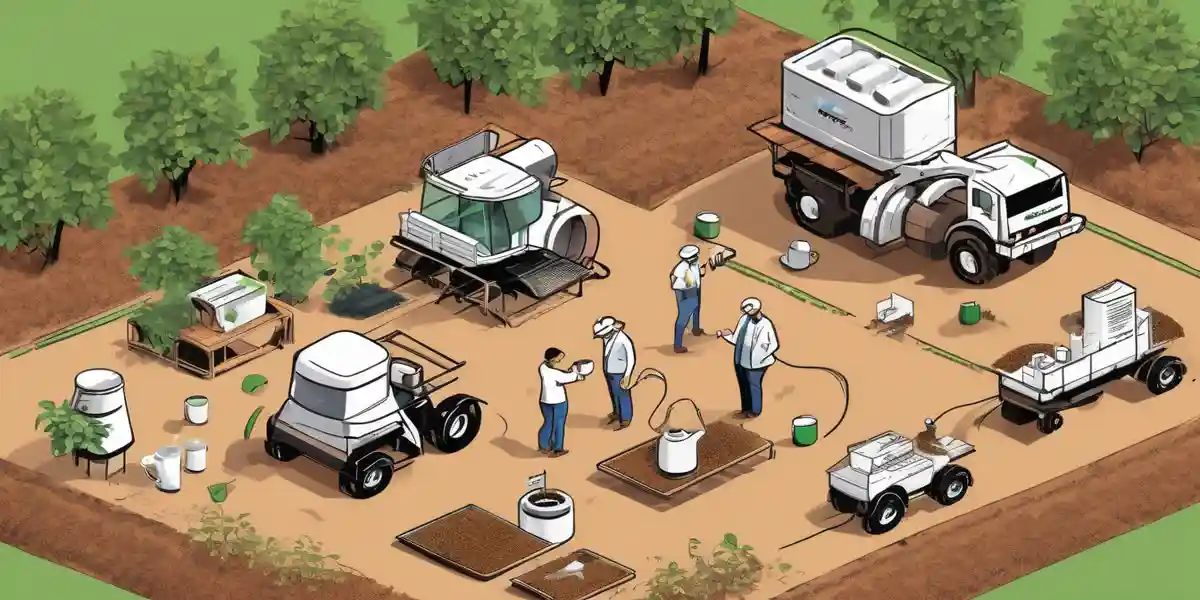
In the modern coffee supply chain, the Internet of Things (IoT) plays a transformative role. IoT devices, like smart sensors, are installed on coffee farms to collect vital data regarding factors such as soil moisture, weather conditions, and crop health. This real-time monitoring empowers farmers to make informed decisions, improving not only the quality of the coffee beans but also the efficiency of resource use.
For instance, an IoT-enabled system can send alerts when soil moisture levels drop below optimal ranges. This allows farmers to irrigate their fields just in time, preventing crop stress and ensuring that their coffee plants thrive. By improving crop yield and quality through effective monitoring, IoT not only enhances the farmer's productivity but also adds value to the beans produced. This data can then be relayed through a blockchain system, ensuring accurate and secure tracking of the coffee's journey from farm to cup.
Non-Fungible Tokens (NFTs) offer a unique way to authenticate coffee products and enhance their traceability. NFTs function as digital certificates that can represent ownership and origin, making it easier for consumers to verify that the coffee they are purchasing is genuine and high-quality. By linking NFTs to specific batches of coffee, companies can provide potential buyers with access to detailed information about the origins of their coffee, including the farm location, practices employed, and even the farmers who cultivated it.
According to the paper 'Blockchain traceability model in the coffee industry,' using blockchain technology can significantly address the challenges of transparency that consumers face in the coffee market. It allows for the secure tracking of coffee beans from farmer to retailer, ensuring that each step is logged on an immutable ledger. When paired with NFTs, this traceability becomes more accessible and engaging for consumers, who can scan a QR code to learn everything about their coffee and confirm its quality.
The synergy of IoT and NFTs not only enhances transparency but also creates new value propositions for all stakeholders in the coffee supply chain. For instance, a coffee company that utilizes both technologies can offer consumers a deeper assurance of quality. By tracking beans with IoT and providing verification through NFTs, consumers may be willing to pay a premium for products they trust. This transparency fosters loyalty among consumers who are increasingly concerned about where their food comes from and how it is produced.
A case study worth noting involves a coffee brand that adopted a blockchain system to trace the origins of their beans. They incorporated IoT technology to monitor the coffee farming process, ensuring best practices for sustainability were followed. Upon purchase, each consumer received an NFT linked to their coffee purchase, which provided a complete history of the bean’s story. This not only reassured buyers about the product’s authenticity but also engaged them in a narrative that supported sustainable farming practices. By tapping into the emotional aspect of coffee, the brand was able to differentiate itself in a competitive marketplace.
In summary, the intersection of IoT and NFTs presents immense opportunities for enhancing transparency and value in the coffee supply chain. By integrating these technologies, coffee producers can ensure quality, authenticity, and a deeper connection with consumers, making the coffee industry in Web3 more resilient and innovative than ever before.
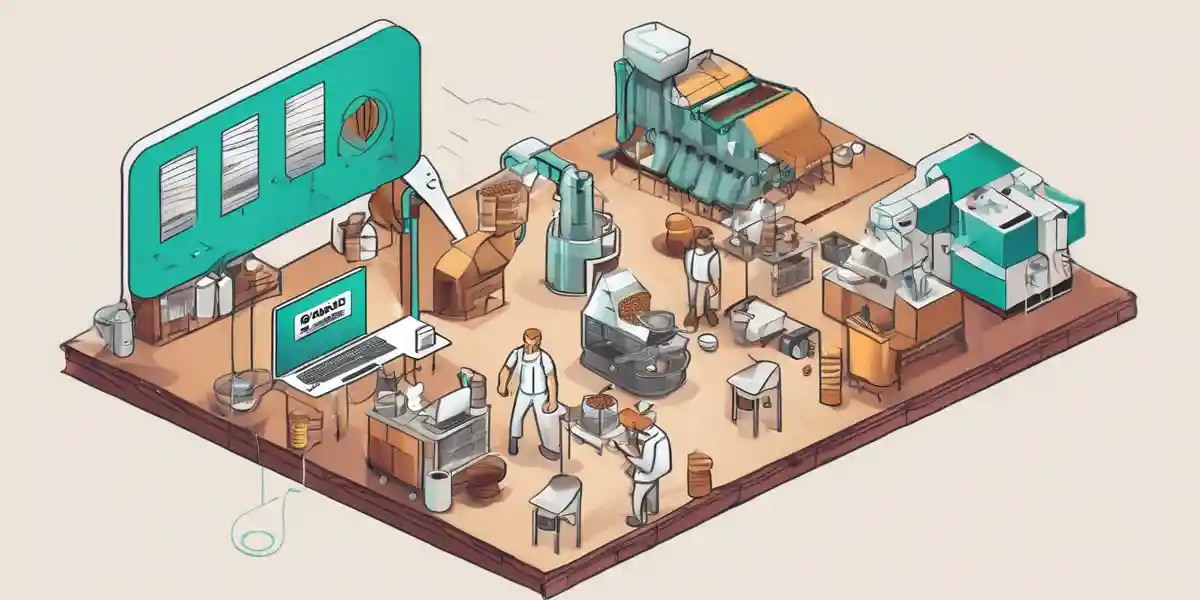
Web3 technologies, particularly blockchain, are set to redefine trust and transparency within the coffee industry. The current landscape often leaves consumers questioning the origins and quality of the coffee they purchase. By using blockchain technology, coffee can be traced back to its source with an immutable record of its journey. A study titled "Blockchain traceability model in the coffee industry" outlines how blockchain can bolster transparency, allowing consumers to verify quality and ethical sourcing practices. This level of traceability can help bridge the gap between farmers, distributors, and consumers, creating a more reliable connection. For instance, when consumers scan a QR code on a coffee bag, they could access an entire history of that coffee's journey, including farming practices and handling methods, fostering trust and boosting sales for producers.
The Internet of Things (IoT) is also set to play a significant role in evolving the coffee supply chain. Smart sensors placed on coffee farms can provide real-time data on vital factors, such as soil moisture levels and weather conditions, guiding farmers in making data-driven decisions. This means farmers can optimize their practices to yield higher quality coffee beans. For example, data collected through IoT devices can inform irrigation schedules, pest control measures, and harvesting times, ultimately improving productivity and sustainability. The findings in the paper "Colombian Origin Coffee Supply Chain Traceability by a Blockchain Implementation" suggest that combining blockchain with IoT not only enhances product origin tracing but also makes farm operations more efficient and transparent.
Non-Fungible Tokens (NFTs) are emerging as a unique means to engage consumers and create a deeper connection with the product. Brands can issue NFTs that represent exclusive coffee offerings, unique experiences, or even limited-edition products. Each NFT can come with documentation proving origins and authenticity, tying into the traceability offered by blockchain. This could revolutionize how consumers perceive value in coffee, as they wouldn't just be purchasing a product but also investing in a unique piece of the coffee culture. As sustainability becomes increasingly important, the ability to showcase a product’s environmental impact or social benefit through NFTs can drive consumer loyalty and engagement. This intersection of technology and product experience can create a more dynamic and interactive marketplace.
As the coffee industry grapples with the challenges of climate change and sustainability, Web3 technologies offer innovative solutions. For instance, IoT can help monitor environmental impacts, ensuring that farming practices are sustainable and responsibly managed. Blockchain can provide an auditable record of these practices, enabling certifications that appeal to eco-conscious consumers. As a result, farmers may find not only an increase in loyal customers but also new opportunities for premium pricing on sustainably sourced coffee. Future trends indicate that technology will enable a shift toward a more accountable coffee industry, where both transparency and sustainability are at the forefront of consumer choices.
As we’ve explored throughout this post, the integration of IoT and NFTs in the coffee industry is not just a trend; it is a revolution that is brewing the future of this beloved beverage. By utilizing blockchain technology, coffee brands can ensure traceability, authenticity, and quality, allowing consumers to sip confidently, knowing the story behind their cup. The fusion of IoT devices and NFTs enhances transparency in the coffee supply chain, enabling farmers, distributors, and consumers to connect like never before. This is not just about coffee; it’s about creating a more sustainable and ethical industry that values every stakeholder involved.
Key takeaways from our discussion include the potential of blockchain to secure the origin of coffee beans, the ways IoT advancements are streamlining operations and reducing waste, and the compelling opportunities NFTs create for engaging consumers and fostering community. As Web3 technologies continue to shape this space, it’s crucial for consumers, producers, and businesses alike to embrace these innovations wholeheartedly.
As we move forward, let us celebrate the intersection of technology and tradition in the coffee industry of Web3. Whether you’re a coffee lover, a barista, or a tech enthusiast, consider how you can be part of this exciting evolution. Together, we can brew a future where every cup of coffee tells a story, enhances our experience, and contributes to a more sustainable world. So, let’s raise our mugs to innovation and toast to the future of coffee!
Get notified about new articles, coffee tips, and Web3 insights.
This site participates in affiliate programs and may earn a commission when a link is clicked and a purchase is made. The site is not responsible for any issues or troubles related to the products or services purchased through the use of this site.
DO&COFFEE loves coffee and technology, exploring the potential of NFTs and blockchain. Learn more →
DO&COFFEE loves coffee and technology, exploring the potential of NFTs and blockchain. Learn more →