coffee
2025/10/23
Have you ever wondered how a simple cup of coffee can be transformed into an artisanal experience that delights the senses? As coffee enthusiasts increasingly demand not just great taste but also an engaging experience, mastering the art of coffee brewing has never been more essential for aspiring baristas. But what if the future of coffee roasting and brewing isn't solely in the hands of skilled baristas? With advancements in artificial intelligence, a new realm of possibilities is opening up, one that marries human skill with cutting-edge technology.
In this blog post, we will explore how baristas can harness AI to polish their craft and produce remarkable coffee. We’ll dive into the world of flavor profiling, where understanding coffee roast intelligence can enhance a barista's skill set. Additionally, we'll examine the emotional engagement of consumers as they accept AI-assisted brewing methods, and look closely at how precision in extraction variables can lead to optimal espresso quality. Whether you're a seasoned barista or a casual coffee drinker, understanding this intersection of tradition and technology is vital in brewing a better future.
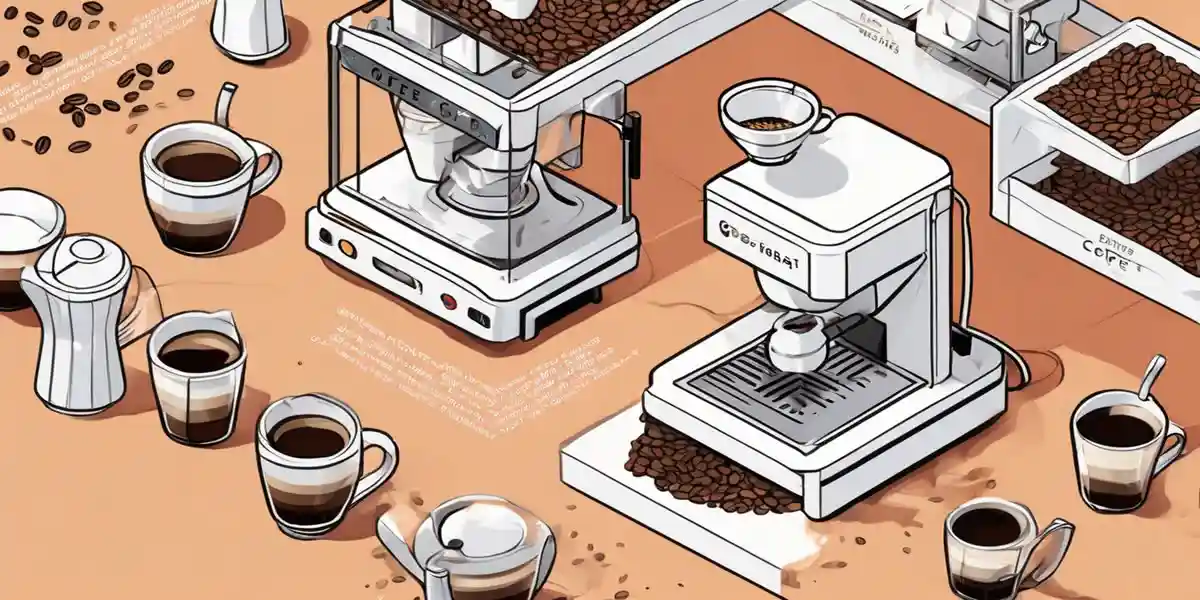
As the demand for high-quality coffee continues to rise, ensuring consistency in flavor becomes increasingly important. Coffee Roast Intelligence, a cutting-edge application derived from machine learning, plays a vital role in this process. By classifying the degree of roasting of coffee beans, this technology enables baristas to achieve a uniform taste profile across different batches of coffee. Traditionally, baristas have relied on subjective methods to assess roast levels, which can lead to variability in flavor and quality. However, with the deployment of Coffee Roast Intelligence, they can make data-driven decisions, ultimately enhancing both their skills and the coffee experience for consumers.
Flavor profiling is crucial for baristas as it involves understanding the intricate flavors and aromas that different roast levels can produce. With the help of Coffee Roast Intelligence, baristas can train themselves to recognize subtle differences in flavor profiles, allowing them to refine their brewing techniques. For example, a medium roast coffee may highlight chocolate and nutty flavors, while a dark roast could emphasize bold and smoky notes. By using the intelligence provided by these technologies, baristas can adapt their brewing methods—such as adjustment of water temperature and extraction time—to enhance the specific flavors they wish to present to the customer.
A study titled "Robot versus human barista: Comparison of volatile compounds and consumers’ acceptance, sensory profile, and emotional response of brewed coffee" explored how automated brewing methods impacted flavor profiling. The research utilized gas chromatography-mass spectrometry (GC-MS) to analyze the volatile compound profiles of coffee brewed by both robots and human baristas. The findings showed that while robot-prepared coffee could achieve a consistent quality, the emotional connection consumers felt with human baristas often swayed their acceptance and preference of human-made coffee. This illustrates that mastering the art of flavor profiling isn't just about technical skills; it's also about building relationships with customers to enhance their coffee experience.
Baristas can leverage flavor profiling in practical ways to elevate their craftsmanship. For instance, when a barista evaluates a new coffee bean, they can utilize the insights from Coffee Roast Intelligence to determine the optimal roast level and brewing parameters for highlighting the bean's unique characteristics. This process not only improves the overall quality of the coffee they serve but also fosters a greater understanding of how different variables influence flavor. Additionally, by documenting flavor profiles and customer feedback, baristas can create personalized coffee menus that cater to specific tastes and preferences, ultimately enhancing customer satisfaction and loyalty.
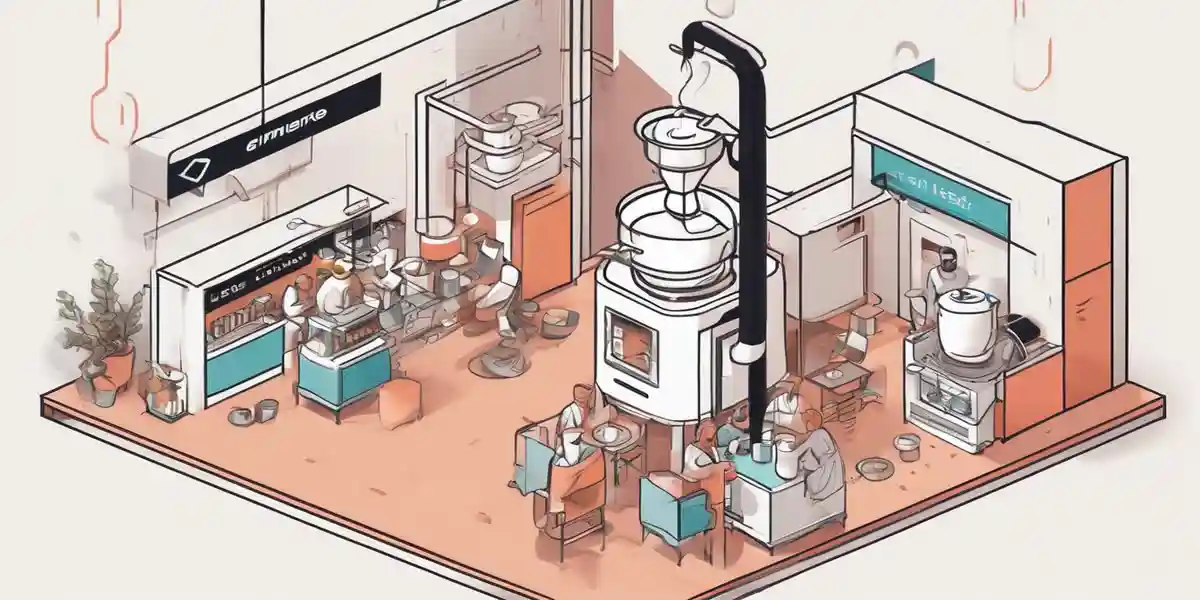
As artificial intelligence (AI) continues to reshape various industries, the coffee sector is witnessing a transformation in how beverages are crafted and consumed. For many coffee lovers, the experience of brewing coffee goes beyond just taste; it involves a sensory journey that often evokes strong emotions and personal connections. According to research titled Robot versus human barista: Comparison of volatile compounds and consumers’ acceptance, sensory profile, and emotional response of brewed coffee, the integration of robot baristas in brewing methods has shed light on consumer attitudes towards food technology. The study indicates that while the mechanical precision of robots can produce consistently high-quality coffee, emotional engagement remains a crucial factor influencing consumer acceptance.
Coffee is often associated with rituals—morning routines, catch-ups with friends, or moments of solitude. When AI assists in brewing, it may inadvertently disrupt the emotional resonance tied to these experiences. Consumers might feel a loss of connection to their coffee if they perceive it as merely a product of technology rather than a crafted beverage. In the mentioned study, significant variability in consumers’ emotional reactions was observed when comparing coffee brewed by robots to that brewed by traditional baristas. Many participants expressed a preference for the latter, suggesting that human touch and artistry are integral to the emotional experience of enjoying coffee.
Despite initial hesitance, AI-assisted brewing methods, such as the precision offered by applications like Coffee Roast Intelligence, can enhance the coffee experience. This technology employs machine learning to analyze and classify the degree of roasting beans, which helps in achieving consistency and quality. The key is not to replace the barista but to empower them with tools that elevate their craft. By mastering the interplay between traditional skills and innovative technologies, baristas can maintain their emotional connection to the craft while also appealing to tech-savvy consumers who appreciate personalized, high-quality brews.
As baristas increasingly adopt these AI tools, they can convey their stories, knowledge, and passion for coffee, thereby creating richer connections with their customers. Engaging consumers on an emotional level—by sharing the journey of coffee from bean to cup—can foster acceptance and enthusiasm for AI technologies in brewing.
One notable instance of successful emotional engagement can be found in cafes that blend traditional barista skills with technology. For example, cafés that use AI-driven tools to customize roasting profiles can provide detailed information to customers about the origin and flavor notes of the coffee they are tasting. This transparency not only educates consumers but also deepens their appreciation for the product, allowing them to feel more connected to their coffee experience.
In another case, a coffee shop that incorporated robot baristas discovered that pairing the robots with live demonstrations by human baristas created a unique environment. Customers enjoyed watching the robots brew coffee while the barista engaged them with stories about the coffee’s sourcing and brewing techniques. This harmonious balance between human interaction and technological assistance illustrated how emotional engagement can still thrive in an age dominated by AI.
The emotional component of coffee enjoyment remains significant, and successfully navigating this landscape requires baristas to embrace technology in a way that enhances, rather than detracts from, the consumer experience. In the evolving world of coffee, mastering both barista skills and the nuances of AI offers a promising avenue towards crafting the future of brewing.
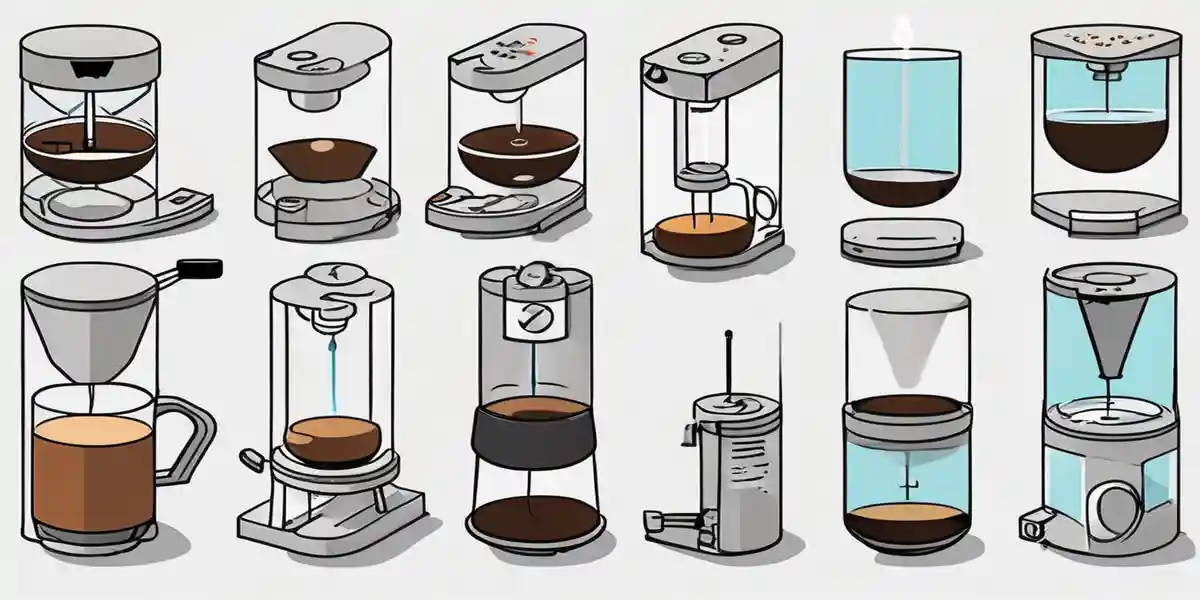
Espresso brewing is a delicate balance of science and artistry, where minute adjustments can lead to drastic changes in flavor and mouthfeel. Extraction variables refer to the different factors that influence the dissolution of coffee compounds during brewing. These include water temperature, brew time, grind size, coffee-to-water ratio, and pressure. Each variable plays a crucial role in determining how effectively flavors are extracted from the coffee grounds, impacting the ultimate espresso quality.
The temperature of the water used in brewing espresso significantly affects extraction. Studies show that the optimal brewing temperature typically ranges from 90 to 96 degrees Celsius (194 to 205 degrees Fahrenheit). Water that is too hot can lead to over-extraction, resulting in bitter flavors, while too cool water might under-extract, producing a sour, weak shot. For instance, an espresso brewed at 92 degrees Celsius for 25 seconds yields a rich flavor profile, showcasing the coffee's inherent sweetness and complexity.
Brew time is another crucial factor that varies according to grind size and desired flavor. For a standard espresso shot, a brewing time of 25-30 seconds is ideal, allowing enough time for oils and soluble compounds to properly extract. Adjusting these variables can result in entirely different flavor experiences, aligning with individual preferences and showcasing the rich tapestry of flavors found in each coffee bean.
Grind size is key when it comes to controlling extraction. Finer grinds increase the surface area of coffee exposed to water, leading to quicker and more thorough extraction. Conversely, coarser grinds slow down the extraction process. The ideal method involves finding a balance that matches the desired brew time and flavor outcome. A common recommendation is to use a coffee-to-water ratio of 1:2, meaning for every gram of coffee, two grams of water should be used—a practice vital for achieving optimal espresso quality.
With the advent of machine learning applications like Coffee Roast Intelligence, baristas now have access to tools that help maintain consistent quality in coffee roasting and brewing. This application analyzes data from various roasts, allowing baristas to understand how each coffee type reacts to different extraction variables more effectively. For example, if a barista notices a trend in which a particular coffee roast consistently yields better results at a specific temperature, they can adjust their brewing techniques accordingly, bridging the gap between traditional skills and technology.
Furthermore, such technological advancements empower baristas to move beyond subjective judgment. By leveraging precise data on coffee characteristics, baristas can refine their approach, ensuring that the final cup highlights the unique flavors intended by the coffee’s origin and roast profile. This integration of science with skill illustrates how mastering barista techniques in conjunction with AI tools can elevate the espresso experience, illustrating a bright future for coffee enthusiasts.
As we've explored in this blog post, the fusion of barista skills with AI technology is not just an evolution; it's a revolution brewing in the coffee industry. Through flavor profiling, we've seen how coffee roast intelligence can enhance the barista's ability to craft personalized experiences that resonate with consumer preferences. The emotional engagement consumers have with AI-assisted brewing methods showcases a readiness to embrace innovation while still valuing the artistry behind a perfectly brewed cup of coffee. Moreover, the art of precision and exploration of extraction variables underscores that mastering the technical aspects is crucial for achieving optimal espresso quality.
Three key takeaways emerge from our discussion: first, mastering flavor profiles can significantly enrich the barista's interaction with customers. Second, recognizing consumers' emotional ties to their coffee can help baristas create more meaningful connections. Lastly, understanding the precise variables that influence extraction can elevate the quality of the coffee experience for all involved.
As we look to the future of coffee, it’s clear that evolving your barista skills while embracing AI is essential. So why not take the next step? Dive deeper into your coffee journey—experiment with new brewing methods, embrace technology, and share your findings with your community. Together, we can brew the future!
Get notified about new articles, coffee tips, and Web3 insights.
This site participates in affiliate programs and may earn a commission when a link is clicked and a purchase is made. The site is not responsible for any issues or troubles related to the products or services purchased through the use of this site.

DO&COFFEE loves coffee and technology, exploring the potential of NFTs and blockchain. Learn more →
DO&COFFEE loves coffee and technology, exploring the potential of NFTs and blockchain. Learn more →