crypto
2025/03/16
In an era where consumers are increasingly conscious of the origins and impacts of their food choices, the coffee industry is facing a critical transformation. Imagine sipping your morning brew with the knowledge that each cup embodies a transparent journey from farm to cup, meticulously documented in an immutable digital record. This blog post delves into the revolutionary potential of blockchain technology and decentralization in enhancing coffee traceability, offering a solution to longstanding issues of transparency and trust within the coffee supply chain.
As global coffee consumption continues to rise—60% since 1990, according to industry reports—the challenges facing coffee producers, particularly smallholder farmers, are becoming more pronounced. Issues such as inefficiencies, lack of market access, and the risk of exploitation by middlemen necessitate innovative solutions. By integrating blockchain, every transaction along the supply chain—from farmers to exporters to consumers—can be recorded in a decentralized ledger, allowing stakeholders to verify authenticity and ethical sourcing.
This transformative approach not only empowers consumers to make informed choices but also ensures that farmers receive fair compensation through mechanisms like smart contracts, which facilitate instant payments upon delivery. As sustainability becomes a focal point for consumers, the ability to trace coffee back to its origins could enhance marketability and drive demand for ethically sourced products. In this blog post, we will explore how blockchain and decentralization are reshaping the coffee supply chain, providing real-world applications and case studies that highlight the positive impacts of these technologies on transparency, efficiency, and trust.
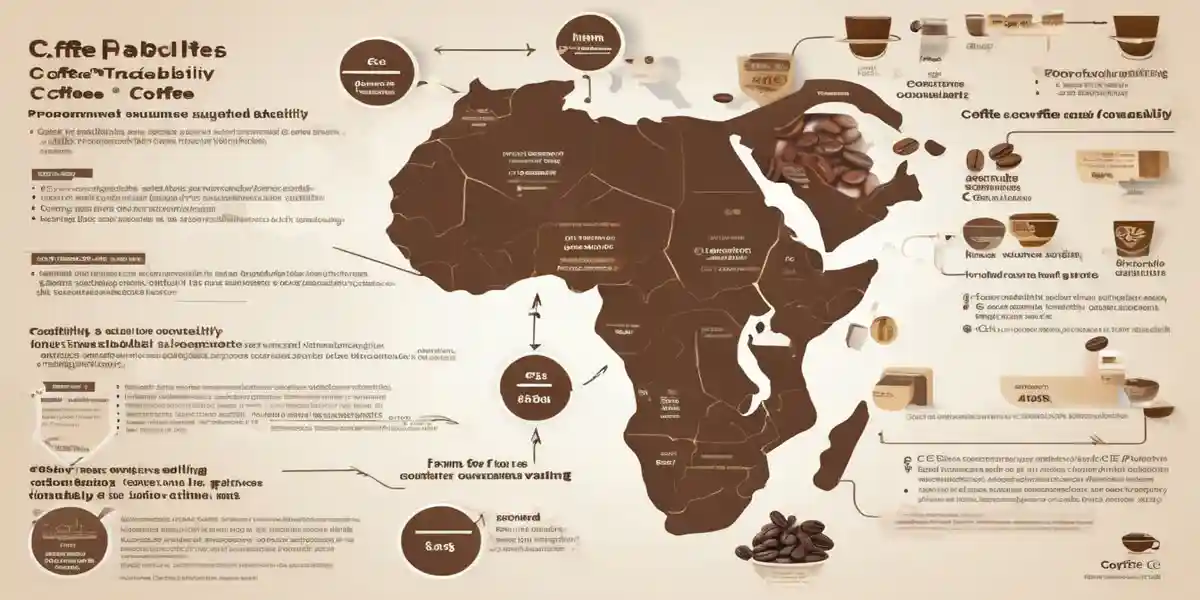
Coffee traceability refers to the ability to track the journey of coffee from the farm to the consumer. This process is crucial not only for ensuring quality and authenticity but also for enhancing sustainability and ethical sourcing practices. The increasing demand for transparency in consumer goods has catalyzed a shift towards improved traceability mechanisms in the coffee industry. This section explores the significance of coffee traceability, the challenges faced, and real-world examples illustrating its impact.
One of the primary reasons for coffee traceability is to ensure product quality and safety. By tracing coffee from its origin, consumers can verify the integrity of the product they are purchasing. For instance, a study published in the Journal of Agricultural and Food Chemistry found that consumers are willing to pay up to 20% more for coffee that is certified as ethically sourced and traceable. This demand highlights the growing consumer awareness surrounding product origins and ethical considerations in purchasing decisions.
Despite its importance, establishing effective coffee traceability poses significant challenges. The coffee supply chain is often complex and fragmented, with numerous actors involved, including farmers, exporters, importers, and retailers. According to the International Coffee Organization, approximately 25 million coffee farmers worldwide operate in small-scale cooperatives. This fragmentation makes it difficult to maintain consistent and accurate records of coffee provenance. Moreover, issues such as lack of technology adoption in farming communities exacerbate the situation, leading to gaps in the traceability chain.
Several initiatives have demonstrated the potential of traceability in enhancing transparency within the coffee sector. One notable example is the partnership between Starbucks and the non-profit organization Conservation International. This collaboration has pioneered the Coffee and Farmer Equity (C.A.F.E.) Practices program, which emphasizes ethical sourcing through rigorous auditing and traceability measures. By leveraging technology, Starbucks can ensure that its coffee is sourced from farms that adhere to environmental and social standards.
Another compelling case is that of the coffee brand Counter Culture Coffee. They have implemented a traceability system that allows consumers to trace their coffee back to the specific farm where it was grown. This not only fosters consumer trust but also incentivizes farmers to adopt sustainable practices by providing them with direct feedback about the quality and marketability of their coffee.
As the coffee industry continues to evolve, the push for enhanced traceability will remain central to addressing consumer demands and ensuring sustainability. By utilizing advanced technologies, including blockchain, the potential for revolutionizing coffee traceability is significant, paving the way for a more transparent and ethical coffee supply chain.
Blockchain technology plays an integral role in revolutionizing coffee traceability by ensuring transparency and accountability throughout the supply chain. By creating a decentralized and immutable ledger, blockchain allows all stakeholders—from farmers to consumers—to verify the origin and journey of coffee beans. This technology addresses several challenges faced by the coffee industry, including fraud, quality assurance, and ethical sourcing.
One of the foremost advantages of blockchain is its decentralized nature. Traditional coffee supply chains often rely on a central authority to manage and verify transactions, which can lead to discrepancies and mistrust. In contrast, blockchain enables a network of participants to maintain shared records, enhancing transparency. For instance, the coffee cooperative "Café Direct" utilizes blockchain to provide consumers with verifiable information about the farmers who grow their coffee. Each transaction is recorded on the blockchain, allowing consumers to trace the exact origin of their coffee and the conditions under which it was produced.
The immutable nature of blockchain records ensures that once information is entered, it cannot be altered or deleted. This feature is crucial in preventing fraud and maintaining the integrity of data. A notable example is the collaboration between IBM and the coffee supply chain company "Olam." They developed a blockchain system that tracks coffee from the farm to the consumer. This system not only documents each step of the supply chain but also guarantees that the information remains tamper-proof. Consequently, consumers can trust that the coffee they purchase adheres to ethical sourcing practices.
Blockchain also facilitates improved quality control by providing real-time data on factors such as climate conditions and processing methods. This data can be invaluable for stakeholders aiming to optimize production processes and ensure high-quality coffee. For example, the "Chamberlain Coffee" initiative employs blockchain to monitor the quality of beans throughout the supply chain. By utilizing sensors and IoT devices, they can log environmental data directly onto the blockchain, enabling immediate responses to any issues that may affect quality.
In summary, the integration of blockchain technology in coffee traceability not only enhances transparency and trust but also enables stakeholders to make informed decisions based on reliable data. This technological advancement is critical for fostering a more sustainable and equitable coffee industry.
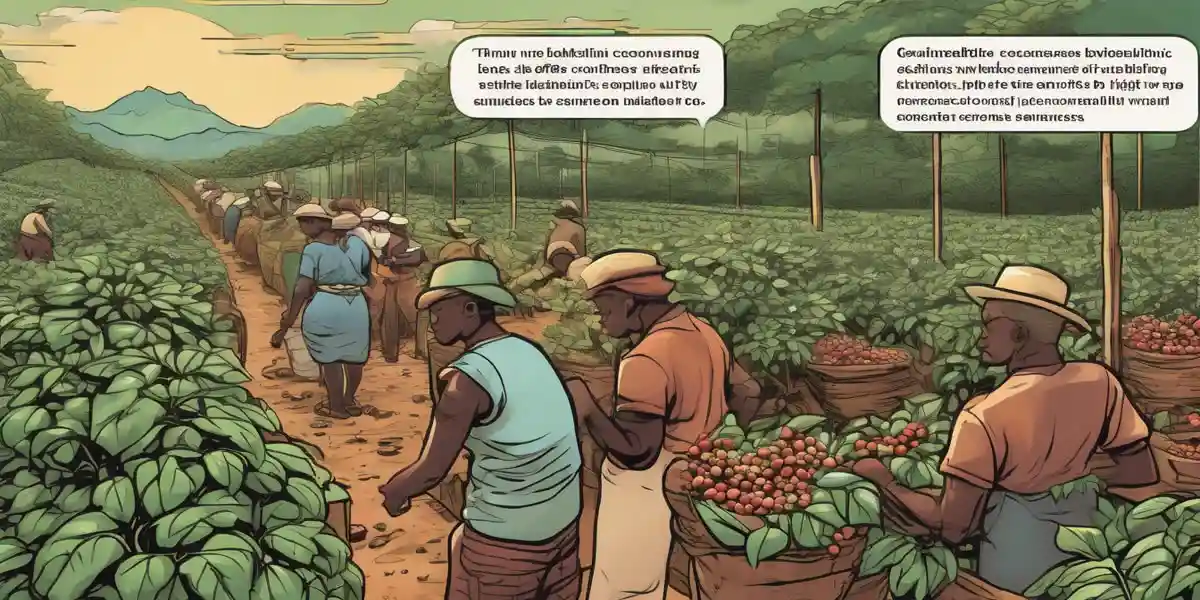
The coffee supply chain is notoriously complex, involving multiple actors from farmers to roasters, exporters, and retailers. Blockchain technology, with its inherent characteristics of transparency, traceability, and decentralization, has begun to transform these traditional practices. Here, we explore three key applications of blockchain in coffee supply chains, supported by compelling examples and case studies.
One of the most significant applications of blockchain in coffee supply chains is the enhancement of traceability. By utilizing blockchain, each step in the coffee production process can be recorded in a tamper-proof ledger, allowing consumers to trace their coffee back to its origin. For instance, the startup "Everledger" has developed a blockchain solution that tracks coffee from farm to cup, ensuring that consumers can verify the authenticity and ethical sourcing of their coffee. This is particularly crucial in a market where consumers are increasingly concerned about sustainability and fair trade practices.
Blockchain technology also facilitates direct trade between coffee producers and consumers, thereby ensuring fair compensation for farmers. The "Café Network" is an exemplary model where blockchain eliminates intermediaries, allowing farmers to sell directly to roasters and consumers. This approach not only increases farmers' profits but also fosters a stronger relationship between producers and consumers, who can appreciate the direct impact of their purchasing decisions on the livelihoods of farmers. According to a report by the Specialty Coffee Association, direct trade models supported by blockchain can increase farmers' income by up to 30%.
Smart contracts—self-executing contracts with the terms of the agreement directly written into code—are another exciting application of blockchain in coffee supply chains. These can automate payments based on predefined conditions, such as the quality of the coffee delivered. For example, the "CoffeeChain" project utilizes smart contracts to ensure that payments to farmers are released only when the coffee meets specified quality parameters, as verified by third-party inspectors. This creates an incentive for growers to maintain high-quality standards, ultimately benefiting consumers and enhancing the overall quality of coffee available in the market.
Through these applications, blockchain technology not only revolutionizes the coffee supply chain but also fosters a more equitable and sustainable industry, bridging the gap between producers and consumers.
In this exploration of how blockchain and decentralization are transforming coffee traceability, we first examined the historical context of the coffee supply chain, highlighting its complexity and the opacity that has often plagued it. We then delved into the mechanics of blockchain technology, illustrating how its decentralized nature allows for transparent record-keeping and immutable data storage. This shift not only enhances traceability but also builds trust among consumers who increasingly demand transparency about the origins of their coffee.
Furthermore, we discussed real-world implementations of blockchain in the coffee industry, showcasing pioneering companies that have successfully integrated this technology into their operations. These case studies exemplify the tangible benefits of improved traceability, such as increased consumer confidence and the potential for premium pricing for ethically sourced products. The discussion also touched upon the challenges that remain, including technological adoption barriers and the need for industry-wide standards.
Reflecting on these points, it's clear that the implications of blockchain extend beyond just coffee; they resonate throughout the broader agricultural and supply chain sectors. As consumers lean more towards ethical consumption and sustainability, the demand for transparency will only intensify. The future of coffee and other commodities may very well depend on embracing such innovative technologies to meet these evolving consumer expectations.
As we conclude, we invite you to consider how your coffee choices impact the broader ecosystem. Engage with brands that prioritize transparency and sustainability. By doing so, you not only enjoy a better cup of coffee but also contribute to a fairer and more equitable coffee industry. Join the conversation about coffee traceability and be a part of this exciting revolution in consumer empowerment.

Get notified about new articles, coffee tips, and Web3 insights.
This site participates in affiliate programs and may earn a commission when a link is clicked and a purchase is made. The site is not responsible for any issues or troubles related to the products or services purchased through the use of this site.
DO&COFFEE loves coffee and technology, exploring the potential of NFTs and blockchain. Learn more →
DO&COFFEE loves coffee and technology, exploring the potential of NFTs and blockchain. Learn more →