coffee
2024/08/17

Imagine savoring your morning brew, not just for its rich aroma and flavor, but for the powerful story it tells about transparency, sustainability, and ethical sourcing. Welcome to the evolving landscape of the specialty coffee market, where traditional brewing meets cutting-edge technology. As coffee lovers become more discerning about the origins of their beans, a fascinating shift is happening: coffee roasters are embracing cryptocurrencies and blockchain technology to revolutionize how we connect with our coffee.
In this blog post, we will explore how the integration of cryptocurrencies can transform the coffee supply chain, allowing consumers to trace every batch of beans back to its source. Picture scanning a QR code on your coffee packaging, unveiling the journey of your beans—from the farmer who nurtured them to the roaster who crafted your favorite blend. This level of transparency not only empowers consumers to make informed choices but also supports farmers in adopting sustainable practices while securing fair compensation for their efforts.
The implications of this shift are profound. As we delve deeper into the benefits of cryptocurrency transactions for coffee roasters, and highlight successful case studies, you might find yourself wondering: how does this impact your daily coffee ritual? Could your next cup be a step toward a more ethical and equitable coffee industry? Join us as we brew value in the specialty coffee market through the lens of cryptocurrencies, and discover the exciting future that awaits both consumers and producers alike.
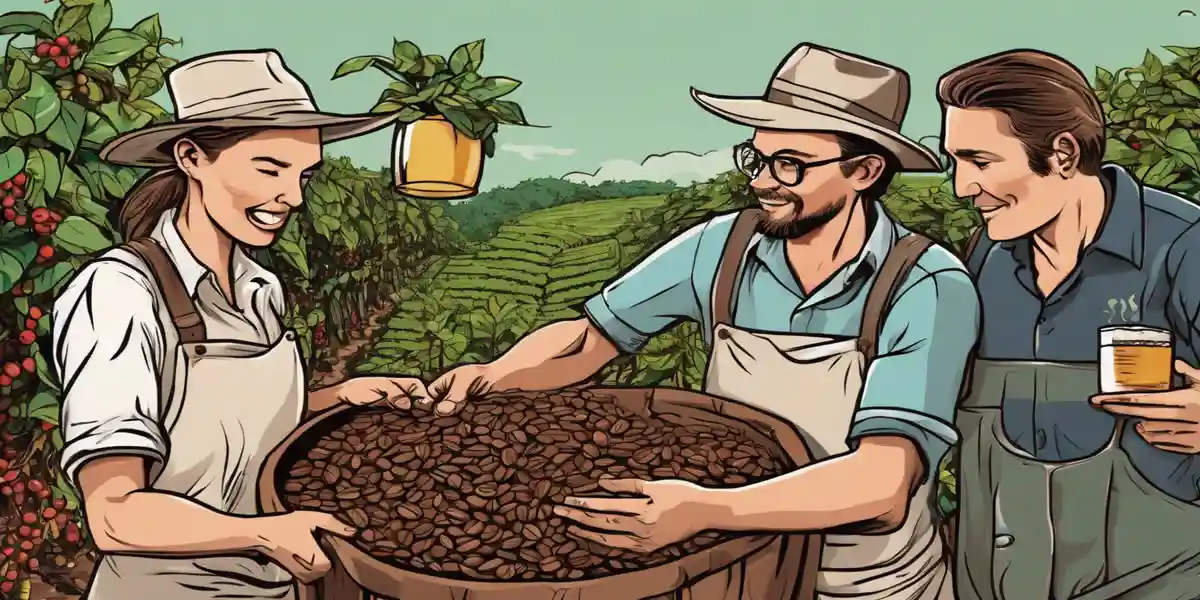
Imagine a world where your morning cup of coffee is not just a delightful ritual but also a powerful statement about transparency, sustainability, and ethical sourcing. With the rise of the specialty brews market, this vision is becoming increasingly tangible, particularly as coffee roasters begin to embrace cryptocurrencies and blockchain technology. This integration holds the promise of transforming how we perceive and consume coffee, creating a transparent supply chain that allows consumers to trace their coffee back to its source.
The specialty coffee market has evolved significantly over the past few decades, catering to a growing consumer base that values quality, ethical sourcing, and sustainability. According to recent studies, the dual impact of the coffee industry is evident; while it provides employment opportunities for low-income families in tropical regions, it simultaneously caters to the convenience and lifestyle of consumers in developed nations. This creates a disparity between struggling producers and comfortable consumers, raising questions about the ethics of our consumption choices.
Imagine every batch of coffee beans logged onto a blockchain ledger, documenting their journey from the farmer to the roaster. This digital record would empower consumers to scan a QR code on their coffee packaging, revealing a detailed story about the coffee’s origin—everything from the altitude of the farm to the methods used in harvesting and processing. Not only does this transparency help consumers make informed choices, but it also incentivizes farmers to adopt sustainable practices. By allowing consumers to see their commitment to quality, farmers can benefit financially, thus creating a more equitable relationship.
But how does cryptocurrency fit into this picture? As coffee roasters explore the potential of digital currencies, they can facilitate direct transactions between consumers and farmers. This means that when you purchase your favorite brew with Bitcoin or Ethereum, you’re not only enjoying a quality product but also ensuring that a larger portion of your money goes directly to the people who grow and harvest the beans. By cutting out middlemen, both farmers and consumers stand to gain—producers receive fair compensation for their efforts, while consumers can enjoy a more authentic connection to their coffee.
Consumer demand for ethical products is on the rise, as evidenced by a study highlighting that sales of Fair Trade coffee increased by nearly 10% in a U.S. grocery chain when labeled accordingly. This shift in consumer preferences signals a broader trend: people are willing to pay a premium for products that align with their values. However, the variability in price sensitivity is notable; while some consumers remain loyal even with price hikes, others respond differently based on perceived value. This creates an opportunity for cryptocurrency to play a role in pricing strategies, allowing for more flexible and direct transactions between buyers and sellers.
The global coffee crisis, marked by plummeting prices threatening small-scale production, highlights the urgent need for sustainable practices. NGOs and specialty coffee companies are stepping up to foster transparent relationships between producers and buyers. These efforts include Fair Trade initiatives, environmental protections, and technical support aimed at improving the quality of life for producers. By integrating blockchain technology and cryptocurrencies, we can enhance these initiatives, creating a system where ethical sourcing is not only encouraged but also economically viable.
As the specialty brews market continues to grow and evolve, the intersection of blockchain and cryptocurrency offers a promising avenue for fostering a more equitable and sustainable coffee industry. With each cup of coffee, consumers can now take part in a larger story—one that champions ethical sourcing and transparency while supporting the very farmers who bring them their daily brew.
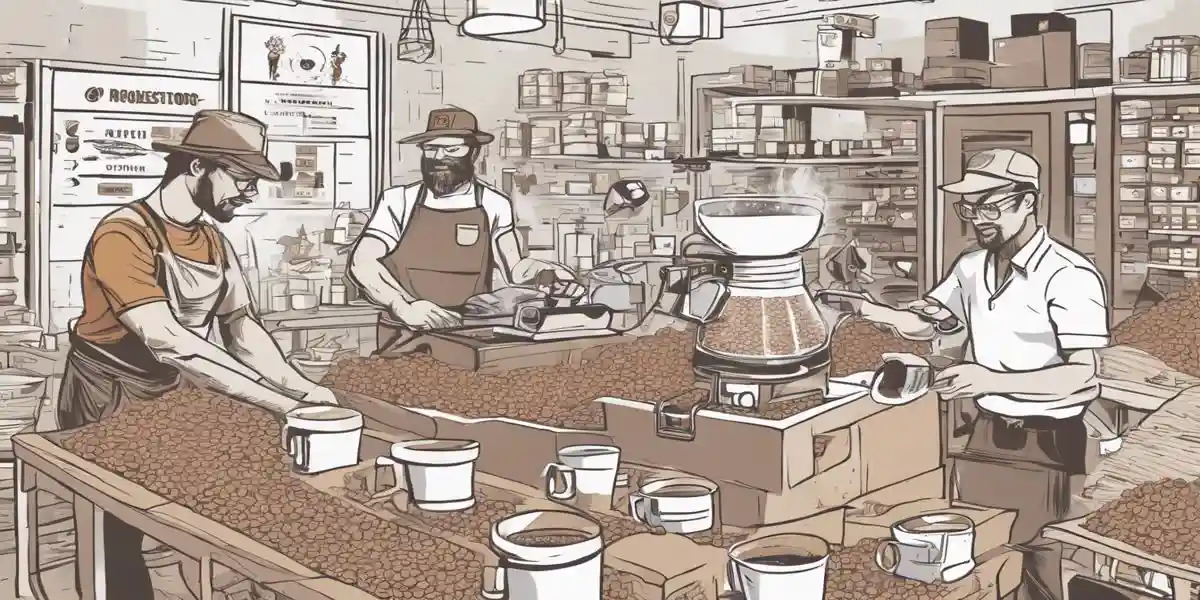
The intersection of coffee roasting and cryptocurrency adoption is a fascinating evolution in the specialty coffee market. As customers increasingly demand transparency, sustainability, and ethical sourcing, coffee roasters find themselves at the forefront of this transformation. By embracing cryptocurrencies and blockchain technology, they can redefine not only their business models but also the relationship they foster with consumers and producers alike.
At its core, the integration of blockchain technology into coffee roasting practices allows for unprecedented transparency in the supply chain. Imagine a scenario where every batch of coffee beans is meticulously logged onto a blockchain ledger. This ledger documents the entire journey of the beans—from the farmer's hands to the roaster's. With a simple scan of a QR code on the coffee packaging, consumers can unveil the complete story behind their brew. This would include critical details such as the altitude at which the beans were grown, the specific harvesting methods employed, and the processing techniques used.
For instance, companies like Blue Bottle Coffee are already utilizing blockchain technology to trace their beans' origins. By partnering with farmers and documenting every step of the coffee's journey, they not only assure their customers of the quality but also enhance their commitment to ethical sourcing. This method directly aligns with the growing consumer demand for ethically produced goods, as highlighted in studies showing that sales of Fair Trade coffee increase significantly when consumers are aware of the coffee's origin and quality standards.
Another compelling aspect of adopting cryptocurrency in the specialty coffee industry is the potential for direct transactions between consumers and farmers. By utilizing digital currencies, coffee roasters can eliminate the middlemen, allowing consumers to purchase their coffee directly from the producers. This model not only ensures that a larger portion of the profits reaches the farmers but also fosters a more equitable relationship between the two parties.
For example, CoffeeCoin operates on a similar principle, aiming to connect consumers directly with coffee growers through a decentralized platform. By using cryptocurrency to facilitate transactions, farmers can receive payments instantly and at lower transaction costs, empowering them to invest more in sustainable practices. This shift could be transformative, particularly in regions where farmers traditionally struggle to secure fair compensation for their labor, as noted in discussions about the global coffee crisis affecting small-scale producers.
As coffee roasters adopt cryptocurrencies, they are not just changing payment methods; they are cultivating a community of conscious consumers who value ethical sourcing and sustainability. This movement is reflected in the rising popularity of specialty coffees that prioritize quality and transparency. In fact, research indicates that consumers are willing to pay a premium for Fair Trade coffee, demonstrating the market's readiness for this shift.
Roasters who actively communicate their commitment to ethical sourcing and sustainability through blockchain and cryptocurrency can engage their customers on a deeper level. This connection invites consumers to make choices that reflect their values, creating a sense of belonging within a community that appreciates the craft of coffee making. Brands like Stumptown Coffee Roasters are leading the charge by emphasizing their direct trade practices and the stories behind their coffee, further solidifying the bond between producers and consumers.
The coffee industry has long faced disparities between struggling producers in developing countries and their comfortable consumers in developed nations. By adopting cryptocurrencies and transparent practices, coffee roasters can play a pivotal role in addressing these inequalities. This approach aligns with the growing movement toward fair trade and ethical sourcing initiatives aimed at improving producers' quality of life.
As coffee roasters leverage digital currencies, they contribute to a more equitable relationship that not only uplifts farmers but also educates consumers about the complexities of the coffee supply chain. By fostering collaboration between smallholder farmers and NGOs, as highlighted in various sustainability projects, roasters can ensure that ethical practices are upheld and that the benefits of the industry are distributed more fairly.
The integration of cryptocurrency transactions into the specialty coffee market presents a compelling opportunity for coffee roasters. By harnessing the power of digital currencies and blockchain technology, roasters can create a more transparent, efficient, and equitable supply chain that benefits all stakeholders involved.
One of the most significant advantages of using cryptocurrency in the coffee industry is the ability to enhance transparency and traceability. Imagine every batch of coffee beans being logged onto a blockchain ledger, documenting their journey from the farmer to the roaster. This system allows consumers to trace their coffee back to its source, ensuring ethical practices and quality from bean to brew.
For example, when a consumer scans a QR code on their coffee packaging, they are led to a digital story that details the coffee’s origin, including information about the altitude of the farm, the methods of harvesting, and processing techniques. This level of transparency not only empowers consumers to make informed choices but also incentivizes farmers to adopt sustainable practices, knowing that their efforts can be directly rewarded in the marketplace.
Cryptocurrency allows for direct transactions between consumers and farmers, cutting out the middlemen who often take a significant portion of the profits. This direct line of payment can significantly increase the financial returns for farmers, making it a more equitable system. For instance, coffee roasters using cryptocurrency can set up platforms where consumers can purchase coffee directly from farmers. This not only supports the farmers financially but also fosters a sense of community and trust between consumers and producers.
By eliminating intermediaries, roasters can ensure that a larger share of the sale price goes back to the producers, promoting fair wages and better living conditions for coffee growers. This approach aligns with the growing consumer demand for ethical products and fair trade practices, as evidenced by studies showing that ethical labels can boost sales by nearly 10% compared to generic options.
Another notable benefit of cryptocurrency transactions is the potential for lower transaction costs. Traditional banking systems and payment processors often impose high fees for international transactions, significantly impacting the profits of smallholder farmers and roasters. In contrast, cryptocurrencies operate on decentralized networks that can reduce or eliminate these fees, making it easier for roasters to process payments quickly and cost-effectively.
For example, a specialty coffee roaster in the U.S. might face hefty fees when purchasing beans from a farmer in Colombia through traditional banking channels. However, by utilizing cryptocurrencies, they could facilitate a direct transaction, maximizing the amount that reaches the farmer, particularly crucial in a global coffee market that faces price volatility and uncertainty.
Today's consumers are increasingly discerning about the products they buy, often seeking out brands that align with their values. By adopting cryptocurrency and blockchain technology, coffee roasters can market themselves as leaders in ethical sourcing and sustainability. This alignment with consumer values can foster brand loyalty, as customers feel good about supporting businesses that prioritize transparency and fairness.
Roasters can share the stories of the farmers they work with, educating consumers about the impact of their purchases. As the demand for ethical products continues to grow, roasters who embrace cryptocurrencies can differentiate themselves in a crowded market, capturing the attention of ethically-minded consumers.
As cryptocurrencies gain popularity and acceptance, roasters who adopt these technologies early on position themselves for future success. By integrating digital currencies into their business models now, they can stay ahead of industry trends and respond to the evolving preferences of consumers.
Moreover, as more consumers begin to use digital currencies for everyday transactions, coffee roasters that offer cryptocurrency payment options may attract a new demographic of tech-savvy customers, further expanding their market reach.
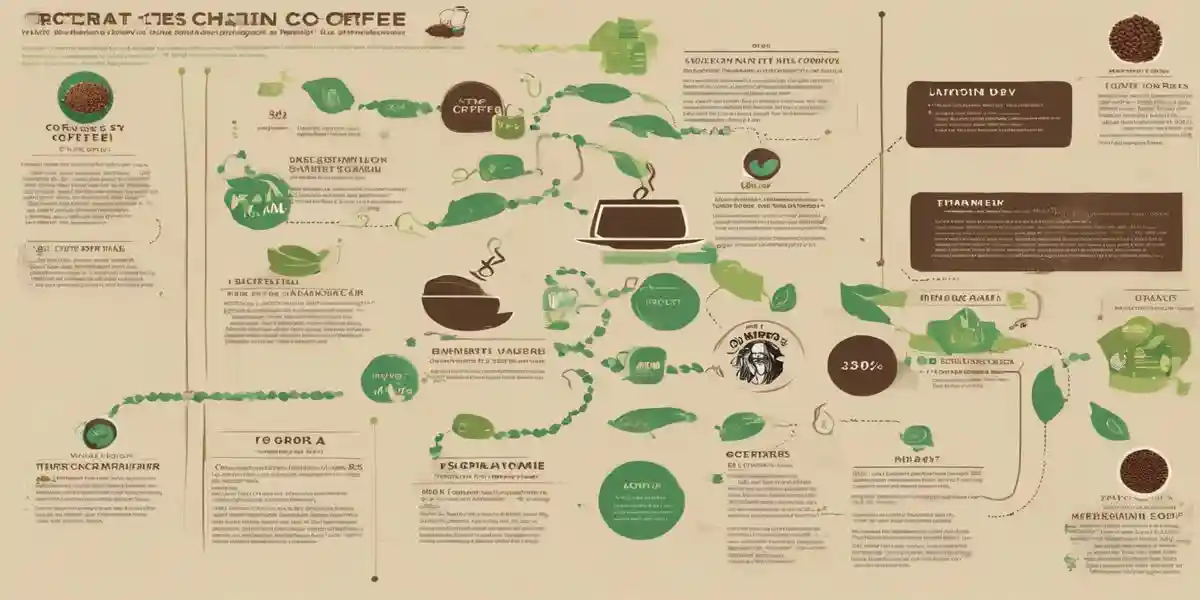
This section explores how innovative coffee roasters are successfully integrating cryptocurrencies and blockchain technology into their business models, enhancing transparency and fostering ethical practices within the specialty coffee market.
Take, for instance, Green Beans Coffee, a coffee company that has embraced blockchain technology to create a transparent supply chain. By logging every batch of coffee beans onto a blockchain ledger, Green Beans enables consumers to trace their coffee's journey—from the farmer's field to the roaster’s facility. Each package features a QR code that, when scanned, provides detailed information about the coffee's origin, including the altitude of the farm, the harvesting methods employed, and the farmer's story. This not only fosters a deeper connection between consumers and their coffee but also promotes ethical sourcing practices.
Another example is CryptoCoffee Co., which allows customers to purchase coffee directly from farmers using cryptocurrencies like Bitcoin and Ethereum. This model eliminates intermediaries, allowing farmers to retain a larger share of the profits. By utilizing cryptocurrencies, CryptoCoffee Co. caters to tech-savvy consumers who prefer quick, secure payment methods while simultaneously supporting farmers in developing countries. This approach has led to increased sales and a more sustainable financial model for the producers.
BeanThere, a specialty roaster based in South America, has embraced both cryptocurrencies and blockchain technology to enhance consumer engagement. Customers can use digital currencies to purchase limited-edition coffee blends that are traceable through the blockchain. Each batch comes with a unique digital certificate that verifies its origin and ethical production practices. By leveraging this technology, BeanThere appeals to a growing demographic of conscious consumers who value not only the quality of their coffee but also its ethical implications.
In light of the Fair Trade movement, which emphasizes ethical sourcing and sustainable practices, JavaJoy has successfully integrated cryptocurrency payments to support small-scale farmers. By partnering with NGOs that focus on fair compensation and sustainable farming techniques, JavaJoy allows consumers to pay for their coffee using cryptocurrencies. This model not only benefits the farmers by providing them with more equitable wages but also appeals to consumers who are willing to pay a premium for ethically sourced products. Research indicates that consumers show a willingness to pay more for Fair Trade products, and JavaJoy capitalizes on this by offering a seamless payment experience with cryptocurrencies.
As highlighted in various studies, the coffee industry faces significant challenges, including fluctuating prices that threaten the livelihoods of small-scale producers. Companies like EcoBrew are tackling these issues head-on by combining cryptocurrency transactions with sustainability initiatives. EcoBrew uses blockchain to certify that its coffee is sourced ethically, and each purchase is tracked to ensure that a portion of the proceeds goes directly back to the farmers. Their innovative model not only supports the farmers but also enhances the brand's appeal to environmentally-conscious consumers.
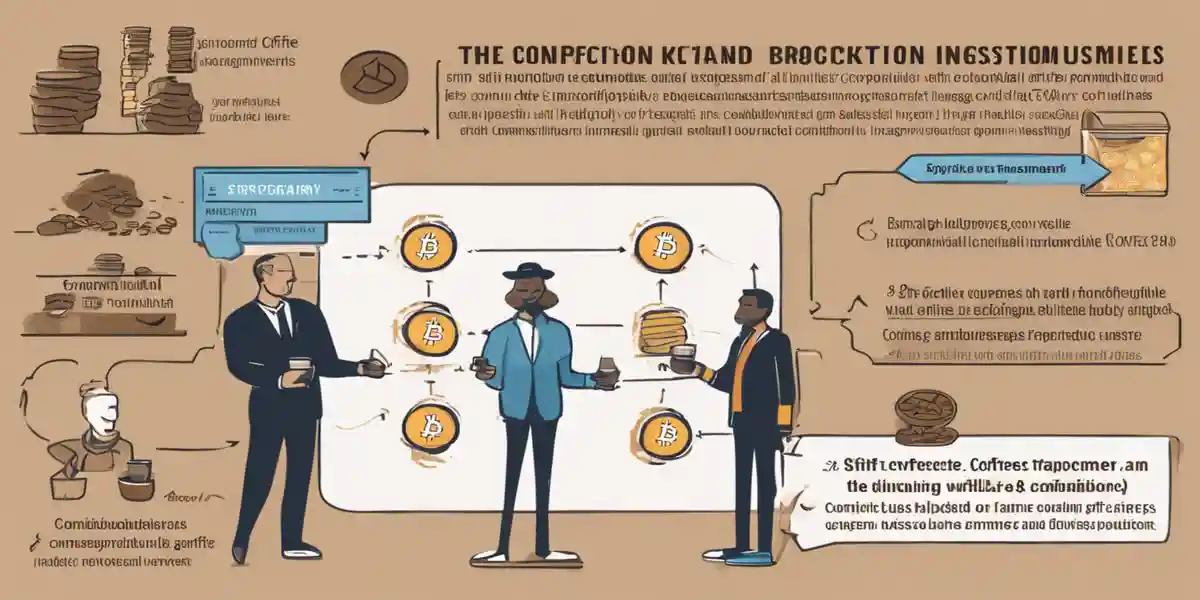
As the specialty coffee market evolves, the integration of cryptocurrencies and blockchain technology is not merely a trend but a revolution poised to reshape the landscape. Picture a future where your favorite artisanal coffee isn't just a drink, but a testament to ethical sourcing and transparency. This section dives into the potential trends and predictions surrounding this innovative fusion of coffee roasting and cryptocurrencies.
The core of this evolving paradigm lies in the potential of blockchain technology. Imagine every batch of coffee beans logged onto an immutable blockchain ledger, documenting their journey from the farm to the roaster. This isn't just a hypothetical scenario; it's becoming a reality. Companies like Bloom Coffee have started implementing blockchain systems that allow consumers to trace their coffee back to its origin. With a simple scan of a QR code on the packaging, customers are greeted with a digital narrative that reveals intricate details—everything from the altitude of the farm in Colombia to the specific harvesting methods employed.
Incorporating cryptocurrencies into this system allows consumers to make direct purchases from farmers using digital currencies like Bitcoin or Ethereum. This model cuts out the middlemen, ensuring that a more significant portion of the profits goes directly to the producers. For instance, Giv Coffee is a pioneering platform that connects coffee drinkers with farmers, enabling transactions that are not only secure but also efficient. By using cryptocurrencies, farmers can receive payments instantly, avoiding the delays and fees associated with traditional banking systems.
Recent studies indicate a rising consumer demand for ethically sourced products. According to research, the sales of Fair Trade coffee increased by nearly 10% when labeled accordingly, demonstrating a clear consumer preference for ethical sourcing. This trend is expected to amplify as blockchain technology provides verifiable proof of ethical practices. Consumers are not just buying coffee; they are investing in a narrative that emphasizes social responsibility. As awareness grows, will you be among those who choose a cup of coffee that reflects your values?
The coffee industry is characterized by a stark contrast between struggling producers in developing countries and affluent consumers in developed nations. This disparity has sparked movements toward fair trade and ethical sourcing initiatives. Cryptocurrencies could act as a catalyst for change, fostering equitable relationships between coffee growers and consumers. By enabling direct transactions, cryptocurrencies facilitate a model where farmers receive fair compensation, thereby improving their quality of life.
The global coffee crisis, marked by plummeting prices and the threat to small-scale production, necessitates innovative solutions. NGOs and specialty coffee companies are increasingly adopting sustainable practices, backed by transparent systems that cryptocurrency and blockchain can provide. For instance, organizations like Fair Trade USA are exploring blockchain to verify the sustainable practices of certified farms, ensuring that environmental protections are not merely claims but verified realities.
Looking ahead, we can anticipate the following trends in the specialty coffee market:
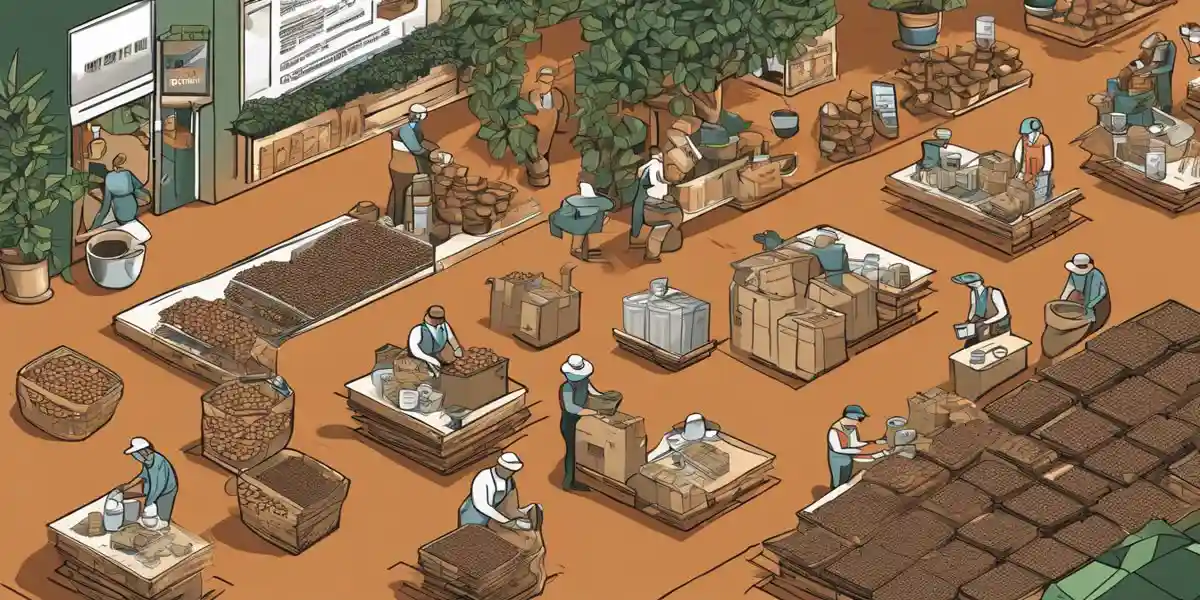
Imagine a world where your morning cup of coffee is not just a delightful ritual but also a powerful statement about transparency, sustainability, and ethical sourcing. By embracing blockchain technology, specialty coffee roasters can create a transparent supply chain that allows consumers to trace their coffee back to its source, ensuring ethical practices and quality from bean to brew.
In this innovative approach, each batch of coffee beans would be logged onto a blockchain ledger. This digital record would document the journey of the beans, from the farmer who cultivates them to the roaster who transforms them into your favorite brew. For instance, if a coffee roaster partnered with a farmer in Colombia, each step of the beans' journey—harvesting, processing, and shipping—would be recorded on the blockchain.
Consumers could scan a QR code on their coffee packaging, which would lead them to a digital story revealing the coffee’s origin. This narrative could detail everything from the altitude of the farm to the specific methods used in harvesting and processing the beans. Imagine being able to see exactly how the beans were grown and processed before they reached your cup—wouldn’t that deepen your appreciation for the drink?
What if you could buy your coffee directly from the farmer using cryptocurrency? This concept not only enhances transparency but also empowers farmers. By cutting out the middlemen, more profit stays in the hands of those who grow the coffee. For example, platforms like BitCoffee are emerging, allowing consumers to purchase coffee directly with Bitcoin, facilitating swift and secure transactions.
This direct purchasing model benefits farmers significantly. With the traditional coffee supply chain, producers often receive a fraction of the final sale price. As highlighted in various studies, such as those discussing the global coffee crisis, many farmers struggle to make a living wage. By integrating cryptocurrency into the purchase process, farmers can receive fair compensation more quickly, allowing them to invest in their farms and communities.
The demand for ethically sourced products has seen significant growth, particularly in the coffee market. A study revealed that sales of Fair Trade coffee increased by nearly 10% when a Fair Trade label was present. This suggests that consumers are willing to pay a premium for ethically sourced coffee, but the willingness to pay can vary greatly. For example, while a higher-priced Fair Trade coffee maintained stable demand even with an 8% price increase, lower-priced alternatives suffered a 30% drop with a similar hike. This variability indicates a complex relationship between consumer values and purchasing behavior.
The integration of blockchain and cryptocurrency can enhance this ethical consumption experience. When consumers are provided with detailed information about the sourcing of their coffee, they are more likely to engage with the product on a deeper level. Would you be more inclined to purchase coffee if you knew exactly how your money was supporting the farmers and their communities?
Ultimately, the combination of blockchain technology and cryptocurrency transforms the coffee experience into a blend of pleasure and conscious consumption. It invites coffee lovers to engage with their drink not just as a beverage, but as a story—a narrative that reflects their values and beliefs. This shift fosters a community built on trust and appreciation for the craft behind each cup. Would you be willing to trade your usual brew for a cup that tells a story—and perhaps even supports a farmer directly?
While the potential benefits of integrating blockchain and cryptocurrencies into the specialty coffee industry are significant, challenges remain. For instance, technological adoption in rural farming communities can be slow, and educating both consumers and producers about these new systems will take time and resources. Moreover, the volatility of cryptocurrencies can pose risks for farmers who may be hesitant to depend on them for their income.
Nevertheless, as more coffee roasters begin to embrace this technology, the landscape of coffee consumption may very well transform into one that is more equitable, transparent, and sustainable. The future of coffee could be one where every sip you take supports not just your morning routine but also the livelihoods of those who grow the beans.
As we delve into the evolving landscape of the specialty brews market, it's clear that the intersection of coffee roasting and cryptocurrencies is not just a fleeting trend but a profound shift towards a more equitable and sustainable future. Throughout this exploration, we've seen how coffee roasters are leveraging blockchain technology to ensure transparency and ethical sourcing, allowing consumers to trace their coffee back to its origins and understand the stories behind their daily brew.
Crucially, we discussed how cryptocurrencies empower farmers by facilitating direct transactions, thereby cutting out middlemen and ensuring that a larger portion of profits reaches those who cultivate the beans. This not only enhances the financial viability of small-scale producers but also fosters a sense of community and trust between consumers and farmers. Furthermore, as consumer demand for ethically sourced products continues to rise, coffee roasters who embrace these technologies are not just meeting market demands but also reinforcing their commitment to sustainability and social responsibility.
Looking forward, the potential for cryptocurrencies to transform the coffee industry is immense. As we anticipate trends such as increased adoption of digital wallets and greater transparency, coffee lovers have an opportunity to engage more deeply with their beverages—supporting farmers and ethical practices with every cup. The challenge remains, however, in navigating the complexities of technology adoption and the volatility of digital currencies.
So, as you sip your next cup of coffee, consider: What story does your brew tell? How can your choices reflect the values you hold dear? The future of coffee is brewing right now, and every decision you make contributes to a narrative of sustainability, ethics, and community. Will you join this movement towards a more transparent coffee culture? The next time you purchase coffee, perhaps think about how your choice can support not just your morning ritual but also the lives of the farmers behind it.

Get notified about new articles, coffee tips, and Web3 insights.
This site participates in affiliate programs and may earn a commission when a link is clicked and a purchase is made. The site is not responsible for any issues or troubles related to the products or services purchased through the use of this site.

DO&COFFEE loves coffee and technology, exploring the potential of NFTs and blockchain. Learn more →
DO&COFFEE loves coffee and technology, exploring the potential of NFTs and blockchain. Learn more →