art
2024/08/07
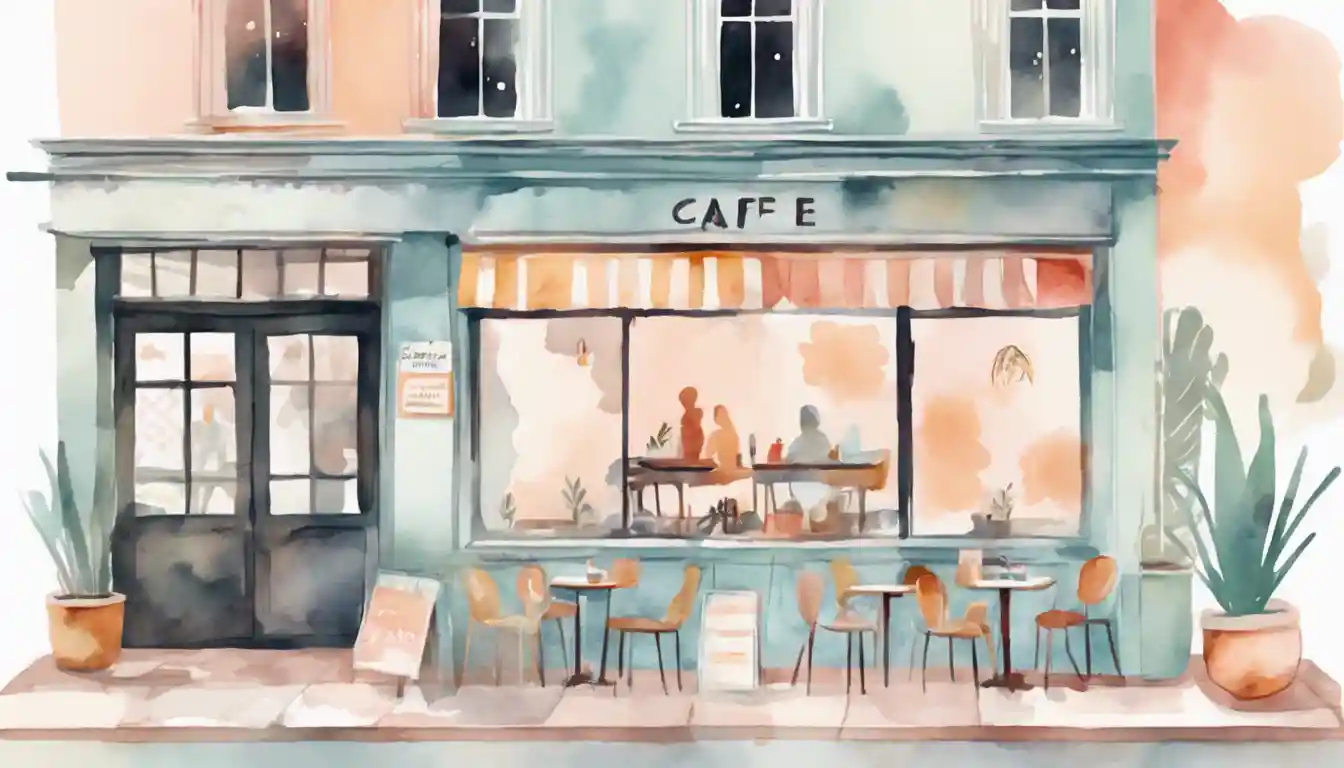
In recent years, the intersection of cafe culture and contemporary art has evolved into a digital phenomenon, manifesting in online platforms that blend social engagement with artistic expression. Cafe culture, defined as a social atmosphere centered around coffee shops where people gather to converse, work, and enjoy art, plays a vital role in fostering community and creativity. Meanwhile, contemporary art encompasses a wide range of artworks created in the late 20th and 21st centuries, characterized by diverse media and themes that often address social issues and cultural identity. When these two elements converge online, they create a vibrant ecosystem that thrives on collaboration, accessibility, and innovation.
The importance of this topic is underscored by real-world examples where cafes have transformed into art galleries, both physically and virtually. For instance, platforms like Artsy and Saatchi Art allow coffee enthusiasts and art lovers alike to explore and purchase artworks from their favorite cafes, effectively bridging the gap between two distinct cultural realms. According to research, 78% of people reported feeling more connected to art when it is presented in a relaxed environment like a cafe, highlighting how the ambiance enhances artistic appreciation and emotional engagement.
This blog post will delve into the key ideas surrounding the fusion of cafe culture and contemporary art online, exploring how digital platforms facilitate this interaction. We will discuss the role of virtual galleries, the impact of social media on art appreciation, and how the rise of interactive experiences in cafes is reshaping the way we engage with contemporary art. By weaving these concepts together, we will illustrate how the digital transformation of cafe culture is paving the way for new artistic movements and community-building initiatives.
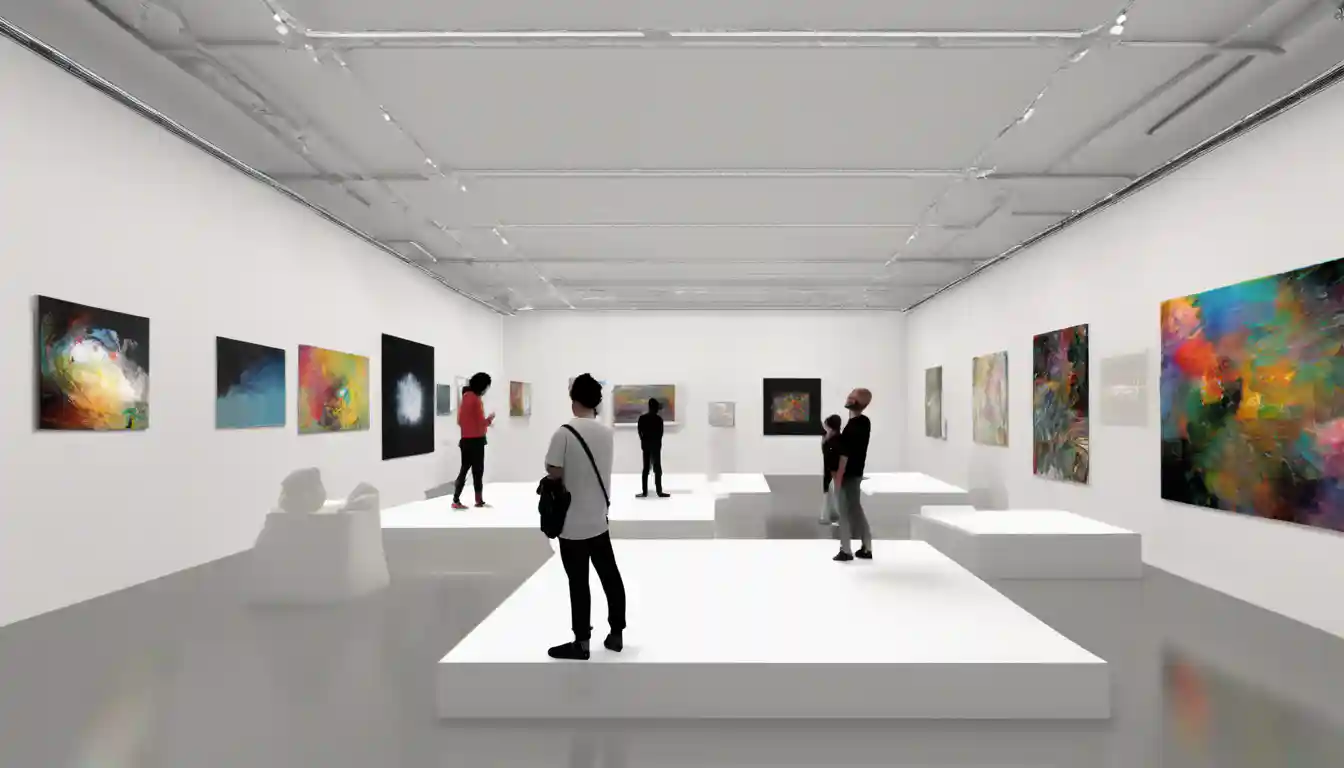
Digital art galleries represent a transformative approach to the appreciation and exhibition of art in the modern world. These virtual spaces allow artists to showcase their work online, enabling viewers to explore and interact with art from the comfort of their homes. Technically, digital art galleries utilize various web technologies, including HTML5, CSS, JavaScript, and frameworks such as WebGL for 3D rendering. Many galleries also incorporate virtual reality (VR) and augmented reality (AR) elements to create immersive experiences.
For example, a recent study highlighted the implementation of a dual-mode mixed-visual system that combines computational photography with stereoscopic imaging techniques. This allows users to navigate and interact with artworks in a way that mimics real life, providing an engaging and tactile experience (source: study on virtual museums).
The significance of digital art galleries lies in their ability to democratize access to art and cultural education. Traditional galleries often limit exposure based on geographic location and socioeconomic status, while digital platforms break down these barriers.
For instance, platforms like Artsy and Saatchi Art have successfully created vast online collections that not only display artworks but also allow for purchase and interaction with artists. The National Gallery's virtual tours allow audiences to explore masterpieces without the need to travel to London, significantly increasing global engagement.
As digital art galleries evolve, the integration of Web3 technologies, such as blockchain, is becoming increasingly relevant. These technologies provide provenance and authenticity to digital artworks, which is crucial in combating forgery and establishing trust in the digital art market.
Furthermore, advancements in deep learning and generative adversarial networks (GANs) are reshaping how art is created and appreciated. For instance, artists can leverage these technologies to automate design processes and explore new creative avenues (source: study on deep learning in creative design).
Research indicates that virtual art experiences can significantly enhance user satisfaction and emotional engagement. According to a study conducted on immersive virtual environments, participants reported a higher level of aesthetic appreciation and emotional response when engaging with art digitally (source: research on virtual art galleries and well-being).
Moreover, the potential of VR in art education highlights its growing importance. A systematic literature review revealed that VR can enhance creativity and expression among students, suggesting that digital art galleries could play a pivotal role in educational settings (source: review on VR in art education).
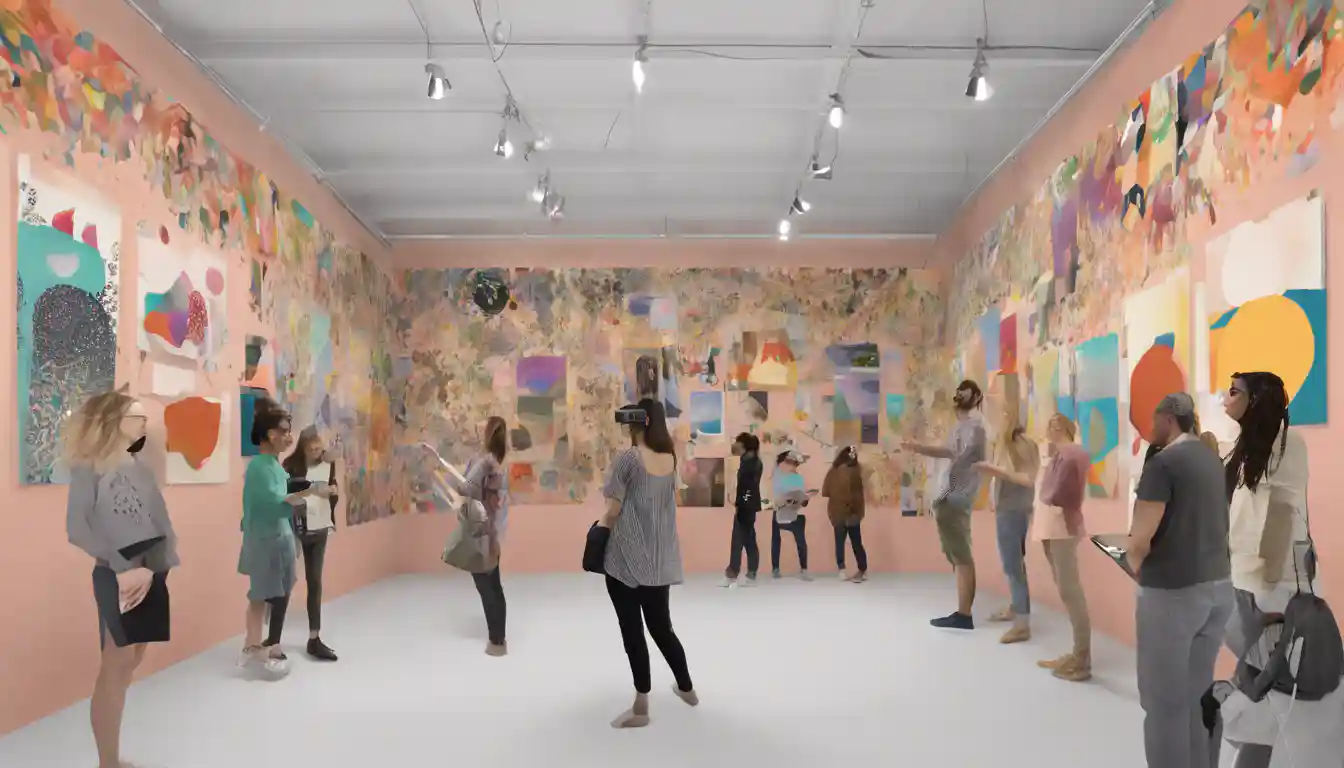
Interactive Art Online represents a fusion of traditional art forms with digital technology, offering audiences a participatory experience that transcends passive viewing. This genre encompasses various mediums, including virtual reality (VR), augmented reality (AR), and web-based applications, allowing users to engage and manipulate artwork in real-time. At its core, interactive art utilizes programming languages such as JavaScript and frameworks like Three.js or Unity to create immersive environments where user actions can alter visual components, sounds, or narratives.
For example, artworks powered by Generative Adversarial Networks (GANs) can change based on user input. These networks learn from data sets to generate unique visuals, making each interaction distinct. Moreover, integrating blockchain technology in Web3 applications creates verifiable ownership of digital pieces, enabling artists to monetize their work in novel ways while ensuring authenticity.
The significance of Interactive Art Online lies in its capacity to democratize art access and foster community engagement. For instance, platforms like Artivive enable artists to augment physical artworks with digital animations that can be experienced through a smartphone app. This not only enhances the narrative but also attracts a younger audience who might be less inclined to visit traditional galleries.
A notable example is the Virtual Museum of Canada, which employs a dual-mode mixed visual system combining computational photography and stereoscopic technology. This setup allows users to interact with artifacts, providing a tactile-like experience that significantly elevates engagement levels (source: paper summary on virtual museum design).
Here are three immediate steps readers can take to engage with Interactive Art Online:
Interactive Art Online is increasingly intertwined with emerging technologies like Web3, which empowers creators with tools for decentralized distribution and monetization. NFTs (Non-Fungible Tokens) have revolutionized how digital art is sold and shared, allowing artists to retain royalties on secondary sales. According to research cited in a recent paper, the integration of deep learning in creative design not only enhances artistic capabilities but also streamlines the design process, making art more accessible and varied (source: paper on deep learning in creative design).
Furthermore, the rise of immersive experiences through VR and AR is reshaping educational methodologies in art. As highlighted in studies on visual communication design, these technologies encourage creativity and expression among students, providing a rich platform for exploration and learning (source: literature review on VR in art education).
Interactive Art Online is not just a trend; it represents a fundamental shift in how we experience and engage with art. By leveraging technology, artists can create immersive experiences that invite participation, foster community, and democratize access to culture. As we embrace these innovations, it’s essential to remain curious and explore the myriad ways art and technology intersect to enrich our lives.
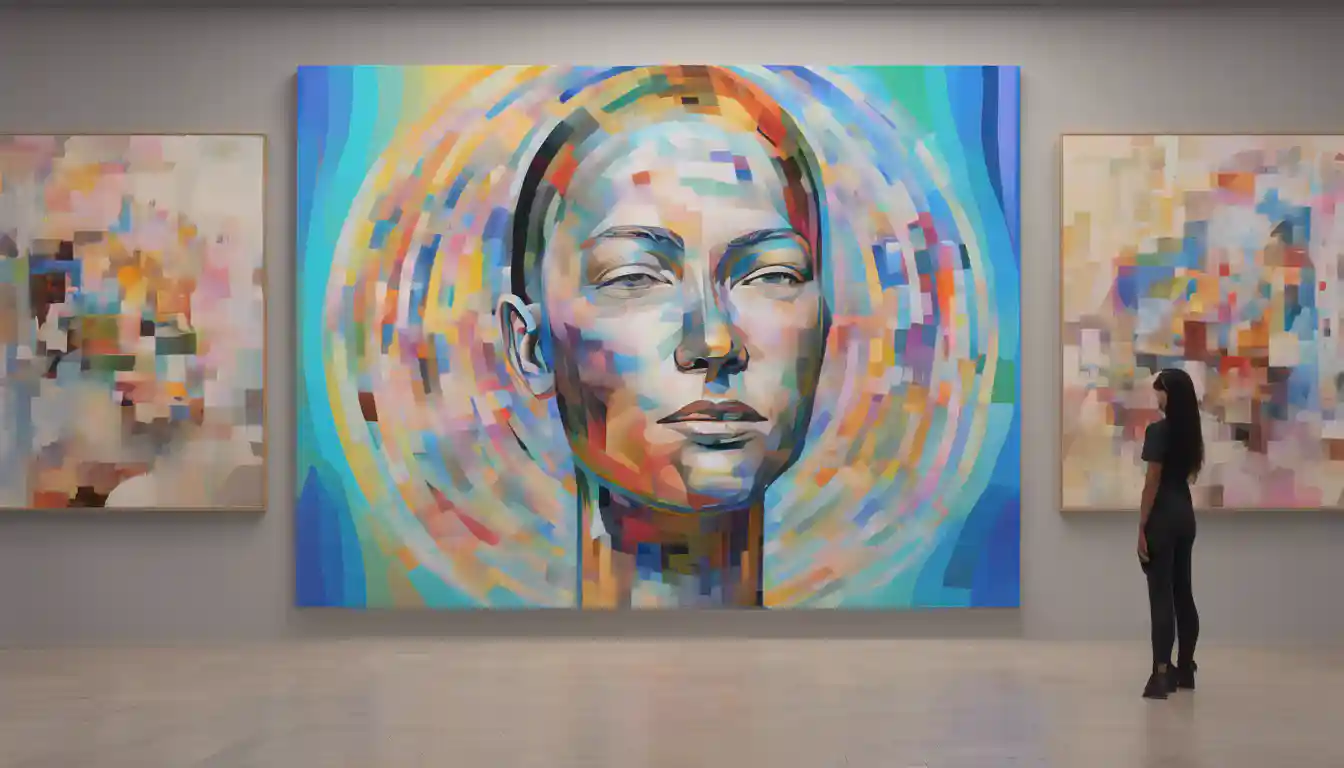
Modern Art Online represents a dynamic intersection of creativity and technology, where artists showcase their works in virtual spaces. This phenomenon encompasses various forms of digital art, including interactive installations, augmented reality (AR), and virtual reality (VR) experiences.
The technical backbone of Modern Art Online often utilizes advanced technologies such as Web3, which enables decentralized art ownership through blockchain technology. This allows artists to tokenize their works as Non-Fungible Tokens (NFTs), ensuring authenticity and providing a new revenue stream. Additionally, deep learning techniques, particularly Generative Adversarial Networks (GANs), are increasingly employed in creative design, enabling the automated generation and transformation of art styles, textures, and forms, thus pushing the boundaries of traditional art-making processes.
The significance of Modern Art Online extends beyond mere aesthetics; it serves as a platform for democratizing access to art. For example, virtual art galleries have emerged as effective alternatives to physical exhibitions, allowing audiences from diverse geographical locations to experience art without barriers.
A notable instance is the virtual museum designed with dual-mode mixed visual systems that blend computational photography with stereoscopic technology, providing immersive experiences that mimic real-life interactions with art (as highlighted in the provided paper summaries). Furthermore, research indicates that virtual art experiences can enhance emotional responses and well-being, contributing to psychological health by reducing stress and increasing satisfaction (as discussed in the paper on virtual art's impact on well-being).
To engage with Modern Art Online effectively, consider the following actionable steps: Explore Virtual Galleries: Visit platforms like Artsy or MoMA that host virtual exhibitions. This allows you to discover contemporary artworks from around the world, often accompanied by artist talks and interactive features.
Participate in Art Challenges: Join online art challenges on platforms like Instagram or TikTok that encourage creativity and community engagement. Participating in these events can enhance your artistic skills and connect you with other artists. Utilize AR/VR Tools: Download apps that enable AR experiences of famous artworks (such as Google Arts & Culture). These tools allow you to visualize art in your own space, offering a unique perspective on the pieces.
The integration of technologies like VR and AR in Modern Art Online enhances user immersion and interaction. Research indicates that VR can significantly boost creativity and expression in art education, suggesting its potential to revolutionize traditional teaching methods (as referenced in a systematic review of VR in art education).
Moreover, the use of advanced visualization techniques in virtual galleries, such as real-time feedback and interactive features, fosters social interactions among users, enriching the digital art viewing experience (as explored in the paper on designing for social interactions in virtual art galleries).
According to data analysis from virtual museum experiences, users reported high levels of visual cognition and aesthetic appreciation, demonstrating the effectiveness of these platforms in delivering satisfying art experiences. Furthermore, studies reveal that emotional engagement and deep immersion in virtual art experiences contribute significantly to overall user satisfaction and stress relief.
In this exploration of "Cafe Culture Meets Contemporary Art Online," we've uncovered the vibrant intersection of coffee shops and modern digital art spaces. We discussed how digital platforms and virtual galleries are reshaping the way we experience art, breaking geographical barriers and democratizing access.
The integration of technologies such as VR, AR, and deep learning has not only enhanced artistic expression but also created interactive environments that foster community engagement. Key takeaways include the importance of participating in online art experiences, the role of social media in art appreciation, and the potential for artists to leverage technology for innovative creations.
Looking forward, the implications of this blend between cafe culture and contemporary art online are profound. As more artists and cafes embrace digital technologies, we can expect to see an increase in immersive experiences that not only promote local artists but also connect global audiences. The future may hold collaborative projects that combine culinary art with visual art, creating multi-sensory experiences that enhance our appreciation for both. Additionally, the rise of NFTs and blockchain technology could redefine ownership and authenticity in the digital art space, leading to new revenue streams for artists and more engaging experiences for audiences.
As we continue to navigate this evolving landscape, consider this: how can you contribute to this cultural dialogue? Explore your local cafes for art events, share your digital art experiences on social media, and engage with artists online. Each action helps to cultivate a richer, more diverse art culture that thrives on collaboration and innovation.
- Fusion Application of Computer Vision and Image Transmission in Digital Image Art Design
- An empirical study of virtual museum based on dual-mode mixed visualization: the Sanxingdui bronzes
- Designing for Social Interactions in a Virtual Art Gallery
- State of the Art of Molecular Visualization in Immersive Virtual Environments

Digital Art and Decentralization for Wellness
Get notified about new articles, coffee tips, and Web3 insights.
This site participates in affiliate programs and may earn a commission when a link is clicked and a purchase is made. The site is not responsible for any issues or troubles related to the products or services purchased through the use of this site.

DO&COFFEE loves coffee and technology, exploring the potential of NFTs and blockchain. Learn more →
DO&COFFEE loves coffee and technology, exploring the potential of NFTs and blockchain. Learn more →