coffee
2025/11/04

Have you ever sipped a cup of espresso and pondered the delicate dance between flavor and technique that brings that moment to life? Crafting the perfect cup of coffee is more than just brewing; it’s a harmonious blend of art and science, where coffee roasters harness both innovative technology and traditional methods to elevate your experience. In the world of specialty espresso, every element—from roasting stages to grinding techniques—plays a critical role in delivering that signature taste that captivates coffee lovers.
In this blog post, we will delve into the fascinating journey of specialty espresso innovations. We'll explore the chemistry behind the roasting process, examining how different stages affect flavor profiles. Next, we'll navigate the science of extraction, shedding light on the microstructure and flow properties of coffee beans. Finally, we’ll address the innovations in grinding that tackle electrostatic challenges for optimal espresso performance. Join us as we uncover how the perfect cup is crafted through the seamless integration of art and technology, making each sip an extraordinary experience.

Roasting coffee beans is both an art and a science, as it significantly impacts the flavor profile of the final espresso. Different roasting stages—ranging from light to dark—unfold a complex chemical transformation within the beans. This process not only changes the beans' color and smell but also influences the taste and aroma of the brewed coffee. As coffee roasters innovate their techniques, understanding the chemistry at various roasting stages becomes critical. For instance, a study on the chemical composition and antioxidant properties of coffee beans reveals that distinct roasting profiles, created using equipment like the Golden Roaster, result in very different flavor characteristics. Filter-roasted coffee, for example, often exhibits a sweeter and more acidic taste profile, while espresso roasting can yield deeper caramelized notes.
As the roasting process progresses, the beans undergo several stages, each affecting their chemical composition. The initial stage stops just before the first crack, which tends to preserve some of the more delicate flavors and acidity. As heat increases and the beans approach the second crack, more complex sugars are formed, resulting in richer, bolder flavors. This understanding has led to carefully controlled roasting practices that aim to highlight the unique qualities of each coffee bean, emphasizing regional flavors and seasonal variations. One could liken this to cooking: just as different cooking times and temperatures can alter a dish's taste, each roasting stage brings out different characteristics in the coffee.
The relationship between roasting stages and flavor profiles is a foundational aspect of specialty espresso innovations. Roasters today are integrating both time-honored techniques and modern technology to craft unique blends. By analyzing chemical changes through research such as the investigation of coffee matrix microstructure using X-ray microtomography, roasters can fine-tune their methods to optimize extraction and flavor. For example, understanding how the internal structure of coffee beans impacts the extraction process allows roasters to adjust grind size and brewing time, leading to a more consistent and flavorful cup.
In addition to crafting new flavor profiles, coffee roasters are leveraging technology to improve quality control. As the roasting process affects not only flavor but also antioxidant properties—crucial for health benefits—roasters are better equipped to monitor these changes in real-time. Innovations in roasting equipment allow for precise temperature regulation and profiling, helping roasters replicate successful batches while mitigating undesirable characteristics.
Ultimately, the fusion of art and science in roasting means that coffee roasters can push the boundaries of flavor in specialty espresso, leading to exciting new experiences for coffee enthusiasts. By fully understanding the chemistry behind roasting stages, they can harness both tradition and technology to produce the perfect cup, exemplifying the intersection of creativity and precision. This careful experimentation and innovative approach are essential to elevating the craft of coffee and ensuring that each cup tells a story of its journey from bean to brew.
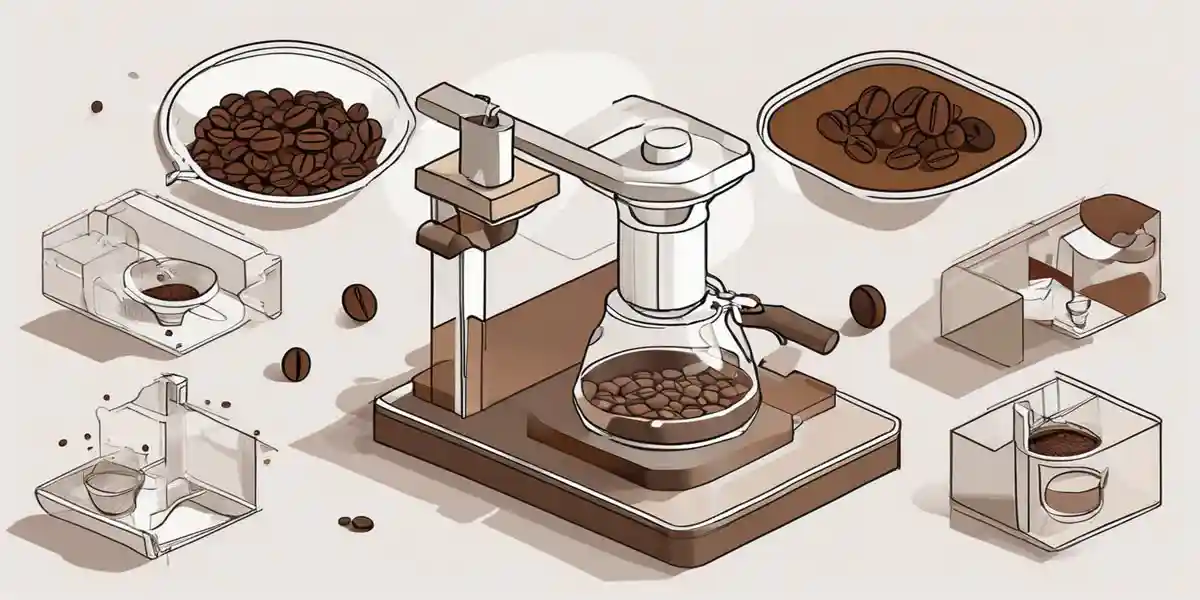
At the core of crafting the perfect cup of espresso lies a complex understanding of coffee extraction, where the microstructure of coffee beans plays a pivotal role. Microstructure refers to the arrangement and characteristics of particles within the coffee bean, which can significantly influence how flavors are extracted during brewing. As coffee is ground, the intricate structures within the bean are disrupted, creating a variety of particle shapes and sizes. This mixture can affect how water interacts with the coffee, influencing the rate and quality of extraction.
A study titled "Exploring the link between coffee matrix microstructure and flow properties using combined X-ray microtomography and smoothed particle hydrodynamics simulations" delves into these phenomena. By employing advanced imaging techniques, researchers successfully captured the micro-level details of coffee particles. They found that certain microstructural features facilitated better water flow through the coffee grounds, directly correlating to full-bodied flavors and balanced acidity in the final cup. This means that roasters must not only pay attention to the roast profile but also consider the impact of grinding methods on the microstructure of the coffee they produce.
Flow properties refer to how liquid moves through the ground coffee, which is crucial during extraction. For instance, the grind size of coffee can significantly impact how quickly or slowly water flows through the coffee bed when brewing espresso. If the grind is too fine, water may struggle to flow through evenly, leading to over-extraction and bitter flavors. Conversely, if the grind is too coarse, water may pass through too quickly, resulting in under-extraction and a weak cup.
The essential challenge for coffee roasters is to strike a balance between grind size and extraction dynamics. By understanding the findings from the aforementioned study, roasters can better educate themselves on how particle morphology affects flow properties. As demonstrated, optimizing these variables can enhance the overall sensory experience of the espresso—something that Dedication Coffee, for instance, achieved by refining their grinding techniques to control flow properties effectively, resulting in a more consistent and flavorful extraction.
With advancements in technology, the understanding of extraction science has evolved, allowing roasters to apply this knowledge to refine their processes. The integration of tools such as X-ray micro-computed tomography enables roasters to visualize the microstructure of their beans in real time. This application not only aids in identifying the optimal roast profiles for achieving desired flavor characteristics, as shown in the study "Investigation of Chemical Composition, Antioxidant Properties, and Molecular Docking in Different Roasting Stages of Coffee Beans," but further enhances quality control by ensuring consistency across batches.
Additionally, innovative grinding techniques—like those developed to mitigate electrostatic charging during coffee grinding—help ensure that beans behave predictively during extraction. Managing electrostatic charges prevents clumping, ensuring a more uniform grind size that ultimately contributes to an ideal brewing conditions.
These scientific insights combined with artisanal techniques allow coffee roasters to master the complex alchemy of espresso making, blending traditional craft with cutting-edge technology to consistently deliver the extraordinary flavors that define specialty coffee. As roasters become more adept at navigating the microstructure and flow properties of their coffee, they not only enhance their offerings but elevate the entire espresso experience for consumers, showcasing the artistry and science behind each exquisite cup.
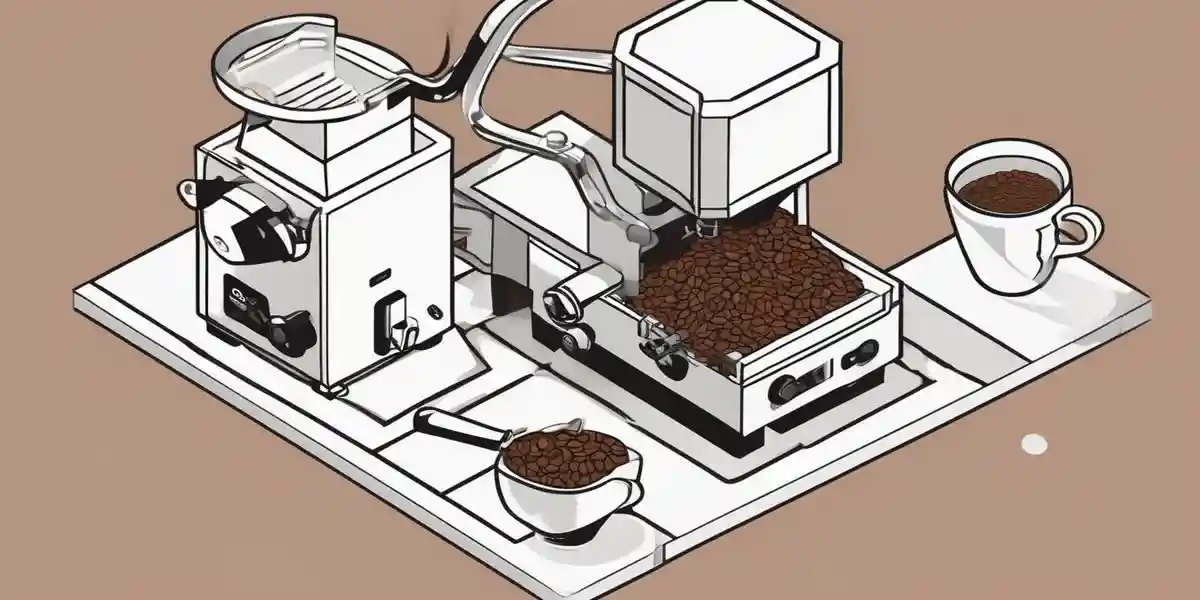
Grinding coffee beans is a critical step in the espresso-making process, directly influencing the extraction and, consequently, the flavor profile of the cup. The goal is to achieve a uniform particle size that promotes even extraction, allowing the rich flavors of the coffee to shine. However, one of the most significant challenges in grinding is the issue of electrostatic charge, which can cause ground coffee to clump together and lead to inconsistent extraction. This inconsistency detracts from the overall quality of the espresso, making it imperative for roasters and baristas to address these electrostatic challenges effectively.
Electrostatic charge occurs during the grinding process when coffee particles rub against one another and the grinder's surfaces, causing them to gain or lose electrons. This results in charged particles that repel or attract each other, leading to clumping. For espresso preparation, this clumping can hinder water flow through the coffee puck, resulting in uneven extraction and ultimately affecting the taste of the final brew. Hence, minimizing electrostatic effects is crucial for achieving optimal extraction performance.
Recent research has explored various strategies to counteract the electrostatic charging that occurs during grinding. One effective method highlighted in the study "Chemical strategies to mitigate electrostatic charging during coffee grinding" is the addition of small amounts of water to whole beans before grinding. This moisture reduces the electrostatic buildup, resulting in a more consistent grind and improved extraction quality.
Another innovative solution involves the use of specialized grinder materials and coatings that minimize static electricity. For instance, some manufacturers are now designing grinders with antistatic features, allowing baristas to produce a clean, clump-free grind. By integrating such technology, roasters can consistently produce high-quality espresso shots, showcasing the intricate flavors and aromas inherent in their coffee beans.
Several specialty coffee roasters have begun implementing these innovative grinding techniques, leading to a remarkable enhancement in their espresso quality. For example, a well-known roaster reported that by utilizing moisture-enhancing grinders, they experienced a significant reduction in clumping, which improved extraction uniformity and resulted in more vibrant flavor notes in their espresso. Additionally, some cafes are experimenting with humidity control in their grinding areas, ensuring optimal conditions for the brewing process.
Moreover, advances in grinding technology have also led to the development of grinders that allow for precise adjustments in particle size distribution, enabling baristas to fine-tune their espresso recipes based on specific coffee profiles. By harnessing the combined forces of art and technology, these innovations empower roasters to elevate the espresso experience, creating a perfect cup that resonates with coffee lovers' diverse palates.
As we explore the intricate world of coffee roasting, it becomes clear that crafting the perfect cup of specialty espresso is a union of art and technology. By understanding the chemistry of coffee, we see how roasting stages play a crucial role in shaping flavor profiles, allowing roasters to unlock the potential hidden within every bean. The science of extraction further reveals that the microstructure and flow properties of coffee influence the richness of each sip, making precision essential in the brewing process. Additionally, innovations in grinding technology, such as addressing electrostatic challenges, empower baristas to achieve optimal extraction, enhancing the overall espresso experience.
With these insights, we can appreciate the dedication and expertise required to create that perfect cup. Remember, whether you’re a home barista or a seasoned coffee lover, your journey in coffee appreciation doesn’t stop at enjoying a great brew. Experimenting with different roasts, understanding extraction times, and exploring new grinding techniques can all contribute to your personal coffee experience. Dive into the art and science behind your favorite espresso and embrace the innovations that are constantly evolving in this dynamic world. Let every cup be a testament to the wonderful blend of craftsmanship and technology that elevates coffee to an art form!

Get notified about new articles, coffee tips, and Web3 insights.
This site participates in affiliate programs and may earn a commission when a link is clicked and a purchase is made. The site is not responsible for any issues or troubles related to the products or services purchased through the use of this site.

DO&COFFEE loves coffee and technology, exploring the potential of NFTs and blockchain. Learn more →
DO&COFFEE loves coffee and technology, exploring the potential of NFTs and blockchain. Learn more →