technology
2024/08/26
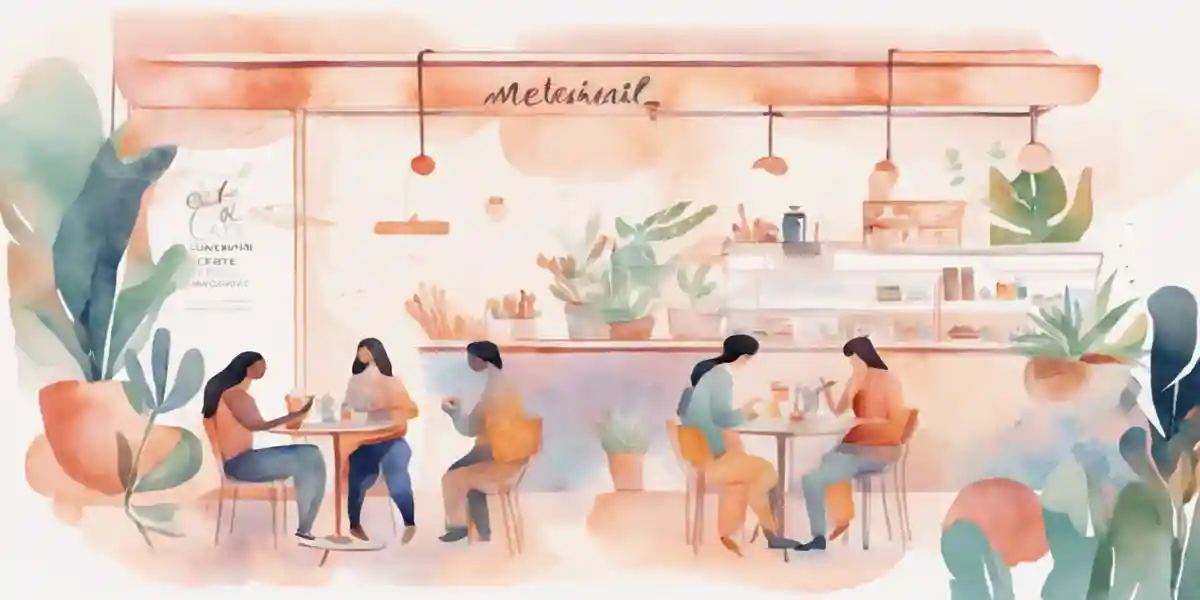
Imagine stepping into a vibrant virtual café in the Metaverse—a space where the aroma of digital coffee wafts through the air, and the hum of conversation fills your ears. This isn’t just another digital hangout; it’s a transformative hub for social networking and community building that transcends geographical boundaries. In this blog post, we’ll explore how decentralized café culture in the Metaverse is redefining social connections, fostering inclusivity, and creating opportunities for meaningful interactions. By leveraging immersive technology, these virtual cafés allow users to engage in live events, collaborate on projects, and cultivate genuine friendships, all while comfortably sipping their favorite digital brew.
We’ll delve into how these cafés can serve as shared spaces for creativity and self-expression, hosting everything from poetry slams to art exhibitions, enabling artists and performers to showcase their talents like never before. Additionally, we’ll examine the significance of decentralized ownership and governance in these virtual communities, which empowers users and ensures that everyone’s voice is heard. As we navigate this new frontier, we’ll uncover the potential of virtual cafés to address the loneliness and isolation many face in our increasingly digital world. Are you ready to grab your digital cup of coffee and explore this communal experience that promises to reshape how we connect and build community?
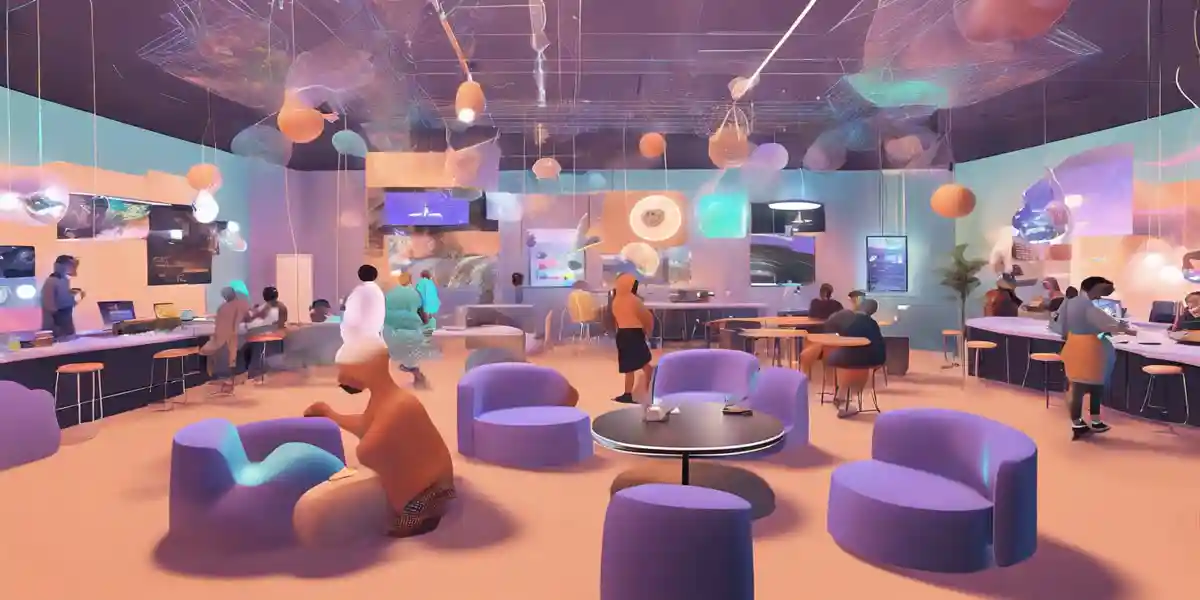
As we delve into the world of virtual cafés within the Metaverse, it’s essential to grasp the foundations of this digital landscape and the principles of decentralization that underpin it. The Metaverse is not just a single platform but a vast, interconnected universe of virtual spaces where users can interact, create, and socialize, transcending geographical limitations. Imagine stepping into a vibrant virtual café—a space where the aroma of digital coffee wafts through the air, and the hum of conversation fills your ears. This is where the promise of decentralization comes into play.
The Metaverse is often described as a collective virtual shared space, created by the convergence of virtually enhanced physical reality and physically persistent virtual reality. It encompasses augmented reality (AR), virtual reality (VR), and the internet, allowing users to immerse themselves in a digital environment that mirrors or extends our physical world. Platforms like Decentraland and The Sandbox are pioneering this frontier, enabling users to buy, sell, and interact within a virtual economy powered by blockchain technology.
Decentralization is a core principle of the Metaverse, aiming to distribute power away from a central authority. This shift empowers users to own their digital assets and engage in peer-to-peer interactions without intermediaries. For instance, NFTs (non-fungible tokens) allow artists to sell their work directly to consumers while retaining ownership of their creations. This notion of ownership extends into virtual cafés, where each establishment can operate independently, governed by its community rather than a central figure.
Imagine a café within the Metaverse that hosts themed nights, from poetry slams to trivia contests, allowing users to showcase their talents and interests. Such environments are not only about socializing but also about creating a sense of belonging. The Meta Avatar Robot Café exemplifies this idea, blending cyberspace and physical space to empower individuals with disabilities. By allowing them to interact through avatars, the café fosters inclusivity, enabling meaningful communication and connection regardless of physical limitations.
Research has shown that environments resembling virtual cafés can significantly enhance community building. A study conducted during emergency remote learning highlighted how student interactions in a Virtual Café setting foster community engagement, allowing personal experiences and interests to flourish. This aligns with the Community of Inquiry framework, which emphasizes cognitive, teaching, and social presence as vital components of effective online learning. In the Metaverse, these principles translate into vibrant platforms where users can engage meaningfully, share stories, and express themselves freely.
Moreover, the integration of immersive technologies like VR can play a crucial role in enriching these community experiences. A study involving 1,422 participants demonstrated that immersive VR content enhances emotional sharing and cognitive engagement. This suggests that virtual cafés can serve as therapeutic spaces, especially in a post-pandemic world where social isolation has become a pressing issue. By utilizing VR, these cafés can offer an engaging alternative to traditional socializing, helping users forge connections that transcend the limitations of their physical environments.
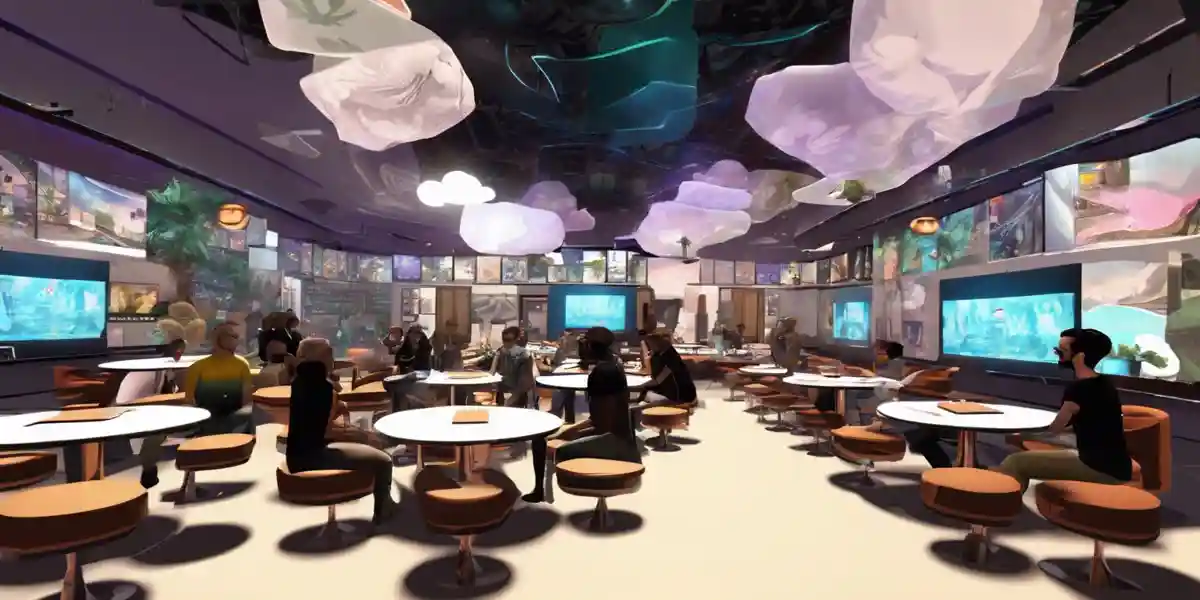
The concept of virtual cafés has emerged as a captivating solution to redefine social interactions and community building in the Metaverse. These digital spaces are not mere replicas of physical cafés; they are vibrant ecosystems that leverage cutting-edge technology to create immersive environments where users can connect, collaborate, and cultivate meaningful relationships.
Imagine stepping into a virtual café where the aroma of digital coffee wafts through the air and the hum of conversation fills your ears. Users can personalize their avatars, allowing them to express their individuality and foster a sense of belonging. This customization is crucial, as it enables individuals to present themselves authentically in a digital landscape that often feels impersonal.
Virtual cafés are designed with interactive features that promote engagement among users. For instance, cafés can host themed nights—think poetry slams, trivia contests, or art showcases—where users can display their talents and interests. A notable example is the Meta Avatar Robot Café, which blends physical and digital experiences, empowering individuals with disabilities to engage in social interactions through their virtual avatars. This innovative setup not only enhances user experience but also fosters inclusivity, creating a welcoming environment for everyone.
In these virtual cafés, patrons can join interactive discussion tables that focus on shared interests. Imagine meeting a fellow gamer from another country or collaborating with a budding entrepreneur on a project. Such interactions are supported by a framework of cognitive, teaching, and social presence, as highlighted in studies on virtual learning communities. These frameworks suggest that fostering a community atmosphere allows users to express personal experiences and interests, enhancing engagement and comfort in their interactions.
The integration of immersive technologies—such as virtual reality (VR)—further elevates the café experience. Research indicates that 360-degree VR content significantly enhances cognitive engagement and encourages ongoing usage. Users report various types of gratification, including social and hedonic, which are particularly vital during times of social distancing, as seen during the COVID-19 pandemic. This suggests that virtual cafés not only serve as social spaces but also as therapeutic environments that can alleviate feelings of loneliness and isolation.
The emergence of virtual cafés in the Metaverse is transforming how we perceive social interactions. By blending technology with creativity, these spaces are crafting new avenues for connection and community building, offering a glimpse into a future where geographical boundaries hold little significance. As we embrace this digital age, the question remains: how will you engage with this new café culture?
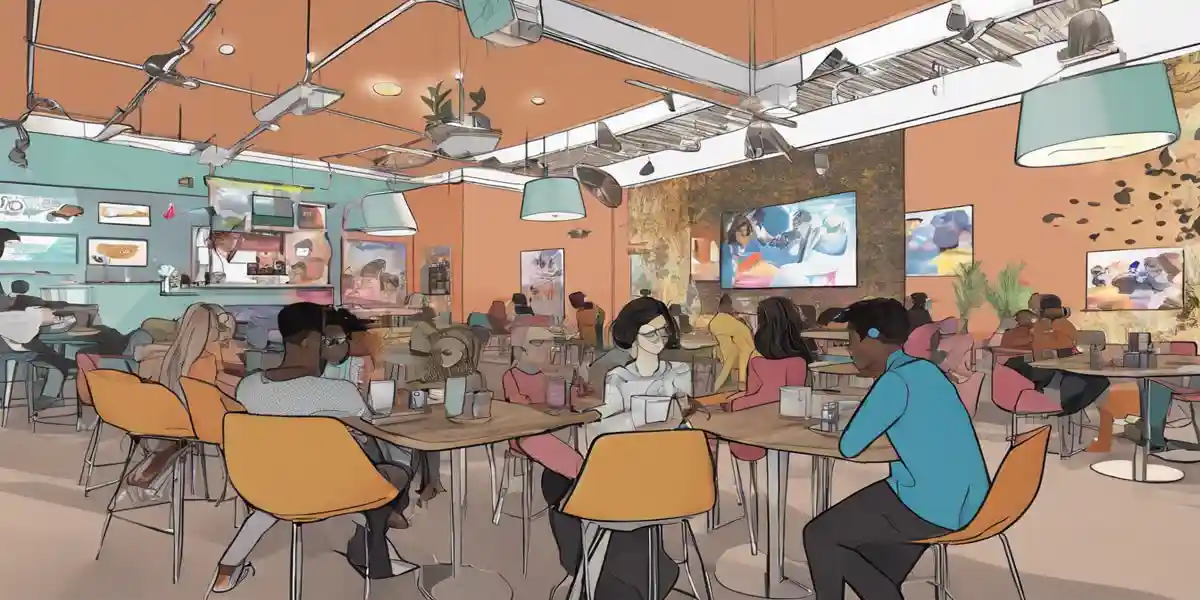
In the sprawling landscape of the Metaverse, the concept of community is being redefined through immersive shared spaces, particularly virtual cafés. Picture this: you log into a vibrant virtual café, where the sensation of a warm digital brew envelops you and the lively chatter of diverse avatars surrounds you. These cafés serve not merely as places to sip on a favorite drink, but as dynamic hubs for social networking and community building that transcend geographical boundaries.
One of the most engaging aspects of these virtual cafés is the ability for patrons to customize their avatars. This personalization fosters a sense of belonging and identity, allowing users to express themselves in a way that feels authentic. For instance, a user might choose an avatar that reflects their real-world appearance or opts for a completely fantastical representation that symbolizes their creativity. This customization plays a critical role in breaking down barriers, as users feel more comfortable interacting with others when they can present themselves in a way that resonates with their personality.
Virtual cafés can leverage the power of themed events to bring communities together. Imagine a café hosting a poetry slam one night and a trivia contest the next, creating opportunities for users to showcase their talents and interests. This setting not only entertains but also nurtures cultural exchange. An artist in one corner can display their work on virtual walls, while a musician performs live to an audience of avatars, some of whom may be from different continents. Such interactions deepen connections and create a tapestry of shared experiences that enrich the community.
Moreover, integrating features like interactive discussion tables can enhance community engagement. These tables can be designed for users to join conversations based on shared interests, whether it’s gaming, entrepreneurship, or art. Imagine sitting at a table with like-minded individuals, discussing the latest trends in gaming or collaboratively brainstorming a new startup idea. This setup facilitates not just networking, but also the formation of genuine friendships. For example, a budding entrepreneur might connect with a seasoned developer, leading to a mentorship that could change their career trajectory.
The concept of shared spaces in the Metaverse also holds promise for inclusivity. The Meta Avatar Robot Café, for instance, blends cyberspace and physical space, allowing individuals with disabilities to engage meaningfully through their avatars. This innovative environment empowers users by enabling them to express their presence and warmth, fostering connections that might be challenging in traditional social settings. Such initiatives highlight how virtual cafés can create environments where everyone, regardless of physical limitations, can forge new relationships and enjoy shared experiences.
Immersive technologies, such as virtual reality (VR), augment the café experience by enhancing emotional sharing and information processing. A study involving 1,422 participants revealed that immersive VR content significantly enhances user gratification, particularly in social contexts. Users reported feeling a sense of community and connection while engaging in VR experiences, which can be mirrored in the virtual café environment. As patrons navigate through these shared spaces, the sensory engagement—feeling as though they are truly present in the café—can transform their social interactions, making them more meaningful.
In a world increasingly shaped by digital interactions, the virtual café culture in the Metaverse stands out as a revolutionary approach to community building. Whether through personalized avatars, themed events, or inclusive designs, these shared spaces invite us to imagine new ways of connecting and engaging in our digital lives.
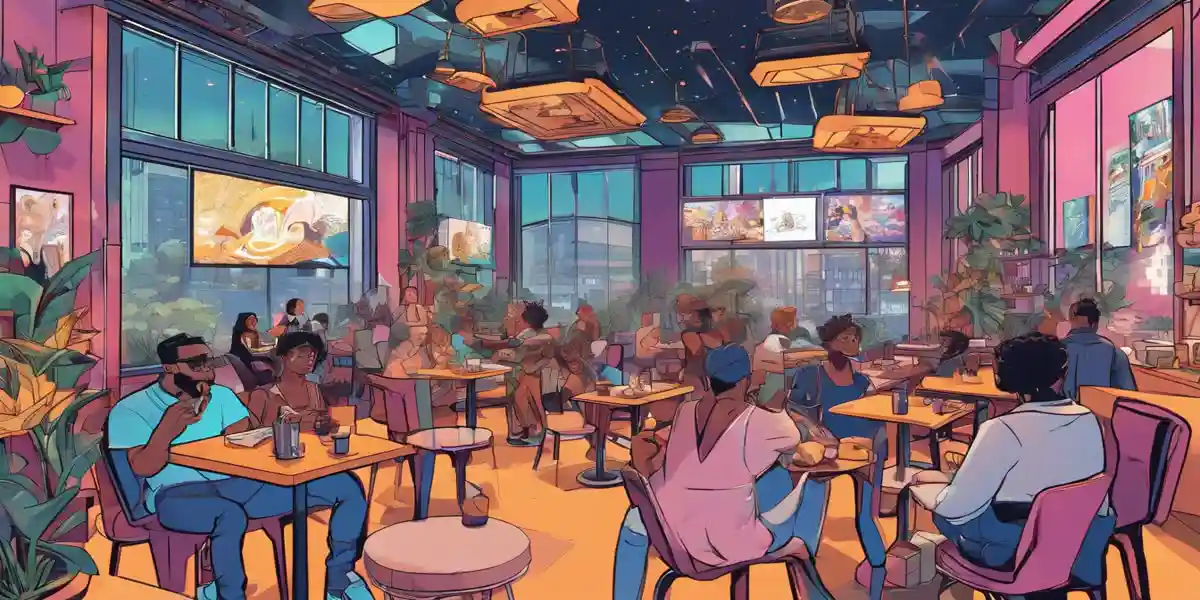
The concept of decentralized ownership and governance is at the heart of the metaverse café culture, redefining how communities can function in a digital landscape. Imagine this: a café in the metaverse where every patron has a say in its operations, from the décor to the events hosted. This level of participation can transform a mere social space into a thriving community driven by collective input and shared goals.
In a decentralized café, the governance model is often structured around blockchain technology, allowing for transparent decision-making. This means that each member can own a share of the café, represented as non-fungible tokens (NFTs), granting them voting rights on various issues. For instance, consider a virtual space where users can vote on the theme for the next event or decide which local artist to feature. This model not only empowers individuals but also fosters a sense of belonging, as members see their contributions recognized and valued.
One notable example is the Meta Avatar Robot Café, which integrates both physical and virtual realms to create a unique social experience. This café uses decentralized governance to allow patrons—especially those with disabilities—to participate in and influence their environment. By enabling users to transition between physical and digital identities, it promotes inclusivity and community engagement. Patrons can suggest new features or activities, ensuring that the café evolves according to the collective desires of its community.
Moreover, platforms like Decentraland have set a precedent for decentralized ownership in virtual spaces. Users can purchase virtual land, develop it, and govern it as they see fit. This ownership model encourages creativity and collaboration, allowing café owners to curate experiences based on the feedback and preferences of their patrons. For instance, a café in Decentraland might host a weekly open mic night, where users can vote on which performers get to showcase their talents, thus promoting a sense of shared experience and community ownership.
The underpinning technology for decentralized governance typically includes smart contracts on blockchain networks. These contracts automate processes like voting and resource allocation, ensuring fairness and transparency. When a café holds a vote, for example, the results are recorded on the blockchain, making it impossible to alter or manipulate outcomes. This level of trust is essential in building a vibrant community where individuals feel their voices matter.
Additionally, decentralized autonomous organizations (DAOs) are emerging as a popular governance model within the metaverse. A DAO allows members to propose initiatives and vote on them, creating a democratic framework for decision-making. This structure can be particularly effective in a café setting where patrons are encouraged to contribute ideas for events, menu items, or community projects, further enhancing the collaborative spirit of the space.
The decentralized ownership model also addresses the increasing need for inclusivity in our digital interactions. As highlighted in the study on humanizing online learning, community settings like virtual cafés can enhance engagement by allowing individuals to express personal experiences and interests. This is particularly significant for marginalized groups who may feel excluded in traditional social settings.
By decentralizing ownership, these cafés can create a welcoming environment where diverse voices come together to share ideas and foster connections, ultimately leading to a richer community experience. This approach not only combats feelings of isolation—exacerbated during the COVID-19 pandemic—but also promotes mental wellness through social interaction and shared experiences.
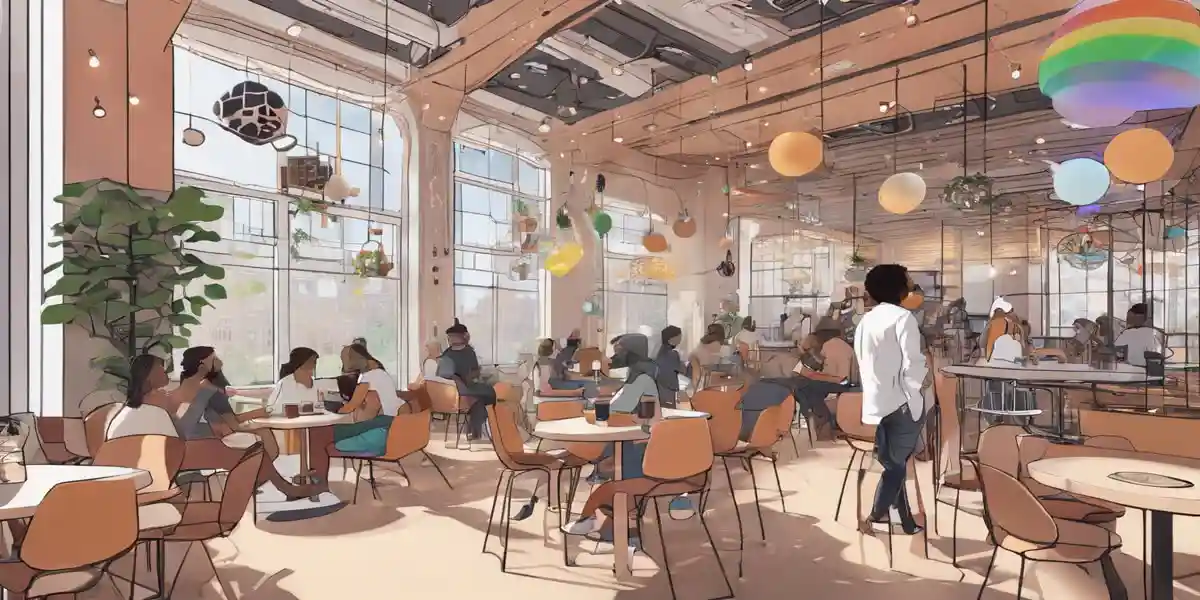
The emergence of decentralized café culture in the Metaverse is not merely a fleeting trend; it represents a significant shift in how we connect, communicate, and build communities. As we venture into this vibrant digital landscape, we find ourselves at the intersection of immersive technology and social interaction, redefining the very essence of community building.
Imagine a bustling virtual café, where the ambiance is crafted to replicate the comforting vibe of your favorite local spot. The use of immersive technologies, such as virtual reality (VR) and augmented reality (AR), allows users to engage in a shared environment that transcends geographical limitations. This transformation is not just an innovative concept; it’s grounded in research highlighting the importance of social presence in online interactions. A study involving postgraduate students in Bali illustrated that virtual cafés foster community by allowing participants to share personal experiences and interests, thereby enhancing engagement and comfort in a learning environment.
Decentralized cafés in the Metaverse can host a variety of events—poetry slams, live music performances, and art exhibitions—creating dynamic spaces for creative expression. For instance, platforms like Spatial and Gather have begun to integrate these features, allowing users to gather around virtual tables, discuss ideas, and collaborate on projects. These interactions not only provide entertainment but also serve as a foundation for new friendships and professional networks, much like traditional cafés have done in the physical world.
One of the most compelling aspects of this decentralized café culture is its potential for inclusivity. Take the example of the Meta Avatar Robot Café, which merges physical and virtual environments to empower individuals with disabilities. This café allows users to transition between their physical bodies and virtual avatars, fostering unique social interactions that would otherwise be challenging in traditional settings. It creates a welcoming space for all, emphasizing that community building can—and should—be accessible to everyone, regardless of physical limitations.
The COVID-19 pandemic has shed light on the mental health challenges many face, especially those with pre-existing conditions such as anxiety or depression. Research has indicated that engaging with immersive VR environments can enhance emotional sharing and information processing, aiding mental health recovery during social distancing. The satisfaction derived from social interactions within these virtual cafés—whether through shared experiences or collaborative projects—can provide a much-needed sense of belonging and support. Users report various forms of gratification, including social connection and enjoyment, which further emphasizes the role of these spaces in promoting mental well-being.
As we look ahead, the potential of decentralized cafés in the Metaverse seems boundless. We can expect to see increased integration of AI and machine learning to personalize user experiences, making interactions even more tailored and meaningful. Additionally, the rise of decentralized finance (DeFi) may lead to unique business models for these virtual cafés, allowing them to operate independently while fostering community-driven initiatives. This evolution will likely reshape our understanding of community, as we blend physical and virtual experiences into a cohesive social fabric.
The Metaverse café is more than just a digital space; it's a thriving ecosystem that fosters social connections and networking opportunities. Imagine logging in and instantly being transported to a virtual café bustling with activity. This immersive environment allows users to engage in real-time conversations with others from around the globe. The integration of custom avatars serves as a powerful tool for self-expression, enabling users to curate their identities in ways that reflect their personalities and interests. How often have you felt a connection with someone simply because you shared a similar style or vibe? In the Metaverse, this sense of belonging is amplified as users navigate the café, meeting like-minded individuals through shared experiences and interests.
Each virtual café can host a variety of themed nights that encourage participation and creativity. From poetry slams to trivia contests, these events not only showcase individual talents but also promote community engagement. For instance, an artist might display their work on virtual walls, inviting patrons to discuss the pieces in a cozy corner of the café. Musicians could perform live sets, transforming the café into a vibrant concert space, while storytellers captivate audiences with their narratives. This dynamic setting mirrors real-world cafés where local talent often finds a stage, drawing in crowds and fostering connections that transcend mere casual interactions.
One of the standout features of the Metaverse café is the implementation of interactive discussion tables. Here, users can join conversations based on shared interests or topics. Imagine sitting down at a table labeled "Entrepreneurship" and finding a budding entrepreneur from another country eager to exchange ideas. These discussion tables act as catalysts for networking and collaboration, nurturing genuine friendships and partnerships. The potential for cross-cultural interactions is immense, breaking down geographical barriers and allowing individuals to connect over common goals and aspirations.
In a world increasingly defined by digital interactions, the Café culture in the Metaverse offers a unique antidote to the loneliness many face. The COVID-19 pandemic has exacerbated feelings of isolation, particularly for those with pre-existing mental health challenges. Studies have shown that immersive environments, such as virtual cafés, can enhance emotional sharing and foster community, providing a sense of belonging that many seek. For example, the research conducted on the impact of VR videos during social distancing highlighted the importance of social gratification, revealing that users found comfort and connection through these immersive experiences.
Moreover, the concept of the Meta Avatar Robot Café exemplifies how technology can create inclusive spaces within the Metaverse. This innovative venue allows individuals with disabilities to transition between their physical bodies and virtual avatars, enabling them to engage in meaningful communication and social interactions. By removing physical barriers, these cafés foster an environment where everyone can enjoy new experiences and form relationships, irrespective of their mobility challenges. This is a powerful reminder that community building can take many forms, and the Metaverse provides a unique platform to redefine what it means to connect.
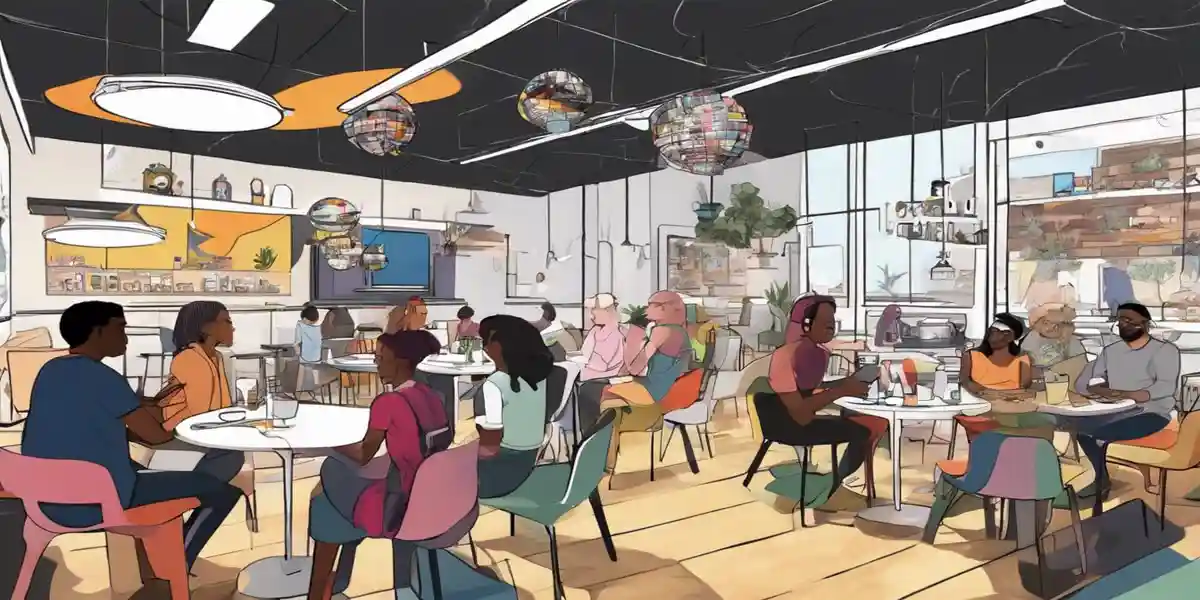
The success of virtual cafés in the Metaverse hinges on their ability to create supportive online ecosystems. Research conducted on humanizing online learning within virtual communities suggests that fostering personal connections enhances engagement and comfort among users. By encouraging the expression of personal experiences and interests, these cafés can cultivate a welcoming atmosphere where individuals feel valued and understood. This holistic approach to community building is essential in an era where digital interactions often lack the warmth and connection found in physical spaces.
In exploring the decentralized café culture within the Metaverse, we've uncovered a transformative approach to social connections and community building. From the foundational principles of decentralization that empower users to share ownership and governance, to the emergence of virtual cafés as vibrant spaces for interaction and creativity, the implications of this digital evolution are profound.
The concept of virtual cafés transcends mere social interaction; they serve as dynamic hubs that foster inclusivity, creativity, and genuine connections. By utilizing immersive technologies like VR and AR, these cafés create environments where users can express themselves authentically, participate in shared interests, and engage meaningfully in a way that traditional settings often cannot. This is exemplified by innovative spaces like the Meta Avatar Robot Café, which integrates physical and digital experiences to promote accessibility and social engagement for individuals with disabilities.
As we look to the future, it's clear that decentralized cafés in the Metaverse are not just a trend; they represent a paradigm shift in how we understand community. The potential for personalized experiences, collective governance, and emotional well-being within these virtual environments suggests a brighter, more connected digital future. However, the question remains: how will you choose to engage with this emerging café culture? Will you step into the Metaverse and shape the communities you wish to be a part of, or will you let this unique opportunity pass by?
As we navigate this new digital frontier, let us embrace the possibilities it offers and actively participate in crafting inclusive, vibrant communities that reflect our shared values and aspirations.
Get notified about new articles, coffee tips, and Web3 insights.
This site participates in affiliate programs and may earn a commission when a link is clicked and a purchase is made. The site is not responsible for any issues or troubles related to the products or services purchased through the use of this site.

DO&COFFEE loves coffee and technology, exploring the potential of NFTs and blockchain. Learn more →
DO&COFFEE loves coffee and technology, exploring the potential of NFTs and blockchain. Learn more →