crypto
2025/03/15
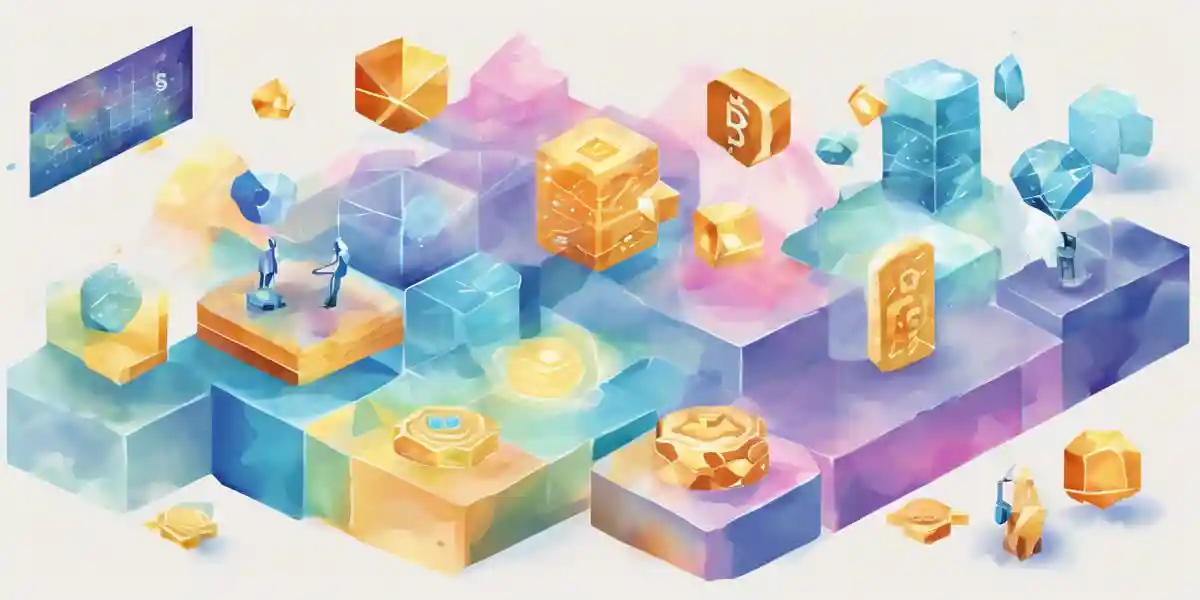
In the ever-evolving world of digital assets, the intersection of blockchain gaming and crypto art is emerging as a transformative force that is redefining the landscape of ownership, creativity, and community engagement. This blog post, titled "Decoding the Mechanism: The Impact of Blockchain Games on the Evolution of Crypto Art," delves into how blockchain games act as innovative platforms for artists to monetize their work while simultaneously fostering deeper connections with their audiences.
Central to this revolution is the advent of Non-Fungible Tokens (NFTs), which have gained significant attention for their ability to tokenize creations, ensuring both provenance and scarcity in an otherwise boundless digital realm. Through the lens of gaming, NFTs facilitate unique in-game assets—ranging from skins and avatars to virtual real estate—that players can trade, thereby enhancing both the gaming experience and the artistic identity of creators. This dynamic not only enriches the gaming landscape but also empowers artists to inject their creativity into interactive environments.
Moreover, blockchain games often feature community-driven economies that blur the lines between creators and consumers, inviting players to engage collaboratively in artistic projects. This participatory culture transforms players into stakeholders in the game's success, cultivating a vibrant community that drives value for both individual artists and the broader ecosystem. As we unpack these complex interactions, this post will highlight successful case studies, emerging trends, and the challenges that artists and developers face in this new digital frontier. Ultimately, the convergence of blockchain gaming and crypto art signals a fundamental shift in how we perceive, value, and experience digital creation in our increasingly decentralized world.
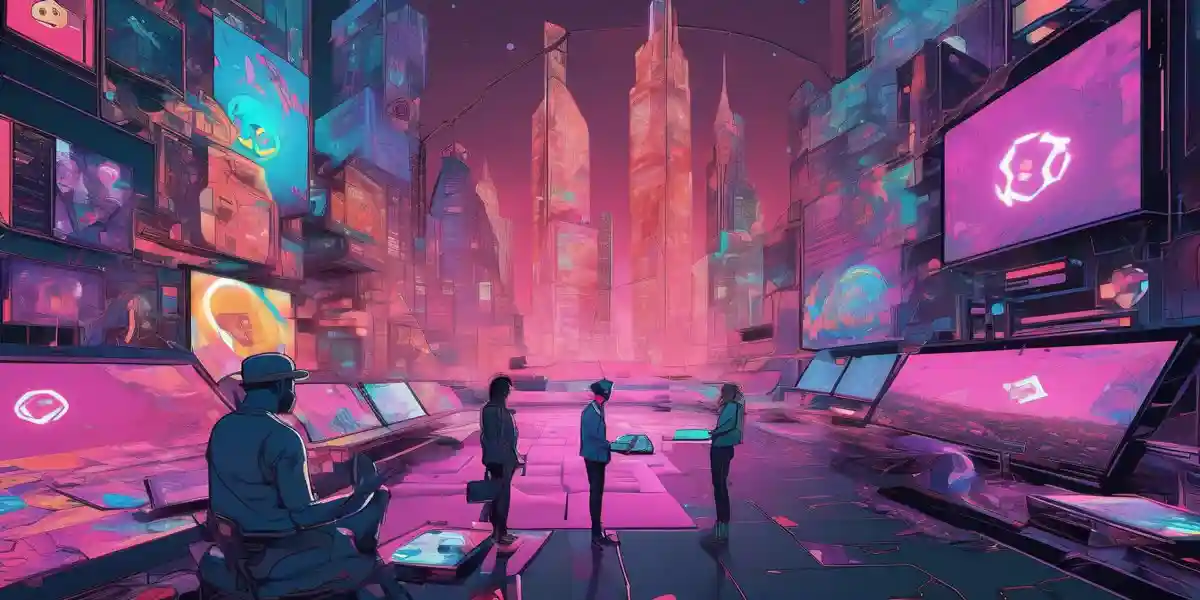
Blockchain technology serves as the backbone for both blockchain games and crypto art, creating a unique intersection that transforms traditional concepts of ownership and creativity. At its core, blockchain is a decentralized ledger that records transactions across many computers in such a way that the registered transactions cannot be altered retroactively. This capability introduces a level of transparency and security that has profound implications for digital assets, particularly in the realms of gaming and art.
One of the most significant contributions of blockchain technology is its ability to establish verifiable ownership of digital assets. In traditional gaming, players often invest significant time and resources into acquiring in-game items, yet they have no real ownership; these assets exist solely within the game’s ecosystem. Blockchain games, such as Axie Infinity, leverage non-fungible tokens (NFTs) to represent unique in-game assets. Players can truly own their Axies, trade them on secondary markets, or even use them in other games, effectively breaking the boundaries of ownership that conventional games impose.
Smart contracts are another pivotal feature of blockchain technology that enhances the gaming and art landscape. These self-executing contracts with the terms of the agreement directly written into code facilitate automatic transactions when predetermined conditions are met. For example, in the game Gods Unchained, players can buy, sell, and trade cards seamlessly without intermediaries, ensuring that creators receive royalties every time their cards are sold. This not only empowers artists and developers but also encourages a fairer distribution of revenue.
Crypto art has emerged as a significant phenomenon within the blockchain ecosystem, allowing artists to tokenize their work and sell it directly to collectors. The digital artwork “Everydays: The First 5000 Days” by Beeple, which sold for a staggering $69 million at Christie’s auction, exemplifies this shift. By utilizing blockchain for provenance, artists are no longer at the mercy of galleries and auction houses; they can reach a global audience, retain control over their creations, and ensure that their work is authenticated and valued appropriately.
In summary, blockchain technology fundamentally reshapes the concepts of ownership and value in both gaming and art, facilitating a more equitable landscape for creators and consumers alike.
The intersection of gaming and art is a dynamic space where creativity meets technology, particularly through the lens of blockchain games and crypto art. This convergence not only enhances the aesthetic dimensions of gaming but also redefines how art is created, owned, and traded. In this section, we will explore three key points that illustrate this intersection.
Blockchain technology introduces the concept of unique digital ownership via non-fungible tokens (NFTs), which has significantly impacted how art is perceived in gaming. Unlike traditional digital art, where copies are easily replicated, NFTs provide verifiable proof of ownership and authenticity. For instance, the game "Axie Infinity" allows players to breed, raise, and battle digital creatures called Axies. Each Axie is an NFT, making it a unique digital asset. This ownership model not only incentivizes artistic creation within the game but also empowers players to trade their unique Axies in a marketplace, often at considerable profit.
The rise of blockchain games has enabled artists to become developers, expanding their creative potential. These artists can design immersive worlds and characters that blend gameplay with artistic expression. Take "Decentraland," a virtual reality platform powered by the Ethereum blockchain. In this environment, artists can create and monetize interactive art installations. This shift from passive consumption of art to active participation allows creators to engage their audience in novel ways, blurring the lines between artist and gamer.
Blockchain technology fosters community-driven art initiatives within gaming ecosystems. Players and artists can collaborate on projects, leading to unique art forms that reflect collective creativity. For example, the game "Gods Unchained" not only allows players to own their in-game cards as NFTs but also encourages community participation in card design contests. This collaborative approach not only enriches the game's artistic landscape but also strengthens community ties, as players feel a sense of ownership over the evolving artistic narrative of the game.
In summary, the intersection of gaming and art through blockchain technology is reshaping the landscape of digital creativity. By establishing unique ownership models, empowering artists as developers, and fostering community engagement, blockchain games are not just transforming the gaming experience but are also redefining the future of art.
The intersection of blockchain games and crypto art represents a significant evolution in digital culture, where ownership, creativity, and monetization converge. This section will explore how blockchain gaming influences the art world, focusing on three key areas: democratization of access, new revenue streams for artists, and the role of community engagement.
Blockchain technology fundamentally changes the landscape of access to art. Traditional art markets often favor established artists and collectors, creating barriers for emerging creators. However, blockchain games often incorporate non-fungible tokens (NFTs) that allow artists to mint their work directly on the blockchain, making it accessible to a broader audience. For instance, the game Axie Infinity has enabled players to not only collect but also create and sell their own NFTs, leading to a new generation of artists who may not have had the means to enter the traditional art market. Research from NonFungible.com indicates that the NFT market has surged, with transactions exceeding $10 billion in the third quarter of 2021 alone, highlighting the increased accessibility that blockchain games offer.
Blockchain games introduce innovative monetization models that empower artists financially. Unlike traditional art sales, where artists receive a one-time payment, NFTs can incorporate smart contracts that allow artists to earn royalties on secondary sales. A notable example is the artist Beeple, who sold an NFT artwork for $69 million in 2021, with the structure of the NFT allowing him to earn royalties on future sales. This model not only incentivizes artists to produce high-quality work but also fosters a sustainable ecosystem where they benefit from their creations over time. The transparency of blockchain ensures that transactions and ownership history are verifiable, enhancing trust in these new economic models.
Blockchain games foster vibrant communities that play a crucial role in the evolution of crypto art. These communities often engage in collaborative projects, sharing ideas and resources, which can lead to unique artistic expressions. For example, the game CryptoKitties not only allows users to breed and trade virtual cats but has also sparked a community-driven market for custom designs and artworks related to the game. This engagement cultivates a culture of shared creativity, where artists and gamers collaboratively shape the artistic landscape. Furthermore, events like virtual art exhibitions or competitions hosted within games promote visibility for emerging artists, creating a dynamic feedback loop that drives innovation in both gaming and art.
In summary, the convergence of blockchain games and crypto art presents a transformative opportunity for artists, gamers, and collectors alike. By democratizing access, creating new revenue avenues, and fostering community engagement, this synergy is reshaping the way art is created, shared, and appreciated in the digital age.
In this exploration of the intersection between blockchain games and the evolution of crypto art, we first established the foundational principles of blockchain technology and its decentralized nature. This technology has not only disrupted traditional gaming mechanics but also revolutionized the way art is created, owned, and shared. We then examined how blockchain games serve as dynamic platforms for artists, providing a unique venue for the display and monetization of digital art through non-fungible tokens (NFTs). This synergy between gaming and crypto art fosters a new environment where creativity can flourish, offering artists unprecedented control over their work and potential financial rewards.
Subsequently, we delved into the cultural implications of this evolution, highlighting how blockchain games are democratizing art ownership and engagement. By facilitating wider access to digital art, these games are dismantling barriers that have historically restricted artistic appreciation to elite circles. Moreover, the integration of play-to-earn mechanics not only incentivizes participation but also creates a vibrant ecosystem where both gamers and artists can thrive. This intersection is reflective of broader trends in the digital economy, emphasizing the shift towards user-generated content and community-driven platforms.
As we look to the future, it is clear that the fusion of blockchain technology and gaming will continue to shape the landscape of crypto art. The potential for further innovation is vast, with possibilities for enhanced interactivity, collaboration, and artistic expression. Therefore, it is crucial for stakeholders—be they artists, developers, or investors—to engage with these emerging paradigms actively. We invite our readers to explore these opportunities, participate in the ongoing dialogue, and consider how they can contribute to this evolving narrative of art and technology. The future of crypto art is not just a trend; it represents a transformative shift in how we perceive and value creativity in a digital age.
Get notified about new articles, coffee tips, and Web3 insights.
This site participates in affiliate programs and may earn a commission when a link is clicked and a purchase is made. The site is not responsible for any issues or troubles related to the products or services purchased through the use of this site.
DO&COFFEE loves coffee and technology, exploring the potential of NFTs and blockchain. Learn more →
DO&COFFEE loves coffee and technology, exploring the potential of NFTs and blockchain. Learn more →