coffee
2024/08/27
Have you ever considered how the journey of a coffee bean—starting from its origin and culminating in that perfect cup—can transform an ordinary morning ritual into an extraordinary experience? In the world of specialty coffee, the significance of locally roasted coffee beans is often overlooked, yet it holds the key to unlocking a rich and nuanced flavor profile that can elevate your coffee journey. This blog post will explore the intimate relationship between locality, freshness, and flavor complexity, inviting you to discover how sourcing roasted coffee beans near you can enhance your appreciation for this beloved beverage.
Imagine waking up to the aroma of freshly roasted coffee, knowing that those beans were roasted mere hours ago, right in your neighborhood. Freshness is not just a detail; it’s a vital ingredient that preserves the essential oils and volatile compounds responsible for coffee’s unique flavors. As you sip your brew, consider the craftsmanship behind it—the careful roasting techniques, the stories of the farmers, and the community spirit that supports local roasters. This exploration does more than satisfy your caffeine cravings; it connects you to a rich tapestry of culture and artistry that enhances your daily coffee ritual into a delightful experience.
Join us as we delve into the world of specialty coffee, uncover the hidden treasures of local roasters, and learn how to brew and pair coffee for maximum enjoyment. By the end, you may find that the next cup of coffee you brew is not just a drink; it’s a celebration of local artistry and flavor complexity that invites you to engage more deeply with your surroundings.
In the realm of coffee enthusiasts, the term "specialty coffee" often evokes a sense of curiosity and appreciation. But what exactly makes coffee specialty? The journey from bean to cup is a nuanced adventure, deeply intertwined with the concepts of locality, freshness, and flavor complexity. Let's dive into what elevates coffee from the mundane to the extraordinary.
Specialty coffee is defined by its quality and unique characteristics, which are meticulously cultivated from farm to cup. To qualify as specialty, coffee must score 80 points or above on a 100-point scale by certified coffee tasters, known as cuppers. This scoring system evaluates various attributes, including aroma, flavor, acidity, body, and aftertaste.
Imagine waking up to brew a cup of coffee that was roasted just hours before, right in your neighborhood. The freshness of roasted coffee beans is paramount; it preserves the essential oils and volatile compounds that contribute to flavor. As coffee beans are roasted, they begin to release gases, particularly carbon dioxide, which diminishes over time. This process can significantly impact the flavor profile of the coffee. By sourcing beans from a local roaster, you ensure that you are enjoying coffee at its peak flavor potential, maximizing the delightful nuances that make each cup unique.
Aroma plays a crucial role in how we perceive coffee quality, and it arises from various volatile organic compounds (VOCs). These compounds are sensed through ortho-nasal olfaction before consumption and retro-nasal olfaction during tasting. The desirable VOCs contribute to coffee's "bouquet," while unwanted VOCs—known as "off flavors"—can detract from the experience. For instance, 2,4,6-Trichloroanisole (TCA), an off-flavor VOC, can be detected at extremely low concentrations (as low as 1 ng/L in water), illustrating its potential to lead to product rejection.
Local coffee roasters often possess a unique understanding of the beans they source, guiding them in crafting deeper flavor explorations. They may experiment with different roast profiles tailored to local palate preferences, resulting in distinctive blends that reflect regional coffee culture. This relationship not only enhances your coffee experience but also supports local businesses, fostering a community around the love of coffee.
The intricate chemistry behind coffee is essential for understanding its complexity. Factors such as bean production, roasting methods, and preparation techniques significantly influence the flavor, aroma, and body of the final product. According to research conducted by Ernesto and Andrea Illy, a deep understanding of these elements is crucial for consistently producing a quality cup of coffee, as even minor nuances in the brewing process can drastically alter the final experience.
When we talk about complexity in coffee, it encompasses a range of dimensions, including molecular interactions, flavor combinations, and ingredient pairings. The perceived complexity, as experienced by individuals, often matters more than the actual physical or chemical complexity. This subjective experience can lead to a greater appreciation of the various flavors present in your cup, whether they arise from a single, complex experience or from an array of distinct flavors.
As you savor a cup brewed from freshly roasted local beans, take a moment to consider the stories behind those beans—the farmers who nurtured them, the roasting techniques employed, and the intricate tasting notes that emerge from careful craftsmanship. By unlocking the flavor found in locally roasted coffee, you're not just drinking a beverage; you're engaging in a rich tapestry of art, culture, and community. Each sip invites you to connect more deeply with your surroundings, transforming your coffee ritual into a delightful exploration.
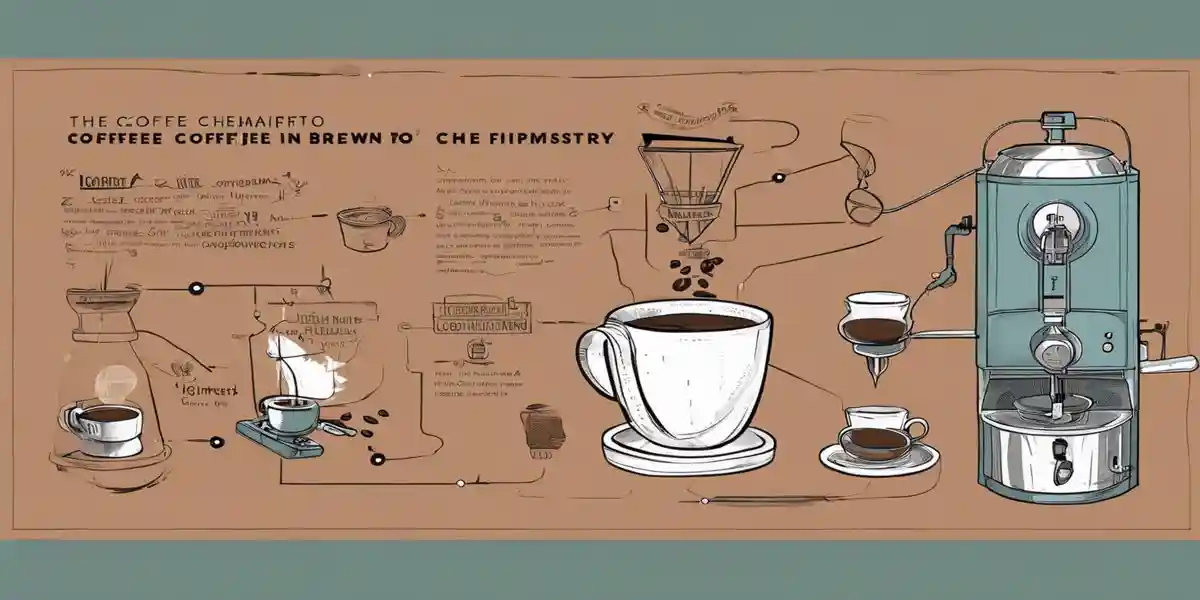
In the world of specialty coffee, the path from bean to cup is an intricate journey that can significantly elevate your coffee experience. Understanding the relationship between locality, freshness, and flavor complexity in coffee can transform your daily ritual into a rich exploration of taste and aroma.
Imagine waking up to brew a cup of coffee roasted just hours before in your very own neighborhood. The freshness of roasted coffee beans plays a crucial role in preserving essential oils and volatile compounds that are key to flavor. As beans are roasted, they begin to release gases—a process that diminishes over time. This is why sourcing beans from a local roaster ensures you are savoring coffee at its peak flavor profile.
Aroma is a critical element in the perception of coffee quality, and it arises from various volatile organic compounds (VOCs). According to research, these compounds contribute to the coffee's "bouquet" and are detected through both ortho-nasal olfaction (smelling before consumption) and retro-nasal olfaction (perceiving aroma while tasting). Some desirable VOCs enhance the drinking experience, while others, referred to as "off flavors," can detract from it. For instance, 2,4,6-Trichloroanisole (TCA) is a notorious off-flavor compound that can be sensed at extremely low concentrations, which illustrates how impactful aroma can be on consumer appreciation.
Local roasters often possess a unique understanding of the beans they source, leading to deeper flavor explorations. They may experiment with different roast profiles that are tailored to local tastes, creating distinct blends that reflect the regional coffee culture. This process not only enhances your coffee experience but also supports local businesses, fostering a community around the love of coffee. For example, a roaster in San Francisco might prioritize beans with fruity notes, while a roaster in the Pacific Northwest might emphasize earthy, rich flavors.
The journey from bean to brew involves intricate chemistry that goes beyond mere enjoyment. Factors such as bean production, roasting, and preparation methods significantly influence the coffee's flavor, aroma, and body. The nuances in the brewing process can drastically alter the final experience, highlighting the importance of a sophisticated understanding of coffee chemistry. This complexity can arise from both single, intense flavor experiences and from the interplay of multiple distinct flavors, enhancing your appreciation of the cup in front of you.
As you sip a cup brewed from freshly roasted local beans, consider the stories behind those beans: the farmers who cultivated them, the meticulous roasting techniques employed, and the tasting notes that emerge from the careful craftsmanship. By unlocking the flavors found in locally roasted coffee, you are not merely consuming a beverage; you are savoring a piece of art, culture, and community. This rich exploration invites you to engage more deeply with your coffee, elevating it from a daily ritual to an extraordinary experience that connects you with your surroundings.
The journey of coffee from bean to cup is not just about brewing a beverage; it's about experiencing a symphony of flavors that tell the story of its origin. The proximity of the roaster plays a pivotal role in this experience. When you choose coffee roasted nearby, you tap into a world where freshness reigns supreme. Freshly roasted coffee beans are paramount because they preserve the essential oils and volatile organic compounds (VOCs) that are crucial for flavor. These compounds begin to dissipate shortly after roasting, which means that the longer you wait to brew, the less vibrant your coffee becomes.
Freshness in coffee is not a mere marketing gimmick; it has a scientific basis rooted in chemistry. As coffee beans roast, they release gases, including carbon dioxide and various VOCs that contribute to the aroma and flavor profile. A study highlights that aroma complexity in coffee is largely derived from these VOCs, which can be sensed through both ortho-nasal olfaction (smelling before consumption) and retro-nasal olfaction (smelling while tasting). The desirable VOCs create a rich bouquet, enhancing your coffee experience, while unwanted VOCs, such as 2,4,6-Trichloroanisole (TCA), can lead to off-flavors that mar the taste. This underscores the importance of enjoying coffee that has been roasted recently, as it ensures that you are experiencing the full spectrum of flavors intended by the roaster.
Local roasters possess an intimate understanding of the beans they source, often tailoring their roasting techniques to suit local preferences. This knowledge allows them to experiment with various roast profiles that bring out unique flavor characteristics. For example, a local roaster might take a single-origin Ethiopian bean and apply a light roast to accentuate its floral notes, or a darker roast to deepen its chocolatey undertones. This not only results in distinctive blends that reflect the regional coffee culture but also fosters a sense of community among coffee enthusiasts who share a passion for high-quality brews.
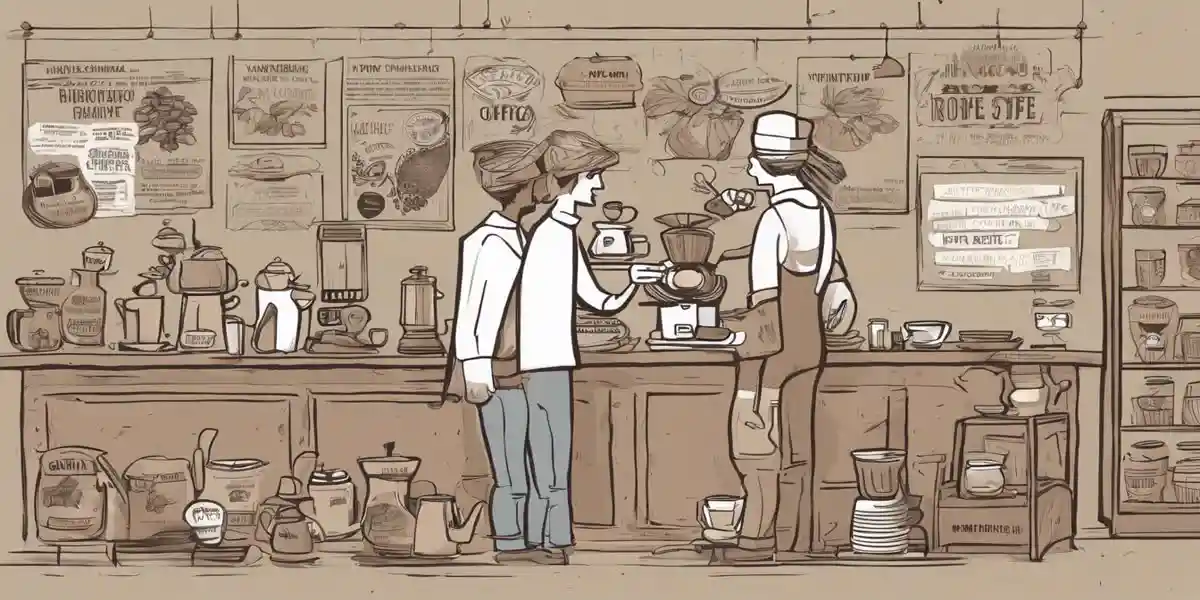
When you sip a cup of coffee brewed from freshly roasted local beans, you are engaging with the narratives behind the product. Consider the journey of the beans: the farmers who cultivated them, the specific methods employed to bring out their best qualities, and the precision in roasting that enhances their flavor. This deep connection transforms your coffee ritual into an appreciation of art, culture, and craftsmanship. The nuances of your cup—its taste, aroma, and even its appearance—become a reflection of the collective effort of countless individuals dedicated to the craft.
The complexity of coffee flavor is not simply based on the ingredients; it is shaped by the meticulous processes involved in its production. As highlighted in academic research, understanding the intricacies of coffee brewing, from the grind size to water temperature, can drastically alter your experience. Local roasters often emphasize this complexity in their offerings, guiding customers through tasting notes that highlight the coffee's unique profiles. The richness of flavors—ranging from fruity and acidic to earthy and nutty—can be experienced more fully when the beans are sourced locally, ensuring that you are enjoying each cup at its peak.
By choosing locally roasted coffee, you are not just elevating your taste experience; you are also connecting with your community and supporting local businesses that share your passion for quality. The journey of coffee becomes a shared adventure, inviting you to explore deeper realms of flavor and appreciation.
In the pursuit of the ultimate coffee experience, discovering local roasters can be a game-changer. The following section explores the hidden treasure that local roasters represent and how they can elevate your specialty coffee journey.
Imagine the aroma of freshly roasted coffee wafting through the air as you step into a quaint local café. This moment is not just about the coffee; it embodies the very essence of what makes local roasters a treasure trove for coffee enthusiasts. The journey from bean to cup is intricately linked to locality, freshness, and the unique flavor profiles that local roasters curate.
One of the most compelling reasons to seek out local roasters lies in the freshness of the coffee beans. When coffee beans are roasted, they release essential oils and volatile compounds that are crucial for developing rich flavors. Over time, these compounds dissipate, leading to a decline in quality. By sourcing your beans from a nearby roaster, you can enjoy coffee at its peak flavor profile, often roasted just hours before you brew. This immediacy is not just a luxury; it’s an essential aspect of experiencing the full bouquet of flavors that high-quality coffee has to offer.
For instance, consider a local roaster that specializes in single-origin coffee from a specific region. The roasting process they employ can highlight the unique characteristics of those beans. If they are roasting Ethiopian Yirgacheffe, you might experience floral notes and bright acidity that are hallmarks of that region. Local roasters often take pride in experimenting with different roast profiles, allowing them to craft distinctive blends that resonate with local preferences. This not only enhances your coffee experience but also fosters a sense of community around the love of coffee.
Understanding the chemistry of coffee can deepen your appreciation for what local roasters bring to the table. As discussed in recent studies, aroma complexity plays a vital role in coffee quality perception, stemming from various volatile organic compounds (VOCs). These compounds are crucial in forming the coffee’s aroma and flavor profile. When you sip local, freshly roasted coffee, you’re not just tasting a beverage; you’re engaging in a sensory experience shaped by the intricate interactions of these VOCs.
Local roasters often have intimate knowledge of the beans they select, including the specific VOCs that contribute to desirable aromas while avoiding off-flavors that can negatively impact your experience. For example, compounds like 2,4,6-Trichloroanisole (TCA) can result in undesirable flavors, and local roasters are vigilant in selecting beans that minimize such risks. Their expertise allows them to curate a selection of coffees that consistently showcase the best flavor profiles.
By choosing to support local roasters, you are not only elevating your coffee experience but also investing in your community. Local roasters often collaborate with farmers and cooperatives, ensuring that the beans are ethically sourced and the growers are fairly compensated. This relationship enriches the narrative of each cup of coffee you enjoy. As you savor the flavors, think about the journey those beans have taken—from the hands of farmers to the roaster’s meticulous craft, and finally to your cup.
As you explore your local coffee scene, consider visiting roasters that offer tasting flights or cupping sessions, where you can discover the nuances in flavor and aroma firsthand. This level of engagement transforms coffee from a mere daily ritual into a rich, cultural experience that connects you to the people and places behind your brew.
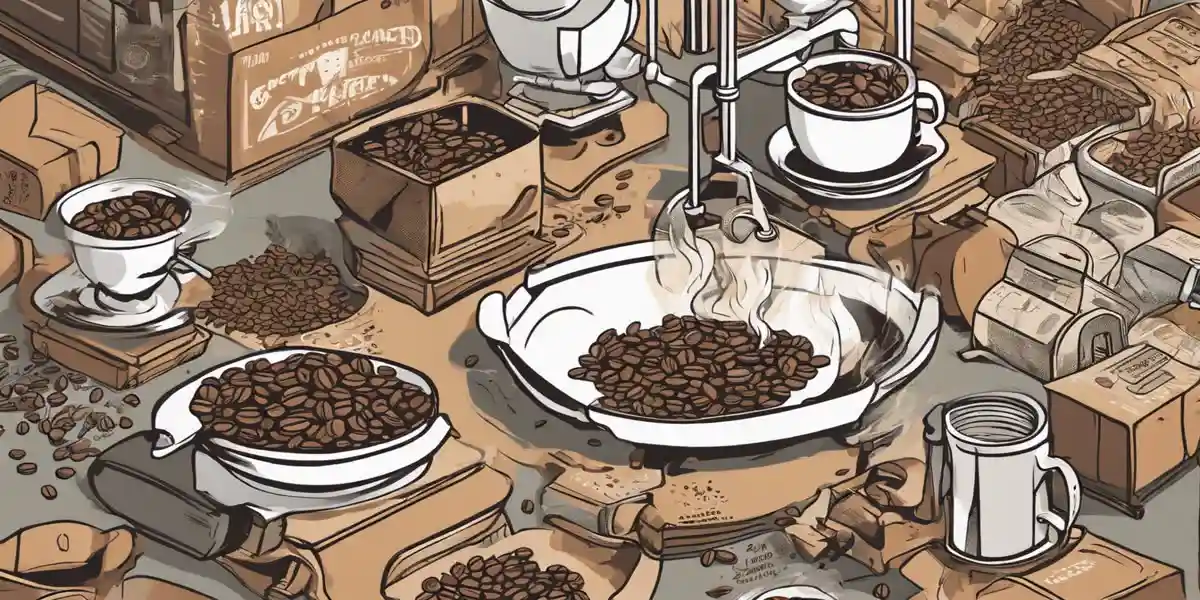
Choosing the best roasted coffee beans can seem daunting, especially with the myriad of options available. However, understanding a few key aspects can enhance your selection process and ultimately elevate your coffee experience. Here’s a guide to help you navigate the world of roasted coffee.
Roast levels play a critical role in determining the flavor profile of your coffee. Generally, you will find three main categories:
When selecting your beans, consider your personal taste preferences and the type of brew method you’ll be using, as different roasts can perform better with certain techniques.
As highlighted in our exploration of locality, freshness is paramount in coffee quality. By choosing locally roasted beans, you can enjoy coffee that has been roasted just hours before. This freshness helps preserve the essential oils and volatile organic compounds (VOCs) that contribute to flavor. A study indicates that the complex aroma of coffee arises from various VOCs, which are vital in defining the coffee’s bouquet.
Visiting local roasters allows you to engage with the artisans behind the process; you may even discover unique blends tailored to regional tastes. For instance, a local roaster might create a blend that resonates with the community’s palate, infusing local culture into every cup.
The perception of coffee quality is heavily influenced by its aroma. Desirable VOCs contribute to an appealing bouquet, while off-flavors, such as those caused by 2,4,6-Trichloroanisole (TCA), can lead to rejection of the product. This highlights the importance of selecting beans from reputable roasters who prioritize quality control and freshness.
Experiment with different coffees to understand how aroma and flavor interact. The science behind coffee’s flavor complexity is not just about the beans but also how they are roasted and brewed. A well-roasted coffee can reveal a spectrum of flavors that may include hints of fruits, spices, or even chocolate, depending on the bean's origin and roasting technique.
When selecting coffee beans, you will encounter two primary types: single-origin and blends. Single-origin coffees are sourced from one specific location, allowing drinkers to experience the unique characteristics and flavors that arise from that particular region. For example, Ethiopian coffees are renowned for their fruity and floral notes, often reflecting the terroir of the area.
On the other hand, blends combine beans from multiple origins, crafted to create a balanced flavor profile. This can be an excellent option if you enjoy a rich and complex cup. Local roasters often offer blends that incorporate beans from various regions, showcasing their expertise in flavor pairing and complexity.
Finally, consider engaging with your local roasting community. Attend tastings or workshops to deepen your understanding of coffee and learn about different beans, roast profiles, and brewing methods. This firsthand experience not only enhances your appreciation for coffee but also connects you with like-minded individuals who share your passion.
By taking the time to explore the choices available and understanding the nuances of coffee, you can make informed decisions that lead to a richer and more satisfying coffee journey.
Freshly roasted coffee beans are the cornerstone of a vibrant coffee experience. The moment coffee beans are roasted, they embark on a journey where their flavors are unlocked and transformed. When you choose to source your beans from a local roaster, you are not just purchasing a product; you are ensuring that your coffee maintains its essential oils and volatile compounds, which are crucial for delivering rich flavors. By enjoying beans that have been roasted just hours before, you are experiencing the coffee at its peak flavor profile, allowing you to savor the intricate notes that would otherwise diminish over time.
A significant factor in the enjoyment of coffee lies in its aroma, which is largely influenced by volatile organic compounds (VOCs). These compounds, which are released during the roasting process, play a vital role in shaping the coffee's bouquet. According to research, these desirable VOCs can be sensed through ortho-nasal olfaction before consumption and retro-nasal olfaction during tasting. Local roasters, who often have a keen understanding of their beans, can curate roasting profiles that enhance these aromatic qualities, leading to a complex and enjoyable sensory experience.
However, not all VOCs are beneficial. Unwanted VOCs, often referred to as "off-flavors," can severely impact the quality and acceptance of coffee. For instance, 2,4,6-Trichloroanisole (TCA) is notorious for its ability to ruin a coffee's aroma even at extremely low concentrations (as little as 1 ng/L). This highlights not only the importance of choosing high-quality beans from reputable local roasters but also the potential pitfalls of stale or improperly stored coffee that can lead to unpleasant tasting notes.
Local roasters bring a unique artistry to their craft, often experimenting with various roast profiles tailored to the preferences of the community. This intimate knowledge of local tastes allows them to create blends that reflect the cultural palate. For example, a roaster in the Pacific Northwest might focus on medium roasts that accentuate fruity notes, while a roaster in the Southwest might explore darker roasts that highlight chocolate and caramel undertones. This diversity not only enhances the flavor complexity of the coffee but also fosters a sense of community and connection among coffee enthusiasts.
Appreciating the nuances of coffee flavors requires a certain level of expertise. Research indicates that understanding the complexity of taste, aroma, and flavor in coffee can enhance the drinking experience. The interplay of different compounds, from acidity to sweetness, can create a tapestry of sensations that are best appreciated by those who take the time to learn about them. This complexity is not just a matter of molecular interactions; it's also about the perceptual experiences of the drinker. Engaging with local roasters and participating in tastings can significantly elevate your understanding and appreciation of what’s in your cup.
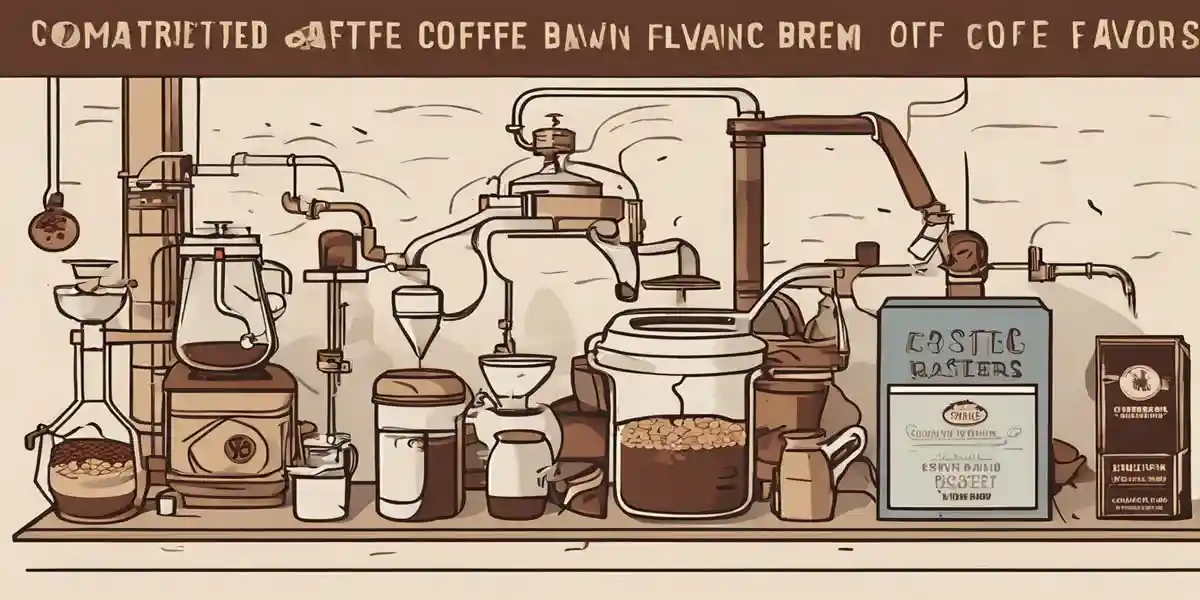
When you choose to support local coffee roasters, you are contributing to a larger narrative that encompasses the farmers, the roasting techniques, and the stories behind each bean. Each cup brewed from locally roasted beans is a reflection of the hard work and dedication of individuals who are passionate about their craft. This connection transforms a daily ritual into a shared experience, inviting you to engage with not just your coffee, but also the community that surrounds it.
Coffee is more than just a beverage; it's a cultural cornerstone that brings people together. Local roasters often host events, tastings, and educational workshops that foster a sense of belonging among coffee lovers. These gatherings offer opportunities to learn about the origins of the beans, the science of roasting, and the intricacies of brewing, enhancing your overall experience. By participating in this community, you not only deepen your appreciation for coffee but also forge connections with fellow enthusiasts who share your passion.
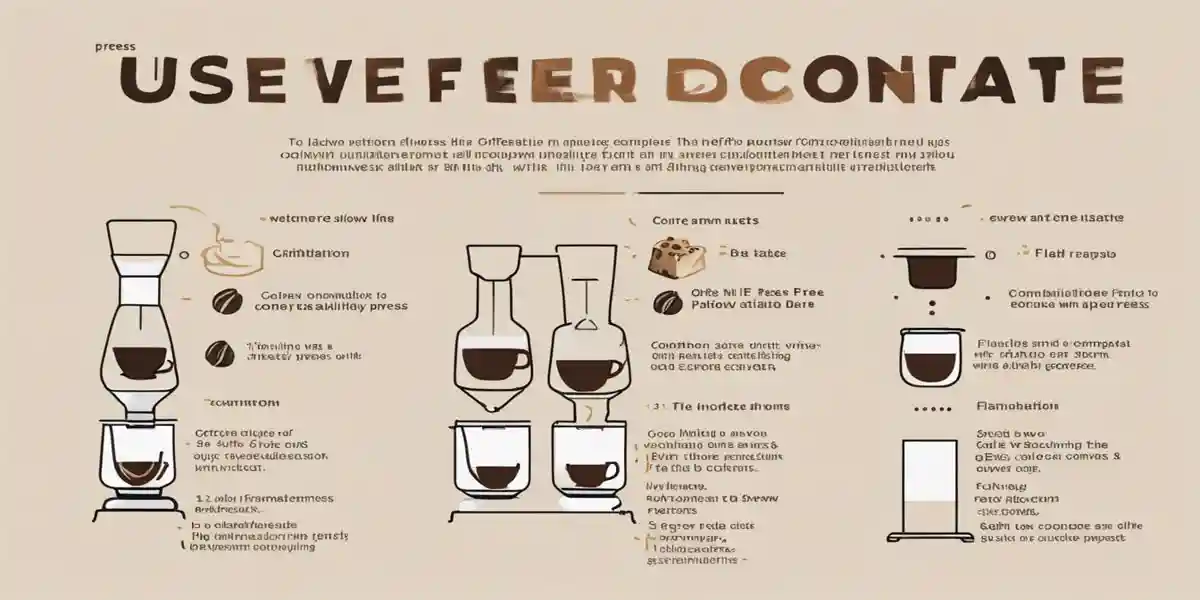
To truly elevate your coffee experience, mastering brewing techniques that maximize flavor is essential. The delicate balance of ingredients, timing, and temperature can unlock the full potential of locally roasted coffee beans, transforming each cup into a unique sensory adventure.
At its core, brewing coffee is a scientific endeavor. The extraction of flavors from coffee grounds hinges on various factors, including water temperature, grind size, and brew time. Each of these elements influences the solubility of the coffee's essential oils and volatile organic compounds (VOCs), which are pivotal in forming the aroma and flavor profile of your beverage. For example, brewing at too high a temperature can lead to over-extraction, resulting in bitterness and an undesirable taste. Conversely, brewing at too low a temperature may under-extract the coffee, leaving it flat and lacking complexity.
There are several brewing methods to choose from, each bringing out different characteristics of your coffee. Here are a few popular techniques:
The quality of water used in brewing is another critical factor. Ideally, you should use filtered water to avoid any off-flavors that tap water might introduce. The water temperature should be between 195°F and 205°F (90°C to 96°C) for optimal extraction. At this range, the desirable VOCs are released without pulling undesirable bitter compounds from the coffee grounds.
As you engage with your coffee, take time to explore the flavor complexity. The interplay of different flavors arises from the unique combination of coffee beans, roast profiles, and brewing techniques. For instance, a light roast might exhibit fruity and floral notes, while a dark roast could present chocolatey and nutty flavors. Understanding these nuances can significantly enhance your appreciation for coffee.
Aroma is a vital aspect of coffee quality perception, often influencing your overall tasting experience before the first sip. A rich bouquet of desirable VOCs contributes to the enjoyment of your cup, while unwanted compounds can lead to off-flavors. For example, the presence of 2,4,6-Trichloroanisole (TCA) can drastically affect aroma perception and may lead to rejecting a product. By focusing on brewing techniques that preserve and highlight aroma, you can elevate your coffee experience to new heights.
Lastly, don't be afraid to experiment with coffee-to-water ratios to find your perfect brew. A common starting point is a 1:15 ratio (one part coffee to fifteen parts water), but this can be adjusted based on taste preferences. Engaging in this trial-and-error process can reveal the intricacies of flavor that lie within your locally roasted beans, allowing you to discover what truly resonates with your palate.
Pairing coffee with food is not just about tasting flavors; it’s an exploratory journey that enhances both experiences. Just as wine aficionados have mastered the art of pairing their favorite vintages with culinary delights, coffee lovers can elevate their palates by understanding how the complexity of coffee interacts with various foods. As you delve into the intricate world of flavors, you may find that the right coffee can complement and elevate your meal in astonishing ways.
The combination of coffee and food is a dance of aromas and flavors that can be explained through the chemistry of volatile organic compounds (VOCs). According to research, the aroma of coffee is a critical component of its flavor profile. When you brew a cup of locally roasted coffee, you’re not just getting a beverage; you’re experiencing a bouquet of aromatic compounds that can enhance or clash with the flavors of what you’re eating. For instance, the desirable VOCs present in freshly roasted coffee contribute positively to its aroma, while unwanted VOCs can create unpleasant taste experiences.
To illustrate this pairing concept, consider how a fruity Ethiopian coffee might complement a rich chocolate dessert. The bright, fruity notes of the coffee can cut through the sweetness of the chocolate, creating a more balanced and enjoyable experience. The interplay of flavors can transform a simple dessert into a gastronomic delight. Similarly, a dark roast coffee with deep, smoky flavors can pair beautifully with grilled meats or barbecued dishes, enhancing the umami experience while providing a satisfying contrast.
Local roasters often create blends that reflect regional tastes and preferences, which can also influence the food pairings you choose. For example, a local roaster may highlight a blend that features nutty and caramel notes—a perfect match for breakfast staples like pancakes or waffles. This synergy between local flavors and coffee can lead to unique pairings that celebrate your community’s culinary culture.
Understanding the complexity of both coffee and food can significantly elevate your tasting experience. According to research, the perceived complexity of flavors plays a crucial role in appreciation. A well-balanced meal paired with the right coffee can create a multi-layered experience that resonates with your senses. The key is to be curious and willing to experiment. For instance, why not try a spicy Mexican coffee alongside a savory chili dish? The spice in the coffee can enhance the rich flavors of the chili, leading to a delightful experience.
Here are some practical guidelines to get you started on your coffee and food pairing journey:
By exploring the depth of flavors and aromas present in locally roasted coffee, you can create pairings that not only satisfy your cravings but also tell a story of cultural and regional significance. Embrace the adventure of discovery, and you may find that the perfect cup of coffee is not just a drink but a celebration of culinary art.
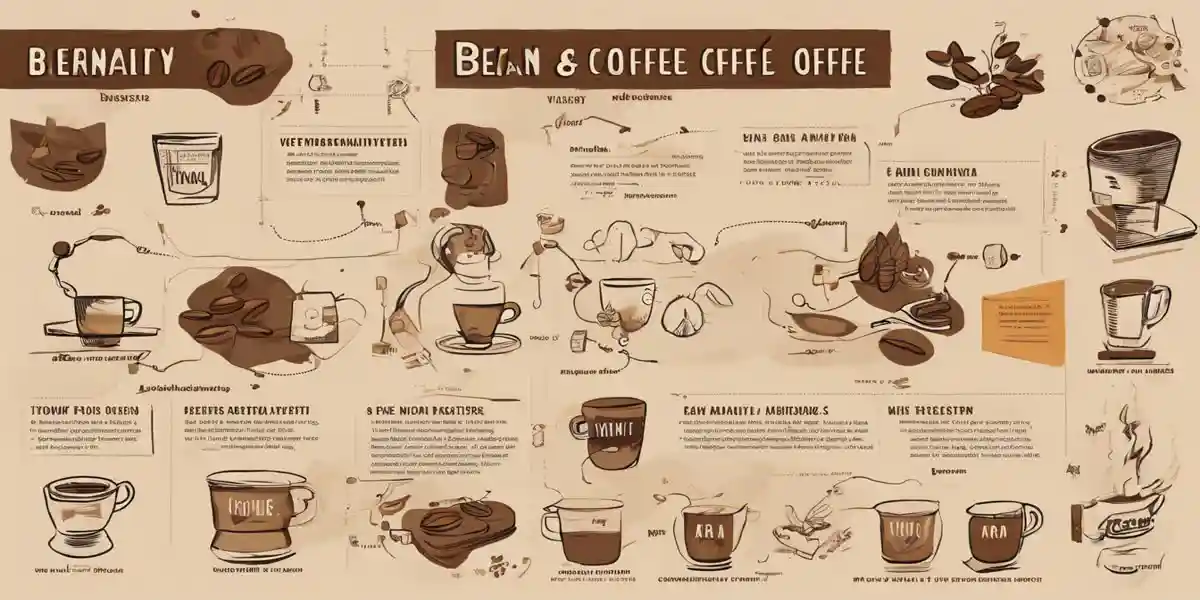
When you think about your morning cup of coffee, have you ever considered the profound complexity behind its flavor profile? The journey from bean to cup is not just about brewing; it’s a nuanced adventure that encapsulates chemistry, artistry, and locality. The essence of flavor complexity in coffee lies in the intricate relationships between the roasting process, the origin of the beans, and the fresh aromas that capture our senses.
Aroma is the unsung hero of coffee appreciation. According to recent studies, the perception of coffee quality is largely influenced by various volatile organic compounds (VOCs) that contribute to its aroma. These compounds are detected through our sense of smell before consumption and even enhance the tasting experience through retro-nasal olfaction. When you brew a cup of coffee from freshly roasted beans, you are greeted by a bouquet of desirable VOCs that can elevate your sensory experience.
However, not all VOCs are beneficial; some can lead to unwanted off-flavors. For instance, 2,4,6-Trichloroanisole (TCA) is a notorious off-flavor compound that can be detected at extremely low concentrations, rendering coffee undrinkable. This underscores the importance of sourcing your beans from local roasters who prioritize quality control and freshness, ensuring that you experience only the rich, desirable aromas that enhance your coffee journey.
The roasting process itself plays a critical role in shaping the flavor and aroma of coffee. As beans are roasted, they undergo complex chemical reactions that develop their unique profiles. The authors Ernesto and Andrea Illy highlight that factors such as bean origin, roasting time, and temperature can drastically influence the final outcome. For instance, a light roast may preserve more of the bean's natural acidity and fruity notes, while a dark roast can introduce deeper, bolder flavors with chocolatey undertones.
Local roasters often experiment with various roast profiles tailored to the preferences of their community. This experimentation can lead to distinctive blends that reflect the regional coffee culture. Imagine sipping a cup of coffee that not only tastes exquisite but also tells the story of the place it comes from. This connection adds an extra layer of richness to your coffee experience—a sensation that mass-produced, supermarket coffee simply cannot replicate.
When you choose to buy coffee from local roasters, you’re not just purchasing a product; you’re engaging with a community that values craftsmanship and sustainability. Local roasters typically foster relationships with farmers and suppliers, ensuring that the beans are ethically sourced and of high quality. This connection between the farmer and the roaster translates into a more meaningful product for consumers.
As you savor your cup of locally roasted coffee, take a moment to appreciate the intricate stories behind it—the farmers who tend to the coffee plants, the artisans who roast the beans, and the local culture that influences flavor profiles. Each sip becomes a journey that connects you to a broader narrative, transforming your daily coffee ritual into an extraordinary experience.
Complexity in coffee is not just a physical or chemical phenomenon; it's also deeply tied to individual perception. The nuances of flavor, aroma, and even the brewing process contribute to a holistic experience that varies from person to person. Some may find joy in the bright acidity of a light roast, while others may prefer the comforting notes of a darker brew. Understanding this subjective nature of complexity can enhance your appreciation of coffee.
Moreover, expertise plays a significant role in recognizing and appreciating these complexities. As you explore various local roasts, consider keeping a tasting journal to document your observations. What flavors stand out? How does the aroma change as the coffee cools? Such reflections can deepen your engagement and elevate your overall coffee journey.
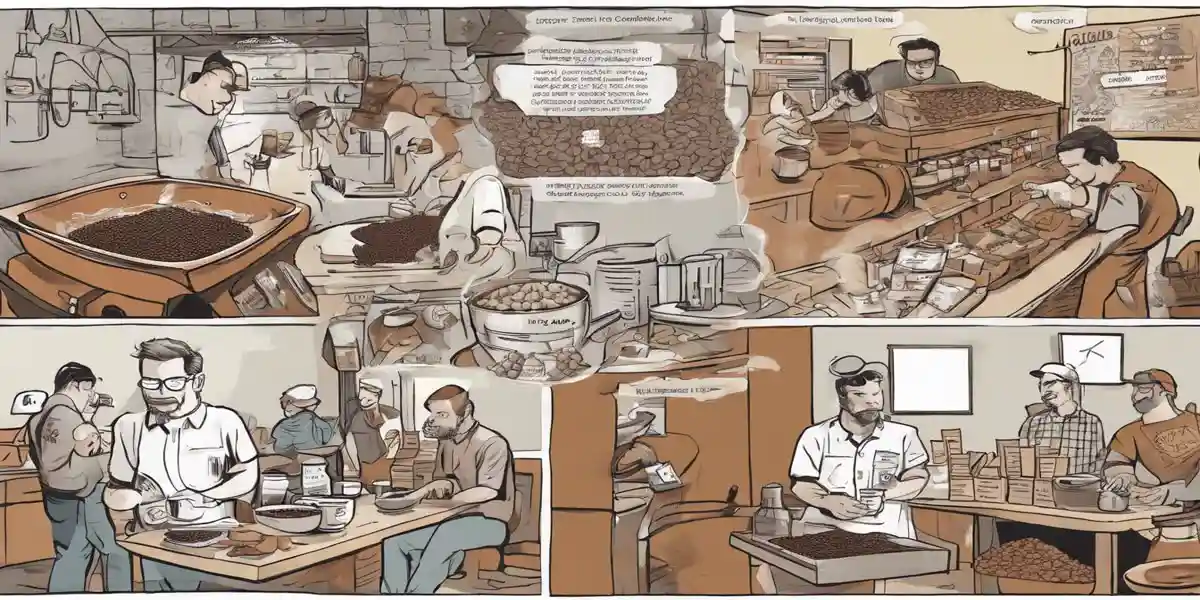
At the heart of your specialty coffee journey lies an essential truth: freshness is king. When you source coffee beans roasted close to home, you are not just getting a product; you are engaging in a sensory experience that evolves with each sip. The interplay of locality, freshness, and the intricate flavors of coffee can dramatically elevate your enjoyment.
Imagine the aroma of coffee wafting through your kitchen, not from a bag that has been sitting on a shelf for weeks, but from beans roasted mere hours earlier at a local roastery. This immediacy is crucial because the essential oils and volatile compounds that contribute to coffee's rich flavor profile begin to dissipate quickly after roasting. These compounds are responsible for the delightful aromatic qualities of coffee, and their presence can be the difference between a bland cup and a vibrant, complex one.
Research indicates that various volatile organic compounds (VOCs) play a pivotal role in how we perceive coffee quality. For instance, desirable VOCs contribute to what is often referred to as the coffee's "bouquet," while unwanted compounds can lead to off-flavors that diminish the overall experience. One notorious off-flavor, 2,4,6-Trichloroanisole (TCA), can be detected at incredibly low concentrations and can ruin an otherwise perfect cup. The fresher the beans, the less likely they are to develop these undesirable characteristics, making local roasters an essential part of your coffee journey.
Local roasters not only provide fresh beans but also possess a unique understanding of the beans they source. This expertise allows them to experiment with different roast profiles that cater to local taste preferences, resulting in blends that reflect the community's palate. For example, a roaster in the Pacific Northwest might emphasize fruity notes to complement the region's coffee culture, while a roaster in the Southwest might focus on chocolatey, nutty profiles that resonate with local flavors.
This level of craftsmanship can lead to rich flavor explorations. Each cup brewed from these locally roasted beans tells a story—of the farmers who grew the beans, of the specific roasting techniques employed, and of the delicate balance of flavors achieved through careful craftsmanship. Engaging with local roasters not only enhances your coffee experience but also supports local economies and fosters a sense of community around the shared love of coffee.
Delving deeper into the science of coffee, the complexity of flavor and aroma is not merely a result of chance. The roasting process itself is a dance of chemical interactions that transforms green coffee beans into the aromatic, flavorful beverage we cherish. According to Ernesto and Andrea Illy, various factors—including bean production, roasting methods, and preparation techniques—significantly influence the final cup's flavor and body.
As such, a profound understanding of these elements is essential for consistently producing a quality cup. For instance, a slight variation in roasting time or temperature can drastically alter the taste profile, highlighting the intricate chemistry at play. This level of detail underscores the importance of seeking out local roasters who prioritize quality and craftsmanship in their processes.
The concept of complexity in coffee extends beyond mere taste; it encompasses the nuanced interactions of flavors, aromas, and even perceptual experiences. Many coffee enthusiasts find that the most memorable cups are those that offer an inferred complexity, a tapestry of distinct flavors that weave together to create something truly special.
For example, consider a cup of coffee that features bright citrus notes, a silky body, and a lingering chocolate finish. Each of these elements contributes to the overall complexity, inviting the drinker to explore the depth of flavors present. As consumers become more knowledgeable about these intricacies, they develop a greater appreciation for the skill involved in crafting a perfect cup.
As we’ve journeyed through the rich tapestry of specialty coffee, it’s clear that roasted coffee beans sourced locally are more than just a beverage; they represent a profound engagement with art, culture, and community. We began by uncovering what makes coffee specialty, underscoring the importance of quality and unique characteristics defined by the meticulous processes from farm to cup. The journey from bean to brew reveals how freshness plays a pivotal role—ensuring that every sip is a celebration of flavor complexity and aromatic richness.
Finding roasted coffee beans near you opens a treasure trove of local roasters who not only provide fresh beans but also curate flavors that reflect regional preferences. By exploring local options, you support your community while enhancing your own coffee experience. Understanding the chemistry behind roasting and brewing invites you to appreciate the nuances of aroma and flavor, empowering you to experiment with brewing techniques that can elevate your coffee ritual.
Moreover, the art of pairing coffee with food adds another layer to your exploration of flavors, transforming meals into a delightful culinary experience. As you engage with your local coffee culture, you become part of a larger narrative that connects you with farmers, roasters, and fellow enthusiasts.
So, why not embark on this flavorful adventure? The next time you reach for your morning brew, consider sourcing locally roasted coffee beans. Explore new flavors, experiment with brewing methods, and engage with your coffee community. In doing so, you’re not just drinking coffee; you’re savoring a rich, immersive experience that connects you to the heart of your local culture.
Take a moment today to seek out a local roaster, attend a tasting event, or experiment with a new brew method. Your next cup of coffee could be the beginning of a delightful journey. What stories will your coffee tell?

Get notified about new articles, coffee tips, and Web3 insights.
This site participates in affiliate programs and may earn a commission when a link is clicked and a purchase is made. The site is not responsible for any issues or troubles related to the products or services purchased through the use of this site.

DO&COFFEE loves coffee and technology, exploring the potential of NFTs and blockchain. Learn more →
DO&COFFEE loves coffee and technology, exploring the potential of NFTs and blockchain. Learn more →