coffee
2024/09/26
Have you ever thought about the journey your coffee takes before it reaches your cup? Every sip holds a story, from the sun-soaked hillsides where beans are cultivated to the intricate processes that bring them to your doorstep. In this blog post, we’ll embark on a quest to discover the best coffee beans for sale, emphasizing the importance of quality and transparency in sourcing. With the rise of direct-to-consumer models in the coffee industry, it has never been easier to connect with farmers and enjoy freshly roasted beans right from your home.
Understanding where your coffee comes from is not just a matter of curiosity; it’s about appreciating the craftsmanship behind each bean. With platforms that facilitate farm-to-cup traceability, consumers can now make informed choices that support sustainable practices while ensuring fair trade for farmers. We’ll explore the types of coffee beans available, their unique flavors, and the benefits of buying directly from producers. Moreover, we’ll investigate how the logistics of delivery play a crucial role in maintaining the freshness and quality of your coffee. So, whether you’re a coffee novice or a seasoned connoisseur, this guide will equip you with the knowledge to elevate your coffee experience and make choices that resonate with your values. Join us as we dive into the rich world of coffee, where every cup can become a moment of connection, sustainability, and pure enjoyment.
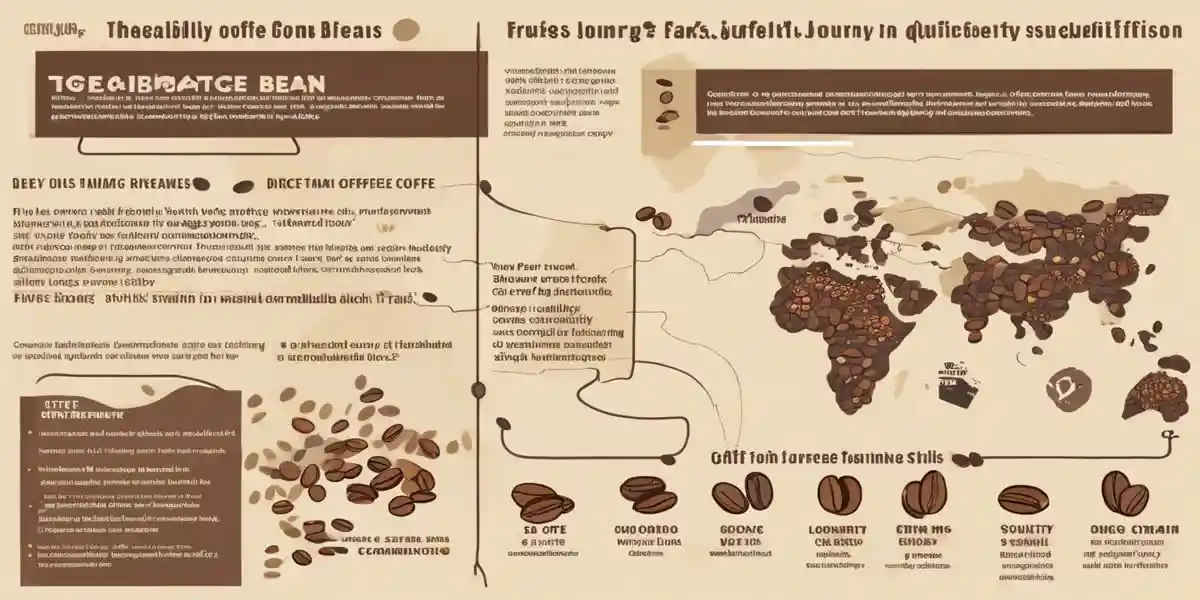
Quality coffee beans are more than just a product; they represent a journey that starts in sun-drenched fields and ends with your morning cup. The growing trend of direct-to-consumer coffee sales has opened avenues for consumers to explore the rich narrative behind every sip, from the farmers who cultivate them to the methods used in processing. This section serves as an introduction to understanding what makes coffee beans truly quality, emphasizing the significance of sourcing, traceability, and the impacts of modern technology.
In today's coffee market, transparency is paramount. It’s not just about buying beans; it’s about knowing where they come from. Many consumers are now seeking to understand the origins of their coffee, which enhances their appreciation of the beverage. Platforms that connect consumers directly with coffee growers have emerged as a response to this demand. These platforms facilitate farm-to-cup traceability, ensuring that every bean can be traced back to its source. For instance, brands like Blue Bottle Coffee and Trade Coffee prioritize sourcing from sustainable farms, allowing you to savor your cup with a clear conscience.
Buying directly from farmers or cooperatives not only guarantees quality but also supports fair trade practices. Many small-scale coffee growers face challenges such as financial instability and reliance on middlemen, which can lead to issues like fraud and inefficiencies. By sourcing coffee directly from these farmers, consumers can ensure that they are supporting sustainable farming practices while receiving fresher beans. A notable example is Counter Culture Coffee, which engages in direct trade and works closely with farmers to ensure they receive a fair price for their harvests. This not only promotes quality but also contributes to the long-term viability of coffee farming communities.
Modern technology is playing a crucial role in enhancing transparency in the coffee supply chain. The integration of blockchain technology offers a decentralized, secure method for tracking the journey of coffee beans from farm to consumer. This approach addresses the lack of traceability and visibility that often plagues traditional coffee supply chains. For example, a study highlighted the potential of blockchain in the coffee supply chain in Burundi, proposing a smart contract system that could streamline transactions and reduce manipulation. By using such technologies, companies can ensure that their beans are not only high-quality but also ethically sourced.
Once quality beans are sourced, the next challenge is maintaining their freshness during transit. How do companies ensure that you receive the best product possible? This is where logistics come into play. Innovative packaging solutions help preserve flavor and aroma during delivery. Brands are investing in nitrogen-flushed bags and vacuum-sealed containers to keep coffee beans fresh. For instance, Stumptown Coffee Roasters employs such packaging techniques, which significantly enhance the shelf life and flavor profile of their beans, allowing you to enjoy a freshly roasted cup, regardless of when you brew it.

Finding the best coffee beans for sale is not just about browsing through a list of options; it’s an adventure that can transform your coffee experience. It involves understanding the nuances of sourcing, quality, and the journey each bean takes to reach your cup. In this section, we will explore key factors that can guide you in selecting premium coffee beans directly from the source.
At the heart of quality coffee is a transparent sourcing process. As a consumer, knowing where your coffee comes from can significantly enhance your appreciation. Many brands now offer direct-to-consumer models, allowing you to purchase beans straight from farmers, co-operatives, or ethical roasters. This not only supports fair trade practices but also helps sustain local economies.
For instance, platforms like Coffee.com are dedicated to connecting consumers with coffee growers, ensuring that each purchase supports the farmers directly. This transparency is crucial in a market often shrouded in anonymity, where the journey from farm to cup can be obscured by multiple intermediaries.
When searching for the best coffee beans, quality and freshness should be your top priorities. Look for roasters who emphasize the roast date on their packaging. Freshly roasted beans have a more vibrant flavor profile, and buying from suppliers who roast to order can ensure that you receive beans at their peak.
Consider the significance of processing methods as well. Beans can be washed, natural, or honey-processed, each imparting different taste nuances. For example, while washed beans often yield a cleaner taste, natural processed beans can offer fruity and complex flavors. Pay attention to these details when browsing options online or in-store.
After finding the best beans, how do you ensure they arrive fresh and flavorful? Delivery logistics play a vital role in maintaining the quality of coffee beans. Companies that prioritize their supply chain often invest in specialized packaging methods, such as nitrogen-flushed bags, to preserve the freshness during transit. This is particularly important considering that coffee is sensitive to air, light, and moisture.
Moreover, some companies utilize blockchain technology to enhance supply chain transparency, ensuring that each step is monitored and that quality is maintained from the moment the beans leave the farm until they reach your door. This not only provides peace of mind but also fosters a connection between you and the farmer—a story behind every cup.
When diving into the world of coffee, having a set of criteria can make your selection process smoother. Here are some tips to consider:
By keeping these factors in mind, you empower yourself to make informed decisions and discover coffee beans that resonate with your palate and values.
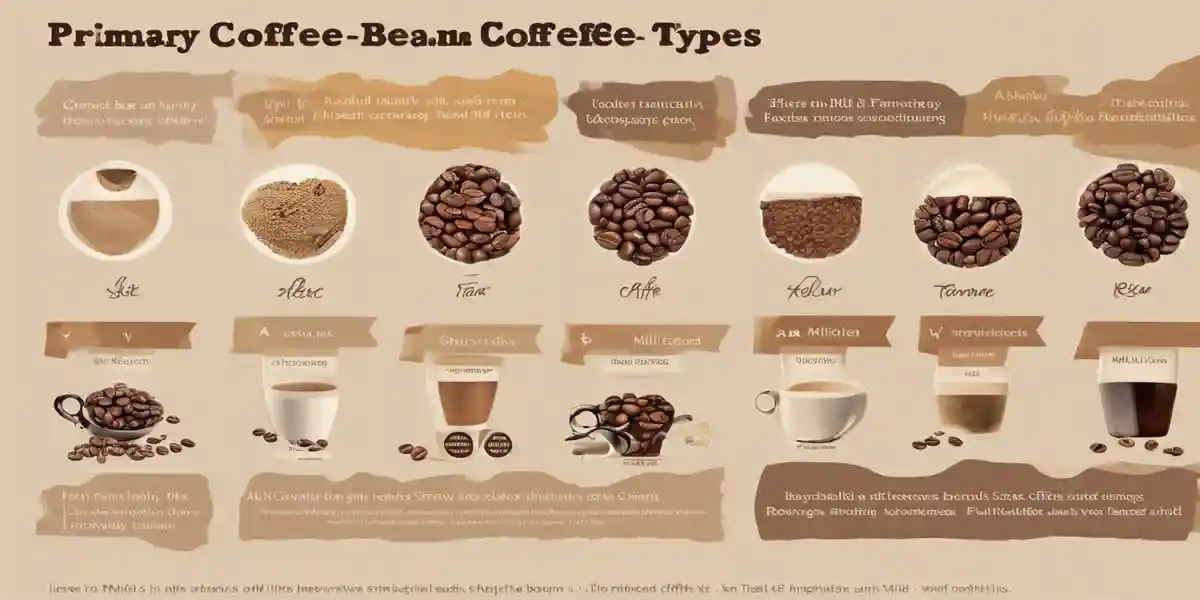
Understanding the types of coffee beans available and their unique flavor profiles is essential for any coffee enthusiast eager to elevate their morning ritual. There are four primary types of coffee beans—Arabica, Robusta, Liberica, and Excelsa—each with distinct characteristics that influence taste, aroma, and even the brewing process.
Arabica coffee beans, known scientifically as Coffea arabica, are the most widely consumed coffee type, accounting for about 60-70% of global coffee production. They are primarily grown in high-altitude regions, which contributes to their complex flavor profile. Arabica beans are usually milder and have a wide range of flavors, from sweet and fruity to floral and nutty. A classic example is the Ethiopian Yirgacheffe, which exhibits bright acidity and notes of bergamot and jasmine. This versatility makes Arabica a favorite among coffee connoisseurs.
In contrast, Robusta beans (Coffea canephora) are hardier and more resilient to pests and diseases, making them easier to cultivate in various environments, including lower altitudes. They are often considered the “stronger” coffee due to their higher caffeine content—about 2.2-2.7% compared to Arabica's 1.2-1.5%. The flavor of Robusta tends to be earthy and bitter, with a fuller body and less acidity. For instance, many espresso blends use Robusta beans to add a rich crema and enhance the overall strength of the brew.
Less common than Arabica and Robusta, Liberica beans (Coffea liberica) provide a unique flavor experience. Grown primarily in West Africa and the Philippines, these beans have a distinctive shape and aroma. They tend to have a fruity, floral, and somewhat woody flavor profile. A notable example is the Liberica coffee from the Philippines, which is celebrated for its smoky notes and complex aroma. It offers an alternative for those looking to explore beyond the mainstream coffee varieties.
Excelsa beans (Coffea excelsa) are often grouped with Liberica due to their similar growing conditions and flavor characteristics, but they offer their unique traits as well. Found primarily in Southeast Asia, Excelsa beans are known for their fruity and tart profile, often reminiscent of dark fruit and chocolate. They are frequently used in blends to add complexity and depth, making them an exciting choice for those who appreciate a rich, layered cup of coffee.
When exploring the diverse flavor profiles of these beans, it's essential to consider the brewing method. For example, Arabica beans shine when brewed using pour-over or French press methods, as these techniques allow the intricate flavors to develop fully. On the other hand, Robusta beans often perform well in espresso machines, where their robust characteristics can be highlighted. Understanding these nuances can significantly enhance your coffee experience and help you choose the right beans for your preferred brewing style.
Moreover, the origin of the beans plays a crucial role in the flavor as well. Coffee from Colombia is often celebrated for its smoothness and nutty flavors, while beans from Brazil usually present chocolatey undertones. With the rise of direct-to-consumer models in the coffee industry, consumers now have the opportunity to explore these unique beans sourced directly from farmers, ensuring freshness and quality.
In conclusion, our journey through the world of coffee beans has illuminated the rich tapestry of flavors, sourcing practices, and brewing methods that ultimately define our coffee experience. We’ve explored the importance of quality coffee beans—starting with the transparency of sourcing, which not only enhances our appreciation but also supports the farmers who cultivate these precious resources. By opting for direct-to-consumer models and understanding the implications of certifications like Fair Trade and Organic, you empower both your palate and the global coffee community.
As we delved into the types of coffee beans, we discovered the unique flavors that Arabica, Robusta, Liberica, and Excelsa offer. Each bean carries its own story, influenced by its origin and processing methods, inviting you to experiment and find the perfect brew that resonates with your taste. Additionally, we highlighted the critical role of logistics in ensuring that the beans you receive are fresh, flavorful, and responsibly sourced—reminding us that every cup is a connection to the journey from farm to cup.
As you embark on your coffee adventure, consider not just the act of brewing your morning cup but the broader implications of your choices. Are you ready to explore the rich diversity of flavors and support sustainable practices in the coffee industry? Every time you sip your coffee, remember: you’re not just enjoying a beverage; you’re participating in a global story that spans continents and communities. So, dive into the world of quality coffee beans, savor the differences, and let your next cup be a reflection of your values.
Get notified about new articles, coffee tips, and Web3 insights.
This site participates in affiliate programs and may earn a commission when a link is clicked and a purchase is made. The site is not responsible for any issues or troubles related to the products or services purchased through the use of this site.
DO&COFFEE loves coffee and technology, exploring the potential of NFTs and blockchain. Learn more →
DO&COFFEE loves coffee and technology, exploring the potential of NFTs and blockchain. Learn more →