coffee
2024/08/28
Have you ever paused to think about the journey your coffee takes before it reaches your cup? The world of coffee roasting is a fascinating blend of art and science, where each batch tells a story of its origins, intricately crafted flavors, and the passionate people behind it. In our blog post, "Discovering the Best Coffee Roasters: Uncovering Hidden Gems for Good Coffee Lovers," we invite you to embark on a sensory journey that goes beyond the ordinary. We'll explore the nuances of coffee roasting, the importance of quality over quantity, and how understanding regional specialties can elevate your coffee experience.
As we delve into the intricacies of how climate, altitude, and soil composition in regions like Ethiopia and Colombia influence flavor profiles, you'll gain a newfound appreciation for the craftsmanship of small-scale roasters. These hidden gems often prioritize ethical sourcing and sustainability, forming personal connections with farmers that ensure high-quality beans. Through interviews and insights from dedicated roasters, we aim to illuminate the artistry behind each cup, encouraging you to look beyond mainstream brands. Could the best coffee be waiting for you in the lesser-known corners of your community? Join us as we uncover these treasures and inspire you to savor every sip of your coffee journey.
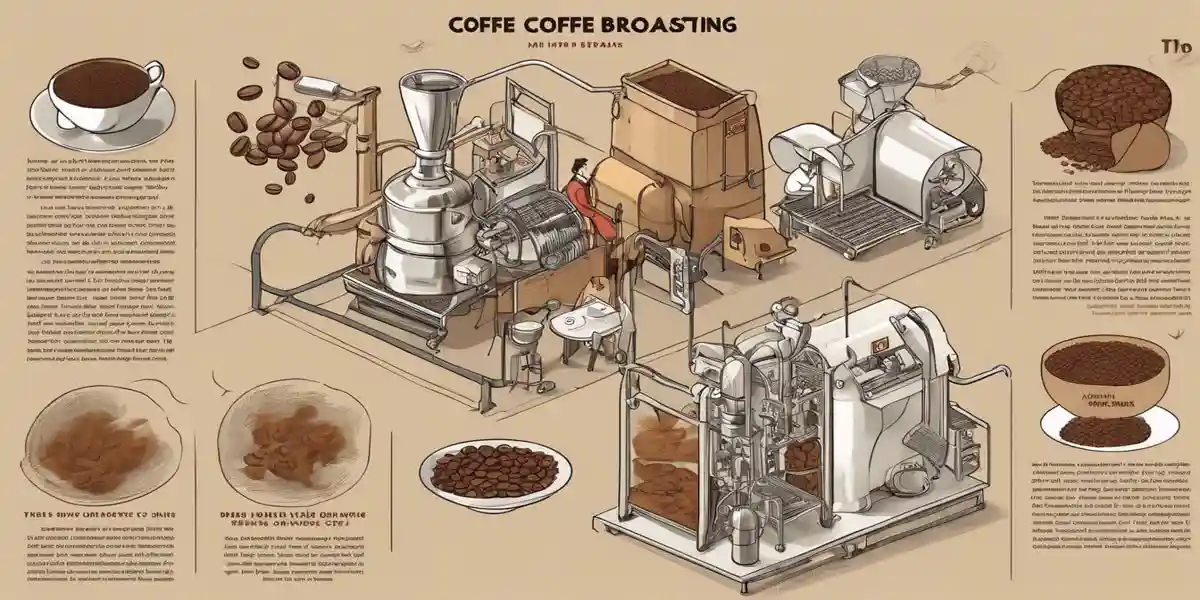
The journey from bean to cup is a fascinating one, steeped in tradition and rich in sensory experiences. For many coffee lovers, understanding the intricacies of coffee roasting is akin to appreciating the delicate notes in a fine wine. In this section, we will explore the art and science behind coffee roasting, shedding light on how local roasters harness their craft to produce exceptional coffee that often goes unnoticed in favor of mainstream brands.
Before we dive into the roasting process, it's essential to consider where coffee begins. Coffee beans originate from various regions, with Ethiopia and Colombia being among the most notable. The unique climate, altitude, and soil composition of these areas play a pivotal role in shaping the flavor profiles of the beans. For instance, Ethiopian beans are often characterized by their bright acidity and floral notes, while Colombian beans typically offer a balanced flavor with hints of caramel and chocolate.
Roasting coffee is a delicate balance of art and science. Small-batch roasters often employ various techniques to unlock the unique characteristics of each bean. The roasting room is a sensory haven, filled with the warmth and rich aroma of freshly roasted coffee. During the roasting process, the beans undergo several transformations; heat causes chemical changes that enhance flavor, aroma, and body.
Research has shown that roasting time significantly influences coffee quality. A study examining robusta coffee in Indonesia revealed that variations in roasting time affected key quality parameters such as moisture content, pH, and flavor. This highlights the importance of mastering the roasting process to meet consumer demands for high-quality coffee.
Different roast levels can dramatically alter the taste and aroma of coffee. For example, a medium roast, which is often favored by many coffee enthusiasts, enhances the coffee’s brown color and brings out delightful aromas of caramel and citrus. This level also allows for a distinct sour taste with a lingering aftertaste, creating a complex flavor profile that excites the palate.
On the other hand, lighter roasts tend to preserve the beans' original flavors, while darker roasts can introduce bitter notes if not carefully monitored. Master roasters understand that the initial temperature and roasting time are crucial for determining the final roast status. Their expertise allows them to fine-tune these variables to create a product that resonates with consumers, emphasizing the artistry involved in the process.
One of the most compelling aspects of local roasters is their personal connection to coffee farmers. Many small-scale roasters prioritize direct relationships with their suppliers, ensuring ethical practices and sustainability. This not only supports the farmers’ livelihoods but also allows roasters to source beans that meet their quality standards. By fostering these connections, roasters can bring transparency and authenticity to the coffee they serve, enriching the experience for consumers.
Through interviews and firsthand accounts, we can gain insights into the passion and philosophy that drive these roasters. Their stories often reveal a commitment to quality that is frequently overshadowed by larger brands, prompting us to reconsider where we source our coffee.
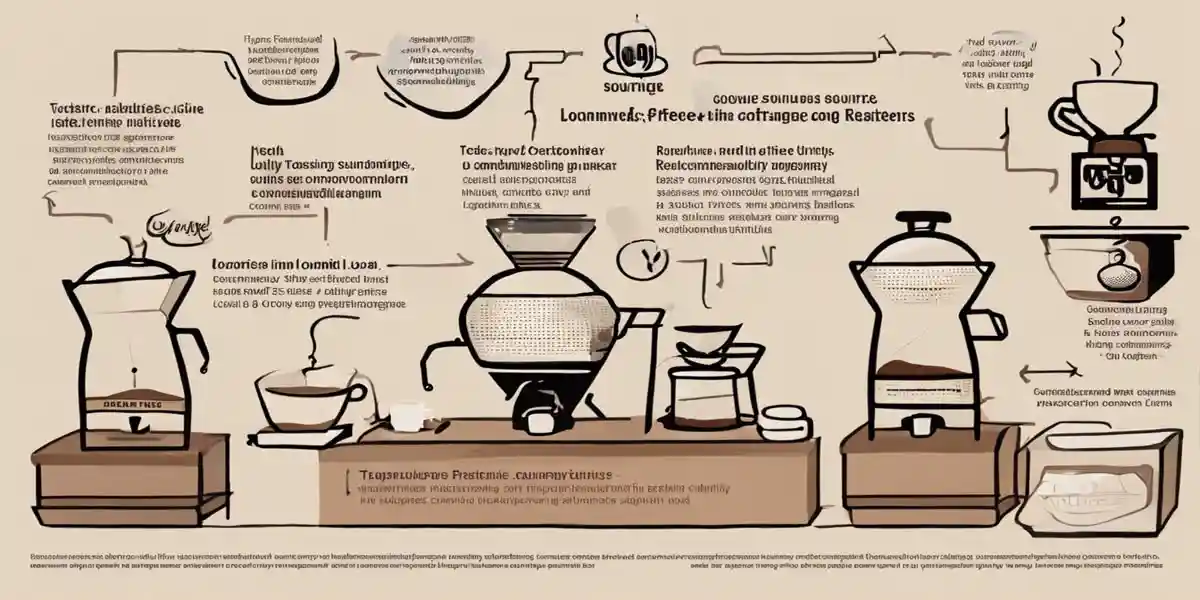
Finding a good coffee roaster requires more than just a taste test; it's about understanding the nuances of the craft. As we embark on this journey of discovery, let's explore the key characteristics that set excellent coffee roasters apart from the rest, focusing on their techniques, sourcing, and the overall quality of their brews.
One of the most critical factors in identifying a good coffee roaster is examining their roasting techniques. The art of roasting is not merely about applying heat; it is a delicate balance of time, temperature, and technique that determines the final flavor of the coffee.
Research highlights that roasting time significantly influences various quality parameters such as moisture content, flavor, aroma, and caffeine levels. For instance, a study on Indonesian robusta coffee demonstrated that variations in roasting time could drastically alter the sensory experience of the coffee, affecting everything from the aroma to the caffeine kick you get from your cup.
Moreover, different roasting levels yield different profiles. A medium roast, often considered optimal, enhances the coffee's brown color and brings out caramel and citrus aromas while imparting a distinct sour taste with a lingering aftertaste. This understanding can guide you in choosing roasters who prioritize these subtle variations and actively experiment with their roasting parameters to craft exceptional brews.
Good coffee roasters often maintain a strong relationship with their suppliers, which is crucial for sourcing high-quality beans. Many local roasters emphasize ethical practices and sustainability by establishing direct connections with farmers. This connection not only ensures fair compensation for the farmers but also allows roasters to select the best beans based on the specific characteristics that each region offers.
When visiting a coffee roaster, consider asking about their sourcing practices. For instance, roasters who can speak passionately about their partnership with farmers in regions like Ethiopia or Colombia often have a deeper understanding of the beans they use. This can significantly influence the flavor and quality of the coffee, as the beans' origin plays a crucial role in the final product.
In the burgeoning specialty coffee market, transparency is becoming increasingly important. Good roasters will not only share their sourcing stories but also provide insights into their roasting process. Look for roasters who are willing to engage in discussions about their quality control measures.
The importance of real-time quality control cannot be overstated. Many emerging roasteries are investing in technology to monitor their roasting processes closely. This means they can adjust techniques on the fly to ensure each batch meets high standards. For example, some roasters utilize advanced sensory analysis techniques to evaluate flavor attributes like body, acidity, and aroma in real-time, ensuring that every cup served is of exceptional quality.
Finally, a good coffee roaster often embodies a philosophy that goes beyond just selling coffee. They are usually deeply embedded in their community and often participate in local events, workshops, or educational sessions that promote coffee culture. Engaging with roasters who have a strong community presence can provide a richer coffee experience, as they often aim to educate consumers about the complexities of coffee.
Consider looking for roasters who offer tastings or cupping sessions. These experiences allow you to appreciate the intricacies of different beans and roasting techniques while fostering a deeper connection with the coffee community. By participating in such activities, you not only enhance your understanding of coffee but also support local artisans who are passionate about their craft.
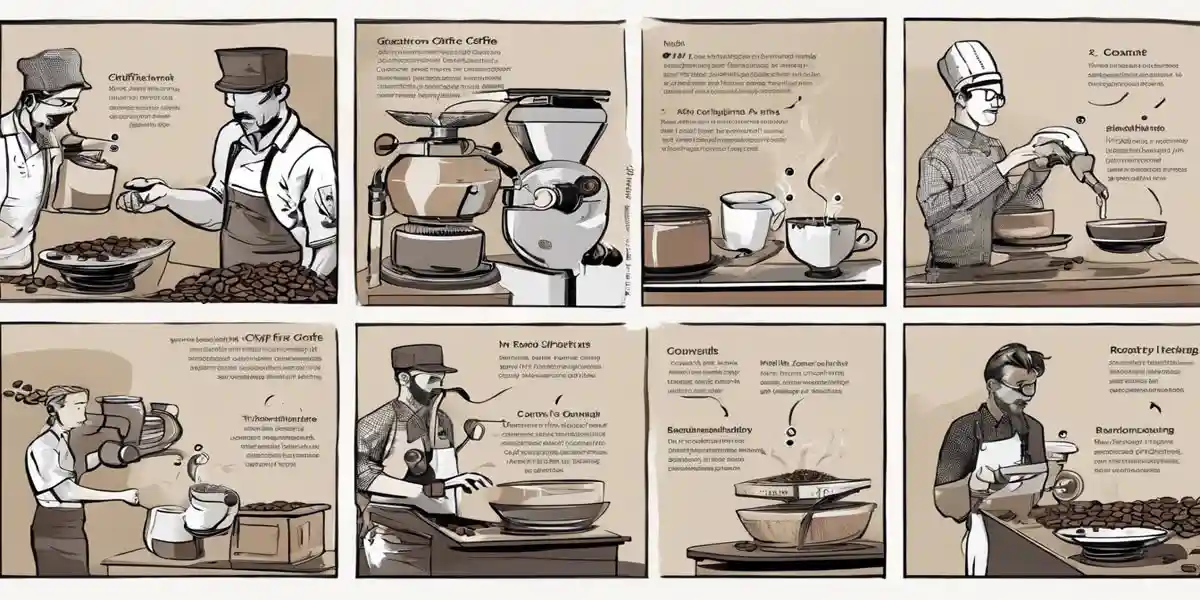
When it comes to discovering the best coffee roasters, understanding the balance between quality and quantity is crucial. This section dives into the nuances of what makes a coffee roaster truly exceptional, guiding you through the essential factors to consider when selecting your next cup of coffee.
Roasting coffee is both an art and a science, where skillful techniques can elevate the humble coffee bean into a sensory delight. For instance, studies have shown that variations in roasting time and temperature can significantly impact various quality parameters, such as flavor, aroma, and caffeine levels. A research study focusing on Indonesian robusta coffee discovered that longer roasting times improved the overall quality by enhancing flavor complexity while maintaining the integrity of the bean's natural characteristics.
In contrast, the temperature at which coffee is roasted also plays a vital role. High temperatures can lead to burnt flavors, while lower temperatures may not fully develop the bean's potential. This delicate balance is essential for small-batch roasters who prioritize quality over mass production. Imagine walking into a local roastery and being enveloped by the rich aromas of freshly roasted coffee—this is the hallmark of a roaster committed to quality.
Roast levels significantly influence the flavor profile of coffee, and discerning coffee lovers should be aware of the different stages. The optimal roasting level identified for certain Arabica beans is a medium roast, which preserves the nuanced flavors of caramel and citrus while providing a pleasing acidity. This roast level not only enhances the coffee's visual appeal but also contributes to its distinctive aftertaste, making it a favorite among enthusiasts.
Consider this: when you choose a light roast, you might enjoy the bright and fruity notes that showcase the bean's origin. In contrast, a dark roast may offer a bolder, more robust flavor profile. Understanding these nuances allows you to make informed choices about your coffee, ensuring that you savor the experience rather than merely consuming a beverage.
Another critical factor in assessing quality is the relationship coffee roasters maintain with their suppliers. Many local roasters prioritize direct trade relationships with farmers, which not only supports ethical practices but also ensures that they are sourcing high-quality beans. This connection often results in better prices for farmers and a more transparent supply chain.
For example, roasters who visit farms in regions like Ethiopia or Colombia can handpick beans that meet their quality standards, fostering a sense of community and sustainability. This personal touch enhances the overall quality of the coffee, as these roasters have a vested interest in the success of their suppliers and the quality of the beans being delivered.
Quality coffee roasters often conduct sensory evaluations, known as cupping, to assess the various flavor attributes of their beans. This practice involves brewing coffee under controlled conditions to evaluate parameters such as aroma, body, acidity, and aftertaste. These evaluations help roasters refine their techniques and ensure that they deliver a consistent product to consumers.
Moreover, the increasing demand for specialty coffee has led to heightened competition among cafes and roasteries. In this landscape, the emphasis on quality over quantity becomes even more pronounced, as consumers seek out unique flavor profiles and artisanal experiences. As you explore local coffee shops, consider asking about their cupping practices and how they evaluate the quality of their coffee—this insight can lead you to hidden gems that prioritize the craft of coffee roasting.
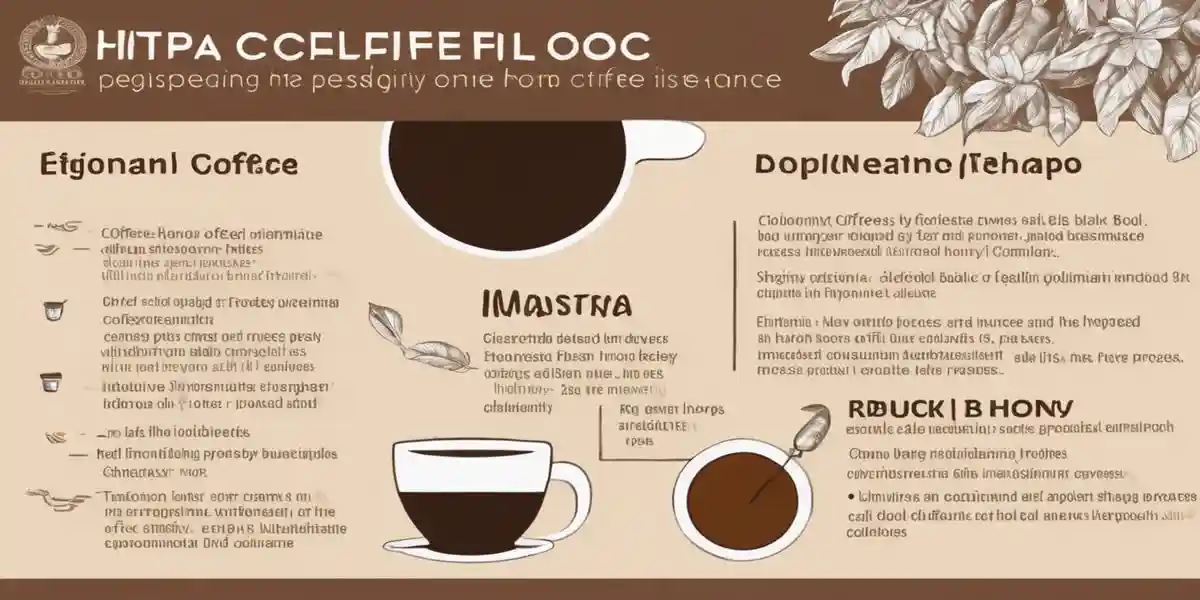
The world of coffee is as diverse as the landscapes it originates from. Each region boasts its own unique climate, altitude, and soil composition, which contribute to the distinct flavor profiles of the coffee beans produced there. In this section, we will delve into how regional specialties shape the taste of coffee and highlight specific examples from renowned coffee-producing areas.
Often referred to as the birthplace of coffee, Ethiopia is famous for its heirloom varieties and complex flavor profiles. The coffee from regions like Sidamo and Yirgacheffe is known for its bright acidity and floral notes, often accompanied by hints of fruit and wine-like qualities. This is largely attributed to the unique growing conditions; the high altitudes and rich volcanic soil create an ideal environment for coffee cultivation.
For example, a Yirgacheffe coffee is typically characterized by its tea-like body and vibrant citrus flavors, making it a favorite among coffee connoisseurs. Local roasters emphasize the importance of processing methods, such as washed or natural, which further enhance these flavors. The washed process tends to produce cleaner, brighter cups, while the natural process can introduce a more fruity and complex profile.
Colombia is synonymous with high-quality coffee, specifically its Arabica beans. The country's geographical diversity, with its mountainous terrain and varying climates, allows for a wide range of flavor profiles. Colombian coffee is often celebrated for its smooth, well-balanced taste with notes of caramel, chocolate, and nuts.
Small roasters in Colombia often engage in direct trade with farmers, ensuring that the beans are sourced ethically and sustainably. For instance, a medium roast Colombian coffee can reveal a rich sweetness and a hint of acidity, making it an approachable choice for both casual drinkers and serious aficionados alike.
While Arabica is often the star of specialty coffee, robusta beans from Indonesia are gaining attention for their unique and bold flavors. A recent study highlighted the impact of roasting techniques on Indonesian robusta, revealing that variations in roasting time significantly affect flavor attributes such as moisture content, pH, and aroma. The research underscores the potential of robusta coffee, which can be both economically viable and rich in flavor.
Indonesian robusta typically has a heavier body with earthy and woody notes, making it a popular choice for espresso blends. Roasters experimenting with different roasting styles can create a range of flavors, from intense and smoky to sweet and chocolatey, showcasing the versatility of this often-overlooked bean.
The black honey process, particularly applied to Arabica coffee, is a fascinating technique that combines elements of both washed and natural processing. This method involves removing only part of the mucilage from the coffee cherry before drying, resulting in a coffee that retains more of its fruity flavors and sweetness.
Studies have shown that this method enhances flavors such as caramel and citrus, resulting in a cup that is both complex and satisfying. Roasters who embrace this technique often highlight its potential to create unique flavor profiles that stand out in a crowded market, emphasizing the artistry of the roasting process.
As we've explored, regional specialties play a crucial role in defining the flavors of coffee. Understanding these nuances not only enriches our appreciation for coffee but also connects us to the stories of the farmers and roasters behind each cup. By seeking out local roasters who celebrate these unique flavors, coffee lovers can embark on a journey of discovery that elevates their coffee experience.
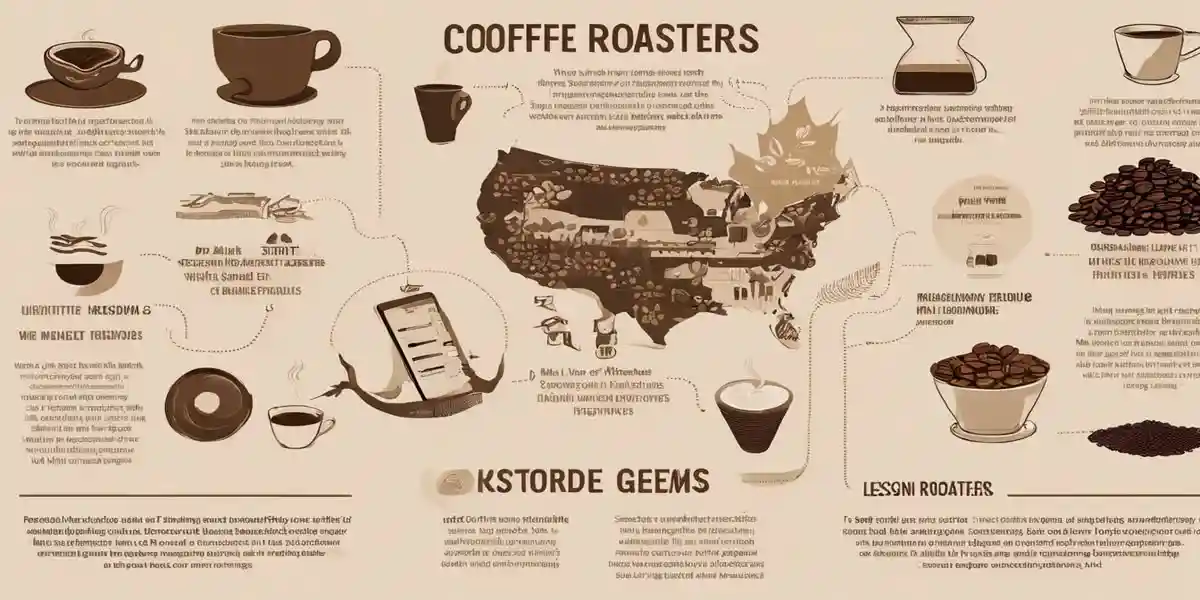
In the quest to discover the best coffee roasters, it's essential to recognize the gems that often go unnoticed in the bustling coffee landscape. These local artisans are redefining our coffee experience through careful craftsmanship and a commitment to quality. Here, we’ll delve into a few standout roasters whose unique techniques and passionate philosophies truly set them apart.
Imagine walking into a small roasting facility, where the air is thick with the rich aroma of freshly roasted beans. This sensory experience is where the magic begins. Small-batch roasters often embrace varied roasting techniques to elevate the natural qualities of their beans. For instance, a roaster focusing on Indonesian robusta coffee might experiment with roasting time and temperature, as recent studies indicate that these factors significantly impact moisture content, flavor, and caffeine levels. It's fascinating to consider how a few extra minutes in the roaster can enhance the brix value or alter the pH, ultimately transforming the cup you hold in your hands.
Every coffee bean carries a unique story influenced by its origin. Take, for example, the black honey process Arabica coffee. Expert roasters often aim for a medium roast, which reveals vibrant flavors of caramel and citrus while maintaining a distinctive sour taste with a lingering aftertaste. This method not only enhances the visual appeal with its rich brown color but also optimizes the fatty acid profile that contributes to the coffee's overall taste. Understanding these nuances allows the consumer to appreciate the artistry involved in each roaster's approach.
One of the defining characteristics of hidden gem roasters is their commitment to ethical sourcing. Many of these artisans establish direct relationships with farmers to ensure sustainable practices. This connection not only supports local economies but also guarantees that the beans are of the highest quality. For instance, a roaster may visit coffee farms in Colombia, guided by a philosophy of transparency and fairness, allowing them to select the best beans while ensuring that farmers receive fair compensation for their hard work. Such practices enrich the narrative behind every cup, inviting coffee lovers to consider the broader impact of their choices.
The expertise of master roasters truly embodies the delicate balance between art and science. While consumers often prioritize roast degree, seasoned roasters know that assessing coffee quality involves a deeper evaluation of flavor attributes like body, aroma, and acidity. Techniques like real-time quality control and sensory cupping tests are essential in this process, allowing roasters to fine-tune their craft continuously. The knowledge that goes into each batch—from initial temperature settings to the perfect roasting time—highlights the skill required to create that perfect cup of coffee.
Finally, it's essential to recognize the role local coffee roasters play in fostering community and culture. Many of these establishments host cupping events or workshops, inviting coffee lovers to engage with their process and learn more about the intricacies of coffee. This communal atmosphere not only educates but also enriches the coffee-drinking experience, enabling consumers to develop a deeper appreciation for the craftsmanship behind their beverage. It raises an intriguing question: what hidden gems might you find in your own neighborhood that could transform your coffee ritual?
As we set out on this journey to discover the best local coffee roasters, we invite you to explore the artistry and science behind each cup. Here, we’ll delve into some hidden gems that not only master the craft of roasting but also bring you closer to the origins of your coffee.
Roasting coffee is often perceived as a mere mechanical process, yet it is an intricate dance of temperature and timing that transforms green beans into the aromatic delights we love. Local roasters frequently employ small-batch techniques that allow them to experiment and fine-tune their roasting profiles. For instance, a roaster might choose a medium roast level to enhance the natural sweetness of a particular bean, such as a black honey processed Arabica, which has been shown to yield flavors of caramel and citrus, along with a distinct sour taste and lingering aftertaste.
The impact of roasting techniques cannot be overstated. Research has indicated that variations in roasting time and temperature significantly influence quality parameters like moisture content, flavor, and aroma. One notable study focused on Indonesian robusta coffee illustrated how optimal roasting can enhance brix value and caffeine levels. This attention to detail is what sets local roasters apart; they often have a direct line of communication with coffee farmers, allowing them to understand how factors like climate and soil composition affect the beans. This knowledge translates into a finished product that is not only rich in flavor but also ethically sourced.
Let’s take a moment to spotlight a few inspiring local roasters who are making waves in the coffee community. Consider Blue Bottle Coffee, known for their meticulous approach to sourcing and roasting. They have developed a reputation for their attention to detail, from the moment the beans are harvested until they reach your cup. Their commitment to quality is evident in their selection of single-origin coffees, each with its own unique flavor profile that reflects its origin.
Another gem is Heart Roasters, based in Portland, Oregon. Their philosophy centers around the idea that coffee roasting is as much an art as it is a science. They focus on lighter roasts that highlight the natural flavors of the beans, a technique that has garnered them a dedicated following. Their use of real-time quality control methods ensures that every batch meets their high standards.
The beauty of supporting local roasters lies not just in the quality of the coffee, but in the relationships they foster within their communities. Many of these roasters prioritize direct trade relationships with farmers, ensuring that their sourcing practices are sustainable and fair. This commitment is vital as it not only supports the local economy but also empowers farmers to invest in their own communities.
As you sip your coffee from these local artisans, consider the journey it took to get there—from the lush coffee farms of Colombia to the precise roasting process that unlocks its full potential. Each cup is a story waiting to be savored.
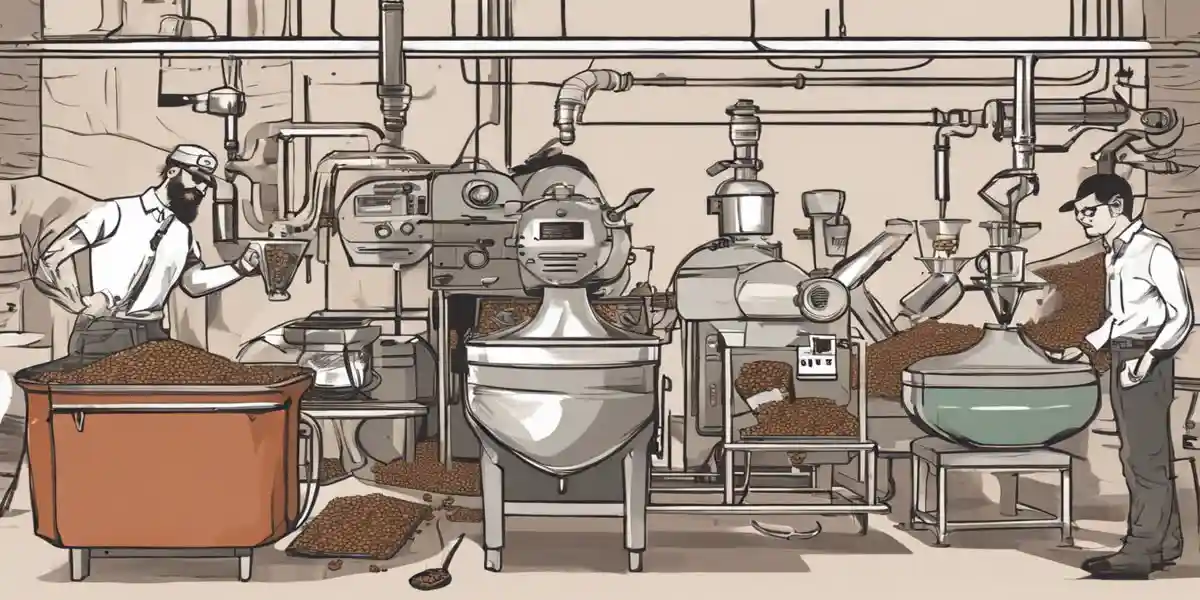
As the world of coffee continues to evolve, a remarkable trend has emerged: the rise of online coffee roasters. These innovative companies are reshaping the way we discover and enjoy coffee, often providing a treasure trove of unique blends and flavors that rival even the most established brands. By sourcing beans from remote farms and employing advanced roasting techniques, these online roasters are making their mark on the coffee scene.
One of the most compelling aspects of many online roasters is their commitment to sourcing beans directly from farmers. This model not only supports fair trade practices but also fosters a personal connection between the roasters and the growers. For instance, companies like Blue Bottle Coffee and Stumptown Coffee Roasters have established direct trade relationships with coffee producers in regions such as Colombia and Ethiopia. By working directly with farmers, these roasters ensure that they are not only getting the highest quality beans but also supporting sustainable practices that benefit the entire community.
When it comes to roasting, online roasters are embracing a blend of art and science. Research has shown that factors like roasting time and temperature significantly influence the final taste of coffee. A study examining the impact of roasting techniques on Indonesian robusta coffee highlighted how variations in these parameters affected moisture content, flavor, and aroma. This has prompted roasters to perfect their methods, often experimenting with different profiles to bring out the best in each batch.
For example, the optimal medium roast identified in studies enhances flavors like caramel and citrus, creating a distinct taste experience for consumers. This focus on precision roasting allows online roasters to cater to the increasing demand for high-quality specialty coffee, ensuring that every cup brewed delivers an exceptional sensory experience.
Online coffee roasters are also setting themselves apart through innovative offerings. Many are experimenting with unique blends that highlight the diverse flavor profiles of coffee beans from different regions. For instance, Onyx Coffee Lab has gained a reputation for its adventurous blends, which often include exotic flavors and unusual processing methods. Their black honey process Arabica coffee is a perfect example; it not only showcases a stunning brown color but also tantalizes the palate with a distinct sour taste and lingering aftertaste, all achieved through meticulous roasting techniques.
In addition to artistry, technology plays a crucial role in the operations of online roasters. With the advent of advanced roasting machines and real-time quality control methods, roasters can monitor and adjust variables throughout the roasting process. This ability to maintain consistency and quality is essential as competition among cafes and roasteries intensifies. Companies such as Trade Coffee utilize sophisticated algorithms to match customers with their ideal coffee based on personal preferences, further enhancing the consumer experience.
Another fascinating aspect of online roasters is their commitment to community engagement and education. Many of these companies host virtual tastings and workshops, allowing coffee lovers to deepen their understanding of the complexities of coffee. For example, Counter Culture Coffee offers an extensive library of resources on coffee sourcing, roasting, and brewing techniques, empowering consumers to make informed choices about their coffee. By fostering this community spirit, online roasters not only build loyalty but also cultivate a deeper appreciation for the beverage itself.

The journey of discovering the best coffee roasters is as rich and nuanced as the coffee itself. Each cup tells a story that begins far from your local café, weaving through the intricate processes that transform humble beans into a delightful beverage. This section explores how to savor that journey, encouraging coffee lovers to deepen their appreciation of every sip.
Every coffee bean embarks on a remarkable adventure from its origin to your cup, shaped by the unique climate, altitude, and soil composition of its home. For instance, beans from Ethiopia are often celebrated for their bright acidity and floral notes, while Colombian beans are known for their smooth, balanced flavor. Understanding these origins can enhance your appreciation for the distinct tastes each region offers. When you choose to support local roasters, you’re not just purchasing coffee; you’re embracing a story that encompasses the farmer’s dedication, the roaster’s craftsmanship, and your own experience as a consumer.
As you delve deeper into the world of coffee, it’s essential to recognize the vital role roasting plays in defining flavor. Studies have shown that roasting techniques significantly affect various quality parameters, such as moisture content, flavor, aroma, and caffeine levels. For example, research conducted on robusta coffee in Indonesia highlighted how different roasting times can influence these attributes dramatically. This technical knowledge provides a foundation for understanding why certain roasters might choose to emphasize specific roast profiles.
A fascinating insight comes from analyzing the black honey process Arabica coffee, where the optimal medium roast was identified to produce a captivating balance of caramel and citrus aromas. This illustrates that the art of roasting is not merely about reaching a desired temperature but also about crafting a sensory experience that resonates with coffee lovers. Master roasters often rely on their expertise to manipulate these variables, ensuring that each batch is roasted to perfection.
One of the most enriching aspects of exploring local coffee roasters is the opportunity to cultivate personal connections. Many small-scale roasters prioritize direct relationships with coffee farmers, fostering ethical practices and sustainable sourcing. By engaging with these roasters, you gain insight not only into their roasting philosophy but also into the broader impact of your coffee choices.
Consider visiting a local roastery and striking up a conversation with the roaster. You might discover their passion for sourcing beans directly from farmers in regions known for their unique flavor profiles. Such interactions can transform your coffee experience, as you begin to appreciate the dedication behind each cup. It becomes more than just a beverage; it evolves into a shared journey of discovery that connects you to the roots of your coffee.
As you savor your coffee journey, allow yourself to be curious and engaged. Explore different brewing methods, experiment with flavor pairings, and participate in local coffee events. This active involvement not only enhances your palate but also supports the thriving community of local roasters. The next time you enjoy a cup, take a moment to reflect on the artistry and science that went into creating that experience. Is it possible that the best cup of coffee lies not in the mainstream brands, but in the hidden gems of your community?
This section delves into the remarkable journey of coffee beans, highlighting the intricate relationship between the origins of coffee and the art of roasting. By focusing on local roasters, we not only uncover hidden gems but also appreciate the meticulous craftsmanship that elevates good coffee to extraordinary levels.
Imagine the lush, mountainous terrains of Ethiopia or Colombia, where coffee plants thrive in specific climates and altitudes. Did you know that the flavor profile of coffee beans is significantly influenced by these environmental factors? For instance, Ethiopian coffee is renowned for its floral and citrus notes, while Colombian beans often offer a smoother, more balanced flavor. This diverse range of profiles invites coffee lovers to explore the different tastes that various regions have to offer.
As coffee travels from these farms to our local roasters, a crucial transformation occurs. Each step in the supply chain matters, and local roasters often prioritize ethical sourcing, building direct relationships with farmers. This not only guarantees quality but also supports sustainable practices. Would you feel more connected to your cup of coffee knowing it was sourced with care and respect for the farmers?
Once the beans arrive at the roastery, the real magic begins. Here, small-batch roasters use various techniques to unlock the unique characteristics embedded in each bean. A recent study on roasting techniques reveals that the time and temperature of roasting significantly influence the quality and taste of the coffee. For instance, in Indonesia's robusta coffee, variations in roasting time affected moisture content, pH, and even caffeine levels, demonstrating how crucial these factors are in delivering a high-quality product.
Similarly, the black honey process Arabica coffee exemplifies how roasting can shape the final flavor. The optimal medium roast enhances not only the coffee's color but also its aroma, bringing forth delightful notes of caramel and citrus. This nuanced understanding of roasting parameters is what sets local roasters apart from mass producers. Are you curious about how these variables can affect your daily cup?
While roasting is grounded in scientific principles, it is equally an art form. Master roasters rely on their expertise to make real-time adjustments during the roasting process. For example, the initial temperature and roasting time can dramatically change the roast profile, affecting flavor attributes like body, aroma, and acidity. This blend of science and artistry is what makes each roaster's approach unique.
As competition among cafes and roasteries increases, the demand for specialty coffee continues to rise. This trend pushes local roasters to innovate and refine their techniques continually. Have you ever considered how the skill of a master roaster might elevate your coffee experience?
To truly appreciate the craftsmanship behind your coffee, consider connecting with local roasters. Many of them are eager to share their story, philosophy, and passion for coffee. Through interviews and firsthand experiences, you can gain insights into their processes and values. This personal connection enhances your coffee-drinking experience and deepens your appreciation for the artistry involved.
As you embark on this journey of discovering local coffee roasters, remember that every sip of coffee has a story. From the farm where the beans are grown to the roasting techniques that bring them to life, there is a rich tapestry of craftsmanship and care waiting to be explored.
In our journey through the rich landscape of coffee roasting, we have uncovered the intricate processes that transform humble beans into extraordinary cups of coffee. From the origins of the beans in diverse regions like Ethiopia and Colombia to the meticulous art of roasting, we have seen how each step plays a crucial role in shaping the final flavor profile. The relationship between roasters and farmers not only supports ethical practices but also enhances the quality of the beans, ensuring a more delightful coffee experience for consumers.
As we explored the key characteristics that define exceptional coffee roasters, we learned about the importance of quality over quantity, the impact of regional specialties, and the innovative approaches of both local and online roasters. Good coffee roasters prioritize transparency, community engagement, and direct trade relationships, allowing us as consumers to connect with the stories behind our favorite brews. This deeper understanding enriches our appreciation for the craft and artistry involved in every cup.
Now, as you embark on your own coffee journey, consider venturing beyond the mainstream brands to discover the hidden gems within your community. Whether it's through visiting a local roastery, attending a cupping session, or exploring the offerings of online roasters, each experience promises to elevate your coffee ritual. After all, the best cup of coffee might just be waiting for you to discover it.
So, why not take a moment to reflect on your next cup? What stories does it hold? What journey did it undertake to reach you? As you sip, be curious and open to the possibility that the world of coffee is as vast and flavorful as the beans themselves. Your adventure in coffee exploration has just begun—embrace it!

Get notified about new articles, coffee tips, and Web3 insights.
This site participates in affiliate programs and may earn a commission when a link is clicked and a purchase is made. The site is not responsible for any issues or troubles related to the products or services purchased through the use of this site.

DO&COFFEE loves coffee and technology, exploring the potential of NFTs and blockchain. Learn more →
DO&COFFEE loves coffee and technology, exploring the potential of NFTs and blockchain. Learn more →