art
2024/08/18
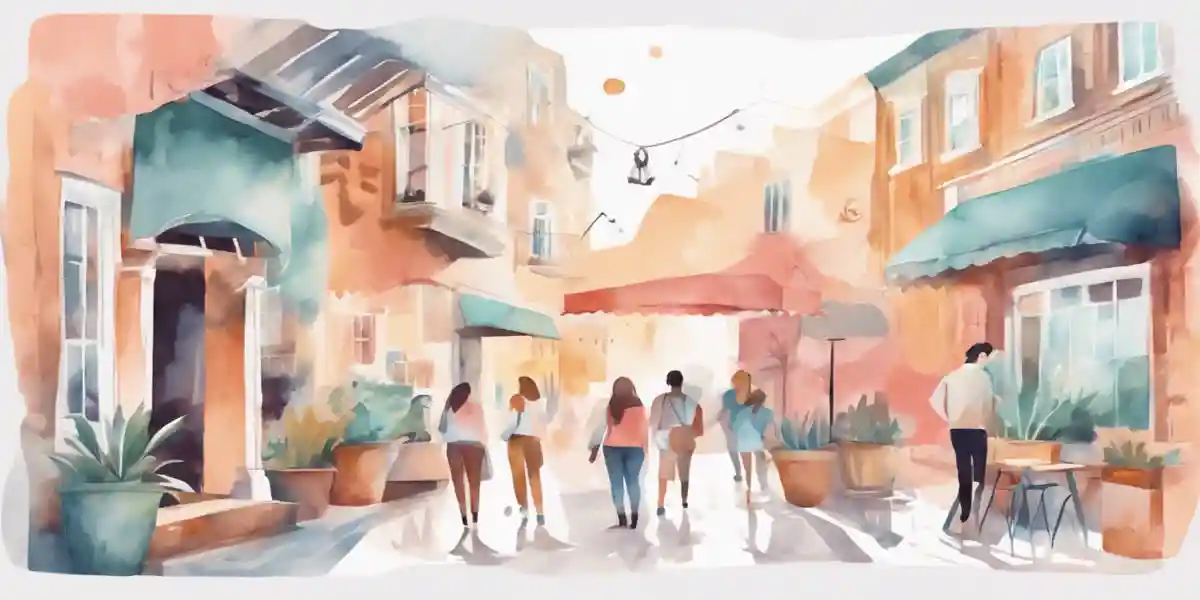
In a world where creativity and exploration intersect, imagine taking a walking tour that not only unveils the hidden gems of a city but also immerses you in the vibrant process of art creation. This blog post delves into the transformative potential of combining art workshops with the innovative realm of blockchain technology, reshaping how we perceive and participate in walking tours. By introducing platforms like “ArtChain,” we can merge traditional artistic practices with digital ownership, allowing participants to mint their creations as non-fungible tokens (NFTs) in real-time.
Why does this matter? The integration of art workshops into walking tours enriches the experience, fostering a sense of community and creativity while enhancing the authenticity of the art created. As the NFT market continues to evolve, it presents a unique opportunity for artists and enthusiasts alike to engage with art in a decentralized manner, ensuring ownership and provenance are transparent and secure. Furthermore, this combination encourages collaboration, feedback, and healthy competition among artists, paving the way for a more inclusive artistic ecosystem.
Join us as we explore how these innovative strategies not only redefine walking tours but also challenge us to rethink our relationship with art in the digital age. Whether you're an art lover, an aspiring creator, or simply curious about the intersection of creativity and technology, this journey promises to inspire and ignite your imagination.
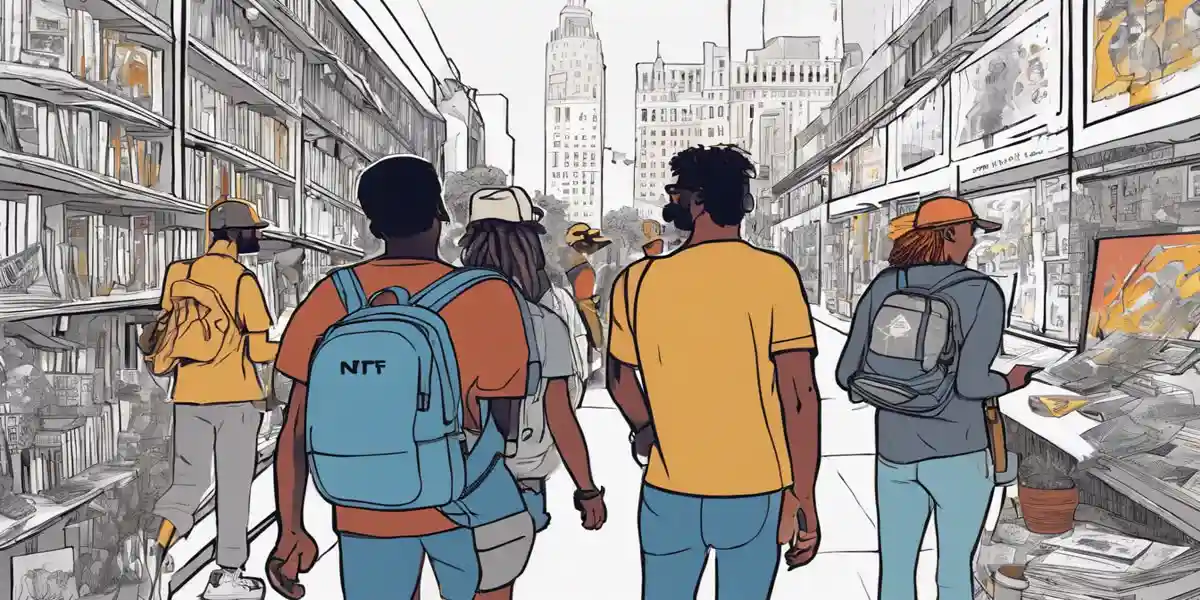
Walking tours have undergone a remarkable transformation over the years, evolving from simple guided strolls through historical sites to immersive, interactive experiences enriched by technology. This evolution is not just about the physical journey through a city’s streets; it represents a shift in how we engage with our surroundings, blending culture, art, and now, digital innovation.
Historically, walking tours were primarily educational experiences, often led by knowledgeable guides who shared stories and historical facts about landmarks. Picture yourself wandering through the cobblestone streets of an ancient city, soaking in the architecture and learning about its past. Yet, while these tours provide invaluable insights, they often lack interactivity and personalization. How many times have you found yourself wishing for a more engaging way to absorb the stories behind the art and culture of a place?
With the advent of smartphones and GPS technology, walking tours began to embrace a digital format. Apps and audio guides emerged, allowing tourists to explore at their own pace and choose their own paths. Consider the popular apps like Detour or izi.TRAVEL, which offer location-based audio tours narrated by local experts and artists. This shift not only enhances the user experience but also democratizes access to knowledge, enabling a broader audience to engage with cultural narratives.
Imagine walking through a vibrant neighborhood known for its street art, not just as an observer, but as a participant in an art workshop that encourages you to create your own piece inspired by the surroundings. This is where the concept of ArtChain comes into play. By merging traditional walking tours with hands-on art workshops, participants can connect deeply with their environment while learning from established artists. Real-world examples abound, such as the community art projects in cities like Philadelphia, where tourists can join local artists in creating public murals, fostering both creativity and community engagement.
As we venture further into the realm of digital transformation, blockchain technology introduces a new layer of engagement and ownership. The emergence of Non-Fungible Tokens (NFTs) provides artists with a platform to mint their creations as unique digital assets. For example, during an ArtChain workshop, participants could create artwork and instantly tokenize it as an NFT, ensuring both provenance and ownership. This revolutionary approach not only empowers artists but also allows participants to invest in their own creativity, creating a seamless integration of art, technology, and community.
However, this evolution is not without its challenges. While NFTs provide exciting opportunities for creators, they also raise questions about copyright, market stability, and environmental concerns associated with blockchain technology. As noted in various studies, the NFT market's speculative nature can create unfair pricing structures and disputes over ownership rights. Addressing these issues is crucial for fostering a transparent and equitable art ecosystem that benefits both artists and consumers.
As we look towards the future, the integration of art workshops and blockchain into walking tours presents a unique opportunity to redefine how we experience and interact with our surroundings. Could this innovative approach lead to a new form of cultural tourism where creativity and technology intertwine? The potential is immense, inviting us all to reconsider the boundaries of traditional practices in light of modern innovations.
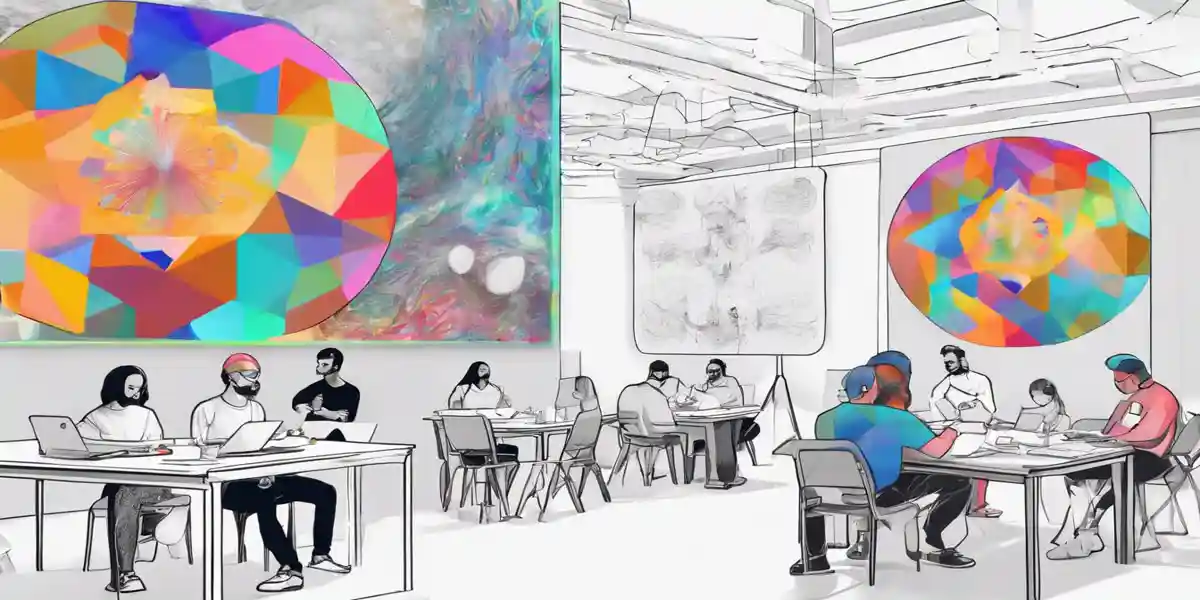
Art workshops, when combined with the innovative capabilities of blockchain technology, have the potential to reshape how we experience and interact with creativity. In this new paradigm, we find ourselves in a vibrant virtual space known as “ArtChain,” where traditional artistic practices meld seamlessly with digital advancements. This synergy not only enhances the creative process but also redefines ownership and community engagement in the art world.
Imagine stepping into an interactive art workshop led by an established artist, where you are not just a passive observer but an active participant. In ArtChain, attendees can create artworks in real-time while minting their pieces as non-fungible tokens (NFTs) simultaneously. This dual process allows for immediate ownership, offering artists and participants a unique opportunity to secure their creations on a decentralized platform. Each artwork produced can be tokenized, ensuring clear provenance and opening avenues for future monetization.
ArtChain envisions a thriving marketplace where participants can exhibit their NFT creations. This digital gallery serves as a platform for artists to receive feedback and engage with potential buyers directly. The blockchain's inherent transparency guarantees authenticity in transactions, addressing a significant concern in the art world—provenance. With approximately 2% of populations in markets like Mexico and Colombia being early adopters of NFTs, as highlighted in recent studies, platforms like ArtChain can tap into this growing interest and facilitate an ecosystem where artists can flourish.
One of the most exciting features of ArtChain is its ability to foster collaboration through “art challenges.” Here, artists can compete to create pieces around specific themes, with community voting determining the winners. This not only encourages creativity but also instills a sense of belonging among participants. The transparent nature of blockchain ensures that the judging process remains fair and unbiased, mitigating common issues found in traditional art competitions, such as favoritism or lack of visibility for emerging artists.
While the potential of ArtChain is immense, it is essential to acknowledge the challenges that the NFT market faces, including environmental concerns and copyright disputes. Research indicates that while NFTs provide a reliable way to verify ownership, they also introduce complexities like unfair pricing and significant copyright issues. To navigate these challenges, ArtChain could incorporate features such as artist recognition, concept authentication, and copyright verification to enhance the market's transparency and integrity.
Several platforms have already begun to bridge the gap between art and technology, exemplifying the possibilities that ArtChain could offer. For instance, platforms like SuperRare and Foundation have successfully enabled artists to tokenize their work and sell it directly to collectors, creating a new revenue stream that was previously unattainable for many. These platforms not only highlight the cultural significance of NFTs but also demonstrate how blockchain can harmonize art with technology, thereby reshaping the landscape of digital artistry.
As we explore the intersection of art workshops and blockchain technology, it is evident that platforms like ArtChain can democratize the art creation process. By merging traditional practices with modern innovations, we open up a world of possibilities, allowing artists not only to create but also to connect and grow within a supportive community. This evolution prompts a critical question: how can we further blend our creative endeavors with technological advancements to redefine the future of artistry?
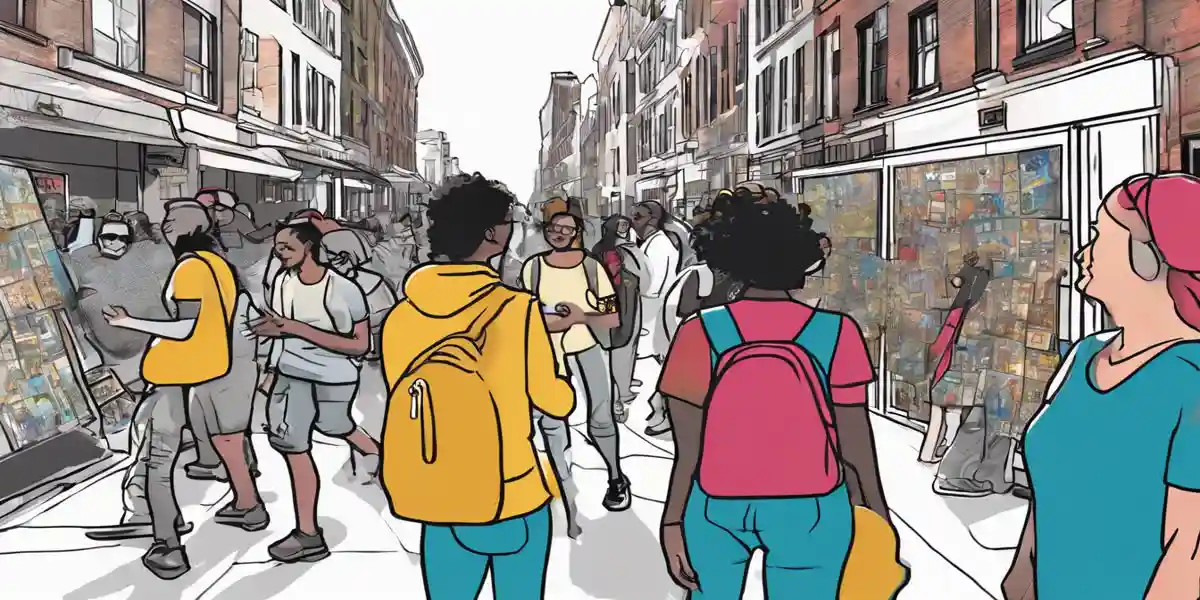
Imagine enriching walking tours with a layer of creativity that not only engages participants but also empowers them to become co-creators of their experiences. By integrating art workshops and blockchain technology, these tours can transform into immersive, interactive journeys that foster community, artistry, and digital ownership.
Picture a walking tour where participants are not merely observers but active creators. This concept comes alive through a platform like ArtChain, where traditional art workshops converge with the innovative capabilities of blockchain. Participants can engage in live workshops led by renowned artists while exploring their surroundings, capturing the essence of their experiences through painting or sculpting. As they create, they have the unique opportunity to mint their artworks as non-fungible tokens (NFTs) in real-time, securing ownership of their creations in a decentralized manner.
This integration allows each piece of artwork created during the walking tour to be tokenized, offering unique provenance and the potential for future monetization. For instance, a participant who captures a beautiful street mural can convert that artwork into an NFT, which can be sold or traded in the burgeoning digital art marketplace. This not only elevates the personal experience of the tour but also transforms the way participants perceive art and ownership.
Imagine a vibrant digital marketplace where participants can showcase their NFT creations post-tour. This marketplace not only allows artists to gain exposure but also facilitates collaboration on larger projects. Think about walking through an art district, creating along the way, and later, showcasing and selling your work to art enthusiasts who appreciate the journey behind each piece. Such a community-driven approach can foster a sense of belonging among artists and art lovers alike, creating a supportive ecosystem enriched by shared experiences and creativity.
To further enhance the creative integration in walking tours, the platform could facilitate “art challenges.” Participants can be invited to create pieces based on specific themes or inspirations drawn from their surroundings. The community can then vote on the best pieces, encouraging healthy competition and engagement. This not only nurtures creativity but also ensures that the judging process is transparent, leveraging blockchain technology to uphold integrity in the voting process.
Research has shown that the rapid rise of NFTs has transformed the way digital art is perceived and valued. By integrating this transformative technology into walking tours, we can harness the cultural significance of NFTs while promoting local art and artists. As documented in various studies, NFTs have reshaped the contemporary art scene, allowing digital works to be valued similarly to traditional pieces due to ownership verification via blockchain.
Consider the case of “CryptoArt,” where digital artists have found a viable platform to present and sell their work, often at prices that rival traditional artworks. This trend echoes the potential impact of integrating creativity into walking tours—by linking local artists with a broader audience through NFTs, we can create a more sustainable and diverse art ecosystem. In markets like Mexico and Colombia, where approximately 2% of the population are early adopters of NFTs, we see a significant cultural shift towards embracing new forms of art ownership and trade.
Moreover, platforms that address the challenges surrounding art NFTs, such as copyright disputes and pricing issues, can further enhance the experience for both artists and participants. By incorporating services tailored for fair use of NFT artworks, we can ensure that the artistic contributions made during walking tours are respected and valued appropriately.
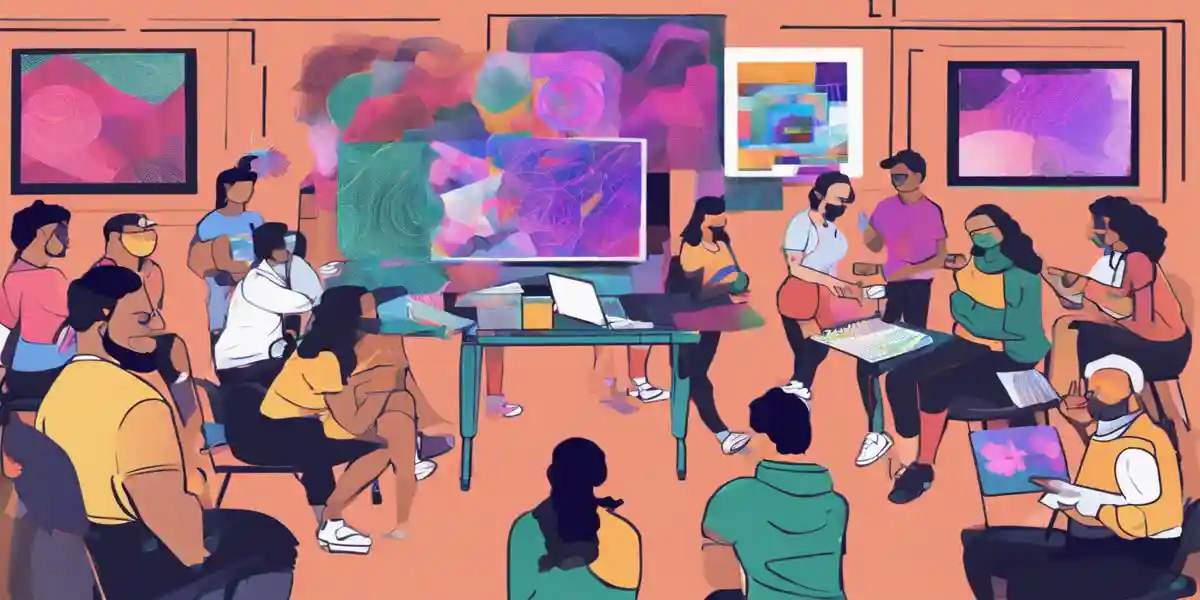
This section showcases real-world examples of how art workshops infused with blockchain technology are reshaping the landscape of walking tours, making them not only educational but also interactive and monetarily rewarding.
Imagine a vibrant virtual space where traditional art workshops meet the innovative world of blockchain technology—an immersive platform called “ArtChain.” In ArtChain, artists can participate in live workshops led by established creators while simultaneously minting their artwork as non-fungible tokens (NFTs) in real-time. This dual experience allows participants to learn and create while securing ownership of their art in a decentralized manner. Each piece created during a workshop could be tokenized, allowing for unique provenance and the potential for future monetization.
ArtChain goes beyond individual workshops by incorporating a community-driven marketplace. Here, participants can showcase their NFT creations, receive feedback, and collaborate on larger projects. For instance, after a workshop focused on landscape painting, participants could upload their NFT artworks to the platform, allowing art enthusiasts to purchase directly from emerging artists. This creates a direct link between the artist and the art lover, supported by blockchain technology that ensures authenticity and transparency in transactions.
One of the engaging aspects of ArtChain is its provision for “art challenges.” These competitions invite artists to create pieces around specific themes, with community members voting for their favorites. This not only fosters a sense of belonging among participants but also encourages creativity and innovation. For example, a challenge themed around “Urban Jungle” could inspire participants to interpret urban landscapes through their unique artistic lenses, resulting in diverse and compelling artworks.
Research exploring the rising popularity of NFTs in the art sectors of Mexico and Colombia indicates a significant cultural shift in art ownership and trade. Approximately 2% of the populations in these regions are early adopters of NFTs, demonstrating that the integration of blockchain technology with traditional art practices is gaining traction globally. By incorporating workshops that teach both art creation and NFT minting, these tours could significantly elevate the local art scene and provide artists with new avenues for revenue.
While the excitement surrounding NFTs is palpable, challenges such as copyright disputes and market speculation remain pertinent. Studies have proposed frameworks that include services for artist recognition, concept authentication, and copyright verification. For instance, an ArtChain workshop could include an educational segment on these issues, helping participants navigate the complex landscape of NFT art ownership. This proactive approach not only empowers artists but also enhances the overall transparency of the NFT art market.
As NFTs continue to reshape the art world, they are also influencing the broader cultural landscape. The emergence of crypto-art, where digital works are valued similarly to physical art due to ownership verification via blockchain, represents a significant evolution in how we perceive art. Art workshops that embrace this technology can serve as a bridge between traditional artistry and modern innovations, ultimately redefining the future of creativity.
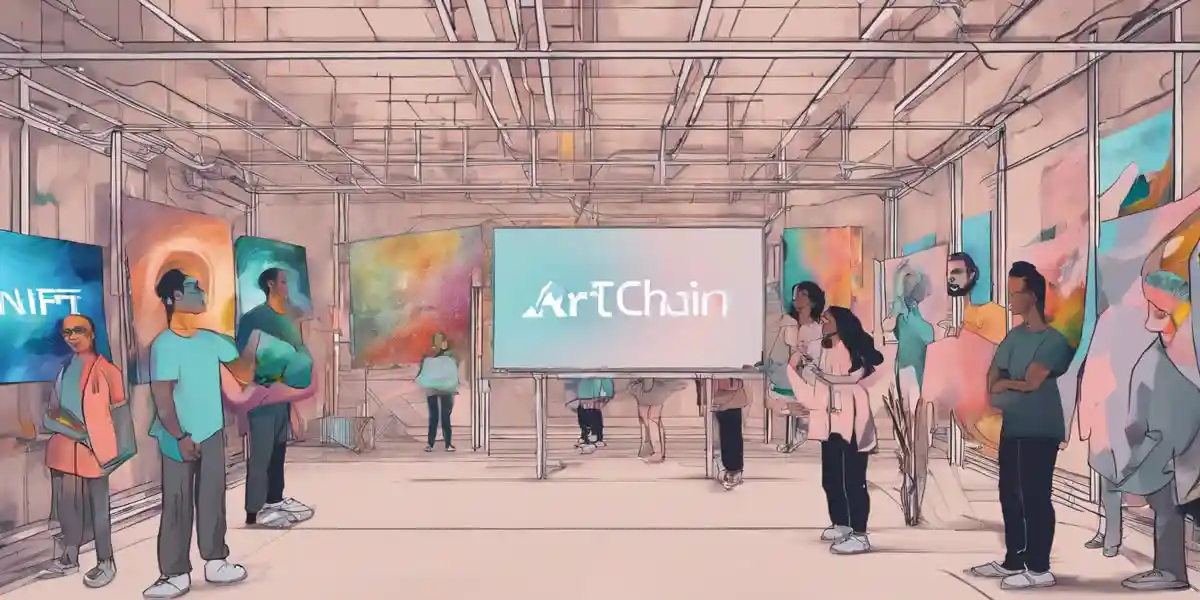
At the intersection of technology and creativity lies a revolutionary concept that could redefine how we engage with art: blockchain. Imagine a vibrant virtual space where traditional art workshops meet the innovative world of blockchain technology—an immersive platform called “ArtChain.” This platform not only enhances the tactile experience of painting and sculpting but also integrates the transformative power of digital ownership and community engagement.
At the heart of ArtChain is the use of Non-Fungible Tokens (NFTs), which serve as a digital certificate of ownership for unique pieces of art. Each artwork created during a workshop can be minted into an NFT in real-time, ensuring that participants not only learn but also secure ownership of their creations in a decentralized manner. This process provides unique provenance, allowing artists and collectors to trace the history of a piece from its inception to its current ownership.
Real-world examples highlight the potential of NFTs to transform the art world. For instance, the sale of Beeple’s digital artwork for a staggering $69 million at a Christie’s auction marked a significant moment in the recognition of digital art. Such transactions underscore the value attributed to NFTs, which, according to a recent study, have become a cultural phenomenon that harmonizes art with technology. By utilizing blockchain, NFTs allow for authenticating ownership, thereby elevating digital works to a status previously reserved for physical art.
Envision a community-driven marketplace within ArtChain where artists can showcase their NFT creations, receive feedback, and collaborate on larger projects. This platform could function as a digital gallery, enabling art enthusiasts to purchase pieces directly from emerging artists. The integration of blockchain technology ensures authenticity and transparency in transactions, addressing concerns about art forgery and misrepresentation that have plagued the art market for centuries.
The research indicates that the NFT art market is growing, with platforms like OpenSea and Rarible enabling artists to monetize their work efficiently. However, challenges remain, such as environmental concerns associated with blockchain technology and copyright disputes, which must be addressed to create a sustainable ecosystem for digital art.
ArtChain could also facilitate “art challenges,” where artists compete to create pieces around specific themes, with the winners being voted on by the community. This not only fosters a sense of belonging but also encourages creativity, while leveraging the transparency of blockchain for fair judging. By allowing the community to participate in the evaluation process, artists gain valuable exposure and insights into their work, while also building a loyal fan base.
Such community engagement is critical, as studies have shown that public sentiment surrounding NFTs can be influenced by factors such as community involvement and perceived value. By establishing a platform where artists and collectors can interact, ArtChain positions itself as a leader in the evolving landscape of digital art.
While the potential for NFTs in art is vast, they are not without challenges. Issues like unfair pricing and significant copyright disputes have surfaced, prompting the need for a robust framework that supports fair use of NFT artworks. Research suggests that building services for artist recognition, concept authentication, and copyright verification can enhance transparency in the NFT art market. Such measures can reassure both artists and collectors, fostering a healthier environment for art creation and trade.
Moreover, as we see the rising popularity of NFTs in diverse regions, such as Mexico and Colombia, understanding the motivations, attitudes, and barriers of early adopters can provide insights into the future trajectory of the art market. Approximately 2% of the populations in these areas are becoming early adopters of NFTs, marking a significant cultural shift in art ownership and trade.
As we delve into the intertwining worlds of art workshops and blockchain technology, the notion of authenticity and ownership emerges as a cornerstone of this innovative landscape. Imagine an environment where artists not only hone their skills but also secure their creative outputs as unique, verifiable entities through non-fungible tokens (NFTs). This is precisely the vision behind “ArtChain,” a platform that bridges traditional art creation with the decentralized ownership model offered by blockchain.
At the heart of ArtChain's philosophy lies the transformative power of NFTs. These digital tokens, which are unique and cannot be replicated, allow artists to mint their creations in real-time during workshops. This process ensures that each artwork is linked to a verifiable digital certificate of authenticity stored on the blockchain. For instance, when an artist completes a painting during a workshop, they can immediately create an NFT that represents their work. This NFT serves as proof of ownership and can include detailed provenance information, such as creation date, workshop participation, and even the artist’s identity.
The significance of NFTs extends beyond mere ownership; they also cultivate a sense of trust and transparency in the art market. As highlighted in various studies, the ability to verify ownership through blockchain technology is revolutionary. It not only enhances the collectible value of artworks but also provides a safeguard against forgery—a persistent issue in the art world. For example, the rise of crypto-art has seen digital pieces being valued similarly to traditional art forms, thanks to the verification capabilities that NFTs provide.
ArtChain envisions a community-driven marketplace where artists can showcase their NFT creations. In this digital gallery, potential buyers can browse a curated selection of artworks, each accompanied by its NFT, ensuring authenticity. This model empowers emerging artists by removing traditional gatekeepers, allowing them to connect directly with art enthusiasts and collectors. Moreover, it fosters a collaborative environment where artists can receive feedback, collaborate on projects, and even participate in themed art challenges, all while being recognized for their contributions through the ownership of NFTs.
Consider the case of an artist who creates a piece during an ArtChain workshop based on a community-voted theme. By minting their artwork as an NFT, they not only secure ownership but also gain the opportunity for future monetization. This could manifest as royalties on secondary sales, a feature that many NFT platforms support, ensuring that artists benefit from their work long after its initial sale.
While the benefits of NFTs in enhancing authenticity and ownership are significant, the art world must also grapple with challenges such as copyright disputes and market speculation. Recent studies have revealed that while the collectible value of NFT artworks is high, issues of unfair pricing and intellectual property infringement persist. To mitigate these challenges, a robust framework is essential—one that includes artist recognition, concept authentication, and copyright verification. By incorporating these features within the ArtChain platform, a more transparent art market can be established, ultimately promoting fair use and protecting artists’ rights.
As we navigate this exciting intersection of art and technology, it’s clear that blockchain has the potential to redefine how we perceive ownership and authenticity in the creative domain. By embracing these innovations, we can foster a more equitable and vibrant ecosystem for artists and art lovers alike.
In merging the realms of walking tours and art workshops, blockchain technology introduces a transformative layer that enhances both experiences through transparency, ownership, and community engagement. This section explores how blockchain can be effectively applied to enrich these creative endeavors.
Imagine participating in an art workshop where every stroke of your brush not only contributes to your learning experience but also results in a unique digital asset. In this context, platforms like “ArtChain” exemplify how artists can mint their creations as non-fungible tokens (NFTs) in real-time during workshops. This process not only secures ownership but also establishes a traceable provenance for each piece, thereby elevating the intrinsic value of the artwork.
Research indicates that NFTs are reshaping art ownership by allowing digital works to hold similar value to physical pieces. This shift, backed by blockchain technology, ensures that every transaction is transparent and verifiable, addressing some of the key challenges in the art market, such as authenticity and copyright disputes. For example, a participant in an ArtChain workshop can instantly create an NFT representing their artwork, which can later be sold or displayed in a digital gallery, thereby providing a streamlined path for monetization and recognition.
Blockchain technology enables the creation of decentralized marketplaces where emerging artists can showcase their NFT creations. Platforms can incorporate features that allow for community feedback, collaboration, and even thematic art challenges. Such a model fosters a sense of belonging among participants, as they engage in a vibrant ecosystem that values creativity and innovation.
A notable example is the rise of crypto-art platforms where digital artists can sell their work directly to collectors, eliminating intermediaries and enhancing profit margins. For instance, using Ethereum’s blockchain, artists can create NFTs that serve as verifiable proof of ownership, thereby establishing a direct connection with their audience. These platforms not only democratize access to art but also empower artists by providing tools for fair pricing and copyright verification, as highlighted in various studies.
Blockchain can also revolutionize walking tours by integrating unique digital experiences. Imagine a walking tour where every location visited is tied to an NFT that tells a story or provides access to exclusive content. This could range from audio guides narrated by local artists to augmented reality experiences that add layers of interaction to the physical space.
For instance, a historical walking tour could utilize blockchain to verify the authenticity of artifacts or artworks featured along the route. Each stop could be linked to an NFT that provides historical context, provenance, and even the opportunity to purchase related digital art. This blend of physical exploration and digital engagement not only enriches the learning experience but also creates new avenues for artists and historians to monetize their work through the sale of NFTs.
While the potential applications of blockchain in art workshops and walking tours are exciting, challenges remain. Environmental concerns regarding the energy consumption of blockchain transactions, particularly on platforms like Ethereum, have prompted discussions about more sustainable practices. Additionally, issues of copyright and fair pricing continue to pose hurdles that need addressing.
Research indicates that the NFT market, while promising, is still fraught with speculation and volatility. Ensuring that artists receive equitable compensation for their work is crucial, and platforms must implement frameworks that prioritize artist recognition, concept authentication, and public appeal. By addressing these challenges, the potential for blockchain to create equitable, transparent, and engaging art experiences can be fully realized.
As we stand on the brink of a transformative shift in the art world, the convergence of traditional creativity and innovative technology heralds a new era of exploration and expression. This evolution is vividly encapsulated in the concept of “ArtChain,” a platform that redefines how we create, own, and engage with art. By integrating live art workshops with blockchain technology, we are not only enhancing the artistic experience but also empowering artists and participants alike.
Imagine a virtual space where artists gather in real-time, guided by seasoned creators to learn and create. In ArtChain, each brushstroke or sculpted detail can be instantly transformed into a non-fungible token (NFT), ensuring that every participant secures ownership of their work through decentralized technology. This process not only establishes a unique provenance for each piece but also opens avenues for future monetization—an aspect that traditional art markets often overlook.
ArtChain's design fosters a vibrant community-driven marketplace where participants can showcase their NFT creations. This digital gallery serves as a bridge between artists and art enthusiasts, allowing for direct transactions that are underpinned by blockchain's transparency and authenticity. A notable example of such a marketplace is OpenSea, which has revolutionized how digital art is traded, yet ArtChain aims to enhance this experience by embedding community feedback and collaborative projects into its framework. In this way, artists can not only sell their works but also engage with their audience, receiving invaluable feedback that can shape future creations.
ArtChain also embraces the spirit of competition and collaboration through “art challenges.” These events inspire artists to create pieces around specific themes, with the community actively participating in voting for their favorites. This model echoes the social dynamics observed in platforms like DeviantArt, where community engagement plays a crucial role in nurturing talent. By leveraging blockchain for transparent judging, ArtChain not only promotes fairness but also cultivates a sense of belonging among participants, encouraging them to push the boundaries of their creativity.
However, the integration of NFTs into the art world is not without its challenges. Issues surrounding copyright disputes and environmental concerns continue to surface, as highlighted in recent research. While NFTs possess a high collectible value, the market is fraught with speculation and unfair pricing practices. Addressing these challenges requires innovative solutions, such as the proposed web platform framework that emphasizes artist recognition, concept authentication, and copyright verification. This could serve as a model for ArtChain, ensuring that artists are fairly compensated and that their rights are protected in this new digital landscape.
The adoption of NFTs is witnessing a remarkable cultural shift across various regions, as evidenced by studies in Mexico and Colombia. With only about 2% of the populations identified as early adopters, this statistic reveals an emerging trend that is poised to redefine art ownership and trade. ArtChain can harness this momentum, positioning itself as a leader in the evolving NFT market by promoting inclusivity and accessibility for artists from diverse backgrounds. This global perspective not only enhances cultural exchange but also enriches the artistic landscape, making it more vibrant and multifaceted.
As we explore the potential of ArtChain, we must consider how we can blend our traditional practices with modern innovations. The platform not only democratizes art creation and ownership but also cultivates a thriving ecosystem where artists can connect, collaborate, and flourish. In this fusion of creativity and technology, we find ourselves at the threshold of a new artistic renaissance, one where expression knows no bounds and exploration is only limited by our imagination.
Imagine a vibrant virtual space where traditional art workshops meet the innovative world of blockchain technology—an immersive platform called “ArtChain.” This concept intertwines the tactile experience of painting and sculpting with the transformative power of digital ownership and community engagement.
In ArtChain, artists can participate in live workshops led by established creators while simultaneously minting their artwork as non-fungible tokens (NFTs) in real-time. This not only allows participants to learn and create but also enables them to secure ownership of their art in a decentralized manner. Each piece created during a workshop could be tokenized, allowing for unique provenance and the potential for future monetization. For instance, a budding artist creating a digital painting during a workshop can immediately create an NFT of their work, ensuring that they hold the verifiable rights to their creation.
ArtChain could incorporate a community-driven marketplace where participants can showcase their NFT creations, receive feedback, and even collaborate on larger projects. Imagine a digital gallery where art enthusiasts can purchase pieces directly from emerging artists, supported by blockchain technology that ensures authenticity and transparency in transactions. This model mirrors successful platforms like OpenSea, which has become a haven for artists and collectors alike, but with the added benefit of a community-focused approach where artists can interact directly with their audience.
The platform could also facilitate “art challenges,” where artists compete to create pieces around specific themes, with the winners being voted on by the community. This fosters a sense of belonging and encourages creativity while leveraging the transparency of blockchain for fair judging. For example, a monthly theme like “Nature in the Digital Age” could inspire artists to create and submit their interpretations, with community members voting for their favorites, thus driving engagement and innovation within the space.
The transformative impact of NFTs across various sectors, particularly in the arts, cannot be overstated. According to recent studies, NFTs serve as crucial tools for verifying ownership and provenance, creating a secure and reliable framework for art transactions. For instance, the ability to trace an NFT’s transaction history on the Ethereum blockchain not only adds value but also builds trust between buyers and sellers. This verification process is essential, especially in modern markets where questions of originality and copyright are prevalent.
Despite their advantages, the NFT art market faces several challenges, such as environmental concerns, copyright issues, and market speculation. Research has highlighted high collectible values of NFT artworks, yet it has also revealed issues with unfair pricing and significant copyright disputes. ArtChain could address these concerns by incorporating features like copyright verification and artist recognition within its platform, ensuring that creators receive proper credit and that their rights are protected.
The growing popularity of NFTs is not confined to one region; it spans across various cultures and economies. For example, research indicates that approximately 2% of the populations in Mexico and Colombia are early adopters of NFTs, marking a significant cultural shift in art ownership and trade. Such data invites us to consider how platforms like ArtChain could cater to diverse markets while fostering a global community of artists and collectors.
As we reflect on the transformative journey of walking tours, art workshops, and blockchain technology, it becomes clear that we are entering a new era of exploration and expression. This evolution is driven by the fusion of traditional artistic practices with innovative digital frameworks, exemplified through the concept of "ArtChain." By integrating live art workshops with blockchain technology, we are not merely enhancing the artistic experience; we are empowering artists and participants to redefine their relationship with creativity.
Throughout this exploration, we have seen how walking tours have evolved from passive experiences into dynamic, interactive journeys that foster community engagement. The integration of art workshops allows participants to become active creators, deepening their connection to the cultural narratives surrounding them. Additionally, blockchain technology, particularly through the use of non-fungible tokens (NFTs), introduces a new dimension of ownership and authenticity, ensuring that artists can secure their work and engage with their audience directly.
As we look forward, the implications of these innovations are profound. The emergence of community-driven marketplaces and art challenges creates an environment where collaboration thrives. Participants are not just observers; they are contributors to a vibrant artistic ecosystem that values diversity and inclusivity. However, we must also acknowledge the challenges ahead, including environmental concerns and the need for fair practices in the NFT space. Addressing these issues will be crucial to ensure that this new landscape is equitable for all creators.
So, what does this mean for you, the reader? As we stand at this exciting crossroad, consider how you can engage with this evolving paradigm. Whether you are an artist seeking new avenues for expression, a participant in walking tours, or a curious enthusiast of digital art, your involvement is vital. Embrace the opportunities presented by ArtChain, participate in art workshops, and explore the potential of NFTs. Together, let us push the boundaries of creativity and redefine the future of artistry, where expression knows no limits and exploration is only bounded by our imagination.
Get notified about new articles, coffee tips, and Web3 insights.
This site participates in affiliate programs and may earn a commission when a link is clicked and a purchase is made. The site is not responsible for any issues or troubles related to the products or services purchased through the use of this site.
DO&COFFEE loves coffee and technology, exploring the potential of NFTs and blockchain. Learn more →
DO&COFFEE loves coffee and technology, exploring the potential of NFTs and blockchain. Learn more →