art
2024/08/19
In a world increasingly defined by digital interactions, the notion of art has begun to transcend the traditional boundaries of galleries and museums. Have you ever imagined a space where artists from diverse backgrounds could showcase their work without the constraints of geography or institutional gatekeeping? Welcome to the realm of virtual galleries, a transformative concept poised to reshape public art through the power of blockchain technology and smart contracts.
This blog post delves into the exciting convergence of Decentralized Art Collectives and the innovative use of non-fungible tokens (NFTs). By leveraging these technologies, artists, curators, and art enthusiasts can collaboratively create and curate virtual galleries that exist on the blockchain. This not only democratizes access to art but also fosters a sense of community and shared ownership, allowing even the most remote artists to be featured alongside their more established counterparts.
Through participatory curatorial practices, community members can engage in a dynamic dialogue about the art they wish to see, transforming the viewer experience into a collaborative effort. As we explore this brave new world of public art, we will consider the implications of merging technology with artistic expression, highlighting how virtual galleries can elevate diverse voices and reshape perceptions of ownership in the digital age.
Join us as we embark on this journey into the future of public art—one where creativity knows no bounds, and every individual has a voice in the ever-evolving narrative of artistic expression.
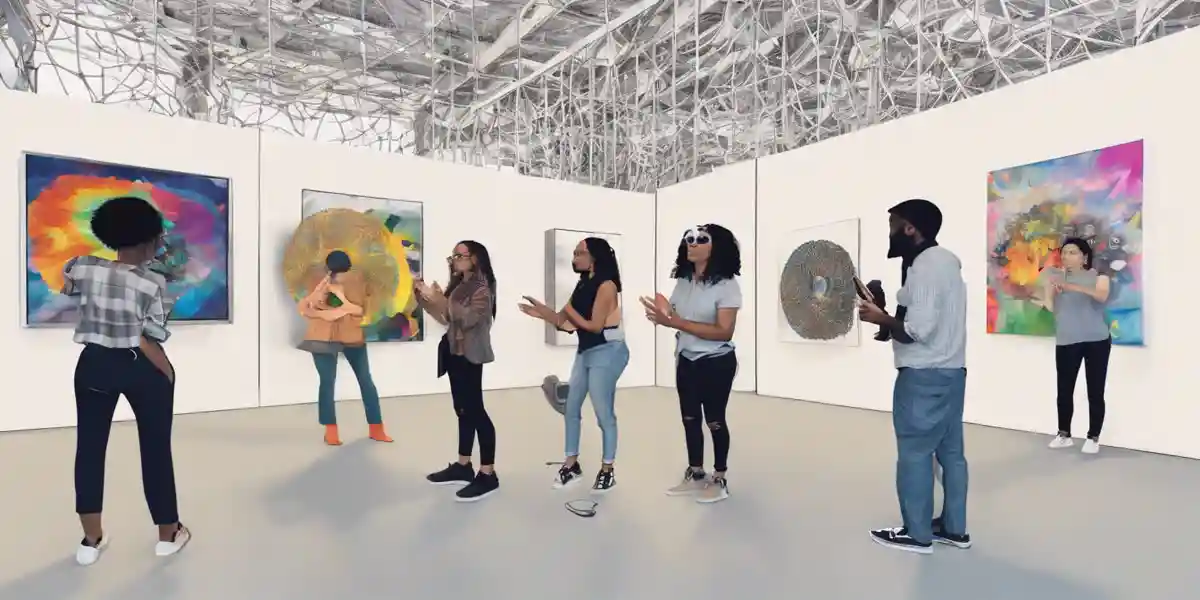
As we stand on the brink of a new era in art, the intersection of technology and creativity provides exciting possibilities for public art through virtual galleries. The emergence of decentralized art collectives, powered by blockchain technology, represents a paradigm shift in how art is created, curated, and consumed. Imagine a platform where artists, curators, and art enthusiasts from around the globe collaboratively create and curate virtual galleries that exist on the blockchain. This concept not only democratizes the art world but also fosters a sense of community and shared ownership.
A decentralized art collective operates as a digital space free from geographical barriers and institutional gatekeeping. Through the use of Non-Fungible Tokens (NFTs), each displayed artwork can be authenticated and owned on the blockchain, ensuring its provenance. An artist from a small town can now exhibit their work alongside renowned artists in a global virtual gallery. This not only enhances visibility but also allows artists to maintain control over their creations while earning royalties on secondary sales.
One of the most compelling aspects of virtual galleries is the potential for participatory curatorial practices. Community members can vote on which artworks to feature or even collaborate on thematic exhibitions, effectively blurring the lines between artist, curator, and audience. This engagement enriches the viewer's experience and cultivates a vibrant ecosystem where diverse voices are amplified. For instance, initiatives like "The Pillow Exchange: An Experiment in Art and Sleep," co-curated by Stacey Cann and Jasia Stuart, showcase how collaborative efforts can lead to innovative interpretations and displays of art.
Another illuminating example is a public generative art exhibition that engaged participants in creating artworks that were minted as NFTs. Over the course of a month, 229 participants contributed, resulting in the creation of 69 NFTs. This initiative not only demonstrated the power of collective creativity but also highlighted the complexities of digital ownership. Surveys and interviews revealed that the non-transferable nature of the NFTs and their unique acquisition circumstances fostered a sense of meaningful ownership beyond mere utility. Participants reported that these experiences helped shape their identities, emphasizing the need for a closer examination of digital possessions in Human-Computer Interaction (HCI) fields.
Virtual galleries powered by blockchain technology hold the potential to redefine public art, transforming it from a static and often inaccessible medium into a dynamic, inclusive, and participatory form of expression. This new form resonates with values of transparency, collaboration, and innovation, where the future of public art may lie in the hands of a global collective. Here, creativity knows no bounds, and every artist, regardless of their background or location, can contribute to the rich tapestry of cultural dialogue.
Smart contracts are revolutionizing the way we think about public art by adding layers of transparency, accessibility, and communal engagement. Imagine a world where artists are not just creators but also stakeholders in their work, where every piece of art tells a story of ownership and collaboration embedded in its digital DNA. The integration of smart contracts into public art initiatives paves the way for decentralized art collectives, fostering an inclusive ecosystem that benefits everyone involved.
At the heart of this transformation lies the concept of Decentralized Art Collectives. These digital spaces allow artists, curators, and art enthusiasts to collaboratively create and curate virtual galleries on the blockchain. Through the use of smart contracts, each artwork becomes a verifiable asset on the blockchain, ensuring authenticity and provenance. For instance, consider an artist from a rural area who can now showcase their work alongside internationally recognized peers in a global virtual gallery. Their art is not only democratized but also protected from unauthorized reproduction, thanks to the immutable nature of smart contracts.
Non-fungible tokens, or NFTs, are a key feature enabled by smart contracts that enhance the ownership experience for artists. Each NFT serves as a unique digital certificate, allowing artists to retain control over their creations while also earning royalties from secondary sales. This is a significant shift from traditional art markets, where artists often see little return after the initial sale. A striking example of this is the public generative art exhibition that enabled 229 participants to create and mint their own NFTs. Here, the non-transferable nature of the NFTs was crucial; it fostered a deeper sense of ownership and identity among participants. They were not just observers but active contributors to the art ecosystem, shaping their digital possessions in a way that transcends mere utility.
Smart contracts also facilitate participatory curatorial practices, where community members can vote on which artworks to feature or collaborate on thematic exhibitions. This blurs the lines between artist, curator, and audience, creating a vibrant ecosystem where diverse voices are amplified. For instance, in projects like "The Pillow Exchange: An Experiment in Art and Sleep," co-curated by Stacey Cann and Jasia Stuart, participants were not only able to view art but actively engage in its curation. Such participatory approaches transform the viewing experience, making it a communal effort rather than a solitary one.
Through smart contracts, virtual galleries built on blockchain technology have the potential to redefine public art. They can transform static displays into dynamic, inclusive, and participatory forms of expression. The core values of transparency, collaboration, and innovation become embedded in the very fabric of art creation and curation. As we look forward, it is clear that the future of public art may lie in the hands of a global collective, where creativity knows no bounds, and every participant has a stake in the narrative. In this evolving landscape, public art becomes not just a visual experience but an ongoing conversation among a diverse community of creators and viewers.
As we delve into the future of public art through the lens of technology, one profound development is the rise of decentralized art collectives enabled by blockchain technology. This intersection of art and tech not only democratizes the creative landscape but also redefines the very nature of artistic expression.
Imagine a virtual gallery where artists, curators, and art lovers from diverse backgrounds collaborate to create and curate art exhibitions on an equal footing. This is the essence of decentralized art collectives, where geographical barriers and institutional gatekeeping are rendered obsolete. By leveraging blockchain technology, every piece of art can be represented as a non-fungible token (NFT), ensuring not just authenticity and provenance, but also a clear pathway for artists to retain control over their work and earn royalties on secondary sales.
Consider an artist from a remote village who creates stunning digital art. In the traditional art world, this artist might struggle to gain visibility and recognition. However, within a decentralized art collective, they can showcase their work alongside established artists from around the globe. This not only amplifies their voice but also contributes to a richer, more diverse artistic narrative.
The concept of participatory curation is another exciting frontier in this new artistic landscape. Community members can engage in the curation process by voting on artworks to feature or collaborating on thematic exhibitions. This shifts the role of the curator from a singular authority to a communal facilitator, allowing for a multitude of interpretations and displays of art.
For instance, projects like "The Pillow Exchange: An Experiment in Art and Sleep" and "The Fountain Project: Duchamp as Muse" illustrate how innovative curatorial practices can engage audiences in meaningful ways. These participatory projects emphasize the importance of online networking, allowing for a collective knowledge-building process that enriches the viewer's experience and fosters a sense of community. In this scenario, the audience is not merely passive observers; they become active participants in the artistic dialogue.
One of the most intriguing aspects of merging technology with artistic expression lies in the concept of ownership. The proliferation of NFTs in public art exhibitions, as evidenced by a recent public generative art event that saw 229 participants create art and mint 69 NFTs, reveals the profound implications of digital ownership. Participants reported that the unique circumstances surrounding their NFT acquisitions created a sense of meaningful ownership that transcended the mere utility of the tokens.
This blending of art and technology enables individuals to shape their identities through digital possessions, fostering a deeper connection to their creations. The non-transferable nature of many NFTs ensures that each piece carries with it a story and a personal significance, making the ownership experience uniquely personal.
As we continue to explore these innovative "ownership designs," we find that they have the potential to revolutionize how we perceive not just art, but our relationship with it. The future of public art, therefore, may very well be a tapestry woven from diverse voices, experiences, and identities, all thriving within a decentralized framework.
At the intersection of virtual galleries and public art, decentralized art collectives emerge as a revolutionary concept that redefines how art is created, curated, and consumed. These platforms leverage blockchain technology to create a collaborative digital space where artists, curators, and enthusiasts from around the globe can engage with one another and with art in unprecedented ways.
Imagine a world where geographical limitations and institutional barriers no longer hinder artists from showcasing their work. Through the use of non-fungible tokens (NFTs), each piece of art can be verified, owned, and traded securely on the blockchain. This technology not only ensures authenticity but also provides clear provenance for each artwork, a feature that is particularly vital in the art world where forgery and misrepresentation can undermine an artist’s legacy.
For instance, an artist from a remote village could have their digital painting exhibited alongside works from established artists in a global virtual gallery. They can retain control over their creations while earning royalties from every secondary sale, thanks to smart contracts that automatically distribute payments. This aspect of ownership and economic agency is particularly empowering and can lead to a more diverse range of voices being heard in the art community.
In a decentralized art collective, the lines between artist, curator, and audience blur. Community members take an active role in the curatorial process—voting on which artworks to feature or collaborating on thematic exhibitions. This participatory model is reminiscent of recent trends in online curation that emphasize collective engagement rather than the vision of a singular curator.
For example, innovative projects like "The Pillow Exchange: An Experiment in Art and Sleep" and "The Fountain Project: Duchamp as Muse" showcase how participatory online curation can lead to diverse interpretations and experiences of art. By engaging the community in curatorial practices, these projects not only democratize the art world but also enrich the viewer's experience, fostering a vibrant ecosystem where various artistic voices can thrive.
Furthermore, the rise of NFTs has transformed the way we think about ownership in the digital realm. A recent public generative art exhibition allowed participants to create their artworks and mint NFTs, resulting in 69 unique tokens being produced from 229 participants. This experience highlighted how the non-transferable nature of NFTs can create meaningful ownership beyond mere utility, allowing individuals to shape their identities through the art they create and collect.
This phenomenon calls for a deeper exploration of digital possessions within Human-Computer Interaction (HCI), emphasizing the potential for innovative "ownership design" that reflects the multifaceted nature of contemporary art practices. By integrating elements of digital ownership into virtual galleries, we can cultivate a richer, more meaningful relationship between artists and their audiences.
The integration of blockchain technology into virtual galleries has the potential to redefine public art fundamentally. No longer a static or inaccessible medium, art can become a dynamic, inclusive, and participatory form of expression that resonates with contemporary values. As we move forward, the future of public art may very well lie in the hands of decentralized art collectives where creativity knows no bounds, and where every voice has a chance to be heard.
As we conclude our exploration of virtual galleries and the pivotal role of smart contracts in the future of public art, it's evident that we are at the threshold of a transformative journey. This blog post has illuminated the ways in which decentralized art collectives, empowered by blockchain technology, are reshaping the landscape of artistic expression. From the introduction of virtual galleries that break geographical barriers to the innovative functionality of smart contracts that ensure authenticity and fair compensation, we are witnessing a democratization of art that has the potential to engage communities in unprecedented ways.
We discussed how smart contracts enable artists to retain ownership of their works and earn royalties, fostering an environment where creativity flourishes without the constraints of traditional art markets. Participatory curation practices encourage audiences to become active participants in the artistic dialogue, further blurring the lines between artist, curator, and viewer. The case studies presented, particularly the public generative art exhibitions, serve as powerful examples of how collective creativity can lead to meaningful ownership experiences that resonate with personal identity.
Looking ahead, the implications of these advancements are profound. The future of public art is not merely about displaying artworks in virtual spaces; it is about creating vibrant, interactive ecosystems where diverse voices can contribute to a rich cultural tapestry. Each of us has a role to play in this emerging narrative—whether as artists, curators, or audiences—shaping the future of art in a way that is inclusive, transparent, and innovative.
As we step forward, consider how you can engage with this new paradigm. Are you an artist eager to explore the opportunities presented by NFTs? A curator looking to leverage participatory practices? Or perhaps an art enthusiast curious about how technology can deepen your connection to art? The canvas is vast, and the brush is in your hands. Join the conversation, participate in the collective, and help redefine what public art can be in this digital age.
What will your contribution to this exciting future be?
Get notified about new articles, coffee tips, and Web3 insights.
This site participates in affiliate programs and may earn a commission when a link is clicked and a purchase is made. The site is not responsible for any issues or troubles related to the products or services purchased through the use of this site.

DO&COFFEE loves coffee and technology, exploring the potential of NFTs and blockchain. Learn more →
DO&COFFEE loves coffee and technology, exploring the potential of NFTs and blockchain. Learn more →