coffee
2025/03/13

Imagine stepping into a cozy corner of your home, where the air is filled with the rich aroma of freshly brewed coffee, instantly transporting you to a quaint café in Japan. In this blog post, we invite you to explore the intricate world of Japanese coffee culture—a fascinating blend of age-old traditions and modern techniques. We will uncover the evolution of coffee in Japan, highlighting key influences that have shaped its unique brewing methods. From the meticulous art of pour-over coffee to the refreshing delight of Japanese iced coffee, you'll discover diverse brewing styles that not only celebrate flavor but also embody a cultural narrative steeped in mindfulness and craftsmanship.
As we delve deeper, you'll learn how to create your very own coffee corner at home, equipped with essential brewing tools and expert tips for curating a selection that reflects the beauty of Japanese aesthetics. By the end of this journey, you won’t just have a new appreciation for Japanese coffee; you’ll be inspired to craft your own rituals, savoring each sip as part of a larger lifestyle that values the art of brewing. Join us as we embark on this aromatic adventure, where every cup tells a story and transforms your coffee experience into a cherished moment of joy.
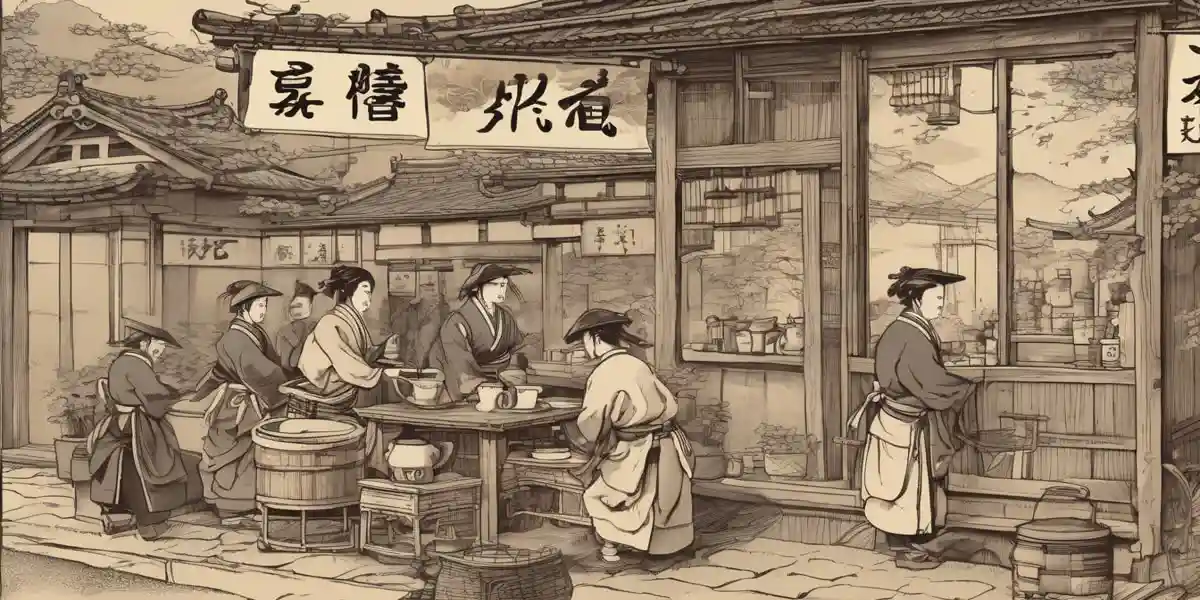
Japanese coffee culture is a fascinating blend of tradition and innovation, reflecting the country's rich history and evolving tastes. In this section, we will explore the evolution of coffee in Japan, tracing its journey from foreign novelty to an integral part of daily life.
Coffee made its entrance into Japan in the early 18th century, introduced by Dutch traders. Initially, it was a curiosity reserved for the elite, often consumed in the form of "kōcha" (black tea) during the Edo period. However, it wasn't until the Meiji Restoration in the late 19th century that coffee truly began to take root in Japanese society. This period marked a significant shift as Japan opened its doors to Western influences, and coffee became associated with modernity and sophistication.
By the early 20th century, coffee houses, known as "kissa-ten," emerged, offering a space for socialization and a taste of the West. These establishments were not merely places to drink coffee; they became cultural hubs where people gathered to discuss literature, art, and politics. The atmosphere of a kissa-ten is distinct, often characterized by a relaxed environment and an emphasis on the craft of brewing coffee.
One notable development in the evolution of Japanese coffee was the introduction of the "pour-over" method, which gained popularity in the 1970s. This technique emphasizes precision and control, allowing for a unique expression of flavor that many coffee enthusiasts appreciate. Manual brewing methods, such as the Hario V60, not only enhance the taste but also elevate the experience of making coffee into a mindful ritual.
As Japan continued to embrace coffee culture, the craft evolved further. The emergence of specialty coffee shops in the late 20th century marked a significant turning point, with a focus on high-quality beans, meticulous brewing methods, and an appreciation for the subtleties of flavor. This shift reflects a broader trend towards artisanal practices in food and drink, where consumers seek authenticity and quality over convenience.
Today, coffee in Japan is celebrated not just for its flavor but as a part of a lifestyle that values mindfulness and craftsmanship. The intricate preparations and dedication to detail can be seen in various regional styles, such as the cold brew method from Kyoto, which requires hours of careful steeping, embodying the patience and aesthetic sensibilities of Japanese culture.
This section delves into the historical context and cultural significance of coffee in Japan, highlighting its transformation from a foreign novelty to a cherished national pastime while ensuring no overlap with the influences on Japanese brewing techniques.

Japanese coffee brewing techniques are a fascinating intersection of cultural influences, historical events, and technological advancements. The meticulous nature of these methods reflects Japan's broader ethos of craftsmanship and attention to detail. Let's explore the key influences that have shaped the unique brewing practices found in Japan.
The introduction of coffee to Japan in the 17th century marked the beginning of a long and evolving relationship with this beloved beverage. Initially brought over by Dutch traders, coffee was primarily consumed in port cities like Nagasaki. However, it wasn't until the late 19th century that coffee began to infiltrate Japanese society on a larger scale, thanks in part to the influence of Western culture during the Meiji Restoration. This period saw the establishment of coffee shops, which became social hubs for the modernizing Japanese populace. The integration of Western brewing techniques laid the groundwork for what would eventually evolve into distinctly Japanese practices.
One of the standout features of Japanese coffee brewing is its emphasis on precision and control, particularly evident in methods like the pour-over technique. Research has shown that manual brewing, such as the popular V60 method, allows for greater manipulation of variables like grind size, water temperature, and extraction time. This meticulous approach is not merely about making coffee; it is a ritualistic process that requires patience and skill. For example, a slight variation in water temperature can significantly alter the coffee's flavor profile, affecting its acidity and body. As enthusiasts and professionals continue to refine these techniques, they contribute to a deeper understanding of the science behind brewing.
Japanese culture is renowned for its appreciation of aesthetics and mindfulness, and this is beautifully reflected in coffee brewing practices. The concept of "Karakuchi," or the pursuit of a clean and crisp flavor, embodies the Japanese philosophy of simplicity and elegance. Coffee is not just a drink; it’s an experience to be savored. Techniques such as Kyoto-style cold brew exemplify this ethos, requiring up to 12 hours of careful steeping. This slow brewing process not only enhances the flavor but also encourages a moment of reflection, inviting drinkers to engage deeply with the beverage they are about to enjoy.
In recent years, technological advancements have also influenced Japanese coffee brewing techniques. Automated brewing devices, while somewhat at odds with the manual approach, have found a place in the market. These tools offer consistency and convenience, appealing to the busy modern consumer. However, they do not replace the artistry of hand brewing; rather, they coexist, providing options for different preferences and lifestyles. The fascination with both traditional and modern methods allows for a rich dialogue within the coffee community, where both approaches can be appreciated for their unique contributions to flavor and experience.
Finally, the evolution of coffee culture in Japan has been significantly shaped by the unique characteristics of its cafés. These spaces serve as more than just places to enjoy coffee; they are communal hubs that blend modernity with traditional practices. Cafés in urban Japan often highlight the artistry involved in coffee preparation, creating an atmosphere where customers can witness the intricate brewing process. This social dynamic fosters a deeper connection between coffee and community, enhancing the overall experience of enjoying a cup. The cafés embody the spirit of "third places," where people can gather, share, and appreciate the nuances of coffee culture.
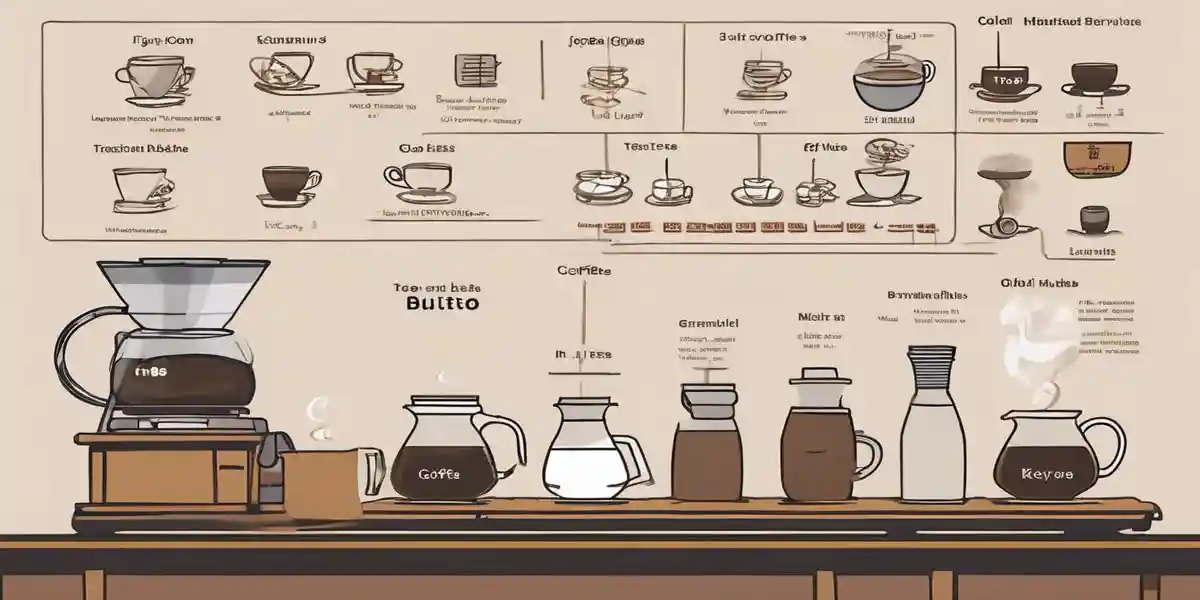
In the intricate world of coffee, few cultures celebrate the brewing process as deeply as Japan. Here, coffee isn't just a beverage; it's an art form steeped in tradition and meticulous craftsmanship. The Japanese approach to coffee brewing marries precision with an ethos of mindfulness, creating a sensory experience that goes far beyond simply drinking a cup of joe.
At the heart of Japanese coffee brewing lies the pour-over method, particularly exemplified by the use of tools like the Hario V60. Unlike the mechanical brewing processes that favor speed and automation, the pour-over technique invites an intimate connection between the brewer and the coffee. It allows for a level of control that is both empowering and meditative.
Consider this: when preparing a pour-over, the grind size of the coffee, the water temperature, and the timing of each pour all play crucial roles in the final flavor profile. Research suggests that slight adjustments in these variables can significantly alter the taste, aroma, acidity, and body of the coffee. For instance, a finer grind may lead to a bolder, more intense flavor, while coarser grounds allow for a smoother, more delicate experience. Each cup brewed becomes a personal expression, a reflection of the brewer's intent and skill.
Another fascinating method that showcases the Japanese coffee tradition is the Kyoto-style cold brew. This method embodies patience and artistry, as it requires a slow, drip brewing process that can take up to 12 hours. Water drips slowly over coffee grounds, extracting flavors gently and creating a brew that is smooth and nuanced. The result is a rich, complex beverage that reflects the elegance of Japanese aesthetics.
In Kyoto cafés, this slow brew often becomes a social ritual, inviting conversation and contemplation. Imagine sitting in a serene environment, the sound of dripping water punctuating the silence, as you await a coffee that has been transformed by time and care. This method not only serves as a testament to the Japanese respect for craftsmanship but also enhances the communal experience of enjoying coffee together.
Delving deeper into the mechanics of Japanese coffee brewing, studies reveal the significant impact of manual versus mechanical techniques on flavor outcomes. Manual brewing techniques, like the V60 pour-over, allow for greater precision and adaptability, enabling the brewer to make real-time adjustments based on the unique characteristics of the coffee beans being used. In contrast, mechanical methods may prioritize consistency at the expense of nuanced flavors.
For coffee enthusiasts and industry professionals alike, this understanding of brewing science is vital. Research demonstrates that carefully controlling variables such as water temperature and brewing time can enhance the overall coffee experience. When coffee is brewed with intention, it not only elevates the drink itself but also transforms the act of brewing into a mindful ritual that encourages appreciation for the subtleties of flavor.
In Japan, cafés serve as more than just places to grab a caffeine fix; they are cultural hubs that blend modernity with tradition. The unique characteristics of Japanese cafés foster social dynamics that enrich urban life. These spaces create what sociologists refer to as "third places"—public settings distinct from home and work where community connections are nurtured.
As coffee culture continues to evolve, its role within Japanese society becomes ever more pronounced. From the artistry involved in brewing to the communal experiences fostered in cafés, Japanese coffee culture represents a blend of historical influences and contemporary practices, encapsulating a lifestyle that celebrates mindfulness and appreciation in every sip.
As we conclude our exploration of the rich world of Japanese coffee, it becomes clear that this beloved beverage is far more than a mere daily ritual; it is a profound cultural experience steeped in history, artistry, and community. From its introduction by Dutch traders in the 18th century to the contemporary practices that emphasize precision and mindfulness, Japanese coffee culture embodies a fascinating blend of tradition and innovation.
We have delved into the evolution of coffee in Japan, observing how it transformed from an elite curiosity to a cornerstone of social interaction, particularly within the inviting atmosphere of kissa-ten and specialty coffee shops. The meticulous brewing techniques—such as the pour-over method and Kyoto-style cold brew—highlight the Japanese commitment to craftsmanship and the appreciation of flavor. They remind us that coffee brewing can be a meditative practice, allowing us to connect with the present moment and enjoy the subtleties of each sip.
Moreover, our discussion on creating your own coffee corner offers practical insights for those wishing to bring a touch of Japanese coffee culture into their homes. With the right equipment, curated selections, and thoughtful hosting tips, you can create an inviting space for yourself and others to experience the beauty of Japanese coffee rituals.
In a world that often prioritizes speed and convenience, the Japanese approach to coffee serves as a gentle reminder to pause, savor, and appreciate the craftsmanship behind our daily rituals. So, as you venture into your coffee corner, consider this: how can you infuse mindfulness and artistry into your own coffee experience? Whether you choose to experiment with brewing techniques or explore new coffee varieties, let each cup reflect your journey of discovery and appreciation.
As you sip your coffee, take a moment to reflect on the rich tapestry of culture that surrounds it. Let the experience inspire you to explore other traditions, engage with the stories behind your favorite brews, and perhaps even share your newfound knowledge with friends. In doing so, you not only enrich your own life but also contribute to the broader appreciation of this exquisite beverage that connects us all.

Get notified about new articles, coffee tips, and Web3 insights.
This site participates in affiliate programs and may earn a commission when a link is clicked and a purchase is made. The site is not responsible for any issues or troubles related to the products or services purchased through the use of this site.

DO&COFFEE loves coffee and technology, exploring the potential of NFTs and blockchain. Learn more →
DO&COFFEE loves coffee and technology, exploring the potential of NFTs and blockchain. Learn more →