art
2024/09/14
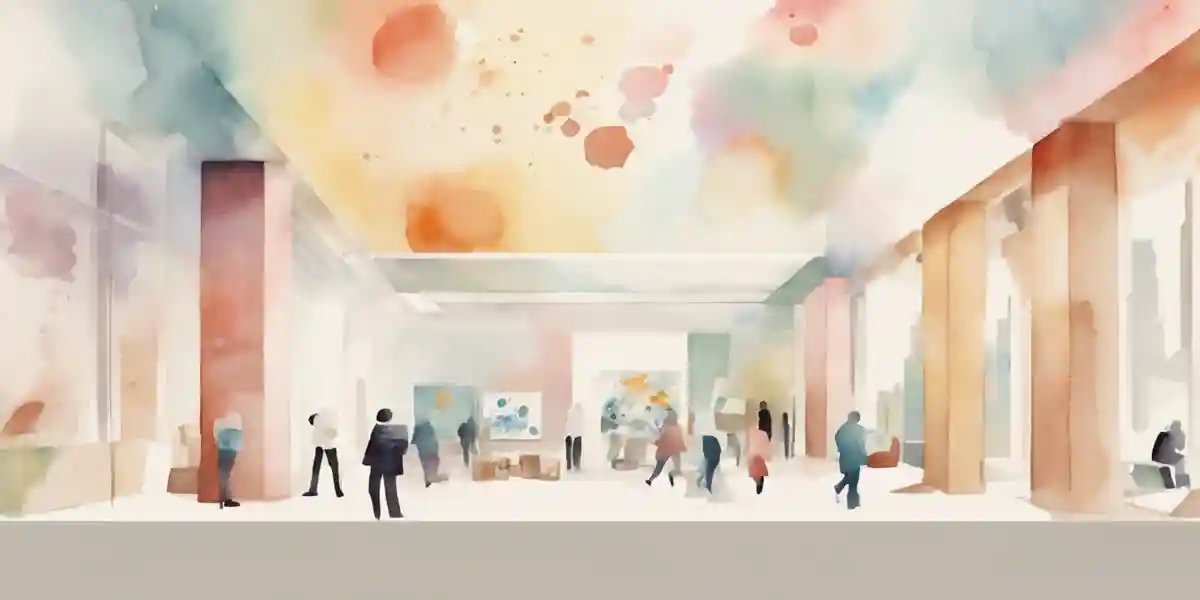
As we find ourselves on the cusp of a technological renaissance, the world of contemporary art is being profoundly reshaped by the innovations around us. Imagine stepping into a modern art museum and not just viewing art, but engaging with it in ways previously unthinkable—using augmented reality to unlock the hidden narratives behind each piece. This blog post explores how famous contemporary artists, such as Ai Weiwei, Yayoi Kusama, and Banksy, are at the forefront of this transformation, utilizing technology to revolutionize our interactions with art. From immersive installations that blend digital and physical worlds to the disruptive potential of NFTs, the integration of technology into the museum experience is not merely a trend; it’s a pivotal shift that invites us to reconsider what art can be and who can access it. As we dive into this fascinating intersection of creativity and innovation, we will uncover how these changes not only enhance viewer engagement but also challenge traditional concepts of authorship and artistic expression. What does this mean for the future of museums, and how will it shape our understanding of creativity itself? Join us as we navigate this exciting new frontier.
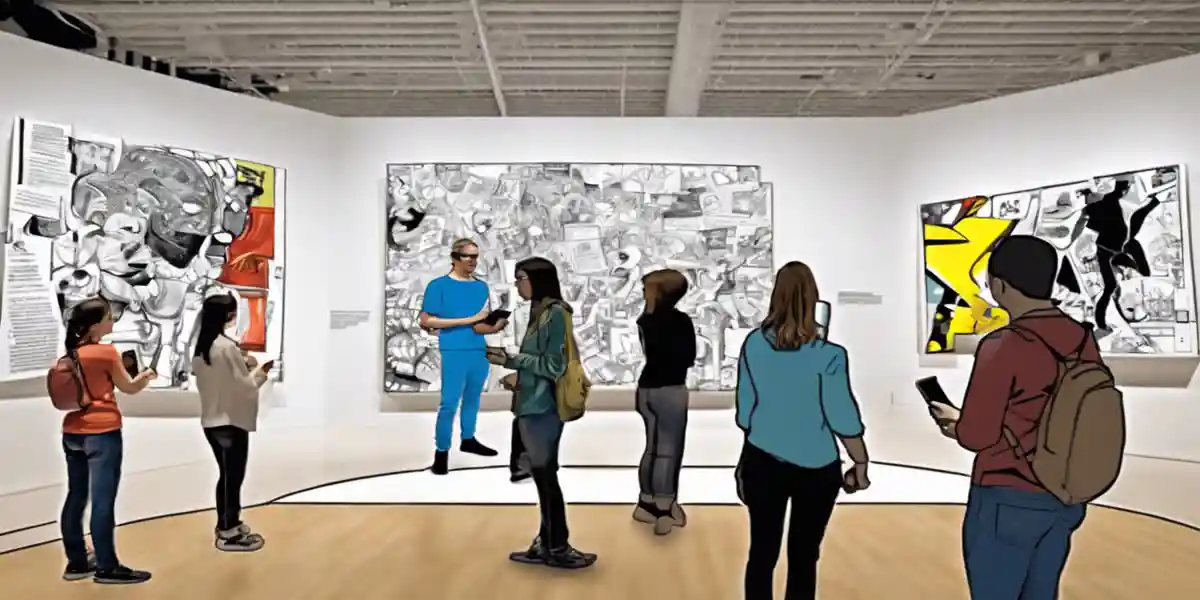
The integration of art and technology is reshaping how we experience contemporary art in profound ways. At the forefront of this transformation is the use of augmented reality (AR), which enhances museum visits by allowing audiences to interact with art pieces in ways that were previously unimaginable. Picture stepping into a modern art museum, where instead of standing at a distance, you can engage with art through your smartphone or AR glasses, unveiling layers of meaning and context that deepen your appreciation of the work.
Augmented reality provides a virtual layer that adds depth to the viewing experience, offering insights into an artist's intentions, historical context, and creative process. For example, renowned contemporary artist Olafur Eliasson is celebrated for his immersive environments that challenge our perceptions of light and space. Imagine an installation where, through AR, visitors can see dynamic visual overlays demonstrating the scientific principles behind Eliasson’s work. This not only enhances the aesthetic experience but also bridges the gap between art and science, allowing viewers to engage with the artwork on a more intellectual level.
Similarly, artists like Marina Abramović are revolutionizing the realm of performance art through the adoption of AR. By using this technology, audiences could not only witness past performances but also participate in them from various locations around the world. This democratization of art expands the reach of such works, inviting a global audience to engage in a shared experience. It raises a compelling question: how does this shift in access affect our understanding of the artist's intent and the nature of performance itself?
Research underscores the impact of digital enhancements in museum settings. One study highlights how AR can enrich visitor engagement by incorporating visuals that align with an artwork's style or introducing 3D animations that relate to the pieces on display. By utilizing Parsons' theory on art perception, findings suggest that these digital elements significantly enhance viewers’ experiences and comprehension of art. Such integrations are not merely technological novelties; they represent a deeper understanding of how contemporary audiences engage with visual culture.
As the museum and gallery sector increasingly adopts immersive technologies, the dynamics of cultural exchange are also evolving. A study exploring the UK and China reveals a dual commitment to leveraging technology for cultural growth. However, it also uncovers a gap in understanding audience preferences and behaviors regarding these innovations. This highlights the necessity for museums to glean insights into how audiences interact with technology, ensuring that the experiences they offer resonate with diverse audiences.
The 21st century has ushered in a new era for museums, where the balance of education and entertainment—often referred to as "edutainment"—is paramount. Rapid technological advancements enable museums to incorporate diverse digital resources, creating interactive and immersive learning experiences. By connecting visitors to the cultural treasures they preserve, museums can fulfill their dual mission of educating and entertaining, ensuring their relevance in an increasingly digital world.
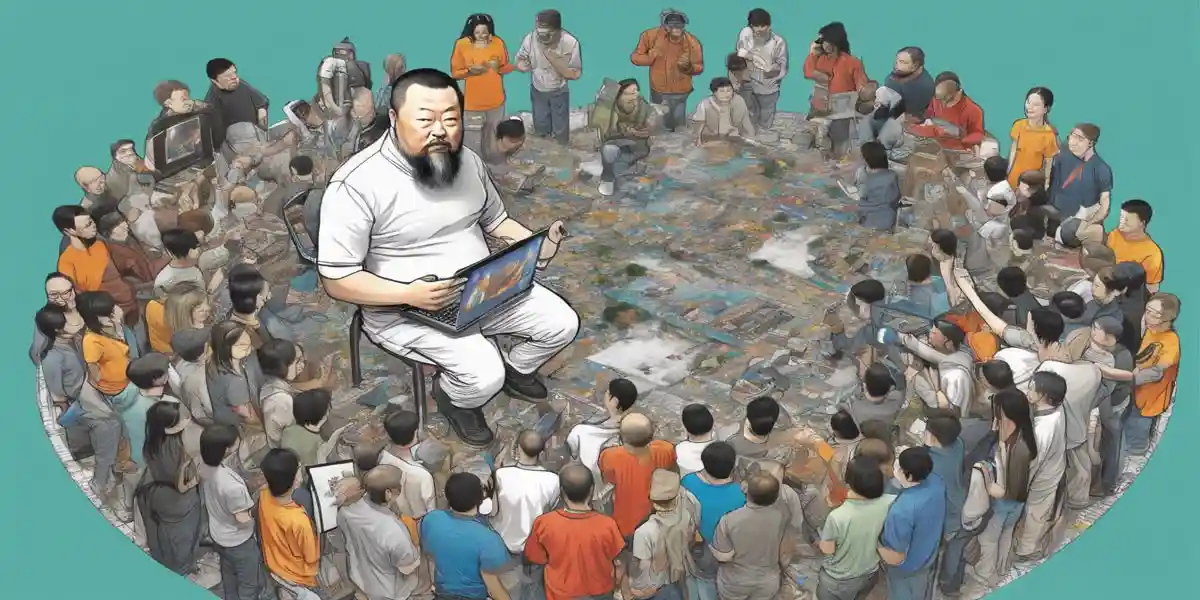
In the age of digital communication, few contemporary artists have successfully harnessed the power of social media to amplify their message and engage with a global audience as effectively as Ai Weiwei. His work transcends traditional art forms, transforming social commentary into a digital movement that resonates across platforms and demographics. This case study explores how Ai Weiwei's innovative use of social media has not only shaped his artistic narrative but also redefined audience interaction with contemporary art.
Ai Weiwei’s approach to art is deeply intertwined with activism. His use of social media platforms like Twitter and Instagram serves as a canvas for his thoughts, experiences, and artistic expressions. For instance, in 2015, he launched the #RefugeesWelcome campaign on his social media channels, which coincided with the global refugee crisis. By sharing powerful images and messages, he mobilized his followers to engage in discussions about migration, human rights, and empathy. This initiative exemplifies how social media can transform personal art into a collective dialogue, urging followers to not only view art but to participate in the ongoing narrative of societal issues.
Before the rise of digital platforms, accessing contemporary art often required visiting galleries or museums, limiting the audience to those physically present. Ai Weiwei has effectively dismantled these barriers, using social media to broadcast his work to millions. His installation, "Sunflower Seeds," which features millions of handcrafted porcelain seeds, initially captivated audiences in the Tate Modern. However, it was his subsequent use of social media to discuss the piece's meanings and implications that expanded its reach globally. Followers could interact with his posts, ask questions, and share their interpretations, thereby enriching their experience and understanding of the artwork.
In addition to social media, Ai Weiwei embraces technology to deepen audience engagement. His collaboration with the tech company, Awwwards, allowed for an interactive online experience that brought viewers into his world. Through virtual reality (VR) and augmented reality (AR) applications, users could explore his installations from anywhere in the world, experiencing the depth and context of his works in a way that traditional museum visits could not offer. This technological integration aligns with the findings from recent studies that highlight the positive impact of digital enhancements on viewer experiences, as they foster a greater understanding and appreciation of art.
Ai Weiwei's strategic use of social media and technology raises important questions about the future of artistic expression and museum experiences. As contemporary artists like him continue to leverage these platforms, how will traditional art institutions adapt to remain relevant? Will museums evolve into participatory spaces that emphasize dialogue over mere observation? The answers to these questions will shape the trajectory of contemporary art, as artists and institutions navigate the delicate balance between technology, engagement, and the essence of art itself.
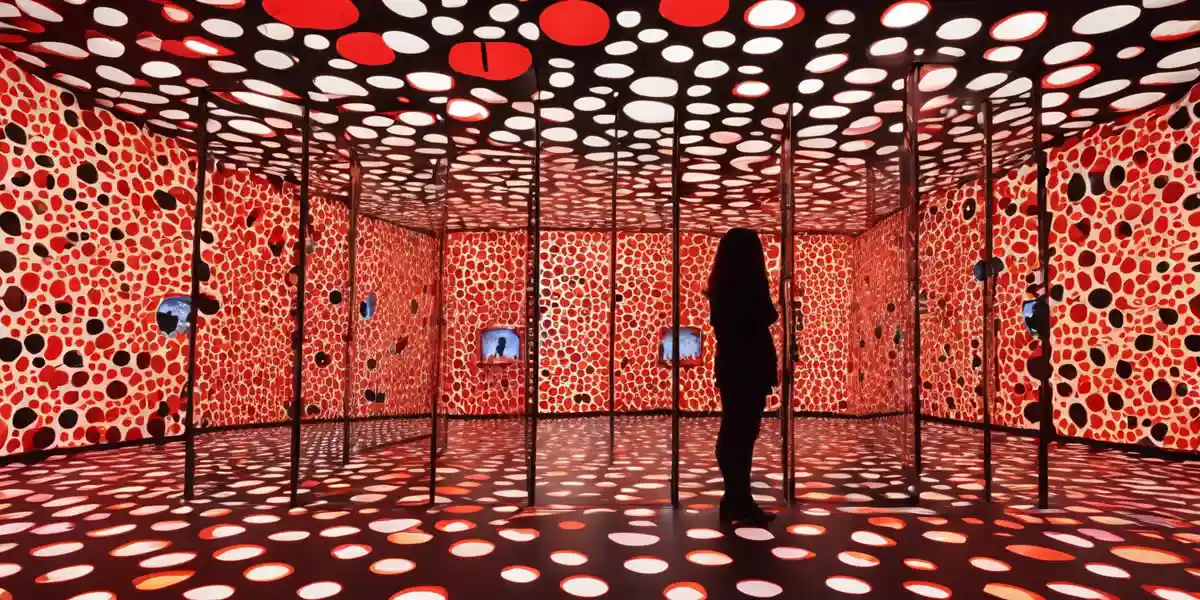
Yayoi Kusama, a luminary of contemporary art, seamlessly intertwines her unique artistic vision with advanced technology to create immersive experiences that captivate and inspire. Known for her iconic polka dots and infinity rooms, Kusama's work transcends traditional art forms, transforming how audiences interact with her pieces through the integration of augmented reality (AR) and other technological innovations.
One of Kusama's most celebrated installations is the series of Infinity Mirror Rooms, where visitors are enveloped in a mesmerizing world of reflections and lights. These installations, often described as portals to endlessness, create a surreal, immersive experience that engages the viewer on multiple sensory levels. With the recent adoption of AR technology, museums have begun to enhance these experiences further. For instance, visitors equipped with AR glasses can see digital overlays that expand upon the themes of infinity and perception, providing deeper insight into Kusama's artistic intentions and the psychological concepts behind her work.
Imagine walking into a gallery featuring Kusama's art, and as you focus your smartphone camera on a particular piece, dynamic animations emerge, illustrating the story behind the creation of that artwork. This concept is not far-fetched, as recent studies highlight the effectiveness of digital enhancements in enriching visitor engagement. According to research utilizing Parsons' theory on art perception, AR elements that complement the original artwork significantly enhance viewers' understanding and emotional connection to the art. Such technology allows audiences to peel back layers, revealing the historical context and personal narratives embedded in Kusama's creations.
Kusama's commitment to inclusivity and accessibility is reflected in her public installations, such as "The Obliteration Room." This interactive piece invites visitors to cover an all-white room with colorful dot stickers, transforming the space into a vibrant explosion of color. By incorporating technology, museums can enable remote participation, allowing individuals from around the world to contribute digitally to the work. For instance, through a dedicated app, users could virtually place dots in real-time, fostering a global dialogue around Kusama's themes of community and individual expression.
The integration of immersive technologies not only enhances the viewing experience but also encourages audiences to engage with the artwork actively. This participatory approach aligns with findings from studies on the museum and gallery sector, which emphasize the importance of audience interaction for effective communication in contemporary art. As Kusama's installations become more digitally interactive, they challenge traditional notions of passive viewing, inviting spectators to become co-creators in the artistic experience.
The intersection of Kusama's work and technology raises essential questions about authorship and the evolution of artistic expression. As we witness this transformation, it becomes clear that the future of museums lies in embracing these technological advancements to create more engaging, educational, and inclusive experiences. By exploring Kusama's art through the lens of technology, we can appreciate not only her groundbreaking contributions to contemporary art but also the potential for a more interconnected and enriched understanding of art in the digital age.
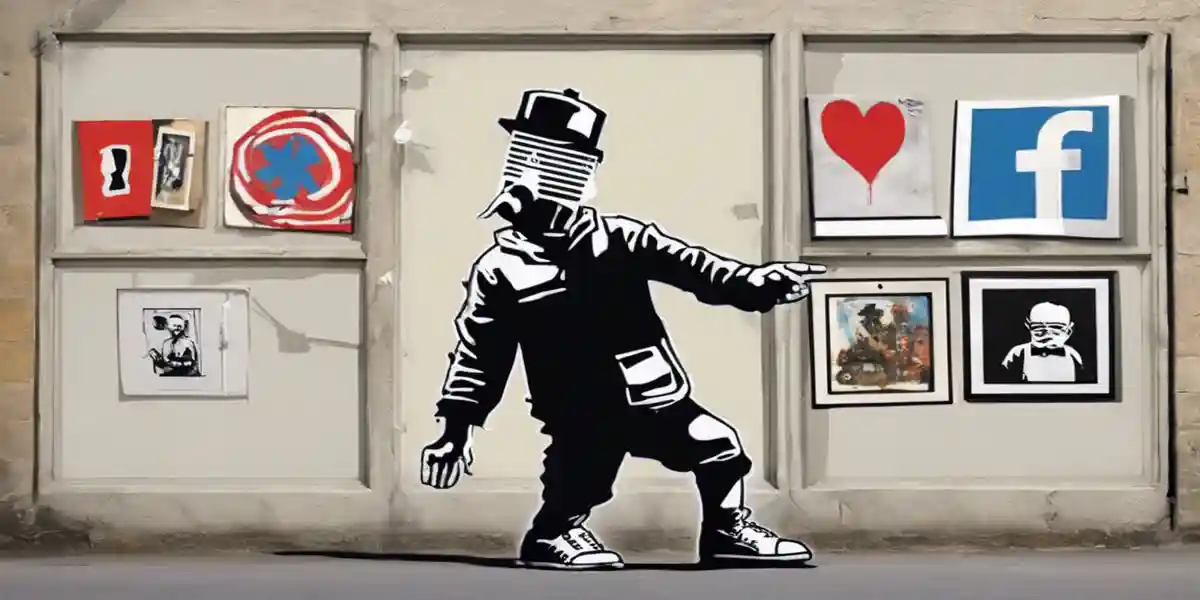
As we navigate the intersection of art and technology, few artists embody this transformation as strikingly as Banksy. In a world where the digital landscape continually reshapes our interactions with culture, Banksy has not only embraced this shift but has also leveraged technology to challenge and redefine our understanding of art. His work prompts us to question: how can art exist in a digital realm, and what does that mean for traditional concepts of authorship and authenticity?
In recent years, non-fungible tokens (NFTs) have surged in popularity, providing a new avenue for artists to monetize their work while ensuring originality and ownership in the digital space. Banksy has entered this arena with his unique flair. For instance, his infamous piece "Love is in the Bin," which self-destructed after being sold at auction, was later transformed into an NFT, merging physical and digital art in a way that only Banksy could. The digital version of the artwork retains the essence of the original while also inviting a new audience to engage with it in a virtual format.
Imagine visiting a museum where Banksy's art isn't just a static display on the wall, but an interactive experience enhanced by augmented reality (AR). This concept isn't far-fetched; it reflects a growing trend in contemporary art exhibitions. The integration of AR allows viewers to engage with Banksy's work beyond mere observation. For example, visitors could point their smartphones at his iconic graffiti pieces and unlock animations or audio commentaries that delve into the themes of social justice and political critique that are central to his work.
Such enhancements could align with findings from recent studies that suggest AR significantly enriches the viewer's experience and understanding of art. By incorporating AR, museums can facilitate a deeper connection between the artwork and the audience, echoing Banksy's own ethos of making art accessible and engaging for everyone. This aligns with the notion that contemporary art necessitates active involvement from spectators, allowing them to decode the messages within the artwork more effectively.
Another way Banksy is redefining art in the digital age is through his use of social media and viral marketing. His ability to disseminate messages quickly and widely has transformed the traditional pathways of art communication. For example, when Banksy released "Girl with Balloon" as an NFT, it wasn't just about selling art; it was a statement on the commodification of art itself. Banksy’s strategic use of platforms like Instagram and Twitter allows him to bypass conventional art institutions, engaging directly with a global audience.
This method of communication resonates with the findings from research on the evolution of contemporary art forms, which emphasizes the importance of effective engagement and the need for art to connect with audiences in meaningful ways. Banksy's work often serves as a mirror reflecting societal issues, and by leveraging digital platforms, he expands the reach and impact of his messages.
In the digital age, the question of authorship becomes increasingly complex. Banksy’s choice to remain anonymous challenges the conventional understanding of an artist's identity and its relevance to their work. This anonymity, coupled with the digital replication of his art, raises intriguing questions about the essence of creativity. Is the value of art determined by the artist's identity, or can it transcend that boundary when it resonates with a broader social narrative?
The rise of digital art forms, including those created by Banksy, complicates traditional notions of originality. As audiences engage with these pieces through various digital formats, they become active participants in the artwork's life, contributing to its meaning and significance. This shift aligns with the ongoing dialogue about how technology alters our perception of creativity and the role of the audience in the art consumption process.
By challenging these norms, Banksy not only redefines his own work but also invites us to reconsider the future of artistic expression in an increasingly digital world.
The integration of augmented reality (AR) in contemporary art museums has become a game-changer, enhancing how audiences interact with and understand art. Imagine stepping into a gallery where, with a simple glance at your smartphone or AR glasses, the artwork comes alive. This technology offers a virtual layer that adds depth, context, and narrative, transforming passive observation into an immersive experience.
One striking example is the work of Olafur Eliasson. Known for his captivating installations that explore human perception and natural phenomena, Eliasson’s pieces could be enhanced through AR. Visitors could witness dynamic visual overlays that demonstrate the principles of light and perception, deepening their understanding of the science behind his art. By viewing his installations through AR, guests could uncover hidden narratives and engage with the themes of his work in a more profound way. This type of experience aligns with research findings that show digital enhancements, such as 3D animations or visuals matching a painting's style, significantly boost viewer engagement and comprehension.
Consider the potential of artists like Marina Abramović, who could revolutionize performance art through AR technologies. Imagine being able to witness her past performances in real-time, or better yet, participate in them from thousands of miles away. This capability not only broadens the audience base but democratizes access to art, allowing anyone with an internet connection to engage in profound artistic experiences regardless of their physical location. This shift challenges traditional notions of artistic authorship and invites broader discussions about the nature of art consumption in the digital age.
As museums increasingly adopt technologies like AR and VR, they must also consider how these innovations impact audience engagement. Research highlights the importance of effective communication in contemporary art, suggesting that artworks require active involvement from spectators for full comprehension. When AR is incorporated into exhibitions, it invites visitors to decode the artist's intent and the underlying messages within the art, fostering a new level of interaction.
In the UK and China, museums are exploring the impact of immersive and interactive technologies. These technologies enhance cultural growth and creative industries, but studies reveal gaps in understanding audience preferences and behaviors regarding these experiences. Insights from user research indicate that while many are open to engaging with AR and VR, there’s still a significant need for museums to tailor these experiences to match audience interests. This alignment is crucial for enhancing visitor engagement and ensuring that the technology serves its purpose of enriching the art experience.
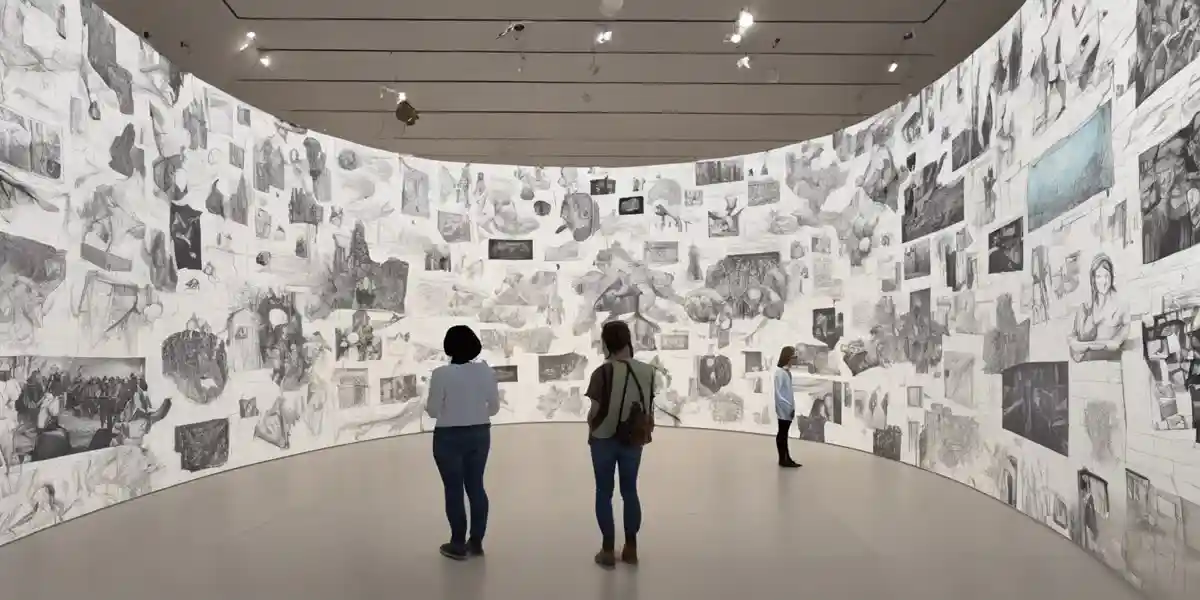
The evolution of museums towards a blend of education and entertainment—often referred to as "edutainment"—is driven by technological advancements. By leveraging digital resources, museums can create interactive and immersive learning experiences that connect visitors to the treasures they preserve. As museums design these experiences, the focus on accessibility is paramount. Creating an inclusive environment where all visitors can engage with art, regardless of their background or abilities, is essential for the future of museum experiences.
As we continue to explore the intersection of contemporary art and technology, the question remains: How will these advancements reshape our understanding of creativity and artistic expression in the years to come?
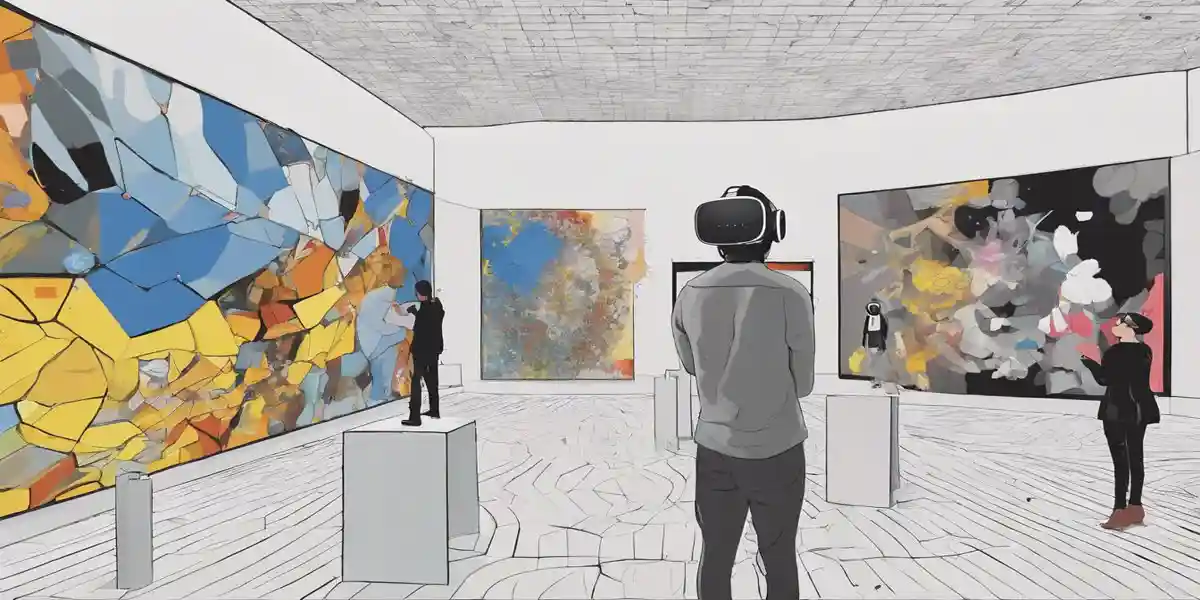
The integration of virtual reality (VR) into the museum experience is not just a trend; it represents a profound transformation in how we engage with contemporary art. Imagine stepping into an exhibition where the boundaries of physical space dissolve, allowing you to explore alternate realities crafted by artists. This is the promise of VR technology—an opportunity to immerse ourselves completely in the artistic narrative.
Research indicates that the incorporation of digital enhancements, such as visuals that complement the painting's style or dynamic 3D animations, significantly enriches the viewer's experience. For instance, a VR exhibition might allow visitors to step inside a painting, experiencing a 360-degree view of the artist's world. The study utilizing Parsons' theory on art perception found that these enhancements not only elevate engagement but also deepen understanding of the artwork itself. Imagine navigating through a Van Gogh painting where you can see the brush strokes come alive, providing insight into the artist's technique and intention.
One notable example is the work of contemporary artist Olafur Eliasson. His installations often play with light, perception, and the natural environment. Through VR, visitors can engage with his art in ways that transcend physical limitations. They might explore a virtual version of Eliasson's "The Weather Project," where they can interact with the manipulated light and experience how it alters their perception of space. This blend of art and science not only enhances the experience but also invites viewers to contemplate the broader implications of their surroundings.
Performance art, an often ephemeral medium, finds a new platform through VR. Artists like Marina Abramović are pioneering this shift, allowing audiences to participate in or observe performances from anywhere in the world. Imagine being able to witness Abramović's iconic works, such as "The Artist Is Present," in real-time through a VR headset. This not only democratizes access to art but also fosters a global dialogue about the experience of performance. The immersive nature of VR can evoke emotions and reactions that traditional formats might not achieve, prompting us to consider how we connect with the artist's intent.
The integration of VR in museum settings is also a response to the evolving expectations of audiences. A study examining the museum and gallery sector in the UK and China highlights the need for deeper insights into audience preferences regarding immersive experiences. As museums adopt VR technology, they must also consider how to effectively communicate with a diverse audience, ensuring that the artistic messages resonate. The potential for cultural exchange is immense, as VR can transport viewers to distant cultures and artistic practices, enriching their understanding of global art narratives.
In the 21st century, the concept of "edutainment" has gained traction as museums strive to engage audiences meaningfully. By leveraging VR, museums can create interactive learning experiences that educate while entertaining. This approach is essential for maintaining relevance in an era where attention spans are short, and competition for engagement is fierce. For example, a VR experience might allow students to engage with historical art pieces, learning not only about their aesthetic value but also their cultural significance within a broader context.
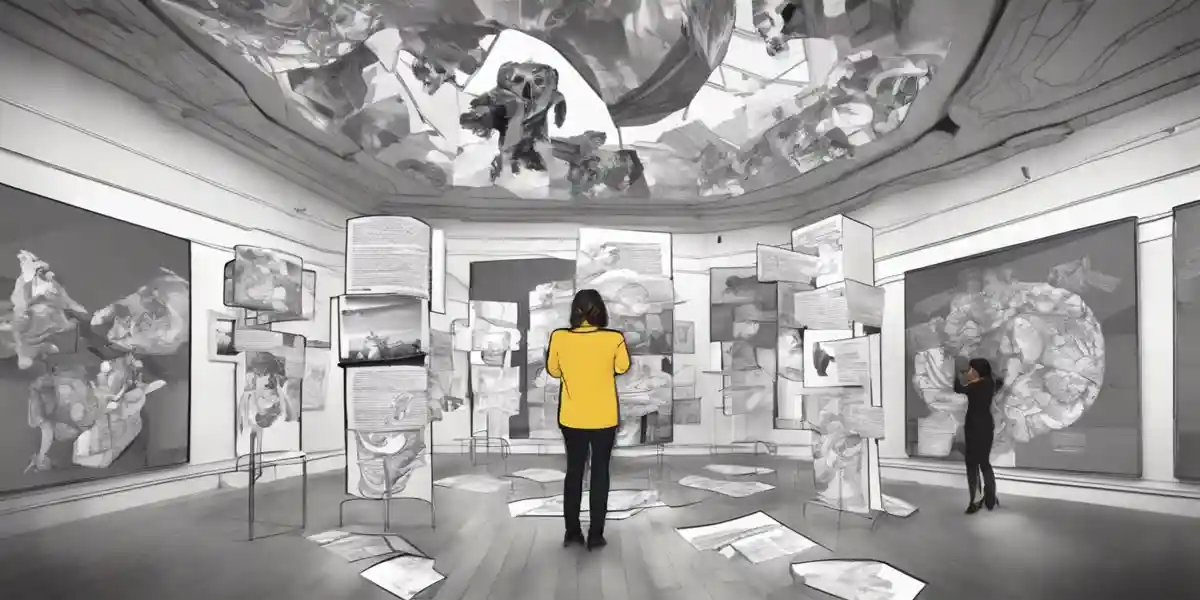
In the evolving landscape of contemporary art, the synergy of augmented reality (AR) and interactive installations is reshaping the museum experience, inviting audiences to engage with art in unprecedented ways. Imagine stepping into a modern art museum where, rather than passively observing paintings and sculptures, you can interact with them through your smartphone or AR glasses. This virtual layer not only enhances the artwork but also enriches the narrative, allowing viewers to delve into the intentions of the artist, the historical context, and the creative process itself.
Take the work of renowned contemporary artist Olafur Eliasson, celebrated for his immersive environments. By incorporating AR technology, Eliasson's installations could be augmented with dynamic visual overlays that explain the underlying principles of light and perception. For instance, visitors could point their devices at a particular installation to see animated graphics that illustrate how light behaves in various contexts, effectively bridging the gap between art and science. This interaction not only fosters a deeper understanding of Eliasson's work but also invites the audience to experience the science behind the art, enhancing their overall engagement.
Artists like Marina Abramović are also pushing boundaries by leveraging AR to transform performance art. Imagine being able to witness her past performances in real-time or even participate in them from different locations around the globe. This capability not only expands the reach of her work but democratizes access, allowing a global audience to participate in artistic experiences that were once confined to a physical space. By integrating AR, Abramović could create layers of interaction, enabling viewers to experience her art in a way that transcends traditional boundaries.
Research has shown that integrating digital enhancements—like visuals that match a painting's style or 3D animations related to the artwork—significantly impacts viewers’ experiences. A study based on Parsons' theory of art perception revealed that these enhancements lead to a more profound understanding of the artwork, enriching visitor engagement and interpretation. This aligns with the museum's goal of providing an engaging environment where education and entertainment coexist—an approach often referred to as edutainment.
The impact of immersive technologies is not limited to a single region. A comparative study of the museum and gallery sectors in the UK and China highlights the importance of these technologies in enhancing cultural growth and creative industries. While both countries seek to leverage these technologies, they also face challenges in understanding audience preferences and behaviors regarding interactive experiences. This gap emphasizes the need for deeper insights into how audiences engage with AR and interactive installations, paving the way for more tailored and effective experiences.
As museums evolve, the focus on creating engaging and inclusive designs becomes paramount. Research suggests that utilizing AR and interactive installations can provide new knowledge and experiences, making art more accessible to a broader audience. The integration of these technologies not only enriches the museum experience but also encourages active participation, prompting visitors to decode artistic messages actively. This shift not only reinforces the role of technology in museums but also raises important questions about the future of artistic expression and the evolving nature of creativity in the digital age.
In recent years, Non-Fungible Tokens (NFTs) have emerged as a groundbreaking phenomenon in the contemporary art landscape, reshaping the ways artists create, sell, and interact with their artwork. By offering a new avenue for ownership and provenance, NFTs are redefining the relationship between artists and their audiences, while simultaneously transforming the museum experience.
At their core, NFTs are unique digital assets verified using blockchain technology. Unlike cryptocurrencies such as Bitcoin, which are interchangeable, each NFT is distinct and cannot be replicated, making it an ideal medium for artists to tokenize their work. This uniqueness not only establishes authenticity but also allows artists to retain control over their creations in an increasingly digital marketplace.
Consider the case of digital artist Beeple, who made headlines when his NFT artwork titled "Everydays: The First 5000 Days" sold for a staggering $69 million at a Christie’s auction. This sale not only showcased the potential for digital art to command high prices but also highlighted how NFTs enable artists to monetize their work in ways that traditional galleries and museums often do not. It raises the question: can a digital file hold the same value as a physical painting, and what does that say about our evolving definitions of art?
The integration of NFTs into museum experiences is a revolutionary step forward. Museums are beginning to explore how digital ownership can enhance engagement with art. For example, the Museum of Modern Art in New York has considered showcasing NFT art alongside traditional works, providing visitors with a broader understanding of contemporary practices. Imagine interacting with a piece that not only exists on the wall but also in the digital realm, where ownership can be traced and traded.
Moreover, NFTs allow museums to create exclusive content that can be owned by collectors. By offering limited-edition digital art tied to physical exhibitions, museums can enhance the visitor experience, making it more interactive and immersive. This ties back to the concept of "edutainment," where engaging audiences through innovative mediums can lead to deeper connections with art.
While the potential of NFTs is immense, several challenges must be addressed. The environmental impact of blockchain technology, often criticized for its energy consumption, raises ethical questions about the sustainability of digital art. As museums embrace NFTs, they should also consider ways to mitigate their carbon footprint, perhaps by supporting greener blockchain solutions or investing in carbon offset projects.
Furthermore, the democratization of art through NFTs could unintentionally lead to oversaturation in the market. With so many artists entering the NFT space, how do audiences discern quality? This aspect echoes the findings from various studies, which emphasize the importance of effective communication in art. Museums could play a pivotal role in curating and guiding audiences through the NFT landscape, helping them navigate this new terrain.
The rise of NFTs prompts deep reflection on the nature of creativity and artistic expression. As artists embrace this technology, they are not only creating art but also crafting new narratives around ownership and value. What does it mean for an artwork to exist solely in the digital realm? How will this shift influence future generations of artists and collectors? The answers to these questions will shape the future of contemporary art as we know it.
As we navigate the ever-evolving landscape of contemporary art, the integration of augmented reality (AR) is emerging as a transformative force within museum experiences. This innovative technology allows audiences to not only observe artworks but also interact with them, creating a layered narrative that enriches their understanding of the art. Imagine walking into a modern art museum where your smartphone or AR glasses reveal hidden stories behind each piece, offering insights into the artist's intention and the historical context of the work.
One striking example of AR in action is found in the work of Olafur Eliasson, a contemporary artist renowned for his immersive environments. Eliasson's installations often play with light and perception, creating sensory experiences that challenge viewers' understanding of their surroundings. By integrating AR technology, museums could enhance Eliasson's installations with dynamic visual overlays. For instance, visitors could point their devices at a light installation and see animated graphics that explain the scientific principles behind light and color. This not only deepens the viewer's appreciation of Eliasson's artistry but also bridges the gap between art and science, inviting a broader audience to engage with complex concepts.
Marina Abramović is another contemporary artist whose work stands to benefit from AR. Known for her groundbreaking performance art, Abramović could leverage this technology to create a more inclusive experience. Imagine a scenario where audiences can witness past performances through AR, immersing themselves in the entire context of the work from various locations. This democratization of access allows individuals worldwide to participate in art that was previously confined to select venues or moments, expanding the reach and impact of her message.
Research indicates that integrating digital elements—such as visuals matching a painting's style or small 3D animations—positively influences viewers' experiences and understanding of artworks. Utilizing Parsons' theory on art perception, one study found that these enhancements lead to richer interpretations and deeper emotional connections with the art. This suggests that the future of museum experiences will increasingly rely on such digital augmentations to foster engagement and understanding.
The application of immersive technologies is not limited to one geographical area; studies have explored their impact in both the UK and China. While both countries aim to enhance cultural growth and the creative industries through technology, they face challenges due to varying audience preferences and behaviors. Research findings highlight a critical gap in understanding how audiences engage with these immersive technologies, emphasizing the need for museums to tailor their approaches based on audience insights.
In the 21st century, museums are increasingly focused on balancing education and entertainment—a concept known as "edutainment." This shift is propelled by rapid technological advancements that allow museums to incorporate diverse digital resources. For example, an intelligent universe museum could utilize universal design principles to create immersive learning experiences that cater to a wide range of visitors, ensuring accessibility and inclusivity. This approach not only fulfills the dual goals of educating and entertaining but also helps museums remain relevant in a dynamic, tech-driven environment.
The future of art and museums is being reshaped by the rapid advancements in technology, particularly through the integration of augmented reality (AR) and virtual reality (VR). These innovations are not just enhancing the way we experience art; they are fundamentally transforming the relationship between the viewer and the artwork itself. Imagine a museum environment where the lines between reality and digital interpretation blur, allowing for a richer, more interactive exploration of art.
AR technology presents an exciting opportunity to deepen engagement with art. For example, in exhibitions featuring Olafur Eliasson’s work, AR could overlay interactive elements that provide insights into the scientific principles of light and perception. This interactivity not only enriches the visitor's understanding but also encourages a dialogue about the intersection of art and science. By layering digital information over physical art, museums can create a more immersive narrative that resonates with diverse audiences.
Artists like Marina Abramović are leading the way in redefining performance art using AR technologies. Imagine spectators from all corners of the globe participating in a live-streamed performance, where they can interact in real-time, regardless of their location. This democratization of access means that art is no longer confined to the walls of a gallery; instead, it can transcend geographical boundaries, fostering a global community of art lovers. Such innovations highlight the potential for technology to create inclusive experiences that engage a broader audience.
The incorporation of VR technologies into museum experiences can significantly enhance visitor engagement. According to research, adding digital enhancements, such as 3D animations that correspond with a painting’s style, can positively affect how viewers interpret and connect with art. These immersive technologies not only serve to captivate visitors but also provide educational opportunities that align with the evolving concept of "edutainment." Museums that successfully integrate these technologies can transform passive observers into active participants, deepening their understanding and appreciation of art.
While the potential for AR and VR in museums is vast, it’s essential to consider the challenges these technologies present. There exists a gap in understanding audience preferences and behaviors regarding immersive experiences. Museums must conduct thorough research to tailor their offerings effectively, ensuring that innovations resonate with visitors. Furthermore, as museums embrace these technologies, they must prioritize accessibility to ensure that all visitors, regardless of ability, can engage with art in meaningful ways.
As we move further into a tech-driven world, museums have a critical role in balancing education and entertainment. The integration of advanced technology can enhance learning experiences, making art more relatable and engaging. By leveraging digital resources, museums can connect visitors to the cultural treasures they house, fulfilling their mission of education while captivating audiences with engaging, interactive displays.
In this evolving landscape, the future of art and museums hinges on their ability to adapt and embrace these technological advancements. As contemporary artists and institutions explore the possibilities of AR and VR, they are not just redefining how art is consumed—they are reshaping the very essence of the museum experience itself.
As contemporary art continues to evolve, the integration of augmented reality (AR) within museum experiences stands out as a transformative advancement. Imagine stepping into a modern art museum where the artwork isn't just a static visual but a dynamic narrative waiting to unfold through your smartphone or AR glasses. This technological layer empowers visitors to delve deeper into the art, revealing the layers of an artist's intention, historical context, and the creative process itself.
Renowned for his immersive environments, Olafur Eliasson’s work exemplifies how AR can deepen visitor interaction. For instance, imagine an installation that includes AR overlays that visualize the scientific principles of light and perception that Eliasson often references. By scanning a QR code or using an AR app, visitors could see real-time animations that explain the physics behind the artwork, transforming a simple observation into an educational experience. Such innovations not only enhance understanding but also facilitate a dialogue between art and science, bridging what once seemed like disparate worlds.
Marina Abramović, a pioneer in performance art, is another artist whose work could be radically transformed through AR technology. Picture an exhibition where audiences can engage with past performances, not merely as spectators but as participants. Through AR, individuals could witness iconic works, such as "The Artist is Present," in real-time or even contribute to the performance from various locations worldwide. This approach expands the geographical boundaries of art consumption and democratizes access, allowing a diverse audience to connect with Abramović's profound explorations of human interaction and vulnerability.
Research has shown that digital enhancements, such as virtual animations that align with the artistic style of displayed works, significantly improve viewer experience. A study employing Parsons' theory on art perception found that these additions positively impact how audiences interpret and engage with artworks. For instance, a museum might use AR to provide contextual animations that relate directly to paintings, thus enriching the visitor's understanding and appreciation of the pieces. This aligns with the growing trend of "edutainment," where museums strive to balance educational content with engaging experiences.
The impact of immersive technologies in the museum sector is not limited to individual artists but spans across cultural institutions worldwide. A comparative study between the UK and China highlights how both countries are leveraging these technologies to enhance cultural growth and creative sectors. However, the research also uncovers a gap in understanding audience preferences regarding immersive experiences. By grasping how visitors interact with AR and VR, museums can tailor their offerings to better meet audience needs, ultimately fostering a more inclusive and engaging environment.
As museums increasingly incorporate AR and other forms of information technology, there is a growing emphasis on creating intelligently designed exhibits. Research into universal design principles seeks to ensure that these immersive experiences are accessible to all visitors, including those with disabilities. This architectural framework for a "metaverse museum" aims to create a holistic visitor experience, merging physical and digital realms while adhering to principles of inclusivity. Such efforts are crucial in ensuring that technology enhances rather than complicates the museum experience.
As we have explored, the intersection of technology and contemporary art is not just a trend; it is a profound shift that is reshaping how we engage with art and cultural institutions. From the powerful narratives woven by artists like Ai Weiwei, who utilizes social media to create global dialogues, to Yayoi Kusama, whose immersive installations benefit from augmented reality, and Banksy, who challenges traditional notions of ownership with NFTs, we see a landscape rich with innovation and interaction.
The adoption of augmented reality (AR) and virtual reality (VR) technologies in museums creates a more engaging visitor experience, transforming passive observation into active participation. These technologies do not merely enhance the visual experience; they foster deeper connections between the viewer and the artwork, prompting us to reconsider our role as audience members. As museums strive to balance education and entertainment through 'edutainment', the challenge remains to ensure accessibility and inclusivity for all audiences.
Looking ahead, the implications of these advancements are significant. How will museums adapt to leverage these technologies effectively? Will they embrace a model that prioritizes dialogue and interaction over static exhibitions? The potential for cultural exchange and global engagement is immense, but it requires thoughtful implementation and an understanding of audience preferences.
As we stand on the brink of a new era in art and cultural experience, we invite you to reflect: How can you engage with contemporary art in this evolving landscape? Whether by visiting a local museum, participating in interactive exhibitions, or exploring art online, your involvement can contribute to the vibrant dialogue that shapes the future of artistic expression. The canvas is broad, and the paintbrush is in your hands—what story will you help to tell?

Get notified about new articles, coffee tips, and Web3 insights.
This site participates in affiliate programs and may earn a commission when a link is clicked and a purchase is made. The site is not responsible for any issues or troubles related to the products or services purchased through the use of this site.

DO&COFFEE loves coffee and technology, exploring the potential of NFTs and blockchain. Learn more →
DO&COFFEE loves coffee and technology, exploring the potential of NFTs and blockchain. Learn more →