wellness
2024/09/13
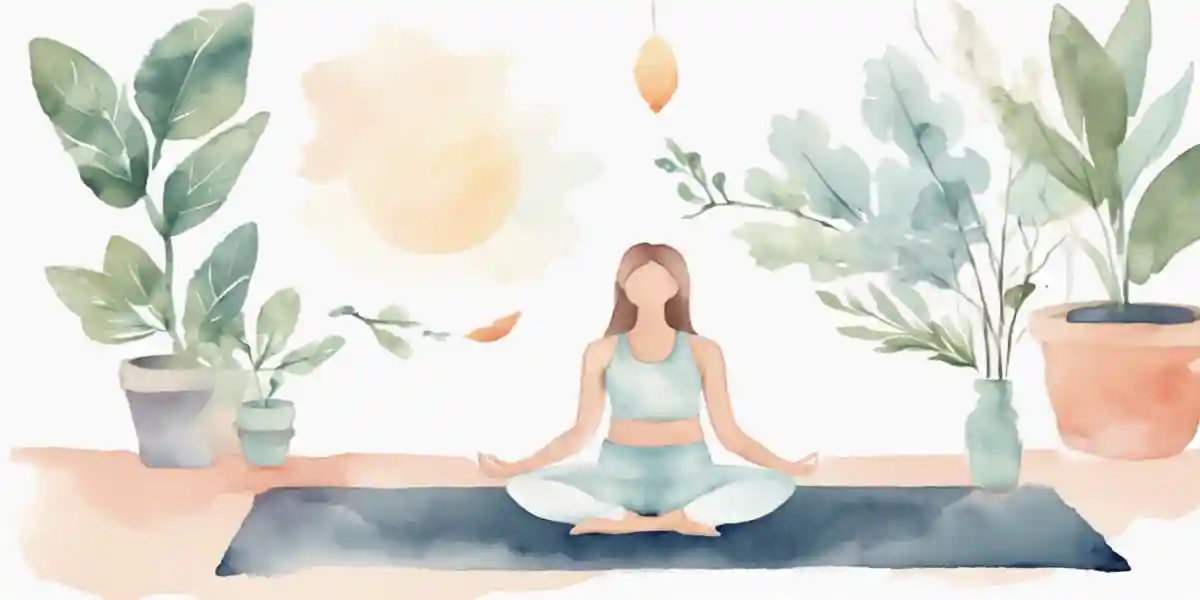
In a world that often feels chaotic and overwhelming, the quest for inner peace has become more vital than ever. Have you ever found yourself yearning for a moment of calm amidst the noise of daily life? "Finding Peace: A Beginner's Guide to Meditation and Yoga at Home" is designed to be your companion on this transformative journey. This blog post will explore the seamless connection between meditation and yoga, unveiling how these ancient practices can harmonize your mental and physical well-being right from the comfort of your home.
We’ll begin by diving into the essence of meditation and yoga, guiding you through beginner-friendly techniques that demystify these practices. You might be surprised to discover that meditation is not just about silence, but rather about cultivating awareness and presence. Likewise, yoga is more than a series of poses; it’s a mindful movement that nurtures both body and mind. As we navigate through the steps to create your personal meditation space and simple yoga routines, we'll emphasize the importance of a supportive environment where relaxation and self-discovery can flourish.
By integrating breath-focused meditation with gentle yoga sequences, you'll learn how to unlock a profound sense of clarity and emotional balance. Imagine pairing the soothing Child's Pose with deep abdominal breathing—this is where physical flexibility meets mental tranquility. Throughout this post, we’ll encourage you to embrace your unique journey, free from judgment or expectation, and highlight the significant benefits of these practices, including reduced stress and enhanced overall mental health. Are you ready to embark on a path toward serenity? Let’s explore the beautiful union of meditation and yoga together.
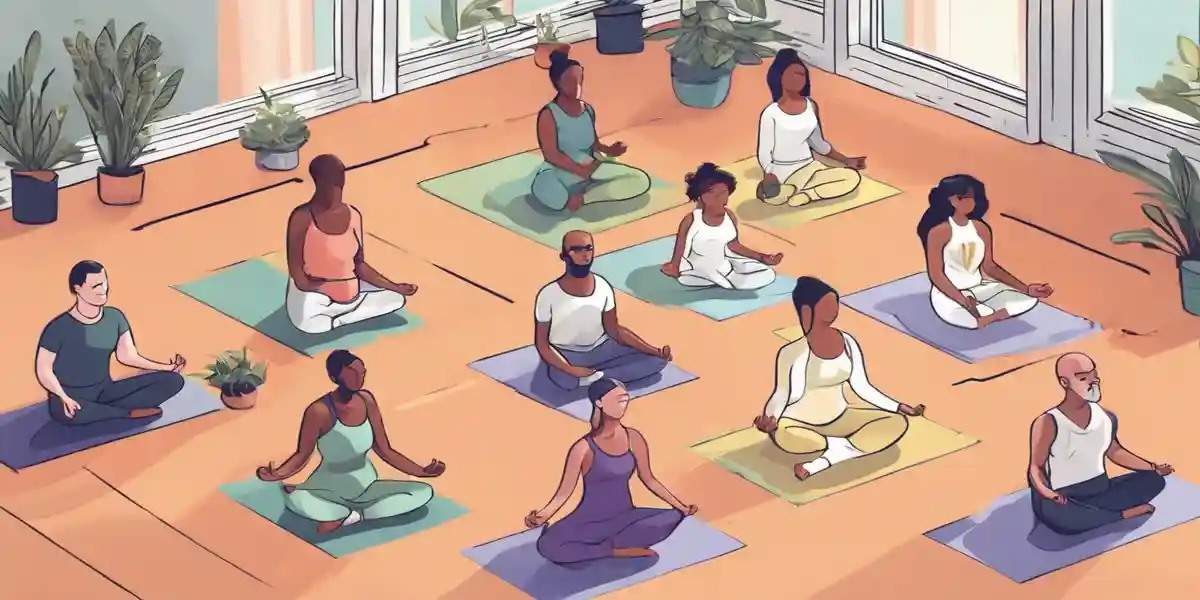
The journey into meditation and yoga opens a pathway to holistic wellness, where the physical and mental realms intertwine to foster a sense of peace and balance. Imagine transforming your home into a sanctuary where mindful movement becomes a daily practice—this is not merely an aspiration but a tangible reality that anyone can achieve. It begins with understanding how these ancient practices synergize to nurture both body and mind.
At the core of this exploration lies the concept of "Mindful Movement." This approach emphasizes that each yoga pose is not just a physical exercise; it is a meditative experience that encourages deep awareness and presence. For beginners, the challenge often resides in balancing the physical demands of yoga with the mental discipline required for meditation. How can one effectively harmonize these practices to create a supportive environment for relaxation and self-awareness?
Recent studies reveal the profound impact of meditation and yoga on mental health and well-being. For instance, research conducted by the Heartfulness Institute showed that participants who engaged in yoga and meditation over 100 days reported improvements in various aspects of health-related quality of life (HRQOL), including stress management and overall productivity. The study involved over 3,000 individuals from 39 countries, underscoring the global relevance of these practices.
Moreover, a targeted study with undergraduate medical students highlighted significant reductions in anxiety and depression among those practicing yoga, with the yoga group exhibiting the most pronounced benefits. Such findings suggest that integrating yoga and meditation into daily routines can not only enhance emotional regulation but also foster a more centered approach to life's challenges.
For those new to these practices, starting with simple routines can be incredibly beneficial. Imagine beginning your day with gentle poses such as Child's Pose or Cat-Cow, seamlessly paired with breath meditation techniques like deep abdominal breathing or visualization. These practices not only enhance physical flexibility but also cultivate mental clarity and emotional balance.
To maximize the benefits of meditation and yoga, setting the right environment at home is crucial. Consider soft lighting, calming music, and perhaps even a few plants to create a serene atmosphere that invites mindfulness. This intentional space can act as a retreat, allowing you to escape the chaos of daily life and immerse yourself fully in your practice.
As you embark on this journey of self-discovery through meditation and yoga, remember to embrace the process without judgment or expectation. Each session is unique, and the benefits unfold over time, revealing layers of peace and clarity that enrich your life. The integration of mindful movement can unlock a serene existence, encouraging you to cultivate a more peaceful and centered way of being.
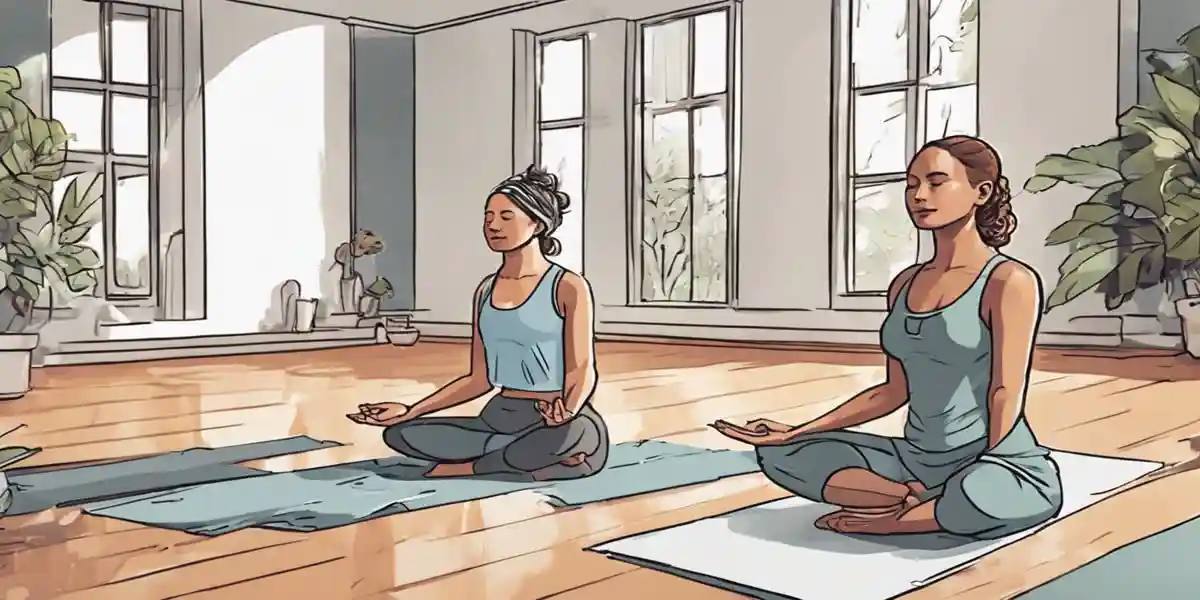
Meditation is an accessible and transformative practice that can be seamlessly integrated into your daily routine, especially as you explore the harmonious relationship between meditation and yoga at home. For beginners, understanding the foundational aspects of meditation can pave the way for a fulfilling journey toward mindfulness and inner peace.
At its core, meditation is a practice designed to cultivate awareness and promote mental clarity. It encourages individuals to focus their attention, observe their thoughts without judgment, and ultimately achieve a state of calm. The physiological and psychological benefits of meditation are well-documented; studies have shown that regular practice can lead to reduced stress, anxiety, and depression, while enhancing emotional regulation and overall mental health.
Recent research has illuminated the profound effects meditation has on the brain. For instance, a study exploring the impact of various meditation practices found that engaging in consistent meditation enhances cognitive functions such as attention and memory. Neuroimaging has revealed increased neural function and gray matter volume in the prefrontal cortex (PFC), suggesting that meditation can play a therapeutic role in addressing neurological and psychosocial disorders. As beginners, understanding these benefits can motivate you to incorporate meditation into your routine.
As you embark on your meditation journey, consider the following steps to establish a sustainable practice:
Integrating meditation with yoga can enhance your practice significantly. Consider simple yoga poses, such as Child's Pose or Cat-Cow, as a warm-up. These poses can help release physical tension, making it easier to settle into meditation. As you engage in gentle movements, breathe deeply and mindfully, allowing each breath to connect your body and mind.
To help you get started, here's a beginner-friendly routine that combines breath-focused meditation with gentle yoga:
As you navigate this journey, remember to approach each practice with kindness towards yourself. Embrace the process, recognizing that both meditation and yoga are about building a deeper connection with yourself, fostering emotional balance, and achieving a state of peace.
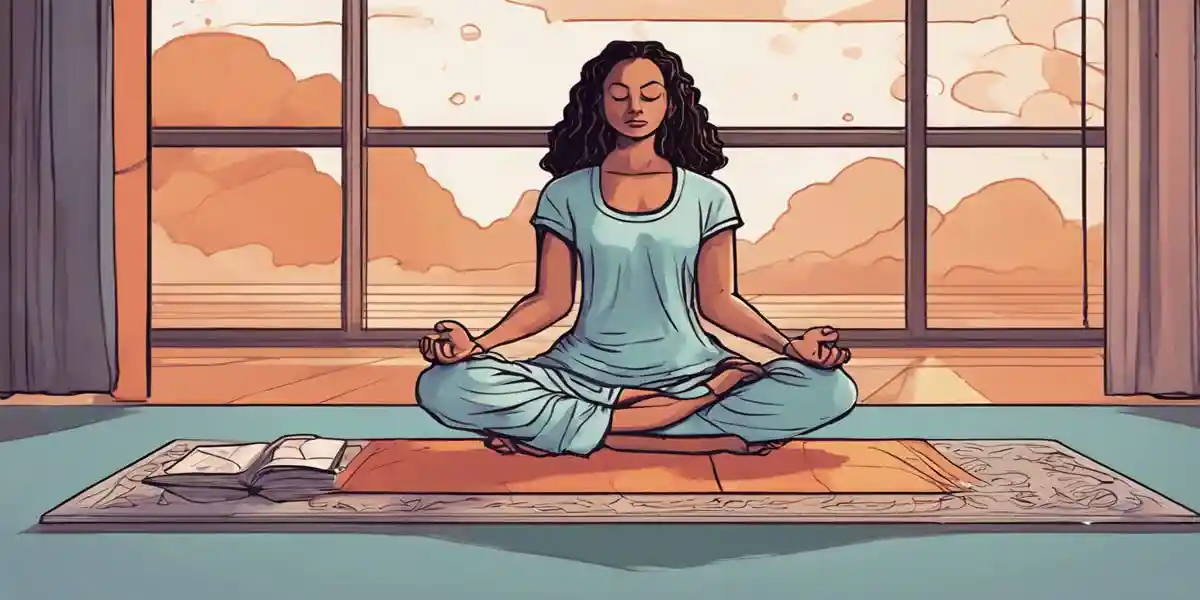
Meditation is a profound practice that transcends mere relaxation; it is a pathway to self-discovery and mental clarity. At its core, meditation involves focusing the mind, often through techniques such as breath control, visualization, or mindfulness, to achieve a state of heightened awareness and inner peace. For beginners, the concept may seem daunting, especially in a world where distractions are constant. However, understanding the essence of meditation can make it accessible and enriching.
Originating from ancient traditions in India, meditation encompasses various practices that promote mindfulness and emotional regulation. It is not merely about sitting in silence; rather, it serves as a tool to cultivate awareness of the present moment. Through meditation, practitioners learn to observe their thoughts and feelings without judgment, fostering a sense of acceptance and tranquility. This practice is particularly relevant today, as studies have shown its capacity to reduce stress and enhance overall mental health.
Research highlights numerous benefits associated with regular meditation. For instance, a study conducted among 3,164 participants in a 100-day program by the Heartfulness Institute found significant improvements in health-related quality of life (HRQOL) across various domains, including stress management and relaxation. Participants noted enhanced emotional well-being and a greater sense of productivity in their daily lives. Such findings illustrate how consistent engagement in meditation can lead to transformative changes in mental health.
Neuroscientific studies have revealed the impact of meditation on brain functionality. For example, meditation has been shown to improve the functional connectivity of the prefrontal cortex (PFC), an area of the brain associated with complex cognitive behavior and emotional regulation. Enhanced PFC connectivity correlates with improvements in attention, memory, and self-awareness, all key components of mental health. These findings suggest that meditation not only calms the mind but also cultivates a healthier brain structure.
In practical terms, meditation can be seamlessly integrated into daily routines. For instance, a busy student might practice breath-focused meditation for just five minutes before studying to enhance concentration and reduce anxiety. On the other hand, a professional facing workplace stress could utilize a short mindfulness session during lunch breaks to restore mental clarity and emotional balance. These small acts of mindfulness can yield significant benefits over time, reinforcing the notion that meditation is a versatile tool for anyone seeking peace in their life.
For beginners, the journey into meditation can be fraught with challenges. Many find it difficult to quiet their busy minds or may feel restless when attempting to sit still. However, it's essential to approach these obstacles with compassion and understanding. Meditation is a skill that improves with practice, and acknowledging these initial hurdles can help foster a more forgiving and patient mindset. Techniques such as guided meditations, breathing exercises, or even combining meditation with gentle yoga can provide supportive pathways for newcomers.
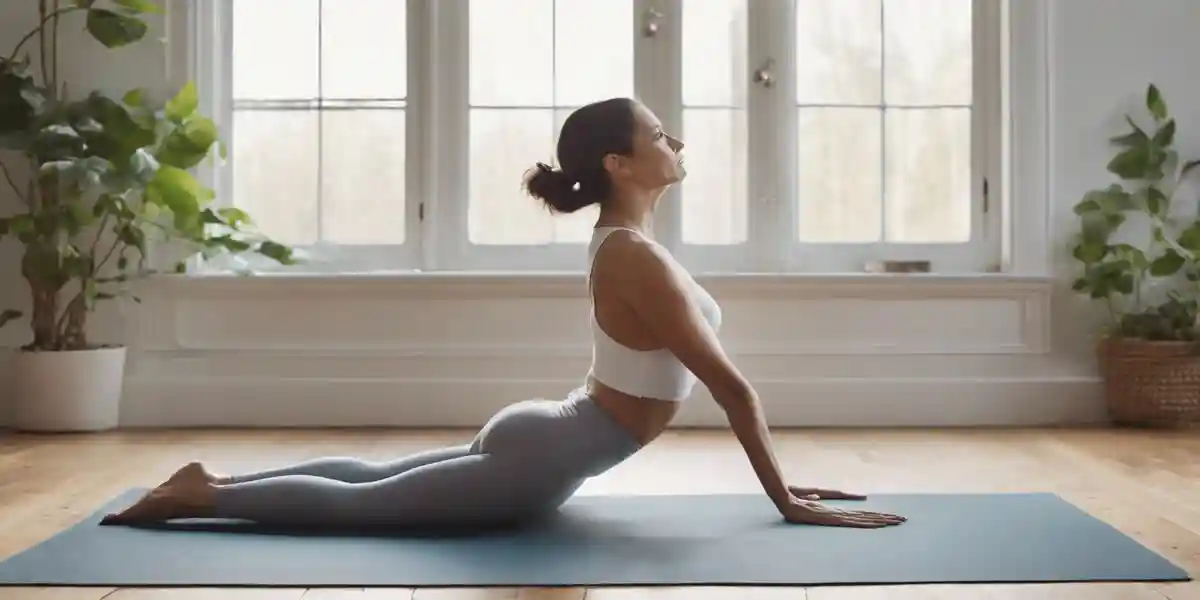
To embark on your journey into the serene world of meditation and yoga, it's essential to grasp some basic techniques that can make your practice both enjoyable and effective. This section will guide you through fundamental approaches to integrate mindful movement and breath-focused meditation seamlessly into your daily routine.
The first step towards a successful meditation and yoga practice is establishing a dedicated space at home. This doesn’t need to be elaborate; a small corner with minimal distractions can suffice. Aim for a quiet area with soft lighting, perhaps enhanced by calming music or nature sounds. A serene environment signals your mind that it’s time to unwind and focus, which is crucial for beginners who might otherwise feel overwhelmed by the demands of modern life.
Begin your practice with foundational yoga poses that promote flexibility and relaxation. Two excellent starting poses are:
Once you are comfortable with some basic poses, it's time to incorporate breath-focused meditation techniques. Here are two methods to get you started:
As you grow more accustomed to each practice, start integrating yoga poses with breath meditation. For example, you might move through a series of poses while synchronizing your breath, allowing each inhale and exhale to guide your movements. This mindful approach can deepen your experience, enhancing both physical and mental benefits.
To truly reap the benefits of yoga and meditation, consistency is key. Consider setting aside a specific time each day for your practice, even if it’s just 10-15 minutes. Research shows that regular engagement in these practices leads to significant improvements in health-related quality of life, including enhanced relaxation and stress management.
Finally, remember that meditation and yoga are personal journeys. It's essential to approach your practice without judgment or expectation. Celebrate small milestones, whether it’s mastering a new pose or simply enjoying a moment of stillness. This attitude will cultivate a deeper connection to your practice, allowing you to unlock the serenity that lies within.
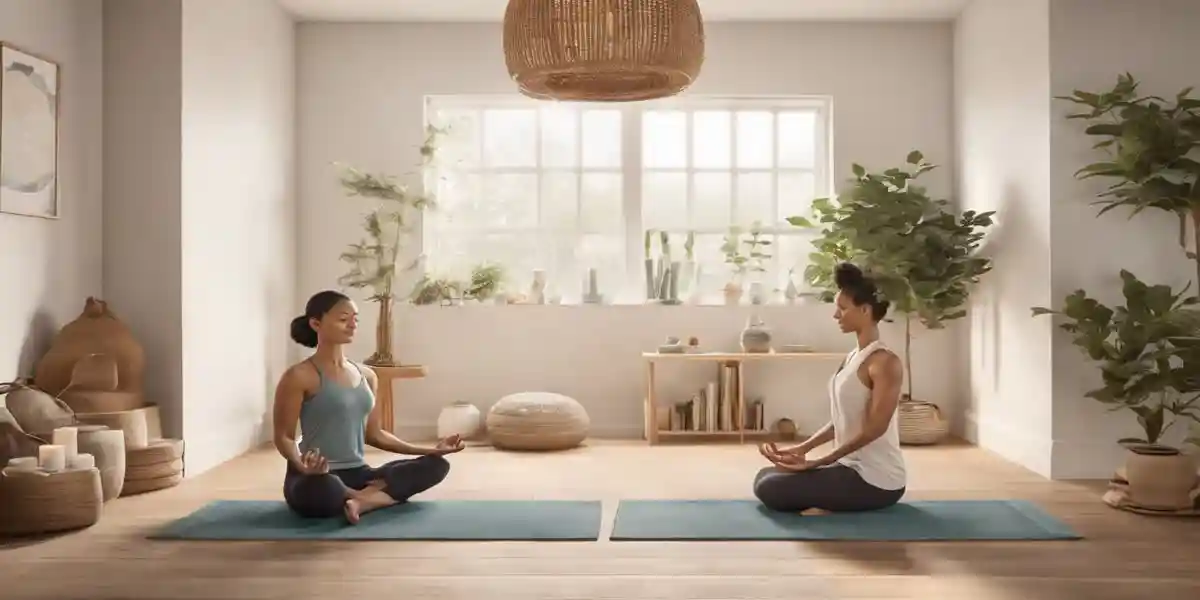
Establishing a dedicated meditation space in your home can profoundly enhance your practice, providing a sanctuary where both your body and mind can find harmony. Imagine a corner that is not just a physical space but a mental oasis, one that invites you to slow down, breathe, and reconnect with your inner self. The following sections will guide you through the essential elements of creating this serene environment.
The first step in crafting your meditation space is selecting an appropriate location. Ideally, this should be a quiet area, away from the hustle and bustle of daily life. Consider a corner of your living room, a spare bedroom, or even a balcony if you’re fortunate to have one. If you can, find a space that receives natural light, as this can uplift the mood and create a more inviting atmosphere.
Once you’ve chosen a location, it’s time to think about how to design your space to foster a peaceful environment. Here are some key elements to consider:
Decorations play an essential role in making your meditation space inviting. Choose items that resonate with you personally and promote tranquility:
Your meditation space doesn’t have to be solely for meditation. It can also double as a yoga practice area, fostering the synergy between these two practices. Clear out enough room to roll out a yoga mat, allowing for a seamless transition between meditation and yoga. This integration supports a holistic approach to wellness, as yoga not only cultivates physical flexibility but also enhances mental clarity and emotional balance.
To further solidify this space as a haven for meditation and yoga, establish a routine. Consistency will help your mind associate this area with relaxation and mindfulness. Whether it's a morning ritual of gentle stretches followed by meditation or an evening wind-down session, committing to a schedule will deepen your practice and reinforce the significance of your meditation space.
Finally, consider the auditory elements of your meditation space. Soft, calming music or nature sounds can significantly enhance your experience. Research indicates that music can improve mood and reduce anxiety, making it a valuable addition to your practice. You might even create a playlist specifically for your meditation sessions to make it easier to slip into a peaceful state.
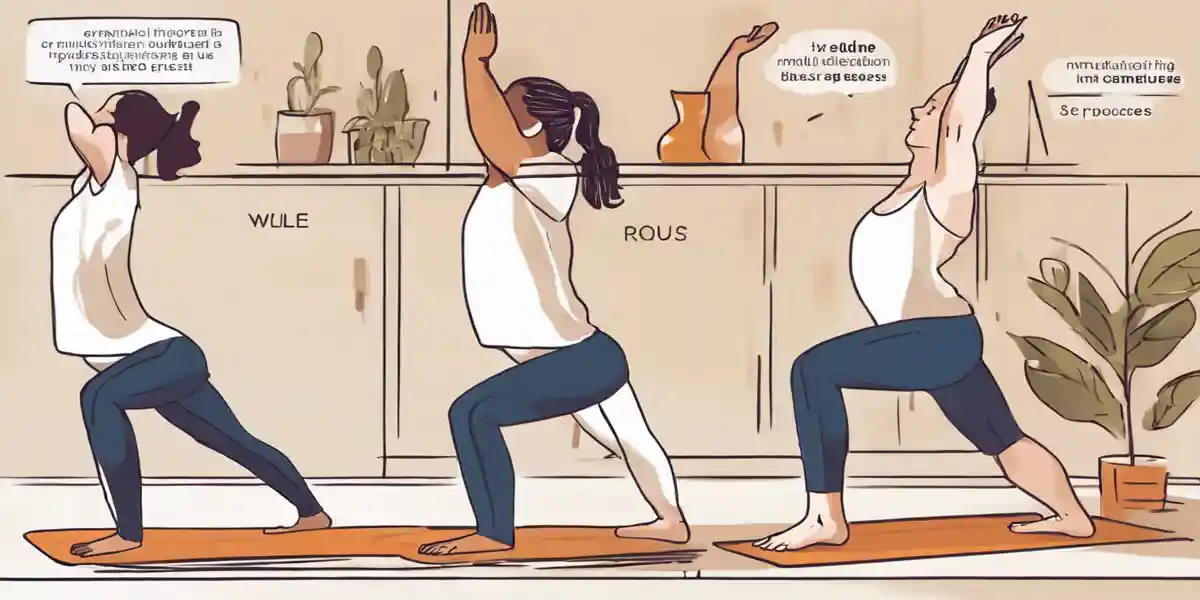
Yoga at home presents a unique opportunity for beginners to explore the integration of mindful movement and meditation in a comfortable setting. By creating a space where physical and mental wellness can flourish, individuals can embark on a journey that nurtures both body and mind.
When we think of yoga, we often envision a series of poses, stretches, and physical exertion. However, the essence of yoga transcends mere physicality. The concept of mindful movement encourages practitioners to approach each pose not just as an exercise, but as a meditative practice. This shift in perspective allows for a deeper connection to the mind and body.
Research has shown that engaging in yoga promotes emotional regulation and mindfulness, contributing significantly to mental well-being. For example, a study highlighted that individuals who practiced yoga regularly experienced notable reductions in stress and anxiety, enhancing their overall quality of life. Imagine stepping onto your mat, feeling the softness beneath your feet, and allowing each movement to flow naturally with your breath. This is where the magic happens.
Setting the right ambiance is crucial for a fulfilling yoga practice at home. To cultivate a serene space, consider dimming the lights, playing soft music, or even lighting a candle. This environment encourages relaxation and focuses attention away from distractions. As you prepare your space, think of it as a sanctuary—your personal retreat where you can explore the union of yoga and meditation. Research indicates that a calming atmosphere can enhance the effects of both practices, promoting greater emotional balance and self-awareness.
Starting with simple poses can help build confidence and awareness. Consider incorporating the following beginner-friendly poses into your routine:
By pairing these poses with breath-focused meditation techniques, such as deep abdominal breathing or visualization, practitioners can create a comprehensive practice that nurtures both physical and mental health.
Integrating breath meditation with yoga can significantly enhance the overall experience. For beginners, deep abdominal breathing is particularly effective. This technique involves inhaling deeply through the nose, allowing the abdomen to expand, and exhaling slowly through the mouth. Focusing on the breath not only calms the mind but also increases oxygen flow, which is vital for both physical and mental clarity.
Visualization is another powerful tool. Picture a peaceful scene—perhaps a tranquil beach or a serene forest—while you flow through your yoga poses. This practice can deepen relaxation and enhance emotional balance, as studies suggest that visualization techniques can improve mental health outcomes significantly.
Consider the example of Sarah, a busy professional who began practicing yoga at home. Initially overwhelmed by stress, she found solace in a simple routine that combined Child's Pose with deep breathing. Over time, she noticed a remarkable decrease in her anxiety levels, ultimately leading her to explore more advanced poses and meditation techniques. Like Sarah, many individuals have reported transformative experiences, highlighting the profound impact of regular practice.
Additionally, a study involving undergraduate medical students revealed that those who engaged in yoga experienced substantial improvements in their mental health, including reductions in anxiety and depression. This underscores the importance of yoga as a tool for coping with stress, particularly in high-pressure environments.
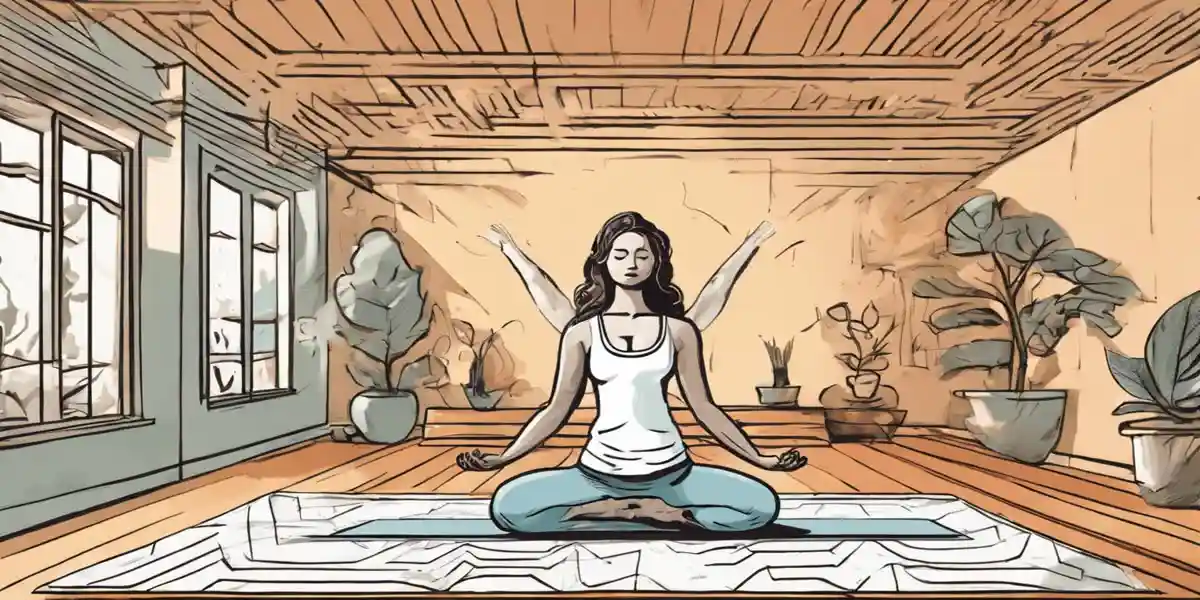
Yoga is often perceived as a series of physical postures, but this view is only the tip of the iceberg. At its core, yoga is a holistic practice that integrates physical, mental, and spiritual dimensions, cultivating a deeper connection to oneself. By exploring the essence of yoga, beginners can unlock a treasure trove of benefits that extend far beyond the mat.
Yoga's roots trace back thousands of years to ancient India, where it was developed as a means to promote mental clarity and inner peace. The term "yoga" itself comes from the Sanskrit word "yuj," which means to unite or join. This unification refers not only to the harmony between body and mind but also the connection with the universe. The eight limbs of yoga, as outlined in Patanjali's Yoga Sutras, include ethical guidelines, physical postures (asanas), breath control (pranayama), and meditation (dhyana). Each limb represents a crucial aspect of the practice, emphasizing that yoga is more than just physical movement; it's a pathway to self-awareness and emotional regulation.
Mindful movement is a cornerstone of yoga practice. When we approach each pose with intention and awareness, we transform simple exercises into meditative experiences. For example, consider the Cat-Cow pose—a gentle flow that not only stretches the spine but encourages a deep connection with breath. As you inhale into Cow pose, lifting your chest and tailbone, and exhale into Cat pose, rounding the spine, you can focus on the sensations within your body. This awareness fosters a sense of presence, allowing thoughts to drift away as you become fully immersed in the moment.
Research consistently highlights the profound impact yoga has on mental health. A study involving female undergraduate medical students demonstrated significant reductions in anxiety, depression, and anger levels after a 12-week yoga intervention. Notably, the yoga group exhibited the most remarkable improvements. This aligns with findings that indicate regular practice can enhance emotional regulation, reduce stress, and promote overall well-being.
Breath-focused meditation is an essential component of yoga that enhances its benefits. Techniques such as deep abdominal breathing allow practitioners to anchor themselves in the present moment, calming the mind and body. When combined with gentle yoga sequences, like Child's Pose, these practices create a nurturing environment for relaxation and self-awareness. For beginners, this approach can ease the challenges associated with both yoga and meditation, transforming them into a fluid and harmonious experience.
To maximize the benefits of yoga at home, it's essential to set the right atmosphere. A serene space with soft lighting, calming music, and comfortable props can enhance your practice, encouraging a deeper connection to your body and mind. This intentional setup not only promotes relaxation but also serves as a gentle reminder to embrace your journey without judgment or expectation—an essential aspect of both yoga and meditation.
Modern research continues to uncover the physiological and psychological benefits of yoga and meditation. Studies have shown that these practices can enhance cognitive functions, such as attention and memory, while simultaneously reducing symptoms of anxiety and depression. Neuroimaging interventions reveal increased connectivity in the prefrontal cortex (PFC)—a brain region associated with self-awareness and emotional processing—during meditation. This suggests that integrating yoga and meditation into one's routine can serve as a powerful therapeutic approach for improving mental health.
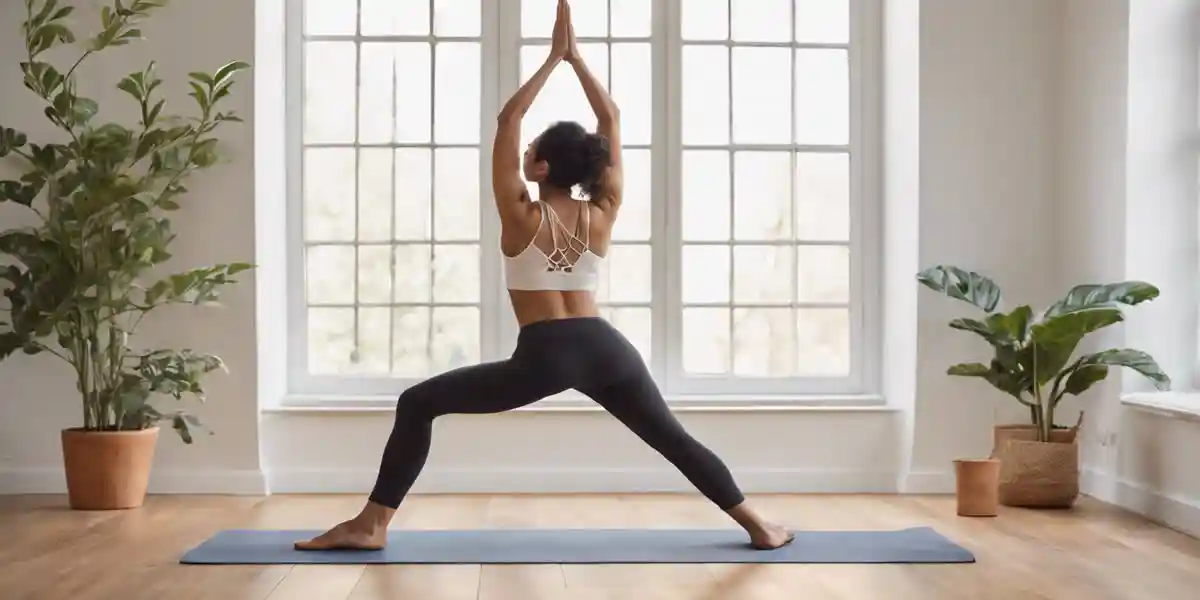
For those stepping onto the mat for the first time, simple yoga routines can be both inviting and transformative. These routines are designed to ease beginners into their practice, promoting not just physical flexibility but also mental clarity and emotional balance. By integrating mindful movement and breath-focused meditation, you can build a holistic practice that nurtures your well-being.
Before diving into your yoga routine, it’s essential to create a serene home environment. Think about dim lighting, calming music, or even the scent of essential oils filling the air. This ambiance can enhance your practice, making it feel more like a sanctuary rather than just another task on your to-do list. Consider this: How does your environment impact your mindset? A dedicated space for yoga can significantly boost your motivation and focus.
Here are some simple yoga poses that are perfect for beginners. Each pose can be paired with breath meditation techniques to deepen your experience:
Pairing your yoga poses with breath meditation techniques can amplify the benefits. For instance, while holding a pose, practice deep abdominal breathing: inhale deeply through your nose, allowing your abdomen to expand, and exhale slowly through your mouth. This technique not only enhances oxygen flow but also serves to quiet the busy mind, making it easier to focus on the present moment.
Consider the recent findings from a study involving 3164 participants in a 100-day yoga and meditation program. Participants reported significant improvements in various aspects of their health-related quality of life, particularly those who practiced consistently over two years. This highlights the powerful impact of regular engagement in yoga and meditation on overall well-being. Can you envision how a consistent routine might transform your daily life and mental health?
As you embark on your yoga journey, remember to embrace it without judgment or expectation. Each pose is not just a physical exercise but an opportunity for self-discovery and emotional regulation. By inviting mindfulness into your practice, you begin to cultivate a deeper connection with yourself, paving the way for inner peace and emotional balance.

Integrating yoga into your daily routine can be a transformative step towards achieving mental clarity and emotional balance. The synergy between yoga and meditation creates a holistic approach to well-being, allowing you to nurture both body and mind in a supportive environment.
To seamlessly incorporate yoga into your life, start by setting aside a specific time each day dedicated to your practice. This could be as little as 10-15 minutes, especially for beginners. Consistency is key, and even short sessions can yield significant benefits over time. Studies have shown that regular practitioners of yoga report improvements in various aspects of health-related quality of life (HRQOL), including stress management and relaxation, reinforcing the importance of daily practice.
Consider beginning your day with a gentle morning routine. Poses like Child's Pose and Cat-Cow can be excellent starting points. As you flow through these movements, focus on your breath—deep abdominal breaths can help ground you and set a positive tone for the day ahead.
When you approach each yoga session with mindfulness, you transform physical movement into a meditative experience. This concept is rooted in the idea of "Mindful Movement," where each pose becomes a means to cultivate awareness and presence. Research indicates that practices like yoga and meditation promote mindfulness, emotional regulation, and inner peace, contributing to overall mental well-being.
For instance, while transitioning from one pose to another, take a moment to notice any sensations in your body. This can enhance your body awareness, which has been shown to improve emotional regulation and self-compassion. Engaging in this mindful movement not only supports physical flexibility but also fosters mental clarity and emotional balance.
The environment in which you practice can significantly influence your experience. Create a serene space at home—dim lighting, calming music, and perhaps the gentle scent of essential oils can enhance your practice. By cultivating a peaceful atmosphere, you signal to your brain that it’s time to unwind and focus inward.
This setting reinforces the connection between yoga and meditation, allowing you to experience the calming effects of both practices. Research shows that such environments can enhance the physiological and psychological benefits of yoga, reducing stress and promoting emotional well-being.
As you embark on this journey of incorporating yoga into your daily life, remember to embrace the process without judgment or expectation. Many beginners feel intimidated by the physical demands of yoga or the challenges of stilling a busy mind during meditation. However, by focusing on gradual progress and self-compassion, you can create a nurturing practice that evolves with you.
Incorporating meditation techniques into your yoga sessions, such as breath meditation or visualization, can further enhance your experience. This dual practice encourages relaxation and self-awareness, ultimately leading to a more centered and peaceful life.
As we journey through the intricate landscape of meditation and yoga, it becomes clear that these practices offer profound benefits for both the mind and body. By embracing the synergy between mindful movement and breath-focused meditation, individuals can cultivate a sanctuary of peace within their own homes.
Mindful movement serves as a cornerstone for harmonizing meditation and yoga, allowing practitioners to engage fully with their physical and mental states. Imagine transitioning from a Child's Pose into a gentle Cat-Cow sequence, where each movement is not merely a physical exercise but a conscious act of awareness. This practice is about being present, tuning into your breath, and recognizing how your body feels in each pose. Scientific studies reinforce the importance of this approach; for instance, a study involving female medical students found that yoga significantly reduced anxiety and depression, underscoring how movement can directly impact our emotional well-being.
The integration of breath-focused meditation into your routine enhances the mindful movement experience. Techniques such as deep abdominal breathing or visualization allow individuals to center themselves, creating a calm mental space that complements the physical practice of yoga. Research has shown that consistent meditation improves mental health by enhancing self-awareness and emotional regulation, which are key to finding inner peace. The physiological benefits are equally compelling; meditation has been linked to improved cognitive function and increased connectivity in brain regions associated with emotional processing.
To fully embrace these practices, consider the importance of your environment. A serene space, adorned with soft lighting and calming music, can amplify the meditation and yoga experience. This atmosphere not only nurtures physical relaxation but also encourages a mental state conducive to mindfulness. Whether it's a corner of your living room or a dedicated space, personalizing it with items that inspire tranquility can make a significant difference. This aligns with findings from a large-scale study which indicated that participants who engaged in yoga and meditation reported significant improvements in their overall quality of life, highlighting the role of context in enhancing the effectiveness of these practices.
As you embark on this journey, remember that embracing the process without judgment is essential. Many beginners may feel overwhelmed, whether by the physical demands of yoga or the challenge of quieting a busy mind during meditation. Yet, it is in this very struggle that the magic happens. By allowing yourself to be imperfect, you create space for growth and self-discovery. This approach is echoed in various studies that suggest the long-term benefits of regular practice, including reduced stress and improved emotional balance. The key is consistency; even small, daily commitments can lead to significant transformations over time.
Ultimately, the union of meditation and yoga is not just about mastering poses or perfecting breathing techniques; it’s about unlocking your own serenity and fostering a deeper connection with yourself. Through mindful movement and intentional breathing, you can navigate life’s challenges with greater ease and composure. As you cultivate this practice, you may find that the insights gained on the mat extend into your everyday life, inspiring a more centered and peaceful existence.
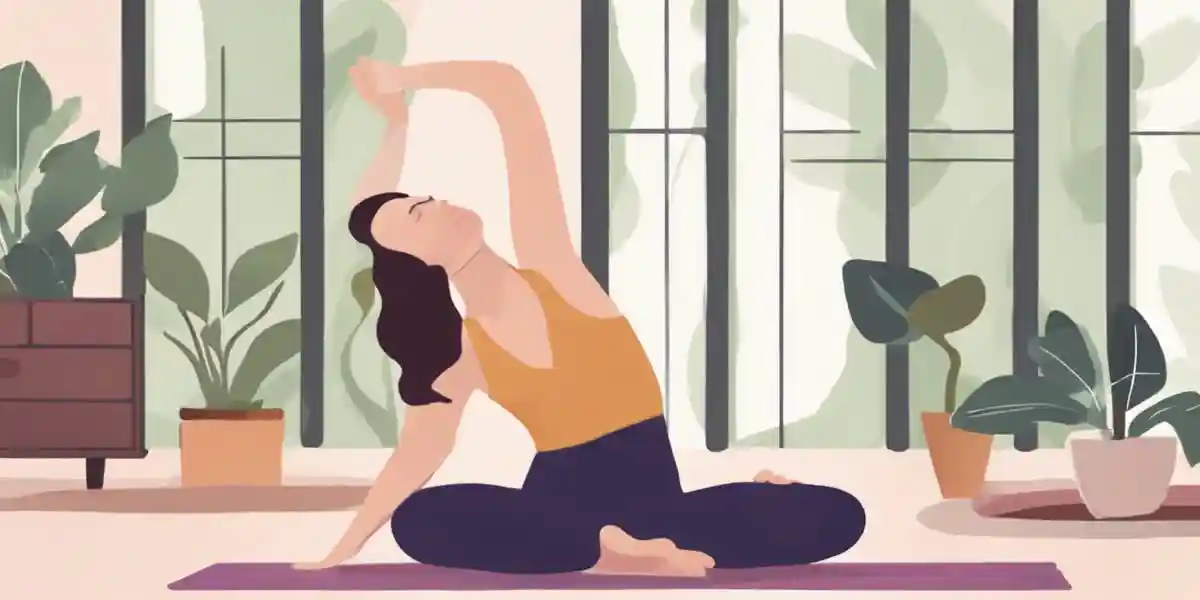
The concept of "Mindful Movement" serves as a powerful foundation for exploring the synergy between meditation and yoga for beginners. This approach emphasizes the importance of integrating physical movement with mindfulness, allowing individuals to nurture their bodies while calming their minds. Imagine a space where these dimensions of wellness converge, creating a holistic practice that not only promotes physical flexibility but also fosters mental clarity and emotional balance.
Many newcomers to yoga and meditation face challenges that can deter them from fully engaging with these practices. Yoga can often feel physically demanding, particularly for those who may not be accustomed to regular exercise, while meditation can seem daunting for those grappling with a busy mind. However, by combining breath-focused meditation with gentle yoga sequences, individuals can cultivate a supportive environment conducive to relaxation and self-awareness.
For instance, consider a simple routine that incorporates beginner-friendly yoga poses like Child's Pose or Cat-Cow. These postures are not just exercises; they can be approached as meditative experiences. As you transition through the poses, focus on your breath—inhale deeply as you expand your chest in Cat-Cow, and exhale fully as you sink into Child's Pose. This mindful connection between breath and movement is essential in reducing stress and enhancing overall mental health, as highlighted in research examining the physiological and psychological benefits of these ancient practices.
To deepen your practice, it’s important to create a serene home environment. Soft lighting, calming music, and even the inclusion of natural elements like plants can significantly enhance your meditation and yoga experience. A tranquil space encourages focus and helps to eliminate distractions, allowing you to immerse yourself fully in the moment. This idea is not merely anecdotal; studies show that a peaceful environment can amplify the positive effects of yoga and meditation, leading to improved health-related quality of life (HRQOL) across various domains such as lifestyle, relaxation, and stress management.
As a beginner, you might also benefit from incorporating specific meditation techniques alongside your yoga practice. Techniques like deep abdominal breathing or visualization can be particularly effective. For example, during your yoga session, you might visualize a peaceful scene—perhaps a quiet forest or a serene beach—while focusing on your breath. This practice not only enhances your relaxation but also encourages emotional regulation, as demonstrated in studies assessing the impact of yoga and meditation on mental health.
Moreover, empirical evidence supports the notion that integrating these practices into daily life can yield lasting benefits. A study involving female undergraduate medical students found significant reductions in anxiety and depression among participants engaged in yoga and meditation over a 12-week period. This reinforces the idea that even short, consistent practices can lead to significant improvements in mental well-being.
As you embark on this journey of mindful movement, it’s crucial to approach your practice without judgment or expectation. Each session is an opportunity to explore your body and mind, fostering a deeper connection to your inner self. Whether you are flowing through poses or sitting in stillness, remember that the goal is not perfection, but rather self-discovery and serenity.
By embracing this union of meditation and yoga, you’re unlocking the potential for a more centered and peaceful life. The path may be challenging at times, but with patience and consistency, the rewards are boundless. So, take a deep breath, roll out your mat, and step into a transformative practice that nurtures both body and mind.
As we conclude our exploration of meditation and yoga, it's evident that these practices offer a pathway to holistic well-being, providing profound benefits for both the mind and body. By understanding the principles of mindful movement and integrating breath-focused meditation, you cultivate a nurturing environment that fosters peace and clarity within your everyday life.
Throughout this guide, we have emphasized how mindful movement in yoga is not merely about physical postures but about connecting with our inner selves. Each gentle transition from Child's Pose to Cat-Cow is an opportunity to cultivate awareness and presence, making every session a meditative experience. Studies support this, illustrating that regular engagement in yoga can significantly reduce anxiety and enhance emotional balance.
The integration of breath-focused meditation into your routine enhances not only your physical practice but your overall mental health. Techniques like deep abdominal breathing and visualization serve to center oneself, creating a calm mental space that complements the physicality of yoga. Research demonstrates that consistent meditation improves cognitive function and emotional regulation, which are essential for navigating life's challenges.
We've also discussed the importance of crafting a serene home environment to support your practice. Whether it’s dim lighting, calming music, or personal mementos, your space plays a crucial role in fostering relaxation and mindfulness. This intentional setup can lead to significant improvements in your overall quality of life, reinforcing the connection between your practice and a peaceful mindset.
As you embark on this journey of meditation and yoga, it's vital to embrace the process without self-judgment. Each practice is unique, and the growth you experience unfolds over time. Celebrate small victories, be patient with yourself, and recognize that this journey is about self-discovery and deepening your connection with yourself.
Now, I encourage you to take a moment to reflect on how you can incorporate these practices into your daily life. Perhaps it starts with a simple commitment to dedicate a few minutes each day to mindful movement or breathing exercises. Consider creating your sacred space at home, where you can retreat for moments of peace amidst the chaos of daily life. Remember, the key is not perfection but consistency—each small step you take towards mindfulness brings you closer to a more balanced and serene existence.
So, take a deep breath, roll out your mat, and step into this transformative journey that awaits you. Your path to peace and mindfulness begins now.

Get notified about new articles, coffee tips, and Web3 insights.
This site participates in affiliate programs and may earn a commission when a link is clicked and a purchase is made. The site is not responsible for any issues or troubles related to the products or services purchased through the use of this site.

DO&COFFEE loves coffee and technology, exploring the potential of NFTs and blockchain. Learn more →
DO&COFFEE loves coffee and technology, exploring the potential of NFTs and blockchain. Learn more →