coffee
2024/08/27

Have you ever wondered about the journey your cup of coffee takes before it reaches your hands? In "From Farm to Cup: Discovering the Unique Journey of Specialty Coffee Beans and Their Roasted Transformations," we’ll explore the captivating path of specialty coffee, tracing its origins from the verdant farms where it's grown to the final moment it’s brewed and enjoyed. This journey is not merely about the bean itself; it’s a rich tapestry of culture, geography, and artistry that culminates in the flavors and aromas we often take for granted. Each region—from the highlands of Ethiopia to the mountains of Colombia—contributes distinct characteristics to the coffee, influenced by the soil, altitude, and climate.
As we delve deeper, we’ll uncover the intricate processing methods that beans undergo post-harvest, such as washed, natural, or honey processing, each enhancing specific flavor profiles. But the real magic happens during roasting, where the alchemy of heat transforms these raw beans into the aromatic treasures we savor. With insights from recent studies revealing how different roasting degrees affect flavor—like the boost of floral and fruity notes in medium roasts—we’ll highlight the science behind the taste.
This exploration invites you not just to enjoy your coffee but to connect with the story behind it. By sharing narratives from farmers, roasters, and baristas, we can appreciate the passion embedded within each cup. Join us as we savor not just the taste, but the entire experience of specialty coffee, unlocking the secrets that make every sip an adventure in flavor and culture.
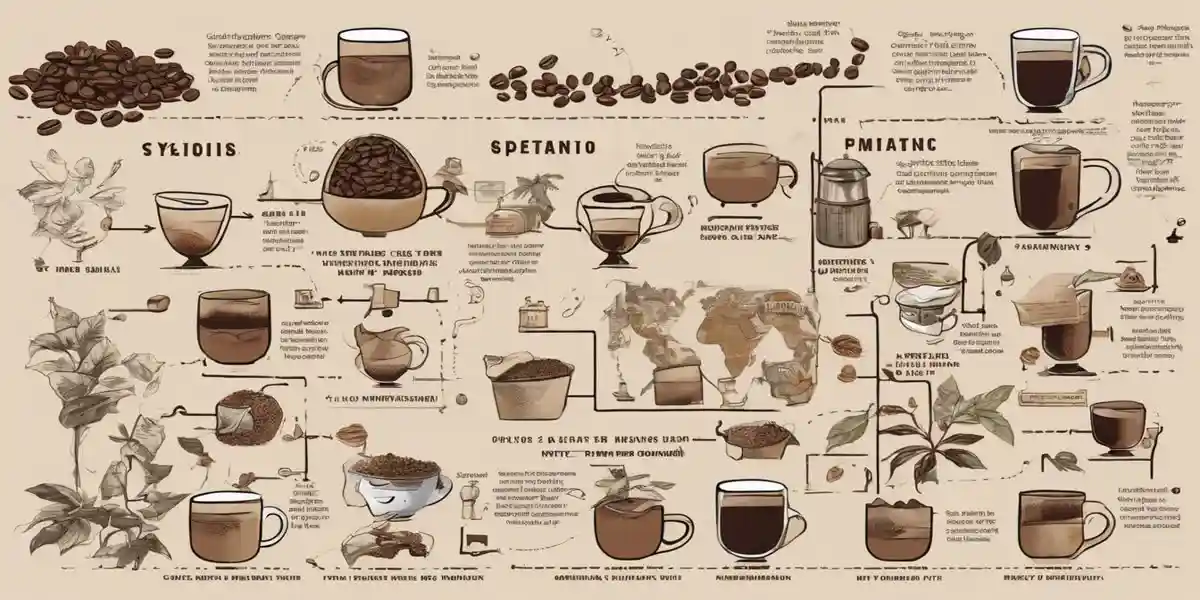
The journey of specialty coffee beans from farm to cup is a captivating narrative, rich with nuances that affect flavor and quality. Each step in this intricate process—from the geographical origin of the beans to their roasting transformations—plays a crucial role in defining the final cup of coffee we enjoy. As we embark on this exploration, let’s uncover the factors that contribute to the unique characteristics of specialty coffee beans.
Imagine the lush highlands of Ethiopia or the mountainous terrains of Colombia. Each of these regions provides a distinct terroir that shapes the flavor profiles of the coffee beans grown there. Factors such as soil composition, altitude, and climate conditions intertwine to impart unique characteristics to the beans. For instance, Ethiopian coffees are renowned for their floral and fruity notes, often described as reminiscent of jasmine or citrus, while Colombian coffees are often celebrated for their balanced sweetness and nutty undertones.
Once harvested, the journey of the coffee bean continues through various processing methods that significantly affect its flavor. The most common methods include washed, natural, and honey processing. Washed processing often results in a cleaner cup, highlighting the bean's inherent qualities, while natural processing enhances fruity notes by allowing the beans to dry with the cherry fruit intact. For example, beans processed using the natural method can exhibit vibrant berry flavors, while honey-processed beans might balance sweetness with slight acidity.
The real magic of coffee happens during the roasting process. This stage applies heat, initiating complex chemical reactions such as the Maillard reaction and caramelization. These processes transform green beans into the aromatic, dark treasures we adore. Research indicates that the degree of roasting profoundly influences the flavor profile of the coffee. For example, pyrazine and heterocyclic compounds emerge as predominant aroma contributors, with their intensity increasing alongside the roast level. Medium-roasted coffee has been shown to strike a balance, offering enhanced floral and fruity flavors while minimizing bitterness and acidity, making it particularly appealing to consumers.
Delving deeper into the chemistry of specialty coffee, studies utilizing gas chromatography-mass spectrometry have identified key compounds linked to flavor quality. One such compound, 3-methylbutanoic acid methyl ester (3-MBM), has been highlighted for its role in enhancing the fresh-fruity aroma and overall cleanness of the brew. This compound is prevalent in high-scoring arabica coffee beans, with Specialty Coffee Association cupping scores ranging between 76.5 and 89.0. The presence of 3-MBM not only signifies quality but also serves as a vital marker for coffee producers aiming to elevate their offerings.
The journey doesn't end with roasting; innovative post-harvest processing techniques can further enhance flavor profiles. For instance, studies exploring different fermentation methods have revealed that natural coffee (NC) processing produces more organic acids, enriching the coffee's sensory profile, while self-induced anaerobic fermentation can lead to distinct flavor complexities. Such advancements signify a shift towards more artisanal approaches in coffee production, ultimately elevating the consumer experience.
As we savor our cup of specialty coffee, we may find ourselves not just appreciating the flavors but also connecting to the broader narrative—one that encompasses the land, the people, and the intricate processes that have brought this beloved beverage to life.

In the world of specialty coffee, the journey from farm to cup is as intricate as the flavors that dance on your palate. Each step of this journey is essential in shaping the final brew you enjoy, and understanding this process can deepen your appreciation for every sip.
Imagine the coffee bean’s birthplace, where it begins its journey. Regions like the lush highlands of Ethiopia or the mountainous terrains of Colombia are not just geographical markers; they are the roots of distinct flavor profiles. The unique combination of soil composition, altitude, and climate affects the bean's growth, infusing it with characteristics that will manifest in the cup. For instance, Ethiopian coffees often boast bright acidity and fruity notes, while Colombian varieties may present a well-rounded sweetness with hints of caramel.
Once harvested, the beans don’t just sit idly; they undergo various processing methods that significantly influence their flavor. Common methods include washed, natural, and honey processing. Each technique extracts different qualities from the beans. For example, washed coffees tend to have a cleaner, brighter flavor, enhancing citrus and floral notes, while natural coffees, dried with the fruit intact, often yield deeper, fruitier flavors. A study on the Catuaí IAC-144 variety revealed that natural processing produced more organic acids, enriching the coffee's sensory profile, while submerged fermentation methods heightened lactic acid levels, contributing to unique flavor complexities.
But the real magic happens during the roasting phase. Here, heat triggers a series of chemical reactions—most notably the Maillard reaction and caramelization—that transform the green beans into the aromatic treasures we know and love. These reactions create complex flavors and aromas that are crucial to the coffee experience. For instance, the increase of pyrazine and heterocyclic compounds during roasting contributes significantly to the aroma, with their dominance rising with roast intensity. Medium-roasted beans, in particular, have been found to appeal more to consumers due to their enhanced floral and fruity characteristics.
Digging deeper into the scientific side of coffee, research has identified specific compounds that elevate flavor quality. Methyl-esterified compounds (MECs), notably 3-methylbutanoic acid methyl ester (3-MBM), have been linked to fresh-fruity aromas and the overall cleanness of the brew. Coffees that score highly on the Specialty Coffee Association (SCA) cupping scale often have elevated levels of these compounds, making them more desirable. The intricate interplay of these compounds is what makes certain coffees stand out, presenting a fresh and vibrant cup that is hard to forget.
After roasting, the journey is not quite over. The brewing method you choose also plays a critical role in the final flavor profile. Techniques such as pour-over, French press, or cold brew each extract different characteristics from the coffee. For example, cold brew coffee, particularly when made from medium-roasted beans, has been shown to be more appealing to consumers due to its floral and fruity flavors, which are preserved through processes like freeze-drying. This method not only enhances desirable aromas but also mitigates undesirable bitterness and acidity, leading to a smoother, more enjoyable cup.
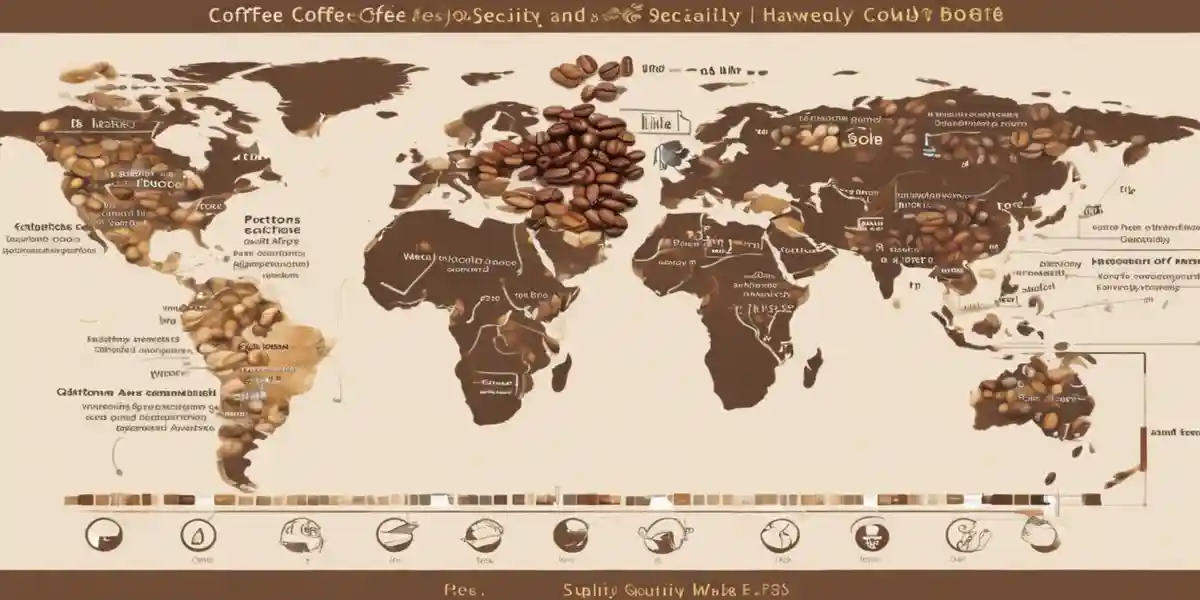
The journey of specialty coffee begins long before it reaches your cup. The growth and harvesting of coffee beans is a meticulous process influenced by various factors, including geography, climate, and cultivation methods. Each of these elements plays a crucial role in the development of the beans’ unique flavor profiles, which are later enhanced through roasting.
Specialty coffee is predominantly grown in the "Coffee Belt," an area between the Tropics of Cancer and Capricorn. This region includes countries like Ethiopia, Colombia, and Guatemala, where the combination of high altitudes, rich soil, and favorable climates creates optimal conditions for coffee cultivation. For example, Ethiopian coffee, often considered the birthplace of coffee, thrives in its highland regions, where the altitude allows for slow maturation of coffee cherries, resulting in complex flavor notes such as fruity and floral undertones.
Arabica and Robusta are the two primary species of coffee beans, but within Arabica, there are numerous varieties like Bourbon and Geisha. Each variety has distinct characteristics influenced by its growing conditions. For instance, the Geisha variety, originally from Ethiopia but now popular in Panama, is celebrated for its jasmine-like aroma and vibrant acidity, which is attributed to the unique microclimates and careful cultivation practices in Panama's high-altitude farms.
Harvesting specialty coffee is a labor-intensive process that can be done either by hand or through mechanical means. Hand-picking is often preferred for specialty coffee as it allows for selective harvesting of only the ripe cherries, ensuring that only the best quality beans are collected. This method is commonly employed in regions like Colombia, where farmers painstakingly hand-pick cherries during the harvest season, which can last several months.
Once harvested, the next phase is processing the beans, which significantly influences their flavor profile. There are several methods employed, including washed, natural, and honey processing. Each technique brings out different attributes in the coffee. For instance:
Some coffee varieties, such as Catuaí IAC-144, undergo fermentation during processing, which can also influence flavor. Different fermentation methods, like solid-state fermentation (SSF) and submerged fermentation (SMF), have been shown to enhance the sensory qualities of the coffee. For instance, the SMF method can increase lactic acid levels, resulting in a creamier mouthfeel, while SSF can elevate ethanol content, contributing to the coffee's complexity.
Research indicates that these post-harvest techniques are essential for developing the organic, chemical, and sensory attributes that define specialty coffee. The findings suggest that processing methods, such as natural coffee and various fermentation techniques, can significantly enrich the sensory profile, creating diverse flavor experiences for coffee enthusiasts.
Quality assessment in specialty coffee often relies on the Specialty Coffee Association (SCA) cupping scores, which evaluate flavor, aroma, and overall quality. Studies have highlighted specific chemical compounds, such as methyl-esterified compounds (MECs), particularly 3-methylbutanoic acid methyl ester (3-MBM), as significant contributors to flavor quality. These compounds enhance the fresh-fruity aroma and cleanness of the brew, making them valuable markers for assessing coffee quality.

The journey of specialty coffee beans is a fascinating tale of transformation, intricately woven from the moment they are harvested to the final brew in your cup. Once the beans are plucked from their trees, the processing techniques employed can dramatically alter their flavor profiles, setting the stage for the roasting process that follows. In this section, we will explore the primary processing methods—washed, natural, and honey—and how each one influences the taste and aroma of the final coffee product.
Washed processing, also known as wet processing, involves removing the coffee cherry’s outer fruit layer before fermentation. This method typically enhances the clarity and brightness of the coffee, making it a popular choice among specialty coffee producers. The beans are first pulped to remove the skin and mucilage, then fermented to eliminate any remaining fruit residue. The result? A clean, crisp cup that showcases the bean's inherent characteristics, often bringing out floral and fruity notes.
Research indicates that the washed process can lead to an increase in desirable aroma compounds, such as linalool and furfuryl acetate, which contribute to the coffee's overall flavor profile. For example, beans processed in this manner from Colombia often exhibit bright acidity and nuanced flavors, making them a favorite among coffee enthusiasts.
In contrast, natural processing allows the coffee cherries to dry in the sun with the fruit still intact. This method is less labor-intensive and tends to produce a fruitier, more complex flavor profile in the beans. As they dry, the sugars from the fruit permeate the bean, imparting rich, berry-like notes that can surprise and delight the palate.
A study on the effects of natural processing revealed that this method significantly increases the organic acids present, enriching the coffee's sensory profile. For instance, Ethiopian coffees processed naturally often carry vibrant notes of blueberries and other dark fruits, making them stand out in cupping sessions.
Honey processing is a hybrid technique that falls between washed and natural methods. It involves removing the outer skin but leaving some of the mucilage intact during drying. This method creates a balance between clarity and sweetness, resulting in a cup that retains some fruitiness while showcasing the bean's intrinsic qualities. The sweetness of the mucilage translates into a syrupy mouthfeel and can bring out unique tasting notes, depending on how much of the mucilage is left on the bean.
Research shows that honey-processed coffees often present a diverse range of flavors, from caramel to floral notes, depending on the specific processing conditions. A notable example is Costa Rican honey-processed coffees, which frequently exhibit a delightful complexity that appeals to many coffee drinkers.
Beyond these primary processing methods, fermentation plays a crucial role in shaping the flavor of coffee. Different fermentation methods, such as solid-state fermentation (SSF) and submerged fermentation (SMF), can significantly impact the organic and sensory attributes of the beans. For instance, studies have found that SMF can enhance lactic acid levels, contributing to a smoother and creamier mouthfeel in the final brew.
Additionally, the duration of fermentation can alter the coffee's profile. A fermentation time of 24 to 72 hours can lead to diverse outcomes, with longer fermentation often yielding more complex flavors. This variability allows for a rich tapestry of profiles across different coffees, showing that even small adjustments in processing can lead to significant differences in taste.
The transformation of coffee beans does not stop at processing; roasting is where the magic continues. During roasting, the Maillard reaction and caramelization occur, creating complex flavors and aromas unique to each batch of beans. Research indicates that the degree of roasting affects the aroma compounds present in the coffee, with pyrazine and heterocyclic compounds becoming more pronounced at higher roast levels. This means that whether you prefer a light, medium, or dark roast, the processing techniques that preceded roasting have already laid the groundwork for the flavors you will experience.
For instance, medium-roasted coffees often emerge as the most appealing to consumers, striking a balance between fruity flavors and the rich, deep notes developed during roasting. This combination is crucial for those who appreciate the intricate nuances of specialty coffee.

The journey of specialty coffee from farm to cup is not just about the beans themselves; it's about the transformative art of roasting that unlocks their full potential. Roasting is where the green coffee beans undergo a metamorphosis, influenced by their origins and the meticulous techniques employed by roasters. This section delves into the intricate process of roasting and how it unveils the unique flavor profiles that coffee enthusiasts cherish.
Every coffee bean tells a story that begins in its birthplace. Regions like Ethiopia and Colombia produce beans that possess distinct flavor notes shaped by various factors, including soil composition, altitude, and climate. For instance, Ethiopian coffees often exhibit vibrant floral and fruity qualities, while Colombian beans are known for their balanced sweetness and nutty undertones. This foundational aspect of coffee flavor is critical, as it sets the stage for what happens during roasting.
Following harvest, coffee beans undergo different processing methods—washed, natural, or honey—that significantly affect their flavor profiles. For example, natural processing allows beans to dry in the fruit's mucilage, resulting in a wine-like sweetness and pronounced berry flavors. In contrast, washed processing emphasizes clarity and brightness, showcasing the bean's intrinsic qualities. This initial step is crucial as it influences how the beans will react to roasting, ultimately shaping the final cup’s character.
When it comes to roasting, the magic truly begins. The application of heat initiates chemical reactions, notably the Maillard reaction and caramelization, which develop the complex flavors and aromas we associate with coffee. The Maillard reaction, which occurs when sugars and amino acids react under heat, is responsible for the rich, toasty flavors that emerge during roasting. Caramelization, on the other hand, contributes sweetness and depth, leading to the delightful balance of flavors we savor in our favorite brews.
Recent studies reveal that different roasting degrees can dramatically affect the flavor characteristics of coffee. For example, research has shown that as roasting intensity increases, compounds such as pyrazine and heterocyclic compounds become more prevalent, enhancing the aroma profile of the coffee. These compounds are crucial for creating the rich, complex flavors that coffee lovers seek. Additionally, aroma compounds like linalool and furfuryl acetate are particularly noteworthy for their contribution to floral and fruity notes, enriching the overall sensory experience.
Furthermore, the presence of methyl-esterified compounds (MECs), particularly 3-methylbutanoic acid methyl ester (3-MBM), has been identified as a key factor influencing flavor quality in high-scoring arabica coffee. This compound enhances the fresh-fruity aroma and cleanness of the brew, making it an essential marker for quality assessment in specialty coffee. With cupping scores ranging from 76.5 to 89.0, the significance of 3-MBM cannot be understated, as it directly correlates with consumer preferences and the overall enjoyment of coffee.
Interestingly, medium-roasted coffee has gained particular acclaim for its well-rounded flavor profiles. Studies indicate that medium roasting preserves desirable floral and fruity flavors while mitigating undesirable bitterness and acidity. This balance not only enhances the sensory experience but also leads to higher consumer acceptance. For instance, medium-roasted cold brew coffee, especially when freeze-dried, has shown superior flavor profiles, making it a favorite among coffee enthusiasts.
Ultimately, the art of roasting is a delicate balance of science and creativity. Each roaster brings their unique perspective and expertise to the process, making choices that influence the final flavor of the coffee. By weaving together the stories of farmers, roasters, and baristas, we can appreciate the passion and craftsmanship that goes into every cup. Each sip of specialty coffee is not just a taste; it's a connection to the land, the people, and the rich tapestry of flavors that have been meticulously crafted through the roasting process.
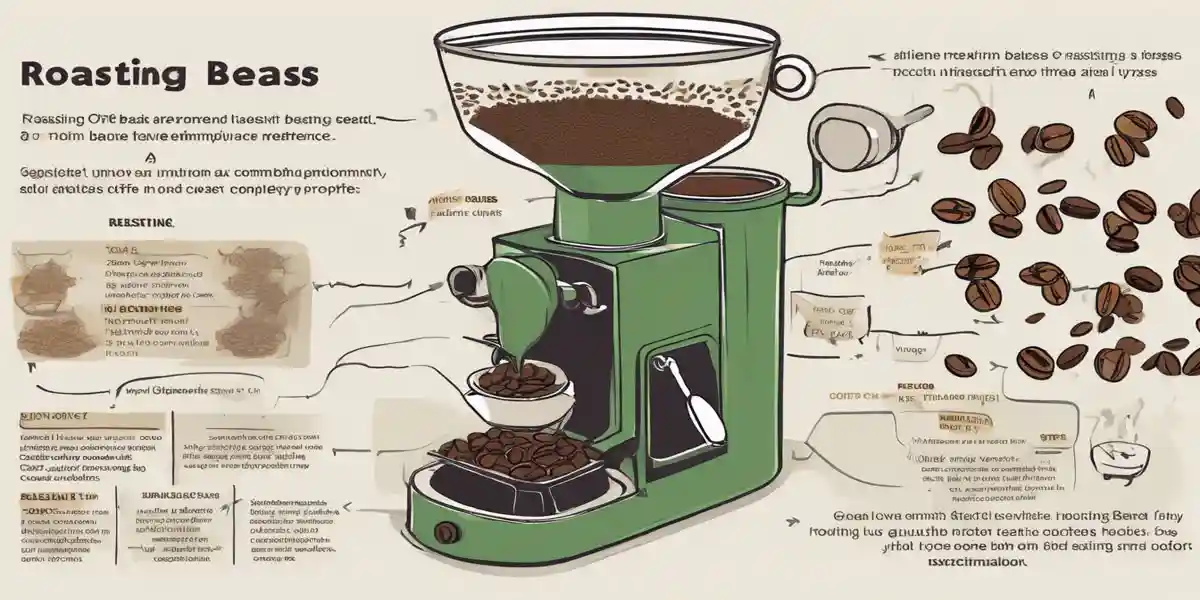
Roasting is where the metamorphosis of coffee beans truly begins, transforming them from green, grassy seeds into aromatic, flavorful treasures. The roasting process is not just about applying heat; it's an intricate dance of chemistry, where the degree of roast dramatically influences the flavor profile of the coffee. Understanding roasting levels is essential for anyone who wants to appreciate the artistry behind each cup.
Roasting levels can be broadly categorized into light, medium, and dark roasts, each offering a distinct flavor experience. Light roasts typically highlight the beans' inherent qualities, often referred to as their "origin flavors." For instance, a light roast from Ethiopia may exhibit bright acidity with floral notes, while a Guatemalan light roast might reveal a more nuanced profile with fruity undertones.
Conversely, dark roasts tend to overshadow the beans' original characteristics, focusing instead on the flavors developed during roasting. This is where the Maillard reaction comes into play, a complex series of reactions that occur when sugars and amino acids in the beans break down under high temperatures. It is responsible for the rich, roasted flavors associated with dark coffee. However, it's crucial to note that excessive roasting can lead to the loss of desirable flavors, resulting in a bitter or ashy taste.
As the beans roast, various chemical compounds are produced that contribute to the overall flavor and aroma of coffee. Studies have shown that as roasting levels increase, certain aroma compounds, such as pyrazine and heterocyclic compounds, become more pronounced. These compounds enhance the complexity of the coffee's bouquet, adding layers of flavor that can be both intriguing and delightful.
A noteworthy example comes from research on cold brew coffee, which identified that medium-roasted beans were particularly appealing to consumers due to their enhanced floral and fruity flavors. The study highlighted that freeze-drying techniques preserved these desirable aromas by mitigating undesirable bitterness and acidity, which often accompany darker roasts.
One of the significant findings in recent studies is the role of methyl-esterified compounds (MECs), particularly 3-methylbutanoic acid methyl ester (3-MBM), in high-quality arabica coffee. This compound has been linked to enhancing the fresh-fruity aroma and overall cleanness of the brew. As roasting levels progress, the concentration of these compounds can vary, impacting consumer preferences significantly. For instance, coffee beans with Specialty Coffee Association cupping scores ranging from 76.5 to 89.0 exhibited higher levels of 3-MBM, suggesting that careful control of roasting levels can lead to superior flavor quality.
When selecting a coffee roast, personal preference plays a vital role. Some might favor the bright, acidic notes of a light roast, while others lean towards the deep, rich flavors of a dark roast. However, it’s essential to consider how the roasting process affects the overall sensory profile of the coffee. For example, the processing method used prior to roasting, whether washed, natural, or honey, also influences the final taste. A natural processed coffee roasted lightly may present vibrant fruitiness, whereas the same beans roasted darkly could evolve into a more chocolatey, syrupy sensation.
This interplay between roasting levels and flavor profiles invites coffee lovers to explore the world of specialty coffee more deeply. By understanding how roasting influences taste, consumers can make informed choices that align with their flavor preferences, enhancing their overall coffee experience.
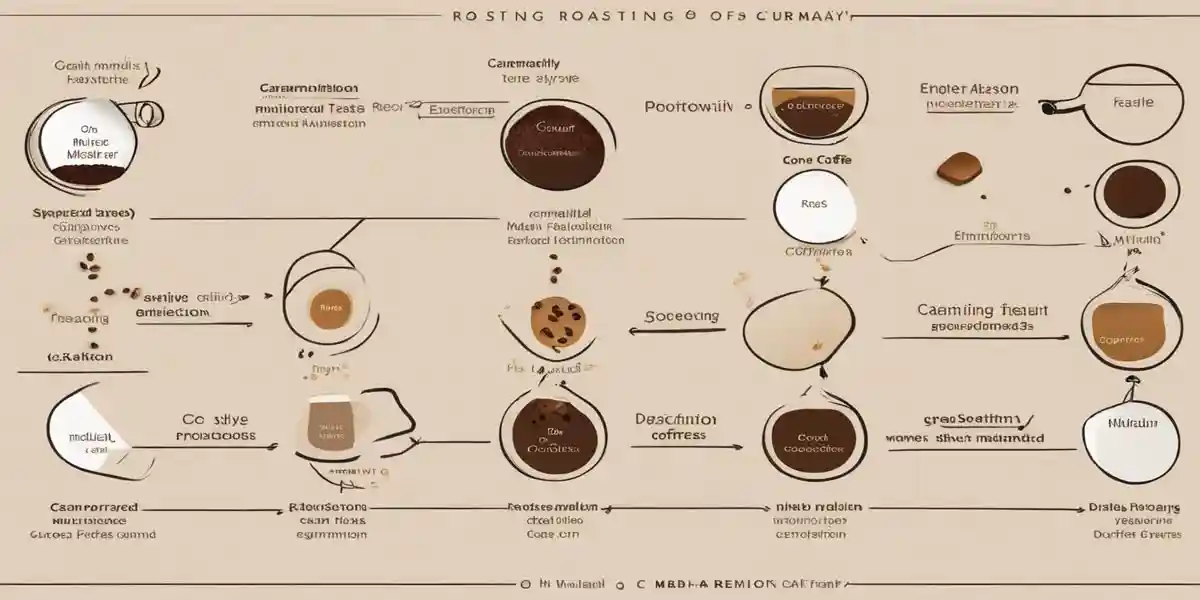
The roasting process plays a pivotal role in shaping the taste and aroma of specialty coffee, transforming the humble green bean into a complex sensory experience. The degree of roast not only influences the flavor profile but also the aromatic compounds that are released, ultimately defining the character of the brew. Understanding this transformation is essential for any coffee enthusiast eager to explore the depths of their favorite cup.
Roasting coffee beans involves applying heat, which initiates a series of chemical reactions. The three primary roast levels—light, medium, and dark—each bring out distinct flavor notes. Light roasts typically retain more of the bean’s original flavors, showcasing bright acidity and floral or fruity notes. In contrast, dark roasts tend to emphasize deeper, more robust flavors, often introducing bitter or smoky undertones.
Two key processes during roasting are the Maillard reaction and caramelization. The Maillard reaction occurs between amino acids and reducing sugars, leading to the formation of complex flavor compounds. As the roast progresses, these compounds evolve, creating not just sweetness but also nutty and toasty flavors. Caramelization, on the other hand, involves the breakdown of sugars at high temperatures, contributing to the rich, caramel-like notes found in darker roasts.
Research indicates that roasting significantly affects the aromatic profile of coffee. A study focused on cold brew coffee found that pyrazine and heterocyclic compounds become more pronounced as roasting intensity increases. For instance, compounds like linalool and furfuryl acetate—known for their floral and fruity notes—are enhanced in medium-roasted coffees, making them particularly appealing to consumers. This is crucial as the aroma is often what first attracts us to a cup of coffee.
Medium-roasted coffee strikes a balance between preserving the unique characteristics of the bean and developing new flavors through roasting. The study mentioned earlier highlights that medium-roasted cold brew coffee offers superior flavor profiles, with enhanced floral and fruity notes, while effectively reducing bitterness and acidity. This makes medium roast a popular choice among coffee drinkers, as it tends to cater to a wide range of palates.
Before roasting, the processing methods applied to coffee beans can significantly influence their final flavor. Techniques such as natural processing can enhance the development of organic acids, enriching the sensory profile of the coffee. For instance, the Catuaí IAC-144 variety processed through natural methods produced more vibrant flavors compared to pulped processing. These pre-roast characteristics interact intricately with the roasting process, culminating in a complex flavor experience.
Studies focusing on high-quality arabica beans have identified 3-methylbutanoic acid methyl ester (3-MBM) as a key compound that contributes to the fresh-fruity aroma and overall cleanness of the brew. The presence of 3-MBM, particularly in specialty coffees with higher SCA cupping scores, suggests that this compound could serve as a marker for quality assessment in coffee production. This highlights the importance of both the roasting process and the intrinsic qualities of the beans themselves.
The journey of coffee from farm to cup is a captivating narrative filled with intricate processes and diverse influences. From the unique environmental characteristics of coffee-growing regions to the meticulous methods of processing and roasting, each step is integral to creating the rich flavors we enjoy. So, how can we appreciate this multifaceted experience while savoring our favorite brew?
When we take that first sip of coffee, it’s crucial to recognize the influence of its origin. Regions like Ethiopia and Colombia contribute distinct flavor profiles shaped by altitude, soil, and climate. For instance, Ethiopian coffees often feature bright acidity and floral notes, while Colombian varieties tend to showcase a balanced sweetness with nutty undertones. Understanding these origins not only enhances our appreciation of the cup but also allows us to connect with the landscapes and communities that produce our beloved beverage.
Once harvested, the beans enter a world of processing methods—washed, natural, or honey—each enhancing different flavor attributes. For example, natural processing allows beans to dry with the fruit still intact, resulting in a fruit-forward profile rich in sweetness. In contrast, washed processing highlights the coffee’s acidity and clarity. The choice of method is not just technical; it’s an art form that reflects the farmer's intent and the region's traditions. Consider the Catuaí IAC-144 variety, where studies have shown that natural processing enriched the sensory profile with organic acids, offering a unique tasting experience.
Roasting is where the magic truly happens. Think of the Maillard reaction and caramelization—two fundamental processes that transform raw green beans into the aromatic treasures we crave. As beans roast, they undergo a series of chemical changes that develop complex flavors and aromas. Research indicates that compounds like pyrazine and 3-methylbutanoic acid methyl ester (3-MBM) play a crucial role in the final flavor. Notably, 3-MBM enhances the fresh-fruity aroma and cleanness, elevating the coffee's overall quality. This transformation is not merely a change in color; it’s a metamorphosis that encapsulates the essence of the bean’s journey.
When enjoying your cup of coffee, consider the sensory attributes at play. The aroma, flavor, mouthfeel, and aftertaste all contribute to the overall experience. Research has shown that medium-roasted cold brew coffee, particularly when freeze-dried, can achieve superior flavor profiles while minimizing undesirable bitterness and acidity. This not only leads to higher consumer acceptance but also highlights the importance of roasting techniques in shaping our coffee experience. As you savor each sip, pay attention to the floral notes and fruity undertones that bring a sense of joy and comfort.
Ultimately, every cup of specialty coffee tells a story. From the dedicated farmers to the passionate roasters and skilled baristas, each individual plays a role in this remarkable journey. By understanding and appreciating these connections, we can elevate our coffee ritual from a simple consumption act to a profound experience. With each sip, we celebrate the land, the labor, and the love that goes into crafting our coffee. So, the next time you indulge in your favorite brew, take a moment to savor not just the flavors but the entire tapestry of experiences that led to that cup.

As we embark on the journey of specialty coffee, the roasting process stands as a pivotal transformation that breathes life into the green coffee beans, unlocking a spectrum of flavors and aromas. This section will explore the intricate chemical changes that occur during roasting, the significance of different roasting degrees, and the impact of various processing methods that influence the final cup.
Roasting coffee is akin to a culinary alchemy, where raw green beans undergo a metamorphosis through heat. This process initiates several chemical reactions, primarily the Maillard reaction and caramelization, both of which are critical in developing the coffee’s flavor profile. The Maillard reaction occurs when reducing sugars and amino acids react under heat, producing complex flavor compounds that contribute to the coffee's overall taste. This reaction is responsible for the nutty, chocolatey, and caramel notes that many coffee lovers cherish.
In addition to the Maillard reaction, caramelization—the breakdown of sugars at high temperatures—further enhances the sweetness and depth of flavor in roasted coffee. Research has shown that as the roasting degree increases, so does the concentration of key aroma compounds such as pyrazine and heterocyclic compounds, both of which are essential for creating the characteristic aromas found in coffee. These compounds become more pronounced, particularly in medium to dark roasts, leading to a richer sensory experience for the consumer.
The degree of roasting significantly impacts the flavor characteristics of coffee. A recent study revealed that medium-roasted cold brew coffee is particularly appealing to consumers due to its balanced floral and fruity notes, which are preserved through innovative freeze-drying techniques. This method not only enhances desirable aromas but also reduces unwanted bitterness and acidity—traits that can deter coffee enthusiasts.
For instance, the roasting degree can influence the presence of aroma compounds such as linalool and furfuryl acetate, which contribute to the coffee's floral and fruity notes. As the roast progresses from light to dark, the flavors evolve; light roasts tend to emphasize bright acidity and fruity characteristics, while dark roasts lean towards deeper, bolder flavors with notes of chocolate and caramel. This nuanced understanding of roasting degrees allows consumers to choose their preferred flavor profile based on personal taste preferences.
Before the beans even reach the roaster, the processing methods employed post-harvest play a vital role in shaping their sensory attributes. Different techniques such as washed, natural, or honey processing yield distinct flavor outcomes. For example, a recent study focusing on the Catuaí IAC-144 variety found that natural coffee (NC) processing produced higher levels of organic acids, enriching the sensory profile and enhancing the coffee's complexity.
Furthermore, the research highlighted the influence of fermentation methods on flavor development. Self-induced anaerobic fermentation (SIAF) methods, including solid-state fermentation (SSF) and submerged fermentation (SMF), were shown to significantly enhance the sensory quality of coffee. The use of different fermentation times, ranging from 24 to 72 hours, allowed for the production of diverse flavor profiles, demonstrating that the journey from farm to cup is not merely a linear process, but rather a tapestry of choices that influence the final product.
The quest for understanding coffee flavor has led researchers to identify specific chemical compounds that serve as markers of quality. In high-scoring arabica coffee beans, particularly those achieving cupping scores of 76.5 to 89.0, methyl-esterified compounds (MECs) such as 3-methylbutanoic acid methyl ester (3-MBM) have been identified as crucial contributors to flavor quality. These compounds enhance the fresh-fruity aroma and cleanness of brewed coffee, making them key indicators for quality assessment in specialty coffee production.
This nuanced understanding of the interactions between roasting, processing, and chemical composition not only enriches our appreciation for specialty coffee but also empowers consumers to make informed choices about their brews. Each cup of coffee, therefore, becomes not just a beverage, but a story of meticulous craftsmanship, rooted in the earth and shaped by the hands of dedicated farmers and roasters alike.
The journey of coffee from farm to cup is a captivating narrative filled with intricate processes and diverse influences. From the unique environmental characteristics of coffee-growing regions to the meticulous methods of processing and roasting, each step is integral to creating the rich flavors we enjoy. So, how can we appreciate this multifaceted experience while savoring our favorite brew?
When we take that first sip of coffee, it’s crucial to recognize the influence of its origin. Regions like Ethiopia and Colombia contribute distinct flavor profiles shaped by altitude, soil, and climate. For instance, Ethiopian coffees often feature bright acidity and floral notes, while Colombian varieties tend to showcase a balanced sweetness with nutty undertones. Understanding these origins not only enhances our appreciation of the cup but also allows us to connect with the landscapes and communities that produce our beloved beverage.
Once harvested, the beans enter a world of processing methods—washed, natural, or honey—each enhancing different flavor attributes. For example, natural processing allows beans to dry with the fruit still intact, resulting in a fruit-forward profile rich in sweetness. In contrast, washed processing highlights the coffee’s acidity and clarity. The choice of method is not just technical; it’s an art form that reflects the farmer's intent and the region's traditions. Consider the Catuaí IAC-144 variety, where studies have shown that natural processing enriched the sensory profile with organic acids, offering a unique tasting experience.
Roasting is where the magic truly happens. Think of the Maillard reaction and caramelization—two fundamental processes that transform raw green beans into the aromatic treasures we crave. As beans roast, they undergo a series of chemical changes that develop complex flavors and aromas. Research indicates that compounds like pyrazine and 3-methylbutanoic acid methyl ester (3-MBM) play a crucial role in the final flavor. Notably, 3-MBM enhances the fresh-fruity aroma and cleanness, elevating the coffee's overall quality. This transformation is not merely a change in color; it’s a metamorphosis that encapsulates the essence of the bean’s journey.
When enjoying your cup of coffee, consider the sensory attributes at play. The aroma, flavor, mouthfeel, and aftertaste all contribute to the overall experience. Research has shown that medium-roasted cold brew coffee, particularly when freeze-dried, can achieve superior flavor profiles while minimizing undesirable bitterness and acidity. This not only leads to higher consumer acceptance but also highlights the importance of roasting techniques in shaping our coffee experience. As you savor each sip, pay attention to the floral notes and fruity undertones that bring a sense of joy and comfort.
Ultimately, every cup of specialty coffee tells a story. From the dedicated farmers to the passionate roasters and skilled baristas, each individual plays a role in this remarkable journey. By understanding and appreciating these connections, we can elevate our coffee ritual from a simple consumption act to a profound experience. With each sip, we celebrate the land, the labor, and the love that goes into crafting our coffee. So, the next time you indulge in your favorite brew, take a moment to savor not just the flavors but the entire tapestry of experiences that led to that cup.

Get notified about new articles, coffee tips, and Web3 insights.
This site participates in affiliate programs and may earn a commission when a link is clicked and a purchase is made. The site is not responsible for any issues or troubles related to the products or services purchased through the use of this site.

DO&COFFEE loves coffee and technology, exploring the potential of NFTs and blockchain. Learn more →
DO&COFFEE loves coffee and technology, exploring the potential of NFTs and blockchain. Learn more →