coffee
2025/03/17

In the vibrant world of coffee, the journey from seed to sip is not just a culinary delight; it is a complex narrative woven with economic trends, cultural practices, and sustainability challenges. This blog post, titled "From Seed to Sip: Understanding Coffee Beans Price Trends and the Journey of Starbucks Reserve Coffee Beans," aims to unravel this intricate tapestry by examining the fluctuating prices of coffee beans and the premiumization exemplified by Starbucks Reserve offerings. We will explore the economic factors that drive coffee prices, including the impacts of climate change and market demand, alongside the vital role of sustainable cultivation practices that ensure the integrity of this cherished beverage.
By delving into the specific journey of Starbucks Reserve coffee beans—from their cultivation in unique regions to their special place in the specialty coffee segment—we will highlight how consumer preferences are shifting towards quality and ethical sourcing. This exploration is crucial not only for coffee enthusiasts but also for those invested in understanding the broader implications of coffee production on farmers' livelihoods and the environment. As we navigate through these key themes, readers will gain insights into the complexities of the coffee economy and the ongoing efforts to create a sustainable future for this beloved drink.
The journey of coffee beans from seed to sip is not just a tale of cultivation and brewing; it is also a complex narrative shaped by various pricing dynamics that influence the global coffee market. Understanding the price trends of coffee beans is crucial for consumers, producers, and investors alike, as these prices are affected by a multitude of factors ranging from climate conditions to market demand. This section delves into the fundamental dynamics that govern coffee bean pricing, illustrating these concepts with relevant examples.
At the heart of coffee pricing lies the fundamental economic principle of supply and demand. For instance, the Coffee Price Index (CPI) has shown fluctuations that directly correlate with global supply levels. In 2018, a drought in Brazil—one of the largest coffee producers—significantly reduced Arabica bean supply, leading to a spike in prices by nearly 25%. Conversely, when surplus production occurs, as seen in 2020 when global production exceeded demand due to the COVID-19 pandemic, prices often plummet. This interplay highlights how external factors can lead to dramatic shifts in pricing.
The rise of specialty coffee has added another layer to the pricing landscape. Starbucks Reserve, for instance, sources high-quality beans from specific regions, commanding a premium price. According to the Specialty Coffee Association, these premium beans can sell for up to three times the price of standard offerings. This highlights how the perceived value of quality influences consumer willingness to pay, as many are now prioritizing unique flavors and sustainable practices over cost.
Geopolitical events can also create ripples in coffee pricing. For example, trade tariffs imposed on coffee imports, such as those seen during the U.S.–China trade tensions, can affect market prices by altering the cost of imported beans. Additionally, economic policies in coffee-producing countries, including subsidies and minimum price regulations, can influence local production costs and thereby the prices that reach international markets. The recent Ethiopian government initiative to stabilize coffee prices through direct sales to international buyers is one such example of policy-driven pricing dynamics.
In summary, understanding the pricing dynamics of coffee beans requires a multi-faceted view that incorporates supply and demand, quality segmentation, and geopolitical influences. These elements not only shape the market landscape but also influence the consumer experience from coffee farm to café.
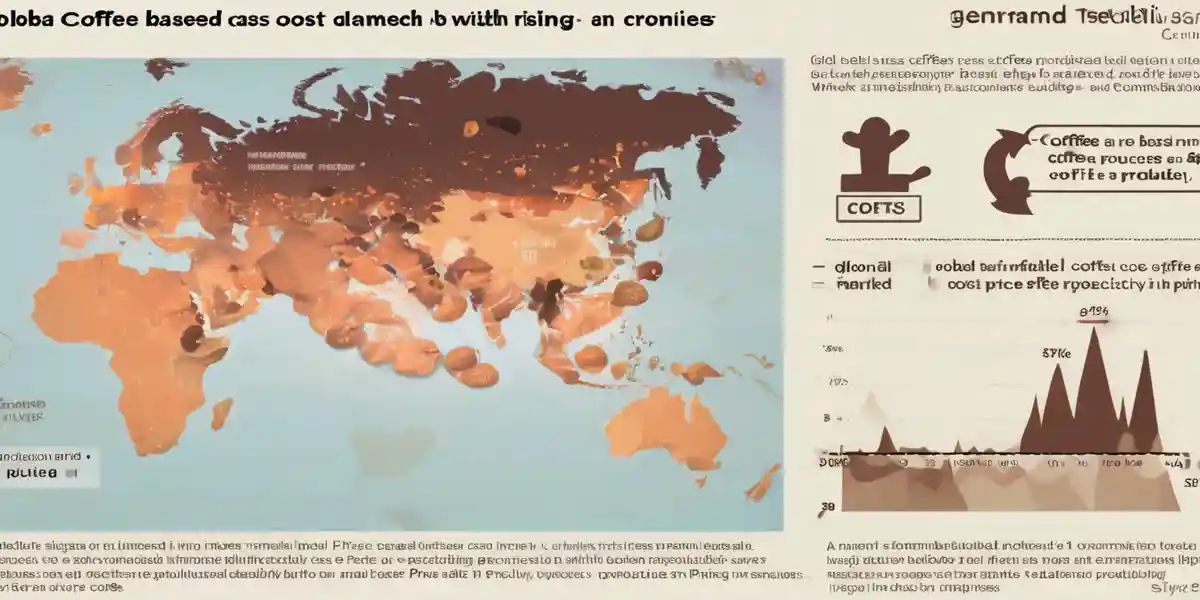
The global coffee market is influenced by a myriad of factors that can cause fluctuations in prices. Understanding these elements is crucial for stakeholders, from farmers to consumers. Three primary factors contribute significantly to the pricing dynamics of coffee beans: climate change, market demand, and production costs.
One of the most pressing factors affecting coffee prices is climate change. As temperatures rise and weather patterns become more erratic, coffee-growing regions face increasing challenges. For instance, the Arabica coffee bean, which accounts for about 60% of global coffee production, thrives in specific temperature ranges. A study published in "Global Change Biology" indicates that suitable land for Arabica cultivation could decrease by up to 50% by 2050 due to climate impacts. This reduction in viable growing land not only threatens supply but can also lead to higher prices as scarcity increases.
Consumer preferences play a pivotal role in driving coffee prices. The rise of specialty coffee and the increasing popularity of ethically sourced products have led to greater demand for premium beans. For example, Starbucks Reserve, which focuses on high-quality, unique coffee experiences, has seen a surge in demand, reflecting a broader trend toward premiumization in the coffee industry. According to a report from the International Coffee Organization (ICO), the demand for specialty coffee has grown by 20% annually, indicating that as consumer preferences shift towards higher-quality offerings, prices for such beans are likely to rise.
Production costs, influenced by labor, transportation, and input prices, are another critical factor. For instance, the labor-intensive nature of coffee farming means that wages, particularly in producing countries like Brazil and Colombia, directly impact prices. In Brazil, rising labor costs due to stricter labor laws and increased living expenses have led to a significant uptick in production costs. Additionally, economic instability in coffee-producing countries can disrupt supply chains and lead to price spikes. In 2021, for example, political unrest in Ethiopia, a major coffee producer, resulted in supply shortages, which propelled prices upwards on the global market.
In summary, global coffee prices are the result of complex interactions between environmental, economic, and social factors. Awareness of these dynamics can provide valuable insights for stakeholders navigating the coffee market.
The journey of Starbucks Reserve coffee beans encapsulates a complex interplay of agricultural practices, economic factors, and consumer preferences. Understanding this journey is essential to grasping the price trends that affect coffee beans globally. Three key aspects highlight the evolution and market dynamics of Starbucks Reserve coffee, each elucidating the broader context of coffee pricing.
Starbucks Reserve coffee beans are sourced from select regions known for their unique flavor profiles and high-quality production methods. The company collaborates with smallholder farmers, emphasizing sustainable practices that often involve higher costs for cultivation. For instance, Starbucks' commitment to ethical sourcing through its Coffee and Farmer Equity (C.A.F.E.) Practices ensures that farmers receive fair compensation, which can lead to increased production costs. According to Starbucks, these practices have resulted in over $100 million paid directly to farmers since the program's inception in 2004. This investment not only uplifts farming communities but also enhances the quality of the beans, directly influencing their market price.
Climate change poses a significant threat to coffee production, particularly affecting the delicate ecosystems where Arabica beans thrive. The rise in temperatures, irregular rainfall, and increased pests are leading to lower yields. A study published in the journal *Nature Plants* (2019) indicated that suitable areas for coffee cultivation could shrink by up to 50% by 2050. For Starbucks, this means that sourcing high-quality Reserve beans may become more challenging and expensive, further driving up prices. For example, in 2021, Arabica coffee prices soared to their highest level in nearly a decade due to adverse weather conditions in major coffee-producing regions like Brazil and Colombia, showcasing the direct correlation between climate and coffee pricing.
The increasing consumer interest in specialty coffee has also reshaped pricing dynamics. Starbucks Reserve locations offer unique blends and single-origin coffees, appealing to a growing segment of consumers willing to pay a premium for quality and exclusivity. According to a market analysis by IBISWorld, the specialty coffee shop market is projected to grow by 4.3% annually, indicating a robust demand for premium coffee experiences. This trend not only elevates Starbucks Reserve beans but also encourages other players in the market to adopt similar pricing strategies based on quality and brand perception. For instance, during the pandemic, Starbucks reported a surge in sales of their Reserve offerings, demonstrating that consumers prioritize unique coffee experiences even amidst economic uncertainty.
These three aspects—sourcing practices, climate impacts, and evolving consumer preferences—are critical to understanding how Starbucks Reserve coffee beans navigate the complexities of the global coffee market. Each factor contributes to the final price that consumers pay, reflecting a journey from seed to sip that is rich in both economic and ethical considerations.
In this exploration of the journey from seed to sip, we have delved into the intricate world of coffee beans, particularly focusing on Starbucks Reserve coffee beans. We began by tracing the lifecycle of coffee beans, from their cultivation on diverse terrains to their processing and eventual journey to consumers’ cups. This foundational knowledge set the stage for understanding the various factors influencing coffee bean prices, including climate conditions, market demand, and geopolitical factors. We highlighted how fluctuations in these elements can directly impact the cost of coffee, affecting everything from farmers' livelihoods to retail pricing.
Furthermore, we examined Starbucks' unique approach to sourcing Reserve coffee beans, emphasizing their commitment to quality and sustainability. By establishing direct relationships with farmers and investing in community development, Starbucks not only enhances the quality of its coffee but also supports ethical practices in the coffee industry. This model reflects a growing consumer demand for transparency and sustainability, which is increasingly shaping market trends.
As we reflect on these insights, it becomes clear that the dynamics of coffee pricing and sourcing are not merely economic concerns; they are interwoven with social, environmental, and ethical implications. The future of coffee consumption, particularly premium offerings like Starbucks Reserve, will likely hinge on how effectively brands respond to these evolving consumer expectations and global challenges such as climate change.
In closing, we encourage readers to consider their coffee choices not just as a daily ritual but as an opportunity to support sustainable practices and ethical sourcing. Whether you are a casual coffee drinker or an aficionado, being informed empowers you to make choices that align with your values. Share your thoughts in the comments below or explore your local Starbucks Reserve to experience firsthand the rich journey of your coffee.

Get notified about new articles, coffee tips, and Web3 insights.
This site participates in affiliate programs and may earn a commission when a link is clicked and a purchase is made. The site is not responsible for any issues or troubles related to the products or services purchased through the use of this site.

DO&COFFEE loves coffee and technology, exploring the potential of NFTs and blockchain. Learn more →
DO&COFFEE loves coffee and technology, exploring the potential of NFTs and blockchain. Learn more →