art
2024/08/07
As we stand at the intersection of art and technology, the emergence of blockchain has sparked a revolution, particularly in the realms of street art and digital creativity. But what exactly does this mean? To understand the impact of blockchain on these artistic forms, we must first define some key concepts:
The importance of this topic cannot be overstated. For instance, consider the monumental sale of Beeple's digital artwork "Everydays: The First 5000 Days," which fetched an astounding $69 million at a Christie's auction. This sale not only reflects the financial potential of NFTs but also marks a pivotal moment in how we perceive value in art.
Additionally, street artists are now harnessing blockchain technology to reach global audiences, monetizing their work through platforms like SuperRare and Foundation, effectively transforming their art from mere expressions on city walls to significant financial assets in digital wallets.
Throughout this blog post, we will explore the intricate ways in which blockchain technology is reshaping the landscape of street art and digital creativity. We will delve into the transformative power of NFTs, the emergence of new marketplaces, and the implications for artists and collectors alike. As we navigate this new terrain, we will also highlight the challenges that accompany this digital revolution, including issues of copyright, environmental impact, and the evolving cultural perceptions of art in the digital age.
According to research findings, the NFT market generated approximately $10.7 billion in sales in 2021, showcasing its explosive growth potential and the profound shift in how art is valued and traded. As we embark on this exploration, we invite you to consider how blockchain is not merely a tool for artists but a catalyst for redefining artistic ownership and creativity in a digitized world.
Blockchain technology serves as a decentralized ledger that records transactions across multiple computers. In the realm of art, this technology allows for the creation of non-fungible tokens (NFTs), which are unique digital assets that represent ownership of a specific piece of art.
Each NFT is linked to a smart contract, a self-executing contract with the terms of the agreement directly written into code. This ensures authenticity and provenance, as every transaction involving the NFT is recorded on the blockchain, making it virtually impossible to forge or replicate.
The incorporation of blockchain into the art world has transformed how artists, collectors, and galleries interact. For instance, the paper "Urban Values in the Digital Space" explores how urban values shape street art culture and highlights how NFTs have revolutionized ownership perceptions.
One notable example is the sale of Beeple's digital artwork "Everydays: The First 5000 Days," which sold for a staggering $69 million at a Christie's auction, illustrating the potential financial impact of NFTs in the art market. Furthermore, platforms such as SuperRare and Foundation are enabling artists to monetize their work directly, without the need for traditional intermediaries.
Here are three actionable tips for artists and collectors looking to engage with blockchain technology: Explore NFT Marketplaces: Start by browsing NFT marketplaces like OpenSea, Rarible, or Mintable. Familiarize yourself with how NFTs are minted, bought, and sold, and consider creating your own digital art as an NFT.
Educate Yourself on Smart Contracts: Understanding smart contracts is crucial. Resources like Ethereum's official documentation or platforms like CryptoZombies can provide a solid foundation on how to create and interact with these contracts. Participate in Community Discussions: Join forums and social media groups focused on blockchain and art, such as Discord channels or Reddit communities. Engaging with others can provide insights and updates on trends or best practices in the space.
The relationship between blockchain and Web3 technologies is pivotal for the art sector. Web3 represents a new paradigm of the internet, emphasizing decentralization and user ownership. Artists can leverage platforms built on Web3 to maintain control over their work and pursue direct sales to consumers.
According to a paper titled "The Art NFTs and Their Marketplaces," the rapid growth of NFT marketplaces is reshaping the traditional art market while also highlighting challenges such as copyright issues and environmental concerns. As per a statistic from NonFungible.com, the NFT market generated approximately $10.7 billion in sales in 2021, showcasing its explosive growth potential.
1. "Urban Values in the Digital Space" - Discussing the influence of urban culture on street art and NFTs.
2. "The Art NFTs and Their Marketplaces" - Analyzing the impact of NFTs on the art market and the emergence of various platforms.
The revolution in art, particularly through the use of blockchain technology, is primarily defined by the introduction of Non-Fungible Tokens (NFTs). NFTs allow artists to tokenize their creations, ensuring digital ownership and provenance in a way that was previously unattainable. Each NFT is unique and cannot be exchanged on a one-to-one basis, thereby granting it a distinct value. This technology has transformed how we perceive and interact with art, especially in digital spaces.
Moreover, blockchain's decentralized nature enhances transparency and trust. Artists can now receive royalties automatically through smart contracts every time their work is sold or resold, establishing a continuous revenue stream that was previously unavailable in traditional art markets.
The importance of revolutionizing art through blockchain is epitomized by real-world examples like the rise of digital street art, which has gained significant traction through platforms like SuperRare and Foundation. Street artists such as Banksy and Beeple have harnessed NFTs to secure their place in the digital art landscape.
For instance, Beeple's digital collage sold for a staggering $69 million at Christie’s, showcasing the potential financial returns for artists in the NFT marketplace.
Moreover, as highlighted in the paper Urban Values in the Digital Space, the cultural and societal perceptions of street art are evolving due to these digital frameworks. This shift not only impacts artists but also encourages new forms of urban expression and community engagement, thereby challenging traditional notions of art ownership and value recognition.
Web3 represents the next generation of the internet, characterized by decentralization and user ownership. In this context, artists can leverage blockchain technology to establish direct relationships with their audience, bypassing traditional gatekeepers like galleries and auction houses. The use of decentralized platforms allows for greater creativity and innovation in how art is produced, shared, and monetized.
Additionally, according to the paper The Art NFTs and Their Marketplaces, the rapid growth of the NFT market has led to the emergence of diverse platforms that cater specifically to digital artists. This shift not only democratizes access to the art market but also highlights the importance of addressing challenges like copyright and environmental impact, making sustainability a crucial consideration for the future of digital creativity.
As noted in various studies, the NFT market is expected to reach a value of $15 billion by 2025, indicating a significant shift towards digital ownership in art. Additionally, the introduction of NFTs has increased artist revenues by up to 10 times compared to traditional sales models, demonstrating the economic impact of this revolution.
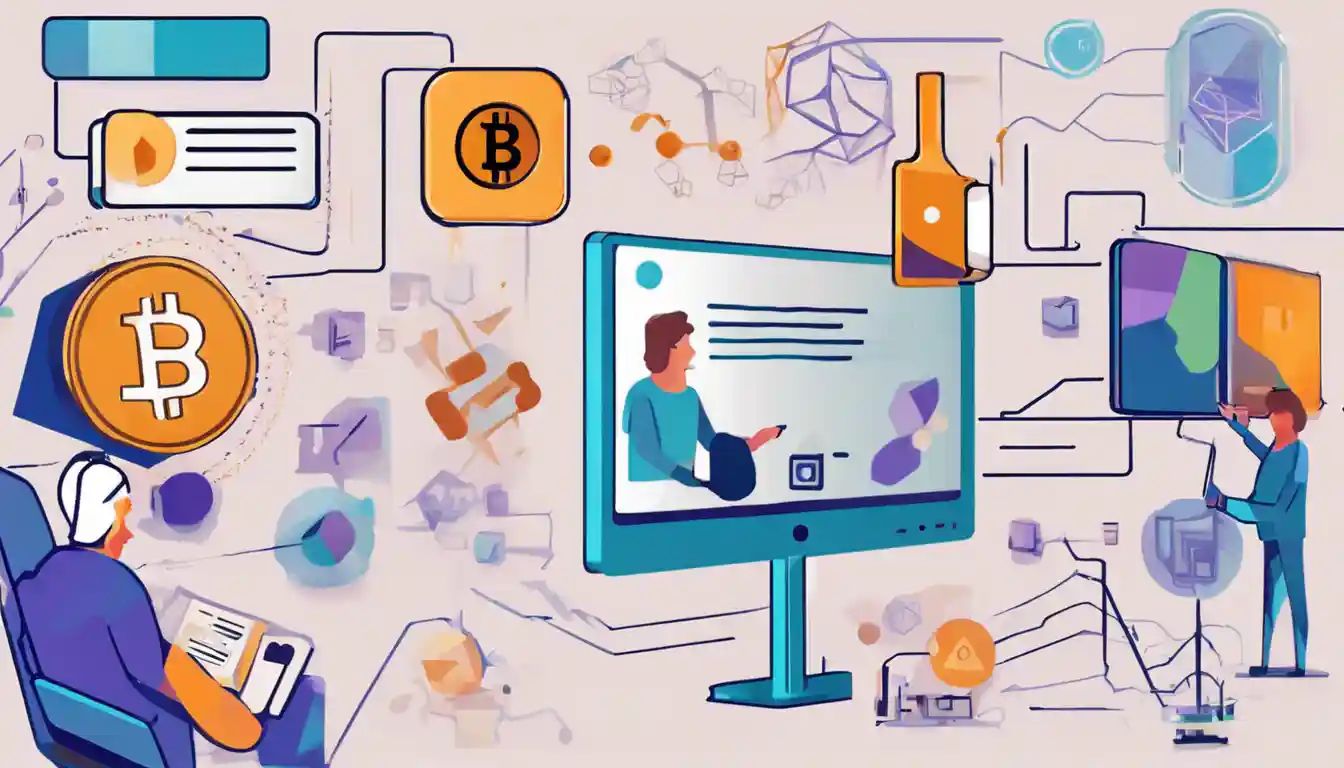
At its core, blockchain technology is a decentralized ledger system that enables secure, transparent record-keeping. When it comes to art, blockchain introduces a revolutionary way to manage ownership and provenance. Each piece of digital art can be tokenized into a Non-Fungible Token (NFT), which serves as a digital certificate of authenticity and ownership. This is possible because NFTs utilize smart contracts on blockchain platforms like Ethereum, which automate verification and transactions.
For example, when an artist creates a piece of digital art, they can mint it as an NFT, creating a unique identifier for that artwork on the blockchain. This process ensures that every transaction related to that piece—be it sale, transfer, or resale—can be traced back to the original creator, thereby protecting their intellectual property and potentially increasing their revenue streams.
The importance of art and blockchain can be illustrated through several real-world examples. One notable instance is the collaboration between street artists and NFT marketplaces. As discussed in the paper Urban Values in the Digital Space, the rise of NFTs has transformed how street artists can monetize their work. Artists like Banksy have embraced the NFT medium to sell digital versions of their street art, thus reaching a global audience while maintaining ownership and control over their work.
Additionally, platforms like Foundation and OpenSea have emerged, providing artists with a marketplace to sell their NFTs directly to collectors, circumventing traditional galleries and auction houses. This shift not only democratizes access to art but also allows artists to retain a larger portion of the sale price, fostering a new economic model for art distribution.
In the context of Web3, blockchain technology enhances the way we interact with the internet, particularly in the art world. Web3 is built on the principles of decentralization, where users have greater control over their data and digital assets. Artists can leverage decentralized platforms to reach audiences without intermediaries, thus fostering direct relationships with their fans.
Moreover, the integration of decentralized finance (DeFi) with art and blockchain opens up avenues for artists to receive continuous financial support through mechanisms like royalties built into smart contracts. For instance, artists can program their NFTs to ensure they receive a percentage of future sales, providing a sustainable income model that challenges traditional art market structures.
According to the paper The Art NFTs and Their Marketplaces, the market for NFTs has grown exponentially, with sales reaching over $2 billion in the first quarter of 2021 alone. This growth indicates a significant shift in how art is valued and traded, reinforcing the potential of blockchain to transform the art market.
Furthermore, the study in Urban Values in the Digital Space suggests that the digital art space is not only challenging traditional concepts of ownership but also expanding civic engagement and cultural expression through a new medium. These shifts highlight the profound impact of blockchain on art, making it an essential area for artists and collectors to explore.
In this exploration of how blockchain technology is revolutionizing street art and digital creativity, we have outlined several key points. First, the emergence of Non-Fungible Tokens (NFTs) has transformed the way artists can monetize their work, granting them greater ownership and control over their creations. The relationship between urban culture and digital art has been further examined, highlighting how blockchain fosters new expressions and community engagement in the realm of street art, as discussed in the paper Urban Values in the Digital Space.
Looking ahead, the implications of this revolution are profound. The rapid growth of NFT marketplaces suggests a future where artists can harness decentralized platforms to reach their audiences directly, significantly shifting traditional art market dynamics. As the industry navigates challenges such as copyright concerns and environmental impacts, we may see the development of more sustainable practices and legal frameworks that protect both creators and consumers in the digital space.
As we stand at the crossroads of art and technology, one must consider: How will you engage with this new landscape? Whether you're an artist, a collector, or simply a curious observer, the opportunities presented by blockchain are vast. Now is the time to dive into the world of digital creativity and explore the potential that lies within your unique perspective.
- Urban Values in the Digital Space. The Street Art Roots of NFTs as a Problem
- The Fundamental Value of Art NFTs
- The Art NFTs and Their Marketplaces
- Street Art Commodification and (An)aesthetic Policies on the Outskirts of Lisbon
- Street Art in Aveiro: City Walls as Dialogic Spaces of Collective Memories and Identity
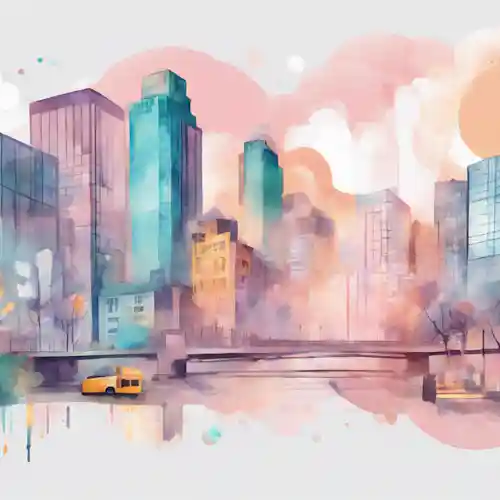
Revolutionizing Urban Art: How Blockchain and NFTs are Redefining Creativity and Ownership
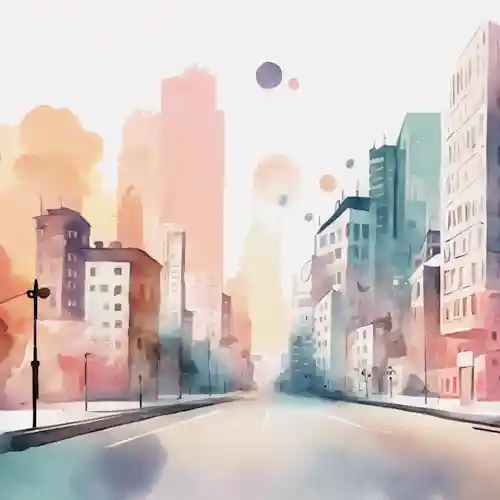
Urban Values in the Digital Space
Get notified about new articles, coffee tips, and Web3 insights.
This site participates in affiliate programs and may earn a commission when a link is clicked and a purchase is made. The site is not responsible for any issues or troubles related to the products or services purchased through the use of this site.
DO&COFFEE loves coffee and technology, exploring the potential of NFTs and blockchain. Learn more →
DO&COFFEE loves coffee and technology, exploring the potential of NFTs and blockchain. Learn more →