art
2024/08/28
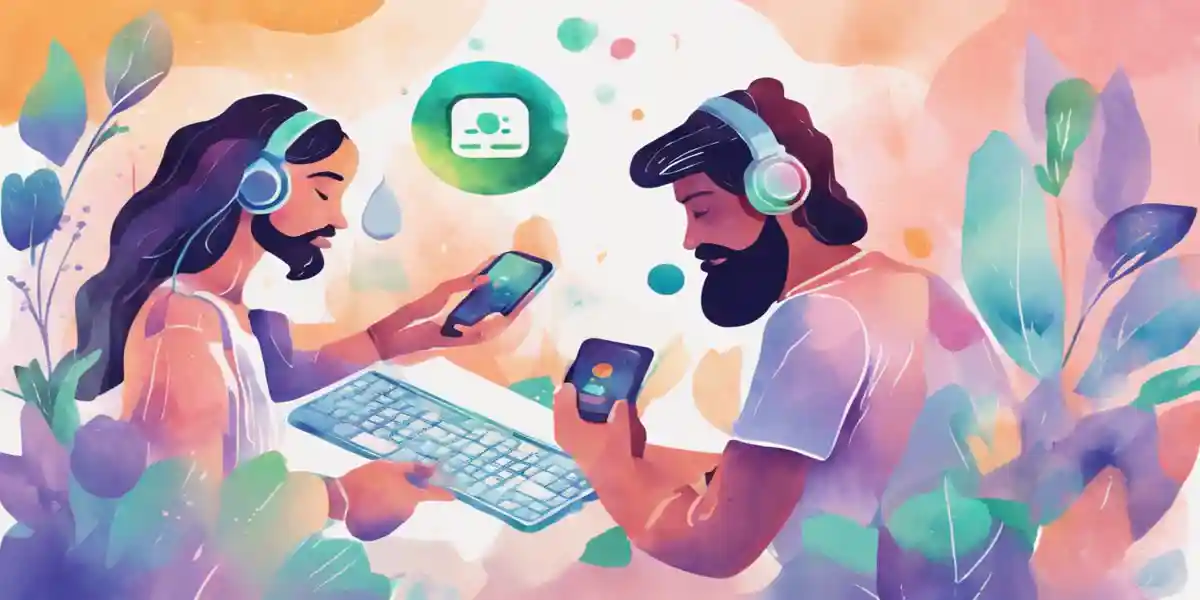
In today's rapidly evolving digital landscape, the fusion of live streaming services and cryptocurrency is not just a trend—it's a revolutionary change that is transforming the very fabric of art communities. Imagine artists from all walks of life, connecting in real-time on platforms like Twitch and YouTube Live, collaboratively creating and sharing their work with enthusiastic audiences. This paradigm shift democratizes artistic expression, allowing for immediate interaction and a sense of communal ownership over the artistic process.
As we delve deeper into the
In this blog post, we will explore how live streaming services are enhancing artist visibility, fostering interactive experiences for collectors, and paving the way for the future of crypto art. As we navigate this terrain, we invite you to consider the implications of these innovations: Are we on the brink of a more inclusive art world, or are there underlying challenges that could threaten this newfound potential? Join us as we unpack the exciting developments at the intersection of technology and creativity.
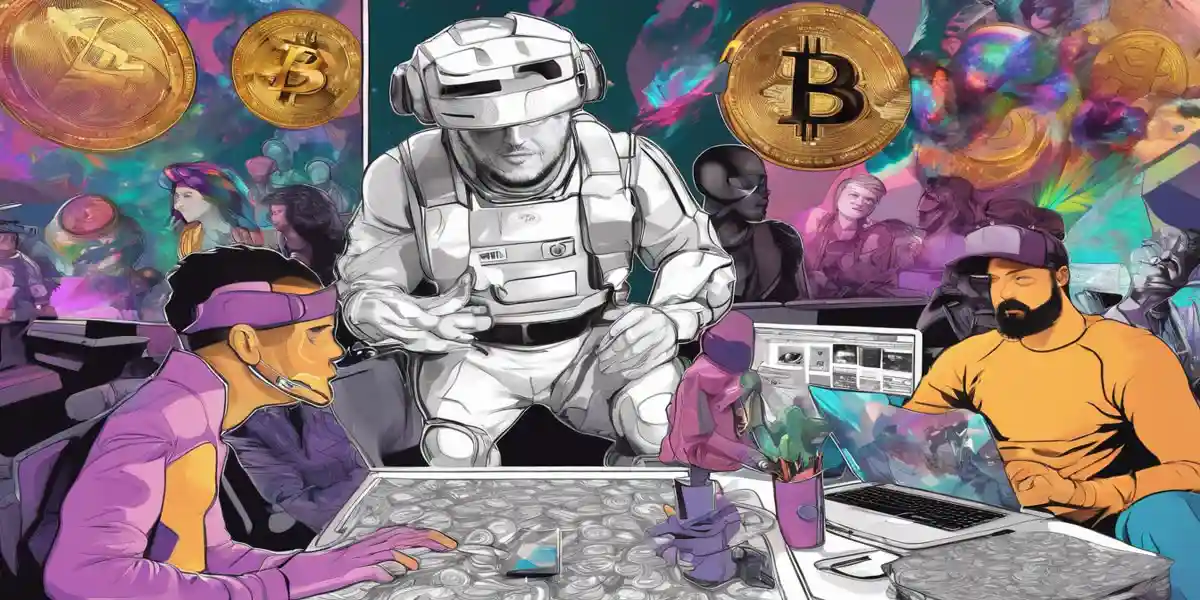
The intersection of live streaming services and cryptocurrency is not just a passing trend; it represents a profound shift in how art is created, shared, and owned in the digital age. As we find ourselves increasingly engaging with technology, platforms like Twitch and YouTube Live are transforming the artistic landscape, enabling artists to collaborate in real-time, irrespective of geographical boundaries.
Imagine a virtual studio where artists from diverse backgrounds come together to co-create artwork in real-time. Live streaming platforms have made this possible by allowing artists to broadcast their creative processes, inviting viewers not just to watch, but to participate actively. This interactive environment democratizes the artistic process, fostering a sense of community and shared ownership over the artwork being created. Through comments and suggestions, viewers can influence the piece's direction by proposing ideas such as color palettes or themes, which can be seamlessly integrated into the ongoing creation.
The emergence of crypto art communities, particularly through the use of non-fungible tokens (NFTs), adds a new layer of engagement to this collaborative process. Artists can tokenize their creations, allowing them to sell fractions of their work directly to collectors and fans. This innovative approach not only generates a new revenue stream for artists but also empowers collectors to be part of the artwork's evolution. For instance, during a live stream, viewers might suggest design elements that the artist incorporates, and once completed, the piece can be minted as a digital collectible, representing ownership in a way that was previously unimaginable.
Another fascinating aspect of live-streamed art creation is the ability to archive these sessions, which adds to the artwork's history and narrative. Each live stream captures not just the final product but the entire creative journey, making the artwork a dynamic narrative rather than a static piece. This archival process enriches the value of the artwork, as it holds the essence of collaboration, interaction, and evolution. The creative process becomes an integral part of the art itself, turning each piece into a living testament to community involvement and artistic exploration.
Delving deeper into the technological implications, frameworks like ArtVerse suggest a future where human-machine collaboration in artistic creation becomes the norm. This novel paradigm allows for decentralized art organizations and encourages artists to leverage machine learning and AI to enhance their creative output. By integrating blockchain technology, ArtVerse not only facilitates the creation and transaction of digital art but also ensures authenticity and security, vital elements in the world of NFTs. Such advancements open up new avenues for artists, allowing them to innovate in their creative endeavors while ensuring their work is protected and valued.
As we embrace these new technologies, it's essential to consider both the opportunities they present and the challenges they pose. While live streaming and NFTs democratize art creation and ownership, issues such as potential fraud, scalability, and the complexities of digital rights management remain pressing concerns. The balance between innovation and regulation will be crucial as we navigate this evolving landscape. Are we merely witnessing the dawn of a more inclusive art world, or are there hidden challenges that could undermine this potential? This ongoing dialogue is vital as we collectively shape the future of art in the digital realm.
As the landscape of art evolves, live streaming services are emerging as powerful tools that enhance artist engagement and visibility within crypto art communities. By enabling real-time interaction and collaboration, these platforms are reshaping how artists connect with their audiences and redefine the nature of artistic expression.
Live streaming services like Twitch and YouTube Live are not just platforms for entertainment; they are becoming vibrant spaces for artists to showcase their creative processes. Imagine an artist streaming their work, allowing viewers to witness the evolution of a piece from a blank canvas to a finished artwork. This immediacy not only captivates audiences but also invites them into the artistic journey, creating a connection that traditional galleries often lack.
For instance, live painting sessions can transform passive viewers into active participants. Artists can engage their audience by soliciting suggestions for color choices, themes, or even specific techniques to employ. This collaborative approach fosters a sense of community and shared ownership, as fans feel their contributions are valued and directly impact the artwork being created. It's as if each viewer becomes a co-creator, blurring the lines between artist and audience.
A real-world example of this trend can be seen with artists like Krista Kim, who integrates technology and live streaming into her art practice. Kim's live sessions allow her followers to experience her creative process in real-time, and her use of NFTs to tokenize the resulting works means that viewers can purchase a piece of the experience—literally and figuratively. This model not only generates new revenue streams for artists but also democratizes art by making it accessible and participative.
Moreover, the integration of NFTs (non-fungible tokens) into live streaming adds another layer of engagement. When artists tokenize their live creations, they can offer limited editions or fractional ownership of their work to fans. This concept is supported by the NFT Marketplace, which facilitates the creation and trading of these digital assets. The ease of use and the low transaction fees associated with such platforms further democratize art ownership, allowing a broader audience to invest in and support their favorite artists.
As technology advances, the potential for artist engagement through live streaming only grows. Frameworks like ArtVerse showcase the possibilities of human-machine collaboration in the metaverse, laying the groundwork for decentralized art organizations and collaborative creation. Such innovations not only enhance visibility for artists but also create an ecosystem where creativity can thrive, offering new avenues for revenue and community building.
Ultimately, live streaming services are not just enhancing visibility for artists; they are redefining how art is created, consumed, and owned. By fostering real-time interaction and community participation, these platforms are leading us toward a more inclusive and dynamic art world, where every brushstroke can tell a story, and every viewer can play a role in the narrative.
The integration of live streaming services into the crypto art community is not just about showcasing art; it's about creating an interactive experience that transforms traditional art consumption into collaborative engagement. This section delves into how these platforms foster real-time interaction between artists and collectors, enriching the art creation process.
Imagine tuning into a live stream where an artist is painting a canvas, and as the stream unfolds, viewers can contribute suggestions through chat. This isn't merely a fantasy; it’s happening right now across platforms like Twitch and YouTube Live. By allowing collectors to suggest color palettes, themes, or even specific elements of the artwork in real-time, artists can create a dynamic piece that reflects the collective imagination of its audience. This interactive process not only engages collectors but also instills a sense of community ownership over the final product.
With the rise of NFTs, this collaborative art can be tokenized, allowing artists to sell fractions of their work. For instance, a digital painting co-created during a live stream can be minted as an NFT, with portions available for purchase by viewers who contributed ideas. This model creates a new revenue stream for artists while simultaneously empowering collectors to feel a tangible connection to the artwork. Platforms like OpenSea and Magic Eden are facilitating this by providing marketplaces where these NFTs can be traded, ensuring that each collector's contribution is acknowledged and valued.
Every live streaming session can be recorded and archived, creating a historical record of the artwork's evolution. This transforms each piece from a static image into a living narrative, documenting the creative process and the community’s involvement. For example, an artist might host a series of live sessions leading to the completion of a single NFT artwork, with each session building on the last. This not only adds depth to the artwork but also enhances its value, as collectors can take pride in knowing they participated in its creation. The final piece becomes a testament to collaboration, embodying not just the artist’s vision but the contributions of many.
The concept of ArtVerse, as explored in recent research, introduces a framework for human-machine collaborative creation in the metaverse. This paradigm allows for decentralized art organizations that facilitate collaborative art-making through live streaming. By utilizing blockchain technology, these organizations can provide transparent protocols for collaboration and ownership. This technological backbone ensures that contributions are tracked and acknowledged, enhancing the trust and integrity of the collaborative process. Imagine a decentralized platform where artists and collectors converge, creating art that is not only a product of individual creativity but also a shared experience.
Live streaming platforms can also incorporate gamified elements to further increase engagement. For instance, during a live art session, viewers could earn points or rewards for their suggestions, which could later be used for discounts on future NFT purchases or exclusive access to upcoming projects. This type of interactive gamification transforms passive viewers into active participants, fostering a deeper connection to the artwork and the artist.
In this brave new world of crypto art, the power of live streaming is not only reshaping how art is created and consumed but also how communities are formed and nurtured. As we explore these interactive experiences, we begin to understand that the future of art is not just about the artwork itself, but the collaborative journey that brings it to life.
As the digital landscape evolves, live streaming services are becoming more than mere platforms for entertainment; they are transforming into vital spaces for collaborative art creation. This section explores how artists leverage platforms like Twitch and YouTube Live to co-create art in real-time, fostering dynamic interactions that reshape the traditional art-making process.
Live streaming allows artists to break geographical barriers, uniting creators from various backgrounds, cultures, and styles. For instance, consider an artist in New York collaborating with another in Tokyo. Through live streaming, they can share their creative processes, techniques, and ideas instantaneously. This is not just a theoretical concept; projects like "Draw with Me" have demonstrated how artists can engage with audiences, inviting suggestions for colors, themes, or styles during live sessions. Such interactions create a sense of community, as viewers feel invested in the outcome of the artwork.
The integration of Non-Fungible Tokens (NFTs) into this collaborative framework enhances audience participation. Artists can tokenize their creations, allowing viewers to own fractions of the artwork. This innovative approach not only generates revenue but also promotes a shared sense of ownership. For example, during a live stream, viewers can vote on design elements, and the final piece is minted as an NFT. This means that the artwork is not just a static image; it evolves through community input, and each contributor may hold a stake in its value.
Every live-streamed session becomes a part of the artwork's history, transforming it into a narrative of its creation. By recording these sessions, artists can offer a behind-the-scenes look at their creative journey, which adds depth and context to the final piece. This archival process is crucial in an age where provenance and authenticity are paramount in the art world. With the rise of platforms like OpenSea and Magic Eden, which facilitate the trading of NFTs, the ability to trace the creation of an artwork back to its inception enhances its desirability and value.
Emerging technologies are paving the way for new paradigms in artistic creation. The concept of ArtVerse introduces a collaborative framework where human and machine creativity coexist. As highlighted in recent studies, this paradigm allows for decentralized art organizations that can operate within a metaverse ecosystem. Here, AI can assist artists in exploring new artistic directions, while live streaming serves as a platform for real-time feedback and collaboration. This opens up opportunities for artists to experiment and innovate in ways previously unimaginable.
Despite the myriad opportunities, there are challenges that come with this new model. Issues of copyright, ownership, and the potential for fraud in the NFT marketplace remain significant concerns. As artists embrace live streaming and NFTs, they must navigate these complexities carefully. The balance between collaboration and individual ownership can become blurred, raising questions about the rights of contributors versus those of the primary artist. Furthermore, while blockchain technology provides a secure framework for ownership, scalability issues and transaction costs can hinder widespread adoption.
As we stand on the precipice of a new era in the art world, the intersection of live streaming and cryptocurrency is not just a fleeting trend but a transformative force reshaping artistic expression and community engagement. The future of crypto art is poised for exciting developments that will further democratize art creation and redefine the way we think about ownership and collaboration.
One of the most promising frameworks emerging in this space is the concept of ArtVerse, which leverages both live streaming and blockchain technologies to foster collaborative art creation. This paradigm shifts the traditional art narrative by integrating human-machine collaboration, allowing artists to combine their creativity with AI tools that can suggest alterations, styles, or even entirely new directions for a piece. Imagine an artist live-streaming their work, while an AI analyzes their style in real-time and offers suggestions that can be instantly incorporated into the artwork. This not only enhances creativity but also inspires a new form of co-authorship where technology and human ingenuity intertwine.
Live streaming platforms like Twitch and YouTube Live have already begun to facilitate interactive art sessions. Artists can engage their audience in real-time, allowing viewers to vote on design choices, suggest themes, or even contribute small elements to the artwork. For example, during a painting session, an artist may present three different color palettes and let their audience choose which one to use. This participatory model not only empowers viewers but also creates a sense of community as they witness their contributions manifest in the final piece. Furthermore, once the artwork is completed, it can be tokenized as an NFT, enabling both the artist and contributors to benefit financially from its sale.
The integration of blockchain technology further enhances the potential of live-streamed crypto art. With the advent of NFTs, artists can tokenize their creations, ensuring verifiable ownership and provenance. This has led to the rise of 'Smart Collectibles'—digital assets that not only represent art but also embed interactive elements, such as access to exclusive content or future collaborations. For instance, an NFT artist might issue a collectible that grants the owner access to a private live-streamed workshop where they can learn directly from the creator. This not only adds value to the NFT itself but also cultivates a deeper relationship between artists and their audience.
Despite the exciting potential of these technologies, several challenges remain. Issues like fraud, scalability, and the environmental impact of blockchain must be addressed to ensure the sustainability of the
Ultimately, as we embrace these future trends, we must consider how they will influence the broader artistic landscape. Are we moving toward a more inclusive and participatory art world, or will the complexities of technology create barriers that favor a select few? The dialogue around these questions is vital as artists, collectors, and tech enthusiasts navigate this evolving terrain. The next wave of crypto art and live streaming holds immense potential to redefine not only how art is created but also how it is experienced and valued in our increasingly digital society.
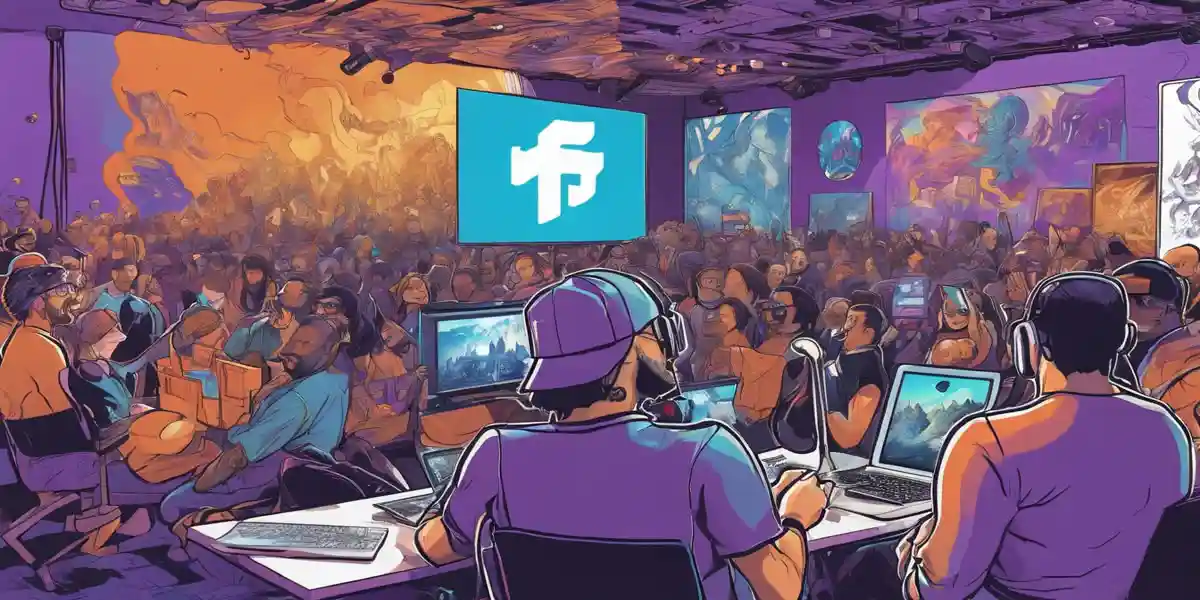
As the digital landscape evolves, the intersection of live streaming and cryptocurrency is transforming the way art is created, shared, and owned. In this new paradigm, artists are no longer solitary creators but part of a dynamic, collaborative environment where audience participation shapes the art itself. This section will delve into the mechanics and implications of this revolution, highlighting specific technologies and real-world examples.
Platforms like Twitch and YouTube Live have become essential tools for artists seeking to connect with their audience in real-time. By broadcasting their creative processes, artists not only showcase their skills but also invite viewers into the intimate world of art-making. This immediacy fosters a sense of community, as participants can comment, provide feedback, and influence the direction of the artwork as it unfolds. For instance, consider an artist painting on a live stream where viewers can vote on color choices or suggest themes. This interactive approach not only enhances engagement but also democratizes the creative process, making the audience feel like co-creators.
The rise of NFTs (non-fungible tokens) has injected a new layer of engagement into these live-streamed sessions. Artists can tokenize their creations, allowing them to sell fractions of their work directly to fans. This model not only generates new revenue streams but also empowers collectors to actively participate in the artwork's evolution. Take, for example, a collaborative painting session where viewers who purchase NFTs representing parts of the artwork get to vote on its final form. This mechanism not only enhances the sense of ownership among collectors but also encourages more viewers to engage with the process, knowing their contributions can directly impact the final piece.
Emerging frameworks like ArtVerse are exploring the potential of human-machine collaboration in art creation. This novel paradigm facilitates decentralized art organizations where machines can also participate in the creative process. The ArtVerse system supports collaborative painting through operational processes that leverage advanced technologies, enabling a seamless blend of human creativity and machine learning. For example, an artist may collaborate with an AI to generate background patterns, which are then modified in real-time based on audience feedback during a live stream. This merging of human intuition and machine precision offers a fresh perspective on what it means to create art in the digital age.
At the heart of the crypto art revolution is blockchain technology, which ensures authenticity and ownership through decentralized systems. NFT marketplaces, such as OpenSea and Magic Eden, facilitate the creation, trading, and collection of these digital assets. The blockchain records each transaction, providing a transparent history that secures ownership rights. This is particularly vital in an age where digital art can be easily reproduced. By tokenizing art, artists can offer their work with a guarantee of authenticity, thus attracting collectors who seek unique, traceable pieces.
While the integration of live streaming and cryptocurrency in art communities presents exciting opportunities, it also introduces challenges. Issues such as potential fraud, scalability, and the digital divide must be considered. For instance, while some artists thrive in the online streaming environment, others may struggle to access the necessary technology or audience. Furthermore, the rise of NFTs has sparked debates about environmental sustainability, as the energy consumption of blockchain transactions comes under scrutiny. Addressing these challenges is crucial for the long-term viability of this new artistic ecosystem.
As we've explored throughout this blog post, the fusion of live streaming services and
We discussed how live streaming enhances artist engagement and visibility, transforming passive viewers into active participants in the creative process. The emergence of NFTs has further elevated this dynamic, allowing artists to tokenize their work and offer fractional ownership to their audience, thereby fostering a sense of community and shared investment in the artwork's evolution. Archiving these live sessions not only preserves the creative journey but enriches the narrative behind each piece, adding layers of meaning and value.
Looking ahead, frameworks like ArtVerse promise to revolutionize the art world even further, integrating machine collaboration and decentralized art organizations that empower artists and collectors alike. However, as we embrace these advancements, we must also remain vigilant about the challenges they present—issues of fraud, scalability, and digital rights management require thoughtful dialogue and regulation to ensure that the art community continues to thrive in this new digital era.
As we stand at this exciting crossroads in the art world, consider how you might engage with these evolving technologies. Whether you're an artist seeking new avenues for expression or a collector looking to participate in the creative journey, the opportunities are boundless. Will you take the plunge into this innovative frontier and shape the future of art with your voice and vision?
Get notified about new articles, coffee tips, and Web3 insights.
This site participates in affiliate programs and may earn a commission when a link is clicked and a purchase is made. The site is not responsible for any issues or troubles related to the products or services purchased through the use of this site.

DO&COFFEE loves coffee and technology, exploring the potential of NFTs and blockchain. Learn more →
DO&COFFEE loves coffee and technology, exploring the potential of NFTs and blockchain. Learn more →