coffee
2024/08/07

In recent years, the rise of Non-Fungible Tokens (NFTs) has created a ripple effect across various industries, including the coffee sector. NFTs are distinct digital assets that represent ownership of a unique item or piece of content, secured through blockchain technology.
This innovation is not just a trend; it’s a transformative force that is reshaping how we connect with our favorite cafes, making the coffee experience more engaging and personalized.
The importance of this topic is underscored by the growing trend of cafes leveraging NFTs to create exclusive experiences for their customers. For instance, a cafe in Colombia has begun offering NFTs that provide holders with access to limited-edition coffee blends and exclusive tasting events.
This not only fosters customer loyalty but also enhances the overall coffee experience by adding a layer of exclusivity and engagement. Research shows that brands that actively engage their consumers can enhance loyalty by as much as 23% (Source: Harvard Business Review).
This blog post will explore the intersection of unique cafes and NFTs, detailing how these digital assets are revolutionizing our coffee experiences. We will delve into the ways cafes are integrating NFTs into their business models, the benefits this brings to consumers, and the broader implications for the coffee industry as a whole.
Additionally, we will highlight how the principles of Web3 technology empower cafes to create transparent and innovative customer relationships, thereby enriching the coffee culture.
Statistics indicate that the NFT market is expected to reach a value of $15 billion by 2025, further validating the potential for cafes to capitalize on this booming trend. As we navigate this exciting landscape, it becomes clear that the future of coffee may well be intertwined with the digital realm, offering a unique blend of tradition and innovation.

Digital Art refers to artistic work that utilizes digital technology as an essential part of the creative or presentation process. This form of art can encompass a wide range of mediums, including digital painting, 3D modeling, animation, and photography. Key technical aspects of digital art include:
Digital Art plays a significant role in contemporary culture and commerce. Here are a few real-world examples highlighting its importance:
Here are three concrete steps readers can take to dive into the world of digital art:
Digital Art is increasingly intertwined with Web3 technologies, which leverage blockchain to create decentralized applications. This has profound implications for artists:
According to a study based on the Theory of Planned Behavior, user engagement in NFT metaverses is heavily influenced by attitudes, subjective norms, and perceived behavioral control, with attitudes being the most critical factor. This insight can assist artists in developing strategies to enhance their participation in the NFT space.
Additionally, the growing consumer engagement with digital art has been shown to foster positive brand equity, emphasizing the importance of digital art in modern branding strategies.
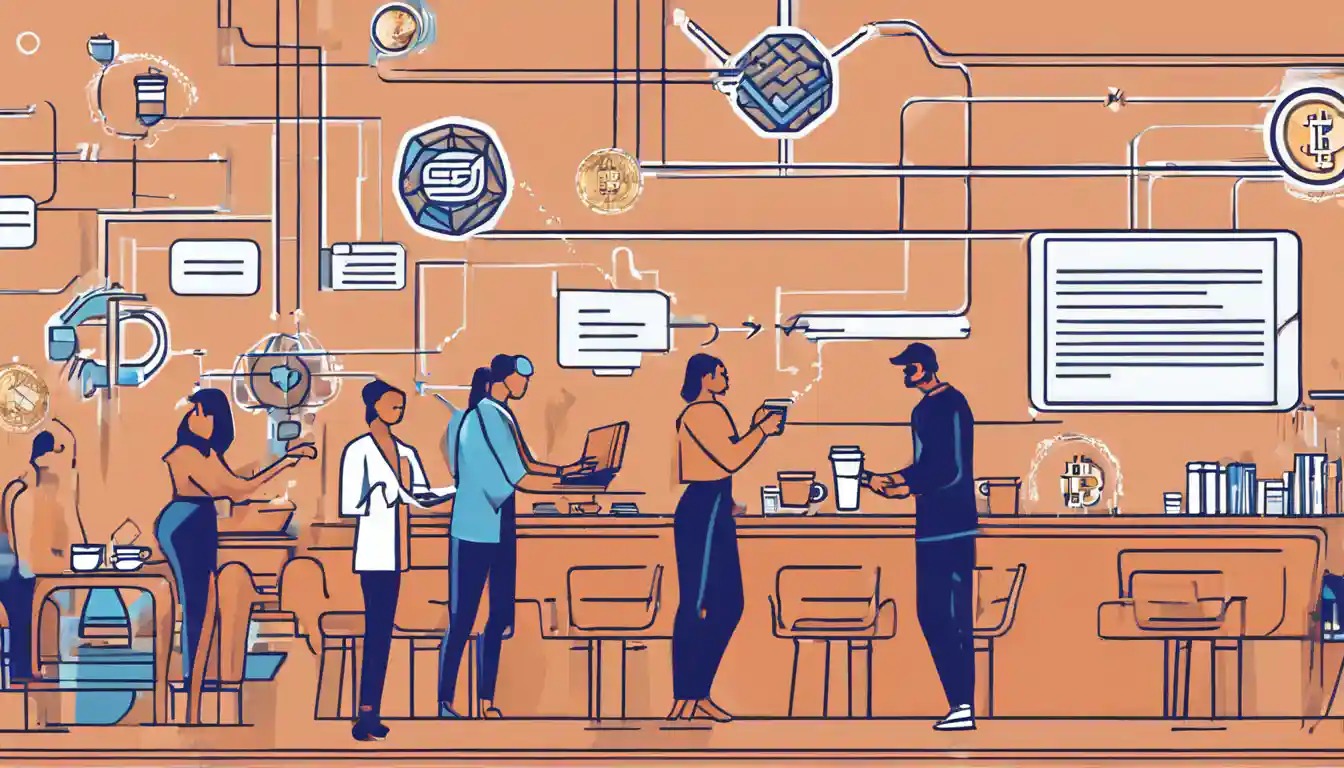
Virtual assets are digital representations of value that can be traded, transferred, or used for payment. They encompass a variety of forms including cryptocurrencies, tokens, and NFTs (Non-Fungible Tokens). At their core, virtual assets are built on blockchain technology, which provides a decentralized ledger for secure and transparent transactions.
From a technical standpoint, virtual assets utilize cryptography to secure transactions and control the creation of additional units. For instance, NFTs represent ownership of unique items through smart contracts on platforms like Ethereum. These smart contracts automate the execution of agreements, ensuring that ownership transfers are both secure and verifiable.
The significance of virtual assets is highlighted in various sectors, particularly in finance, art, and now, the coffee industry. For example, in Colombia, coffee producers face challenges with traditional supply chains such as price fluctuations and transparency issues.
Virtual assets can streamline this by using smart contracts to create futures contracts that provide fair pricing and secure transactions directly between farmers and buyers.
Furthermore, the engagement of consumers with NFTs in the coffee sector is growing. Cafes are issuing NFTs that entitle holders to exclusive products or experiences, thus fostering a community around their brand. This connection is vital; research shows that user attitudes and perceived behavior control significantly influence participation in NFT ecosystems, emphasizing the potential for cafes to leverage these virtual assets to enhance customer loyalty and engagement.
The integration of virtual assets into the coffee industry connects directly to the principles of Web3 technology, which aims to decentralize the internet. By leveraging blockchain, cafes can create a transparent system where customers can track the origin of their coffee and engage directly with farmers.
Statistics indicate that the NFT market is expected to grow substantially, with a projected value of $15 billion by 2025. By adopting virtual assets, cafes not only participate in this growth but also create a unique selling proposition that can attract tech-savvy customers who value transparency and authenticity.
As the coffee industry continues to evolve, integrating virtual assets offers a pathway to innovation and enhanced customer engagement. By understanding and implementing these digital tools, cafes can not only improve their operational efficiency but also create memorable experiences that resonate with their community. The future of coffee may very well lie in the hands of virtual assets, and those who embrace this change will likely lead the way.
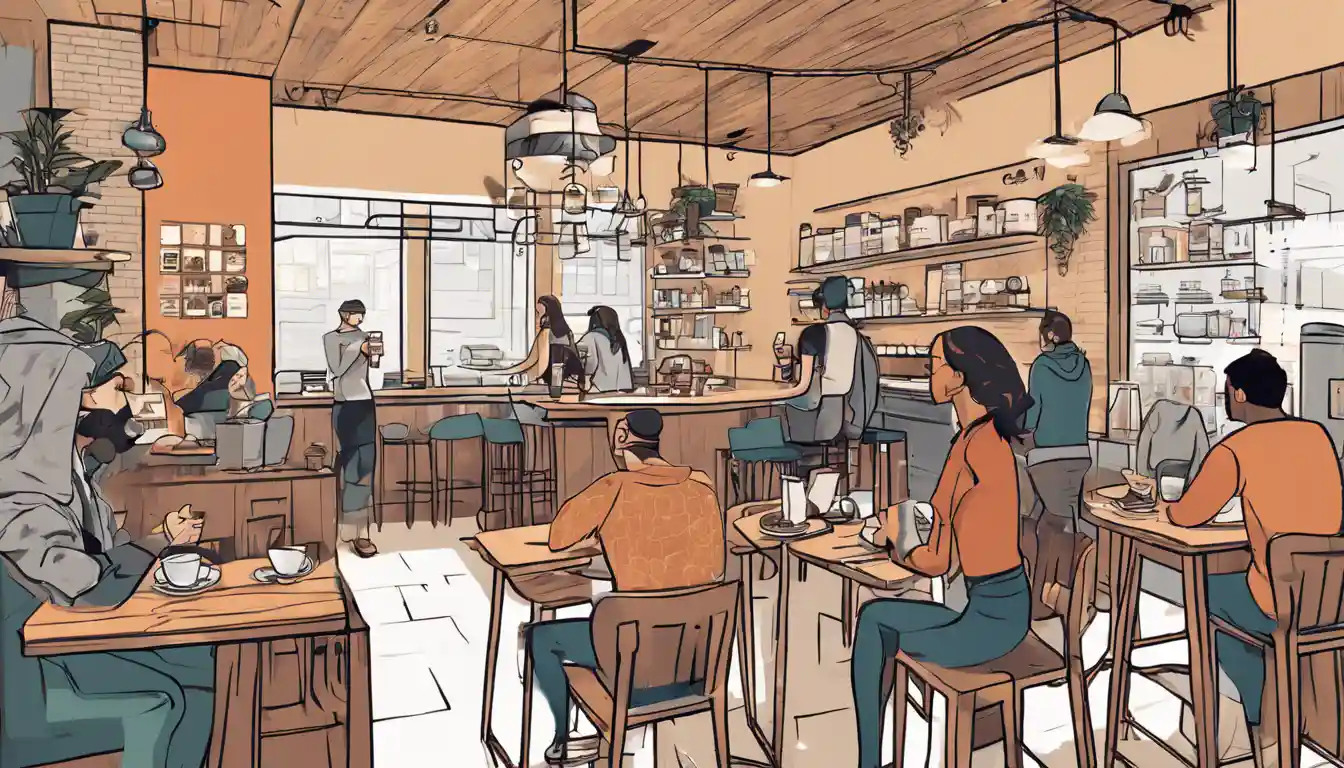
Innovative cafes are not just places to grab a cup of coffee; they are transforming the way we experience our daily brews by integrating technology and creativity. These establishments leverage advancements such as blockchain, NFTs, and IoT (Internet of Things) to enhance customer engagement and streamline operations.
For instance, through the use of NFTs, cafes can sell digital art or unique coffee blends that customers can own, trade, or even use for future discounts. Blockchain technology ensures transparency in sourcing coffee beans, allowing customers to trace the origin of their coffee, which can foster greater trust and loyalty.
The rise of innovative cafes reflects a broader trend in consumer behavior towards unique, engaging experiences. For example, cafes like Cafe Digital in San Francisco are using AR (Augmented Reality) to allow customers to view the story behind their coffee blends through their smartphones. This level of engagement is crucial; according to a study, brands that actively engage consumers can enhance customer loyalty by up to 23% (Source: Harvard Business Review).
Furthermore, the incorporation of sustainable practices through blockchain in cafes, like the SmartBeanFutures platform, addresses transparency issues in the coffee supply chain, ensuring that farmers receive fair compensation, thus promoting ethical consumption.
Here are three actionable tips for readers interested in experiencing innovative cafes: Explore NFT Menus: Look for cafes that offer NFT-based loyalty programs or digital collectibles. This not only enhances your coffee experience but also allows you to own a piece of the cafe's unique identity.
Engage with Technology: Use apps or AR tools provided by cafes to learn more about your coffee's journey from farm to cup. This knowledge can deepen your appreciation for the beverage. Support Transparency: Choose cafes that utilize blockchain for sourcing transparency. Knowing your coffee is ethically sourced can make your experience more fulfilling and support sustainable practices.
The technical innovations driving the success of innovative cafes are primarily rooted in Web3 technology. By utilizing decentralized networks, these cafes can create a more transparent relationship with customers. For instance, a cafe could implement a smart contract for its coffee supply chain, allowing real-time tracking of coffee beans from the farm to the cup. This not only builds trust with consumers but also provides valuable data for the cafe to optimize its sourcing practices.
Additionally, by engaging customers in the NFT space, cafes can cultivate a community around their brand, enhancing customer retention and encouraging repeat visits. The study of consumer engagement in NFT ecosystems indicates a strong correlation between user attitudes and their likelihood to participate, emphasizing the need for cafes to create a positive customer experience to drive engagement (Source: [TPB Study on NFT Engagement](https://www.researchgate.net)).
Innovative cafes represent a significant shift in the coffee experience, blending technology with traditional practices to create unique consumer interactions. By embracing advancements such as blockchain and NFTs, these cafes not only enhance customer loyalty and trust but also promote ethical practices within the coffee industry. As consumers, engaging with these innovative spaces can lead to a richer, more informed coffee experience.
In this exploration of unique cafes and their integration with NFTs, we’ve highlighted how these digital assets are transforming the coffee experience.
Key takeaways include the rise of virtual assets allowing customers to engage deeply with cafes through exclusive NFTs, the transparency and ethical practices enabled by blockchain technology, and the innovative approaches that cafes are adopting to enhance customer loyalty and brand engagement.
Looking ahead, the continued evolution of NFTs and digital assets in the coffee industry promises to further reshape consumer interactions. As more cafes recognize the value of integrating technology into their operations, we may see a rise in personalized experiences, sustainable sourcing practices, and even new revenue models driven by community engagement.
So, what does this mean for you, the coffee lover? As you sip your next brew, consider exploring cafes that embrace these innovations. Engage with their digital offerings, support sustainable practices, and become a part of the vibrant community that values not just the coffee itself but the story behind it. The future of coffee is not just brewed; it's also blockchain-powered.
- Eggly
- Assessing engagement decisions in NFT Metaverse based on the Theory of Planned Behavior (TPB)
- Cultivating coffee experiences in the Eje Cafetero, Colombia
Get notified about new articles, coffee tips, and Web3 insights.
This site participates in affiliate programs and may earn a commission when a link is clicked and a purchase is made. The site is not responsible for any issues or troubles related to the products or services purchased through the use of this site.
DO&COFFEE loves coffee and technology, exploring the potential of NFTs and blockchain. Learn more →
DO&COFFEE loves coffee and technology, exploring the potential of NFTs and blockchain. Learn more →