technology
2024/08/21

Have you ever imagined a world where your daily jog not only boosts your physical health but also fills your digital wallet? Welcome to the exciting intersection of fitness and technology, where cryptocurrencies and Decentralized Autonomous Organizations (DAOs) are spearheading a revolution in the fitness community.
In this blog post, we will explore how these innovative concepts are reshaping the way individuals engage with their fitness routines, addressing common barriers to motivation and accountability. Picture a fitness platform powered by blockchain technology, where users earn cryptocurrency tokens for completing workouts, participating in challenges, or sharing their fitness journeys—a concept known as "Move-to-Earn."
This transformation is not merely about rewarding exercise; it's about fostering community, creating a sense of ownership, and establishing a supportive environment that uplifts members. By decentralizing authority through DAOs, users gain a voice in decision-making processes, enhancing their commitment and engagement.
Join us as we delve into the rise of fitness tokens, the impact of DAOs, and how these advancements may very well lead us to a future of fitness that is both rewarding and community-driven.
In today’s fast-paced world, the marriage of fitness and technology is not just a trend; it's a transformative force reshaping how we think about health and wellness. As we delve into the realm of cryptocurrencies and Decentralized Autonomous Organizations (DAOs), we find a unique confluence that offers innovative solutions for building community, enhancing motivation, and incentivizing healthier lifestyles. Imagine a fitness platform where your hard work translates into tangible rewards, such as cryptocurrency tokens, for completing workouts, engaging in challenges, or sharing your fitness journey. This concept, often referred to as "Move-to-Earn," is poised to revolutionize our approach to fitness and community engagement.
At the heart of this revolution lies blockchain technology, a decentralized ledger that ensures transparency, security, and efficiency. In the context of fitness, blockchain can facilitate a system where users earn tokens for their physical activities. For instance, applications like Sweatcoin and Step App already exemplify this model, rewarding users for walking or jogging with digital currency that can be exchanged for goods and services. These platforms not only encourage a more active lifestyle but also create an engaging ecosystem where users feel connected and valued.
The integration of DAOs into fitness platforms takes this a step further. DAOs empower users to participate in governance decisions, allowing them to vote on workout challenges, reward distributions, and community events. This decentralized approach fosters a sense of ownership among community members, thereby enhancing engagement. With over 4,000 DAOs created in various sectors, the potential for fitness communities to adopt this model is significant. Research indicates that DAOs can promote user-centric engagement over traditional profit-maximizing business models, thereby creating a more sustainable and equitable fitness landscape.
One of the most compelling aspects of the "Move-to-Earn" model is its ability to address the common challenges of motivation and accountability in fitness. Financial incentives can serve as powerful motivators; when individuals know that their efforts will directly impact their earnings, they are more likely to stay committed to their fitness regimens. For instance, a user who completes a specified number of workouts each month could automatically receive tokens through a smart contract, ensuring a seamless and fair reward distribution process. This not only encourages consistent activity but also establishes a culture of support where members uplift one another on their fitness journeys.
The role of smart contracts in automating the reward mechanisms cannot be overstated. These self-executing contracts, coded on the blockchain, eliminate the need for intermediaries and reduce transaction costs, allowing for quick and transparent compensation. For example, a fitness app could utilize smart contracts to release rewards when users meet certain criteria, such as completing a specific number of workouts or participating in community challenges. This level of automation ensures fairness and trust within the community, making everyone more accountable for their contributions.
Ultimately, the integration of cryptocurrencies and DAOs into the fitness community is not merely about personal gain; it’s about fostering a supportive ecosystem. By creating a vibrant environment where members can share their experiences, celebrate achievements, and motivate each other, we can redefine the experience of fitness. This community-driven approach aligns with findings from recent studies advocating for user engagement and sustainable economic practices within blockchain ecosystems. Such initiatives challenge the traditional profit-focused business models and pave the way for innovative, user-centric fitness solutions.
In the fitness community, cryptocurrencies are not just a trend; they represent a paradigm shift in how individuals engage with their health and wellness. By incorporating blockchain technology, fitness platforms are beginning to reward active lifestyles with tangible benefits, creating a "Move-to-Earn" ecosystem that motivates users to pursue their fitness goals.
The "Move-to-Earn" model allows users to earn cryptocurrency tokens for completing workouts, participating in challenges, or sharing their fitness journeys. This concept democratizes the fitness space, enabling users to receive compensation for their efforts, thereby increasing motivation and accountability. For instance, platforms like STEPN have successfully implemented a Move-to-Earn model, where users earn tokens by walking, jogging, or running. This not only incentivizes physical activity but also fosters a sense of community among participants.
The foundation of these cryptocurrency-based fitness platforms is often a carefully designed token economy. A recent study underscores the importance of a user-centric approach in creating a sustainable token economy, which prioritizes community engagement over profit maximization. This is particularly relevant in fitness, where shared goals and mutual support can significantly influence participants' commitment to their routines. By using a triple-bottom-line (TBL) framework, fitness platforms can ensure that their token economies promote sustainable practices while enhancing user engagement.
At the core of many fitness platforms utilizing cryptocurrencies is the integration of Decentralized Autonomous Organizations (DAOs). DAOs enable members to govern the platform collectively, allowing users to vote on workout challenges, rewards distribution, and community events. This decentralized structure fosters a sense of ownership and belonging, significantly enhancing user engagement. As highlighted in research, DAOs have the potential to shift traditional organizational models towards more democratic and distributed frameworks, which can be particularly effective in community-driven environments like fitness.
Smart contracts play a crucial role in automating the reward distribution process within these fitness platforms. By ensuring that rewards are issued fairly and transparently, smart contracts eliminate the need for intermediaries, thus enhancing trust among users. For example, if a participant completes a set number of workouts in a month, the smart contract can automatically transfer tokens to their wallet without any manual intervention. This level of automation not only streamlines operations but also reinforces the notion of personal accountability within the community.
Various projects are already paving the way for the integration of cryptocurrencies in the fitness community. Fitcoin is another example, where users earn tokens by completing workouts and can redeem them for fitness-related products and services. Similarly, GymCoin allows gym members to earn cryptocurrency for attending classes, creating a direct link between attendance and financial incentive, thus encouraging more people to stay active.
While the potential for cryptocurrencies in the fitness community is vast, challenges remain. Many DAOs currently face limitations in decentralization and autonomy, often relying on centralized tools. Future developments may need to integrate Autonomous Economic Agents (AEAs) to enhance DAO governance and participant communication. By leveraging advanced technologies, these systems can create more efficient and user-friendly environments that further engage fitness enthusiasts.
The integration of cryptocurrencies into the fitness industry is gaining momentum, with fitness tokens emerging as a powerful tool to incentivize healthy behaviors and foster community engagement. This innovative approach, often encapsulated in the "Move-to-Earn" concept, leverages blockchain technology to reward users for their physical activities. These tokens not only provide financial motivation but also cultivate a sense of belonging and accountability among participants.
Fitness tokens are digital currencies specifically designed to reward users for engaging in physical activities. For instance, platforms like Step App allow users to earn tokens by participating in workouts, fitness challenges, and sharing their progress. This model aligns with findings from recent studies that emphasize the value-driven nature of token economies, where community engagement and equitable rewards take precedence over profit maximization.
At the heart of the fitness token model lies a well-structured token economy. A recent study proposed a triple-bottom-line (TBL) framework, highlighting the importance of user-centric community engagement. This kind of framework ensures that fitness tokens do not merely serve as financial instruments but also promote sustainable practices within the fitness community. By prioritizing engagement, platforms can enhance user retention and foster a vibrant ecosystem where members actively support each other.
The integration of smart contracts is crucial for automating the reward distribution process within fitness token platforms. Smart contracts, which execute automatically based on predefined conditions, can enhance transparency and fairness. For example, if a user completes a specified number of workouts within a month, the smart contract can instantly issue tokens to their digital wallet without the need for intermediaries. This automation not only streamlines the reward process but also minimizes the potential for disputes over rewards, fostering trust within the community.
Fitness tokens are often governed by Decentralized Autonomous Organizations (DAOs), which empower community members to make decisions about the platform's direction. DAOs operate on blockchain technology, allowing users to vote on various aspects such as workout challenges, rewards distribution, and community events. This democratization of decision-making fosters a sense of ownership among users, making them more invested in the platform's success. However, as noted in recent research, some DAOs struggle with decentralization in voting processes. This indicates a need for better structures to ensure that every member's voice is heard, which is crucial for the sustainability of fitness tokens.
A notable example of a fitness token in action is Sweatcoin, which rewards users for steps taken outdoors. Users can earn Sweatcoins and redeem them for goods and services, effectively turning physical activity into a currency. Similarly, Fitcoin incentivizes users by allowing them to earn tokens that can be exchanged for fitness-related products or services. These platforms not only enhance user motivation but also create supportive communities where fitness journeys are shared and celebrated.
As the fitness industry continues to embrace blockchain technology, the potential for fitness tokens to reshape how individuals interact with their health and wellness is immense. By prioritizing community engagement, transparency, and user empowerment, fitness tokens can create a compelling ecosystem that encourages healthier lifestyles while rewarding individuals for their efforts. The rise of fitness tokens marks a significant shift in the relationship between fitness and technology, propelling us towards a future where every step taken can lead to tangible rewards.
As we navigate the intersection of fitness and technology, the concept of incentivizing healthy behaviors through blockchain mechanisms is becoming increasingly compelling. Imagine a fitness ecosystem where your daily runs, gym sessions, or even yoga practices earn you cryptocurrency tokens, effectively rewarding your commitment to a healthier lifestyle. This is not just a dream; it's the essence of the "Move-to-Earn" model that leverages the capabilities of blockchain and decentralized governance.
The Move-to-Earn model is a groundbreaking approach that allows users to earn cryptocurrency as they engage in physical activities. Platforms built on blockchain technology can track user activities and automatically issue rewards through smart contracts. For example, consider an app that tracks your running distance using GPS data. Upon completing a designated distance, a smart contract could trigger a reward, transferring tokens directly to your digital wallet. This creates a tangible incentive to stay active, transforming fitness into a rewarding endeavor.
At the heart of this ecosystem lies the Decentralized Autonomous Organization (DAO). DAOs govern the community, allowing members to participate in decision-making processes related to workout challenges, rewards, and community events. By decentralizing authority, users feel a greater sense of ownership and commitment to the community. This model not only enhances engagement but also addresses common motivational hurdles—after all, when financial rewards are tied to physical activity, the drive to maintain a consistent regimen is significantly heightened.
One of the standout features of blockchain technology is the use of smart contracts, which automate processes that traditionally required human oversight. When integrated into fitness platforms, smart contracts ensure that rewards are distributed fairly and transparently. For instance, if a user completes a specified number of workouts within a month, the smart contract can automatically issue tokens based on their activity. This mechanism not only boosts user trust but also streamlines the reward process, eliminating the potential for disputes or delays.
Several projects are already harnessing blockchain technology to promote fitness. For example, platforms like Step App reward users for their physical activity by converting their efforts into cryptocurrency. Users can earn tokens by walking, running, or cycling, effectively gamifying fitness and making it financially rewarding. Likewise, Fitcoin offers a similar approach, allowing users to earn rewards for completing fitness goals, thus fostering a competitive yet supportive community.
Research underscores the importance of a value-driven token economy that prioritizes user engagement over mere profit maximization. According to a recent study, successful token economies leverage the triple-bottom-line (TBL) framework, focusing on social, environmental, and economic benefits. This model not only enhances user engagement but also encourages sustainable practices within the fitness community. By aligning rewards with community values, blockchain fitness platforms can foster a culture of wellness and support.
While the potential of blockchain in the fitness industry is vast, challenges remain. Many DAOs struggle with decentralization in voting and decision-making processes, leading to imbalances in authority. However, integrating Autonomous Economic Agents (AEAs) could enhance governance and communication within these organizations. As the technology evolves, future iterations of fitness DAOs may see improved autonomy and efficiency, paving the way for a more dynamic and responsive fitness ecosystem.
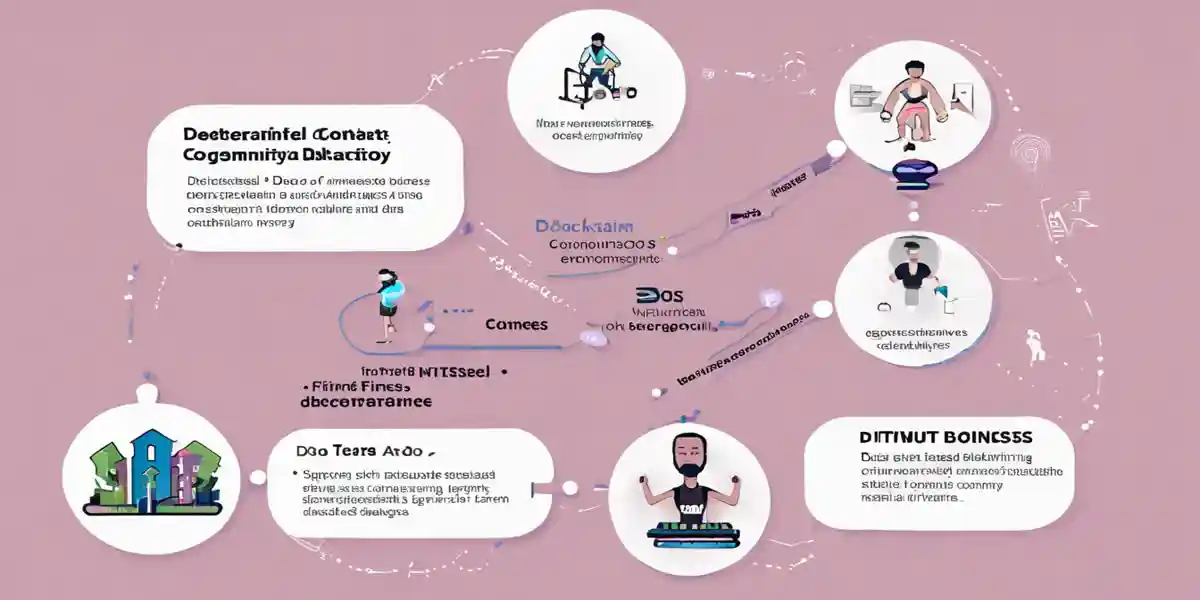
In the convergence of fitness and blockchain technology, Decentralized Autonomous Organizations (DAOs) are emerging as powerful players in reshaping how fitness communities operate. By leveraging the principles of decentralization and community governance, DAOs present a fresh paradigm for engaging users in fitness activities while providing financial incentives to promote healthier lifestyles.
DAOs function as digital organizations governed by smart contracts on the blockchain. This structure allows members to participate in decision-making processes, ensuring that authority is distributed rather than concentrated. In the fitness realm, this can translate into a community-driven platform where users have a say in workout challenges, the allocation of rewards, and the organization of events. For example, a fitness DAO could allow members to vote on the next challenge or decide how to distribute tokens for achievements, fostering a greater sense of ownership and commitment.
The "Move-to-Earn" concept exemplifies how DAOs can revolutionize fitness engagement. Imagine a fitness app where users earn cryptocurrency tokens for completing workouts or participating in community challenges. This model not only incentivizes physical activity but also integrates a sustainable economic framework that prioritizes user engagement over mere profit. According to a study on token economies, a successful model emphasizes community involvement and equitable rewards, challenging traditional profit-driven business approaches.
Smart contracts play a crucial role in automating the processes within a fitness DAO. They can be programmed to distribute tokens automatically once specific criteria are met. For instance, if a member completes a certain number of workouts within a month, a smart contract could automatically send tokens to their wallet without any manual intervention. This not only ensures transparency but also eliminates potential biases in reward distribution, fostering trust within the community.
Despite the promising advantages, the implementation of DAOs in the fitness sector is not without challenges. Research indicates that many existing DAOs struggle with decentralization in governance, often relying on centralized tools for decision-making. This limitation can hinder the authentic participation of all members. However, by integrating Autonomous Economic Agents (AEAs), fitness DAOs could enhance communication and establish more autonomous reward systems, thus improving the overall governance structure.
Several projects are already exploring the potential of DAOs in fitness. For instance, platforms like Sweatcoin and Step App leverage similar "Move-to-Earn" concepts, allowing users to convert physical activity into cryptocurrency rewards. These platforms demonstrate the growing interest in creating a community-centric approach to fitness that goes beyond conventional models, engaging users in a more interactive and rewarding manner.
The future of fitness may well hinge on how effectively DAOs can be integrated into the industry. By promoting a decentralized structure, fitness DAOs can not only motivate individuals to stay active but also create a supportive environment where members uplift each other. With the potential to reshape organizational economics, DAOs could signal a significant shift from traditional hierarchical models to more democratic and distributed systems within the fitness landscape.
In the rapidly evolving landscape of fitness and technology, Decentralized Autonomous Organizations (DAOs) are at the forefront, offering a transformative approach to community empowerment. These organizations leverage blockchain technology to decentralize authority, giving power back to the users. Imagine a world where fitness enthusiasts not only engage in their routines but also play an active role in shaping the community they belong to. This is the promise of DAOs in the fitness sector.
At the heart of a fitness DAO is a governance structure that allows members to propose and vote on various initiatives—ranging from workout challenges to community events. By utilizing smart contracts, these platforms facilitate transparent decision-making processes. For example, a member might propose a new fitness challenge, and through a voting mechanism, the community can decide whether to adopt it. This democratic approach fosters a sense of ownership and accountability among participants, which is crucial for sustained engagement.
Several existing fitness platforms exemplify the effectiveness of DAOs. For instance, FitBurn is one such platform that employs a DAO model to govern its community. Users earn tokens for their activity, which can be used to vote on the direction of the platform, including changes in rewards distribution and community challenges. This not only enhances user engagement but also aligns the interests of the platform and its community members, encouraging a collaborative environment.
The implementation of a value-driven token economy is essential for the success of DAOs in the fitness sector. According to recent studies, a successful token economy prioritizes user-centric community engagement over mere profit maximization. This is particularly relevant in fitness, where motivation can often wane. By creating a sustainable economic model based on the triple-bottom-line (TBL) framework, fitness DAOs can incentivize healthy behaviors through equitable rewards. Members are rewarded not only for their physical activity but also for contributing to community wellness initiatives, thereby promoting a holistic approach to fitness.
While the concept of DAOs is promising, there are challenges to their effective governance. Many existing DAOs struggle with decentralization in voting mechanisms, often leading to a concentration of power among a few. However, advancements in technology, such as the integration of Autonomous Economic Agents (AEAs), can enhance DAO governance by improving decision-making processes and participant communication. These innovations can lead to a more equitable and engaged community, where every voice has the opportunity to be heard.
The beauty of DAOs lies in their ability to create a supportive ecosystem. Beyond just rewarding individual achievements, a fitness DAO can promote collective challenges that encourage members to uplift each other. For instance, group fitness challenges could be designed where participants earn tokens for every workout completed together, fostering a sense of camaraderie and collective motivation. This is where the community aspect becomes invaluable—when members work together towards common goals, the likelihood of sustained engagement and accountability skyrockets.
In summary, the integration of DAOs in the fitness community represents a paradigm shift. By decentralizing power and encouraging user participation, these organizations not only enhance motivation but also cultivate a thriving environment where healthy behaviors are rewarded and community bonds are strengthened.
This section highlights real-world examples of successful fitness-focused DAOs that are leveraging the power of blockchain to create transformative fitness communities.
One of the most compelling examples of a fitness DAO is the Move-to-Earn (M2E) model, which incentivizes physical activity through cryptocurrency rewards. Platforms like STEPN and Genopets have adopted this model, allowing users to earn tokens by walking, running, or engaging in other physical activities. STEPN integrates geolocation and fitness tracking technology with a token economy where users earn Green Satoshi Tokens (GST) that can be used for in-app purchases or exchanged for other cryptocurrencies.
DAOs such as Krausehouse exemplify the decentralized governance model where community members vote on initiatives, workout challenges, and the allocation of funds. This structure fosters a sense of ownership among participants, enhancing user engagement and motivation. Krausehouse operates on a one-person-one-vote system, which has shown improvements in community representation, ensuring that all voices are heard in decision-making processes. This model can be particularly beneficial in fitness communities where diverse interests exist.
Smart contracts play a crucial role in automating reward distribution within fitness DAOs. For instance, when a user completes a specified number of workouts, a smart contract automatically issues tokens to their wallet. This not only ensures transparency but also builds trust within the community. Studies have shown that such automated systems can significantly enhance user retention and participation, as members are more likely to engage in consistent physical activity when they are assured of timely rewards.
The research into token economies indicates that successful fitness DAOs prioritize user-centric community engagement over profit maximization. A study highlighted a new token economy model based on the triple-bottom-line (TBL) framework, which emphasizes social, environmental, and economic sustainability. By implementing such models, fitness DAOs can create equitable reward systems that encourage healthy behaviors while also fostering a supportive community environment.
Emerging research suggests that integrating Autonomous Economic Agents (AEAs) can significantly enhance the effectiveness of fitness DAOs. AEAs can automate interactions within the community, facilitate communication, and establish autonomous reward systems. This technological advancement can streamline operations, making it easier for users to connect, compete, and collaborate on fitness goals. By leveraging AEAs, fitness DAOs can not only improve decision-making processes but also increase overall efficiency and user satisfaction.
The potential for blockchain technology and DAOs in the fitness space is vast. As the landscape evolves, we can expect innovations such as enhanced decentralized governance structures, more complex smart contracts tailored specifically for fitness activities, and advanced tokenization strategies that reward a broader range of healthy behaviors. The shift from traditional fitness models to democratic, decentralized structures could revolutionize how individuals engage with their fitness journeys, making health and wellness more accessible and rewarding for everyone.
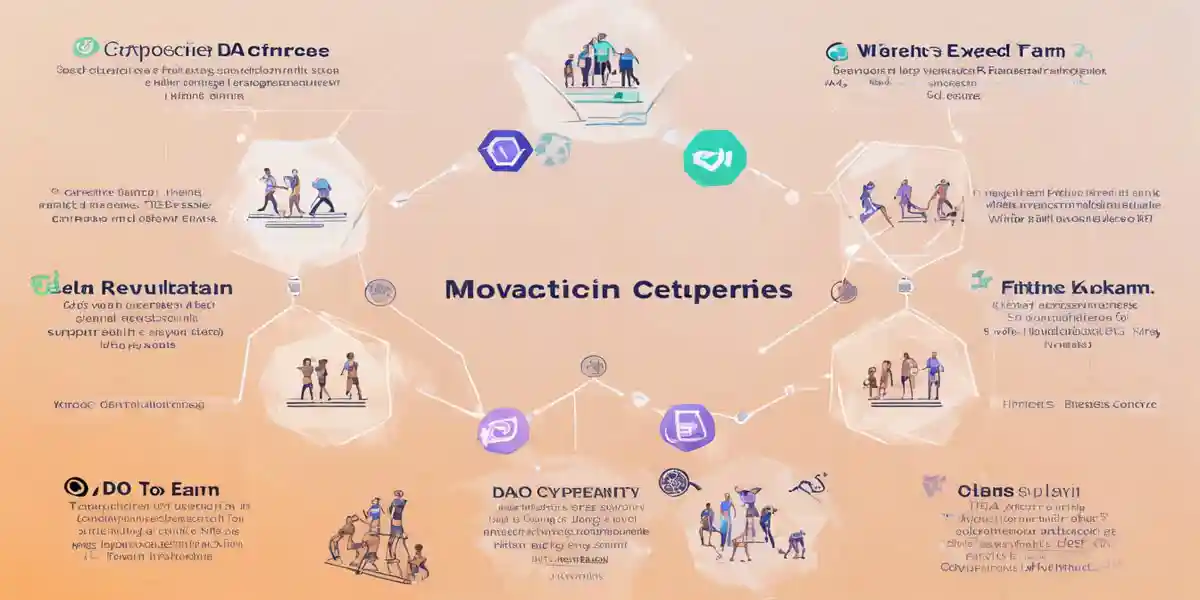
As we stand on the brink of a new era in fitness, the integration of cryptocurrencies and Decentralized Autonomous Organizations (DAOs) offers a promising pathway to reshape how we engage with our health and wellness. This section delves into the transformative potential of these technologies and their implications for the fitness community.
Imagine a world where your daily jog not only contributes to your health but also rewards you with cryptocurrency tokens. This "Move-to-Earn" model is not a far-off dream; it is a tangible reality emerging from the intersection of fitness and blockchain technology. Platforms like STEPN have already begun to implement this model, allowing users to earn tokens for physical activity, thus creating a direct financial incentive to maintain an active lifestyle.
The concept of a token economy based on the triple-bottom-line (TBL) framework emphasizes community engagement over mere profit maximization. By prioritizing users' experiences and contributions, these platforms can foster a more sustainable model that encourages long-term participation and investment in one's health. This is a significant shift from traditional fitness models, which often center on profit-driven approaches.
At the heart of this new fitness paradigm lies the DAO structure that empowers community members. By decentralizing decision-making, users can influence the direction of the platform, from workout challenges to reward distributions. This democratized approach not only enhances accountability but also cultivates a strong sense of belonging among participants. For example, a fitness community governed by a DAO could vote on which new features to implement or how to allocate funds for community events, thus ensuring that the platform evolves in a manner that reflects the needs and desires of its users.
However, many existing DAOs face challenges regarding decentralization and effective governance. Research shows that while over 4,000 DAOs exist, many struggle with equitable voting structures. Innovations such as incorporating Autonomous Economic Agents (AEAs) could provide solutions by streamlining decision-making processes and improving participant interaction, ultimately leading to a more efficient and engaged community.
One of the most groundbreaking aspects of utilizing blockchain in fitness is the ability to implement smart contracts. These self-executing contracts automatically facilitate and enforce agreements, ensuring that rewards are distributed fairly and transparently. For instance, a smart contract could be programmed to award tokens to users who complete a specific number of workouts within a set timeframe, thereby removing any potential biases or delays in reward distribution.
This level of transparency not only builds trust within the community but also encourages participation. Imagine logging into your fitness app and seeing that your completed workouts have already been converted into tokens, ready for you to use on community products or services. Such systems offer a compelling reason to stay active and engaged, transforming fitness from a solitary endeavor into a collective journey.
Ultimately, the integration of cryptocurrencies and DAOs into fitness creates a vibrant ecosystem where members can uplift and motivate one another. This community-driven model addresses common barriers to fitness like motivation and accountability, allowing members to share their journeys and celebrate their achievements together. As fitness platforms evolve to incorporate these technologies, users will find themselves not only investing in their health but also contributing to a larger movement that values collaboration and support.
In this rapidly changing landscape, embracing the future of fitness means recognizing the potential of these innovative frameworks. We are on the cusp of a revolution that will redefine how we engage with fitness, making it more rewarding, equitable, and connected than ever before.
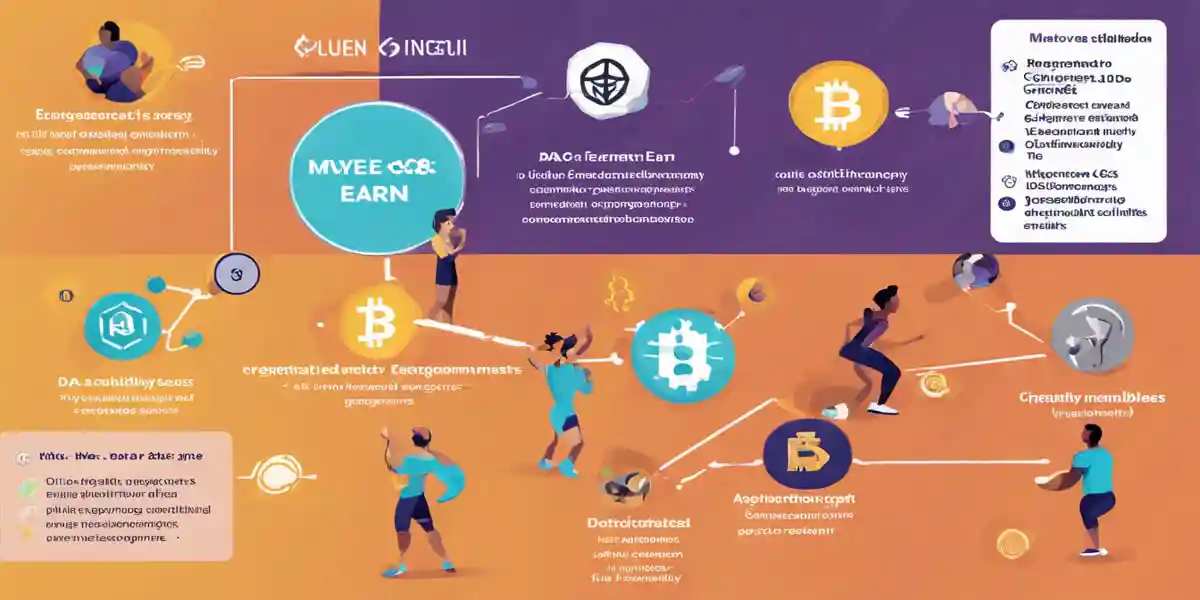
The concept of "Move-to-Earn" is at the forefront of integrating cryptocurrencies and DAOs within the fitness community. By allowing users to earn cryptocurrency tokens for completing workouts, participating in challenges, or sharing their fitness journeys, this model incentivizes healthy behaviors in a unique way. Imagine a fitness app where every step you take translates into tangible rewards. The implications are profound: not only does this system motivate individuals to stay active, but it also transforms their fitness journey into a rewarding experience.
At the heart of this model lies a sophisticated token economy. Recent studies have shown that a successful token economy prioritizes user-centric community engagement over mere profit maximization. By employing a triple-bottom-line (TBL) framework, fitness platforms can create value-driven ecosystems that focus on social, environmental, and economic benefits. This is crucial in fostering a supportive community where engagement and collaboration thrive.
Decentralized Autonomous Organizations (DAOs) play a pivotal role in governing these fitness platforms. DAOs utilize smart contracts to facilitate transparent decision-making and governance. For instance, within a fitness DAO, members can vote on workout challenges, approve new features, and decide on how to distribute rewards. This decentralized approach not only empowers users but also creates a sense of ownership and accountability.
Research indicates that many DAOs face challenges regarding decentralization and autonomy. However, successful DAOs can enhance user engagement by allowing every member a voice in the governance process. For example, fitness DAOs can adopt a one-person-one-vote model, ensuring that each participant's opinion matters, thereby fostering a stronger community bond.
Integrating smart contracts into the fitness ecosystem enhances both automation and fairness in reward distribution. When users complete a specified number of workouts, smart contracts can automatically issue tokens to their wallets without the need for intermediaries. This not only streamlines the process but also ensures that rewards are distributed fairly and transparently. The potential for automation allows fitness platforms to focus more on community-building rather than administrative tasks, ultimately leading to a more engaging experience for users.
Several projects are already pushing the boundaries of the Move-to-Earn model. For instance, platforms like Sweatcoin reward users with digital currency for their outdoor activities, effectively turning fitness into a currency-generating endeavor. Similarly, applications such as Step App are leveraging blockchain technology to create a gamified fitness experience where users earn tokens for their movements. These examples illustrate how integrating cryptocurrency and DAOs can create vibrant, motivating fitness ecosystems that not only encourage physical activity but also build community.
Despite the promise of this integration, challenges remain. Many DAOs struggle with decentralization, often relying on centralized tools for governance, which can undermine their effectiveness. To overcome this, future fitness DAOs may consider incorporating Autonomous Economic Agents (AEAs) that enhance governance, streamline communication, and establish autonomous reward systems. These advancements could significantly improve participant engagement and foster a more robust fitness community.
As we jog into the future, it becomes clear that the intersection of cryptocurrencies, DAOs, and fitness technology holds transformative potential. By embracing these innovations, we can cultivate a healthier, more engaged society where fitness is not just a personal journey, but a collective triumph.
As we conclude our exploration into the convergence of cryptocurrencies and Decentralized Autonomous Organizations (DAOs) within the fitness community, it becomes abundantly clear that we are at the threshold of a transformative era. The "Move-to-Earn" model not only incentivizes physical activity by rewarding users with cryptocurrency tokens but also fosters a sense of ownership and community through decentralized governance. This new paradigm empowers individuals to take charge of their fitness journeys while simultaneously investing in the collective wellbeing of their communities.
Throughout this journey, we have seen how the integration of blockchain technology enables fitness platforms to create engaging ecosystems where users are rewarded for their efforts. By leveraging fitness tokens, platforms like STEPN and Sweatcoin demonstrate that every step taken can translate into tangible benefits, motivating users to stay active and engaged. Moreover, the emphasis on a triple-bottom-line approach ensures that these innovations prioritize social, environmental, and economic sustainability, setting a precedent for future developments in fitness.
The role of DAOs in this landscape cannot be overstated. By decentralizing decision-making, fitness communities can cultivate a vibrant culture of participation and accountability. Through real-world examples, we have witnessed the power of community governance, where members have a voice in shaping the platform’s future. However, as we acknowledged, challenges remain in ensuring equitable participation and effective governance within these DAOs. The integration of technologies such as Autonomous Economic Agents (AEAs) may be key in addressing these challenges, paving the way for a more inclusive and responsive fitness ecosystem.
As we embrace the future of fitness, it is essential for each of us to consider how we can participate in this evolving landscape. Whether you are a fitness enthusiast, a developer, or simply someone interested in health and wellness, engaging with these innovations presents an unparalleled opportunity to shape the future of fitness. Let’s not just jog into this future; let’s sprint toward it, building supportive communities that celebrate health, wellness, and collective success.
The journey has just begun. Are you ready to take the next step?

Get notified about new articles, coffee tips, and Web3 insights.
This site participates in affiliate programs and may earn a commission when a link is clicked and a purchase is made. The site is not responsible for any issues or troubles related to the products or services purchased through the use of this site.

DO&COFFEE loves coffee and technology, exploring the potential of NFTs and blockchain. Learn more →
DO&COFFEE loves coffee and technology, exploring the potential of NFTs and blockchain. Learn more →