coffee
2024/08/21

In a world where technology seems to touch every aspect of our lives, the coffee culture we hold dear is on the brink of a transformation unlike anything we’ve seen before. Welcome to the decentralized landscape of Web3, where the age-old role of the barista is evolving into something more profound and empowering. Imagine a future where baristas and coffee enthusiasts join forces to co-own and manage their local coffee shops, not just as employees but as active stakeholders in a community-driven venture. This blog post explores how mastering barista skills within this new brew culture can redefine our daily coffee rituals and foster a sense of belonging in an increasingly connected world.
The rise of decentralization brings with it the promise of transparency and collaboration, allowing baristas to use blockchain technology to influence everything from sourcing ethically grown beans to deciding on shop aesthetics. Through the lens of decentralized applications (dApps) and smart contracts, we’ll delve into how these innovations create a fairer and more engaging coffee experience for everyone involved. By integrating barista skills into our daily habits, we can not only elevate our coffee game but also contribute to a culture that values community, sustainability, and creativity. Join us as we navigate this exciting journey, transforming the way we brew and connect over coffee in the Web3 era.
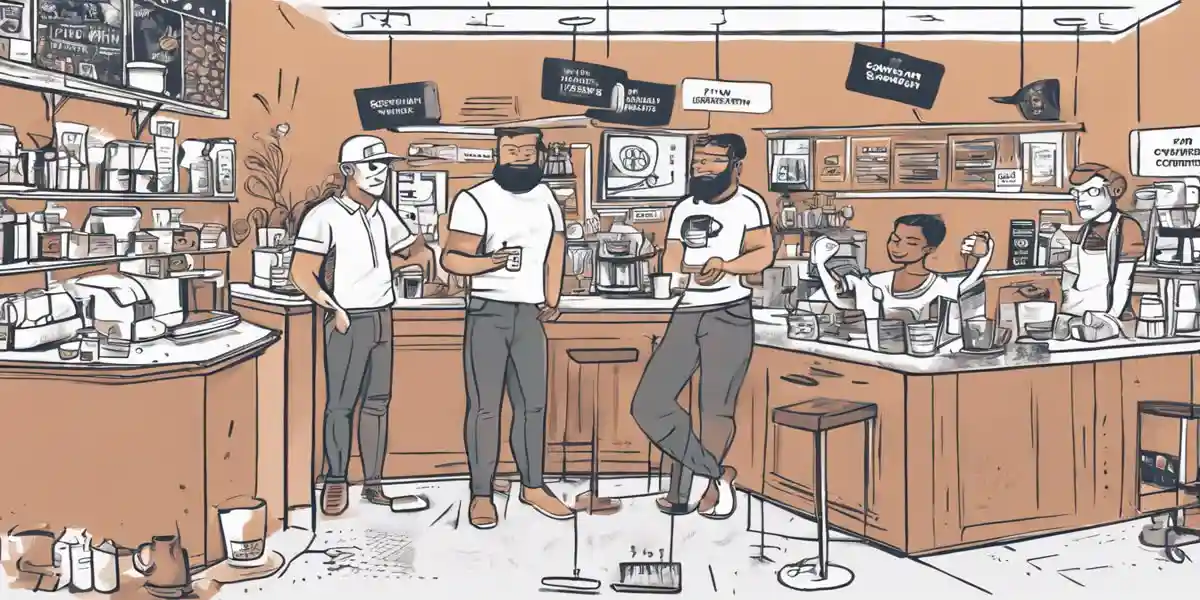
In the rapidly evolving landscape of Web3, decentralization isn't merely a trend; it's a transformative force poised to reshape the coffee culture that baristas hold dear. This section explores how the rise of decentralized technologies can empower baristas, reimagining their roles from employees to entrepreneurs, and fostering a new brew culture that thrives on community engagement and innovation.
Decentralization presents an exciting opportunity for coffee culture, as it aligns closely with the values of collaboration and transparency that many consumers now seek. Consider the traditional coffee shop model: baristas often work within a rigid hierarchy, their creative input stifled by corporate policies. But in a decentralized environment, baristas could co-own and manage their local coffee shops through decentralized coffee cooperatives.
Imagine a world where every barista possesses tokens that represent their stake in the cooperative. These tokens would grant them a voice in vital decisions—ranging from sourcing beans to setting prices and designing shop layouts. This model is not just theoretical; it resonates with the governance structures found in Decentralized Autonomous Organizations (DAOs). DAOs allow members to collectively manage resources, ensuring that power is distributed rather than concentrated in the hands of a few. As noted in a recent study, DAOs could redefine organizational economics, shifting from hierarchical to democratic, distributed structures.
Furthermore, smart contracts could play a crucial role in automating profit distribution. Baristas would be compensated based on their contributions, fostering a sense of ownership and accountability. This approach mirrors the findings of studies highlighting the transformative potential of blockchain technology and smart contracts in creating trustless interactions and new business models. By streamlining operations, baristas can focus on what they do best: crafting exceptional coffee experiences.
The integration of token-based governance not only enhances the barista's role but also invites customers into the fold, allowing them to influence shop policies. Imagine patrons holding tokens that enable them to vote on new drink offerings or community events. This level of engagement promotes a sense of belonging, transforming customers from passive consumers into active participants in their local coffee culture.
Moreover, decentralized applications (dApps) can be utilized to track and authenticate the journey of coffee from farm to cup, addressing the growing demand for ethical sourcing and sustainability. In a world where consumers are increasingly conscious of their choices, this transparency can significantly enhance a coffee shop's reputation and loyalty among its patrons. The paper emphasizing the impact of blockchain technology suggests that such innovations can foster resource sharing and alleviate unfair advantages in competitive markets, a crucial aspect for coffee cooperatives striving for success.
Decentralization also allows for the establishment of ethical sourcing practices. By leveraging blockchain technology, coffee shops can ensure that their beans are sourced fairly, with benefits flowing back to the farmers. This not only enhances the shop's brand image but also aligns with the values of today's consumers, who increasingly prioritize ethical consumption.
As the coffee industry embraces these innovative frameworks, the shift from traditional practices to decentralized models can cultivate a culture of fairness, creativity, and connection. Baristas, empowered as co-owners, can lead this transformation, ensuring that the coffee experience becomes a collaborative effort that resonates deeply with the community. This new brew culture invites everyone—baristas and customers alike—to shape the future of coffee together.
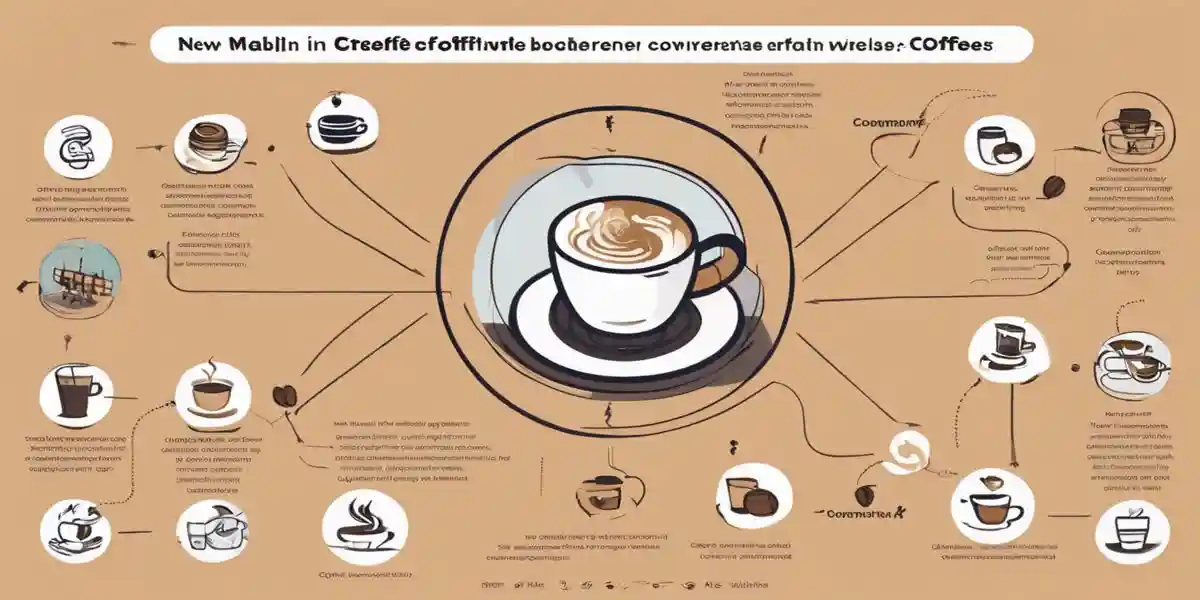
The transformation of coffee culture in the Web3 landscape is not merely about technology; it’s about redefining relationships and responsibilities among baristas, coffee lovers, and the broader community. As we delve into this new brew culture, we see how decentralization empowers individuals and fosters a collaborative environment that challenges traditional coffee shop dynamics.
Imagine walking into a coffee shop where every cup you enjoy is a product of collective decision-making. In a decentralized coffee cooperative, baristas are elevated from employees to empowered entrepreneurs. The governance model here is crucial—it allows baristas and coffee enthusiasts to co-own and manage the shop, ensuring that every voice matters. Using blockchain technology, each member of the cooperative can acquire tokens representing their stake and influence over decisions. For instance, a barista with a vested interest in sourcing ethically produced beans can vote on supplier choices, thus directly impacting the quality and ethics of the coffee served.
With the integration of smart contracts, the concept of fair compensation takes on a new dimension. Smart contracts can automate profit distribution based on predefined criteria, such as hours worked or sales achieved. This means that a barista who goes above and beyond to create a unique coffee experience can receive a larger share of profits. This system not only incentivizes excellence but also enhances transparency. For example, if a barista develops a new brew that becomes popular, smart contracts could allocate additional tokens or bonuses, making every contribution visible and rewarded.
Today's consumers are increasingly conscious of their choices, often seeking products that align with their values. Decentralized applications (dApps) can play a vital role here by providing transparency in the coffee supply chain. Imagine scanning a QR code on your coffee cup and discovering the journey of those beans—from the farm in Colombia, where they were ethically sourced, to your local café. This level of transparency not only builds trust with consumers but also promotes sustainable practices, aligning with the growing demand for ethical sourcing in the coffee industry.
Tokens serve as more than just financial instruments; they are a means of community engagement. Patrons of the coffee shop can also hold tokens, giving them the power to influence shop policies. For example, customers could vote on seasonal drink offerings or contribute ideas for community events. This active participation transforms customers from passive consumers into engaged community members. It fosters a culture of creativity and connection, essential elements that define the new brew culture in a decentralized world.
The shift towards a decentralized brew culture encourages baristas to embrace creativity and collaboration. In this new environment, baristas can experiment with unique coffee blends and innovative brewing techniques without the constraints of traditional corporate structures. They can share knowledge, collaborate on new recipes, and even host workshops for the community. This not only enhances the barista's role but also enriches the overall coffee experience for everyone involved, creating a vibrant local coffee scene.
Several pioneering initiatives already exemplify this new brew culture. Take, for instance, a coffee cooperative like Coop Coffee, which operates on a democratic model, allowing members to have a say in operational decisions. They leverage blockchain for transparency, showing customers where their coffee comes from and how profits are shared. Similarly, decentralized platforms like Rally enable baristas and coffee lovers to create and trade their own tokens, further melding the worlds of coffee and technology.
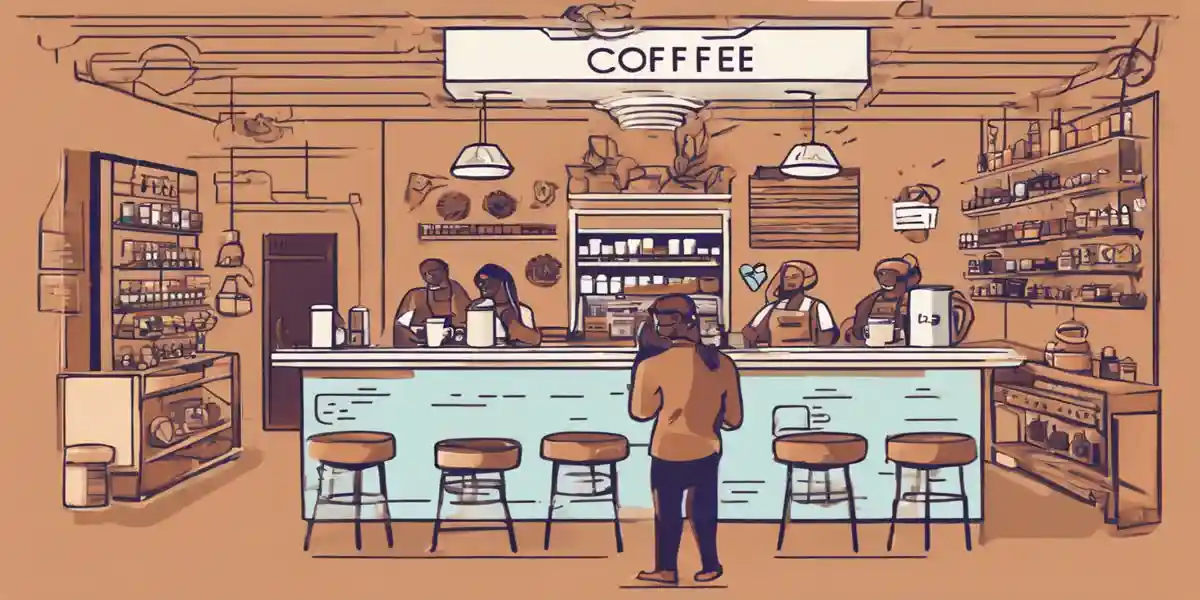
As we step into the world of Web3, baristas have the opportunity to transcend traditional roles, becoming not just employees but key stakeholders in the coffee shop ecosystem. By harnessing the power of blockchain technology, baristas can participate in decentralized coffee cooperatives that prioritize community involvement and equitable profit-sharing.
Imagine a coffee shop where each barista holds tokens that represent their ownership stake in the cooperative. These tokens serve as more than just currency; they embody a voice in the governance of the coffee shop. Using these tokens, baristas can vote on crucial decisions—everything from sourcing ethically grown beans to determining pricing strategies and even selecting the ambiance of the shop. This shift from hierarchical decision-making to a more democratic model is supported by research on Decentralized Autonomous Organizations (DAOs), which emphasize collective management through smart contracts.
Smart contracts, self-executing agreements embedded in blockchain, can automate processes within these cooperatives. For instance, after a busy day at the coffee shop, the smart contract could calculate profits and distribute them among baristas based on predefined metrics of contribution, such as hours worked or customer satisfaction ratings. This not only ensures fair compensation but also fosters a culture of accountability and transparency among baristas, as they can directly see how their efforts translate into earnings. This echoes findings from various studies highlighting the efficiency and trustless nature of smart contracts, which reduce transaction costs and streamline operations.
Decentralized applications (dApps) can play a crucial role in the coffee supply chain, allowing baristas and customers to trace the journey of coffee from farm to cup. By leveraging blockchain technology, dApps can authenticate sourcing practices, ensuring that coffee is not only high quality but also produced ethically. For example, a dApp could display the history of a particular batch of coffee beans, including the farm where they were grown and the farmers who cultivated them. This level of transparency resonates with the growing demand among consumers for ethical sourcing, as noted in the literature discussing the transformative potential of blockchain in enhancing ethical practices across industries.
In these decentralized cooperatives, customer engagement takes on a new dimension. Patrons can also hold tokens, granting them the power to influence shop policies and participate in community events. Imagine a scenario where customers can vote on the seasonal coffee offerings or participate in brewing workshops led by their favorite baristas. This collaborative approach not only enriches the coffee experience but also strengthens the community, transforming coffee shops into vibrant hubs of interaction. The research indicates that such cooperative alliances promote open and fair coordination, paving the way for sustainable development and innovation.
Several initiatives are already paving the way for a decentralized coffee culture. One notable example is Giveth, a platform that allows users to support coffee farmers directly through blockchain-based donations, ensuring that funds go directly to those who need them. Additionally, coffee cooperatives like Kaffeekommune are exploring tokenomics to empower baristas and customers alike, illustrating that the shift towards decentralized ownership is not merely theoretical but actively being implemented.
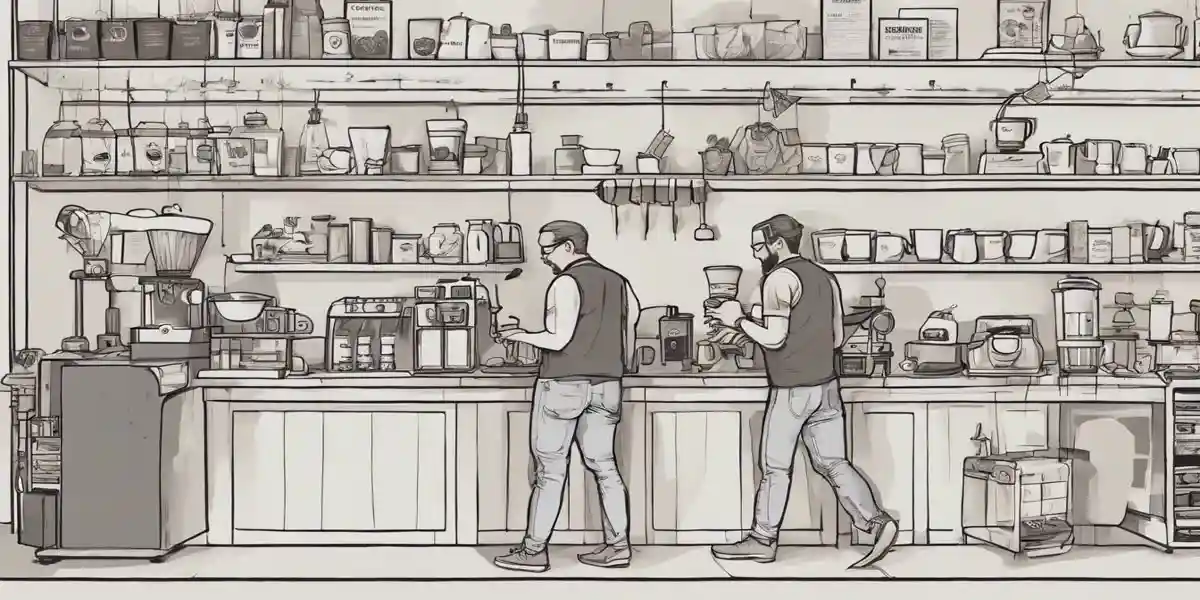
In the context of a decentralized Web3 world, mastering barista skills goes beyond just brewing coffee; it’s about embracing a new culture where baristas become empowered entrepreneurs. This section will explore essential barista techniques that every coffee lover can incorporate into their daily routine to enhance their brewing experience.
The journey to becoming a skilled barista begins with a deep understanding of coffee beans. Baristas today should familiarize themselves with various bean types, their origins, and how these factors influence flavor profiles. For instance, Arabica beans are known for their sweet, soft taste and higher acidity, while Robusta beans offer a stronger, more bitter flavor.
Imagine walking into a decentralized coffee shop where baristas can vote on sourcing beans directly from farmers via blockchain technology. This not only ensures quality but also strengthens the relationship between the producer and the consumer, promoting ethical sourcing and sustainability.
Once you've chosen your beans, mastering brewing techniques becomes essential. Here are some foundational methods:
In a decentralized coffee culture, technology plays a pivotal role in refining barista skills. Smart contracts can be utilized to automate processes such as inventory management and profit distribution. For instance, imagine a scenario where coffee shop owners and baristas collaborate via a smart contract that automatically adjusts the price of coffee based on bean availability and quality.
This approach not only enhances operational efficiency but also fosters transparency, as all stakeholders would have access to real-time data regarding coffee sourcing and pricing strategies. This level of transparency can be a game changer in building trust with customers, who may also hold tokens to influence shop policies.
The emergence of decentralized coffee cooperatives allows baristas to take ownership of their craft. By participating in a cooperative, baristas can vote on critical decisions, such as bean sourcing and shop aesthetics, using tokens that represent their stake in the business. This governance model promotes community engagement, ensuring that every voice is heard and that profit-sharing is fair.
Real-world examples of cooperative models can be seen in organizations like the Cooperative Coffee, where members can influence operational decisions and benefit from profit-sharing based on their contributions. This model not only empowers baristas but also creates a sense of belonging within the community, inviting customers to play an active role in their local coffee scene.
As baristas master their craft, they also have the opportunity to promote ethical sourcing and sustainability. Leveraging decentralized applications (dApps) can help track the entire journey of coffee from farm to cup. This ensures that the coffee served is not only delicious but also sourced ethically.
Consider a decentralized coffee shop that integrates dApps to provide customers with information about the origins of their coffee. Patrons can scan a QR code on their cup that reveals the story of the beans, including the farmer's details and sustainability practices. This transparency builds a connection between consumers and producers, resonating with the values of today's conscious consumers.
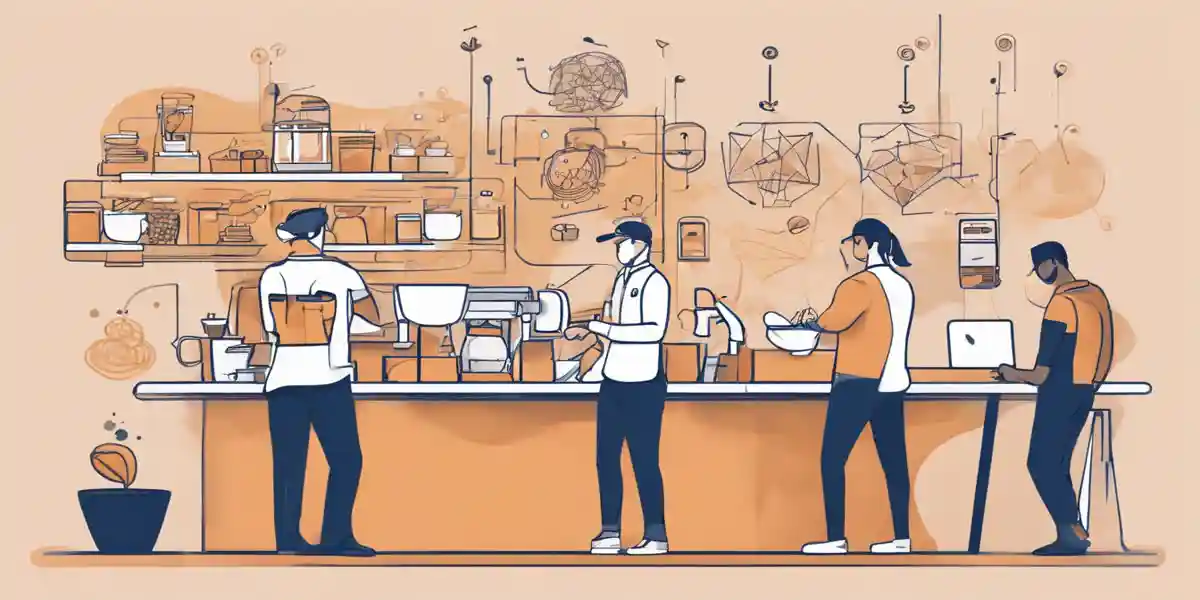
As baristas step into a decentralized Web3 landscape, the tools and resources available to enhance their skills are evolving dramatically. This transformation not only emphasizes the brewing techniques but also integrates technology that fosters community engagement and profit-sharing.
Mastering the art of coffee brewing begins with understanding the fundamentals. Digital platforms like Barista Hustle offer comprehensive online courses that cover everything from espresso extraction to latte art. These resources often include interactive elements, allowing baristas to practice their skills in a virtual setting. In a decentralized model, baristas could share their own brewing techniques through dApps, creating a shared knowledge base that benefits the entire cooperative.
Imagine being able to enroll in skill-enhancing workshops using tokens. Smart contracts could automate the registration process for various coffee training events, ensuring that payments are secure and transparent. For instance, a decentralized coffee cooperative could host skill-enhancement workshops and allow members to use their tokens as payment. This not only incentivizes skill development but also fosters a sense of community as baristas learn from each other.
In a decentralized coffee culture, the journey from bean to cup is crucial for quality assurance. Platforms like Everledger utilize blockchain technology to provide traceability in the coffee supply chain, ensuring that baristas can source ethically produced beans. With this technology, baristas can enhance their knowledge about the origins of the coffee they serve, leading to better customer interactions and a more authentic coffee experience.
Decentralized applications are revolutionizing how baristas connect with their customers. By developing dApps that allow patrons to vote on their favorite blends or suggest new menu items, baristas can engage their community and gather valuable feedback. This participatory approach not only strengthens the relationship between baristas and customers but also encourages a culture of collaboration and creativity. For example, a barista could use a dApp to propose a new seasonal drink, allowing customers to invest tokens in the idea and share in the profits if it becomes a hit.
As baristas seek to continuously improve their craft, token-based learning platforms can play a pivotal role. These platforms can reward baristas with tokens for completing courses or contributing content, creating an ecosystem of motivated learners. An example can be seen in decentralized education models where baristas earn tokens for sharing their expertise in brewing techniques or coffee origins, thereby reinforcing a culture of mutual growth and knowledge sharing.
The sense of community is vital in the barista world. Platforms like Reddit and Facebook Groups serve as excellent venues for baristas to share tips, techniques, and experiences. In a decentralized setting, these communities could operate on blockchain, ensuring that contributions are rewarded through a token system. This not only incentivizes knowledge sharing but also establishes a more inclusive environment where all voices are heard.
To master barista skills, investing in quality equipment is essential. Tools like smart scales and automatic espresso machines can significantly enhance precision in brewing. Moreover, integrating IoT devices can help baristas track their brewing metrics and adjust their techniques accordingly. In a decentralized model, a cooperative could pool resources to purchase high-quality equipment for shared use, promoting communal learning and skill development.
In the context of Web3, the concept of decentralized coffee cooperatives redefines the traditional role of baristas. These cooperatives empower baristas and coffee enthusiasts to co-manage their local coffee shops actively. This section explores how blockchain technology facilitates this transformation, enhancing community engagement and profit-sharing.
Imagine walking into a coffee shop where every barista holds tokens that represent their stake in the cooperative. Tokens serve as both a financial instrument and a governance tool, allowing baristas to vote on essential decisions such as sourcing beans, setting prices, and even designing the shop's ambiance. The token-based governance model encourages active participation and ownership among baristas, cultivating a culture where their voices matter.
Smart contracts are self-executing contracts with terms directly written into code. In a decentralized coffee cooperative, smart contracts can automate profit distribution based on each barista's contributions. For instance, if a barista works extra hours or develops a new brew that customers love, the smart contract can adjust their share of profits accordingly. This approach not only ensures fair compensation but also minimizes conflicts and enhances trust among cooperative members, fostering a more collaborative environment.
Blockchain's inherent transparency offers a revolutionary shift in how coffee shops operate. With every transaction recorded on a public ledger, patrons can track the journey of their coffee from bean to cup. This level of transparency not only builds trust between baristas and customers but also promotes ethical sourcing and sustainability. For example, consumers can verify that their coffee was sourced from fair-trade farms, aligning with their values as conscious buyers.
Decentralized applications (dApps) play a crucial role in enhancing the interactivity and engagement of the coffee community. These applications can facilitate various functions, from managing loyalty programs to enabling feedback systems where customers can suggest new brews or vote on seasonal offerings.
Consider a dApp that allows coffee enthusiasts to contribute to the development of new blends. Users can propose recipes, vote on their favorites, and even fund the production of limited-edition brews through a crowdfunding model. This not only makes customers feel more invested in the coffee experience but also creates a vibrant community of coffee lovers who are actively participating in the local coffee culture.
As consumers increasingly prioritize sustainability, decentralized systems can help ensure that coffee shops adhere to ethical practices. By leveraging blockchain technology to track sourcing, shops can showcase their commitment to sustainability. For instance, a cooperative could partner with farmers to create a transparent supply chain, where every purchase contributes to local agricultural initiatives. This not only bolsters the cooperative’s mission but also attracts socially conscious consumers who value transparency in their purchasing decisions.
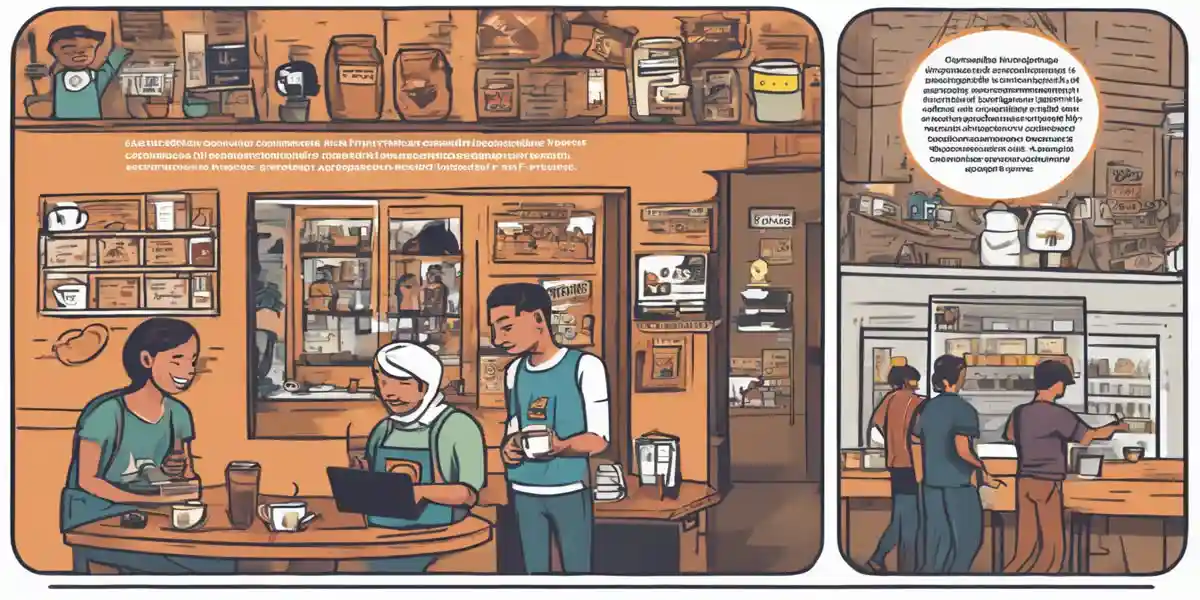
While the potential of decentralized coffee cooperatives is vast, it is essential to address the challenges that come with implementing these systems. One significant concern is the centralization of power within key blockchain players, which can undermine the decentralized ethos of cooperatives. To combat this, proactive governance strategies must be established, ensuring that the cooperative remains truly democratic and not beholden to a few influential individuals or entities.
The success of decentralized coffee cooperatives hinges on effective governance models. Research indicates that Decentralized Autonomous Organizations (DAOs) can facilitate democratic decision-making processes, allowing members to participate equally. By employing reputation-based systems and transparent accounting on platforms like Ethereum, cooperatives can create an inclusive environment that encourages participation and accountability.
Tokens not only serve as a means of governance but also as a way to incentivize engagement. By embedding rules within blockchain protocols, cooperatives can reduce transaction costs and streamline coordination among members. This innovative approach to governance can help eliminate traditional hierarchical management issues, leading to a more equitable and efficient operational model.
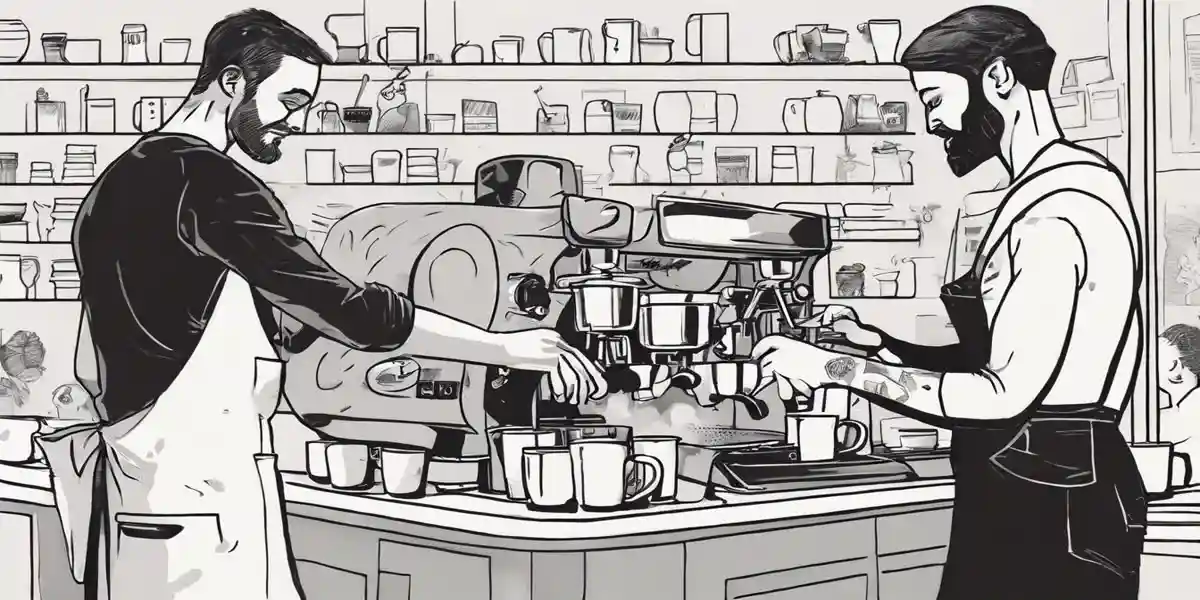
As we navigate the new landscape of Web3, the integration of technology into our daily habits offers an exciting opportunity for baristas and coffee enthusiasts alike. This section explores how creating a coffee ritual can elevate your daily brew while intertwining the principles of decentralized culture.
Establishing a coffee ritual isn't just about brewing; it's about crafting an experience that resonates with community values and personal empowerment. In a decentralized Web3 environment, this ritual can serve as a roadmap for integrating barista skills into your everyday life, fostering a deeper connection with the coffee you consume and the community you build around it.
Begin your day by creating a dedicated space for your coffee-making process. This could be as simple as a well-organized countertop or a cozy nook that invites you to slow down and savor the moment. The idea is to engage your senses: the aroma of freshly ground beans, the tactile feel of the brewing equipment, and the visual beauty of your chosen coffee vessel.
In a decentralized coffee cooperative, this ritual can be shared and celebrated among members. Imagine a monthly gathering where each participant brings their brew method, from pour-over to French press, showcasing their unique skills and preferences. This not only enhances individual mastery but also cultivates a collaborative spirit, reminiscent of the cooperative governance model where every voice matters.
The beauty of coffee lies in its diversity. Take time to experiment with different beans, grind sizes, and brewing techniques. Utilize decentralized applications (dApps) that can recommend coffee profiles based on your preferences or provide sourcing information to ensure you’re supporting ethical practices. A great example is using blockchain to trace the journey of your coffee from farm to cup, promoting transparency and sustainability that modern consumers value.
For instance, a barista in a decentralized cooperative might share their experience with a particular roast via a community forum, encouraging others to try it and share feedback. This creates a dynamic learning environment where every participant contributes to a collective knowledge pool, reinforcing the democratic nature of decentralized organizations.
In a decentralized model, feedback loops are critical. As you refine your brewing techniques, consider incorporating input from fellow coffee lovers. Perhaps you could create a token-based system where community members vote on the best brews of the month, incentivizing baristas to innovate and improve their skills continually.
Moreover, the use of smart contracts could automate the process of sharing profits from special coffee events or promotions, ensuring that all contributors feel valued for their efforts. This aligns with the principles outlined in the studies of Decentralized Autonomous Organizations (DAOs), where collective decision-making leads to fairer outcomes for all members involved.
Lastly, embrace the mindfulness aspect of your coffee ritual. Take a moment to appreciate the effort behind each cup, from the farmers who cultivate the beans to the baristas who perfect the brew. This conscious appreciation can deepen your connection to the community and the product itself, embodying the ethos of fairness, creativity, and connection that decentralized coffee culture aims to promote.
As we collectively shift our daily habits toward this more intentional coffee culture, we not only improve our skills as baristas but also cultivate a richer, more engaged community that thrives on shared values and collaborative efforts. Through these daily rituals, we can transform our coffee experience from a solitary act into a vibrant community celebration.
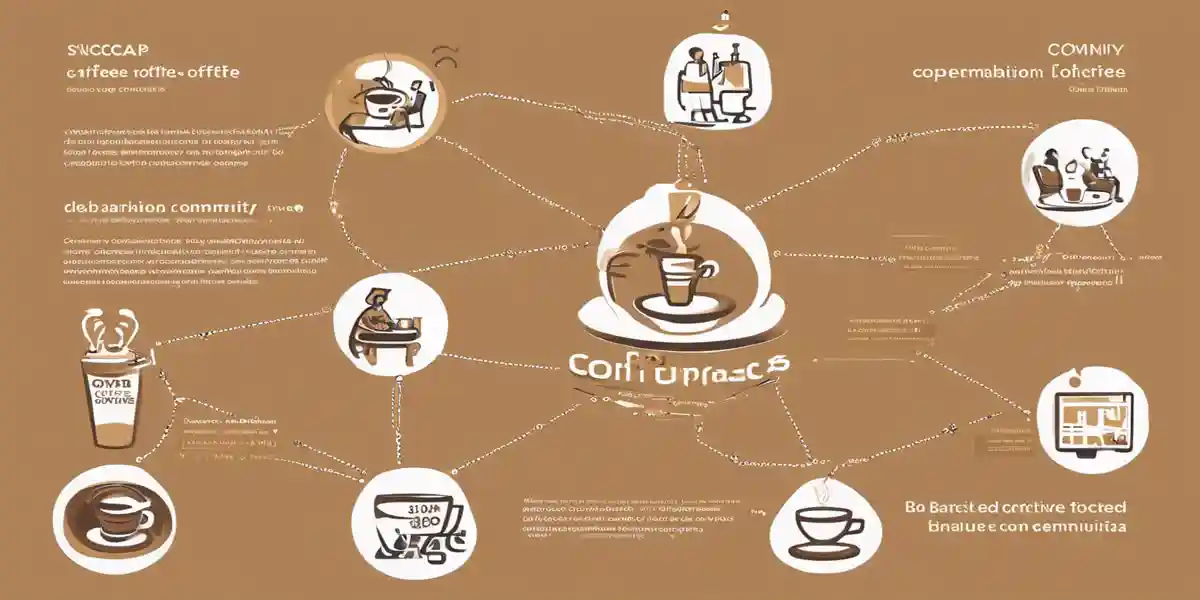
In a decentralized coffee culture powered by Web3, the essence of community is redefined. This new paradigm invites baristas and coffee enthusiasts alike to become co-owners and active participants in their local coffee scene, fostering a sense of collaboration and shared purpose.
Imagine a coffee shop where every barista is not just an employee but also an empowered entrepreneur. Through decentralized coffee cooperatives, baristas can collectively own and manage their shops, integrating blockchain technology into their operations. Each member could hold tokens representing their stake in the cooperative, which would allow them to vote on crucial decisions such as sourcing beans and pricing strategies. This model not only democratizes the governance of the coffee shop but also aligns the interests of baristas and patrons.
Smart contracts play a pivotal role in this ecosystem. By automating profit distribution based on individual contributions, these self-executing agreements ensure that every barista is fairly compensated for their efforts. This transparency not only builds trust within the cooperative but also invites customers to engage more deeply with the coffee shop. For instance, a customer who holds tokens could participate in decisions about shop aesthetics or special promotions, enhancing their connection to the local coffee community.
Decentralized applications (dApps) can further enrich the coffee culture by allowing communities to track and authenticate the journey of coffee from farm to cup. This capability promotes ethical sourcing and sustainability—values that resonate with today's conscious consumers. For example, a dApp could provide consumers with detailed information about the origin of the beans used in their favorite brew, including the farmers who grew them and the environmental practices employed. This traceability not only fosters consumer trust but also encourages sustainable practices among producers.
Token-based governance introduces a unique dynamic to community engagement. Unlike traditional corporate structures where a few individuals make decisions, decentralized autonomous organizations (DAOs) empower every member to have a voice. Through token voting, baristas and customers can collectively decide on initiatives like community events or collaborations with local artists. This participatory governance model not only enhances the sense of ownership but also nurtures a vibrant community that thrives on creativity and connection.
Several real-world examples illustrate the potential of this decentralized coffee culture. For instance, the coffee shop "Paper & Tea" has embraced blockchain technology to create transparency in their supply chain. By utilizing a token system, they allow consumers to directly support farmers, ensuring fair compensation and ethical practices. Similarly, "Café DAO" has implemented a decentralized governance model where members can propose and vote on new coffee blends or community events, showcasing how technology can enhance community interaction.
While the opportunities presented by a decentralized coffee culture are exciting, challenges remain. The centralization of power in blockchain networks, as highlighted in various studies, poses a risk to the very decentralization these cooperatives seek to achieve. Proactive governance strategies, such as clear rules for token distribution and decision-making processes, are essential to mitigate these risks. Additionally, fostering a culture of inclusivity and participation will be vital to ensuring that all voices are heard in this new coffee ecosystem.
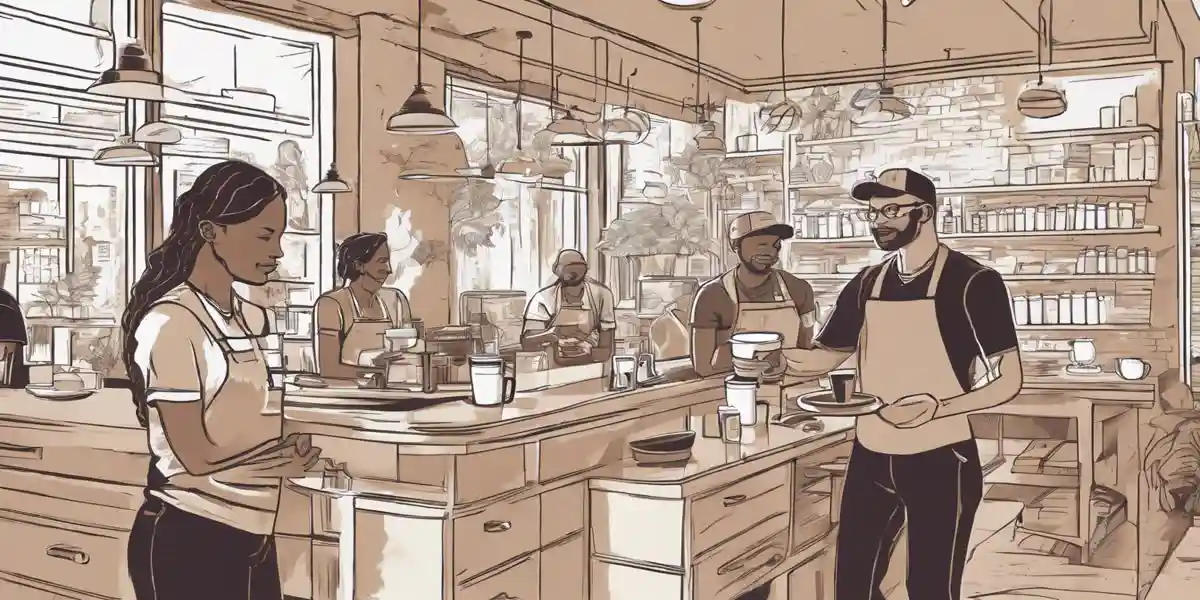
Imagine a coffee shop where every barista isn't just pouring lattes but actively shaping the business. In the context of Web3, decentralized coffee cooperatives can transform the daily habits of baristas, enabling them to become entrepreneurs rather than mere employees.
In a decentralized cooperative, each barista could utilize tokens to represent their ownership stake. These tokens would not only serve as a financial instrument but also as a governance tool, enabling baristas to vote on critical decisions. For example, when sourcing coffee beans, baristas could vote on preferred suppliers based on ethical sourcing practices, thus aligning the cooperative's values with those of its members.
This concept is rooted in the principles of Decentralized Autonomous Organizations (DAOs), where smart contracts automate governance processes. According to research, DAOs can redefine organizational economics by shifting from hierarchical to democratic structures, allowing every member to have a voice. Imagine a situation where a barista proposes a new seasonal drink; through token-based voting, the community can decide to implement it based on majority support.
Smart contracts are pivotal in this decentralized model, automating profit distribution and ensuring fair compensation based on each barista's contributions. For instance, if a barista develops a popular new drink that boosts sales, the smart contract could automatically adjust their profit share to reflect this added value. This not only incentivizes creativity but also fosters a culture of collaboration and mutual respect among baristas.
Blockchain technology facilitates a level of transparency that traditional coffee shops often lack. All transactions related to the cooperative, from bean sourcing to profit distribution, could be recorded on a public ledger. This transparency builds trust not only among baristas but also between the shop and its customers. Patrons could hold tokens themselves, allowing them to participate in votes about shop policies or community events, thus creating a more engaged customer base.
Decentralized applications (dApps) could play a crucial role in tracking the journey of coffee from farm to cup. By utilizing dApps for authentication, cooperatives can promote ethical sourcing and sustainability. Customers could scan QR codes on coffee bags that link to a blockchain record detailing the entire supply chain, from the farmer to the roaster to their cup. This not only enhances the customer experience but also aligns with the values of today's conscious consumers who prioritize sustainability.
In this decentralized model, community engagement becomes a cornerstone. Each cooperative could host events where baristas and patrons come together to discuss new ideas, vote on upcoming initiatives, and celebrate achievements. By emphasizing profit-sharing and collaborative decision-making, these cooperatives can cultivate a sense of belonging and ownership among all stakeholders. This is a stark contrast to traditional coffee shop models, where decisions are often made in corporate boardrooms far removed from the daily operations.
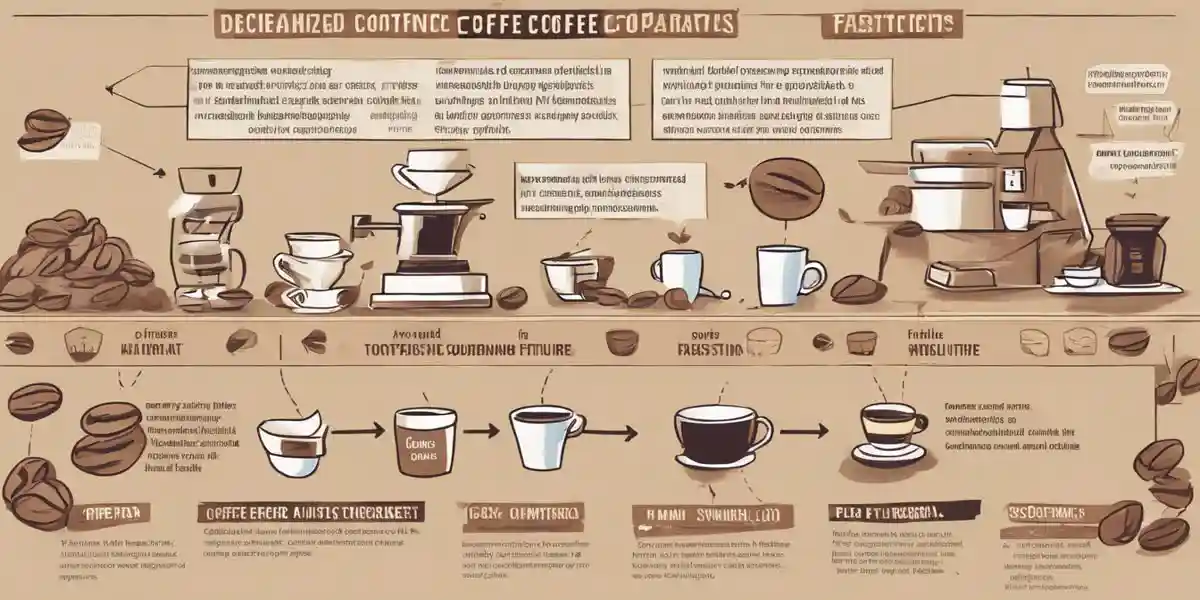
In the rapidly evolving landscape of Web3, decentralization is not just a buzzword; it’s a paradigm shift that promises to redefine industries, including the coffee shop culture that baristas know and love. This section explores how baristas can transcend traditional employment roles, becoming empowered entrepreneurs through the implementation of decentralized coffee cooperatives.
Imagine a world where baristas are not merely employees but co-owners of their coffee shops. By utilizing blockchain technology, each barista could be issued tokens that represent their stake in the cooperative. This innovative approach allows them to participate in governance decisions, such as:
With these tokens, baristas can vote on critical issues, fostering a sense of ownership and responsibility. As articulated in research on Decentralized Autonomous Organizations (DAOs), such systems could shift the economic structure of coffee shops from traditional hierarchies to democratic, distributed frameworks, empowering every member of the cooperative (Paper Summary 2).
One of the most transformative aspects of integrating blockchain into coffee cooperatives is the use of smart contracts. These self-executing contracts can automate profit distribution, ensuring that every barista is compensated fairly based on their contributions. For example, if a barista works extra hours or takes on additional responsibilities, the smart contract could adjust their profit share accordingly, eliminating disputes and promoting transparency. This aligns with the findings on how smart contracts enable trustless interactions and lower transaction costs (Paper Summary 2).
In this decentralized model, patrons could also hold tokens, allowing them to influence shop policies and participate in the community's decision-making processes. This level of engagement fosters a connection between baristas and customers, transforming the coffee experience into a participatory event. Imagine a customer voting on the next seasonal drink or suggesting a new supplier for ethically sourced beans! Such initiatives can resonate with today’s conscious consumers who value transparency and ethical sourcing practices.
Furthermore, decentralized applications (dApps) can be leveraged to track and authenticate the journey of coffee from farm to cup. By integrating these applications, coffee cooperatives can ensure that every cup brewed supports ethical sourcing and sustainability. For instance, a dApp could provide a QR code on coffee bags that customers can scan to view the entire supply chain of their coffee, promoting transparency and responsible consumption. This approach addresses the demand for ethical practices and aligns with the values of modern consumers who prioritize sustainability in their purchasing decisions.
While the vision of decentralized coffee cooperatives is promising, it is essential to acknowledge the challenges posed by centralization trends in the blockchain space. As highlighted in the research, major power has become centralized in key corporations, which can threaten the very essence of decentralization (Paper Summary 1). Therefore, proactive governance strategies are crucial to maintaining the integrity of these cooperatives, ensuring that power remains distributed and that the voices of all members, including baristas and customers, are heard.
There are already emerging examples of this decentralized vision in the coffee industry. For instance, the Matter of Space project allows coffee enthusiasts to invest in coffee farms through tokenized equity, thereby ensuring that profits are shared among all stakeholders. Similarly, a local coffee shop in Portland, Oregon, is experimenting with a DAO structure to involve customers in sourcing and product decisions. These real-world applications demonstrate the viability of decentralized models and provide a glimpse into a future where baristas are at the forefront of a new brew culture.
As we reflect on the transformative potential of decentralized coffee cooperatives within the Web3 landscape, it is clear that this shift represents more than just a technological evolution; it's a cultural revolution for both baristas and coffee enthusiasts. By embracing decentralization, baristas are empowered to transcend traditional roles, fostering a sense of ownership and creativity in their craft. The rise of token-based governance in coffee shops invites customers to participate actively, transforming them into co-creators of their coffee culture.
We explored how mastering barista skills is intricately linked to this new brew culture. From understanding the nuances of coffee beans to mastering essential brewing techniques, every cup brewed becomes a testament to the artist's journey. The integration of smart contracts and decentralized applications not only enhances transparency and ethical sourcing but also paves the way for a more engaged and sustainable coffee community.
Moreover, the daily rituals that we create around coffee serve as powerful tools for building connections—both with the beverage and the community that surrounds it. By recognizing the importance of mindfulness and collaboration, we shift our coffee habits from mere consumption to a celebration of shared values and intentionality.
As we stand on the brink of this new era, we invite you, the reader, to partake in this journey. Whether you're a barista eager to refine your skills or a coffee lover keen on engaging with your local coffee shop, consider how you can contribute to this decentralized movement. Start small—create your coffee ritual, engage with your community, or advocate for ethical sourcing practices. Together, we can brew a culture that not only elevates our daily habits but also empowers each other to shape a brighter, more connected future in coffee.
Will you be part of this exciting transformation?
Get notified about new articles, coffee tips, and Web3 insights.
This site participates in affiliate programs and may earn a commission when a link is clicked and a purchase is made. The site is not responsible for any issues or troubles related to the products or services purchased through the use of this site.
DO&COFFEE loves coffee and technology, exploring the potential of NFTs and blockchain. Learn more →
DO&COFFEE loves coffee and technology, exploring the potential of NFTs and blockchain. Learn more →