technology
2024/09/15

This article contains affiliate links. We may earn a small commission at no extra cost to you. Learn more
As we step into the transformative world of Web3, the significance of understanding tokenomics and crypto wallets cannot be overstated. Tokenomics, the economic framework surrounding cryptocurrencies, plays a crucial role in determining the viability of decentralized projects and influences how users engage with them. By mastering the intricacies of tokenomics—such as the distribution of tokens, supply-demand dynamics, and incentives—you can make informed decisions that align with your financial ambitions.
Imagine a morning where your daily routine isn't just about sipping coffee and scrolling through social media, but also includes analyzing your crypto portfolio with a newfound perspective. How do you assess the true value of a token? What factors like utility and scarcity can impact your investment strategy? This blog post will guide you through these essential questions, empowering you to transition from a passive observer to an active, informed investor in the crypto landscape.
Moreover, navigating the complex world of crypto wallets is equally vital. Whether custodial or non-custodial, the right wallet can safeguard your assets and enhance your investment experience. This post will help you select the best wallet based on your unique needs, ensuring you can manage your investments confidently. By integrating these insights into your daily life, you can not only engage with the Web3 ecosystem but also potentially transform your routines into pathways for wealth creation. Join us as we explore the exciting intersection of tokenomics and crypto wallets, and unlock the potential for financial growth in this new digital era.
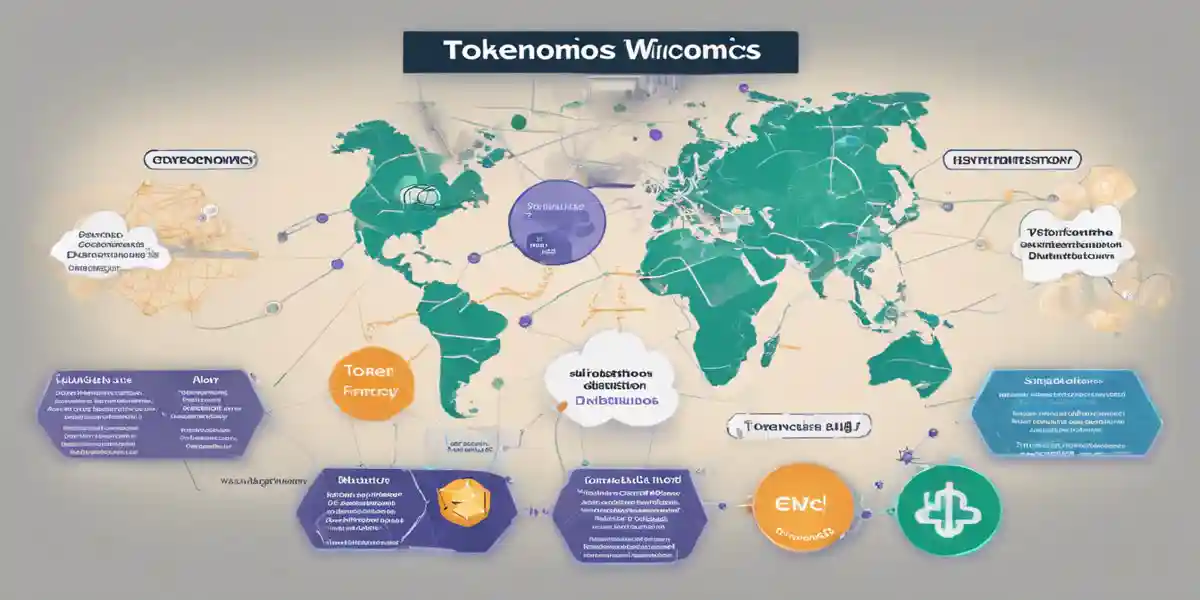
Tokenomics has become a cornerstone of the Web3 landscape, shaping the dynamics of decentralized finance (DeFi) and influencing user behavior. In essence, tokenomics refers to the economic framework governing a cryptocurrency or token, which includes its distribution, supply, demand, and the incentives designed to engage users. As more individuals explore opportunities in the crypto world, understanding tokenomics can empower them to make informed investment choices that align with their financial aspirations.
Tokenomics is a blend of "token" and "economics," representing the study of various factors that affect the value and utility of cryptocurrency tokens. At its core, tokenomics is not just about the price of a token but also about understanding its role within a broader ecosystem. This involves analyzing how tokens are distributed, how they can be utilized, and what mechanisms are in place to encourage participation, such as staking rewards or governance rights.
As the complexity of token economies increases, so does the need for thorough assessments. Tokenomics audits are becoming an essential tool for evaluating the viability and effectiveness of a project's economic model. These audits analyze the distribution mechanisms, the incentives in place, and the overall sustainability of the token model. The recent audit of BankX serves as a case study, illustrating how audits can highlight areas for improvement and enhance community trust.
Effective distribution strategies are crucial for the long-term sustainability of a token. Some projects utilize initial coin offerings (ICOs) or airdrops to distribute tokens widely, while others may implement vesting schedules for team members to ensure alignment with the project's success. The TMI development platform introduced in recent research provides a graphical interface and domain-specific language to help developers model these relationships more effectively, moving beyond traditional spreadsheets and documents.
Let’s consider the XDC network, which is preparing for its XDC 2.0 launch. This project is focusing on optimizing its staking mechanisms and tokenomics to foster a more decentralized and sustainable ecosystem. Innovations like validator NFTs and decentralized governance are being introduced to enhance validator liquidity and encourage more participants to engage actively. By leveraging these tokenomics strategies, XDC aims to solidify its position in the competitive landscape of decentralized networks.
Furthermore, a study analyzing 86 blockchain tokens has demonstrated a direct correlation between the functionalities of these tokens and their market prices. This highlights the necessity for a clearer legal framework, especially as regulatory bodies classify tokens as investment contracts, emphasizing the intersection between tokenomics and regulatory compliance.
In the rapidly evolving crypto environment, understanding tokenomics is not merely an academic exercise; it is a vital skill that can transform how individuals interact with digital assets. By comprehending the underlying economic principles, investors can navigate the complexities of Web3 with confidence, making informed decisions that align with their financial goals.
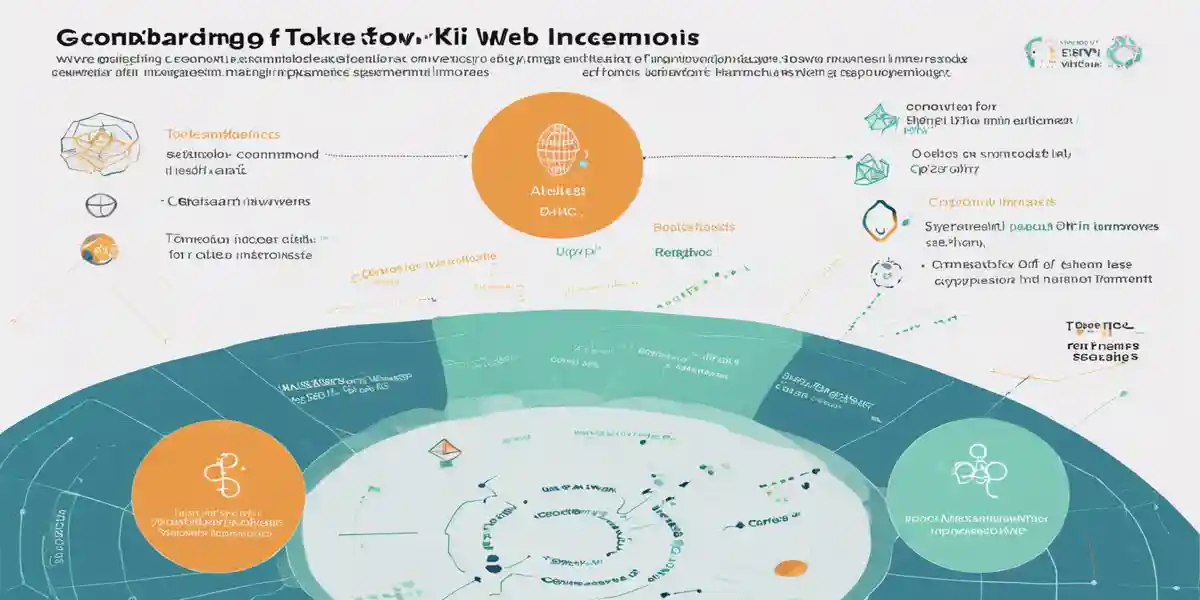
In the rapidly evolving landscape of Web3, understanding tokenomics is essential for anyone looking to navigate the complexities of decentralized finance effectively. Tokenomics refers to the economic model surrounding a cryptocurrency or token, encompassing key aspects such as distribution, supply, demand, and incentives. An informed approach to tokenomics can significantly enhance your investment strategies and daily routines in the crypto space.
At its core, tokenomics helps investors answer critical questions about a token's utility and its role within its ecosystem. For example, consider the case of the BankX stablecoin, which was subjected to a comprehensive tokenomics audit aimed at assessing its economic viability. Such audits are becoming increasingly important as they provide insights into how tokens are designed to incentivize specific behaviors within their ecosystems. This level of scrutiny helps potential investors make informed decisions about where to allocate their resources.
One of the most significant factors in tokenomics is the supply cap of a token. A limited supply often leads to scarcity, which can drive up demand and, ultimately, the token's value. Take Bitcoin, for instance: with a capped supply of 21 million coins, its scarcity is a driving factor behind its price appreciation over time. Conversely, tokens with infinite supply can suffer from inflationary pressures, leading to diminished value. Understanding these dynamics is crucial for anyone looking to invest strategically in the Web3 era.
Incentives play a pivotal role in the success of tokenomics. Mechanisms like staking rewards encourage users to hold onto their tokens rather than sell them, thus stabilizing the token's value. For example, the XDC network has implemented innovative strategies such as validator NFTs and decentralized governance to enhance user participation and liquidity. As users engage with the network by staking their tokens, they contribute to its overall stability and growth, creating a win-win scenario for both the network and its participants.
Despite the complexities involved, tools and platforms are emerging to assist in the design and analysis of tokenomics. The TMI development platform, for example, offers a user-friendly graphical environment for modeling crypto-economic relationships. By employing a drag-and-drop interface, developers can explore various tokenomics models and conduct simulations to verify essential economic properties. These advancements not only streamline the design process but also enable more robust economic frameworks that can adapt to the rapidly changing digital landscape.
As the regulatory landscape evolves, understanding the functions of digital tokens becomes even more critical. Recent studies have shown that the functions of tokens significantly influence their market prices. For instance, a research analysis of 86 blockchain tokens revealed that their economic roles directly correlate with their market valuation. This highlights the importance of a clear legal framework for tokens, especially as regulatory bodies begin to classify them as investment contracts. Being aware of these implications can help investors navigate potential pitfalls and seize opportunities in the market.
Imagine incorporating tokenomics analysis into your daily routine. Instead of merely checking market prices, you could evaluate the underlying mechanics that drive these values, helping you make more informed investment decisions. By leveraging your understanding of tokenomics, you can transition from being a passive participant in the crypto space to an active, informed investor capable of adapting your strategies based on real-world data and trends.
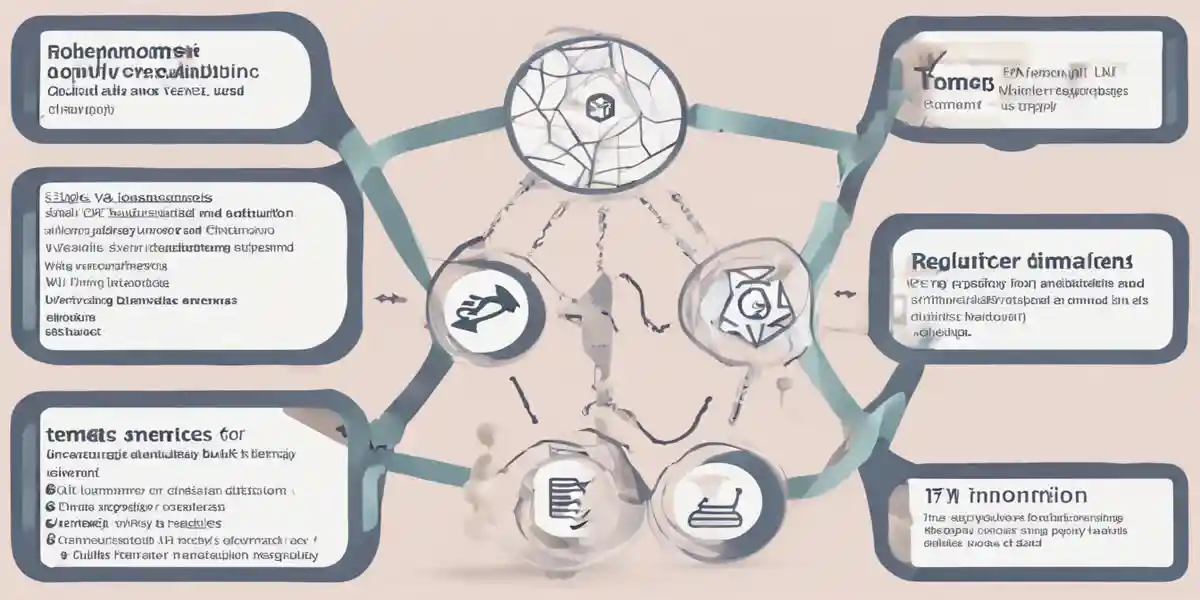
Understanding the key components of tokenomics is essential for navigating the Web3 landscape effectively. By dissecting the intricacies of tokenomics, you can make informed decisions that align with your financial goals. Here, we explore the fundamental elements that define tokenomics and their practical implications.
The backbone of any economic model, including tokenomics, is the relationship between supply and demand. In the world of cryptocurrencies, the total supply of a token can significantly influence its value. For example, Bitcoin has a capped supply of 21 million coins, which creates scarcity and can drive demand, especially as more investors enter the market.
Moreover, understanding how tokens are distributed is crucial. Projects like the XDC Network have taken steps to optimize their tokenomics by enhancing validator participation through mechanisms like validator NFTs and decentralized governance. These innovations not only increase token utility but also stabilize its market value by ensuring a balanced supply-demand equation.
Tokens must have a clear utility to gain traction in the market. A token's utility defines its value proposition—what can it do? For instance, the BankX stablecoin serves as a medium for transactions within its ecosystem, enabling users to conduct trades and transfer value seamlessly. When a token has a well-defined use case, it can attract a user base willing to adopt and utilize it, further driving demand.
Moreover, projects are increasingly conducting "tokenomics audits" to assess and improve their utility. These audits can help ensure that the token's design incentivizes desired behaviors, making the token more attractive to potential investors and users alike.
Incentives play a pivotal role in tokenomics by encouraging specific behaviors that benefit the ecosystem. Staking is a popular incentive mechanism where token holders can lock up their tokens to support network operations in exchange for rewards. This is evident in the XDC Network's plan to implement utility-based tokenomics, which aims to boost validator liquidity and encourage more users to participate in staking.
For investors, understanding these incentive structures can influence their strategies. For example, if a project offers high staking rewards but has a questionable long-term viability, it’s vital to weigh the risks against the potential rewards. Analyzing such mechanics can also help you determine when to enter or exit a position based on projected returns.
The method of token distribution can greatly impact its market behavior. Tokens can be distributed through various models, including initial coin offerings (ICOs), airdrops, or mining. Each of these methods can affect how tokens are circulated within the ecosystem. Effective distribution ensures that tokens reach a diverse group of holders, which can stabilize price volatility and promote long-term growth.
Furthermore, the TMI development platform has introduced tools for modeling these distribution mechanisms, allowing developers to analyze and optimize their tokenomics. By employing a drag-and-drop interface, developers can visualize economic relationships and simulate various distribution strategies, leading to better-designed token economies.
As the regulatory landscape evolves, understanding how tokenomics interacts with legal frameworks is becoming increasingly important. Recent studies highlight that the functions of digital tokens can significantly impact their market prices and regulatory classification. For example, tokens are often viewed as investment contracts, which can subject them to stricter regulations.
This regulatory scrutiny emphasizes the need for projects to clarify the economic roles their tokens play. By ensuring compliance and transparency, projects can build trust with their users and foster a more sustainable ecosystem.
In the dynamic realm of Web3, tokenomics serves as the backbone of cryptocurrency projects, dictating not only the operational framework of tokens but also influencing user engagement and investment decisions. At its core, tokenomics encompasses the economic principles surrounding a cryptocurrency, including distribution, supply, demand, and incentives. By grasping these concepts, individuals can transform their daily routines into strategic wealth-building endeavors.
To navigate the complexities of tokenomics, it’s vital to break down its primary components:
A practical illustration of effective tokenomics can be seen in the recent audit of the BankX stablecoin. The audit assessed the economic model of BankX, focusing on how its design incentivizes user behavior and maintains stability within its ecosystem. The findings highlighted the importance of structured tokenomics audits in ensuring the viability and sustainability of cryptocurrency projects. This case not only emphasizes the necessity of understanding tokenomics but also the role of audits in enhancing trust and transparency in the crypto space.
As tokenomics evolves, so do the tools designed to analyze and optimize it. The TMI development platform, for instance, introduces a user-friendly environment for modeling crypto-economic relationships through a drag-and-drop interface. This platform empowers developers to create comprehensive tokenomics models with ease, allowing for formal analysis that ensures essential economic properties are verified before implementation. This innovation addresses the inadequacies of traditional methods, which often rely on cumbersome spreadsheets and documents.
Another critical aspect of tokenomics is the staking mechanism. The XDC network, for example, has recently proposed improvements to its staking and tokenomics models, incorporating validator NFTs and decentralized governance. These innovations not only enhance the liquidity of validators but also encourage broader participation in staking, thus fostering a more decentralized and sustainable ecosystem. By understanding these mechanisms, investors can better evaluate which tokens might offer long-term benefits.
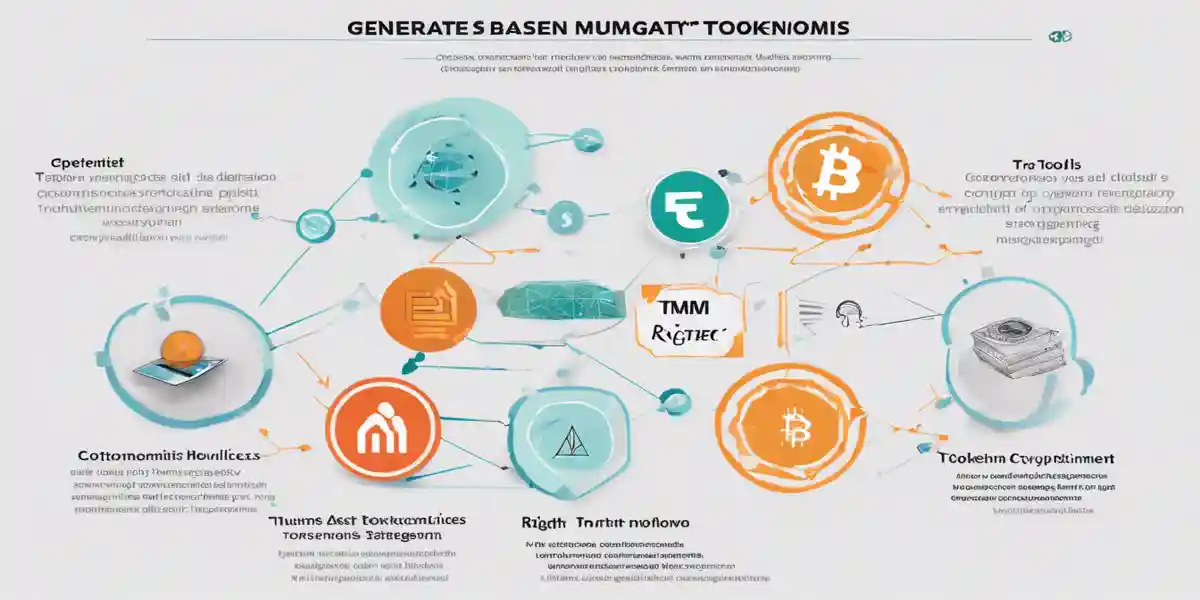
Imagine starting your day not just by sipping coffee but by engaging with your crypto investments through the lens of tokenomics. With a clear understanding of the economic models behind your tokens, you can make informed decisions about when to buy, sell, or stake your assets. This strategic approach can transform your investment strategy from reactive to proactive, aligning your financial goals with the principles of tokenomics.
The understanding of tokenomics extends beyond investment decisions; it also plays a pivotal role in choosing the right crypto wallet. Knowing whether a token is custodial or non-custodial can significantly impact your security and accessibility. For example, if you hold tokens with high staking rewards, a non-custodial wallet may be more suitable, allowing you to manage your staking directly without relying on third parties. This knowledge empowers you to safeguard your assets while maximizing your potential returns.

Choosing the right crypto wallet is crucial for effectively managing your digital assets and optimizing your investment strategy. As you become more familiar with tokenomics and the underlying principles of cryptocurrencies, understanding the various types of wallets will empower you to make informed decisions that align with your financial goals.
There are primarily two types of crypto wallets: custodial and non-custodial. Custodial wallets are managed by a third party, such as an exchange, which handles the security of your private keys. While this can simplify access and management, it also means you are entrusting your assets to someone else. On the other hand, non-custodial wallets give you full control over your private keys, allowing for greater autonomy but requiring more responsibility in securing your assets.
When selecting a crypto wallet, consider the following factors:
Let's consider two popular wallets: MetaMask and Ledger. MetaMask is a non-custodial wallet that allows easy access to Ethereum and ERC-20 tokens, making it a favorite among DeFi enthusiasts. With its browser extension, users can interact with decentralized applications (dApps) directly, embodying the spirit of Web3. However, being a hot wallet, it is more vulnerable to online threats.
In contrast, Ledger's hardware wallets offer unmatched security for long-term storage. They physically store your private keys offline, significantly reducing the risk of hacks. This makes it an ideal choice for investors looking to hold substantial amounts of cryptocurrency without frequent trading.
As you choose your wallet, leverage your understanding of tokenomics to inform your decisions. For instance, if a particular project has strong tokenomics principles—such as a well-designed distribution model or incentives for staking—this might make its associated tokens more appealing for investment. Analyzing these elements can guide your wallet choice, as some wallets provide better features for managing staked assets than others.
Furthermore, as discussed in various papers on tokenomics, understanding the economic properties of tokens can help you gauge their potential value and longevity in the market. Being aware of how these tokens function within their ecosystems allows you to make strategic decisions about which wallets to use for different types of tokens, enhancing your overall investment strategy.
Utilizing your crypto wallet effectively is crucial in the Web3 era, where your financial decisions are intertwined with the understanding of tokenomics. Here, we will explore essential practices that can enhance your crypto wallet experience, ensuring that you not only safeguard your assets but also align your strategies with the underlying economic models of the tokens you hold.
Before diving into efficient usage, it’s important to grasp the difference between custodial and non-custodial wallets. A custodial wallet, such as those offered by exchanges like Coinbase, means you rely on a third party to manage your private keys. Conversely, non-custodial wallets, such as MetaMask or Ledger, give you complete control over your assets but require you to take on the responsibility of securing your keys. Depending on your level of comfort with crypto and your investment strategy, choose a wallet type that aligns with your risk tolerance and management style.
Imagine starting your day with a routine that includes checking your crypto portfolio alongside your daily emails. Regularly monitoring your assets enables you to stay informed about market fluctuations and token performance. Utilize tools like CoinGecko or Blockfolio to track your holdings. These platforms often provide insights into the tokenomics of the assets in your portfolio, such as supply caps, utility, and staking rewards. This knowledge allows you to make informed decisions about when to buy, hold, or sell.
Many wallets now support staking, a process where you lock up your tokens to help maintain the network while earning rewards in return. For instance, if you hold tokens from the XDC network, you can participate in staking, contributing to the network's security while earning utility-based rewards. Understanding the tokenomics behind staking—such as payout frequency, minimum staking amounts, and potential risks—enables you to optimize your returns and engage actively with the networks you invest in.
The security of your assets should always be a top priority. Here are some best practices to ensure your crypto wallet remains secure:
Understanding the economic models behind the tokens you hold can significantly enhance your wallet management. For example, if you're considering investing in a new token, analyze its tokenomics—how it distributes rewards, its total supply, and how it plans to incentivize user engagement. This analysis can inform your decision-making process and increase your chances of success in the crypto space.
Many wallets come equipped with advanced features that can enhance your investment strategies. For example, some wallets allow you to create multiple accounts or sub-wallets, enabling you to manage different portfolios for distinct purposes—be it trading, savings, or speculative investments. Additionally, some wallets integrate with decentralized finance (DeFi) protocols, allowing you to lend, borrow, and swap tokens directly from your wallet, which can lead to more efficient asset management.
Participating in forums and community discussions can provide valuable insights into best practices for wallet management and token investment strategies. Platforms such as Reddit and Discord have thriving crypto communities where users share their experiences and strategies. Engaging with these communities can help you stay updated on the latest developments in tokenomics and wallet technologies.
As the Web3 landscape continues to evolve, securing your crypto assets is paramount. Crypto wallets, whether custodial or non-custodial, serve as the gateway to your digital wealth. Understanding and implementing security best practices can protect your investments and prevent potential losses.
Before diving into security practices, it's crucial to understand the two primary types of crypto wallets:
Hardware wallets store your private keys offline, making them less vulnerable to hacks. For example, the Ledger Nano S and Trezor are popular choices among crypto enthusiasts. By keeping your keys offline, you reduce the risk of exposure to malware and phishing attacks.
Whenever possible, enable 2FA on your wallets and exchanges. This adds an extra layer of security by requiring a second form of verification—such as a code sent to your mobile device—before granting access. Google Authenticator and Authy are widely used apps that can help secure your login processes.
Regularly update your wallet software and devices. Developers frequently release updates to patch security vulnerabilities. Failing to update can leave your wallet exposed to potential exploits. Always download updates from trusted sources to avoid malicious software.
Phishing scams are rampant in the crypto space. Always double-check URLs before entering your credentials and avoid clicking on suspicious links in emails or social media. For instance, if you receive an email claiming to be from your wallet provider, verify the sender's address and contact them directly through official channels.
Creating a backup of your wallet is essential. Store your recovery phrase in a safe place, such as a secure location or a fireproof safe. This phrase can restore your wallet if your device is lost or stolen. For example, if your computer crashes, having a backup allows you to recover your assets without losing them permanently.
When creating accounts for your wallets or exchanges, use strong, unique passwords. Consider using a password manager to generate and store complex passwords securely. Avoid reusing passwords across different platforms to minimize risk.
Avoid accessing your wallets over public Wi-Fi networks. If necessary, use a Virtual Private Network (VPN) to encrypt your internet connection, adding an extra layer of security. For instance, if you're at a coffee shop, using a VPN can help protect your data from potential snoopers on the same network.
Understanding the underlying tokenomics of the projects you invest in is not only beneficial for financial decision-making but also for security. Engaging in a "tokenomics audit" can help you assess the viability and security measures of the tokens you hold. For example, the recent audit of the BankX stablecoin highlighted essential aspects of security and incentive structures, which can inform your investment strategy.
By integrating these best practices into your crypto routine, you can significantly enhance the security of your assets, allowing you to engage with the Web3 ecosystem with greater confidence and peace of mind.
Tokenomics is not just a buzzword in the crypto community; it is the very framework that dictates how cryptocurrencies function, gain value, and foster user engagement. In the Web3 era, understanding this economic model is pivotal for anyone looking to transform their daily routines into sustainable wealth.
At its core, tokenomics encompasses the design and structure of a cryptocurrency's economic model. This includes aspects such as:
Imagine you’re considering an investment in a new token. Beyond simply looking at its current price, ask yourself:
Consider the XDC network, which recently outlined a comprehensive plan to enhance its tokenomics as it prepares for the XDC 2.0 launch. By analyzing their current mechanisms, they identified key innovations such as:
Designing an effective token economy is complex and fraught with challenges. Founding teams often grapple with ensuring the viability and sustainability of their models. The concept of a tokenomics audit has emerged as a solution, offering a systematic approach to assess and improve a project’s token economy. Such audits can provide insights that guide future research and development within the community.
Current tooling for designing tokenomics often involves a cumbersome mix of spreadsheets and documents. To address this, the TMI development platform has been introduced. This innovative platform allows users to model crypto-economic relationships through a user-friendly drag-and-drop interface, enabling formal analysis of tokenomics models to verify essential economic properties. This can significantly enhance the design process for developers, making it easier to create robust token economies.
As the regulatory landscape evolves, it is crucial to consider how the functions of digital tokens relate to their market prices. A recent study analyzing 86 blockchain tokens found that the functions of these tokens significantly impact their prices. With ongoing regulatory efforts to classify tokens as investment contracts, having a clear legal framework is essential for fostering trust and encouraging broader adoption.
By integrating tokenomics into your daily routine, you can shift from being a passive participant in the crypto ecosystem to becoming an informed, strategic investor. Understanding the nuances of token utility, supply dynamics, and incentive structures not only helps in selecting the right investments but also in managing assets effectively through appropriate crypto wallets.
In today's fast-paced digital world, the concept of tokenomics stands at the forefront of the Web3 revolution, redefining how we perceive and engage with cryptocurrency. Tokenomics, the study of the economic model surrounding a cryptocurrency or token, encompasses critical elements such as distribution, supply, demand, and incentives. By integrating tokenomics into our daily routines, individuals have the opportunity to transform routine activities into pathways for financial growth.
Imagine starting your day not just by scrolling through social media or checking emails, but by analyzing your crypto portfolio with a keen understanding of tokenomics principles. This shift in perspective can empower you to make informed decisions that align with your financial aspirations. For instance, consider the utility of a token: does it serve a specific function within its ecosystem, or is it merely speculative? Understanding this can significantly influence your investment choices and risk assessment.
Token utility refers to the practical applications of a token within its ecosystem. A prime example is Ethereum (ETH), which not only serves as a currency but also facilitates smart contracts and decentralized applications (dApps). By recognizing how a token's utility drives demand, you can better anticipate market trends and make strategic investments. As you analyze different tokens, ask yourself: How does this token improve upon existing solutions? How does its design incentivize user engagement?
Another essential aspect of tokenomics is the relationship between supply, demand, and scarcity. Many cryptocurrencies have a fixed supply cap, which can create scarcity and potentially drive up value over time. For example, Bitcoin has a maximum supply of 21 million coins, which contributes to its perceived value as a digital gold. When evaluating tokens, consider their supply mechanisms—are they inflationary or deflationary? How does this affect future price potential?
Incentives play a crucial role in tokenomics, often designed to encourage specific behaviors among users. Staking, for instance, allows users to earn rewards by locking up their tokens to support the network's operations. The XDC network's recent innovations, such as validator NFTs and decentralized governance, illustrate how effective tokenomics can enhance user participation and liquidity within a blockchain ecosystem. By incorporating staking into your daily routine, you can not only secure your assets but also earn passive income—turning your idle tokens into wealth.
A growing trend in the crypto space is the "tokenomics audit," a process that evaluates the health and sustainability of a project's token economy. Recent audits, such as those conducted on the BankX stablecoin, provide valuable insights into the design and function of token ecosystems. By familiarizing yourself with these audits, you can better assess the viability of potential investments. What are the token's incentives? Are there mechanisms in place to ensure long-term sustainability?
The complexity of tokenomics is further compounded by the inadequacy of traditional tools for analyzing these economic models. Recent advancements, such as the TMI development platform, offer innovative solutions for modeling crypto-economic relationships. This platform provides a user-friendly drag-and-drop interface, enabling effective analysis of tokenomics models without the need for extensive technical knowledge. Incorporating such tools into your daily routine can streamline your investment analysis and empower you to make data-driven decisions.
As you navigate the intricate world of Web3, understanding tokenomics can significantly enhance your investment strategy. By integrating these insights into your daily routine—whether through portfolio analysis, staking, or engaging with new tools—you can transition from a passive participant to an active, informed investor, ultimately paving the way for financial growth in the evolving landscape of cryptocurrency.

To truly thrive in the Web3 era, it’s essential to adopt strategies that allow you to maximize your crypto assets. This involves understanding tokenomics deeply, leveraging various investment opportunities, and utilizing the right tools to manage your portfolio effectively.
When assessing potential investments, begin by evaluating the utility of the token. What problems does it solve, and how does it function within its ecosystem? For instance, consider the Chainlink (LINK) token, which plays a crucial role in connecting smart contracts with real-world data. This utility drives demand, making it a more appealing investment compared to tokens without clear use cases.
According to research, the functions of tokens are significantly correlated with their market prices. Tokens that fulfill essential roles within their networks tend to maintain better value over time. Hence, regularly analyzing the underlying purpose of your tokens can help you make informed decisions.
Staking and yield farming are excellent strategies to enhance your returns. By participating in staking, you can earn rewards simply by holding certain cryptocurrencies in a compatible wallet. For example, the XDC Network has implemented staking mechanisms that incentivize users through validator NFTs and decentralized governance. These innovations aim to enhance liquidity and encourage participation, ultimately benefiting the network's health and your investment.
Yield farming takes this a step further, allowing you to provide liquidity to decentralized finance (DeFi) platforms in exchange for rewards. However, it’s crucial to understand the associated risks, such as impermanent loss, which can affect your overall returns. This strategy demands careful evaluation of the platforms and tokens involved.
As the complexity of token economies increases, performing a tokenomics audit can reveal insights into the sustainability of a project. This process assesses how well a token’s distribution, incentives, and utility align with market demands. For instance, the BankX stablecoin underwent a recent audit, which provided recommendations for enhancing its token economy.
By understanding the audit's findings, you can better gauge whether a project is likely to thrive or falter. Engaging with established projects that prioritize continuous improvement through audits can provide a safety net for your investments.
With the advent of platforms like TMI, you can model crypto-economic relationships and analyze tokenomics more effectively. These tools provide a user-friendly environment to visualize the economic dynamics of tokens through drag-and-drop interfaces. They allow you to simulate different scenarios, helping you understand how changes in supply, demand, and incentives could impact a token's value.
Leveraging such technology can provide a competitive edge when making investment decisions and help you identify undervalued or overvalued assets in the market.
Diversification is a tried-and-true strategy in traditional finance, and it holds equally true in the crypto space. By spreading your investments across various tokens and projects, you can mitigate risks associated with market volatility. Consider investing in a mixture of established cryptocurrencies, such as Bitcoin (BTC) and Ethereum (ETH), alongside promising altcoins that exhibit strong tokenomics.
For example, if you invest both in well-established tokens and newer projects like SKILLONOMY, which has shown potential through its robust tokenomics model, you can balance the risks and rewards effectively.
The crypto landscape evolves rapidly, and staying informed about market trends, regulatory changes, and technological advancements is crucial. Regularly reading whitepapers, following industry news, and engaging with community discussions can help you adapt your strategies as needed. This proactive approach not only keeps you in the loop but also empowers you to make timely adjustments to your investments.
In summary, maximizing your crypto assets requires a multifaceted approach, combining a deep understanding of tokenomics with practical strategies like staking, auditing, and diversification. By integrating these practices into your daily routine, you can position yourself for success in the ever-changing world of Web3.
This section explores several prominent case studies that illustrate the successful application of tokenomics in the Web3 landscape. By examining these successes, we can glean insights into how effective token design, governance, and economic modeling have driven growth and engagement within decentralized ecosystems.
The BankX stablecoin provides a compelling example of how a rigorous tokenomics audit can enhance the viability of a blockchain project. The audit process involved a comprehensive assessment of the token's economic model, focusing on aspects like distribution mechanisms and the incentives for user participation. The findings highlighted critical areas for improvement, which not only optimized the token's functionality but also strengthened community trust in the project. The audit served as a roadmap for developers, guiding them in refining their tokenomics to foster sustainability and user engagement.
In response to the inadequacies of current tooling for tokenomics design, the TMI development platform emerged as a game-changer. This platform features a domain-specific language and a user-friendly graphical interface that simplifies the modeling of crypto-economic relationships. With TMI, developers can perform formal analyses of their tokenomics models, ensuring essential economic properties are verified before deployment. This innovation enables projects to avoid common pitfalls associated with poorly designed token economies, resulting in enhanced long-term sustainability and user interest.
The XDC network exemplifies how an established blockchain can evolve its tokenomics to better serve its community. As XDC prepared for its 2.0 launch, it implemented significant changes to its staking and governance mechanisms. The introduction of validator NFTs and a decentralized governance model not only enhanced liquidity for validators but also encouraged wider community participation in staking. These innovations marked a pivotal shift toward utility-based tokenomics, ensuring that all stakeholders benefit from the network’s growth while promoting a more decentralized ecosystem.
A study analyzing 86 blockchain tokens revealed a significant correlation between the functions of these tokens and their market prices. By employing advanced statistical methods, the researchers were able to demonstrate that tokens designed with clear utility and economic incentives tended to perform better in the market. This finding underscores the importance of aligning tokenomics with market expectations, particularly in light of evolving regulatory frameworks that categorize tokens as investment contracts. Understanding these dynamics can empower investors to make more informed decisions based on the fundamental utility of tokens within their respective ecosystems.
The SKILLONOMY project serves as a model for formalizing tokenomics through structured analysis. By detailing both specific and symbolic representations of its tokenomics model, the project has effectively demonstrated the importance of rigorous economic modeling. Simulation results from SKILLONOMY showcased the potential effectiveness of its framework, providing practical insights into the characteristics that drive successful token economies. This case reinforces the notion that thorough modeling and analysis can lead to enhanced understanding and application of tokenomics principles in real-world scenarios.

Tokenomics serves as the backbone of the cryptocurrency ecosystem, dictating not only the functionality of tokens but also their value in the marketplace. By grasping the principles of tokenomics, individuals can make informed decisions that align with their financial aspirations and navigate the complexities of crypto wallets effectively.
At its core, tokenomics combines the economic principles of supply, demand, distribution, and incentives tied to a cryptocurrency or token. This intricate interplay can dictate the success of blockchain projects and significantly influence user engagement. For example, consider BankX, a stablecoin project highlighted in recent studies. The project underwent a tokenomics audit that assessed its economic model and offered suggestions for improvement. By analyzing such audits, investors can better understand the viability of a token's economy and its potential for growth.
To fully leverage tokenomics, it's essential to delve into its key components:
Understanding tokenomics isn’t just theoretical; it has real-world applications that can transform daily routines into wealth-building activities. For instance, the introduction of the TMI development platform allows developers to model crypto-economic relationships using a user-friendly drag-and-drop interface. This tool can help users better visualize the economic dynamics of their chosen tokens, making it easier for them to assess potential investments.
Moreover, as regulatory frameworks evolve, the relationship between a token's function and its market price becomes increasingly relevant. Recent studies analyzing 86 blockchain tokens reveal that the functionality of tokens significantly affects their market prices. This underscores the importance of conducting thorough research on a token's utility and market positioning before investing.
Equipped with an understanding of tokenomics, the next step is to select the appropriate crypto wallet. Wallets can be categorized into two main types: custodial and non-custodial. Custodial wallets, like those offered by exchanges, manage your private keys for you, making them user-friendly but potentially risky in terms of security. On the other hand, non-custodial wallets provide individuals full control over their keys, enhancing security but requiring a deeper understanding of wallet management.
When choosing a wallet, consider how your understanding of tokenomics can influence your decision. For instance, if you’re investing in a token with high staking rewards, you may want to opt for a wallet that supports staking to maximize returns. By aligning your wallet choice with your investment strategy, you can ensure that you manage your assets more effectively.
In the world of Web3, tokenomics serves as a fundamental pillar that fuels the growth and sustainability of decentralized projects. By grasping the intricacies of tokenomics, individuals can make informed investment decisions that resonate with their financial aspirations. This section delves into the essential components of tokenomics and illustrates how they influence both project viability and personal wealth creation.
Token distribution is one of the first elements of tokenomics that potential investors should scrutinize. It involves how tokens are allocated among different stakeholders, including developers, investors, and the community. For example, the BankX stablecoin underwent a tokenomics audit that aimed to optimize its distribution methods. This audit helped identify issues and provided suggestions to enhance the project's token economy, thereby ensuring a more equitable allocation and fostering community trust. Understanding how a project distributes its tokens can reveal much about its long-term viability and the incentives for various participants.
The principles of supply and demand are as critical in the crypto space as they are in traditional economics. The total supply cap of a token can significantly affect its scarcity, thereby influencing its market price. For instance, Bitcoin has a capped supply of 21 million coins, which creates a perception of scarcity and drives demand among investors. Conversely, projects with an unlimited supply may struggle to establish value. As you assess potential investments, consider how a token's supply dynamics align with its utility and market demand.
Incentives play a crucial role in tokenomics, often designed to encourage specific behaviors among users. Staking is a prominent example where individuals lock up their tokens to support network operations in exchange for rewards. The recent improvements proposed for the XDC network highlight how implementing validator NFTs and utility-based tokenomics can enhance staking participation. By understanding the incentive structures behind tokens, you can better align your investment strategies with projects that offer compelling rewards for active participation.
Given the complexities of tokenomics, the need for robust analytical tools has never been more pressing. The TMI development platform introduces innovative ways to model crypto-economic relationships through a user-friendly drag-and-drop interface. This platform allows developers to conduct formal analyses of tokenomics models, verifying essential economic properties that can assure investors of a project's stability. As an investor, utilizing such tools can provide insights into how well a project's tokenomics are designed and whether they are likely to succeed in the long term.
As the crypto market matures, regulatory frameworks are beginning to take shape, which can impact the function and pricing of digital tokens. Recent studies have revealed that the functions of tokens linked to financial ventures significantly affect their market prices. As regulations evolve, understanding how these classifications impact token functionality will be crucial for making informed investment decisions. Being aware of these dynamics can help you navigate the tricky waters of compliance while identifying tokens that are better positioned for success.
Exploring real-world applications can provide invaluable context for understanding tokenomics. The SKILLONOMY project serves as a case study that formalizes a tokenomics model and demonstrates its practical implications. The simulation results from this project reveal how different tokenomics structures can influence user engagement and economic stability. Examining such case studies not only enhances your knowledge but also equips you with practical insights that can guide your investment strategies.
In conclusion, "Mastering Tokenomics and Crypto Wallets: Transform Your Daily Routines into Wealth in the Web3 Era" has illuminated the crucial interplay between tokenomics and the management of crypto wallets, offering readers a pathway to not only understand but also effectively leverage these elements in their financial journeys. At the heart of this discussion is the understanding that tokenomics—encompassing utility, supply dynamics, and incentives—serves as the foundational framework that dictates the potential value and usability of cryptocurrencies. By analyzing real-world examples, such as the BankX stablecoin and the innovative strategies of the XDC network, we see how practical applications of these principles can lead to successful investment and engagement in the Web3 landscape.
Furthermore, integrating crypto wallets into your daily routine is not just about managing assets but also about aligning your investment strategies with the economic models that govern your tokens. Understanding wallet types, security best practices, and efficient usage can empower you to make informed decisions that enhance your investment potential.
As you move forward, consider the implications of tokenomics in your daily life. How will you incorporate this knowledge into your investment strategies? Are there specific tokens that resonate with your financial goals based on their utility and incentivization structures? The future of wealth generation in the Web3 era lies in your hands, and with the right knowledge and tools, you can transform everyday routines into significant financial growth.
Ultimately, the call to action is clear: dive deeper into the world of tokenomics, stay informed about the evolving landscape of cryptocurrencies, and actively engage with your crypto assets. Your journey towards mastering tokenomics and effectively utilizing crypto wallets starts now—take the first step and make informed choices today!

Get notified about new articles, coffee tips, and Web3 insights.
This site participates in affiliate programs and may earn a commission when a link is clicked and a purchase is made. The site is not responsible for any issues or troubles related to the products or services purchased through the use of this site.

DO&COFFEE loves coffee and technology, exploring the potential of NFTs and blockchain. Learn more →
DO&COFFEE loves coffee and technology, exploring the potential of NFTs and blockchain. Learn more →