coffee
2024/08/20

Have you ever sipped a warm cup of coffee and wondered about the journey it took to reach your hands? Now, imagine that each cup is not just a delightful pick-me-up, but also a gateway to creativity and community engagement. In the blog post titled "Pouring Creativity: The Impact of Sustainable Coffee on Public Art Installations," we explore the vibrant intersection where sustainable coffee meets public art. This connection opens up a world of possibilities, from local coffee shops collaborating with artists to create immersive experiences that reflect both the art of coffee-making and the artistry of local talent.
We delve into the concept of "Artisan Brews and Community Canvas," an initiative that champions local producers while transforming cafés into dynamic spaces for creativity. Picture local artists showcasing their work, inspired by the rich narratives of coffee's journey, or patrons participating in workshops that blend sustainable brewing practices with hands-on art creation. This not only enriches the café experience but also fosters a sense of community investment in local culture. By examining the role of public art installations in shaping community identity and perception, we highlight how such collaborations can serve as catalysts for broader environmental awareness and support for local economies.
Join us as we unpack the importance of this intersection, revealing how each sip can contribute to a larger movement towards sustainability and artistic expression. Together, let’s discover how the seemingly simple act of enjoying coffee can brew a profound impact on our communities.
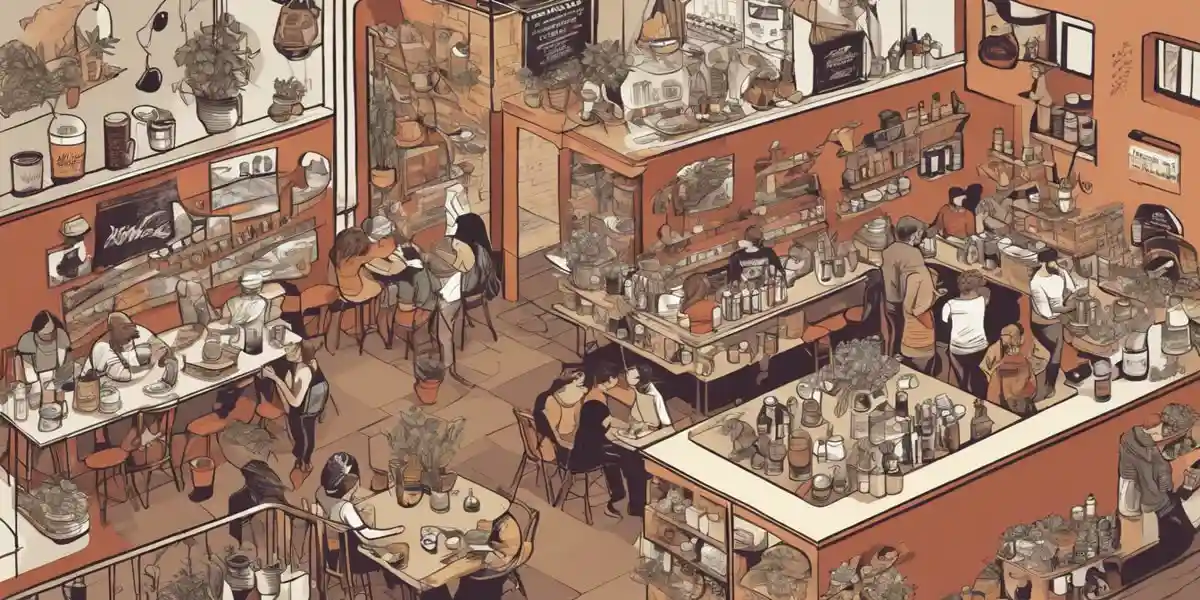
At the crossroads of sustainable coffee and public art lies a transformative initiative known as "Artisan Brews and Community Canvas." This concept not only celebrates the art of coffee but also intertwines it with the vibrant expressions of local artists, creating a rich tapestry of community engagement and cultural appreciation. Imagine walking into a café where each cup of ethically sourced coffee tells not just the tale of its origin but also embodies the creativity of artists who enhance the space with their works.
Local coffee shops have the unique potential to act as cultural hubs within their communities. By showcasing artworks that reflect the coffee’s journey—from the farm to the cup—these establishments can create immersive experiences that resonate with patrons. For instance, a local café might feature rotating exhibitions from artists whose pieces are inspired by the flavors, scents, and stories of particular coffee beans. This connection between coffee and art not only enriches the customer experience but also provides artists with exposure and a platform to share their narratives.
The initiative could also encompass hands-on workshops, where coffee enthusiasts learn about sustainable brewing techniques while engaging in creative activities. Imagine a Saturday afternoon in a neighborhood café where participants brew their own coffee using sustainable methods while simultaneously taking part in a mural painting session. Such workshops not only cultivate a deeper appreciation for the craft of coffee making but also empower community members to express their identities through art, further solidifying the bond between coffee culture and public art.
One of the most compelling aspects of this initiative is the potential for local coffee businesses to contribute to the funding of public art projects. By dedicating a portion of their sales to support local art initiatives, coffee shops can turn every cup served into an investment in their community's cultural landscape. Heather Marissa Conboy’s research highlights the disparity in funding dynamics between municipal governments and local art agencies (LAAs), showing how LAAs often excel in community engagement and cultural relevance. When coffee shops partner with LAAs, they can create a robust funding model that ensures the art reflects the community’s identity and values.
Importantly, successful public art projects thrive on community input, as emphasized in Conboy’s findings. The "Artisan Brews and Community Canvas" initiative encourages local voices to influence artistic direction, ensuring that the resulting works are both meaningful and representative of the community's spirit. This collaboration transforms public spaces into dynamic environments where art and coffee culture coalesce, igniting conversations about sustainability and local heritage.
Looking beyond local initiatives, the broader concept of community art has gained momentum worldwide. Programs like the PARTIS initiative by the Calouste Gulbenkian Foundation in Portugal demonstrate how inclusive artistic projects can thrive outside traditional commercial avenues. These programs showcase the significance of integrating community art into everyday life, ultimately positioning public art as a collective asset that fosters a sense of belonging and identity.
As we contemplate the future of community engagement through the lens of sustainable coffee, it becomes evident that the fusion of these two realms invites everyone to participate in a meaningful dialogue about creativity, culture, and environmental responsibility. It's not just about coffee; it's about cultivating a culture of art and sustainability that reflects the heart of the community.
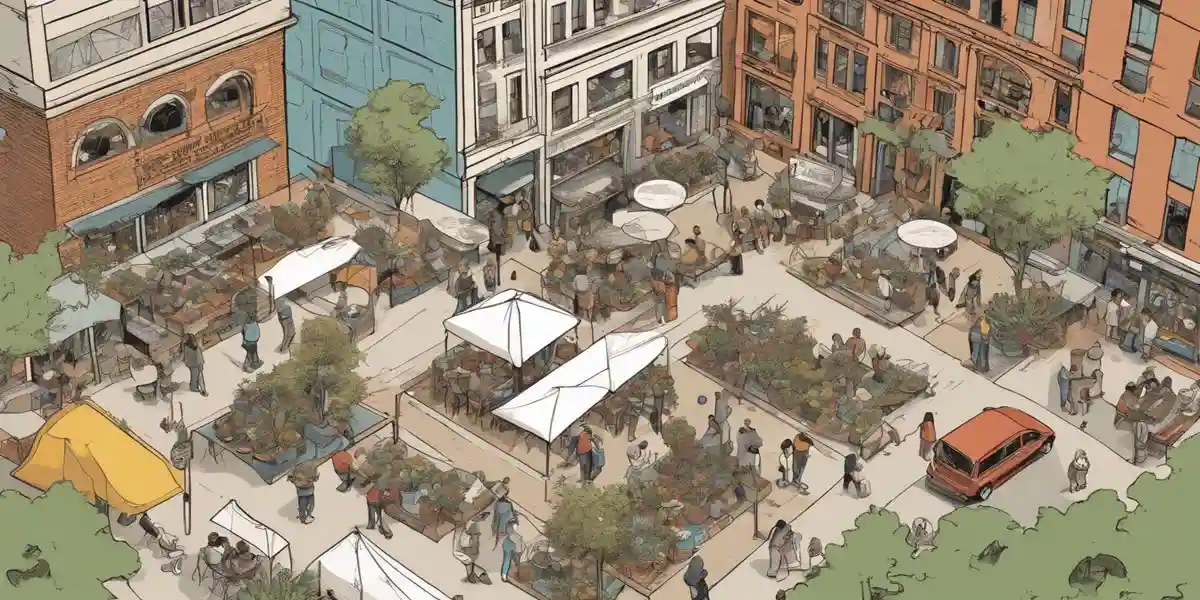
At the intersection of sustainable coffee and public art lies a profound opportunity for creativity and community engagement. The initiative titled "Artisan Brews and Community Canvas" exemplifies how local coffee shops can serve as platforms for artistic expression, while simultaneously promoting sustainability and environmental awareness.
Imagine stepping into a local café, where the aroma of freshly brewed sustainable coffee wafts through the air, each cup telling a unique story—not just of the bean's origin, but also of the art that decorates the walls. This initiative envisions coffee shops partnering with local artists to create immersive experiences that celebrate both the artistry of coffee and the creativity of the community. For instance, local artists could display their works inspired by the journey of coffee from farm to cup, transforming the café into a vibrant canvas.
Moreover, these cafés can host workshops that invite patrons to engage in hands-on art sessions, where they learn about sustainable coffee brewing practices while creating murals or interactive installations that reflect their community's values. This dual engagement serves to educate individuals about sustainability while fostering a sense of ownership and pride in local artistic endeavors. For example, an art workshop might involve participants designing coffee packaging that highlights eco-friendly practices, merging art with environmental consciousness.
Another innovative aspect of this initiative is the potential for coffee sales to fund public art projects within the neighborhood. By dedicating a portion of profits to local art initiatives, every cup of coffee becomes an investment in culture and creativity. This approach not only supports local artists but also reinforces the connection between sustainable practices and community development. As noted in Heather Marissa Conboy's thesis, successful public art projects thrive on community input and engagement, which is precisely what this initiative aims to achieve.
Conboy's research highlights the effectiveness of local art agencies (LAAs) in engaging communities and adapting projects to reflect local culture and identity. Unlike municipal governments, which often face rigid funding structures, LAAs enjoy greater flexibility in project management. By adopting similar models, coffee shops can create a dynamic environment that nurtures local talent and encourages community participation. For instance, LAAs are known for their ability to measure success through community feedback, a practice that could be mirrored in cafés by soliciting input from patrons regarding art installations and workshops.
We can look to successful programs that have integrated art and sustainability as inspiration. The PARTIS program by the Calouste Gulbenkian Foundation in Portugal exemplifies how funded inclusive artistic projects can flourish outside the commercial art market, fostering community spirit and accessibility. Similarly, the self-curated collective Pescada no 5 demonstrates how local artists can collaborate to create impactful art that resonates with community values. These examples illustrate the potential for coffee shops to act as hubs of creativity and sustainability, where every sip supports local culture and every artwork reflects the community's identity.
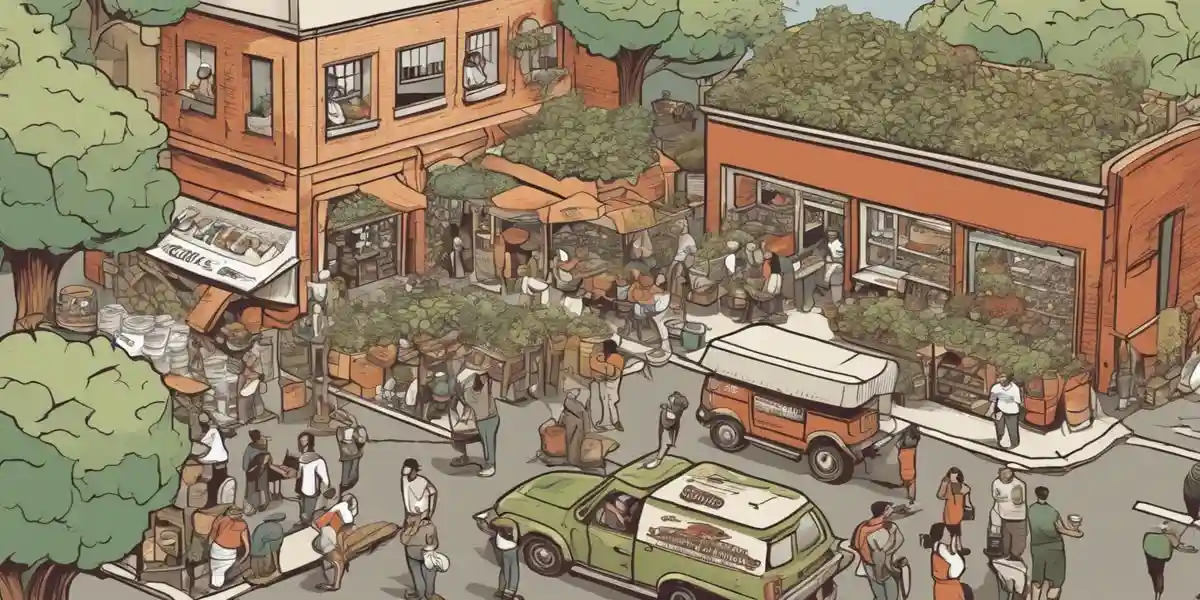
At the heart of the connection between sustainable coffee and public art lies a profound ethical choice: the decision to support local producers. This choice not only champions the local economy but also nurtures a sense of community, allowing for a richer cultural tapestry to emerge. Imagine walking into a café where not only the aroma of freshly brewed coffee fills the air, but the walls are adorned with vibrant pieces from local artists, each piece telling a story that resonates with the community's identity.
The "Artisan Brews and Community Canvas" initiative beautifully exemplifies how supporting local coffee producers can serve as a springboard for local artists. By sourcing coffee from nearby farms, cafés can create a narrative that intertwines the origins of the coffee with the local art scene. For instance, a coffee shop might partner with a local artist to craft a mural that depicts the journey of coffee from the farm to the cup, illustrating the importance of community and sustainability.
Such partnerships not only elevate the café's ambiance but also provide artists with a platform to gain visibility. As Heather Marissa Conboy highlights in her thesis, successful public art projects thrive on community input, which is often more readily available in local initiatives. Local art agencies (LAAs) can adapt their projects to reflect local culture and identity, making them more impactful than those funded solely by municipal governments.
Consider hosting workshops where patrons can learn about sustainable coffee brewing while engaging in hands-on art sessions. These events could involve creating interactive installations or murals that reflect the community's values and aspirations. Not only does this foster an appreciation for sustainable practices, but it also allows participants to become co-creators in the artistic process. Imagine a neighborhood gathering where individuals unite to express their collective identity and values through art, all while sipping on coffee sourced from local farms.
Moreover, the impact of these initiatives extends beyond the café walls. By dedicating a portion of coffee sales to fund public art projects, each cup of coffee becomes an investment in local talent and culture. This model not only encourages the creation of new public art but also fosters a sense of ownership and pride within the community. The relationship between local producers and artists creates a ripple effect—boosting the local economy, enhancing community engagement, and raising awareness about sustainability.
For example, cafés in cities like Portland have successfully implemented this model, where local coffee shops collaborate with artists to fund murals and installations that celebrate the city’s unique culture. This not only beautifies the urban landscape but also strengthens community ties and promotes a sustainable ethos. The transition from merely consuming coffee to supporting a broader artistic and cultural movement exemplifies how ethical choices can transform local communities.
In summary, the ethical choice of supporting local producers through sustainable coffee practices is a powerful catalyst for public art engagement. By intertwining the narratives of coffee and art, communities can foster a vibrant cultural landscape that celebrates local talent while promoting sustainability. This holistic approach serves as a reminder that, in the world of artisan brews and community art, every cup can tell a story, and every artwork can inspire change.
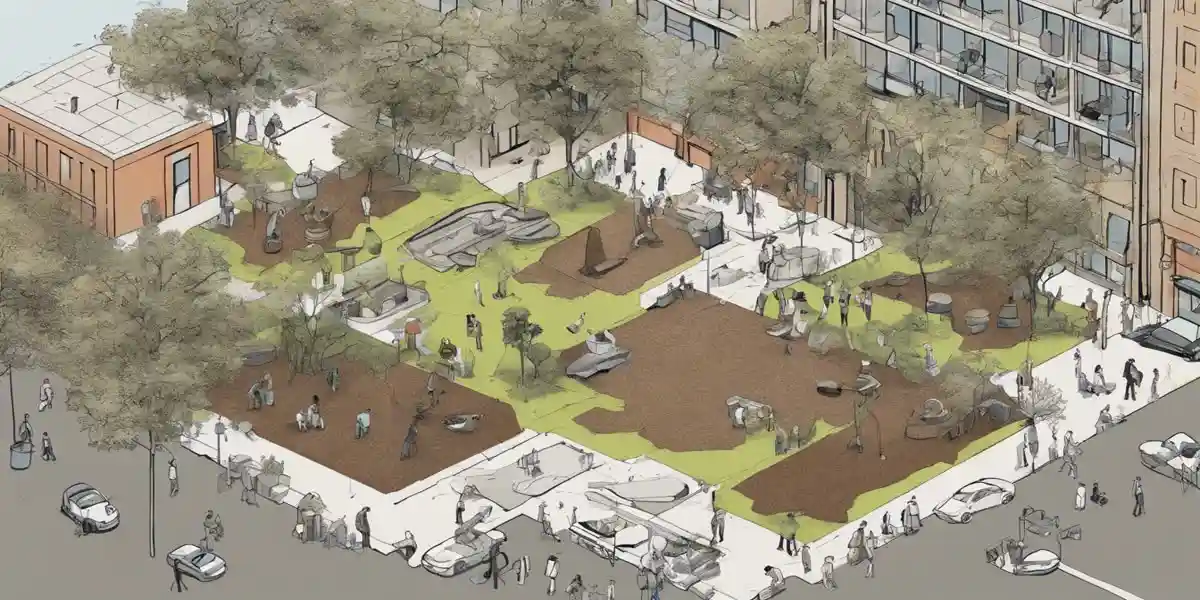
As the dialogue between sustainable coffee culture and public art flourishes, artists are increasingly exploring innovative materials and techniques that not only enhance their work but also resonate with the ethos of sustainability. This convergence opens up new avenues for creativity, where art installations can harness materials from the coffee industry and engage the community in meaningful ways.
One of the most compelling materials emerging in the realm of sustainable art installations is recycled coffee grounds. Artists are beginning to transform what was once considered waste into stunning visual experiences. For instance, artists like Sarah Turner have created intricate sculptures and wall art using processed coffee grounds mixed with biodegradable binders, resulting in pieces that are not only visually captivating but also eco-friendly. These installations tell a story of sustainability, as they repurpose a byproduct of the coffee industry, encouraging viewers to reconsider waste in their own lives.
The "Artisan Brews and Community Canvas" initiative is a perfect example of how local coffee shops can collaborate with artists to create immersive experiences. Imagine a community workshop where participants use sustainable materials—such as reclaimed wood from coffee crates or natural dyes from coffee beans—to create their own art. This hands-on approach not only teaches sustainable practices but also fosters a sense of ownership and pride in local art projects. The workshops can culminate in a public art installation that reflects the community’s values and culture, enhancing the connection between the participants and their environment.
In addition to physical materials, innovative digital techniques are also making waves in public art installations. Artists are now incorporating augmented reality (AR) technology to create interactive experiences that blend the physical and digital worlds. For instance, a coffee shop might host an installation where patrons can scan a mural with their smartphones, revealing animated stories about the coffee’s journey from farm to cup, or even showing the artists at work. This technological integration not only captivates the audience but also invites them to engage more deeply with the narrative of sustainable coffee and its cultural significance.
As highlighted in Heather Marissa Conboy's research, the success of public art projects often hinges on community input and cultural relevance. Local art agencies (LAAs) excel in utilizing diverse funding sources to engage with the community effectively. By sourcing materials locally, such as repurposed coffee packaging or artwork inspired by local coffee farming traditions, artists can create installations that resonate more profoundly with the neighborhood. For example, a project that uses coffee sack fabric to create a mural can celebrate the history and identity of local coffee farmers, enriching the community's connection to both their heritage and the art being displayed.
Looking at successful examples, the PARTIS program by the Calouste Gulbenkian Foundation demonstrates how inclusive artistic projects can leverage community engagement and innovative materials. Projects funded by this program often employ local artists to create works that reflect community narratives, using sustainable materials that highlight and respect local culture. Similarly, the self-curated artistic collective Pescada no 5 showcases how artists can come together to create impactful installations that are both innovative and deeply rooted in local identity.
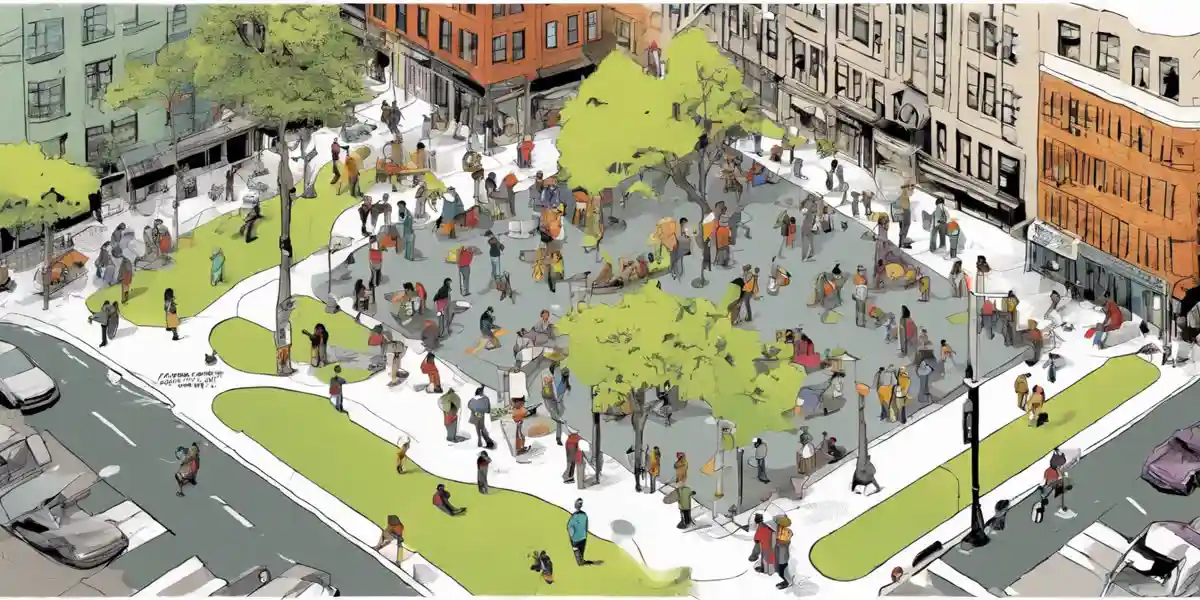
Public art installations serve as vibrant catalysts for community engagement, transforming ordinary spaces into dynamic platforms for cultural expression and dialogue. By integrating art into public spaces, communities can foster a shared identity, invite participation, and cultivate a sense of belonging. This section explores how public art not only enhances community aesthetics but also plays a pivotal role in social cohesion and local empowerment.
Public art installations, such as murals or sculptures, often encapsulate the collective identity of a community. They are more than mere decorations; they are expressions of local culture, history, and values. For instance, the Mission District murals in San Francisco tell stories of the neighborhood's rich Latino heritage and social justice movements. Each mural invites viewers to reflect on shared experiences, thereby fostering a deeper connection among community members.
Successful public art projects often arise from collaboration between local artists, community members, and organizations. Heather Marissa Conboy’s research highlights the advantages of local art agencies (LAAs) in engaging communities through flexible project management. Unlike municipalities that may rely on fixed funding mechanisms, LAAs can adapt their approaches to meet the unique needs and desires of the community. For example, the Arts Council England supports numerous initiatives where local artists engage community members in the creation process, ensuring that the resulting art reflects the community’s identity and aspirations.
Public art installations can also serve as powerful tools for social change, igniting conversations around critical issues. The PARTIS program by the Calouste Gulbenkian Foundation in Portugal exemplifies this approach, funding inclusive artistic projects that address social inequalities. Projects funded through this program often involve community members in the creative process, allowing them to express their challenges and aspirations through art. This participatory model not only empowers artists but also gives voice to marginalized communities, transforming public spaces into forums for advocacy and awareness.
Incorporating public art into community spaces can also lead to economic revitalization. When local coffee shops partner with artists, as envisioned in the "Artisan Brews and Community Canvas" initiative, they create immersive experiences that attract both locals and tourists. For example, a café displaying local artwork and hosting workshops can become a community hub, generating increased foot traffic and sales. A portion of these sales can be reinvested into further public art projects, creating a sustainable cycle of creativity and economic support.
The effectiveness of public art initiatives often hinges on community input and evaluation. Conboy’s findings suggest that projects that actively involve community members tend to be more successful and meaningful. This approach not only ensures the art resonates with the local culture but also fosters a sense of ownership among residents. By soliciting feedback and engaging in ongoing dialogue, artists and organizations can continually adapt their projects to better serve the community, enhancing both the art and its impact.
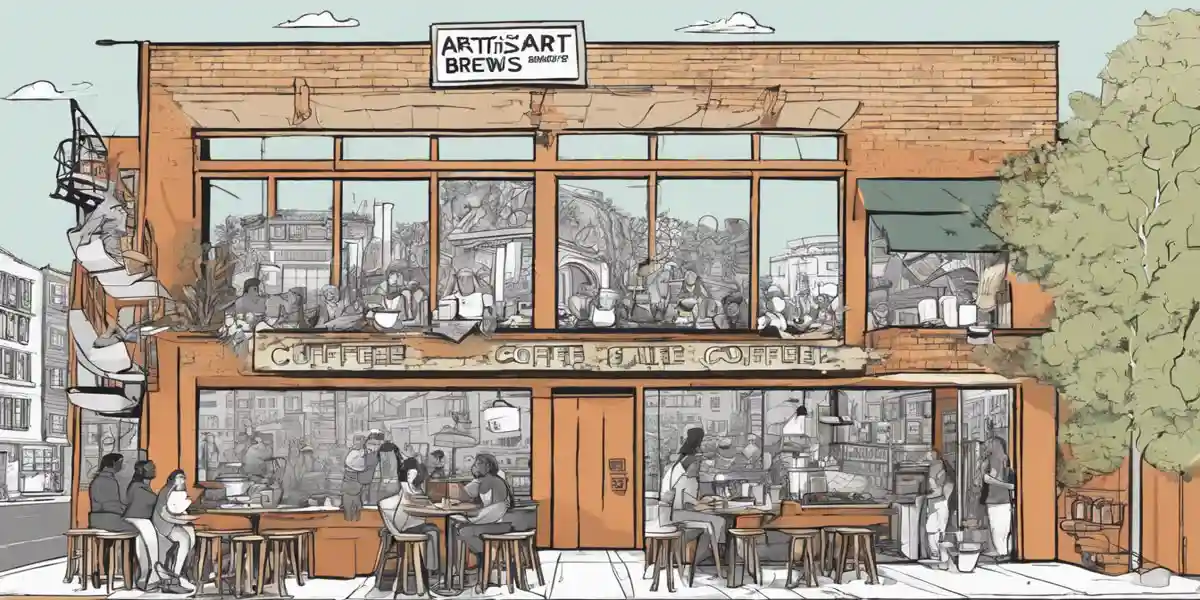
At the intersection of sustainable coffee and public art lies a remarkable opportunity to transform not just physical spaces, but also the perceptions and experiences of the communities that inhabit them. The initiative titled "Artisan Brews and Community Canvas" exemplifies how local coffee shops can morph into vibrant canvases, showcasing the artistic talent within the community while promoting sustainable practices. This dynamic interplay between art and coffee enriches public spaces and cultivates a deeper connection between people and their environment.
Public art serves as a powerful tool for community development, shaping public perception and fostering a sense of belonging. According to Heather Marissa Conboy's thesis, "The Art of the Community," public art initiatives often reflect local culture and identity, offering residents a sense of pride in their surroundings. When local coffee shops collaborate with artists to display their work, they not only beautify their interiors but also create a narrative that celebrates the community's heritage. This is particularly evident in cafés where each piece of art tells a story that resonates with the local population, turning every visit into an immersive cultural experience.
Art can encourage community involvement and interaction, transforming passive observers into active participants. For instance, consider a café that holds workshops where patrons learn about sustainable coffee brewing while creating their own art pieces inspired by the coffee's journey—from farm to cup. Such hands-on experiences not only educate consumers about sustainability but also foster creativity and collaboration within the community. As Conboy highlights, local art agencies (LAAs) excel in engaging the community, often producing more impactful art due to their flexibility and responsiveness to local needs.
One of the pivotal aspects of "Artisan Brews and Community Canvas" is the potential for funding public art projects through coffee sales. By allocating a portion of profits to local art initiatives, cafés can create a sustainable model that supports both artists and the community. This approach mirrors the findings in Conboy's work, which discusses the challenges and opportunities in funding public art. While municipal governments may rely on fixed funding sources, LAAs often utilize diverse funding streams that can adapt to the community's evolving needs. This flexibility allows for more relevant and resonant art projects that truly reflect the community's identity.
We see similar principles applied in various successful public art projects around the world. For instance, the PARTIS program by the Calouste Gulbenkian Foundation in Portugal funds inclusive artistic projects that engage communities directly. This initiative showcases how community art can become a collective asset, enhancing public spaces and making art accessible to all. Similarly, the self-financed collective Pescada no 5 exemplifies how grassroots art movements can thrive outside traditional commercial frameworks, providing artists with the freedom to explore themes that resonate deeply with their communities.
When local coffee shops embrace the ethos of community-driven art, they not only enhance their ambiance but also serve as cultural hubs. This approach transforms everyday rituals—like enjoying a cup of coffee—into meaningful interactions that celebrate creativity and sustainability. By nurturing these connections, we can begin to see our public spaces not just as places to pass through, but as vital components of our communal identities.
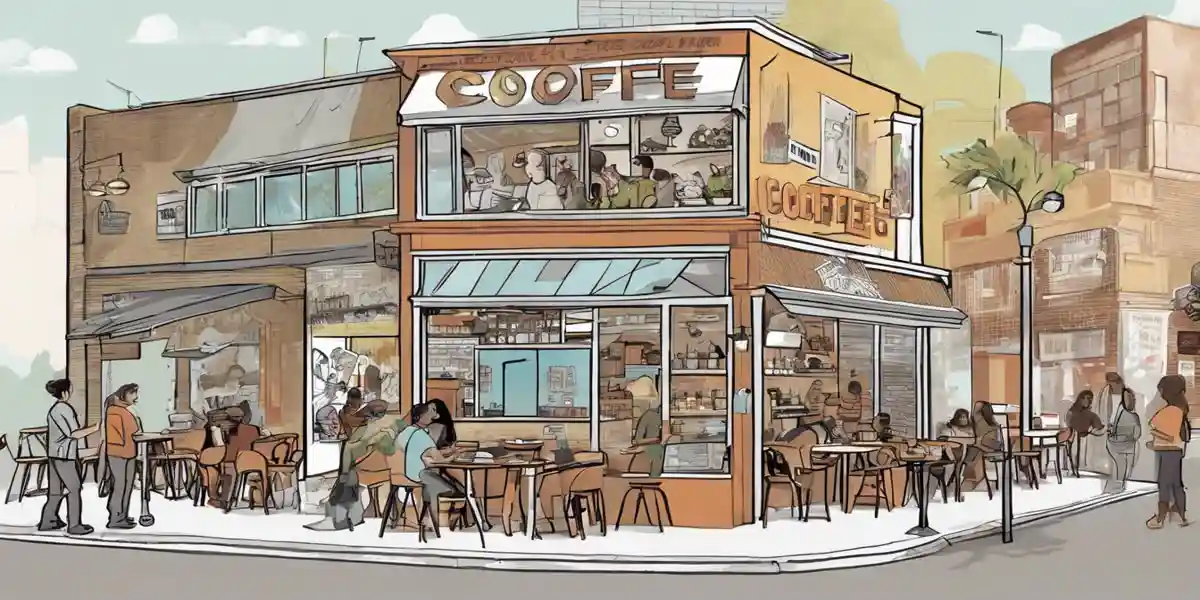
Exploring the intersection of sustainable coffee and public art reveals a tapestry of creative initiatives that not only highlight local culture but also promote environmental consciousness. Below are notable case studies that illustrate how local coffee shops and artists have collaborated to foster community engagement through art installations inspired by sustainable coffee.
This initiative serves as a prime example of how local coffee shops can partner with artists to create immersive experiences. By transforming cafes into vibrant galleries, each cup of coffee becomes a narrative of its journey from farm to cup. Local artists are invited to display their creations on the walls, with art pieces reflecting the themes of sustainability, community, and the rich heritage of coffee.
For instance, a café in Portland, Oregon, has embraced this concept by showcasing artwork that illustrates the coffee-growing process. Each piece tells a story, inviting patrons to connect with the origins of their beverage. This not only beautifies the space but also educates customers about sustainable practices in coffee production.
In addition to art displays, coffee shops have the opportunity to host workshops where patrons can learn about sustainable coffee brewing techniques while engaging in hands-on art sessions. For example, a café in San Francisco organized a series of mural-painting workshops where community members could depict their interpretations of sustainability through art. Participants used biodegradable materials and paint made from natural pigments, further emphasizing the commitment to eco-friendly practices.
This approach not only fosters creativity but also empowers the community to take ownership of their environment, leading to a stronger connection between the café, the art, and the community it serves.
Another successful case study highlights a coffee shop in Austin, Texas, that dedicates a portion of its sales to fund local public art projects. This initiative aligns perfectly with Heather Marissa Conboy's findings in her thesis on public art funding dynamics. By collaborating with local art agencies (LAAs), the café supports projects that reflect the community's identity while ensuring that the voices of local artists are heard.
Such funding models not only benefit the arts but also engage customers in a shared mission. Every sip of coffee contributes to the beautification of public spaces, creating a sense of pride and ownership within the community.
In Portugal, the PARTIS program initiated by the Calouste Gulbenkian Foundation exemplifies how inclusive artistic projects can thrive through community engagement. By funding projects that integrate local culture and sustainability, the program has successfully launched various installations that highlight the connection between the environment and community identity.
One notable project involved local artists working with coffee farmers to create a series of installations that reflect the journey of coffee from cultivation to consumption. This project not only celebrated the art of coffee but also educated the public on sustainable practices in agriculture.
This self-curated artistic collective in Portugal showcases how community art can flourish outside traditional gallery spaces. By focusing on local narratives, the collective has created installations that incorporate elements of sustainable coffee culture. For example, one installation featured sculptures made from recycled coffee bags, visualizing the impact of coffee consumption on the environment.
The success of Pescada no 5 highlights the importance of grassroots movements in public art. Their approach demonstrates that art can serve as a powerful medium for raising awareness about sustainability while also celebrating local culture and identity.
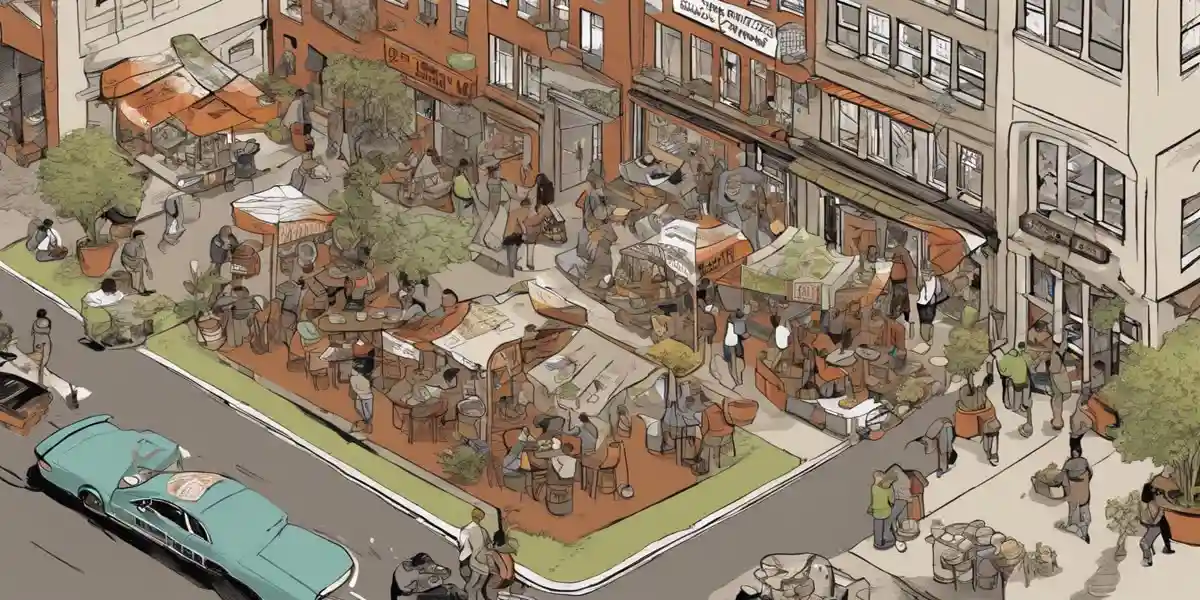
As we delve into the convergence of sustainable coffee and public art, an intricate tapestry of community engagement and environmental consciousness unfolds. The initiative of "Artisan Brews and Community Canvas" is not merely a whimsical idea; it is a practical and impactful approach to enhancing local culture through creativity. This section explores how these concepts can be woven together to create a sustainable future, enriching both the artistic landscape and community vitality.
Imagine stepping into a local café, the air filled with the rich aroma of freshly brewed coffee. Each cup served not only reflects the quality of sustainably sourced beans but also carries the artistic essence of local talent. By showcasing artwork inspired by coffee's journey—from farm to cup—these cafés become living galleries. Local artists can display paintings, sculptures, or mixed media that encapsulate the narrative of each coffee origin, transforming the mundane act of drinking coffee into an immersive storytelling experience.
Beyond mere displays, the concept extends to interactive workshops that invite patrons to engage in both coffee brewing and artistic creation. These sessions can teach sustainable brewing practices while fostering creativity through hands-on art projects. For instance, participants might be guided in creating community murals that reflect local identity, values, and the environmental ethos behind sustainable consumption. Such projects not only empower individuals to express themselves artistically but also cultivate a sense of collective ownership over public spaces.
A pivotal aspect of this initiative is the financial model that supports public art projects. Drawing inspiration from Heather Marissa Conboy's research on funding dynamics, a portion of coffee sales could be allocated to support local art initiatives. This model aligns well with the idea of Percent-For-Art ordinances, as it provides a flexible funding source that can adapt to community needs. Unlike fixed municipal funding, this approach allows for responsive project management and encourages local art agencies to take the lead in community-driven projects. By investing in local talent, every cup of coffee consumed becomes a step toward revitalizing the public art landscape.
The success of public art hinges on community involvement, as Conboy emphasizes. By actively involving local residents in the decision-making process, the artworks become reflective of the community's culture and identity. Workshops can serve as a platform for gathering input and ensuring that the art resonates with the people it represents. Moreover, by collaborating with local art agencies, coffee shops can facilitate diverse funding opportunities that enrich the cultural tapestry of the neighborhood, allowing more voices to be heard and celebrated.
International examples of successful community art projects, such as the PARTIS program in Portugal, demonstrate the potential for local coffee shops to serve as catalysts for similar initiatives. These programs prioritize inclusivity and accessibility, establishing a direct link between artistic expression and community enhancement. By adopting these principles, local cafés can create a model that not only supports artists but also strengthens community ties through shared experiences and collaborative efforts.
The "Artisan Brews and Community Canvas" initiative exemplifies the transformative power of everyday rituals—like enjoying a cup of coffee—into movements for creativity and sustainability. As patrons sip their sustainably sourced beverages, they engage in a larger narrative that intertwines art, culture, and environmental consciousness. This synergy not only enriches the individual experience but fosters a collective journey toward a more sustainable and artistically vibrant future.
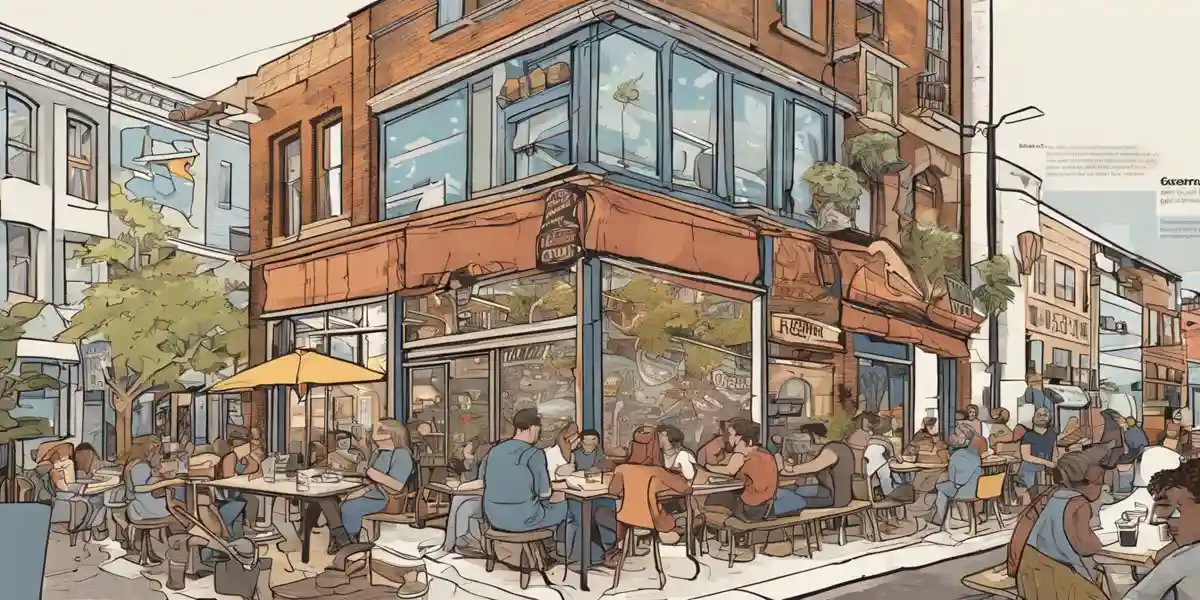
The intersection of sustainable coffee and public art presents a unique opportunity for community engagement and cultural enrichment. The "Artisan Brews and Community Canvas" initiative aims to create immersive experiences where local coffee shops and artists join forces, transforming each café into a vibrant gallery celebrating both the art of coffee and the artistry of the community.
Imagine walking into a café, where the aroma of freshly brewed coffee is complemented by captivating artworks that adorn the walls. Each piece, created by local artists, narrates the story of the coffee's journey from farm to cup, reflecting the culture and identity of the community. This initiative not only provides artists with a platform to showcase their work but also invites patrons to engage with the art on a deeper level. For example, coffee shops can host rotating exhibitions that feature different artists, allowing customers to experience a diverse range of art styles and narratives.
The initiative can extend beyond mere display to interactive workshops where patrons can learn about sustainable coffee brewing practices while simultaneously participating in art-making sessions. These workshops could include activities such as creating murals that reflect community values or crafting interactive installations that engage visitors. By blending art and sustainability education, coffee shops can foster a sense of ownership and pride among local residents, encouraging them to contribute to both the artistic and environmental fabric of their community.
A significant aspect of the "Artisan Brews and Community Canvas" initiative involves the redistribution of a portion of coffee sales to fund local public art projects. This creates a direct link between consumer habits and community investment. For instance, a café might allocate 10% of its sales to a fund specifically designed to support local artists or art installations in public spaces. This model not only empowers local talent but also enhances the public realm, making art accessible to everyone. Supporting the findings from Heather Marissa Conboy's research, which highlights the importance of community input in public art projects, this collaborative approach ensures that the art produced resonates with the local culture and identity.
Examining successful models of community art initiatives can provide insights into how "Artisan Brews and Community Canvas" might thrive. For instance, the PARTIS program by the Calouste Gulbenkian Foundation in Portugal has successfully funded inclusive artistic projects that engage diverse community members. Similarly, the self-financed, self-curated artistic collective Pescada no 5 illustrates how grassroots initiatives can flourish outside traditional commercial frameworks. These examples demonstrate how community-driven art can become a collective asset integrated into daily life, reinforcing the potential of sustainable coffee to serve as a catalyst for artistic and cultural development.
As we wrap up our exploration of the intersection between sustainable coffee and public art, it's clear that this synergy is not just a fleeting trend; it is a movement that can profoundly reshape communities. The "Artisan Brews and Community Canvas" initiative highlights how local coffee shops can become cultural hubs, showcasing the work of local artists while promoting sustainable practices that benefit both the environment and the community.
We have seen that sustainable coffee serves as a catalyst for creativity, empowering local artists and fostering a sense of pride and ownership within the community. By supporting local producers and providing platforms for artistic expression, coffee shops can create immersive experiences that resonate with patrons and inspire meaningful conversations about culture, sustainability, and identity.
Moreover, the potential to fund public art projects through coffee sales represents a groundbreaking model for community investment. As demonstrated through various case studies, this approach not only bolsters local talent but also transforms public spaces, making art accessible and relevant to everyone. The stories told through each piece of art become intertwined with the narratives of the coffee served, enriching the customer experience and reinforcing community bonds.
But this is just the beginning. We invite you, the reader, to consider how you can contribute to this movement. Whether you're a café owner, an artist, or simply a coffee enthusiast, there are opportunities to engage with and support local art in your community. Participate in workshops, attend local exhibitions, or advocate for funding initiatives that prioritize art and sustainability. Together, let’s pour creativity into every cup and every canvas, cultivating a vibrant cultural landscape that reflects our shared values and aspirations.
In the words of the great artist Pablo Picasso, "Every act of creation is first an act of destruction." Let us embrace this idea by breaking down barriers between art and sustainability, creating a future where every sip of coffee fuels not just our bodies, but also our creativity and community spirit.

Get notified about new articles, coffee tips, and Web3 insights.
This site participates in affiliate programs and may earn a commission when a link is clicked and a purchase is made. The site is not responsible for any issues or troubles related to the products or services purchased through the use of this site.

DO&COFFEE loves coffee and technology, exploring the potential of NFTs and blockchain. Learn more →
DO&COFFEE loves coffee and technology, exploring the potential of NFTs and blockchain. Learn more →