art
2024/08/28
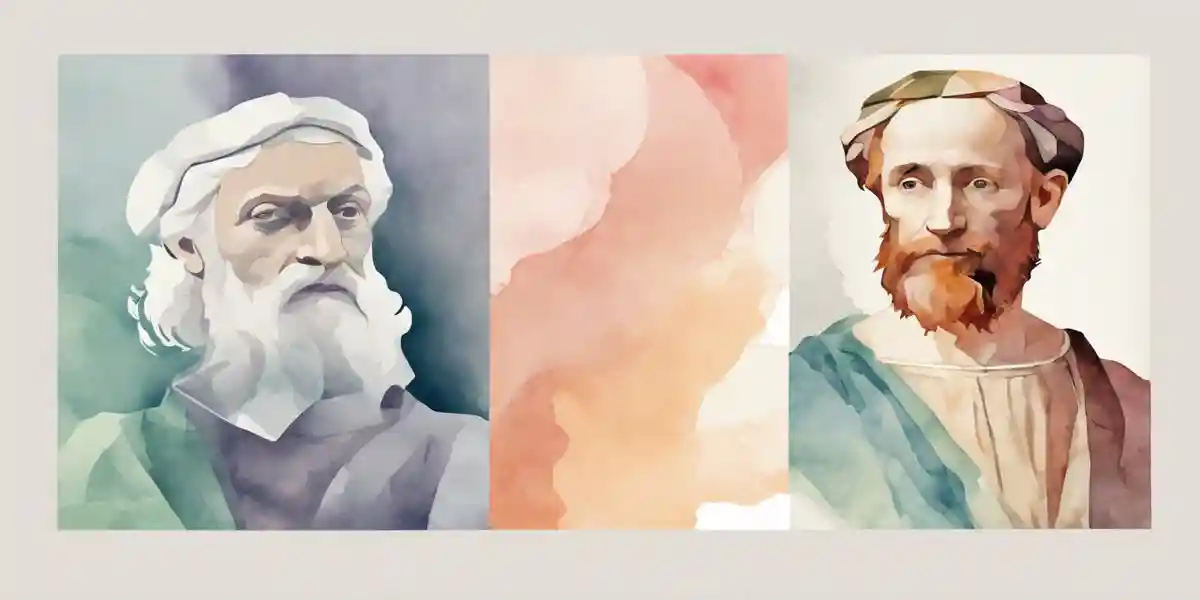
As we stand on the precipice of a new artistic era, the concept of the "Digital Renaissance" invites us to explore the intricate dance between the classical mastery of artists like Michelangelo and the vibrant innovation of today’s digital mediums. Imagine if you will, the iconic figures of the Renaissance, carved from marble and painted on ceilings, juxtaposed with the dynamic, ephemeral nature of splash art—a form of digital creativity that captures fleeting moments in vivid colors. This blog post delves into how this intersection not only redefines our understanding of art but also challenges the very essence of creativity itself.
In examining splash art, we uncover its cultural significance in our fast-paced, technology-driven world, where attention spans are short, and beauty can be as transient as a digital pixel. Moreover, the emergence of NFTs (non-fungible tokens) as a modern “objet d'art” prompts vital discussions about ownership, authenticity, and the commodification of art in this digital landscape. What does it mean for a piece of art to exist solely in bytes and pixels? And how does this transformation influence our perceptions of value and creativity?
By navigating through these themes, we not only celebrate the rich legacy of Michelangelo but also recognize the revolutionary potential of digital art. This exploration urges us to reflect on our roles as both consumers and creators, challenging us to reconsider what art can be when the canvas extends beyond the physical realm. Join us as we embark on this journey through the evolving narrative of art, where tradition and innovation converge in ways that could reshape our future understanding of creativity.
The Digital Renaissance represents a transformative phase in the art world, where classical artistry meets the innovative capabilities of modern technology. Just as the original Renaissance breathed new life into the arts through humanism, perspective, and realism, today’s digital era is reshaping our perceptions of creativity and expression. This evolution invites us to consider how digital mediums—like splash art and digital objets d'art—are redefining what art can be.
At the heart of this transformation lies the emergence of digital art, which began to gain traction during the third industrial revolution. Digital art leverages computer technology to create innovative expressions that often transcend traditional boundaries. For example, programs like Photoshop and Art Rage have become essential tools for artists, enabling the creation of intricate designs and visual narratives that were once limited to physical mediums. To further enhance your digital art capabilities, consider investing in a high-quality drawing tablet such as the
However, the digital medium is not without its challenges. Digital artworks are often characterized by their reproducibility and potential obsolescence, raising questions about their commercial viability. Despite these concerns, we have witnessed a notable increase in the sale of digital artworks, particularly in the form of cryptoart, which utilizes non-fungible tokens (NFTs) for authentication and ownership. This intersection of technology and art compels us to rethink traditional notions of ownership and authenticity. What does it mean for a piece of art to be unique when it exists in a digital realm? How do digital formats challenge our perceptions of value and creativity?
When we juxtapose the meticulous craftsmanship of Michelangelo with the spontaneous and vibrant nature of splash art, we see a fascinating dialogue between two artistic epochs. Michelangelo’s famous works, such as "David" and the Sistine Chapel frescoes, embody precision and depth, reflecting the values and technologies of the Early Renaissance. In contrast, splash art captures the fleeting, dynamic energy of the digital landscape, often designed to grab attention in mere milliseconds. This comparison not only highlights the evolution of artistic techniques but also illustrates how contemporary artists are influenced by and respond to the rapid pace of the digital age.
As we delve deeper into the realm of digital art, the rise of NFTs introduces a new form of "objet d'art." These digital tokens, often tied to unique artworks, facilitate ownership in a way that challenges traditional art markets. The implications of NFTs extend beyond mere ownership; they prompt discussions about accessibility, sustainability, and the future of copyright in the digital age. For instance, artists can now sell their work directly to consumers, bypassing traditional galleries and auction houses, thus reshaping the economic landscape of art.
The digital age is not only about technology but also about collaboration across disciplines. The integration of art with technology has led to novel forms of expression that enrich cultures worldwide. For example, the digital art movement in countries like Iraq has harnessed local creativity and tradition, merging them with modern techniques to create artworks that resonate on both local and global scales. This kind of interdisciplinary approach not only celebrates cultural heritage but also fosters innovation, creating a vibrant tapestry of artistic expression.
Furthermore, the evolution of digital media has blurred the lines between different artistic forms, allowing for a rich interplay of images and visual narratives. Digital artists today can manipulate images in ways that were unimaginable in the past, expanding the scope of what can be considered art. This evolution invites us to explore the distinctive characteristics of digital images and their impact on visual representation, encouraging us to engage with art in more diverse and meaningful ways.
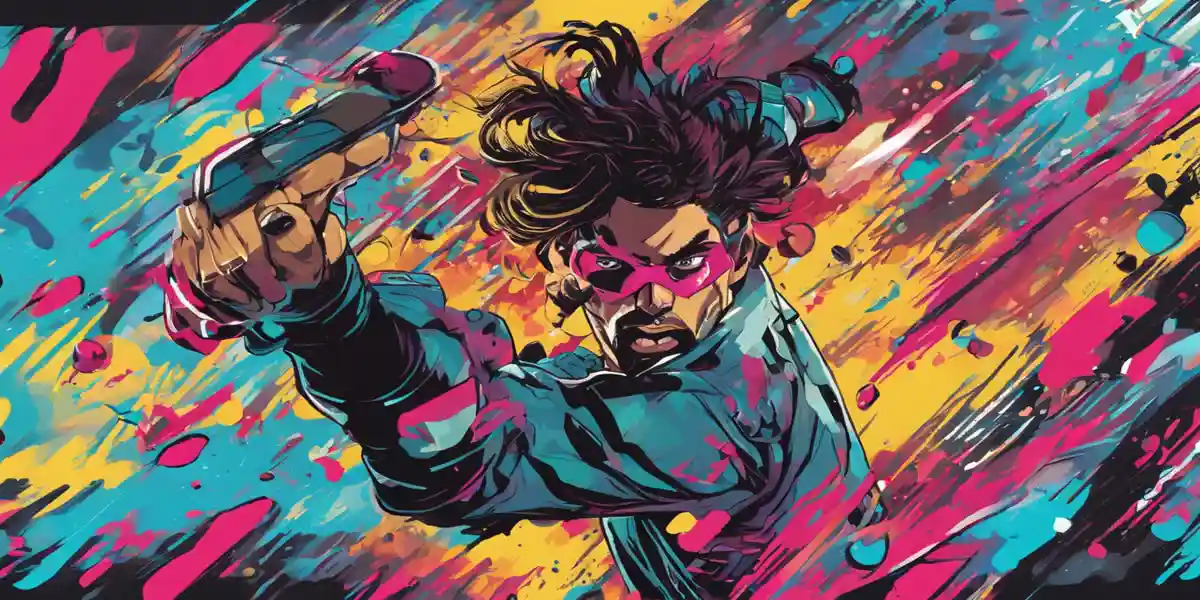
Splash art represents a vibrant crossroads of creativity, capturing the transient essence of our digital age. This section explores the characteristics, cultural implications, and the technological underpinnings that define splash art, illuminating its role within the broader context of the Digital Renaissance.
Splash art can be described as a genre of digital art that emphasizes bold colors, dynamic compositions, and a sense of immediacy. Unlike traditional art forms, which often demand time and contemplation, splash art seeks to engage viewers in mere seconds. Think of the stunning visual advertisements that dominate social media feeds, or the eye-catching graphics that accompany online articles. These works aim to elicit an emotional response swiftly, often employing techniques such as vibrant color contrasts and kinetic forms.
In a world where information overload is the norm, splash art has emerged as a beacon of visual communication. Its cultural significance lies in its ability to convey messages quickly and effectively, often reflecting contemporary themes such as consumerism, identity, and environmental awareness. For instance, consider the works of digital artists like Refik Anadol, who utilize splash-like aesthetics to explore data-driven narratives, making complex information visually digestible. Such artworks not only captivate but also provoke thought, challenging viewers to engage with pressing societal issues.
The evolution of splash art can be traced back to advancements in digital technology that began during the third industrial revolution. Today, artists leverage sophisticated software tools such as Photoshop, Illustrator, and various animation programs to create these impactful visuals. These platforms allow for rapid experimentation and iteration, enabling artists to produce works that can be shared and modified instantly across digital spaces. This democratization of art production raises significant questions about authorship and originality—concepts that have historically been well-defined but are now fluid in the digital realm.
The emergence of non-fungible tokens (NFTs) has revolutionized how splash art is perceived and valued. By providing a means to authenticate ownership digitally, NFTs have transformed the landscape of digital art sales. For example, platforms like OpenSea and Rarible have become marketplaces where splash art can be bought and sold, allowing artists to monetize their work in ways previously unimaginable. However, this shift also brings challenges, as issues of copyright, accessibility, and sustainability come to the forefront. What does it mean for a splash art piece to exist as a unique token in a world that thrives on reproducibility?
Consider the work of artists like Beeple, whose digital pieces not only exemplify splash art aesthetics but have also fetched millions at auction. His work encapsulates the frenetic energy of modern life, often blending pop culture and technology in a way that resonates with a broad audience. Such examples highlight how splash art transcends traditional boundaries, creating a new genre that is both accessible and relevant in today’s digital-first society.
The rise of splash art signifies a shift in how artistic expression is understood and experienced. In comparing the meticulous craftsmanship of Michelangelo to the rapid-fire creativity of contemporary digital artists, we see two different expressions of human creativity. While Michelangelo's work demands patience and physical skill, splash art thrives on immediacy and adaptability. This evolution invites us to reconsider the very nature of art—is it defined by its medium, its intent, or the emotional response it elicits?
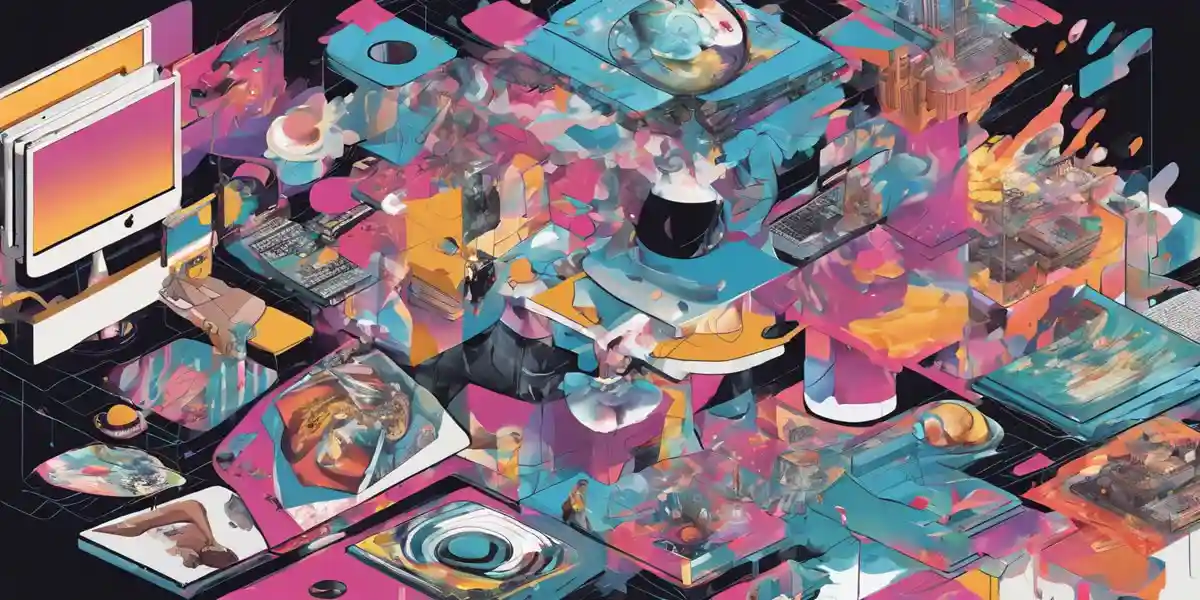
This section examines how the intersection of classical artistry, epitomized by Michelangelo, and contemporary digital mediums such as splash art and digital objet d'art is transforming our understanding of creativity.
Splash art embodies the vibrant and transient nature of digital creations, much like the fleeting beauty captured by nature's colors. In today's fast-paced digital world, artworks can be generated and shared in mere seconds, making them ephemeral yet impactful. This rapid dissemination draws a stark contrast to Michelangelo's painstaking techniques, where every stroke of the chisel was deliberate, each detail meticulously crafted over years. For instance, Michelangelo's David and Creation of Adam reflect a deep commitment to form and substance, while splash art could be represented by the works of contemporary artists like Benjamin John Hall, whose digital illustrations utilize bold colors and fluid designs to capture attention instantly.
The emergence of digital art during the third industrial revolution has redefined the creative landscape. Digital platforms, from Photoshop to Art Rage, have enabled artists to transform traditional forms of painting and sculpture into innovative digital expressions. One cannot overlook the commercial and cultural challenges that digital art faces, particularly issues of reproducibility and obsolescence. However, platforms like OpenSea have facilitated a significant increase in sales of digital artworks, especially those identified as cryptoart—a genre that leverages non-fungible tokens (NFTs) for authentication and ownership.
The rise of NFTs has sparked crucial discussions regarding the ownership and commodification of digital art. What does it mean for a piece of art to exist solely in a digital realm? NFTs challenge our traditional notions of value, as they create a form of ownership that is decentralized and verifiable on the blockchain. This shift raises questions about accessibility and sustainability, as well as implications for copyright and ownership. Artists like Beeple, who sold an NFT for $69 million, illustrate how digital art can gain unprecedented attention and financial success, thereby reshaping the art market.
As we navigate this digital renaissance, we witness a profound shift in artistic development shaped by advancements in technology. The metamodernist perspective, which embraces complexity and contradiction, is becoming increasingly relevant. This is evident in the works of digital artists who fuse historical techniques with modern tools, creating pieces that resonate across cultures. For example, artists from Iraq are utilizing digital mediums to showcase local creativity, merging traditional themes with contemporary aesthetics, as discussed in recent studies on the role of digital art in cultural expression.
The evolution of digital media has blurred the boundaries between different forms of visual expression. The unique characteristics of digital images, influenced by the medium's inherent qualities, challenge our understanding of representation. For instance, digital collage techniques allow for the seamless integration of varied styles and influences, creating artworks that are both diverse and cohesive. This interplay between technology and art invites us to rethink how we consume and interact with visual culture in our everyday lives.
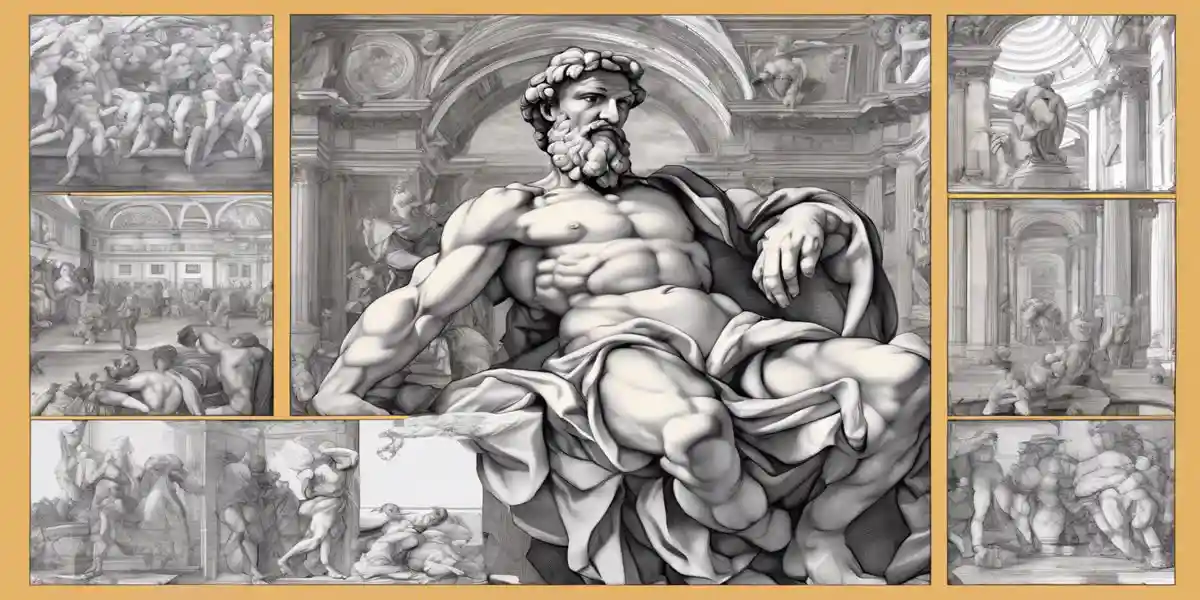
Michelangelo’s legacy continues to resonate profoundly in contemporary art, bridging the gap between classical mastery and modern innovation. As we explore how his artistic principles intersect with today's digital mediums, we can see how this dialogue shapes our understanding of creativity and expression.
In the realm of contemporary art, Michelangelo's influence is palpable. His emphasis on human emotion and anatomical precision set a precedent that modern artists still aspire to achieve, albeit through different mediums. Today, we witness a fascinating reinterpretation of his work through digital art forms, particularly in the genre known as "Splash Art." This term reflects the vibrant, transient nature of digital creations, which can evoke the same emotional response as Michelangelo's timeless sculptures and frescoes.
Consider the work of digital artists like Refik Anadol, who uses algorithms to create immersive installations that capture the fluidity and dynamism of Michelangelo's forms. Anadol’s pieces, such as "Infinity Room," utilize spatial data and digital projections to create experiences that challenge the viewer's perception of reality, much like Michelangelo challenged the conventions of his time. This intersection of technology and artistry invites us to reflect on how digital mediums can extend the emotional depth that Michelangelo mastered with marble and paint.
The emergence of digital art represents a significant evolution from traditional forms, paralleling the transformations that occurred during the Renaissance. Digital artists leverage technology to create works that are not constrained by physical limitations. This shift is akin to how Michelangelo employed innovative techniques in fresco painting, pushing the boundaries of what was possible in his era.
According to various studies, digital art's evolution began with the third industrial revolution, which introduced new technologies capable of generating innovative artistic expressions. Programs like Photoshop and Art Rage have democratized art creation, allowing a broader audience to engage with and produce art. The accessibility of these tools echoes the Renaissance's spirit of inquiry and exploration, reflecting Michelangelo’s own commitment to mastering various techniques.
With the rise of non-fungible tokens (NFTs), we enter a new discourse surrounding ownership and authenticity in art. Michelangelo's masterpieces were once considered unique, but the digital landscape complicates this notion. NFTs provide a method of verifying ownership and authenticity in the digital realm, creating a new type of "objet d'art." This evolution raises critical questions: What does it mean for an artwork to exist in a digital format? How does this reshape our perception of artistic value?
The sale of cryptoart has surged, demonstrating a growing market for digital artworks. Artists are now navigating the complexities of copyright and ownership in a world where art can be infinitely reproduced. This shift echoes the challenges faced by Michelangelo, who had to protect his works from unauthorized copies and maintain their sanctity. The dialogue surrounding NFTs is not just about technology; it also reflects a cultural shift in how we value art.
As we embrace the digital renaissance, we also witness a metamodern response to the integration of digital technologies in art. This new perspective acknowledges the complexities of our digital existence while drawing on the foundational principles set forth by artists like Michelangelo. The interplay between classical techniques and modern technology offers a fertile ground for innovation and expression, inviting contemporary artists to reinterpret historical narratives in fresh and exciting ways.
For instance, the works of artists who merge traditional sculpting techniques with 3D modeling software exemplify this evolution. By utilizing digital tools to create sculptures that can be physically manifested, artists are not only paying homage to Michelangelo's craftsmanship but are also redefining what sculpture can mean in the modern context.
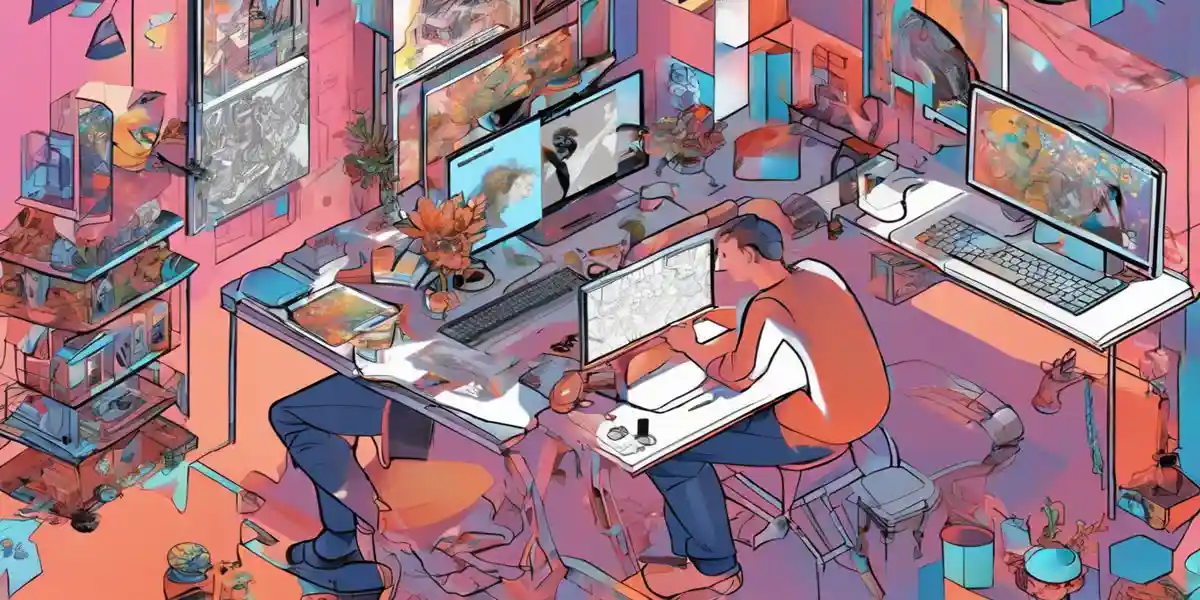
At the crossroads of history and modernity, the fusion of traditional artistry and innovative digital mediums is redefining the concept of objet d'art. This intersection not only celebrates the enduring legacy of artists like Michelangelo but also invites a new dialogue about the nature of creativity in the digital age.
Imagine Michelangelo's David rendered not in marble but as a fluid, animated digital sculpture, capable of interacting with viewers in real time. This scenario illustrates how traditional artistic techniques can be reinterpreted through digital mediums. While Michelangelo poured years into his craft, today's digital artists can harness sophisticated software like Photoshop and Art Rage to create breathtaking pieces in a fraction of the time. This efficiency allows for a broader exploration of ideas, where concepts evolve rapidly, mirroring the transient beauty often captured in splash art.
The rise of non-fungible tokens (NFTs) has introduced a revolutionary concept of ownership in the digital realm. Unlike traditional art, which exists in a tangible form, digital art can be reproduced endlessly, leading to questions about its authenticity and value. NFTs provide a solution, allowing artists to authenticate their work and sell it as unique digital assets. For instance, the sale of Beeple's Everydays: The First 5000 Days for $69 million exemplifies how digital objets d'art can reach unprecedented market values.
One of the most significant aspects of digital art is its accessibility. Digital creations can be shared globally, allowing artists from diverse backgrounds to showcase their work without the barriers of traditional exhibition spaces. This democratization of art fosters a richer cultural exchange, as seen in initiatives that highlight local creativity, such as the digital art movements emerging in Iraq. Here, artists leverage technology not only to create but also to preserve their cultural narratives in new, innovative ways.
The fusion of tradition and innovation is also reflected in the interdisciplinary advancements that characterize our current artistic landscape. As metamodernism emerges in response to the integration of digital technologies, it distinguishes itself from modernism and postmodernism by embracing a fluid, hybrid approach to art-making. This shift acknowledges the evolving nature of creativity, where digital art becomes a canvas for exploration, experimentation, and expression, pushing the boundaries of what constitutes objet d'art.
As we navigate this digital renaissance, the future directions of objet d'art will likely continue to evolve, shaped by developments in technology and shifts in societal values. The integration of augmented reality (AR) and virtual reality (VR) into art experiences is already transforming how we perceive and interact with art. Imagine stepping into a virtual gallery where Michelangelo's masterpieces are not just viewed but experienced in immersive environments, allowing for a deeper emotional connection and understanding.
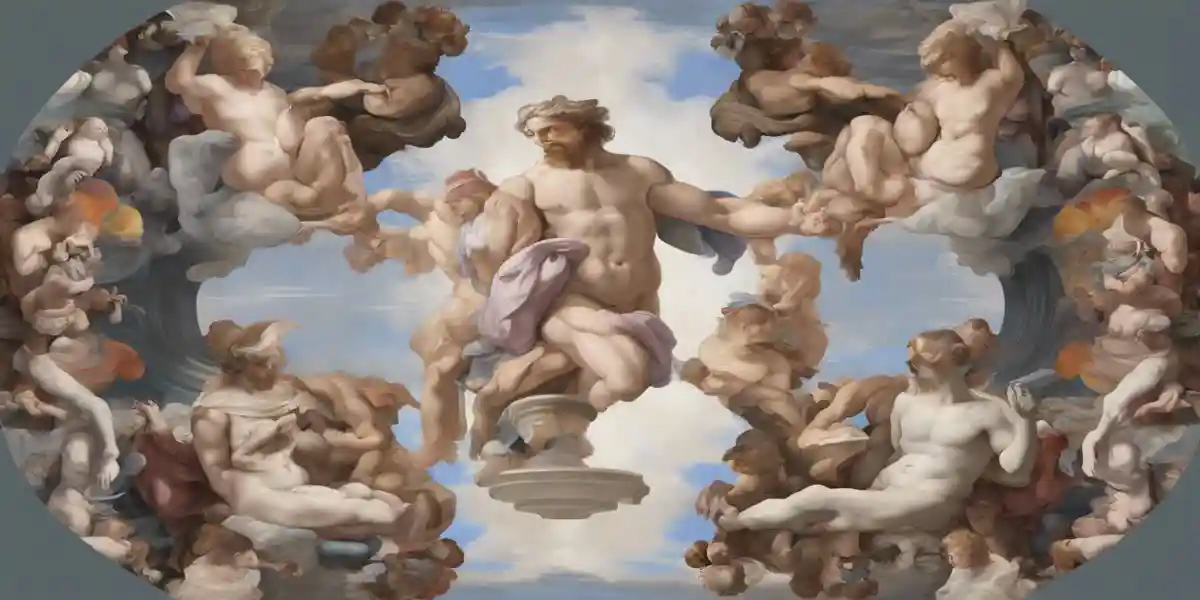
In the contemporary art landscape, the convergence of classical artistry and digital innovation is redefining our understanding of creativity. This section explores how the intersection of Michelangelo's timeless masterpieces with modern digital expressions, particularly splash art and digital objets d'art, is influencing artistic expression in unprecedented ways.
Splash art embodies the vibrant, ephemeral nature of digital creations, much like the way a splash of paint can capture the essence of a fleeting moment. In this fast-paced digital world, attention spans are short, and artists are challenged to produce visually striking works that resonate quickly with viewers. Consider the work of contemporary digital artists like Refik Anadol, who uses data to create mesmerizing visual displays that capture the imagination in mere seconds. His installations transform data into visual art, showcasing the beauty of digital expressions that are both transient and captivating.
Michelangelo's artistry was characterized by meticulous techniques, patience, and the tangible connection to materials. His sculptures are celebrated not only for their aesthetic brilliance but also for the depth of emotion they convey. In contrast, digital artists can create and disseminate their work in a fraction of the time, leveraging software like Photoshop or Art Rage to craft pieces that push the boundaries of traditional art forms. This juxtaposition raises questions about the nature of craftsmanship and authenticity in art. Are the rapid creations of digital artists less valuable because they lack the physical labor associated with traditional methods? Or do they represent a new form of creativity that reflects the speed of modern life?
The rise of non-fungible tokens (NFTs) has revolutionized the concept of ownership in the digital art space. NFTs provide a means to authenticate and tokenize digital artworks, creating a unique digital signature that confirms ownership and provenance. This technology has sparked a surge in the commercial viability of digital art, allowing artists to sell their work in ways previously unimaginable. However, this shift also prompts critical discussions about the implications of commodifying art in the digital age. The questions of accessibility, sustainability, and copyright arise, as artists navigate a landscape where their creations can be reproduced endlessly yet still carry a unique value as authenticated NFTs.
While digital art offers numerous advantages, such as efficiency and reduced costs, it is not without its challenges. The reproducibility of digital art can lead to concerns over originality and obsolescence. As noted in recent studies, artists must grapple with the delicate balance between creating accessible art and maintaining the integrity of their work. This is especially pertinent in the context of a post-digital society, where the lines between creator and consumer are increasingly blurred. As we engage with these digital mediums, we must reflect on how they shape our perceptions of value and creativity.
The emergence of metamodernism as a philosophical framework offers valuable insights into the current state of digital art. This movement acknowledges the complexities of our digital age, blending aspects of modernism and postmodernism. As artists integrate digital technologies into their works, they are not just creating art; they are also engaging in a dialogue about the nature of existence in a technology-driven world. This evolving narrative invites us to reconsider what art can be in a society where the canvas is no longer confined to a physical space.
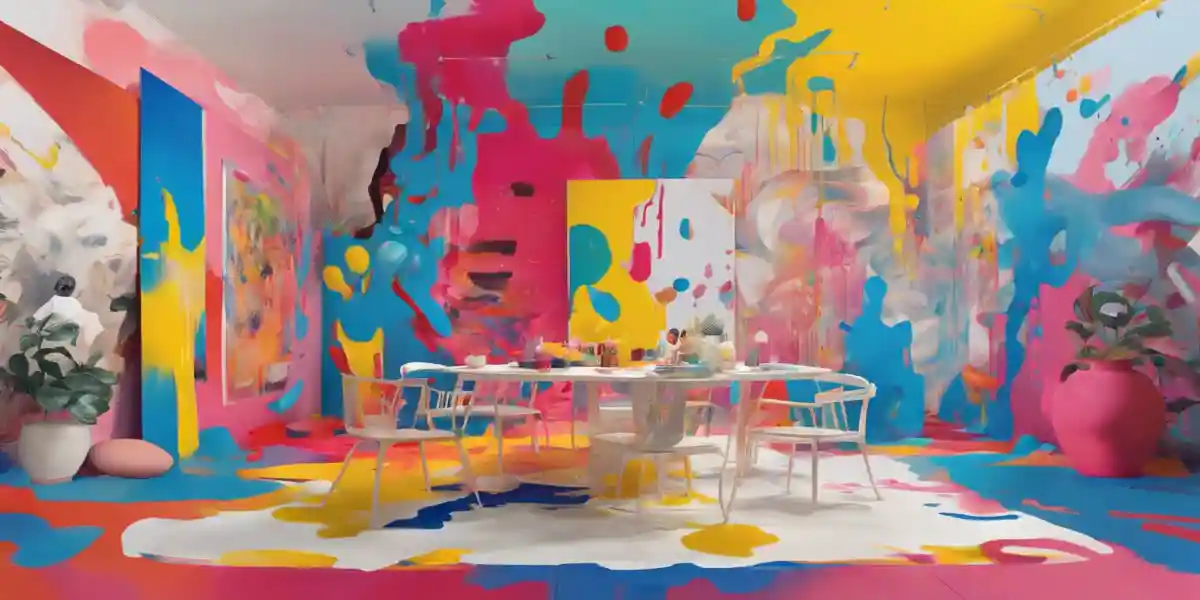
In the rapidly evolving landscape of modern art, splash art has emerged as a dynamic force reshaping aesthetics. By examining notable works and artists, we can appreciate how this genre encapsulates the essence of contemporary creativity and its intersection with traditional forms.
To understand the impact of splash art, we can look at several key figures and their contributions. Artists like David Hockney have embraced digital mediums to create vibrant compositions that challenge the conventions of traditional painting. Hockney's iPad drawings, such as "Bigger Trees Near Warter," showcase how digital tools can replicate the fluidity and spontaneity of splash art, emphasizing the interplay of color and form in a way that resonates with the viewer’s emotions.
Another notable artist is Rafik Anadol, whose work in data-driven art exemplifies the fusion of technology and creativity. Anadol’s project "Archive Dreaming" transforms vast datasets into mesmerizing visual experiences, evoking the splashes of color and movement characteristic of splash art. His ability to manipulate data into aesthetic forms not only challenges our understanding of authorship but also raises questions about the role of technology in artistic expression.
In addition to individual artists, the rise of cryptoart has brought splash art to the forefront of digital aesthetics. Platforms like SuperRare and Nifty Gateway have facilitated the sale of digital artworks that utilize non-fungible tokens (NFTs) for ownership verification. Artists such as Beeple, whose piece "Everydays: The First 5000 Days" sold for an unprecedented $69 million, illustrate the profound shift in how we perceive value and authenticity in art. The vibrant, often chaotic nature of his work aligns seamlessly with the principles of splash art, where immediacy and impact take center stage.
The technical aspects of splash art often involve a combination of traditional painting techniques and modern digital tools. Programs like Adobe Photoshop and Art Rage allow artists to create layers and apply textures that mimic the splatter and drip techniques of classic abstract expressionism. This hybrid approach not only enhances efficiency but also expands creative possibilities, allowing artists to explore new realms of expression.
Moreover, the blurring of boundaries between various media forms—an outcome of digital advancements—has led to a richer visual vocabulary. By incorporating elements from photography, video, and even animation, splash art can evoke a sense of movement and depth that traditional static artworks often lack. As technology continues to evolve, artists find themselves at the forefront of a metamodern movement, one that embraces both the fleeting nature of digital art and the permanence of traditional forms.
In examining these case studies and technical details, we can see how splash art not only captures the essence of modern aesthetics but also invites us to reconsider our relationship with art itself. As we navigate this digital renaissance, the lines between creator and consumer blur, urging us to engage more deeply with the artistic experience.
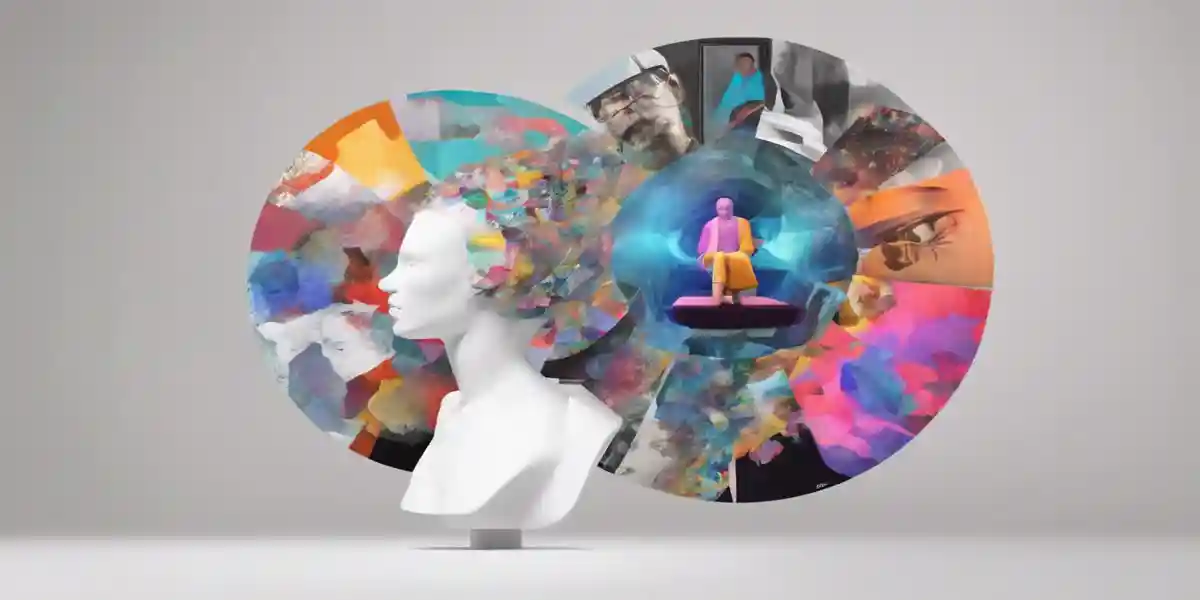
As we navigate this evolving landscape of digital art, it becomes essential to examine the future trajectories of creativity, ownership, and value in a world increasingly dominated by digital mediums. The convergence of classical artistry, like that of Michelangelo, and modern digital techniques presents a unique opportunity to redefine our understanding of art in the 21st century.
Digital art emerged as a significant movement during the third industrial revolution, propelled by advancements in technology and the accessibility of digital tools. This transformation has not only redefined traditional forms of painting and sculpture but has also introduced innovative expressions such as splash art—artworks characterized by their dynamic and ephemeral nature. These digital creations often capture viewers’ attention within seconds, akin to the way nature’s colors can captivate us momentarily.
Consider the use of programs like Photoshop and Art Rage that allow artists to create intricate designs that can be easily reproduced and manipulated. This accessibility fosters a new generation of artists who leverage these tools to explore uncharted territories of creativity, thus challenging the notion of originality and craftsmanship that has historically surrounded art.
One of the most significant developments in the digital art landscape is the rise of non-fungible tokens (NFTs). NFTs serve as a form of digital authentication and ownership, revolutionizing how we perceive art in the digital realm. They allow artists to sell their work in a way that ensures authenticity and scarcity, raising pivotal questions about the commodification of art. For instance, renowned digital artist Beeple sold a piece of digital art for a staggering $69 million, underscoring the potential for digital works to attain high value in the market.
However, the implications of NFTs extend beyond mere transactions. They challenge traditional concepts of copyright, accessibility, and sustainability in the art world. As we embrace this shift, we must grapple with the complexities of ownership in a medium where reproducibility is inherent. What does it mean for an artwork to exist solely in a digital format? How does this change the artist's relationship with their creation and their audience?
The evolution of digital art reflects a broader trend of interdisciplinary advancements, where art intersects with technology, science, and cultural narratives. This intersection not only enriches creative expression but also democratizes art by making it more accessible to diverse audiences. Digital platforms enable artists from various cultural backgrounds to share their work globally, fostering a rich dialogue about artistic practices and cultural heritage.
For instance, in the context of Iraqi culture, digital art has the potential to harness local creativity while presenting it to a worldwide audience. By embracing digital mediums, artists can reinterpret traditional motifs and narratives, creating a fusion of the past and present that resonates with contemporary viewers.
The emergence of metamodernism as a philosophical lens through which to view the integration of digital technologies in art is also noteworthy. Unlike modernism and postmodernism, metamodernism embraces complexity, oscillating between hope and despair, sincerity and irony. This perspective allows for a nuanced understanding of how digital art can convey multifaceted narratives that reflect our current societal landscape.
As we look ahead, the blending of digital art with metamodernist principles challenges artists to create works that engage with contemporary issues—be it climate change, social justice, or the evolution of technology itself. This interplay of ideas invites us to reconsider the role of the artist not just as a creator but as an active participant in shaping societal discourse.
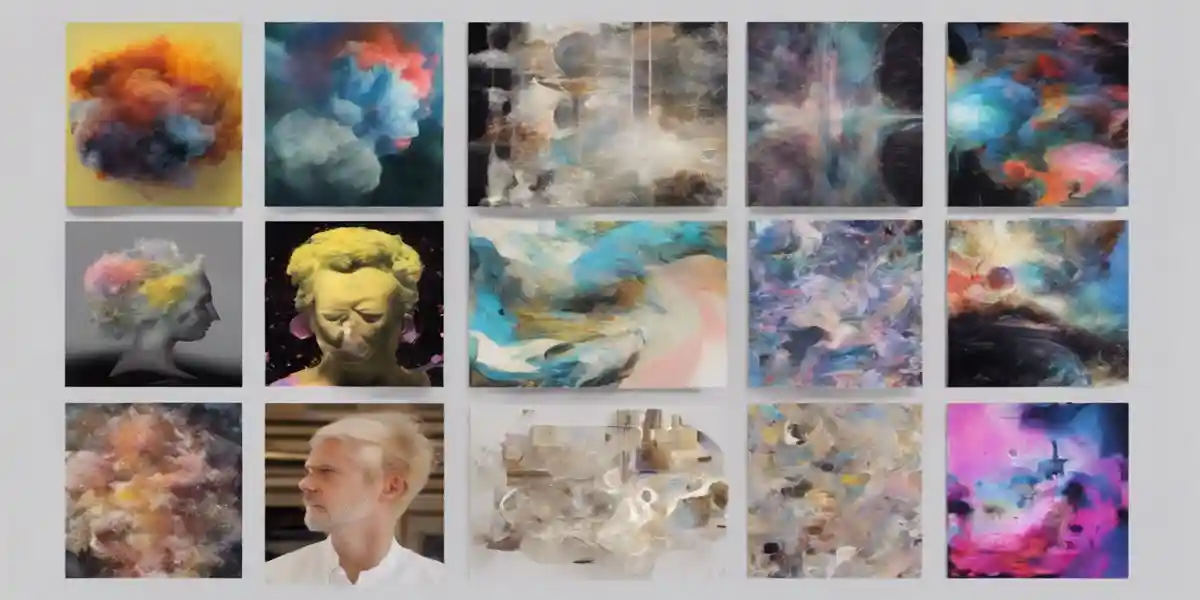
In the digital age, the merging of classical artistry with contemporary mediums presents an exciting opportunity to redefine creativity and artistic expression. This section explores how the transition from traditional art forms to digital platforms, such as splash art and NFTs, not only transforms the artwork itself but also reshapes our understanding of what art can be.
Splash art epitomizes the dynamic essence of digital creativity, capturing the viewer's attention in mere moments. This transient nature of digital works resonates with the fleeting beauty of Michelangelo's masterpieces, which required painstaking effort and time to create. For instance, consider the digital artist Refik Anadol, who utilizes data to create stunning visual experiences that invoke the same awe as a grand fresco. Anadol's work, such as the "Melting Memories" installation, blends technology and artistry, presenting a visual narrative of data in motion that reflects the ephemeral quality of modern life.
The evolution from Michelangelo's chiseled marble to the digital canvas raises questions about the nature of artistic ownership and authenticity in our contemporary world. The rise of NFTs—unique digital assets secured by blockchain technology—introduces a new form of objet d'art. Unlike traditional art, which is confined to physical spaces, NFTs exist in the digital realm, allowing for unprecedented accessibility and democratization of art.
However, this shift is not without its challenges. The commercial viability of digital art has often been questioned due to its inherent reproducibility and potential obsolescence. Yet, the surge in cryptoart sales, as highlighted in recent studies, illustrates a growing acceptance of digital ownership. Artists like Beeple have sold NFT artworks for millions, igniting discussions about the value of digital creations and their place in the art market.
As we analyze the evolution of digital art, it becomes clear that interdisciplinary advancements in technology and science play a crucial role. The transformation of traditional forms into digital formats offers benefits in efficiency, cost reduction, and spatial conservation. For example, software such as Photoshop and Art Rage allows artists to manipulate images and create digital masterpieces that were once confined to physical mediums.
Moreover, the impact of digital art extends beyond individual expression; it holds the potential to enrich cultures globally. In regions like Iraq, local artists leverage digital platforms to showcase their unique creativity, challenging traditional narratives and fostering a new appreciation for their cultural heritage in a digital context.
The rise of metamodernism—a philosophical response to the integration of digital technologies—further contextualizes the evolution of art in this digital renaissance. This movement, distinct from modernism and postmodernism, emphasizes the interplay between technology and human experience. Theoretical explorations reveal how artists now navigate the complexities of identity and representation in a world dominated by digital media.
As we dissect these emerging trends, it becomes evident that the boundaries between different media types are dissolving. The transformation of image representation, facilitated by advancements in digital media technology, invites reflections on how we perceive and engage with visual art. The importance of understanding these shifts cannot be overstated as we move toward a post-digital society, where the implications of digital art continue to unfold.
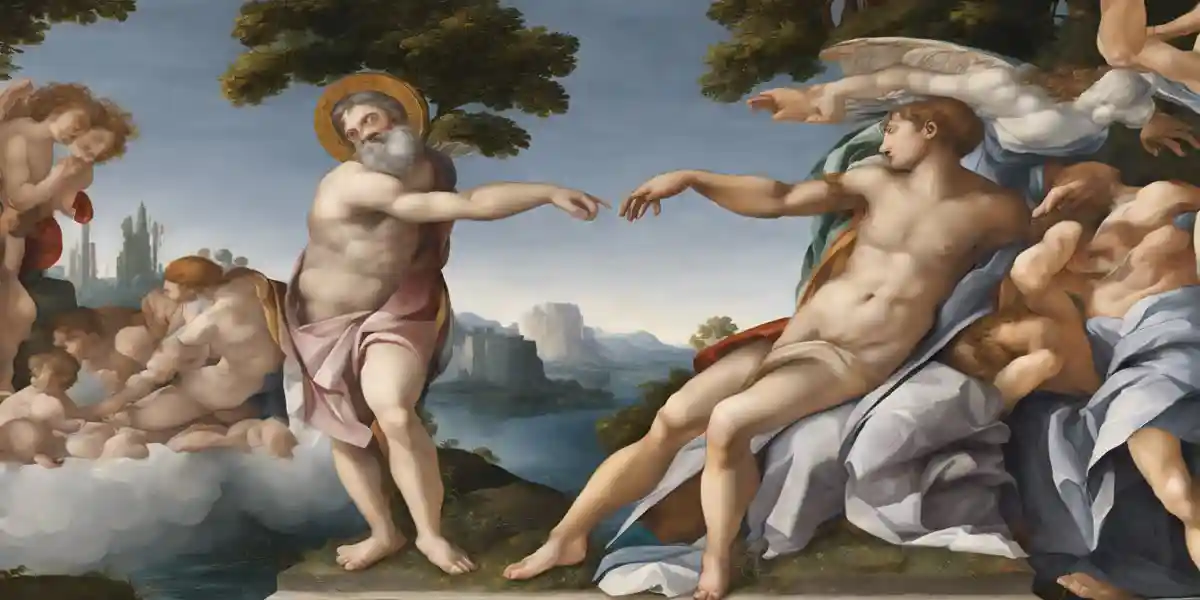
This section explores how the fusion of classical artistry and contemporary digital mediums is reshaping our perceptions of creativity and artistic expression.
As we navigate through the Digital Renaissance, we witness a fascinating evolution of art, where the meticulous craftsmanship of Michelangelo meets the immediacy and fluidity of digital mediums such as splash art. This intersection raises profound questions about authorship, value, and the essence of creativity.
Splash art, as a term, encapsulates the vibrant and transient nature of digital creations that captivate viewers' attention in mere milliseconds. This is reminiscent of nature’s fleeting beauty, where colors blend and splash across a canvas. For instance, consider the work of digital artists like Refik Anadol, whose immersive installations combine data and aesthetics to create visually stunning experiences. His piece "Archive Dreaming" allows viewers to interact with the digital representation of vast datasets, illustrating the dynamic possibilities of splash art.
When we compare Michelangelo's iconic sculptures and frescoes with contemporary digital artworks, we see a stark contrast in techniques and objectives. Michelangelo's work, characterized by its labor-intensive methods and profound attention to detail, reflects the values of his time—craftsmanship and permanence. In contrast, digital art thrives on rapid creation and dissemination, often embracing impermanence. This shift illustrates how each form embodies the values and technologies of its era. The rise of digital tools like Photoshop and Art Rage allows artists to experiment and iterate in ways that were unimaginable in Michelangelo's time, democratizing access to art creation.
With the advent of non-fungible tokens (NFTs), we are witnessing a new form of "objet d'art" that raises critical discussions about ownership and authenticity in the digital realm. NFTs authenticate digital artworks, enabling artists to claim ownership and receive compensation for their work in a landscape previously plagued by issues of reproducibility and obsolescence. For example, the sale of Beeple's "Everydays: The First 5000 Days" for $69 million at Christie's auction house exemplifies the potential for digital art to achieve financial value akin to traditional art. However, this also invites scrutiny regarding the sustainability and environmental impact of blockchain technology used for NFTs, prompting a broader conversation about the future of digital art production and its implications for artists and collectors alike.
The evolution of digital art is not only a technical revolution but also a cultural one. The integration of digital media has blurred the boundaries between various artistic mediums, expanding the possibilities of creative expression. For instance, Iraqi digital artists are harnessing local culture and history to create innovative works that reflect their unique identities in a globalized world. This phenomenon highlights how digital art can serve as a platform for cultural storytelling and preservation, much like traditional art forms have done for centuries.
As we explore the intersection of classical artistry and digital mediums, we also find ourselves in the realm of metamodernism. This philosophical framework responds to the complexities of integrating digital technologies into art and life, distinguishing itself from modernism and postmodernism. It emphasizes a synthesis of ideas, drawing from both past and present to forge new creative paths. In this light, digital art becomes a canvas for experimentation, inviting artists to explore themes of identity, technology, and existence in this rapidly changing landscape.
In this exploration of "Reimagining Michelangelo: The Intersection of Splash Art and Modern Objet d'Art in the Digital Renaissance," we have journeyed through the transformative landscape of contemporary art, where the timeless beauty of Michelangelo's craftsmanship meets the ephemeral vibrancy of splash art. We began by examining how digital mediums have redefined creativity, democratizing the art-making process and allowing a new generation of artists to explore uncharted territories.
We delved into splash art's unique characteristics, noting how it captures the fleeting nature of our digital age, engaging viewers in mere seconds. The discussion highlighted the cultural significance of this genre, emphasizing its role as a powerful visual communication tool that reflects contemporary themes such as identity and consumerism.
Moreover, we considered Michelangelo's enduring legacy in contemporary art, particularly how his principles of emotional depth and precision resonate through modern digital expressions. This fusion of tradition and innovation has led to a fascinating reinterpretation of artistic techniques, exemplified by the emergence of NFTs. These digital tokens not only challenge our notions of ownership and authenticity but also reshape the economic landscape of art, opening new avenues for artists to connect with their audiences.
As we look towards the future, the interplay between splash art and classical artistry invites us to reflect on the very essence of creativity. What does it mean to create in a digital era? How do we navigate the complexities of ownership, authenticity, and artistic value in a world where reproducibility is inherent? These questions are not merely academic; they challenge us to rethink our relationship with art itself.
As we stand on the precipice of this digital renaissance, we encourage you, dear readers, to engage with art in all its forms. Explore the dynamic world of digital creations, support emerging artists, and participate in the ongoing dialogue about what art means in our rapidly evolving landscape. In doing so, you become not just consumers of art but active participants in shaping its future.
Get notified about new articles, coffee tips, and Web3 insights.
This site participates in affiliate programs and may earn a commission when a link is clicked and a purchase is made. The site is not responsible for any issues or troubles related to the products or services purchased through the use of this site.

DO&COFFEE loves coffee and technology, exploring the potential of NFTs and blockchain. Learn more →
DO&COFFEE loves coffee and technology, exploring the potential of NFTs and blockchain. Learn more →