art
2024/08/25
This article contains affiliate links. We may earn a small commission at no extra cost to you. Learn more
Have you ever envisioned a world where art exists beyond the confines of a gallery, allowing creativity to flourish in the digital realm? Welcome to the Metaverse, a vibrant landscape that is not only redefining our understanding of public art but also transforming urban spaces in ways we’ve yet to fully grasp. In this blog post, we will explore the captivating intersection of public art and the Metaverse, highlighting how digital creativity can foster both community engagement and cultural exchange. Imagine augmented reality murals springing to life at your fingertips or 3D sculptures inviting you to interact with them—these are not mere fantasies but the emerging realities of our evolving urban landscapes.
The significance of these innovations extends far beyond aesthetics; they democratize art, encouraging participation and co-creation among diverse audiences. Furthermore, as we delve into successful case studies of public art in the Metaverse, we will uncover how these digital installations can raise awareness of social issues and inspire activism. Join us as we navigate this exciting frontier, examining the transformative power of public art in the Metaverse and its potential to enrich our real-world environments, fostering deeper connections between art, technology, and society.
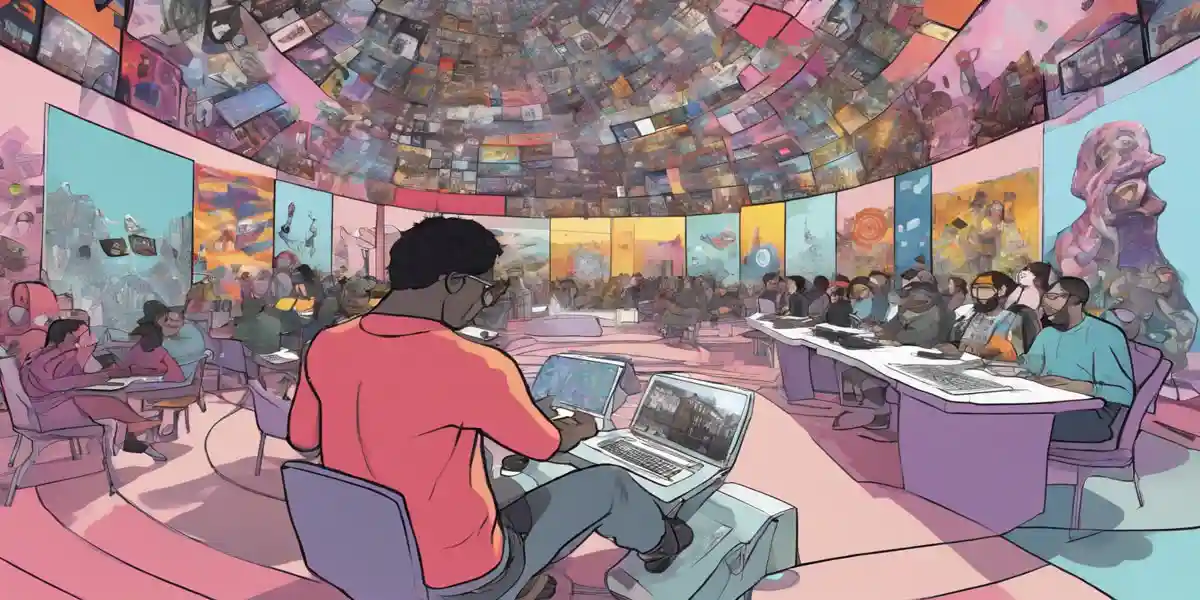
This section explores the intersection of public art and the Metaverse, highlighting how virtual spaces can transform artistic expression and community engagement.
Public art has historically involved physical installations in communal spaces, from murals to sculptures. However, the advent of digital technologies has shifted this paradigm. In the Metaverse, public art transcends physical limitations, allowing artists to create immersive experiences that resonate with diverse audiences. Imagine a vibrant, digital mural that can be viewed not just in one city but across the globe, inviting interaction from anyone with an internet connection. This democratization of art is pivotal in redefining urban landscapes.
Consider the concept of virtual public art galleries. These spaces can serve as platforms where artists from various backgrounds showcase their work, fostering a rich cultural exchange. For instance, platforms like Artsy and Decentraland already exemplify how digital environments can host exhibitions that invite global participation. Artists can create augmented reality (AR) murals that spring to life when viewed through a smartphone, or 3D sculptures that users can navigate and interact with, enhancing the engagement factor.
The integration of AR and virtual reality (VR) technologies in public art is not merely an enhancement; it redefines what art can be. As highlighted in recent studies, such as those exploring the feasibility of VR-based installations, these technologies facilitate innovative expressions that engage viewers in unprecedented ways. For example, the "Museum of Other Realities" creates digital spaces where users can explore art in a fully immersive environment, effectively transforming how we perceive and interact with artistic works.
One of the most compelling aspects of public art in the Metaverse is its capacity to foster community engagement. By incorporating elements of gamification, virtual art galleries can encourage users to participate actively—whether by contributing personal art pieces or collaborating with established artists. For instance, initiatives like the "Public Art Japan" project have successfully engaged communities through participatory art-making activities. Such efforts not only enhance community dialogue but also raise awareness of pressing social issues, making art a powerful tool for activism.
In the Metaverse, public art can be dynamic and responsive. Artists could create temporary installations that evolve with seasons or social movements, keeping cultural discourse fresh and relevant. The ability to change artworks based on current events allows for real-time engagement with societal issues, as seen in various AR projects that have been used to address topics like climate change and social justice. This flexibility can maintain a continual dialogue between the art, artists, and the community.
The Metaverse also blurs the traditional lines between the creator and the audience. Artists can host live-streamed discussions, workshops, and collaborative projects that invite audiences to participate in the creative process. This can be likened to the recent rise of platforms like Twitch and YouTube, where creators engage with their followers in real time, fostering a sense of connection and shared experience. Such interactions enrich the cultural landscape and make art more accessible to those who may not have had the opportunity to engage with it in a traditional setting.
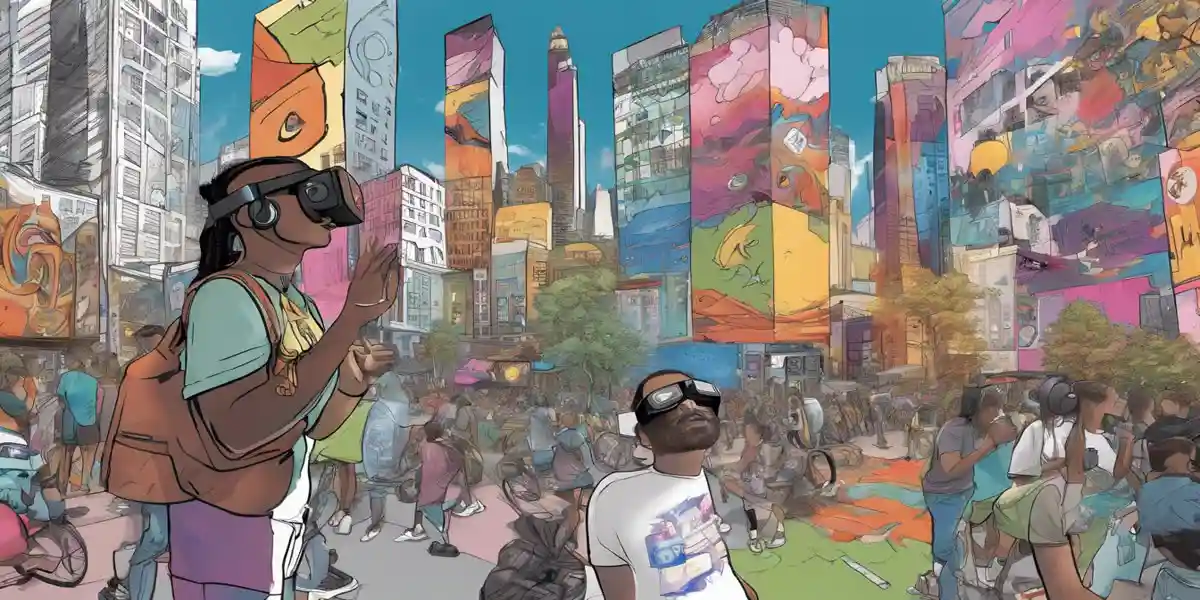
Digital art is leading a paradigm shift in urban transformation, particularly through the innovative use of augmented reality (AR) and virtual reality (VR) technologies. These advancements redefine how we perceive and interact with urban spaces, creating immersive experiences that engage communities in unprecedented ways.
At the forefront of this transformation is augmented reality, which allows artists to layer digital elements over physical environments. AR murals, for instance, can be viewed through smartphones, bringing static images to life. Such technology not only enhances the aesthetic experience but also invites viewers to engage actively with the artwork. A notable example is the AR Mural Project in New York City, where murals transform into animated stories, creating a dialogue between the artwork and the environment.
Virtual reality takes this interaction a step further by immersing users in completely digital environments. Imagine walking through a virtual gallery where each piece of art is not confined by physical limitations. Case studies, such as the VR Art Exhibitions hosted by various galleries, demonstrate how VR can create spaces that are not only visually stunning but also emotionally resonant. Users can explore and interact with art in ways that challenge traditional viewing practices, fostering a deeper connection to the work.
The integration of AR and VR in public art also opens up new avenues for community engagement. By hosting live-streamed events or interactive workshops, artists can reach broader audiences, including those with limited mobility or access. The Virtual Reality Community Art Project exemplifies this approach, enabling participants to collaborate on digital art installations, thereby bridging the gap between artist and audience.
Furthermore, gamification elements can transform the way communities interact with art. By incorporating game-like features, such as challenges or rewards for participation, virtual galleries can foster a sense of ownership and involvement among local residents. This democratization of art not only encourages creativity but also amplifies voices that may otherwise go unheard. As noted in recent studies, the incorporation of AR in urban art projects has led to a significant increase in public engagement, showcasing its potential to not only beautify spaces but also to serve as a catalyst for social change.
Ultimately, digital art in urban environments is not merely about aesthetics; it's about creating dynamic spaces that resonate with the community. As artists continue to experiment with AR and VR technologies, we can expect urban landscapes to evolve into interactive canvases that reflect the diverse narratives of their inhabitants. Whether through a temporary installation that captures a fleeting moment or a permanent AR exhibit that engages generations, the role of digital art in urban transformation is profound and far-reaching.
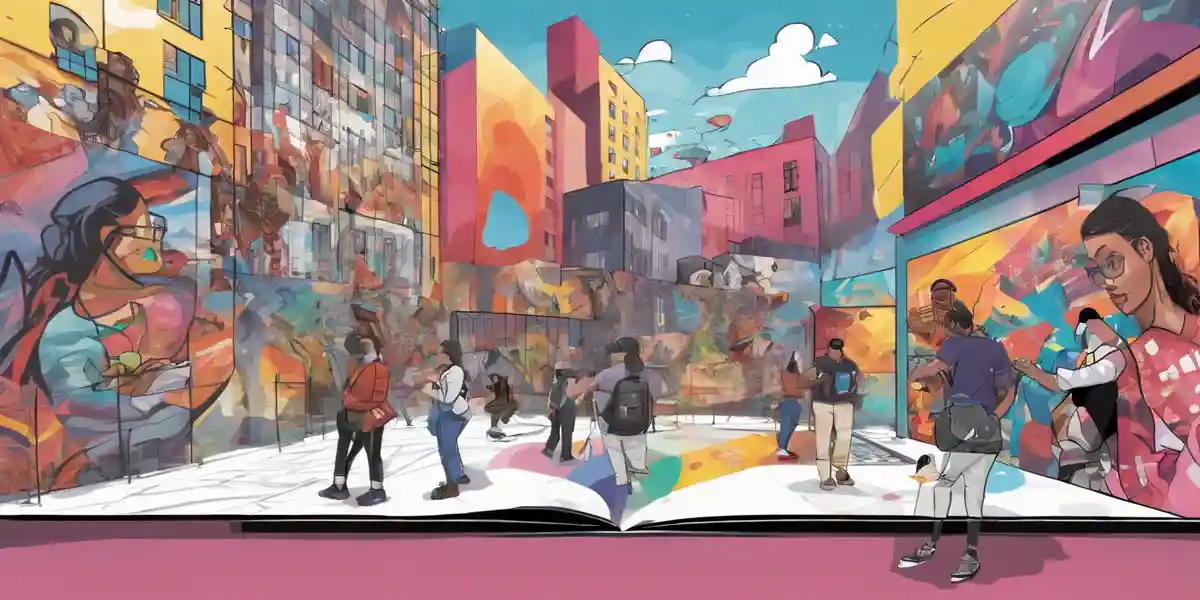
This section delves into various successful case studies that illustrate the transformative power of public art in the Metaverse, highlighting how technology can enhance community engagement and redefine artistic expression.
One prominent example of public art in the Metaverse is the integration of augmented reality (AR) murals, where traditional wall art is enhanced through digital overlays accessible via smartphones. For instance, the “AR Mural Project” in Los Angeles invites viewers to scan murals with their phones, revealing animated elements and contextual information about the artwork. This not only creates an engaging experience but also educates the public about the artist's narrative and the cultural significance behind the pieces.
Another successful application is found in virtual reality (VR) art installations, which provide users with an immersive environment to explore artistic creations beyond the limitations of physical spaces. The “VR Art Gallery” project, launched in collaboration with a group of contemporary artists, allows visitors to navigate through a virtual gallery featuring 3D sculptures and interactive exhibits. As users don VR headsets, they can walk around and interact with the art, blurring the lines between creator and audience. This approach has not only garnered significant visitor engagement but has also provided artists with a new medium for expressing their work.
Incorporating gamification elements into public art has proven effective in enhancing community involvement. The “Art Walk” initiative in a virtual cityscape created a scavenger hunt experience where participants could explore different artworks, complete challenges, and earn rewards. This interactive approach encourages users to engage with the art and the community actively, fostering a sense of belonging and ownership among participants. Reports indicate that such initiatives significantly increased foot traffic and virtual engagement, demonstrating the power of interactive art in urban settings.
Digital art collaborations have also emerged as a successful model for inclusivity in the Metaverse. A notable example is the “Global Mural” project, which invited artists worldwide to contribute to a collective mural accessible in both AR and VR platforms. This initiative not only celebrated diverse artistic backgrounds but also encouraged community interaction as participants could view and contribute to the mural in real-time. The project showcased how technology can transcend geographic barriers, allowing for a richer cultural exchange.
Artists have also begun to host live-streamed workshops and discussions within virtual art spaces. For example, the “Art in the Metaverse” series featured established artists guiding participants through the creation of digital art, using tools available in the Metaverse. This not only elevated the audience's understanding of contemporary digital art practices but also fostered a community of aspiring artists eager to express themselves. Such events highlight the potential for the Metaverse to serve as a platform for education and collaboration, further enriching the public art experience.
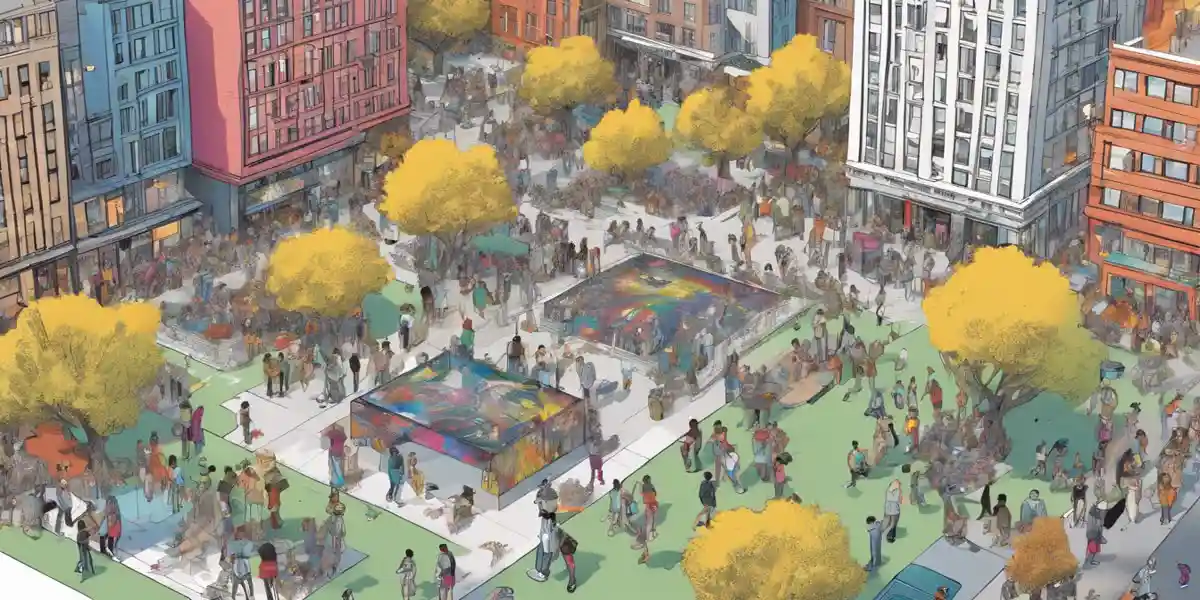
The intersection of public art and the Metaverse presents a promising horizon for urban spaces, where digital creativity can enhance real-world engagement and foster vibrant communities. As we envision the future, we find ourselves at the cusp of a transformation, where augmented reality (AR) and virtual reality (VR) technologies redefine our interactions with art and each other.
Augmented reality is not just a tool; it's a bridge that connects the tangible and intangible worlds. Imagine walking through a city park, where static sculptures are augmented with digital overlays that tell stories or provide historical context. Projects like the AR Museum in Denmark illustrate this potential, allowing visitors to interact with digital exhibits that enhance their understanding of the physical artworks present. Such integrations not only make art more accessible but also invite participation from a wider audience, encouraging them to engage with their surroundings in new and meaningful ways.
Similarly, virtual reality offers immersive experiences that can transport users to entirely new environments. The Virtual Reality Art Gallery in New York City is a prime example, where users can explore a digital landscape filled with artworks from global artists, participating in live-streamed discussions and workshops. This approach not only democratizes access to art but also allows creators to reach audiences that may otherwise be excluded due to geographic or physical barriers.
As cities continue to evolve, the integration of digital platforms into public art initiatives is becoming increasingly important. Virtual social spaces allow for collaborative engagement, where community members can participate in the creation of art that reflects their collective identity. The use of digital canvases, for instance, enables residents to contribute their artistic expressions, fostering a sense of ownership over their shared spaces. Programs that incorporate community workshops, such as the Public Art Project in Los Angeles, have successfully engaged local artists and residents in co-creating murals that represent their neighborhoods.
Moreover, interactive installations that utilize gamification techniques can entice participation and ignite civic pride. Consider the Street Art Game in Berlin, which combines physical street art with a mobile app, allowing users to unlock stories and interact with the artwork through their devices. This model enhances public engagement by transforming passive viewers into active participants, making art a communal experience.
The implications of integrating public art with AR and VR are profound, particularly in urban development. These technologies can enrich the cultural fabric of cities and contribute to their economic vitality. Public art not only beautifies urban spaces but also attracts tourism and fosters local business. Cities like Barcelona and Melbourne have recognized the value of public art as a catalyst for urban renewal, utilizing digital tools to enhance their artistic offerings and engage residents in the process.
Furthermore, as we push towards sustainability in urban planning, the adaptability of digital art installations can lead to more dynamic and responsive public spaces. Temporary installations that shift with social movements or seasonal changes can keep the cultural discourse alive, ensuring that urban art reflects the needs and values of its community. The Temporary Urban Art Projects in Paris exemplify this, where artists are commissioned to create works that respond to current societal issues, fostering dialogue and engagement among citizens.
In conclusion, as we move forward, it is essential to recognize the potential of public art in bridging our physical and digital worlds. By embracing the transformative power of the Metaverse, we can cultivate urban spaces that are not only visually captivating but also rich in community involvement and cultural exchange. This journey is about more than just art; it's about creating environments where people feel connected, inspired, and empowered to engage with their communities.
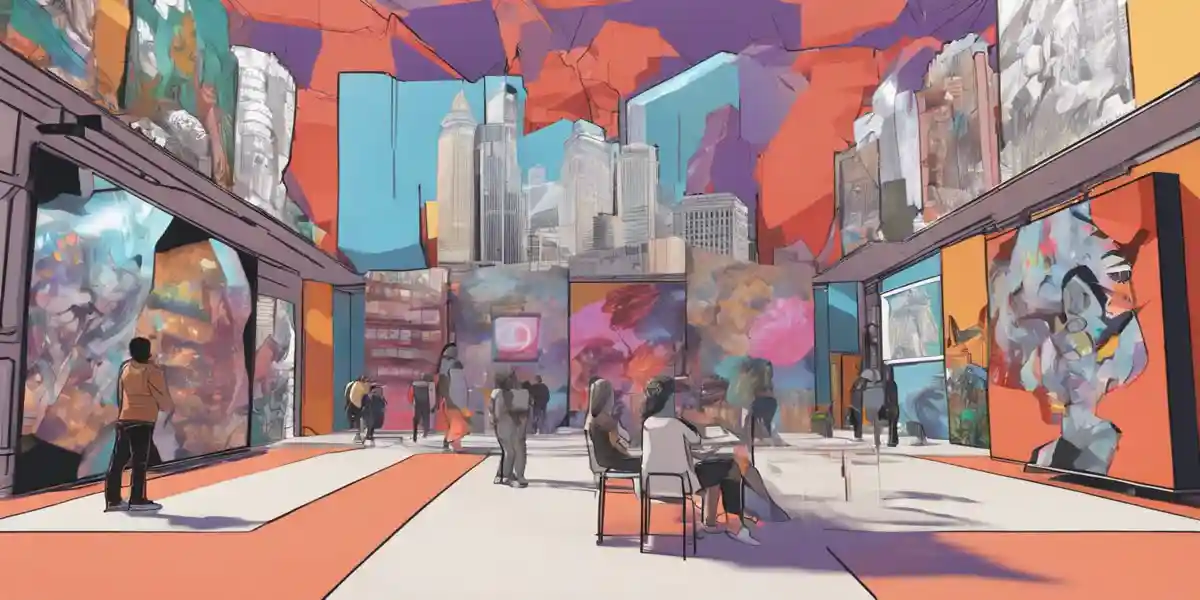
This section delves into the innovative concept of virtual public art galleries within the Metaverse, emphasizing how these digital spaces can redefine artistic expression and community engagement.
Imagine stepping into a vibrant, immersive space where art transcends physical boundaries—a virtual public art gallery nestled within the Metaverse. This idea goes beyond mere exhibition; it is about creating interactive art experiences that engage communities both online and offline. These virtual galleries would serve as platforms for artists from diverse backgrounds, enabling them to showcase their work in a way that fosters collaboration and cultural exchange.
In the Metaverse, public art can take on astonishing new forms. Consider augmented reality (AR) murals that spring to life through a smartphone camera, or 3D sculptures that invite viewers to explore and interact with them. Such installations can be designed to be temporary, shifting with the seasons or social movements, ensuring that cultural discourse remains fresh and relevant. For instance, the Everyday AR project in San Francisco uses AR to display digital art overlays on existing physical structures, allowing users to engage with the city’s art scene in a unique manner.
Virtual galleries can also host live-streamed events, discussions, or workshops, blurring the lines between creator and audience. This direct engagement can enhance the viewer's connection to the art and the artist. A notable example is the Google Arts & Culture platform, which has hosted live virtual tours with artists and curators, providing an interactive experience that transcends geographic limitations.
The implications of these virtual spaces extend beyond aesthetics. By integrating elements of gamification, these galleries can promote interaction, inviting users to contribute their own artistic expressions or to co-create alongside established artists. The Artful Escape project exemplifies this, as it combines gaming with artistic exploration, allowing players to navigate through a world of art and creativity while expressing themselves artistically. This democratization of art not only enhances community engagement but also raises awareness of social issues, as digital art can serve as a powerful medium for activism.
Advancements in virtual reality (VR) and AR technologies are vital in transforming traditional public art methods. Studies have shown a significant increase in public engagement with VR-based installations, highlighting the potential of these technologies to modernize public art and culture. For example, the Van Gogh Museum in Amsterdam has utilized VR technology to immerse visitors in the artist's world, allowing them to experience his works in a way that physical galleries cannot offer. This approach not only enhances the viewer's experience but also makes art more accessible to people with limited mobility or access to traditional galleries.
The integration of AR and interactive devices in public art fosters audience participation in ways that resonate emotionally with viewers. For instance, the ARtWalk initiative in New York City allows users to use their smartphones to discover hidden digital artworks scattered throughout the city, blending physical exploration with digital engagement. This approach exemplifies how new technologies can facilitate community involvement and create a sense of place within urban landscapes.
The potential for virtual public art galleries in the Metaverse to redefine how we experience and interact with art is immense. By merging technology with creativity, these spaces can transform urban landscapes into dynamic environments that thrive on inclusivity, community dialogue, and artistic innovation.
The exploration of public art within the Metaverse reveals a powerful synergy that has the potential to redefine our urban spaces. By breaking through traditional boundaries, digital art forms—augmented reality (AR) and virtual reality (VR)—offer new avenues for artistic expression and community engagement. As we have seen, these technologies are not just enhancements; they are transformative tools that foster inclusivity and participation, making art accessible to a broader audience.
Throughout this discussion, we’ve examined how public art in the Metaverse can create immersive experiences that resonate with diverse communities. The integration of AR and VR allows for dynamic interactions between art and audiences, turning passive viewers into active participants. Projects like the AR Museum in Denmark or the VR Art Gallery in New York City exemplify how digital platforms can offer immersive experiences that educate and inspire.
Moreover, the case studies highlighted demonstrate the effectiveness of gamification and collaborative projects in enhancing community involvement. The ability to co-create and engage with art not only enriches the cultural landscape but also fosters a sense of ownership and pride among participants. As urban spaces evolve, the implications of these technologies for urban development are profound, contributing to economic vitality and cultural enrichment.
As we stand on the brink of this exciting future, it is crucial for artists, city planners, and community members to collaborate and harness the transformative power of public art in the Metaverse. Let’s advocate for policies that support digital art initiatives and create spaces where innovation can flourish. Whether you are an artist, a tech enthusiast, or simply a lover of art, consider how you can engage with and contribute to these emerging platforms. Together, we can shape urban environments that are not only visually captivating but also vibrant with community spirit and cultural dialogue.
So, how will you participate in this new era of artistic interaction? The canvas of the Metaverse is vast and waiting for your brushstroke.
Get notified about new articles, coffee tips, and Web3 insights.
This site participates in affiliate programs and may earn a commission when a link is clicked and a purchase is made. The site is not responsible for any issues or troubles related to the products or services purchased through the use of this site.

DO&COFFEE loves coffee and technology, exploring the potential of NFTs and blockchain. Learn more →
DO&COFFEE loves coffee and technology, exploring the potential of NFTs and blockchain. Learn more →