art
2024/08/25
As we stand on the precipice of a new era in artistic expression, the intersection of performance art and digital innovation beckons us to explore uncharted territories. In this blog post, we delve into how Non-Fungible Tokens (NFTs) and the emerging concept of "LiveMinting" are breathing fresh life into performance art, transforming it from a passive spectator experience into an interactive and participatory event. Imagine a performance where the audience isn't just an observer but an integral part of the artwork, engaging with it in real-time through digital assets that capture the essence of the moment. This dynamic shift challenges traditional notions of ownership and accessibility, raising profound questions about how we value and experience art in a digital age.
We will explore the significance of crypto art and NFTs in revitalizing performance art, examining how these innovations foster a sense of community and democratize artistic expression. As Nathaniel Stern highlights in his work on interactive art, the evolution of multimedia and performance art emphasizes the importance of embodied experience and the role of the audience as co-creators. By merging technology with performance, we not only enhance the viewer's engagement but also redefine the relationship between artist and audience. Join us as we unravel the exciting possibilities that lie ahead in this new artistic landscape, one where creativity knows no bounds and everyone has a stake in the art they cherish.
Performance art has long existed at the fringes of the traditional art world, often celebrated for its spontaneity and emotional power yet challenged by the constraints of accessibility, ownership, and audience engagement. As we delve into the intersection of performance art and the digital realm, the emergence of Non-Fungible Tokens (NFTs) introduces a groundbreaking approach to artistic expression.
Performance art emerged as a reaction against the commodification of art, emphasizing the artist's body and the moment of creation rather than a tangible object. Artists like Marina Abramović have pushed the boundaries of endurance and intimacy in their performances, engaging the audience in profound ways. However, the very nature of performance art—its ephemerality—poses significant challenges: how can one capture and share an experience that exists only in the moment?
One of the primary challenges facing performance art is the issue of access. Traditional venues often limit audience participation, confining experiences to those physically present. This exclusivity raises questions about the democratization of art: Can meaningful engagement occur if a performance is locked away in a gallery or theater? Moreover, the lack of tangible artifacts can make it difficult for artists to monetize their work or for audiences to form lasting connections with it.
Imagine a concept called "LiveMinting," where performance art evolves into a real-time, interactive experience. This innovative framework allows artists to perform live while simultaneously minting unique digital assets—NFTs—that embody the essence of their performance. Each act—be it dance, theater, or spoken word—would generate NFTs capturing special moments, emotions, and insights. Audience members, equipped with smartphones or digital wallets, could engage directly with the artwork by purchasing these NFTs during the live event, creating a seamless blend of physical and digital realms.
This model challenges traditional notions of ownership in the art world. Can art be truly appreciated if it’s confined to a gallery? With LiveMinting, the performance becomes an ephemeral yet tangible experience that can be shared, collected, and cherished long after the final bow. This interactivity not only transforms audience members into stakeholders but also raises questions about the value of art in a digital age. How does the scarcity of an NFT enhance or diminish the experience of performance art? As Nathaniel Stern suggests in his work on interactive media, the shift from traditional spectatorship to participatory co-creation empowers audiences, turning them into collaborators rather than mere observers.
Technological advancements are crucial in facilitating this shift. The rise of blockchain technology and NFTs paves the way for artists to secure ownership and provenance of their digital works, allowing for greater control over how their art is distributed and monetized. By leveraging platforms that support live streaming and NFT minting, artists can reach global audiences, breaking down geographical barriers that have historically limited participation.
Despite the potential of LiveMinting, challenges remain. The technical barriers to entry for both artists and audiences—including the need for digital literacy and access to technology—cannot be overlooked. Furthermore, the question of whether NFTs can genuinely encapsulate the multifaceted nature of performance art looms large. Are these digital tokens merely commodifying an inherently transient experience, or do they provide a new avenue for connection and appreciation?
As we navigate this uncharted territory, it is essential to consider the implications of blending performance and technology. Could this intersection redefine artistic expression for generations to come?
The emergence of Non-Fungible Tokens (NFTs) has revolutionized the landscape of artistic expression, particularly in the realm of performance art. This digital innovation opens up new avenues for artists and audiences alike, creating a dynamic and interactive experience that transcends traditional boundaries.
At the heart of this transformation is a concept known as "LiveMinting." Imagine attending a live performance—be it a captivating dance routine, a poignant theater piece, or a stirring spoken word event. In this scenario, performers simultaneously mint unique digital assets, or NFTs, that encapsulate the essence of their art in real-time. Each performance generates NFTs that capture special moments, emotions, and insights, allowing the audience to not just witness but also possess a piece of the experience.
Consider how audience members, equipped with smartphones or digital wallets, can engage directly with the artwork. During the live event, they could purchase these NFTs, creating a seamless bridge between the physical and digital realms. This interactivity not only enhances the experience but also transforms spectators into stakeholders. By owning a token that represents a moment from the performance, audiences can feel a deeper connection to the art, which challenges traditional notions of ownership. Can art, once confined to galleries, now be appreciated in such a participatory manner?
The rise of NFTs prompts critical questions about the value and accessibility of art in the digital age. For instance, how does the concept of scarcity inherent in NFTs enhance or diminish the experience of performance art? Unlike traditional art forms, where a single painting might hang in a gallery, NFTs allow for a form of ownership that can be replicated and shared, creating a new dialogue around what it means to own art. This shift aligns with Nathaniel Stern's analysis of interactive art, where he emphasizes the importance of bodily meaning and viewer experience. Just as interactive media art has evolved from mere spectatorship to active co-creation, NFTs enable audiences to become part of the artistic process, fostering a more inclusive and collaborative environment.
Real-world examples abound that illustrate this new paradigm. Take, for instance, the performance of renowned digital artist Pak, who successfully sold an NFT titled "The Merge" for an astounding $91.8 million. This sale exemplifies how digital art—and by extension, performance art—can achieve unprecedented financial success and recognition through the NFT framework. Additionally, artists like Marina Abramović have begun experimenting with the NFT space, merging her iconic performance art with digital assets, thus broadening her audience and redefining her artistic reach.
Ultimately, LiveMinting and the broader rise of crypto art have the potential to democratize the art world, allowing artists to connect with their audience in ways not previously possible. This new model not only enhances revenue streams for artists but also democratizes access to art. The implications are far-reaching: as artists harness the power of NFTs, they redefine what it means to create, share, and experience art in the modern world. As we explore this uncharted territory, we must ask ourselves: could this blend of performance and technology truly reshape artistic expression for future generations?
In the evolving landscape of artistic expression, the rise of Crypto Art fundamentally transforms our understanding of creativity and ownership. At the heart of this revolution are Non-Fungible Tokens (NFTs), unique digital assets that represent ownership of a specific item or piece of content on a blockchain. The introduction of NFTs creates a new paradigm, particularly in the realm of performance art, where traditional boundaries are blurred, allowing for an unprecedented interaction between artists and audiences.
Imagine attending a live performance where the artist not only captivates the audience with their craft but also simultaneously mints NFTs that encapsulate the very essence of the performance. This innovative concept, termed "LiveMinting," invites spectators to become stakeholders in the artwork. For instance, consider a dancer performing a mesmerizing routine; as the performance unfolds, specific moments—such as a particularly moving pirouette or a heartfelt expression—can be minted into NFTs that audience members can purchase instantly using their smartphones. This creates a dynamic blend of physical and digital realms, where the experience transcends the immediate performance to become a collectible memory.
By integrating NFTs into performance art, we challenge the traditional notions of art ownership. Historically, art has been confined to galleries or private collections, often inaccessible to the broader public. With LiveMinting, we can ask ourselves: Can art be genuinely appreciated if it’s limited to a physical location? The answer appears to lean towards no, as NFTs democratize access, allowing anyone with a digital wallet to engage with art in real-time. This shift raises profound questions about the value of art in the digital age. Does the scarcity created by an NFT heighten the experience of the performance, or does it diminish its intrinsic value? These are the discussions stirring within the art community.
The technical framework surrounding NFTs and blockchain technology supports not only the creation but also the distribution of digital assets. Nathaniel Stern, in his exploration of interactive multimedia, emphasizes the importance of embodiment and experience in art. By applying his framework to performance art, we see how the interaction between performers and audiences fosters a deeper understanding of artistic expression. Performers can leverage technology to create immersive experiences that invite audience collaboration, fundamentally shifting the role of spectators from passive observers to active participants in the creative process.
Real-world examples of Crypto Art and NFTs reshaping performance art can already be seen in various projects. For instance, the artist Pak sold an NFT collection titled "The Merge," which allowed buyers to acquire a piece of a larger artwork, effectively turning the audience into co-creators. Similarly, artists like Marina Abramović have begun exploring the fusion of performance and digital assets, creating new avenues for engagement and revenue. These initiatives serve as a testament to how Crypto Art can foster collaboration and redefine the relationship between artists and their audiences.
As we navigate this uncharted territory, the potential for LiveMinting and NFTs to influence the future of performance art remains vast. Could this blend of technology and artistic expression redefine how we perceive, engage with, and appreciate art? The possibilities are not just exciting; they are essential for the evolution of the artistic landscape. Engaging with art has never been more interactive, and as we step into this new era, the conversation about what constitutes art—and who gets to participate—will only deepen.
At the nexus of performance art and digital innovation, Non-Fungible Tokens (NFTs) are redefining how art is created, experienced, and valued. The concept of "LiveMinting" exemplifies this transformation, allowing artists to engage audiences in real-time while simultaneously minting unique digital assets that encapsulate their performances. This approach not only enhances the immediacy of performance art but also democratizes artistic expression by inviting audience members to become active participants in the creative process.
Imagine attending a live dance or theatrical performance where the energy in the room is palpable, and the emotions are raw. As the artist moves through their act, they simultaneously create NFTs—each one a snapshot of the performance's essence. Audience members, equipped with smartphones and digital wallets, can purchase these NFTs in real-time, making them stakeholders in the artwork. This interaction creates a unique fusion of physical and digital realms, where every performance becomes not just an experience but also a collectible moment.
Traditionally, art ownership has been confined to galleries and private collections, often limiting access and appreciation to a select few. NFTs challenge this paradigm. By allowing performances to be minted as unique digital assets, LiveMinting raises essential questions about how we define art and its accessibility. Can an artwork be truly appreciated if it exists solely within the confines of a gallery? With the advent of NFTs, performance art gains a new layer of tangibility, allowing participants to share, collect, and cherish moments long after the curtain falls. This shift not only enhances the viewer's experience but also prompts us to reconsider the value of art in an increasingly digital landscape.
One of the most compelling aspects of NFTs is their ability to convey emotional depth and personal significance. When an audience member buys an NFT from a performance, they are not just acquiring a digital asset; they are obtaining a piece of the artist's emotional journey. This emotional connection can deepen the impact of the artwork, making it more than just a transaction. Additionally, NFTs can provide new revenue streams for artists, allowing them to monetize their work in ways previously unimaginable. This economic empowerment can lead to greater artistic freedom, enabling creators to focus on their craft without the constraints typically imposed by traditional funding models.
As highlighted by Nathaniel Stern in his exploration of interactive art, the shift from passive spectatorship to participatory co-creation is pivotal in understanding the role of NFTs in artistic expression. Stern's framework emphasizes the significance of bodily interaction and viewer engagement, which aligns perfectly with the LiveMinting concept. By involving the audience in the creation process, artists can foster a deeper connection with their work, leading to a more inclusive and transformative artistic landscape. This evolution not only celebrates the artist's vision but also empowers the audience, allowing them to collaborate and contribute to the artwork's narrative.
The rise of NFTs is largely fueled by advancements in blockchain technology, which ensures the uniqueness and provenance of digital assets. This technological backbone allows for secure transactions and verifiable ownership, making it a game-changer for performance artists. Platforms like OpenSea and Rarible are already showcasing how artists can mint and sell their work, while new tools continue to emerge, enabling even more innovative expressions. As technology evolves, it opens up a myriad of possibilities for artists to explore and redefine their craft.
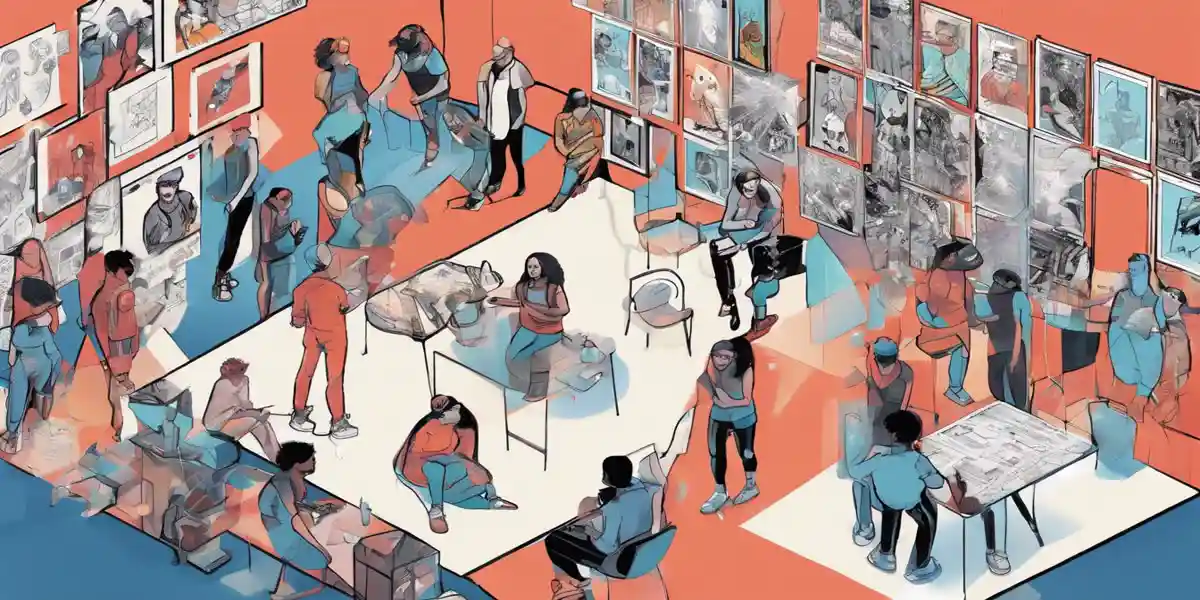
The intersection of performance art and digital technology presents a fertile ground for innovative artistic expression. The concept of transforming performance art through workshops and collaboration serves as a gateway for artists to explore the capabilities of Non-Fungible Tokens (NFTs) and create engaging experiences that resonate with audiences in profound ways.
Workshops are a powerful tool for artists, providing a structured environment where they can experiment with new mediums and ideas. Imagine a workshop focused on "LiveMinting," where artists gather to learn how to integrate real-time NFT minting into their performances. The workshop could feature technical guidance on using blockchain technology, as well as explorations of how to weave digital assets into the fabric of live art.
For example, a performance artist might collaborate with a tech expert to design a workshop where participants learn to create their own NFTs during a live performance. This could involve using specific platforms that allow for easy minting and integration of digital assets, thereby democratizing access to the NFT space. By empowering artists and audiences alike, these workshops can foster a sense of community and shared ownership over the evolving landscape of performance art.
The blend of performance art and technology is not limited to a singular artistic vision; it thrives on collaboration. Consider an interdisciplinary project where dancers, musicians, and digital artists come together to create a multi-sensory experience. In this collaborative setting, each participant can contribute their unique skills while leveraging NFTs to create a cohesive artwork that transcends individual effort.
As highlighted in Nathaniel Stern's work, the evolution of interactive media art emphasizes embodied interaction, where the audience becomes an integral part of the artistic experience. Workshops can facilitate this by encouraging collaboration not just among artists, but also between artists and audiences. Think of an interactive performance where attendees are invited to influence the direction of the piece through their engagement, all while minting NFTs that represent their contributions. This shift from passive spectatorship to active participation not only enriches the performance but also deepens the audience's emotional connection to the work.
The technical details of integrating NFTs into performance art are crucial for artists who wish to navigate this new terrain effectively. Platforms like Ethereum, which host smart contracts, can be utilized to mint NFTs that capture the essence of live performances. By employing tools such as OpenSea or Rarible, artists can create unique tokens during their acts, allowing audience members to purchase or trade these digital assets instantaneously.
A notable example is the collaboration between musician Imogen Heap and blockchain technology. Heap's project, "Mycelia," aims to empower creators by providing them with tools to manage their music and its distribution through smart contracts. In a similar vein, performance artists can emulate this model by leveraging blockchain to ensure fair compensation and ownership rights for their work, ultimately redefining how art is produced and consumed.
In conclusion, revitalizing performance art through workshops and collaboration not only enhances the artistic process but also fosters a community that embraces the digital age. As artists explore the possibilities that NFTs and technology offer, they pave the way for a more inclusive and participatory artistic landscape, challenging traditional notions of ownership and artistic expression.
At the crossroads of performance art and digital innovation, NFTs introduce a transformative concept known as "LiveMinting." This idea is not just a technical advancement; it represents a paradigm shift in how art is experienced and understood. Imagine a performance where the artist’s creativity is instantly captured and converted into unique digital assets, allowing real-time engagement with the audience. This section explores the implications of LiveMinting, the technology behind it, and its potential to redefine artistic expression.
LiveMinting operates on the principle of creating NFTs in real-time during a performance. Each performance—whether it’s a dance, a theatrical piece, or spoken word—would generate NFTs that represent pivotal moments of the event. This is made possible through blockchain technology, which ensures that each NFT is unique, traceable, and verifiable. Artists can utilize platforms like Ethereum or Tezos to mint these assets, tapping into the vast ecosystem of crypto art.
For instance, consider a live dance performance where the artist incorporates audience feedback to shape the choreography. As the performance unfolds, specific highlights—perhaps a breathtaking leap or a poignant pause—could be captured and minted as NFTs, allowing audience members to purchase these moments using their smartphones or digital wallets. This instant ownership transforms passive spectators into active participants, fostering a deeper connection between artist and audience.
LiveMinting fundamentally challenges conventional notions of art ownership. Traditionally, art is often confined to galleries, limiting access to a privileged few. However, by enabling audience members to own a piece of the performance, LiveMinting democratizes the art experience. This raises essential questions: Can art be genuinely appreciated if it's locked away in a gallery? How does the ability to purchase a moment of performance influence our perception of art itself?
This shift also resonates with the ideas presented by Nathaniel Stern in his paper "Interactive Art and Embodiment," where he emphasizes the importance of bodily meaning and viewer experience in art. LiveMinting embodies this philosophy by allowing audience members to engage with art physically and emotionally, creating a shared experience that transcends traditional boundaries.
Another intriguing aspect of LiveMinting is how the scarcity of NFTs influences the value of performance art. In a world where digital copies can be easily replicated, NFTs introduce a sense of rarity. Each minted NFT could capture a moment that is both ephemeral and tangible, enhancing its desirability. This concept ties back to the historical evolution of interactive media art, where participatory co-creation empowers audiences as collaborators. The more unique and engaging a performance is, the more valuable its associated NFTs become.
However, this raises further questions: Does the scarcity of an NFT enhance the emotional resonance of the performance, or does it commodify the art form? As audiences become stakeholders in the performance, the nature of appreciation may shift, leading to a more complex relationship with the artwork.
Several artists are already experimenting with the LiveMinting concept. For example, digital artist Pak has been at the forefront of merging performance with NFTs, creating immersive experiences that invite viewers to interact and participate. Additionally, during a recent performance art festival, an artist utilized LiveMinting to capture the audience's reactions in real-time, generating NFTs that encapsulated the collective experience of the event. These examples illustrate the potential for LiveMinting to create a dynamic, participatory art form that resonates with contemporary audiences.
As we explore this uncharted territory, we must reflect on the implications of this blend of performance and technology. Could this innovative approach to artistic expression redefine the future of performance art for generations to come?
In our exploration of how crypto art and NFTs are revitalizing performance art, we've uncovered a transformative landscape where traditional boundaries are being redefined. The introduction of LiveMinting allows artists to create unique digital assets in real-time, enhancing not only their creative expression but also deepening the audience's engagement. This shift from passive spectatorship to active participation fosters a sense of ownership and connection, challenging long-held notions of art accessibility and value.
As we discussed, the challenges facing performance art—such as exclusivity and monetization—are being addressed through innovative technologies. The rise of blockchain and NFTs democratizes access, enabling broader audiences to engage with performances beyond the physical confines of galleries and theaters. Moreover, the emotional depth and economic opportunities provided by NFTs empower artists to focus on their craft, unshackled from traditional funding constraints.
However, as we stand at this exciting crossroads, it is essential to remain mindful of the potential pitfalls—such as the commodification of art and the barriers to entry for both artists and audiences. The true power of this transformation lies in collaboration, experimentation, and community-building, as artists and audiences navigate this new digital terrain together.
As we move forward, let us embrace these changes not just as a fleeting trend, but as a fundamental evolution in the way we create, share, and appreciate art. The future of performance art is not merely about the art itself, but about fostering connections and shared experiences in an increasingly digital world. Are you ready to engage in this new era of artistic expression? Join the conversation and explore how you can be part of this vibrant transformation.
Get notified about new articles, coffee tips, and Web3 insights.
This site participates in affiliate programs and may earn a commission when a link is clicked and a purchase is made. The site is not responsible for any issues or troubles related to the products or services purchased through the use of this site.

DO&COFFEE loves coffee and technology, exploring the potential of NFTs and blockchain. Learn more →
DO&COFFEE loves coffee and technology, exploring the potential of NFTs and blockchain. Learn more →