art
2024/08/30
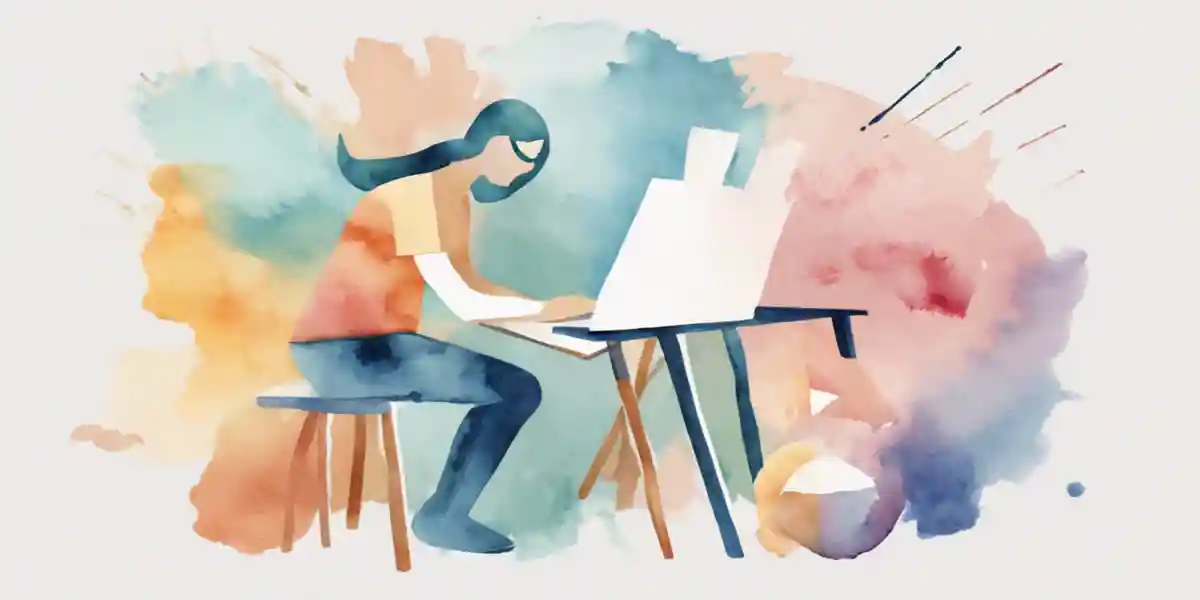
Imagine stepping into a virtual realm where creativity knows no bounds, where artists from every corner of the globe converge in a dynamic space fueled by Web3 technology. This is the essence of "ArtSphere," a groundbreaking platform that promises to redefine the landscape of art workshops. Here, performance artists, musicians, and visual creators will not only collaborate but also learn from one another in real-time, overcoming the limitations of geography. Central to this transformative experience is blockchain technology, which ensures the authenticity and ownership of digital artworks created during these sessions through the minting of Non-Fungible Tokens (NFTs).
In this blog post, we will explore how ArtSphere can revolutionize art workshops by fostering collaboration and community among diverse artists while integrating traditional techniques with cutting-edge tools like augmented and virtual reality. We'll delve into the opportunities and challenges performance art faces in this new Web3 era, highlighting how a token-based economy could democratize access to art education and empower creators financially. As we unpack these ideas, consider how this decentralized approach could not only enhance artistic expression but also transform our understanding of ownership and authenticity in the digital age.
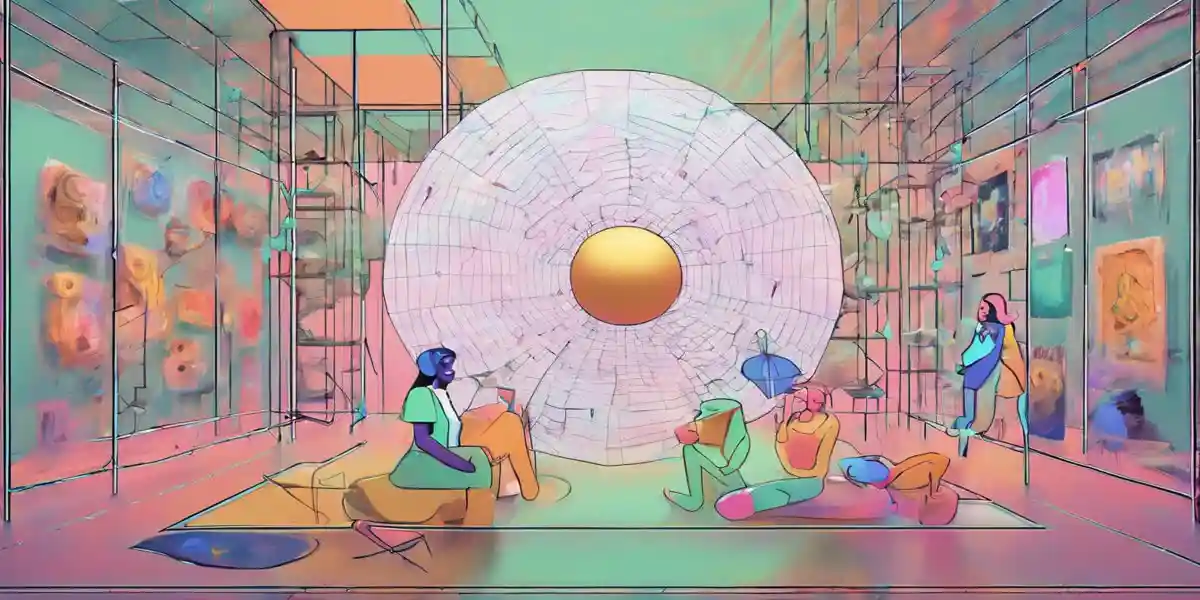
Imagine a world where art workshops transcend physical boundaries—a vibrant realm where creators from diverse backgrounds unite in a virtual space powered by Web3 technology. This vision materializes in the concept of "ArtSphere," a decentralized platform designed to revolutionize performance art, music, and visual creation. This section delves into how Web3 is reshaping the art landscape, emphasizing authenticity, ownership, and collaborative potential.
Web3 represents the next generation of the internet, focusing on decentralization and user empowerment. Unlike its predecessor, Web2, which is dominated by centralized platforms, Web3 leverages blockchain technology to create a more inclusive and equitable environment for creators. This transition is particularly significant for artists, as it addresses long-standing issues of ownership and authenticity in the digital realm.
At the heart of this transformation is blockchain technology, which enables the creation of Non-Fungible Tokens (NFTs). NFTs are unique, indivisible tokens that represent ownership of digital assets on the Ethereum blockchain. As highlighted in recent studies, the surge in interest around NFTs has led to an explosion of digital marketplaces, allowing artists to buy, sell, and trade their work securely.
For instance, artists can mint NFTs of their creations during ArtSphere workshops, ensuring that every piece retains its originality and authenticity. This capability aligns with Walter Benjamin's concepts from "The Work of Art in the Age of Mechanical Reproduction," which discusses how technological advancements have historically impacted art's authenticity. With NFTs, artists can now assert ownership in a way that was not previously possible, retaining a unique "aura" even in the digital space.
ArtSphere transcends traditional workshop formats by fostering real-time collaboration among participants. Imagine attending a workshop led by a renowned performance artist while simultaneously collaborating with a digital illustrator to create augmented reality visuals that enhance the narrative. This synergy not only enriches the artistic experience but also nurtures a sense of community among creators.
Each workshop can be hosted by different artists, who can integrate both traditional techniques and modern digital tools like virtual reality (VR). Participants contribute to a shared digital canvas, where their collective creations are stored on the blockchain, reinforcing the idea of shared authorship. This collaborative approach not only democratizes access to art education but also empowers creators by giving them a tangible stake in the financial ecosystem of their work.
ArtSphere also introduces a token-based economy, where participants earn tokens for their contributions. These tokens can be utilized to access exclusive workshops or purchase unique art pieces from fellow artists, ensuring that the value generated within the platform circulates among its members. This innovative model redefines the relationship between artists and their audiences, transforming how creators are compensated for their work.
As explored in various studies, the implementation of NFT-based smart contracts on platforms like ArtSphere not only enhances transaction security but also ensures that artists retain rights to their creations. This is crucial in a landscape where centralized systems often compromise the integrity of digital ownership.
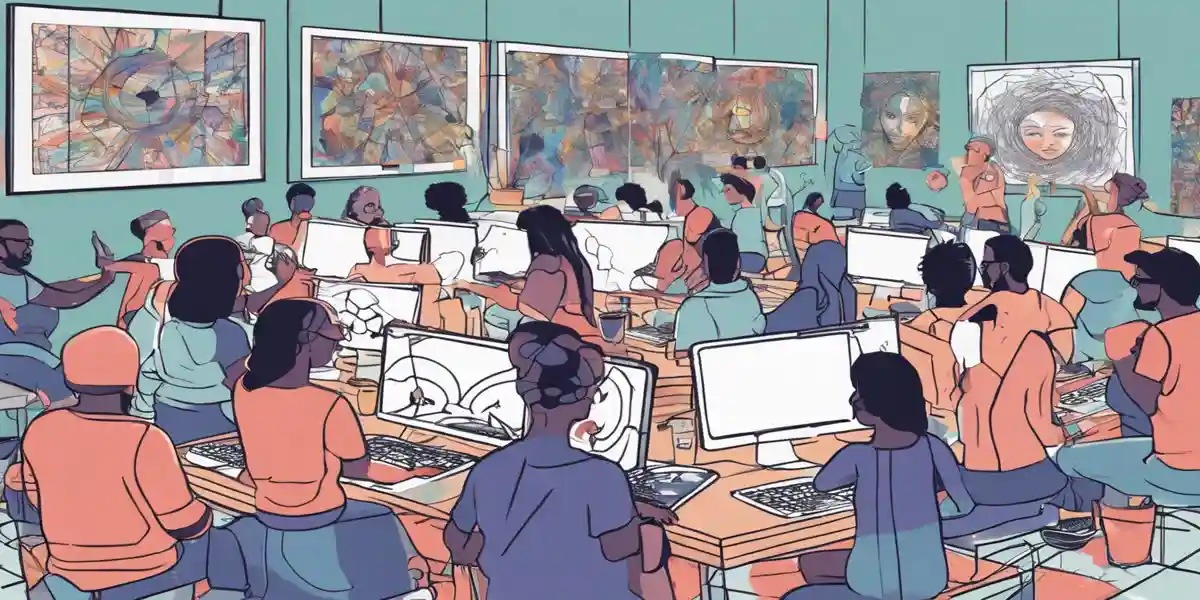
This section explores how decentralization is reshaping art workshops, enabling artists to collaborate, create, and own their work in innovative ways.
Imagine a virtual space, ArtSphere, where artists from every corner of the world can connect, collaborate, and create in real-time. This platform leverages Web3 technology to transcend geographical barriers, allowing for a diverse range of participants to engage in interactive workshops. No longer confined to physical spaces, artists can share their unique perspectives and skills, enriching the creative process.
In ArtSphere, each workshop can be hosted by a different artist—think of a performance artist leading a session on immersive storytelling while a digital illustrator creates augmented reality (AR) visuals. This seamless integration of traditional and digital techniques fosters a dynamic environment where participants not only learn but also contribute to a shared digital canvas. This collaborative approach embodies the essence of decentralization, removing the gatekeepers traditionally associated with art education and workshops.
One of the most significant challenges in the digital art world has been establishing authenticity and ownership. Walter Benjamin's observations in "The Work of Art in the Age of Mechanical Reproduction" highlight how technological advancements can dilute the originality of art. However, blockchain technology offers a solution that redefines these traditional concepts. By utilizing blockchain, ArtSphere can provide provable originality and ownership through Non-Fungible Tokens (NFTs).
NFTs, built on the Ethereum network, are unique digital assets that represent ownership of a specific piece of art. Each participant in a workshop can mint NFTs of their creations, ensuring that their contributions are securely stored on the blockchain. This not only instills a sense of ownership among creators but also preserves the "aura" of their work, making it a truly revolutionary shift in how art is valued and traded.
ArtSphere also introduces a token-based economy that empowers artists in unprecedented ways. Participants can earn tokens for their contributions, which can be used to access exclusive workshops or purchase unique art pieces from fellow artists. This economic model democratizes access to art education and creates a financial ecosystem where creators have a stake in their own work. As interest in NFTs and digital ownership grows, this system not only incentivizes participation but also builds a sustainable community of artists.
Moreover, this approach addresses the challenges outlined in recent studies about the centralized nature of traditional markets, where digital creators often lose ownership rights. By implementing NFT-based smart contracts following the ERC721 token standard, ArtSphere ensures secure and transparent transactions. These smart contracts facilitate verification and authentication, allowing artists to retain their rights and control over their creations.
Real-world examples are already emerging that illustrate the potential of decentralization in the art space. Platforms like Foundation and OpenSea are leading the charge, allowing artists to sell their work as NFTs while retaining ownership rights. These platforms exemplify how decentralization can create new opportunities for artists to monetize their work and connect with audiences in innovative ways.
By integrating these concepts into ArtSphere, we see how decentralization can transform art workshops into vibrant spaces of collaboration and creativity, where the power truly lies in the hands of the artists.
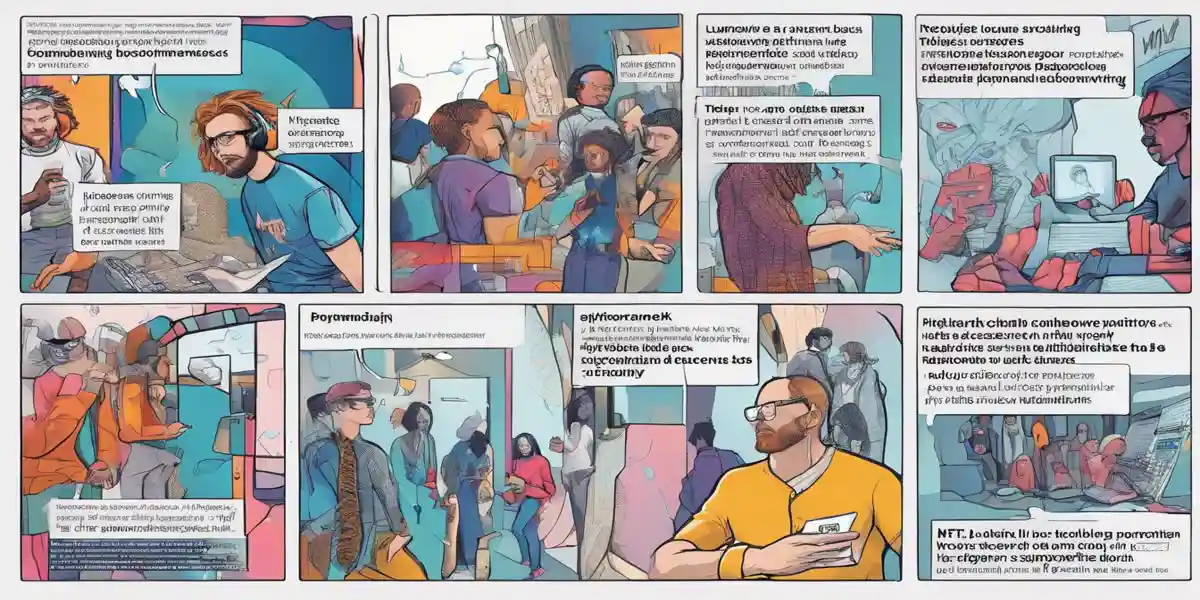
As we navigate the evolving landscape of performance art in the Web3 era, we find ourselves at the intersection of creativity, technology, and community. The emergence of platforms like ArtSphere presents both exciting opportunities for collaboration and unique challenges that artists must address to thrive in this decentralized ecosystem.
One of the most significant advantages of Web3 technologies, particularly blockchain and NFTs, is the potential for unprecedented collaboration among artists. Imagine a performance artist working with a digital illustrator in a shared virtual environment, crafting immersive stories that blend live performance with augmented reality (AR) visuals. This cross-disciplinary approach not only enriches the artistic experience but also draws in audiences who might not traditionally engage with performance art.
ArtSphere embodies this opportunity by allowing diverse creators to mint NFTs of their collaborative works. As described in Walter Benjamin's analysis of art's "aura," the uniqueness of each NFT can redefine ownership and authenticity in a digital context. This shift empowers artists to retain control over their creations, mitigating issues associated with traditional digital markets where rights can be obscured or lost.
The introduction of a token-based economy within platforms like ArtSphere further democratizes access to artistic resources. Participants earn tokens for their contributions, which can be used to unlock exclusive workshops or purchase unique pieces from fellow artists. This model not only incentivizes creativity and participation but also fosters a sense of community among artists and audiences alike. By actively engaging in this economy, creators gain a stake in the financial success of their collaborative projects, embracing a new paradigm of artistic expression.
Despite the promising opportunities presented by Web3, challenges remain, particularly regarding the acceptance of blockchain technology among digital artists. Many creators express concerns over the learning curve associated with minting NFTs and utilizing decentralized platforms. Research indicates that while interest in digital ownership is growing, substantial barriers prevent widespread adoption. Artists often grapple with anxieties about data manipulation and the complexities of ensuring their rights are secured in a decentralized marketplace.
Moreover, the need for user-centered design in blockchain systems is crucial. The focus has often been on technical implementation, overshadowing the creators' needs and expectations. Therefore, platforms must prioritize intuitive interfaces and educational resources to facilitate onboarding and engagement, ensuring artists feel supported rather than overwhelmed by the technology.
Real-world examples of successful Web3 applications in performance art include initiatives like “The Invisible College,” where artists collaborate online to create immersive experiences that blend performance, visual art, and digital technology. These projects illustrate the transformative potential of Web3 while also highlighting the necessity of addressing the aforementioned challenges. As we advance, it is imperative for platforms like ArtSphere to develop robust support structures for artists, promoting an inclusive environment where creativity can flourish.
In summary, while the Web3 era offers exciting opportunities for performance art to evolve, it also presents challenges that require thoughtful consideration and strategic solutions. The success of decentralized platforms hinges on their ability to balance innovation with the practical needs of their users, ultimately shaping a vibrant landscape of artistic collaboration.
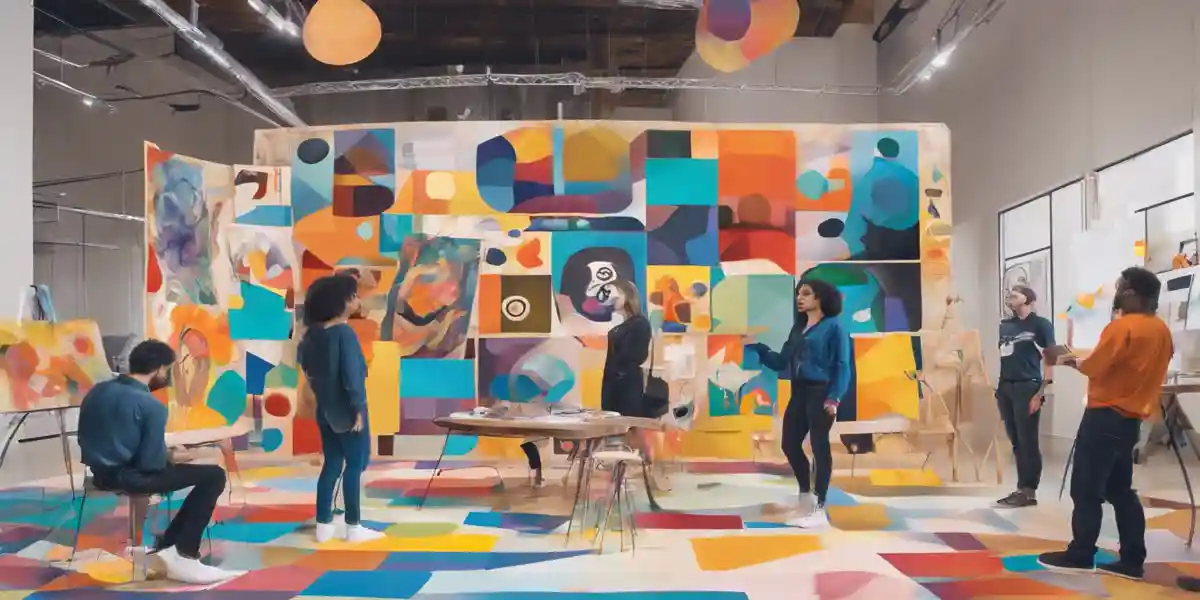
As we explore the potential of platforms like ArtSphere, it becomes evident that the future of art workshops is not only about creativity but also about redefining how we perceive ownership, collaboration, and community in a decentralized world.
Decentralization is not just a buzzword; it represents a paradigm shift in how art is created and shared. By leveraging Web3 technologies, artists can step away from the constraints of traditional systems that often prioritize profit over creativity. In a decentralized landscape, platforms like ArtSphere facilitate a more equitable distribution of resources. For instance, artists from underrepresented communities can now access a global audience, allowing them to contribute their unique perspectives and talents without the barriers typically posed by geographic limitations.
One of the most compelling aspects of ArtSphere is its integration of blockchain technology, which ensures authenticity and ownership of digital artworks. According to the principles laid out by Walter Benjamin in "The Work of Art in the Age of Mechanical Reproduction," the question of originality becomes increasingly complex in the digital realm. However, NFTs (Non-Fungible Tokens) provide a solution by offering provable originality and ownership, thereby redefining traditional concepts of art authenticity. Artists can mint their collective pieces as NFTs, which not only preserves the uniqueness of their work but also enables them to retain control over their creations long after the workshop concludes.
Imagine participating in a workshop that combines various art forms—performance, visual arts, and digital storytelling—all in real-time. Using augmented reality (AR) and virtual reality (VR) tools, participants can create immersive experiences that enhance the narrative of their performances. For example, a performance artist could collaborate with a digital illustrator to create an AR backdrop that evolves throughout the performance, transforming the way audiences engage with the art. This blend of technology and creativity not only enriches the artistic process but also fosters a collaborative spirit among participants, allowing them to contribute their unique skills to a shared digital canvas.
ArtSphere's model introduces an innovative token-based economy that incentivizes participation and contribution. Participants earn tokens for their engagement, which they can later use to access exclusive workshops or purchase unique art pieces. This system empowers creators by giving them a stake in the financial ecosystem of their work, facilitating a direct relationship between artists and their audience. It echoes the sentiments found in recent discussions around digital asset ownership, highlighting the importance of establishing trust and transparency in transactions, a challenge that blockchain technology addresses effectively.
Despite the promise of Web3, there are challenges to overcome. A significant barrier is the limited acceptance of blockchain-based systems among digital creators, as highlighted in recent studies. Many artists express concerns about the complexity of these technologies and their implications for artistic expression. To nurture this emerging landscape, it is essential to focus on user-centered design solutions that address the needs and expectations of digital artists. By doing so, we can enhance the experience of using platforms like ArtSphere, ensuring that they are accessible and beneficial for all creators.
Ultimately, ArtSphere is more than just a platform; it is a community where artists can connect, collaborate, and thrive. As we embrace the future of art in a decentralized landscape, we must recognize the immense potential for creativity that lies in collaboration across borders and disciplines. By fostering a sense of community, we can create an environment where artistic expression flourishes, enabling artists to push the boundaries of their craft and redefine what it means to be a creator in the 21st century.
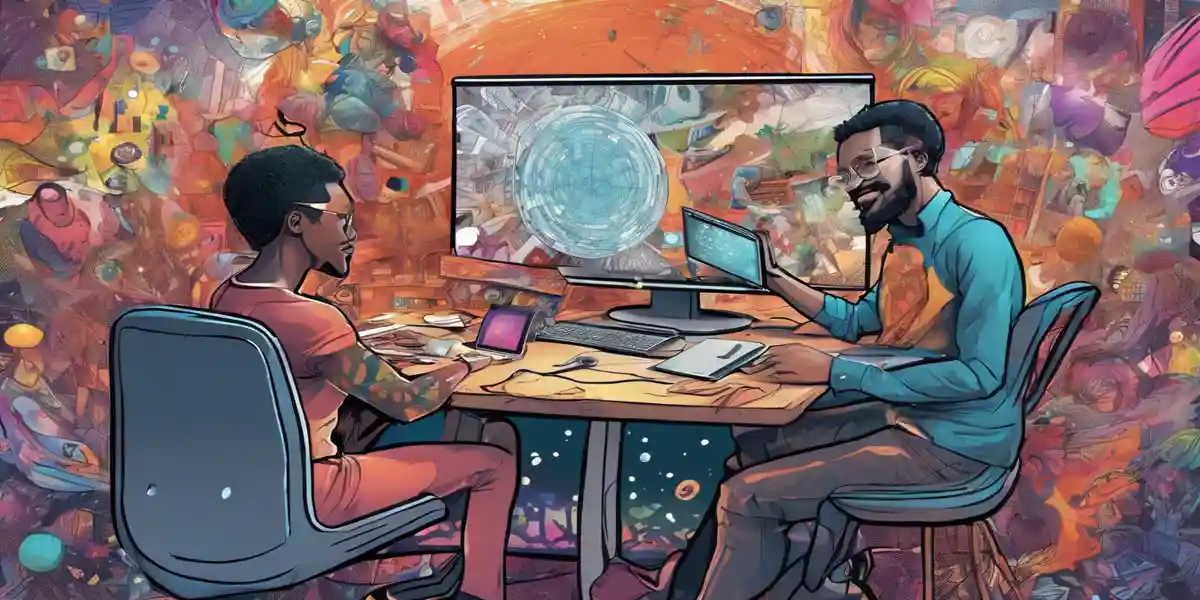
Imagine a world where art workshops transcend physical boundaries, allowing creators from various backgrounds to converge in a virtual space powered by Web3 technology. This vision is embodied in a decentralized platform called "ArtSphere," where performance artists, musicians, and visual creators can collaborate, teach, and inspire one another in real-time, irrespective of their geographic locations.
ArtSphere leverages blockchain technology to guarantee the authenticity and ownership of digital artworks created during these workshops. By allowing participants to mint NFTs (Non-Fungible Tokens) of their collective pieces, ArtSphere establishes a new paradigm for art ownership that aligns closely with Walter Benjamin's ideas from "The Work of Art in the Age of Mechanical Reproduction." Benjamin discusses how technological advancements, like photography and film, have influenced art’s originality and authenticity. Similarly, NFTs provide provable originality and ownership, redefining traditional concepts of art in our digital landscape.
Each workshop within ArtSphere could be hosted by a different artist, who would guide participants through interactive sessions that integrate both traditional techniques and contemporary digital tools. Picture attending a workshop on immersive storytelling led by a renowned performance artist while simultaneously collaborating with a digital illustrator to create AR visuals that amplify the narrative experience. This fusion of disciplines not only enriches the creative process but also fosters a sense of community among participants, who can contribute to a shared digital canvas stored securely on the blockchain.
Furthermore, ArtSphere introduces a token-based economy in which participants earn tokens for their contributions. These tokens could be utilized to access exclusive workshops or purchase unique art pieces from fellow artists. This model not only democratizes access to art education but also empowers creators by giving them a stake in the financial ecosystem surrounding their work. By incorporating a system that rewards participation, ArtSphere creates an environment where artists feel valued and invested in their collaborative projects.
The technical backbone of ArtSphere relies on the Ethereum blockchain and the ERC721 token standard, which governs the creation and trading of NFTs. The implementation of smart contracts ensures secure transactions and ownership transfers, addressing concerns prevalent in traditional digital markets where creators often lose rights to their work. By deploying two distinct smart contracts—one for individual market items and another for the overarching marketplace—ArtSphere cultivates a secure, trusted, and immutable transaction environment. This setup not only safeguards artists’ rights but also enhances transparency in every transaction facilitated on the platform.
In this decentralized era, ArtSphere embodies a revolutionary space for artistic expression. By merging the creative potential of diverse participants with the robustness of blockchain technology, it cultivates an inclusive community where collaboration flourishes and ownership is clear. Artists are no longer passive consumers of art education; they become active contributors and stakeholders in a vibrant ecosystem that celebrates their creativity and innovation.
As we reflect on the transformative potential of platforms like ArtSphere, it is clear that the future of art workshops extends beyond mere creativity; it redefines our understanding of ownership, collaboration, and community in a decentralized world.
The integration of Web3 technologies heralds a significant shift in how artists create, share, and monetize their work. By harnessing decentralization, artists gain the power to transcend traditional boundaries, allowing for a more equitable distribution of resources and access to a global audience. This democratization of art education and collaboration provides opportunities for underrepresented voices to contribute their unique talents and perspectives, enriching the artistic dialogue across cultures and disciplines.
At the heart of this revolution lies blockchain technology, which offers a robust framework for ensuring authenticity and ownership of digital creations. By minting Non-Fungible Tokens (NFTs), artists can maintain control over their work and assert their rights in an era where digital ownership has often been compromised by traditional systems. This empowerment not only preserves the unique "aura" of their creations but also fosters a sense of trust and transparency in the digital marketplace.
Imagine the possibilities as artists from diverse backgrounds collaborate in real-time, blending performance, visual arts, and technology to craft immersive experiences that engage audiences like never before. The use of augmented and virtual reality tools can redefine how we experience art, transforming passive viewers into active participants in the creative process. This shift towards interactive and collaborative workshops nurtures a vibrant community where creativity thrives and innovation flourishes.
ArtSphere's token-based economy further incentivizes participation and fosters a sustainable community of creators. By rewarding contributions with tokens that can be exchanged for access to workshops or unique art pieces, artists are encouraged to invest in their collaborative projects. This model not only creates a direct relationship between artists and their audiences but also ensures that the value generated within the platform circulates among its members, enhancing the overall health of the artistic ecosystem.
As we stand on the brink of this exciting new era in the art world, it is essential for artists, enthusiasts, and supporters to engage with these emerging platforms and technologies. Whether you are a seasoned creator or someone who appreciates the beauty of art, your participation in this decentralized landscape can help shape the future of artistic expression. Explore the possibilities, collaborate with others, and embrace the innovative spirit of Web3. Together, let's redefine what it means to be a creator in the 21st century.
Get notified about new articles, coffee tips, and Web3 insights.
This site participates in affiliate programs and may earn a commission when a link is clicked and a purchase is made. The site is not responsible for any issues or troubles related to the products or services purchased through the use of this site.
DO&COFFEE loves coffee and technology, exploring the potential of NFTs and blockchain. Learn more →
DO&COFFEE loves coffee and technology, exploring the potential of NFTs and blockchain. Learn more →